Volkswagen ID.Polo has no plans to enter the Chinese market for now. It starts at over 200,000 yuan. Is it too timid to face domestic Chinese cars?
While the market is still discussing various three - row, six - seat vehicles, two rather unique small cars suddenly appear in front of us -
The Volkswagen ID.Polo and the smart #2.
A decade ago, these two names would have definitely made headlines in the automotive circle. However, in 2025, people's attention to small cars seems to boil down to just one indicator: how affordable they are. Currently, size has become the absolute measure of value. Small cars are either tools for license plate occupancy or simply for daily commuting. Rarely do people associate them with "quality" or "aspiration" anymore.
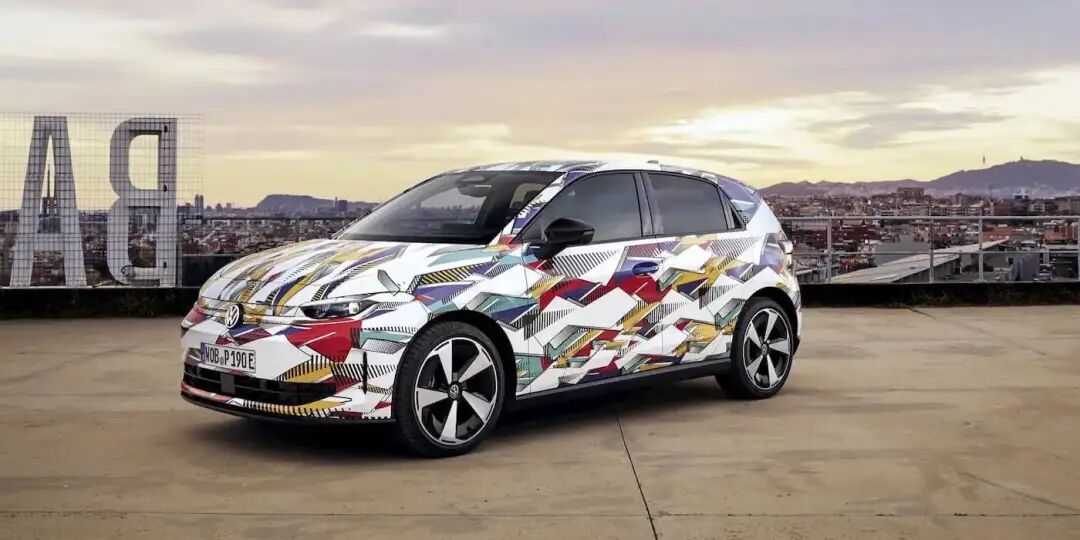
Volkswagen ID.Polo
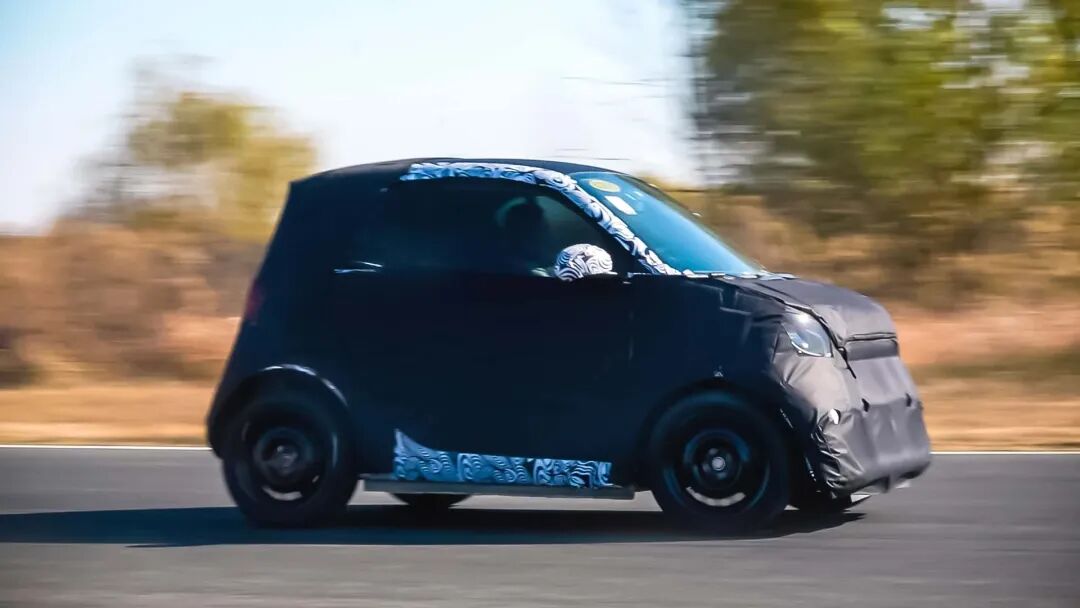
smart #2
However, these two upcoming new cars are worth taking a closer look at. It's not because their specifications are particularly astonishing, but rather because Volkswagen and smart, two long - established brands, have made diametrically opposite choices when facing the world's most competitive electric vehicle market in China.
Volkswagen has chosen to let the once - popular economy car, the Polo, gracefully remain in Europe, while smart has decided to bring the #2, a car that is likely to be overlooked by the market, to China. One retreats while the other advances, representing two completely different survival logics.
The Dignity of the ID.Polo and Volkswagen's Calculations
The latest reports confirm that Volkswagen is no longer insisting on using a cold - sounding code like ID.2 to educate consumers. Instead, it has directly named the new car planned for mass production in 2026 the ID.Polo.
This is a very smart decision. For Volkswagen, the name "Polo" itself implies a certain level of trust that needs no explanation. Moreover, judging from the currently disclosed information, the product strength of this car is not weak. Built on the upgraded MEB+ platform, its body size is maintained at around 4 meters, but the interior space utilization has been significantly improved. There will even be a GTI version with 226 horsepower launched later.
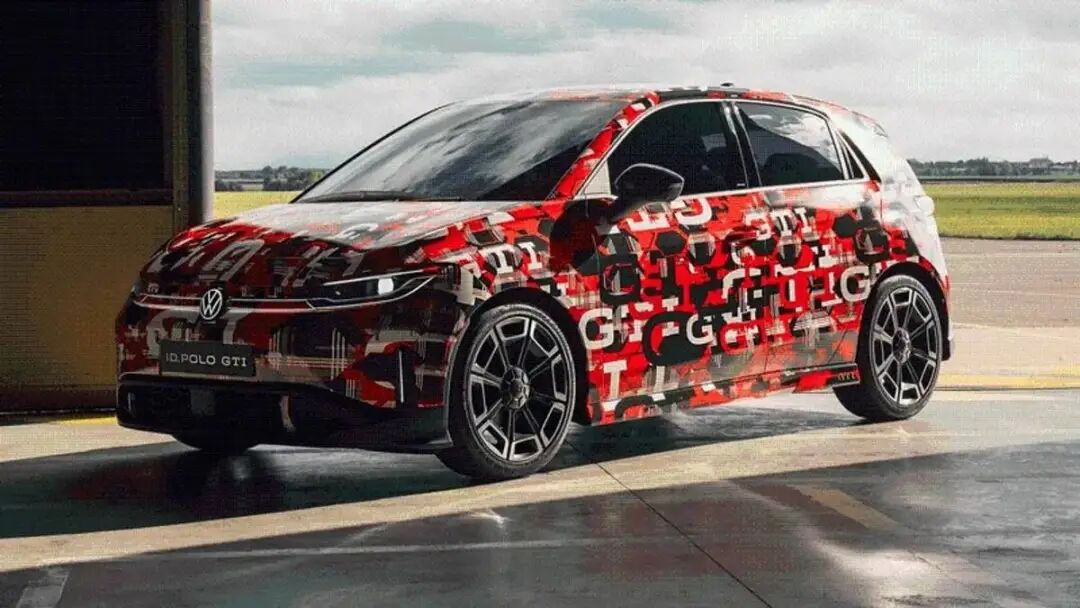
ID.Polo GTI
A decade ago, this would have definitely been a hit that would trigger a buying frenzy in the Chinese market. However, Thomas Schäfer, the CEO of Volkswagen Passenger Cars brand, publicly stated that there are currently no plans to introduce the ID.Polo to the Chinese market.
His explanation is quite thought - provoking. Schäfer believes that the aesthetic preferences in the Chinese market are very different from those in Europe. Chinese consumers prefer more avant - garde and dynamic designs, implying that the classic - inherited styling of the ID.Polo may not be well - received in China.
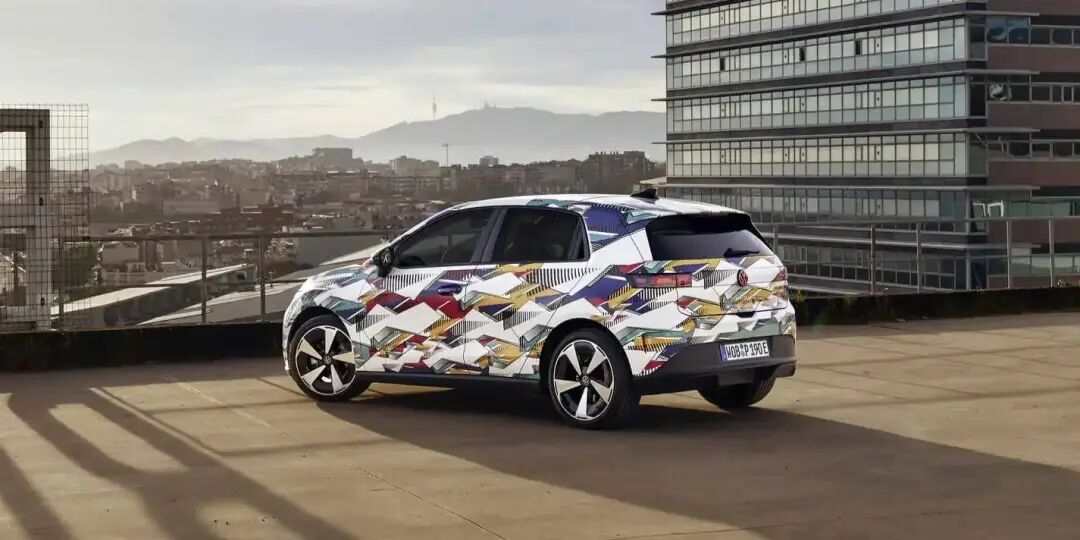
ID.Polo
This statement sounds very appropriate, attributing the reason for not introducing the car to a sentimental factor like "cultural difference". However, there may be more real - world commercial considerations behind it -
The starting price of the ID.Polo in Europe is set at 25,000 euros, approximately 206,000 Chinese yuan.
In the current Chinese market environment, this is an extremely awkward price point. Consumers with this budget have a plethora of choices. Even if its price drops to 100,000 yuan after local production, Geely, BYD, and Wuling have already built a solid defense line.
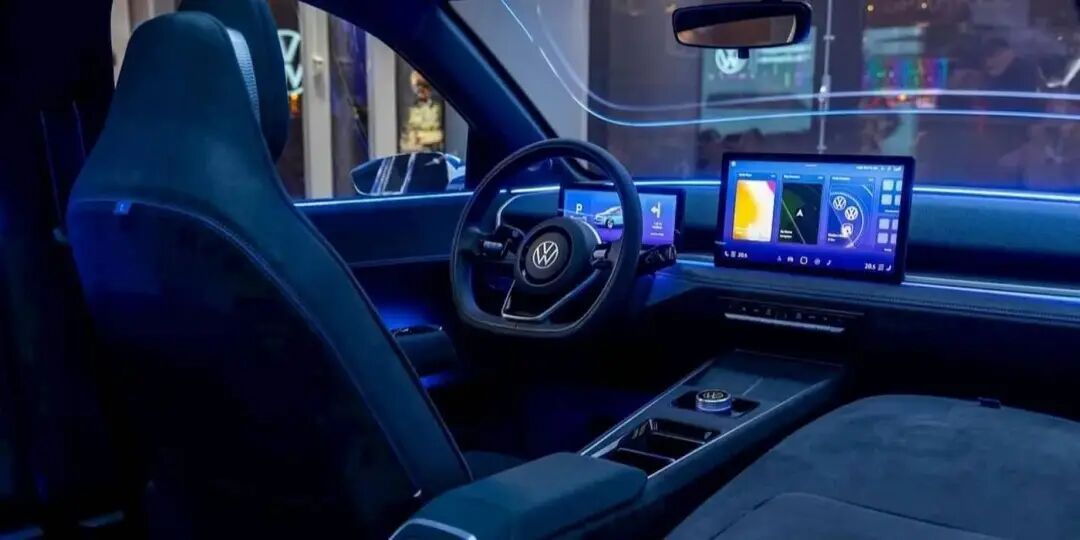
Volkswagen is well aware that the ID.Polo may maintain a premium in Europe due to its brand halo. However, in the Chinese market where price wars are at their peak, its proud mechanical quality and classic design will find it difficult to gain an edge in a comparison with the feature lists of domestic models.
Rather than introducing this global model and being forced into an endless price war, it's better to keep it in Europe. Volkswagen has chosen another path in China, relying on "China - specific models", such as the ID. ERA and ID. AURA at the Guangzhou Auto Show. Volkswagen's current strategy is to use local Chinese supply chains and technologies to build electric vehicles that fit the Chinese cost structure.
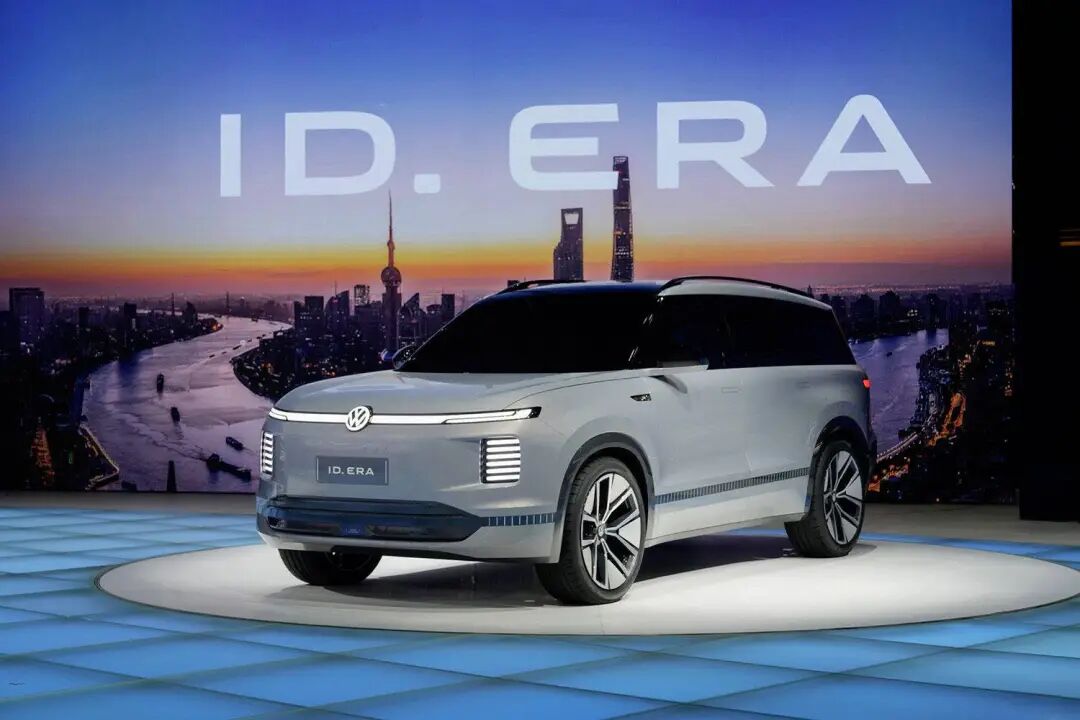
The ID. ERA at the Guangzhou Auto Show, with extended - range power
The ID.Polo is a good car, but it belongs to Europe, not the ultra - competitive Chinese market.
More Important Than Sales Volume Is the Brand
Different from Volkswagen's strategic retreat, smart has made a seemingly stubborn decision. The smart #2, mainly designed by Mercedes - Benz and produced by Geely, has started testing and will clearly retain the two - seat layout, becoming the successor to the classic ForTwo. More importantly, this car will enter the Chinese market.
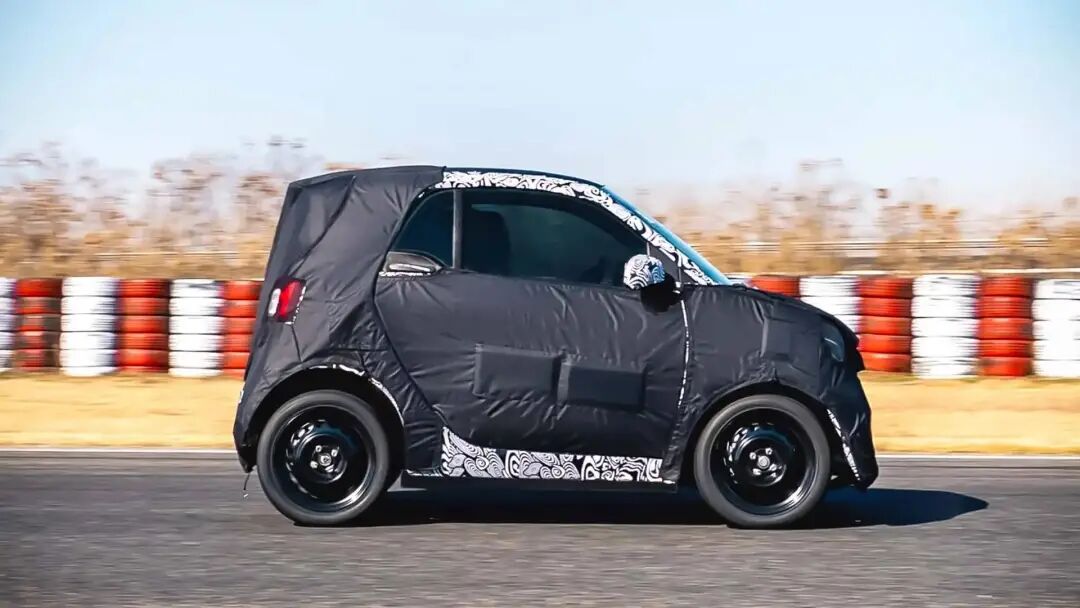
smart #2
Many people may think that the prospects of the smart #2 in the domestic market are not optimistic. After all, in the domestic micro - car market, the Wuling Hongguang MINIEV and the Geely Xingyuan have already pushed the price threshold to the lowest level. As a so - called "premium small car" with the smart logo, the #2 is surely not to be cheap. Selling a two - seat car in a market that values quantity and affordability seems like a losing proposition.
However, Geely and Mercedes - Benz have clearly done their calculations.
Smart's current situation is quite delicate. Whether it's the already launched #1, #3, the large - sized #5, or the upcoming sedan model #6, these cars are tasked with increasing sales volume and making profits. However, they have also made the brand heavier and more like an ordinary Geely.
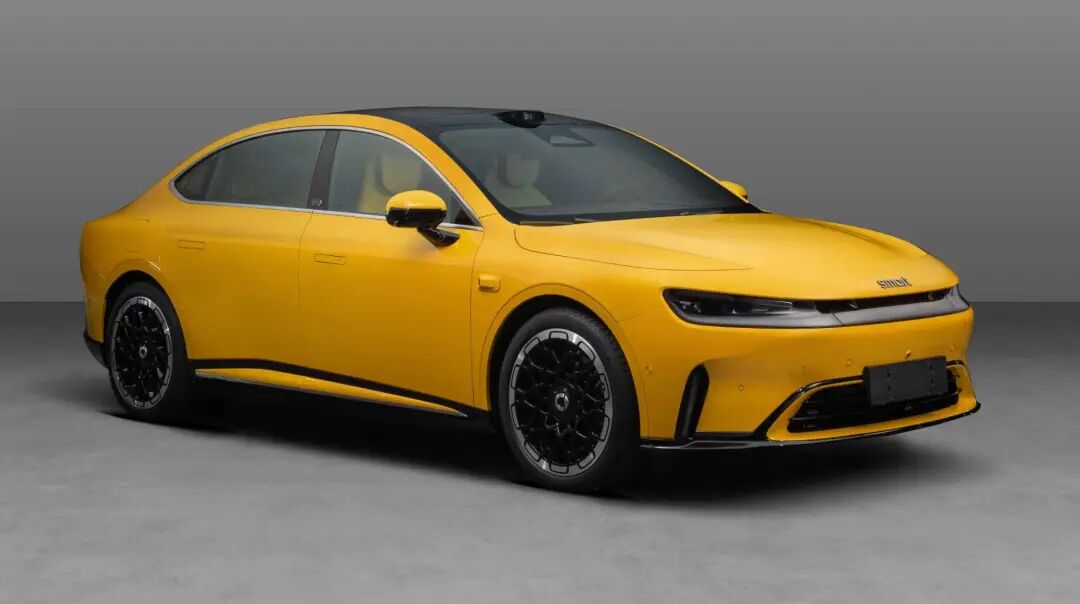
The smart #6 just announced by the Ministry of Industry and Information Technology
The smart #2 is not here to boost sales figures. It is the anchor of the brand. It tells people that even though smart has to build larger cars for survival, it can still be that nimble sprite that can navigate through the city's nooks and crannies. Without the brand halo brought by the #2, it will be difficult for the #5 and #6 to tell a good story.
The ID.Polo and the smart #2 may seem to be going in opposite directions, but they both expose the awkward situation of the domestic small - car market:
In this market, there are plenty of extremely practical commuting tools, but there is a shortage of truly attitude - driven products.
Looking back at domestic small cars in the past two years, whether it's the Geely Xingyuan or the BYD Seagull, their sales have been quite remarkable. However, this is mostly due to the dividends brought by the mature supply chain. Automobile manufacturers have stuffed features that were not previously available at this price point into the cars, such as large - screen infotainment systems and comfortable seats, improving the riding experience. However, this has not changed their nature as "utility vehicles".
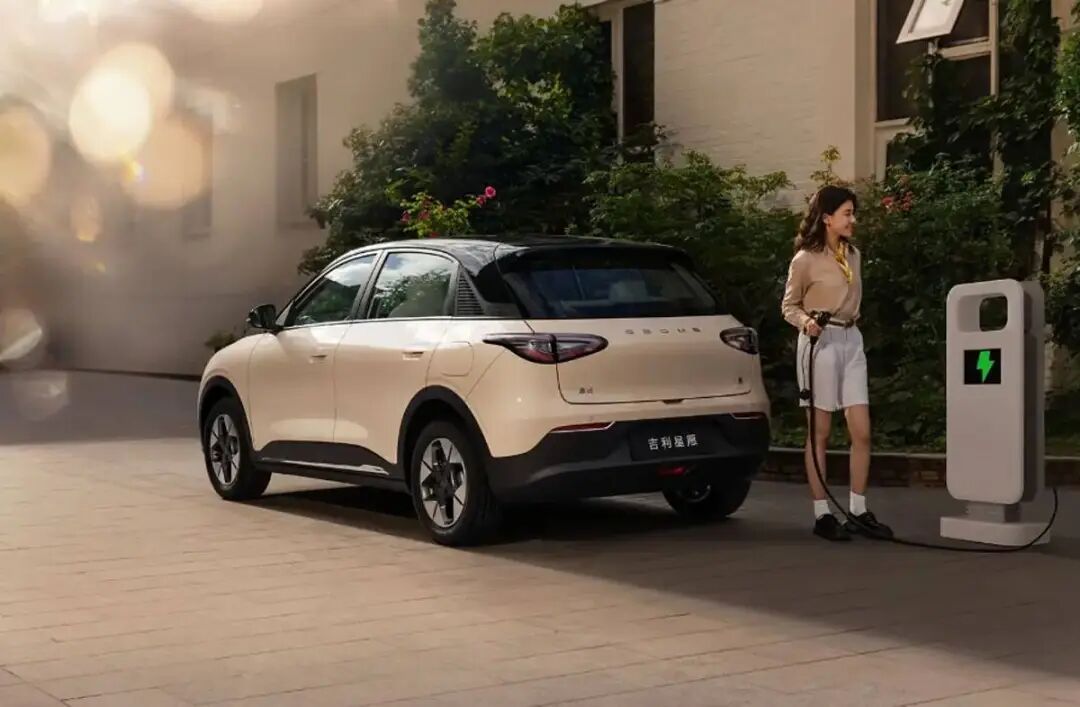
This reminds me of an interesting phenomenon: The takeaway industry is now competing in work - uniform design, paying more and more attention to tailoring and brand expression.
The popularity of the delivery uniforms of JD.com and Taobao Flash Purchase was unimaginable in the past. When the takeaway industry was just emerging, people only cared about getting their food on time. Only when "being full" was no longer a problem did the industry start to have the energy to focus on image and culture.
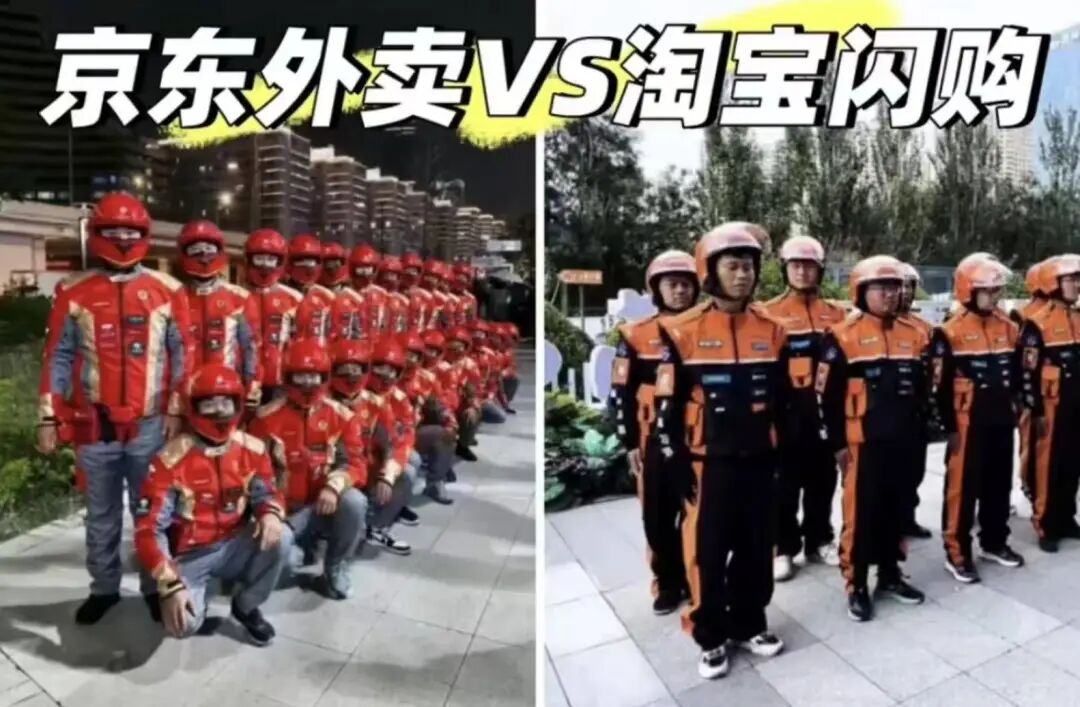
The domestic small - car market is the same. Currently, the best - selling models are essentially better "raincoats", not fashionable clothing that expresses personality.
Two - door cars are actually the category that most tests an automobile manufacturer's attitude. In a limited size, it is necessary to ensure basic practicality while also creating a unique driving experience and ingenious interior and exterior designs. This is much more difficult than building a large SUV stuffed with features. Historically, all the small cars that are truly memorable have distinct personalities.
Volkswagen took away the ID.Polo because it thought it couldn't compete on "cost - effectiveness", while smart brought back the #2 to "maintain its style". The question for domestic brands is, after we have optimized the supply chain to the extreme, who can be the first to take the step to build a truly premium small car for the Chinese market?
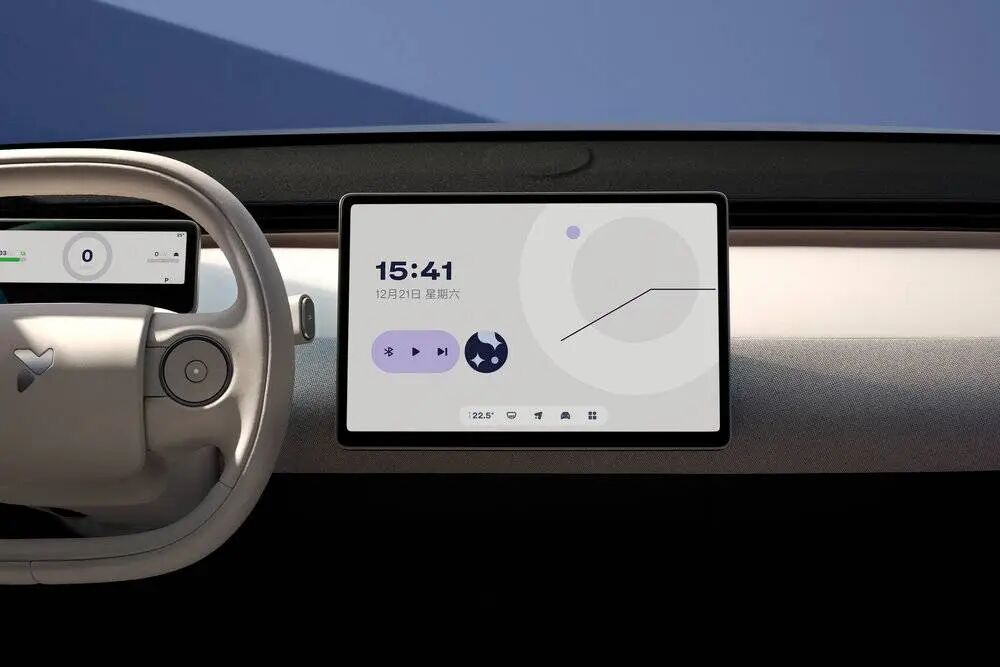
Currently, NIO's Firefly and Leapmotor's Lafa5 may be worth looking forward to. Especially if they can break out of the simple feature - competition and focus on the "personality" and "design" that are most lacking in this type of vehicle, then they will truly catch the wave of consumption upgrade.
When consumers realize that small cars can also be a form of aesthetic expression, only those brands that are well - prepared in advance can seize this great opportunity.
An Extra Credit Question in the Chinese Auto Market
Compared with the popular three - row, six - seat vehicles, the two - door car market may be a more interesting segment of the industry to observe.
The absence of the Volkswagen ID.Polo is indeed a bit of a pity as it takes away a European automotive philosophy that has been refined over decades. However, from another perspective, this just leaves a good testing ground for Chinese automobile manufacturers.
For a long time, in the field of small cars, we have been filling in the blanks. We add whatever features are missing and expand whatever space is small. This problem - solving approach was very effective in the early days as it quickly filled the market gaps and made cars affordable for everyone. However, when all the blanks are filled and all cars become extremely cost - effective all - rounders, the market becomes boring due to excessive homogenization.
We are looking forward to NIO's Firefly, Leapmotor's Lafa5, or other yet - to - be - revealed domestic new cars to adopt a different problem - solving approach. We hope to see Chinese automobile manufacturers no longer simply regard small cars as tools to lower the entry threshold, but truly polish them as an independent and respectable category.
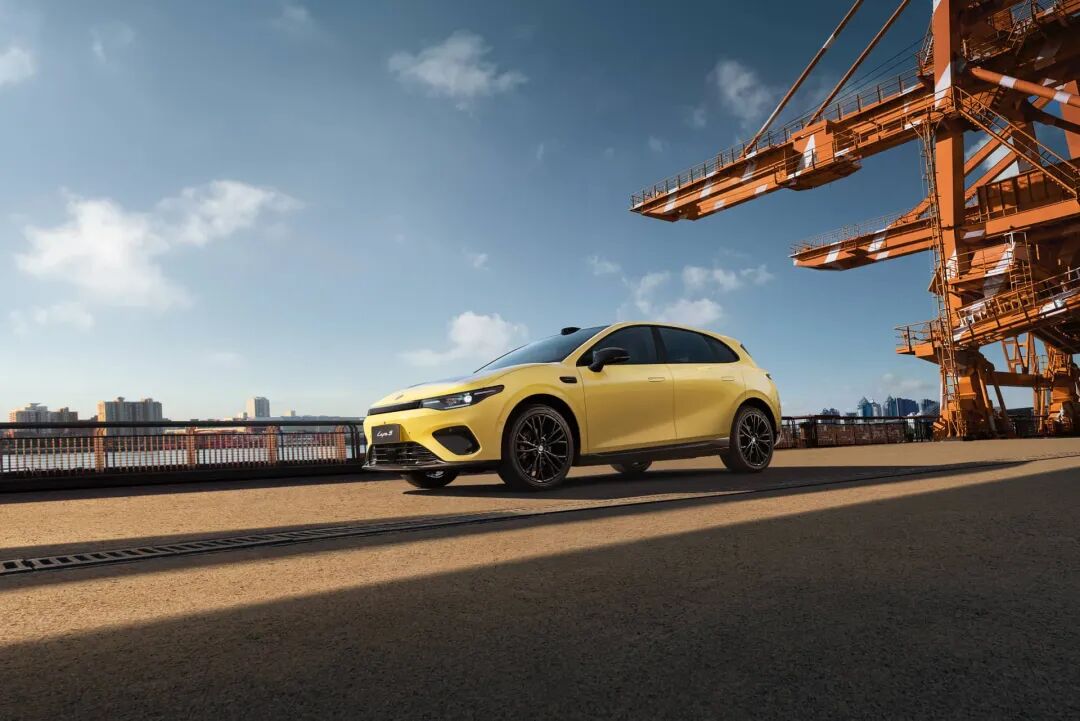
In a mature automotive society, there should not be just one voice. The streets should not be filled only with practical tools for survival. There should also be delicate toys for self - indulgence. One day, when we are willing to pay for a domestic small car because of its design, driving pleasure, and a little bit of uniqueness, rather than just because it can save a few yuan on fuel, the Chinese automotive industry will have truly completed the last piece of the puzzle in its transformation from big to strong.
If the Volkswagen ID.Polo really doesn't come, we hope to see Chinese cars on the streets in 2026 that can replace or even surpass it. This will be not only a victory for the market but also a victory for aesthetics.
This article is from the WeChat official account "Dong Che Hui". Author: Li Hua. Republished by 36Kr with permission.