Exclusive Interview with Nicolas Luchsinger, CEO of Buccellati: How Do Four Butterflies Convey a Century-Old Aesthetic?
At the beginning of December 2025, Buccellati, an Italian high - end jewelry brand, brought the "Master of Timeless Art - Buccellati Collection Exhibition" to Shanghai. After the global premiere in Venice in 2024, this is the first systematic presentation of this century - old brand to overseas markets.
The exhibition starts with four butterfly brooches created by four generations of the Buccellati family. In the final chapter, the "Collection Gallery" exhibition hall, it presents the representative works and core craftsmanship of Buccellati in the field of high - end jewelry. Through 250 pieces, including 150 jewelry items and 100 silverware items, this major brand exhibition depicts the brand's trajectory from its local start in Milan to its continuous global expansion.
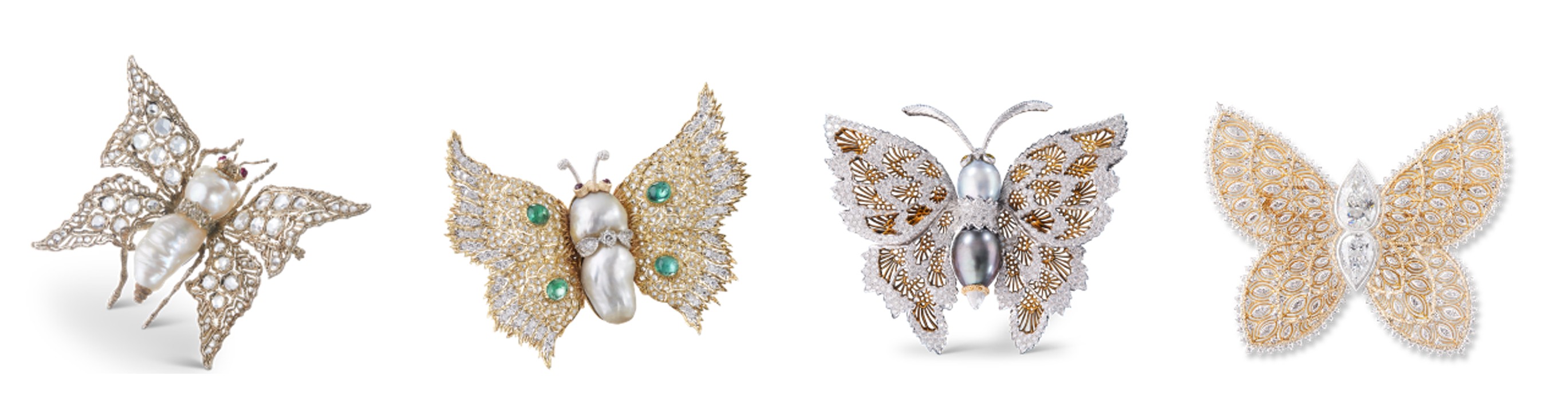
Four butterfly brooches created by four generations of the Buccellati family
For the luxury industry, using exhibitions to tell stories is not a new move. However, the "Master of Timeless Art" exhibition landed in Shanghai, China, precisely during a special period of gold frenzy: In early October, the international gold price reached a record high of $4,000 per ounce.
During a period when gold consumption is still priced by weight, this major brand exhibition that pays tribute to the "Prince of Goldsmiths" becomes even more thought - provoking. Because Buccellati, with its unique cultural position rooted in the Renaissance, offers a completely different value system: Value is measured by exquisite craftsmanship and aesthetics that transcend time.
"The price of gold may rise, but what truly makes a piece an asset is the craftsmanship itself," said Nicolas Luchsinger, CEO of Buccellati, in an exclusive interview with 36Kr.
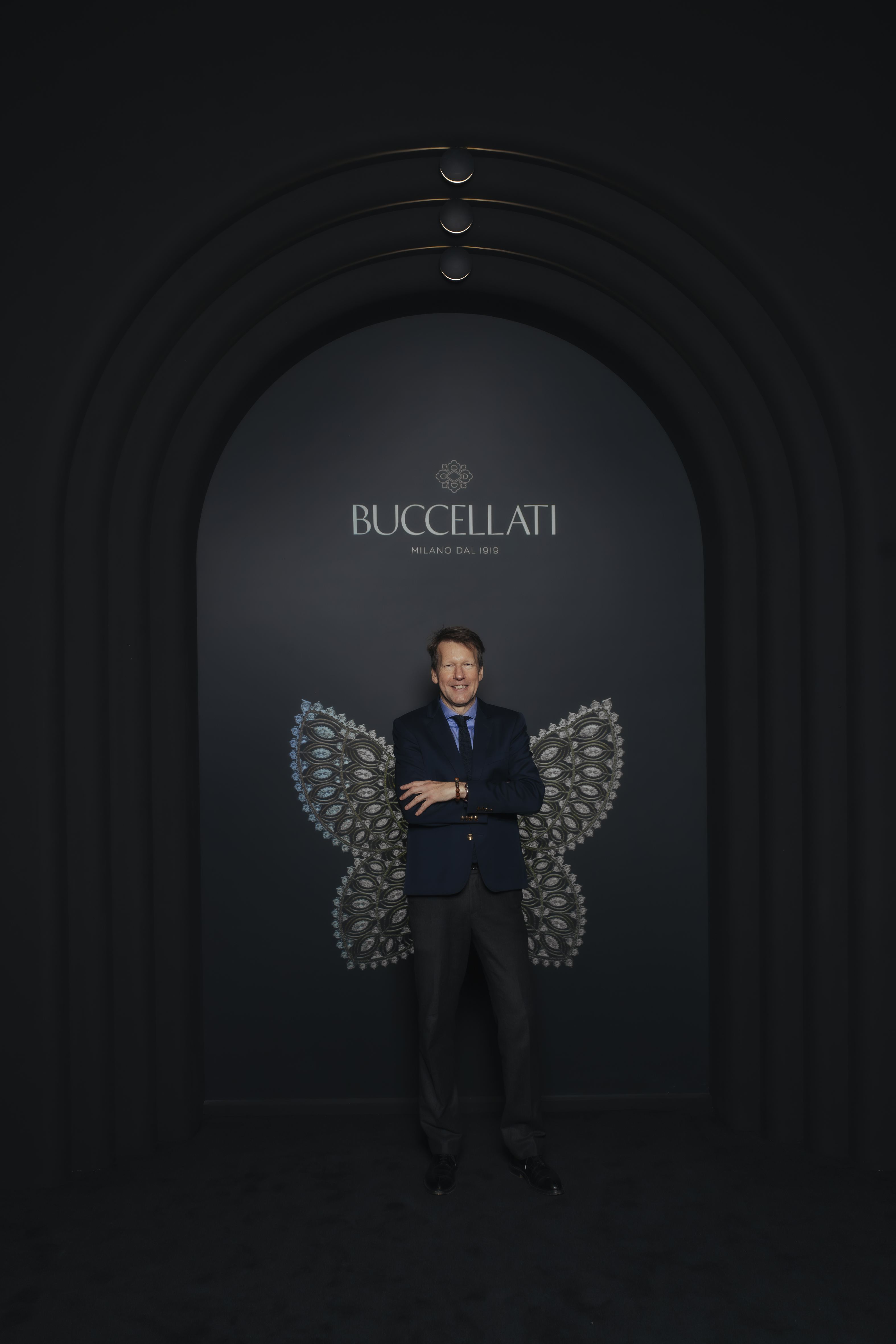
Nicolas Luchsinger, CEO of Buccellati
In Nicolas Luchsinger's view, in an era when fashion bags still rely on a perfect preservation state to maintain their value, jewelry endures the test of time in another way, that is, the depth of craftsmanship. "The unique value of Buccellati lies in that even if the jewelry shows signs of use over the years, the exquisite craftsmanship behind it still makes it as good as new and more precious with time."
When it comes to craftsmanship, Italy has no shortage of top - notch artisans. The genealogy of gold - working techniques can even be traced back to the Etruscan civilization, which ruled central Italy around a thousand years BC. It was an ancient society that had brought metal craftsmanship to a highly mature level before the Renaissance. Its representative granulation technique is still regarded as a difficult - to - replicate process in European gold - working history due to its proximity to the limits of manual work.
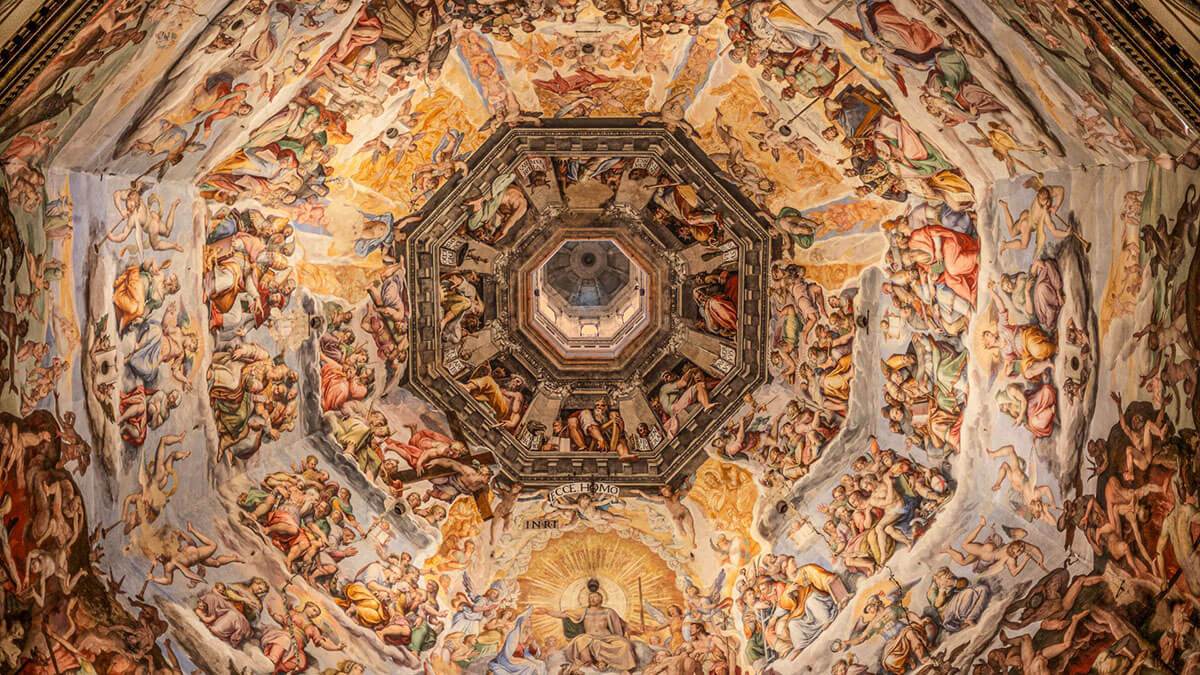
Dome of the Florence Cathedral
During the Renaissance, gold - working craftsmanship no longer only served the church for making religious items such as chalices and scepters. With the rise of wealthy bankers and nobles like the Medici family, it began to accept a large number of commissions from the secular class to create jewelry for personal wear to show social status.
Gold - working workshops during this period also became the cradles of Renaissance artists. Filippo Brunelleschi, who designed the dome of the Florence Cathedral, received training in the gold - working system in his early years; Lorenzo Ghiberti, who created the Gates of Paradise of the Florence Baptistery, had a father who was a well - known goldsmith at that time; and the famous sculptor Benvenuto Cellini also started his career in a gold - working workshop.
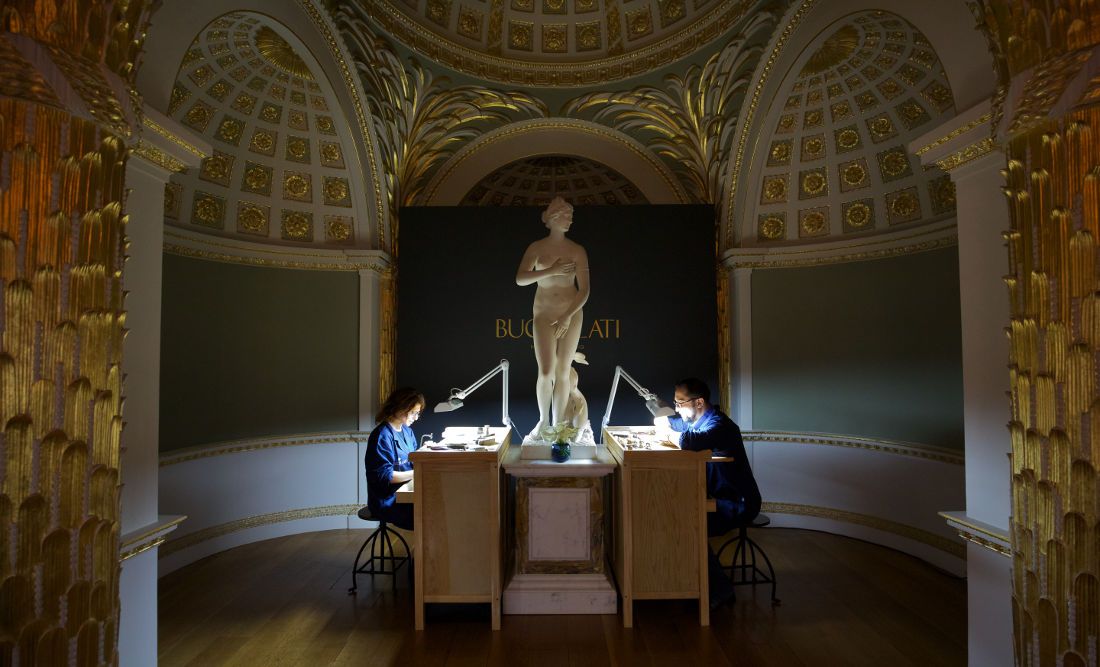
Buccellati and the Renaissance
To some extent, gold - working craftsmanship during the Renaissance was inseparable from art forms such as architecture and sculpture. Through classical symmetry and proportion, an orderly pattern system, and strict requirements for precision handicraft, it jointly shaped an aesthetic rule of structural luxury, which is an important reference for Buccellati's craftsmanship and aesthetics.
In 1919, founder Mario Buccellati opened his first boutique in Milan based on his experience as a gold - working apprentice, marking the birth of the Buccellati brand. Mario Buccellati, who was obsessed with Renaissance classical art, drew inspiration from architecture, nature, and haute couture, and carved hard precious metals into works with the texture of silk, lace, and honeycombs.
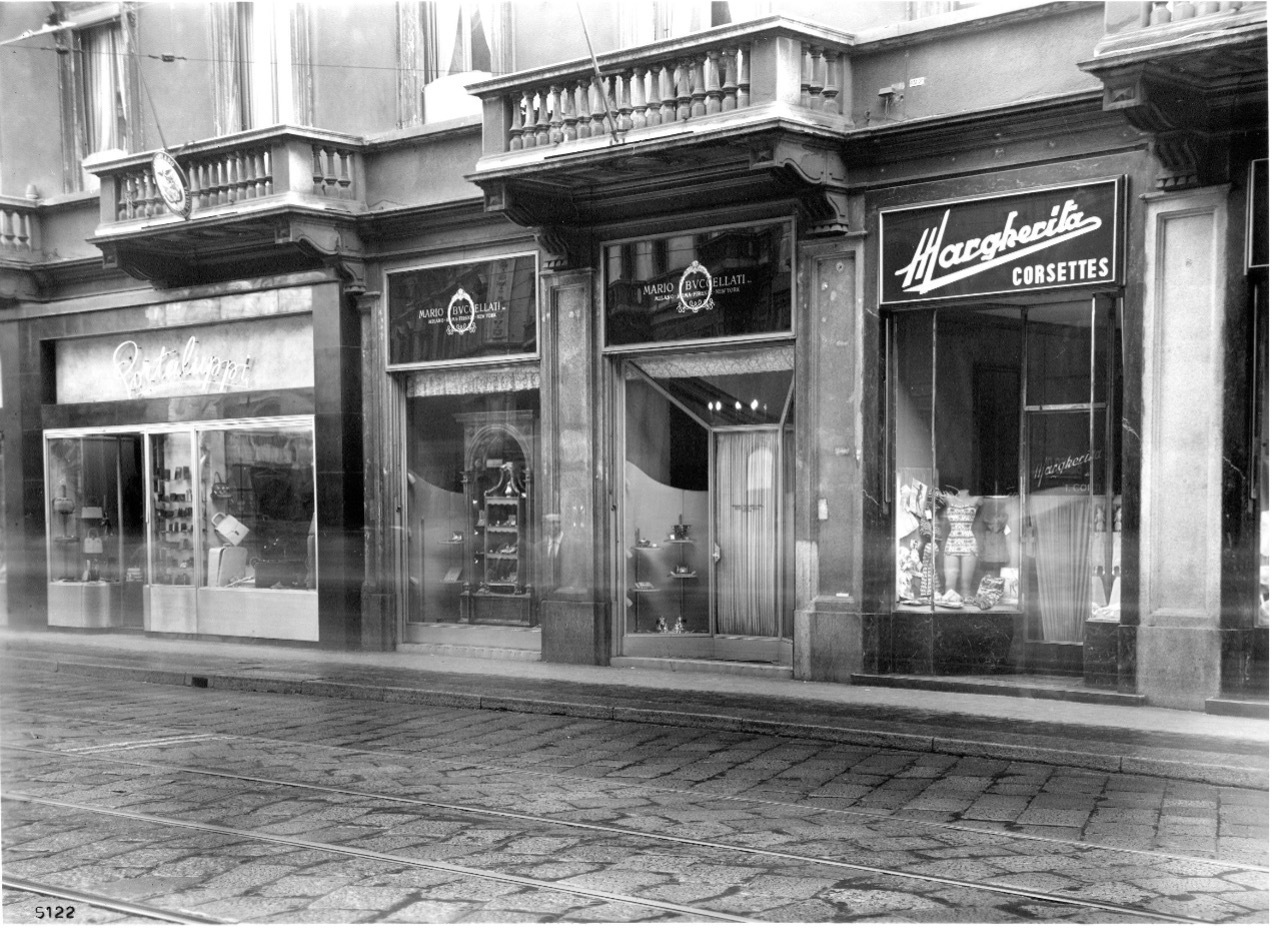
In 1919, founder Mario Buccellati opened his first boutique in Milan
Behind this is a carving technique that has spanned a century. Rigato carves parallel lines to create a silk - like luster, giving the metal a delicate fabric feel; Segrinato creates a soft and shiny velvet - like texture by carving intersecting, overlapping, and multi - directional dots; Telato creates a linen - like effect with a "cross" texture; Ornato, as a decorative pattern technique, echoes the textures presented by luxurious brocades, satins, and laces during the Renaissance; Modellato creates a bas - relief - like three - dimensional effect through the fine shaping of decorative forms.
Today, these techniques are still being used in many Buccellati collections, such as Macri and Opera. In Nicolas Luchsinger's view, these techniques derived from ancient traditions are not a form of conservatism, but rather a consistent requirement for details, quality, and manual precision, "which has remained unchanged for more than a hundred years and is even constantly improving."
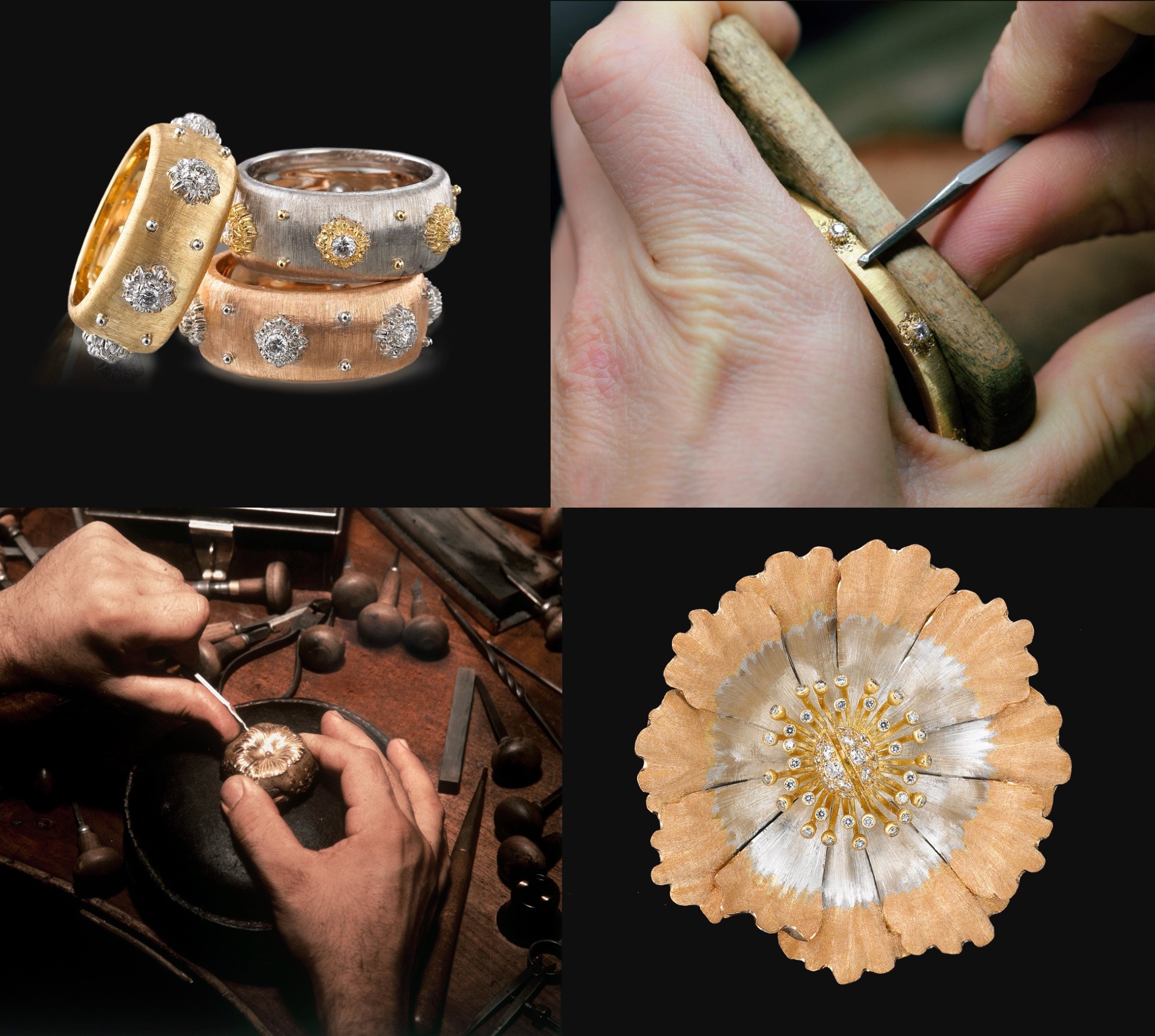
Above is the Rigato carving technique, below is the Segrinato carving technique
Artisans are the foundation of craftsmanship. Especially for a brand like Buccellati that emphasizes the value of craftsmanship, the training of artisans is crucial for the future. Last year, Buccellati announced increased investment in its jewelry, silverware, and watch - making workshops. In the next three years, it will recruit more than 500 artisans for its seven workshops.
However, this does not mean that this high - end jewelry brand, which already has 50 stores globally, will start large - scale expansion during the gold boom. On the contrary, it still maintains extreme restraint in production. On social media platforms such as Xiaohongshu, "leaving the store with only an order form" has become a joke among Chinese consumers.
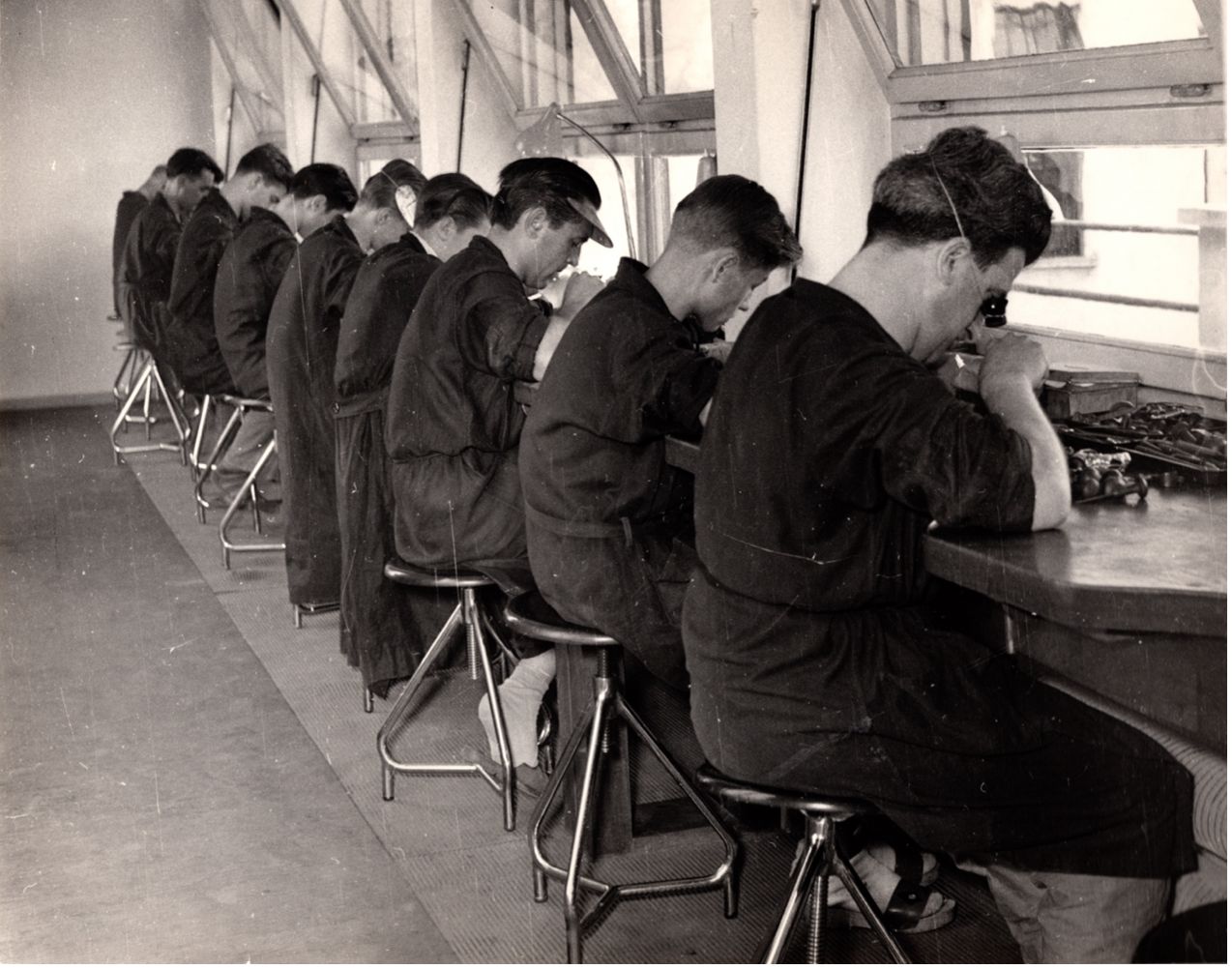
Artisans in the Buccellati workshop (1950s) © Buccellati Archive
Regarding the structural contradiction between production and demand, Nicolas Luchsinger also admitted, "We don't want our customers to come to the store and find no products available. But objectively speaking, Buccellati's craftsmanship is very delicate, and with the increasing global demand, the waiting lists for some best - selling items are indeed very long, sometimes over a year." He also pointed out that this phenomenon is not unique to the Chinese market but exists globally.
It is worth mentioning that Buccellati has taken action to improve the customer experience. Nicolas Luchsinger told 36Kr that throughout the process from order placement to delivery, Buccellati's brand service ambassadors continuously communicate with customers, inform them of the production progress, and share on - site photos of the production process, turning the long wait for consumers into an extension of the brand experience.
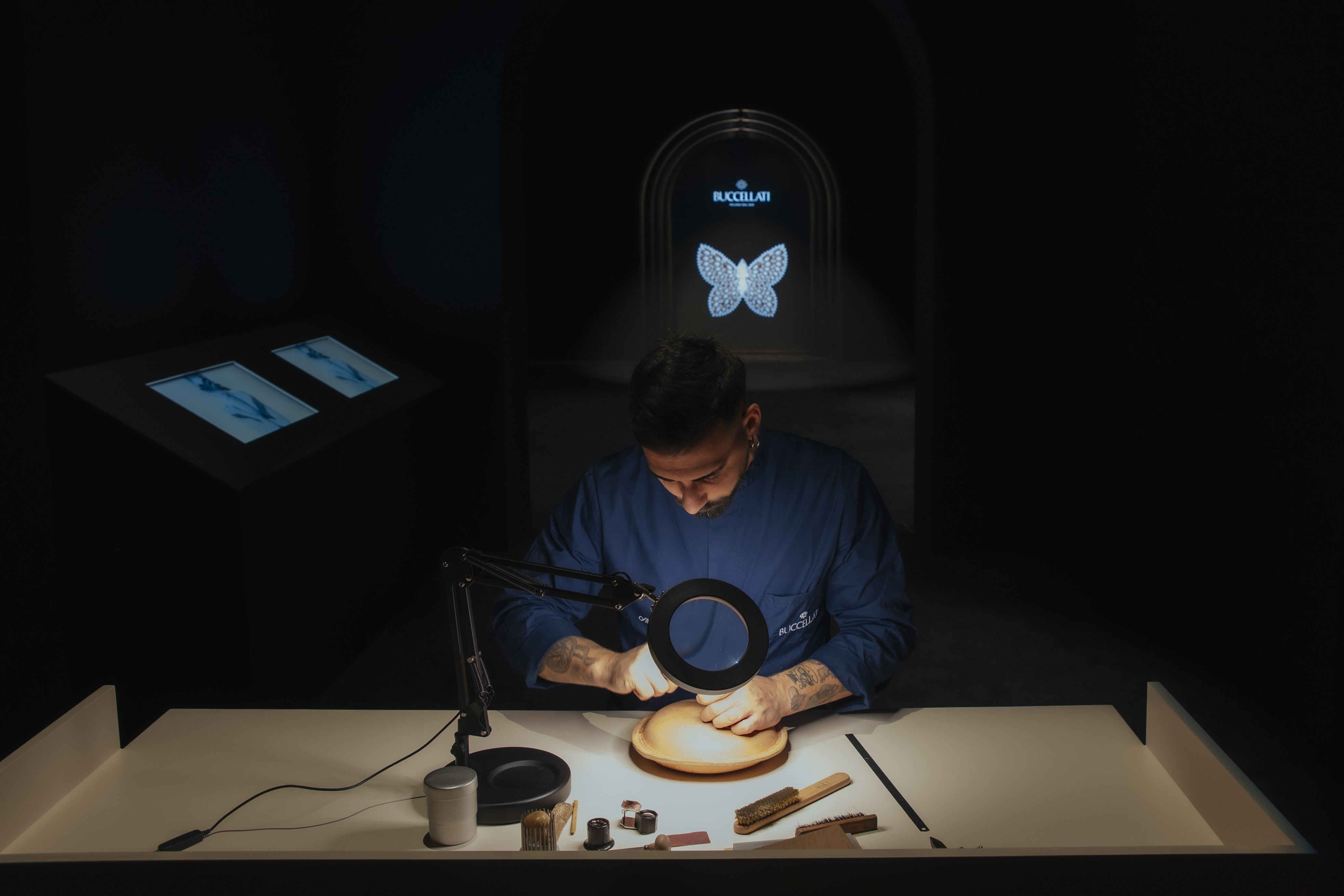
The "Artisan Workshop" themed space
This restraint is also reflected in marketing. Bundling with celebrities through endorsements has become the default path for all luxury brands. However, Nicolas Luchsinger believes that relying solely on celebrity endorsements cannot effectively convey Buccellati's brand value.
On the one hand, there are unpredictable negative events behind celebrities that can drag the brand into unnecessary trouble at any time. On the other hand, he values the consistency and coherence of the cooperation partner with the brand. As an endorser, whether they truly understand the brand's history and craftsmanship, whether they have a style image that matches the brand, and whether they can embody the brand's values and cultural heritage.
"The difficulty in finding a celebrity endorsement lies in finding someone who can fully match the brand image and express the brand value in the long term," he emphasized. "Of course, we don't deny the exposure effect of celebrities wearing our products, but we always remain cautious about endorsements." Therefore, in recent years, Buccellati has chosen Talita von Fürstenberg, a designer and entrepreneur with a German royal background, as its brand ambassador.
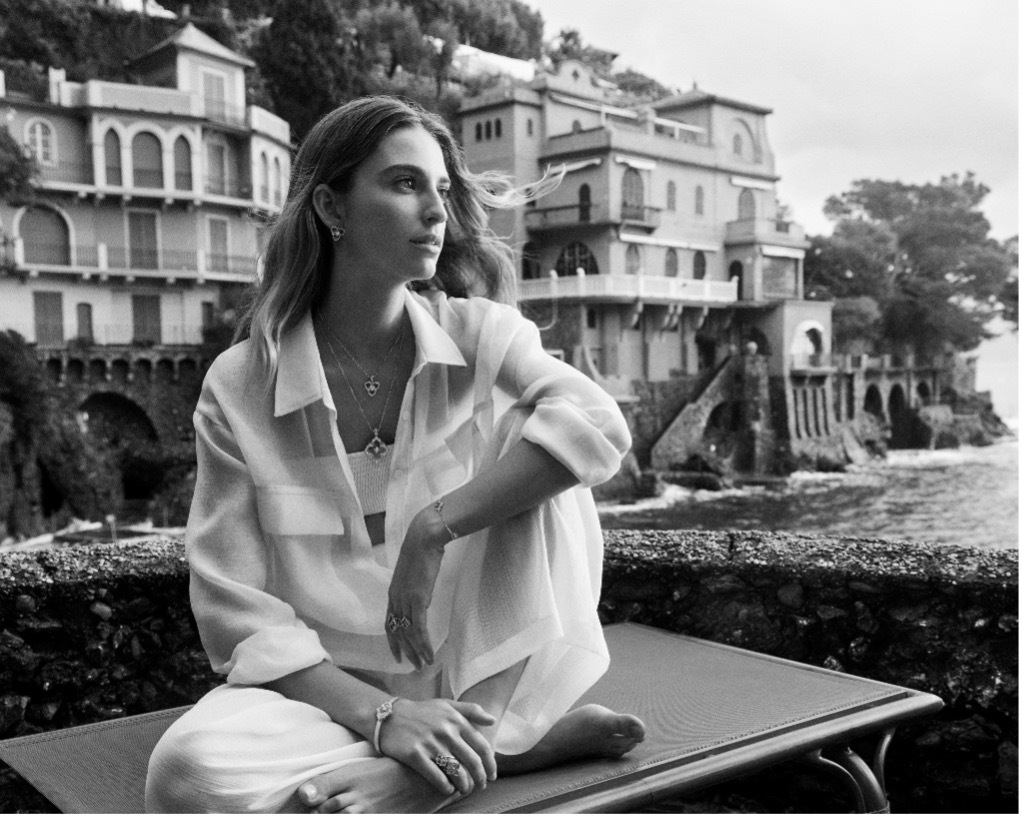
Talita von Fürstenberg
Whether it is the refusal of large - scale production expansion or the caution in selecting endorsers, it all points to the unique position of a brand that still retains its family label in the highly capitalized luxury system today.
In the development pattern of European luxury brands, family - owned brands generally find it difficult to maintain long - term independence. Under the changing discourse power dominated by capital, most family members of brands often choose to step back. However, this is not the case for Buccellati. Although it was incorporated into the core jewelry department of the Richemont Group in 2019, many members of the Buccellati family still hold different positions in the brand.
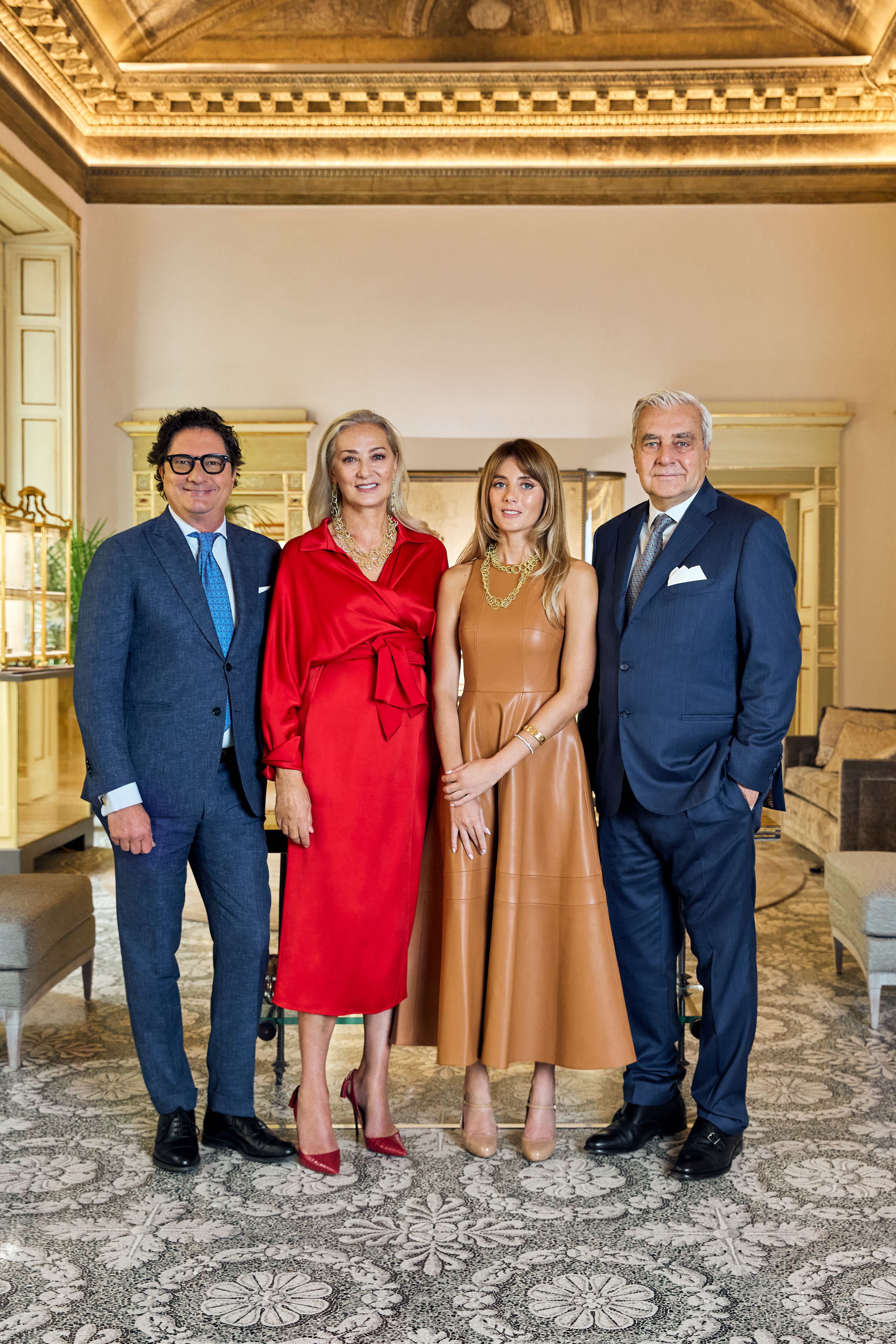
Members of the Buccellati family - Luca, MariaCristina, Lucrezia, and Andrea Buccellati (from left to right)
Especially Andrea Buccellati, as a core member of the third generation, currently serves as the honorary chairman and creative director of the brand. He is responsible for re - interpreting the family's traditional craftsmanship and classic patterns into contemporary collections, and has launched modern collections such as Opera, Hawaii, and Étoilée. His daughter Lucrezia, as a member of the fourth generation, led the design of the Blossoms collection.
Each generation has its own inheritance. In the interview, Nicolas Luchsinger said that Buccellati's core style has remained stable over the century - natural imagery, fabric touch, architectural structure, and haute couture. These sources of inspiration established in Mario's era still form the creative foundation of the brand today.

The "Generational Inheritance" exhibition hall
However, the consistency of the core style does not mean that the means of expression will stagnate. "The lifestyle in the 1910s is completely different from that in 2025," he believes. As a member of the creative team, Lucrezia is younger and closer to contemporary aesthetics, and she can interpret this tradition in a modern language.
Just like the four butterfly brooches displayed in the first space of the "Master of Timeless Art" exhibition. From Mario to Gianmaria, and then to Andrea and Lucrezia - the representative inheritance works designed by four generations of the family attempt to answer a question: How can four butterflies convey a century - old aesthetic?