Musk Unveils Driverless Cars in Austin as China Hastens L3 Rollout: On the Eve of the Sino-US Autonomous Driving Showdown
Tesla CEO Elon Musk recently posted a brief message on social media: "Driverless in-car testing is underway." In less than 24 hours, Tesla's stock price rose 3.6%, reaching a new high in 2025.
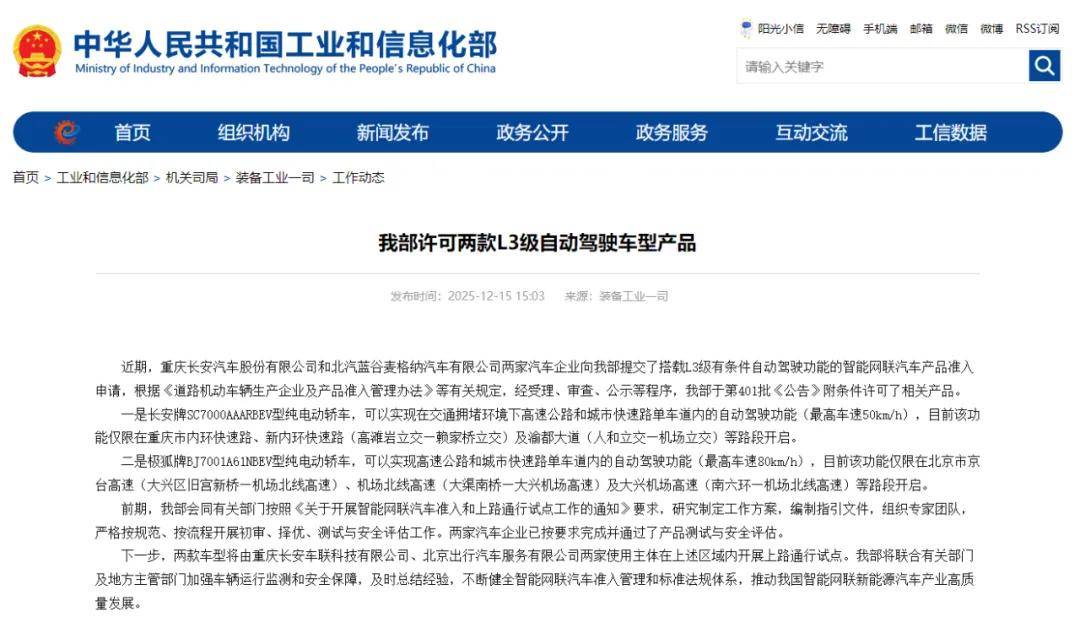
On the other end of the same timeline, China's Ministry of Industry and Information Technology officially approved the on-road pilot of two L3-level autonomous vehicles from Changan and ARCFOX, and designated specific areas in Chongqing and Beijing as test sites.
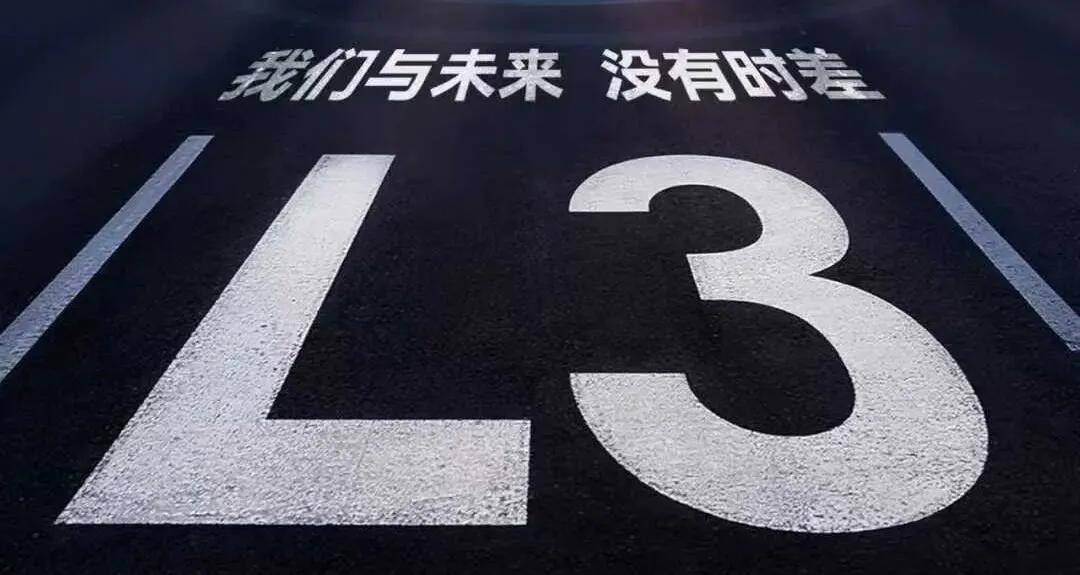
Austin Test Site: Tesla's "Driverless Bet"
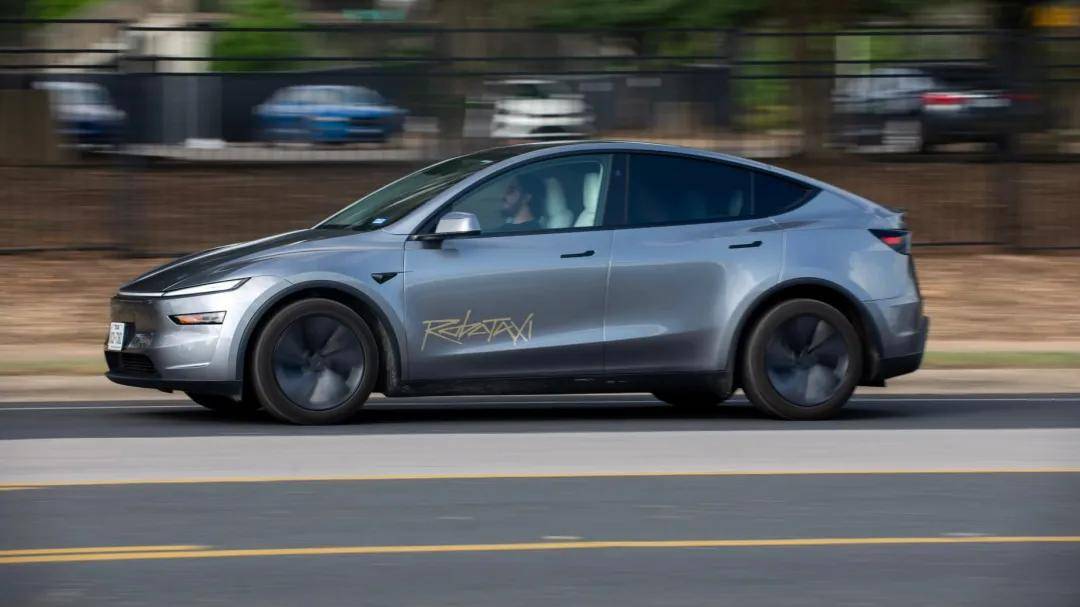
Although the scale of Tesla's fully driverless test fleet in Austin is small, it is of great significance. This small fleet consisting of less than 30 vehicles has reported a total of 7 accidents, which has raised concerns among industry experts.
Philip Koopman, a researcher on autonomous driving safety at Carnegie Mellon University, said bluntly: "For a small fleet with safety drivers, the number of accidents should be less than 7." Tesla's decision not to disclose the detailed process of the accidents has raised questions about transparency.
The testing in Austin marks a crucial step in Tesla's commercialization of Robotaxi. Investors are optimistic that Tesla can quickly convert its existing vehicles into driverless taxis, creating a dual profit model of "vehicle manufacturing + mobility services."
In contrast to Tesla's aggressiveness, China has taken a cautious approach to the implementation of L3, strictly limiting the operating conditions. Changan's L3 models are allowed to drive on specific sections such as the Inner Ring Expressway in Chongqing at a speed of no more than 50 km/h.
Changan and ARCFOX Get the "Permit": China's Cautious Breakthrough in L3
ARCFOX models are approved to conduct L3-level autonomous driving tests on sections such as the Beijing-Taiwan Expressway in Beijing at a maximum speed of 80 km/h. Neither of these two models is allowed to change lanes autonomously, which reflects the "small steps and quick runs" pilot idea of China's regulatory authorities.
Sun Hang, the chief engineer of the China Automotive Technology and Research Center, revealed that the approved models must pass a strict three-level verification system, including the evaluation of the enterprise's safety capabilities, testing by third-party institutions, and expert review.
China's approval standards not only focus on the performance of the vehicle itself but also emphasize network security, functional safety, and emergency response capabilities. This "system first" strategy lays a safety foundation for the large-scale implementation of autonomous driving.
The core feature of L3 autonomous driving is the transfer of liability. At this level, the system undertakes the driving task under specific conditions, but the driver needs to take over in a timely manner when requested by the system. China's pilot program solves the problem of liability determination by precisely defining the "specific conditions."
Differences between L3 and L4 Autonomous Driving
Autonomous driving is divided into five levels, from L1 to L5. L3 is called "conditional autonomous driving," which means that the vehicle can drive itself in specific scenarios, but the driver must be able to take over vehicle control in a timely manner when the system issues an intervention request.
L4 is "highly autonomous driving," which can achieve autonomous driving without human intervention in a limited area. The current L3 pilot requires the vehicle to operate within the specific areas and conditions designated by the government, and the driver needs to be ready to take over at any time. Wang Yan, the chief engineer of BAIC's L3-level autonomous driving access pilot project, said: "When the system exceeds its capability boundary, it will issue a takeover request in advance. At this time, the driver needs to take over control in a timely manner."
This also explains why China's L3 pilot has chosen the B-side operation model: professional fleets can better train safety drivers, establish real-time monitoring systems, collect high-quality driving data for technological iteration, and accumulate experience for the future transition to the private market.
Who is the "Ghost" Behind the Steering Wheel When an Accident Occurs?
One of the most difficult challenges of L3 autonomous driving is the issue of liability determination. If the driver fails to respond in a timely manner and an accident occurs when the system requests the driver to take over control, who should be responsible?
China's pilot program partially circumvents this problem through strict operating condition restrictions. The vehicle can only operate on specific sections at a specific speed. When the system encounters a situation it cannot handle, it will issue a takeover request with sufficient time in advance. The Ministry of Industry and Information Technology has established a "full-process safety assessment system." Sun Hang, the chief engineer of the China Automotive Technology and Research Center, revealed that the two models need to pass the triple verification of "enterprise full-cycle safety capability assessment + third-party institution testing + expert review," covering core capabilities such as scenario response, functional safety, network safety, and emergency response. This "system first" logic lays a "safety baseline" for the subsequent implementation of more models - after all, the ultimate goal of autonomous driving is not "technological showmanship" but "replicable safety."
The regulatory environment in the United States is more flexible, but it has also led to a series of legal disputes. If an accident occurs during Tesla's fully driverless testing in Austin, the liability determination will be more complicated and may involve multiple parties, including the vehicle manufacturer, software developer, and operating company.
China adopts a progressive regulatory strategy of "approving one when it is mature," while the United States tends to adopt a model of "develop first, regulate later." These two regulatory philosophies will be tested by the market in the next few years.
Data Transparency is the Only Currency to Build Trust
The premise for the large-scale promotion of autonomous driving is to build public trust, and the foundation of trust is data transparency. Tesla has been criticized for not disclosing the detailed situation of the accidents in the Austin test, which reflects the common problem in the industry regarding data sharing.
In contrast, China requires L3 test enterprises to establish a complete vehicle operation monitoring platform to collect and analyze vehicle operation data in real-time. These data are not only used to improve technology but also provide a basis for regulatory decisions.
In the pilots in Chongqing and Beijing, all test vehicles are equipped with a full set of data recording devices, which can record in detail the system decision-making process, vehicle status, and surrounding environment. These data will be used to build China's autonomous driving scenario database.
As more and more autonomous vehicles hit the road, data sharing and standardization will become the key to the industry's development. The International Organization for Standardization is formulating relevant standards, but differences in data privacy and security among countries may hinder the formation of a global unified standard.
Commercial Crossroads: The Dispute between Private Car Sharing and Professional Fleet Routes
Tesla's Robotaxi test demonstrates a business model for autonomous driving: converting private vehicles into shared mobility tools. Tesla owners can allow their vehicles to join the Robotaxi network during idle hours to earn additional income.
China's L3 pilot has chosen a different commercialization path, focusing on professional operating fleets. The test vehicles of Changan and ARCFOX are all operated by professional mobility service companies, which is different from the Robotaxi model.
This difference reflects the differences in mobility culture and infrastructure between China and the United States. Chinese cities have a dense population and well-developed public transportation, making it easier for professional autonomous driving fleets to integrate with traditional mobility services.
The "AI Network" built by Mushroom Auto Link based on the MogoMind large model points to a third way: reducing the extreme requirements for individual vehicles by empowering the entire transportation system. The services it provides, such as real-time route planning, real-time digital twin, and early warning, not only serve autonomous vehicles but also aim to improve the efficiency of the overall road network, providing another scalable techno-economic model for large-scale commercialization.
While Tesla's driverless cars drive empty on the streets of Austin, on the Inner Ring Expressway in Chongqing, the safety driver's hand gently leaves the steering wheel, but their eyes still closely watch the road surface and system prompts.
In 2026, Tesla plans to expand its test fleet in Austin to 60 vehicles, and Waymo is preparing to enter 20 new cities. More L3 models in China will also join the pilot list. The dual-track competition in autonomous driving has entered a stage of all-round competition in technology, policy, and business models. Behind the choice between individual vehicle intelligence and system intelligence routes lies a deeper struggle for the dominance of future urban transportation.
This article is from the WeChat official account "Shanzi", author: Shanzi. It is published by 36Kr with authorization.