Why do domestic MPVs face setbacks in the Southeast Asian market?
The unyielding Chinese new energy industry seems to have lost to Southeast Asia in this field.
While high - end MPVs like Denza D9 and Li MEGA, priced in the hundreds of thousands, are making great strides in public opinion, a cold - hard statistic shows that the share of MPVs in the entire Chinese automotive market has shrunk to a mere 3.8%.
This figure is almost only one - eighth of that in Indonesia, a Southeast Asian country.
A huge contrast emerges: Why does China, known as the "manufacturing powerhouse" and the "cradle of new energy", seem unable to sell MPVs?
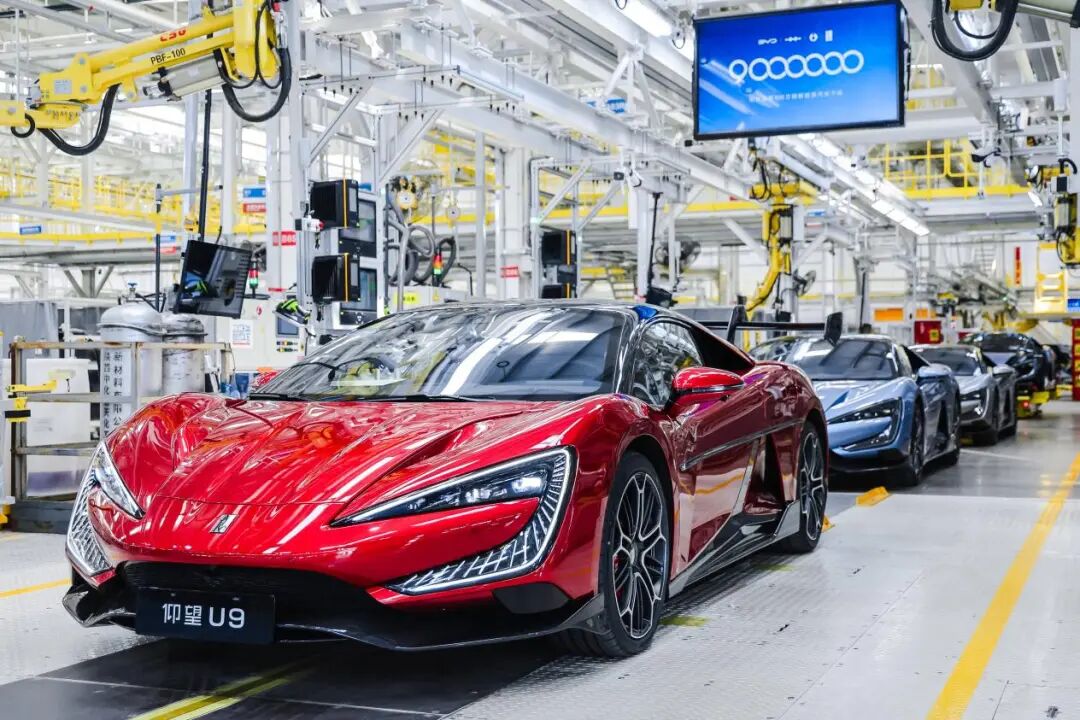
This matter is actually quite interesting. The more popular the mid - to - low - end MPVs priced under 100,000 yuan are in Southeast Asia, the more it highlights our passivity.
It's like a queen living in the palace going to the countryside and being mocked by village women for "never having eaten persimmon cakes".
China has a vehicle ownership of 319 million, with a large market base and a mature consumption structure. The vehicle ownership per thousand people is about three times that of Indonesia and Vietnam, and more than 12 times that of Cambodia, Laos, and Myanmar.
This means that simply comparing the MPV shares between China and Southeast Asia is as meaningless as comparing which has a thicker peel, an apple or an orange.
Where lies the difference between our "apple" and Southeast Asia's "orange"?
In Southeast Asia, mid - to - low - end MPVs represented by Toyota Avanza are all - rounders for both passenger and cargo transportation, meeting a strong and rigid demand.
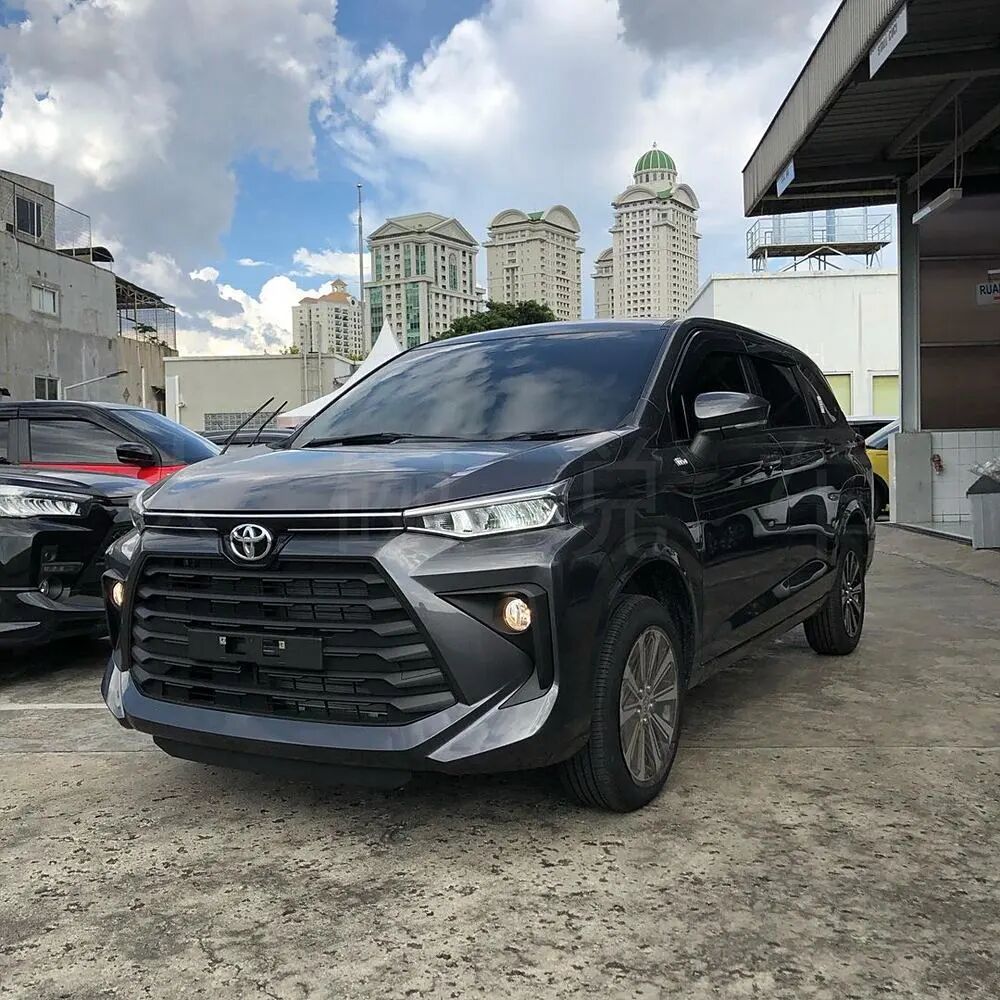
Toyota Avanza
In China, as the new energy industry continues to move towards high - end, only high - end business vehicles like GL8 and above can meet our expectations for MPVs.
There are many considerations when Chinese people drive business MPVs.
Are you picking up family members or sending off leaders? Are the people in the car your own people or business partners? Are they old friends or rivals?
Whenever it comes to carrying passengers, an MPV serves as a symbol of the owner's strength, taste, and kindness.
So for us, "multi - functionality" is the baseline for an MPV's functions, but not the baseline for its usage.
If we put the mid - to - low - end MPVs driven by Southeast Asian vendors going from street to street together with our high - end business MPVs, it's really easy to cause misunderstandings.
Today, let's sort out the misunderstandings about MPVs.
01 A Beautiful Misunderstanding
While we were bewitched by the all - round aura of Wuling Hongguang, Southeast Asian countries actually saw through its essence.
In Southeast Asia, the most popular type of MPV is a category with historical roots: AUV (Asian Utility Vehicle), Asian multi - purpose vehicle.
When the AUV classification was more prevalent in previous years, Wuling Hongguang was often regarded as an AUV in Southeast Asia.
In contrast, MPV is a broad category applicable to the global market, while AUV is specifically applicable to Asia. More precisely, AUV belongs to the Southeast Asian region in a specific development period.
After Chrysler in the United States launched the world's first MPV model, multinational auto giants also brought MPVs to the rapidly developing Southeast Asia. However, they didn't expect that the roads in Southeast Asia were too narrow, and MPVs, which were well - adapted to European and American streets, had difficulty passing through here.
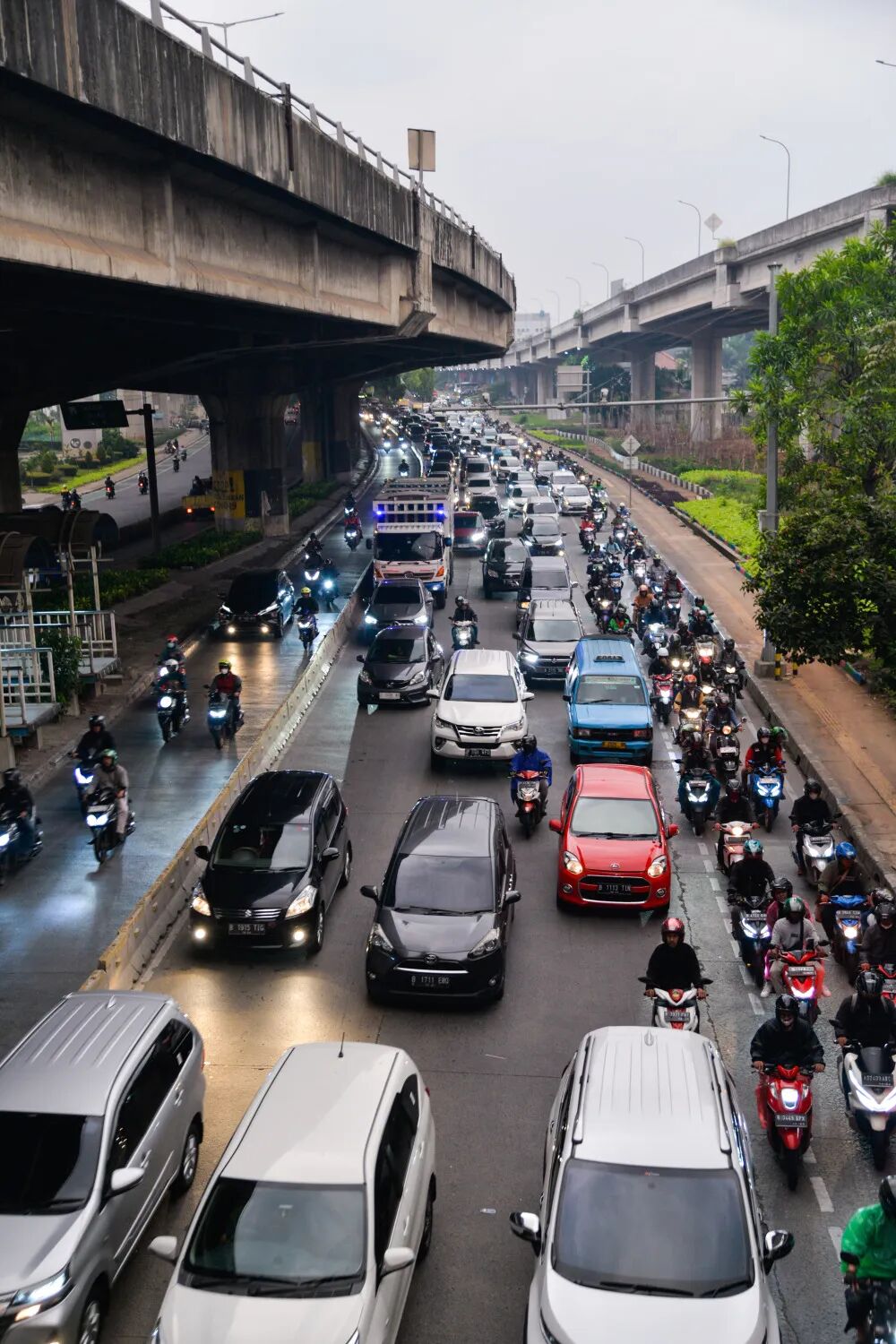
Traffic flow during the "Eid al - Adha" home - going rush in Indonesia
At that time, although Southeast Asian countries were developing rapidly, the gap between the rich and the poor was still significant. Most people couldn't afford high - end MPVs. Coupled with the high international oil prices, which dampened local people's desire to buy cars, American car companies soon found it difficult to operate and gradually withdrew from the Southeast Asian market.
At this time, Japanese car companies, seeing the opportunity, quickly occupied the market that the Americans had developed and began to carefully customize cars for Southeast Asia.
By making the MPV slimmer, reducing the configuration, and lowering the price, it became the cost - effective and flexible AUV that locals preferred.
Since then, Japanese AUVs, which are sturdy, fuel - efficient, have gradually become popular in Southeast Asia. Classic models include Toyota Kijang and Mitsubishi Freeca.
It was when Shen Yang, the former general manager of SAIC - GM - Wuling, accidentally saw the practical AUV "Toyota Avanza" on the streets of Indonesia that he created our national divine car, Wuling Hongguang.
After its launch, Wuling Hongguang sold 1.6 million units in three years and was even named "the most important car on earth" by Forbes.
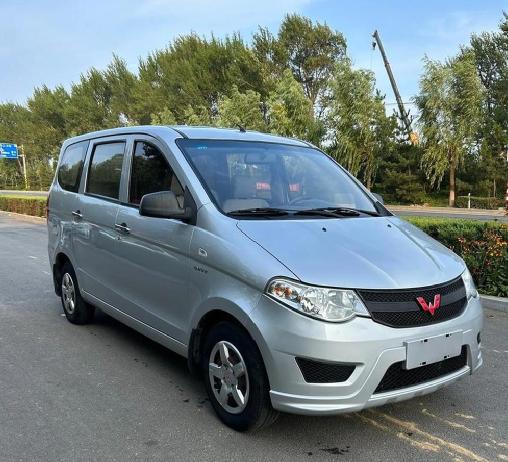
In 2013, Wuling Hongguang was included in the MPV category according to China's statistical rules. Compared with Wuling Hongguang's annual sales of 530,000 units, GL8, which had previously ranked first in MPV sales, suddenly seemed dull.
Now, Southeast Asian countries no longer include AUV models in official statistics, but this type still exists, and the demand remains large.
For example, in Indonesia, according to data disclosed by the Indonesian Automotive Industry Association (GAIKINDO), the sales of domestic MPVs have accounted for half of the total vehicle sales since 2019.
Just looking at the share, it's really impressive.
However, the main part of these are mid - to - low - end models priced at around 300 million Indonesian rupiahs, which is about 120,000 yuan in RMB.
However, in Indonesia, there is a situation where cars are sold at a premium. The Wuling Baojun 730, which costs about 100,000 yuan in China, can be sold for 200,000 yuan in Indonesia.
So, the MPVs priced at 300 million Indonesian rupiahs in Indonesia's official data may only cost about 100,000 yuan in China.
If we look at the vehicle ownership data, the backwardness of the Southeast Asian automotive market compared to ours is obvious at a glance.
In Indonesia, with a population of nearly 280 million, the vehicle ownership is in the range of 25 million; in India, with a population of over 1.4 billion, the vehicle ownership is in the range of 35 million, and the vehicle ownership per thousand people is only about 40.
However, in China, our vehicle ownership is 319 million.
In comparison, India, Vietnam, and Indonesia are not on the same scale as us. In even more backward countries like Myanmar, Laos, and Cambodia, the vehicle ownership per thousand people is even less than 20.
The sluggishness of a country's automotive market is actually the result of the combined effect of multiple factors.
For example, the poor road infrastructure and underdeveloped logistics system.
In Southeast Asia, AUVs are production tools for self - employed individuals, used for stocking up goods and setting up street stalls.
In China, although there are more small business owners, many of them no longer need to go to stock up on goods themselves. They can simply call a logistics company to deliver the products and raw materials they need, which saves time and effort.
Previously, I heard a "urban legend" from a Beijing colleague. The square - shaped fried dough sticks (also called crispy crackers) in the breakfast carts selling pancakes near the subway every day are not stocked up by the stall owners themselves. Instead, a large truck delivers them in the early morning under the last bit of darkness.
Later, I verified this. Although these raw materials are not delivered every early morning, the suppliers do provide free delivery services, usually starting from ten boxes. Anyway, vendors don't need to drive to the factory to pick them up.

Statistical data serves market trends.
Since the division of social labor has largely met the demand for cargo transportation, the decline of mid - to - low - end MPVs like Wuling Hongguang is inevitable, and separate statistics are of little significance.
The Global MPV Paradox: Poor Countries Can't Afford, Rich Countries Don't Prefer, Hong Kong Is an Exception
In addition to the Chinese mainland and Southeast Asia, the following regions in the global automotive market are also quite vibrant: Western Europe and North America, neighboring Japan, and Hong Kong of China.
In these regions, the proportion of high - end MPVs is not high, except in Hong Kong, China.
Let's start with Europe and the United States.
Initially, Americans also pursued functionality when driving MPVs, which was closely related to a particular group: moms.
After the baby boom, American families had two or three children each, and there was a trend of "suburbanization" in housing. A large interior space in the car became a rigid demand, and the Minivan, the earliest type in the MPV family, quickly became popular.
At that time, a typical scene was American moms driving Minivans to send their eldest and second - eldest children to school in the morning and then taking the youngest to the supermarket to buy groceries.
Over time, MPVs like the Honda Odyssey, with a Minivan - like style, were easily regarded as "mom cars" in the United States, with an atmosphere of daily life, which made it less appealing to high - end consumers.
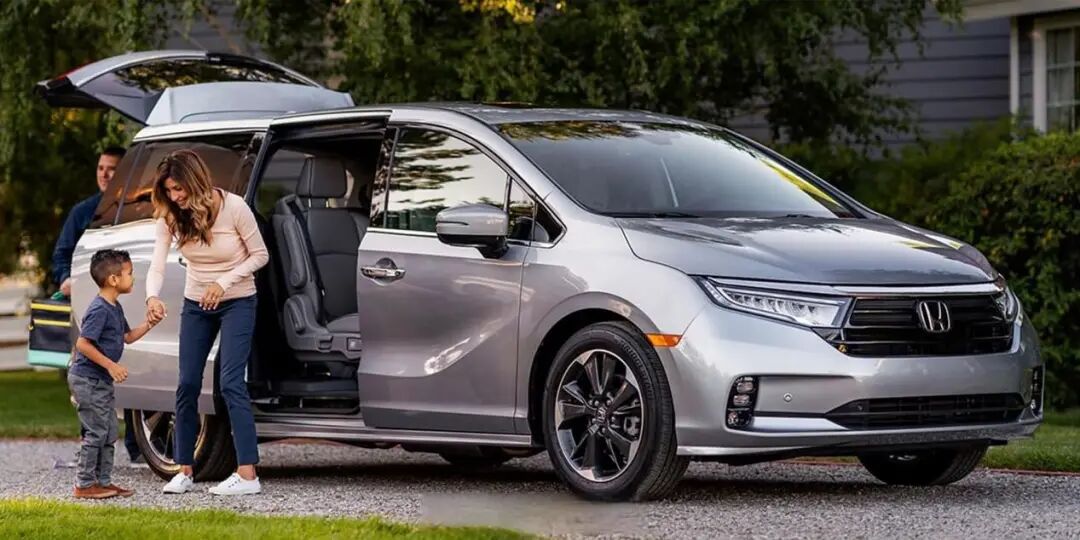
In 2000, the sales of MPV models in the US market reached a peak of about 1.37 million. Subsequently, the sales began a long - term decline. After falling below 1 million in annual sales in 2006, only hundreds of thousands were sold each year.
Meanwhile, the more dynamic and fashionable SUV models strongly impacted the market, and the sales of MPVs became even weaker.
By 2023, the market share of the entire MPV category in the United States had shrunk to about 3%, and the number of mainstream models had also decreased.
Now, let's look at Japan.
As the birthplace of Japanese cars, many people assume that Japan should have a developed and modern automotive market, with various classic Japanese cars running on the streets.
However, in real - life Japan, another type of "traditional vehicle", the boxy K - Car, is more common.
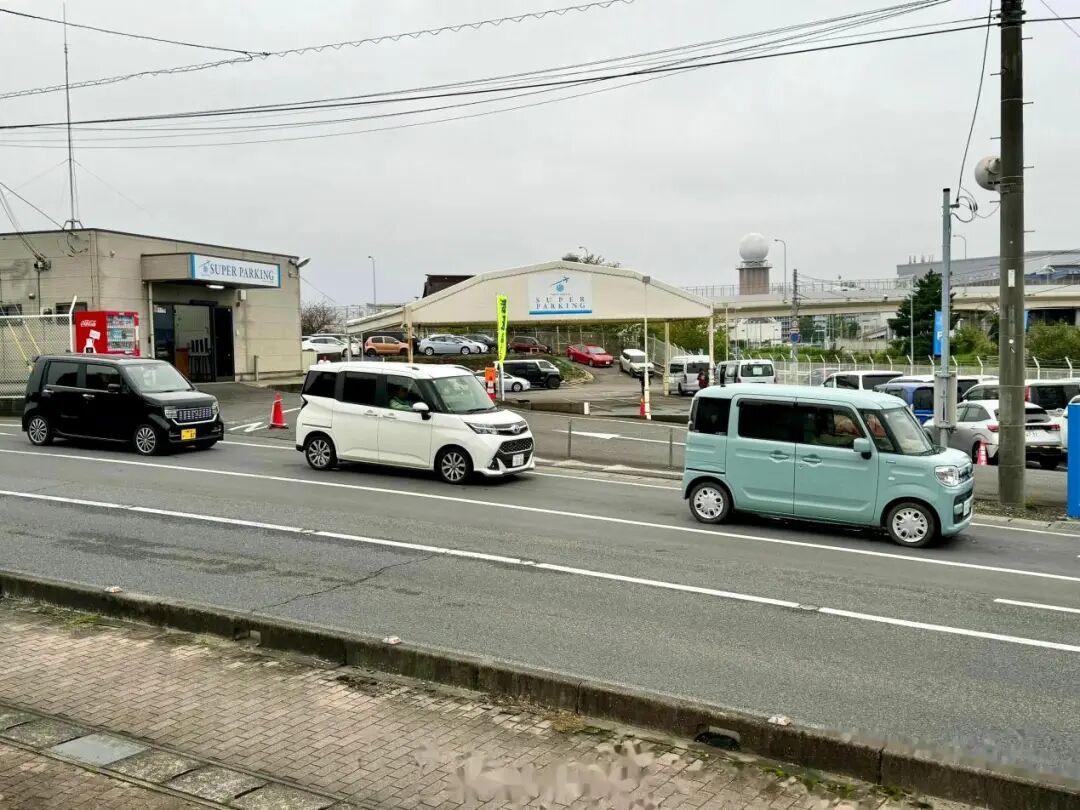
Boxy "K - Cars" on Japanese streets
It was specially designed by Japanese car companies after World War II to save land resources and reduce the selling price.
Most standard "boxy cars" have a narrow body to pass through narrow streets and a short front end to park in smaller spaces.
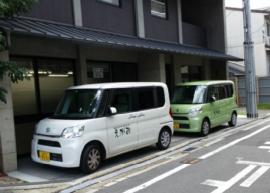
Many parking spaces and garages in Japan are very small
With such a small vehicle, it's naturally difficult to guarantee the interior space. So, what to do? Increase the height of the roof to reduce the vertical folding of passengers.
Japanese people also buy other cars, but their choices are restricted by many invisible factors.
In a society with a strict hierarchical system like Japan, the daily consumption of ordinary people is closely related to their social status.
For example, if everyone in a company drives a boxy car, a new employee named Zhang will probably also buy one to fit in. After all, Japan has a lifetime employment system, and one can stay in the same company for a lifetime.

Office workers on Japanese streets
Of course, there are also many rebels who really want to buy a stylish and cool car. After all, it's hard to look cool driving a boxy car that's often "as tall as a 1.8 - meter - tall person".
However, the problem is that Japan not only has narrow roads and small parking spaces but also many curves. Trying to look like a "midnight racing god" is quite dangerous.
In summary, the high proportion of MPVs in Japan is also a false proposition in the eyes