A Decade of Deep-rooted Development, Coexisting with Nature: The "Advancing Path" of Swisse in the Chinese Market

After a Decade in China, Swisse Aims to Define a New Paradigm for Health Consumption
In the past decade, China's new consumption sector has witnessed rapid development. As a representative area, the Chinese nutrition and health market has also undergone changes, evolving from a stage of wild growth to more standardized regulation, and from a period when consumers lacked trust to one where they began to pursue quality.
During this period of intense competition, numerous players entered the market, all eager to seize the opportunity in this vast blue - ocean market. Looking back at the industry's development, an interesting phenomenon is that it's not just traditional brands deeply rooted in the local market that have established a strong connection and trust with consumers, but also many young "foreign entrants".
Swisse, a brand originating from Australia, is one of them.
This nutritional supplement brand with "foreign genes" has overcome multiple challenges such as geographical perception barriers and differences in consumption habits over the past decade. According to relevant information from the Health and Happiness Group, Swisse now ranks first in the domestic market for vitamins, herbal, and mineral supplements (VHMS). In addition, in the first three quarters of 2025, the revenue of the group's Adult Nutrition and Care (ANC) segment reached 5.24 billion yuan. Among them, Swisse's performance in the Chinese market increased by 15.7% year - on - year, contributing nearly 70% of the sales.
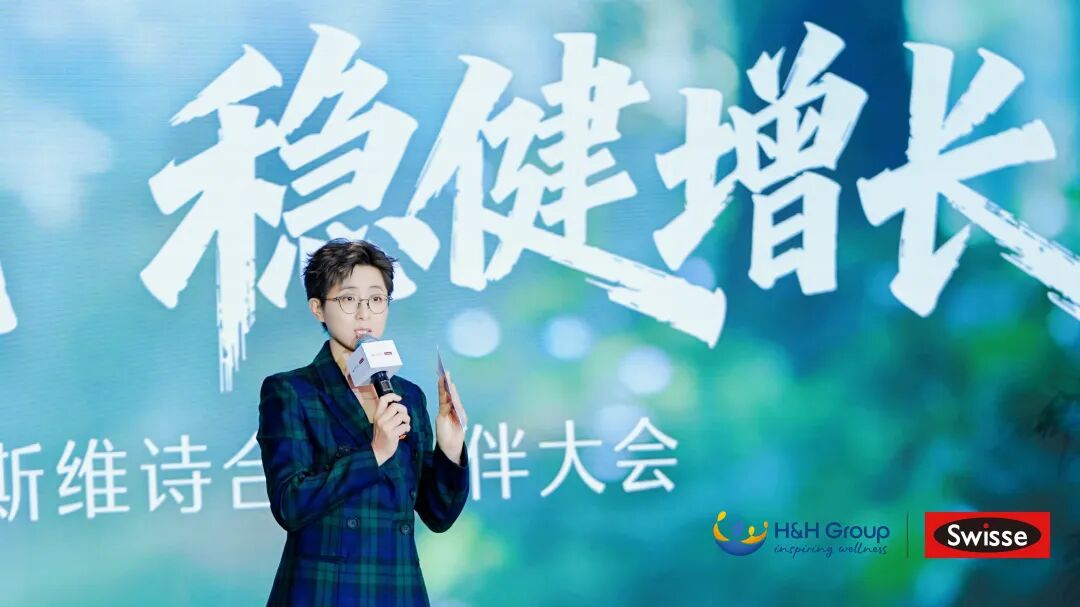
On December 8th, Swisse held its tenth - anniversary partner conference in Guangzhou with the theme of "Joint Efforts for Win - win and Steady Growth". At the conference, Swisse stated that it will continue to be driven by two wheels: "deepening in core professional categories" and "expanding into emerging tracks" to more comprehensively and accurately meet consumers' increasingly diverse health needs and achieve the common development of the brand and the industry.
For a brand that has grown from a cross - border purchasing brand to one that occupies a large share of the domestic VHMS market, this milestone not only represents commercial success but also provides a case study on how a multinational brand can survive, adapt, and even lead in China's complex consumer environment.
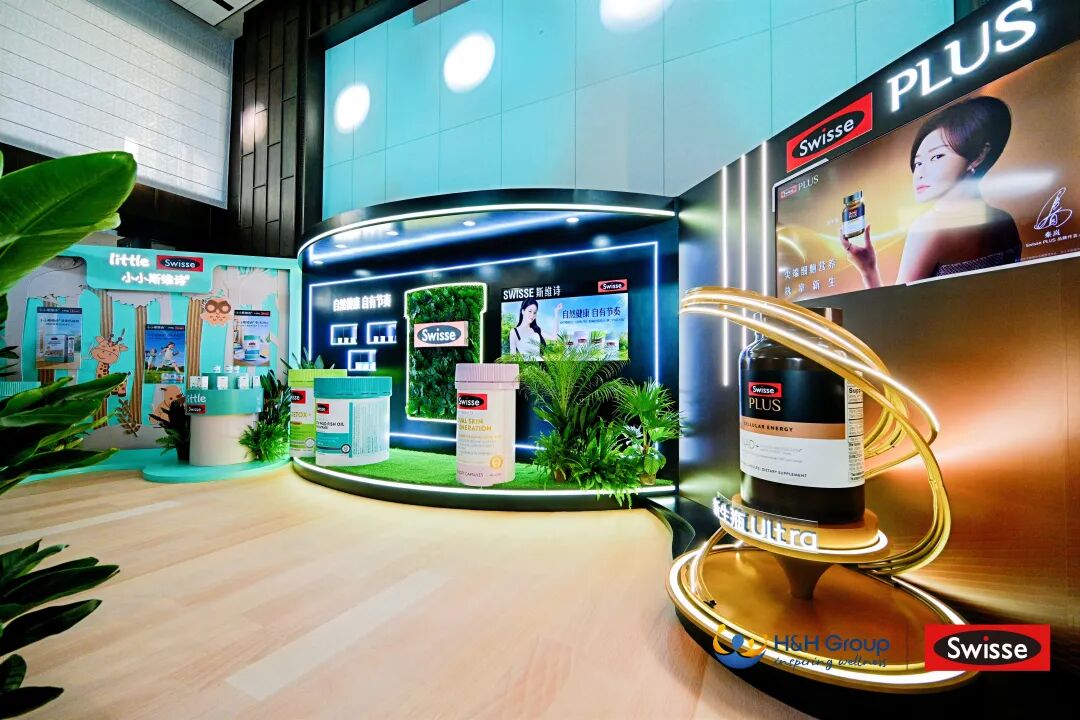

From an Australian Internet - famous Brand to a Health Choice for Chinese Families
Since joining the Health and Happiness Group in 2015 and officially entering the Chinese market in 2016, Swisse's development has shown clear phased characteristics, and each step has closely responded to the structural changes in the domestic health supplement consumer market.
Before officially launching its China strategy, Swisse's connection with the Chinese market had already quietly begun. Founded in Melbourne, Australia, in the 1960s, Swisse had grown into a leading brand in the local VHMS market by the early 21st century and was also a popular "souvenir" choice among Chinese people in Australia. They spontaneously engaged in purchasing on behalf of others and "recommended" the brand on social media, gradually making Swisse known to Chinese consumers.
At that time, the domestic health supplement market was in a stage of extensive development, with products of varying quality. Consumers' understanding of health supplements was superficially limited to basic nutritional concepts such as "vitamins" and "calcium supplementation".
How to break this situation?
Initially, Swisse developed a new market from scratch mainly through a differentiated approach. For example, Swisse was the first to introduce products such as blood orange essence, liver - protecting tablets, and calcium tablets that were popular in Australia. Then, it precisely targeted the oral beauty category, which was quite novel to Chinese consumers. With new - concept products like blood orange essence, collagen oral liquid, and skin - brightening tablets featuring "natural ingredients + scientific formulation", it quickly became popular in the market.
Meanwhile, the labels of "Australia's national brand" and the world's strictest TGA certification behind these products also provided a quality guarantee, addressing consumers' basic concerns about safety and efficacy and accumulating trust.
It can be said that Swisse's "smooth" entry into the Chinese market during this period was not only related to its keen grasp of the opportunities presented by the rise of purchasing on behalf of others and the development of cross - border e - commerce but also due to its accurate judgment of the gaps in the consumer market. Thanks to this, by 2019, the Chinese market had become Swisse's largest global sales market.
However, the market environment has also changed. With the changes in China's economic structure and the general improvement of public health awareness, the domestic health supplement consumer market, which was previously dominated by the elderly with relatively single needs, has gradually shifted towards a more age - inclusive, scenario - based, and refined model.
Among consumers, the proportion of middle - aged and young people, represented by women over 30, has been increasing. They advocate "light health preservation" and "natural health" and hope to maintain their health without changing their lifestyle. On the demand side, the public generally no longer wants to pay for simple "broad - spectrum supplementation" products but instead puts forward more specific, scenario - based needs such as anti - aging, sleep - aid, and sports nutrition, and pursues products with scientific formulations, professional effectiveness, and convenient experiences.
Based on this, Swisse followed the trend and launched three sub - brands between 2019 and 2022: Little Swisse focusing on children's nutrition, Swisse Me targeting the young lifestyle, and Swisse PLUS featuring high - end cellular - level nutrition, thus covering the needs of different age groups and specific health scenarios.
In 2023, Swisse proposed the "Swisse Mega Brand" strategy, officially entering a new stage of joint development of multiple brands and multiple categories.
So far, Swisse's 4 brands and 11 categories have gradually achieved full - population and full - life - cycle coverage. It has not only continued to consolidate its advantages in previous core areas such as oral beauty, liver protection, basic nutrition, and multivitamins but also cultivated new "blockbusters" for almost each sub - brand, strengthening its competitiveness in corresponding niche markets. For example, Swisse PLUS's NAD+ rejuvenation bottle, Little Swisse's children's giraffe calcium and calcium - magnesium - zinc supplements, and Swisse Me's effervescent tablets and gummy series.
This precise and progressive product layout strategy not only helps Swisse build a deeper brand awareness and a more stable market share in each niche market but also becomes an important way for the brand to establish in - depth communication with different consumer groups and accurately convey its core value proposition.
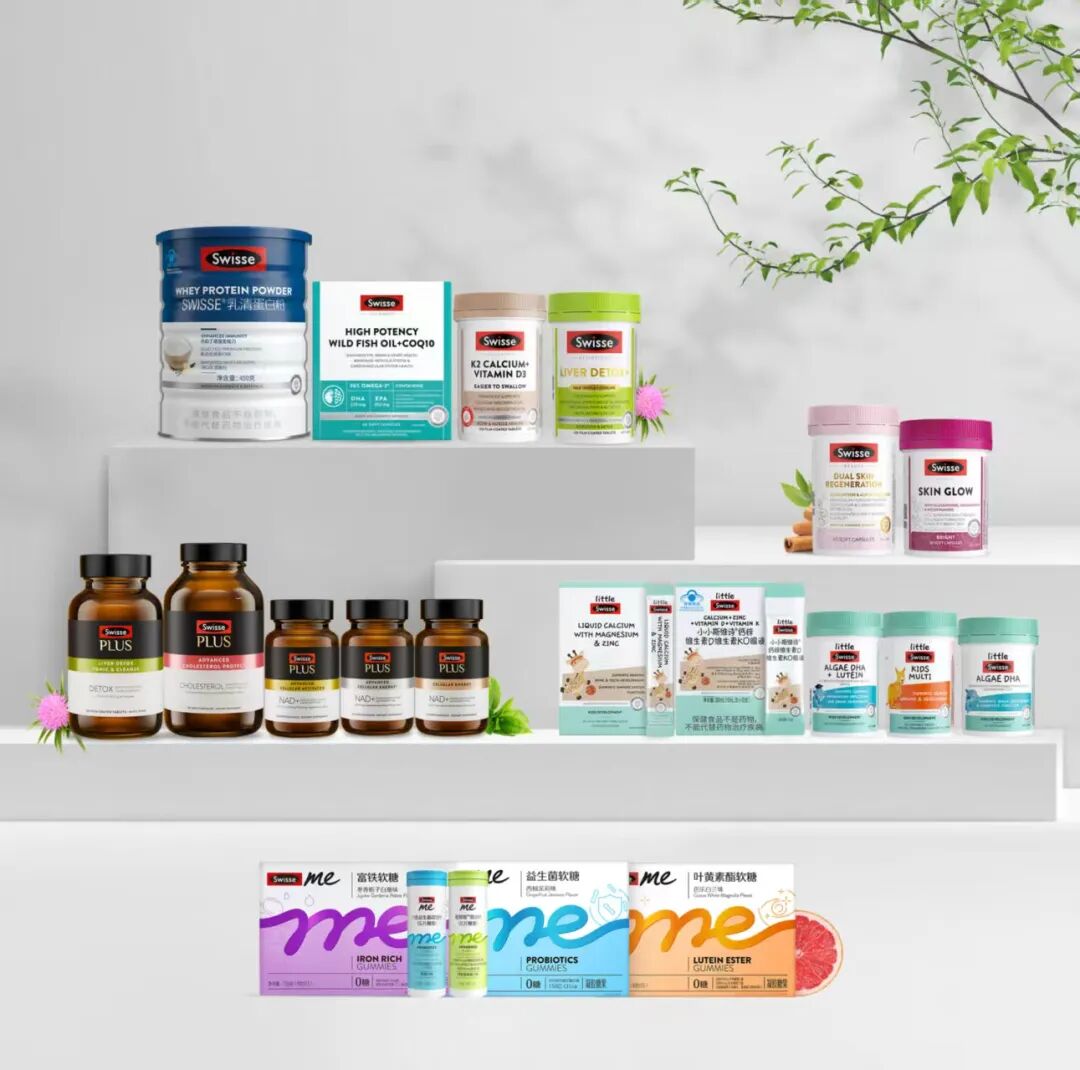

Swisse's Product Logic: R & D Based on Consumer Needs
If word - of - mouth is the "soft power" for a nutritional supplement brand to gain popularity among consumers, then the R & D and innovation system centered on scientific evidence is the "hard foundation" to ensure its long - term presence in the market.
However, developing products scientifically is not about "showing off skills" but about taking the time to understand what consumers want.
In the health supplement industry, many brands tend to directly introduce overseas formulas into the Chinese market, relying on the "imported" and "original" labels to attract consumers' attention. But Swisse realized early on that while these labels might provide a short - term advantage, it would be difficult to gain a long - term foothold in China. The real competitiveness lies in the ability to combine global R & D capabilities with the actual needs of the Chinese local market.
This is clearly reflected in the product development ideas of Swisse's sub - brands.
Take Little Swisse, which focuses on family parenting groups. Sensing parents' concerns about children's nutrition intake and their worry that ordinary nutritional supplements may not be suitable for children, Little Swisse abandoned the traditional approach of making "miniature adult versions" of nutritional products. Another example is Swisse Me, which targets the young group and deeply understands their desire for easy, fun, and burden - free health preservation.
This in - depth understanding of consumer needs and social emotions has enabled Swisse to establish a deep emotional connection with consumers and translate the results of consumer insights into the actual R & D process of each product.
Specifically, it adheres to the pursuit of professionalism, safety, and effectiveness. All along, Swisse has centered on the concept of "genuine word - of - mouth, genuine effectiveness, and genuine safety", applying high standards throughout the entire process from product R & D, production to quality control, and providing the public with health products that offer both practical effects and quality assurance.
Among them, "genuine word - of - mouth" comes from the brand's 50 - plus - year history in Australia. Its real global sales performance represents consumers' actual choices. According to the financial report of the Health and Happiness Group, Swisse not only performs well in the Chinese market but also has outstanding sales in Australia and New Zealand, achieving an 8.9% growth in the first three quarters of this year. It also ranks among the top in countries such as Singapore and Italy.
"Genuine effectiveness" means that the brand relies on high - quality global raw materials and a scientific evidence - based model of real - person testing. Especially in promoting its localization in China, while relying on the group's four global nutrition R & D centers, Swisse has carried out industry - university - research ecological cooperation with many domestic scientific research institutions, explored scientific research results of various nutritional ingredients, and jointly released professional guidelines with authoritative institutions to define scientific standards for the industry.
"Genuine safety" reflects Swisse's confidence in strictly controlling every step of the process, from raw material selection, production and processing, to logistics, warehousing, and terminal delivery, to build a solid safety defense line.
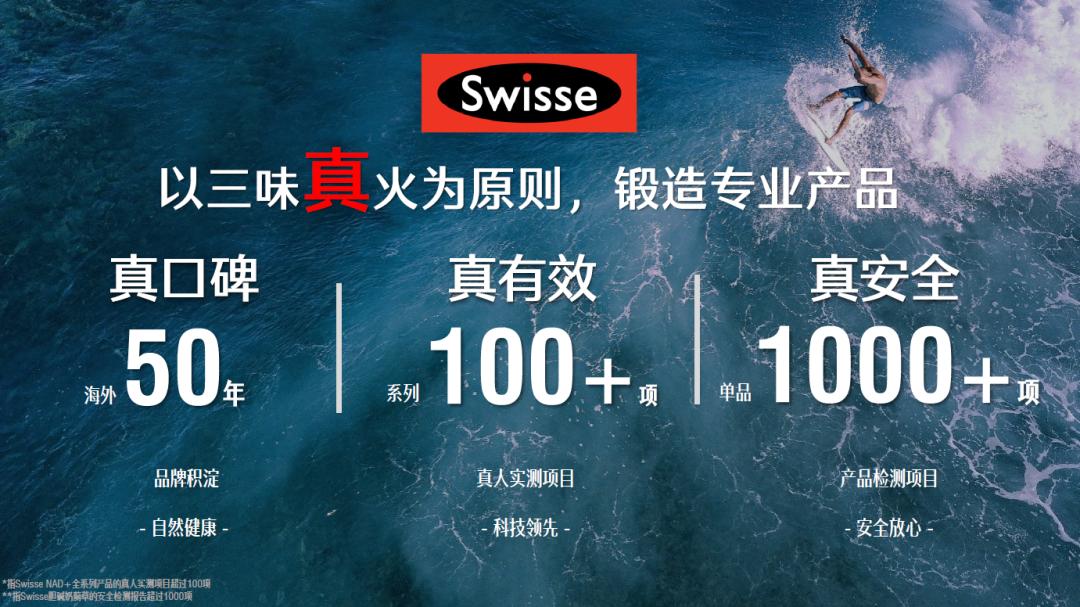
At this tenth - anniversary partner conference, Swisse once again emphasized that it will continue to deepen the layout of the "Swisse mega Brand" strategy and the spirit of consumer insight. Based on the "three genuines", it will adhere to the scientific and professional R & D principle and continuously translate this into tangible, trustworthy, and follow - worthy products in the Chinese market.

From Channel Building to Ecosystem Collaboration
Brand awareness and product innovation can only form a complete loop when they reach consumers. Therefore, channel building is particularly important for a consumer goods brand. It not only represents sales channels but also is the core carrier for the implementation of brand strategies.
Understanding the evolution of Swisse's sales channel strategy in China is the key to grasping how this brand has achieved continuous sales growth in the Chinese market.
In short, it is a process of transformation from a "cross - border seller" to a "local ecosystem builder". When Swisse entered the Chinese market in 2016, the most important challenge was to make consumers trust a foreign brand. To enhance users' trust and experience, Swisse took the lead in exploring the offline general trade market in 2017, gradually expanding its sales points from mother - and - baby stores and personal care stores to high - end supermarkets and other diverse scenarios.
Meanwhile, Swisse also happened to catch the wave of the online e - commerce boom when it entered China. It opened its Tmall flagship store in 2016 and completed the layout on major cross - border e - commerce platforms one after another. Later, Swisse accurately captured the rising trend of interest - based e - commerce and focused on platforms such as Douyin and Xiaohongshu, achieving large - scale user expansion.
However, channel building itself is only the foundation. The more crucial part is how to match the channels with the brand matrix.
Specifically, Swisse's three sub - brands have different channel preferences. For example, Swisse PLUS focuses on high - end channels such as Tmall and JD.com's premium lines and Sam's Club, strengthening the perception of the concept of "scientific and luxurious health preservation". Swisse Me uses Douyin as its core platform to reach Generation Z through scenario - based content. Little Swisse leverages the mother - and - baby channel resources of the Health and Happiness Group to quickly penetrate into family scenarios.
This precise channel strategy not only demonstrates Swisse's determination to establish a foothold in the Chinese market but also reflects the brand's in - depth understanding and accurate matching of China's fragmented and segmented consumer market, as different platforms and terminals carry different user mindsets and consumption demands.
On the other hand, Swisse's rapid penetration into the emerging market also relies on the support of local partners. At this conference, Ding Wen, the Executive President of Swisse in China, stated that it will continue to work with many partners in channels, supply chains, etc. to build an "ecosystem of deep - seated cooperation and win - win symbiosis".
Overall, against the backdrop of the awakening of public health needs and consumption upgrading, Swisse's development reflects the path of a multinational brand serving the local consumer market. This path requires the brand to maintain its core genes while making bold and meticulous explorations in various aspects such as R & D, products, marketing, and channels to meet the unique challenges posed by China, the world's most dynamic and complex market.