Smart TVs are in a fierce competition in 2025: RGB becomes a new variable, and AI and large screens have emerged.
Judging from the data, 2025 can hardly be called a "good year" for the TV industry.
A report released by TrendForce shows that the global TV shipments in the third quarter of this year were only about 49.73 million units, a year-on-year decrease of 4.9%. This is also the first time in the same period of previous years that the shipments have fallen below 50 million units, which is certainly a bit less impressive compared with the 2% year-on-year growth in the first half of the year. As for the whole year, the judgments of multiple research institutions tend to be consistent: the global TV market is under overall pressure.
Taking Omdia as an example, an early report predicted that the global TV shipments in 2025 would be about 208 million units, almost flat year-on-year (about -0.1%). The latest survey by TrendForce (in November) predicts that the annual shipments will be about 195 million units, a year-on-year decline of 1.2%. With the extension of consumers' device replacement cycle, the pre - overdrawn demand, and the gradual disappearance of the subsidy dividends in the domestic market, the TV market has entered an obvious buffer period.
The only two bright spots in the market are on both sides of the Pacific. Although the North American market has been relatively stable this year, its growth is limited. After the subsidy effect fades in the domestic market, it has returned to rationality, and the device replacement rhythm has slowed down significantly.
Judging from the results, it is indeed hard to say that 2025 is a big year for the TV industry. However, against this background, there is still much to talk about the TV market this year.
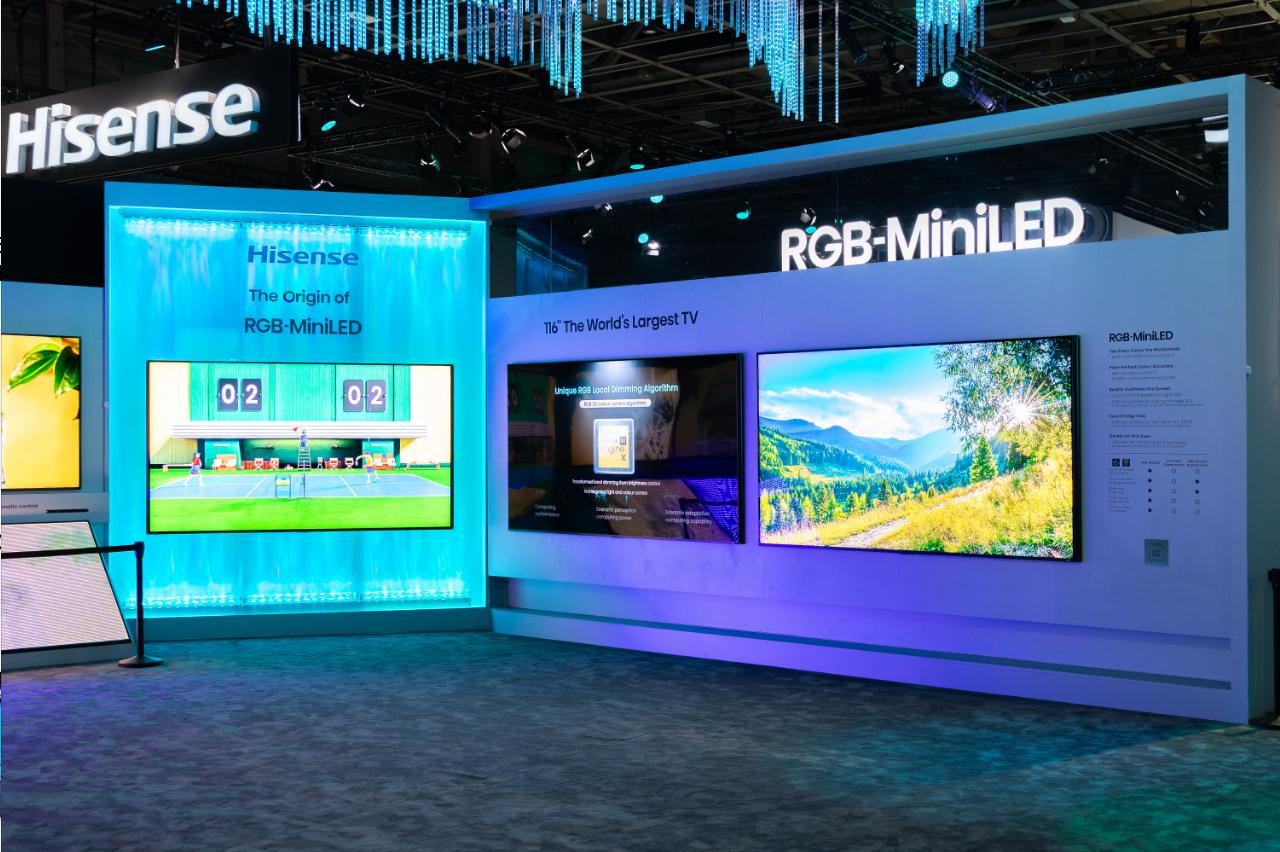
Hisense TV UX, Image source: Lei Technology
On the contrary, the real market pressure has also made manufacturers adjust their product structures more pragmatically, concentrating resources on areas that can truly differentiate the user experience, and trying to find new fulcrums in the stock competition. Not only have RGB - Mini LED TVs made a collective appearance, but Mini LED and OLED are also continuing to optimize and iterate along their existing paths. At the same time, AI and large - screen displays are also continuing to reshape the new pattern of the entire TV market.
This is exactly where the TV industry in 2025 remains exciting.
The fork in the technology road: RGB - Mini LED becomes a new variable
In 2025, the technical routes of large - screen displays are becoming more hierarchical. There has not been a "crushing victory" of one technology over another this year. The more real change is that different technical solutions, whether it is Mini LED or OLED, are advancing side by side, continuously iterating on technology and product experience.
However, if we have to choose a keyword that best represents the changes in large - screen display technology this year, RGB - Mini LED is undoubtedly one that cannot be bypassed.
Different from traditional Mini LED backlighting, which relies on white light or blue light + quantum dots, RGB - Mini LED uses red, green, and blue LEDs to emit light directly and participates in backlight control respectively. In theory, this solution can simultaneously improve the brightness ceiling, color purity, and color gamut coverage. Therefore, it has long been regarded as an "ideal form between LCD and self - emissive displays" - it has only remained at the conceptual level due to cost and complexity.
In 2025, the situation has changed substantially.
Taking Hisense as an example, from the world's first 116 - inch UX ultra - flagship at CES at the beginning of the year, to the more mainstream - sized UX small - size version, and then to the more affordable E8S Pro and U7S Pro, it has proven the large - scale potential of the technology itself and has also officially introduced RGB - Mini LED TVs into the market.

Hisense E8S Pro, Image source: Lei Technology
According to the data provided by Hisense, RGB - Mini LED can achieve an ultra - high color gamut of 100% BT.2020, which is more than 6% higher than QD - OLED and more than 16% higher than QD - Mini LED. At the same time, the color volume is more than 20% higher than QD - Mini LED and more than 3% higher than QD - OLED, bringing a natural color performance with truer red, more accurate green, and clearer blue.
Whether it is peak brightness, color gamut performance, or the light control and mapping algorithms around RGB backlighting, this solution is no longer just a "show of strength" but plays an actual role in high - end product experience.
Samsung also brought what it claims to be the world's first 115 - inch Micro - RGB TV at IFA this year. However, in principle, it is actually a type of RGB - Mini LED, with the core difference being the use of Micro LED as the backlight.
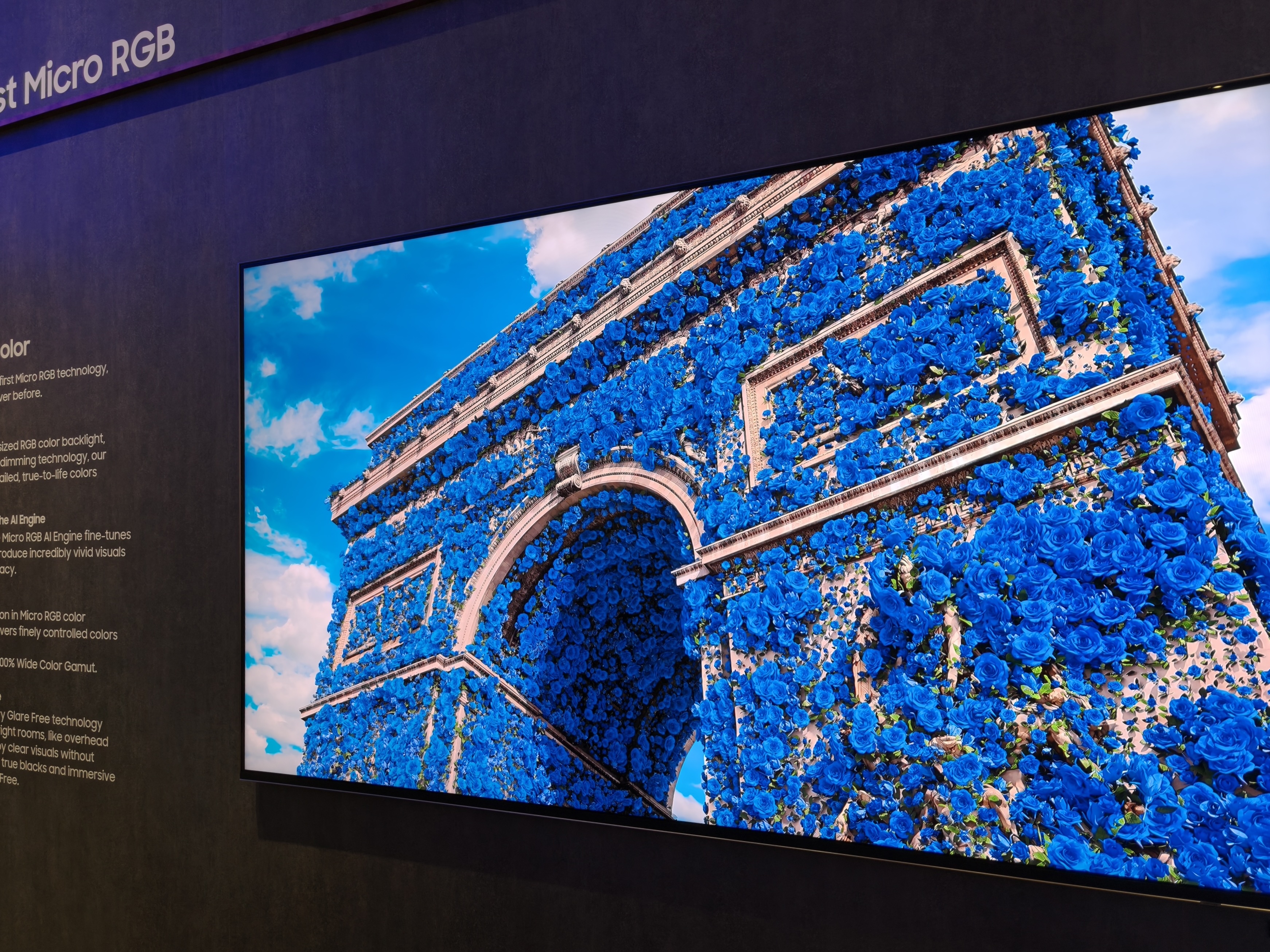
Samsung Micro - RGB TV, Image source: Lei Technology
TCL's strategy is also representative. On the one hand, products like the Q10M Ultra continue to push the brightness, zoning, and size of RGB - Mini LED to the limit; on the other hand, models like the Q9M deliberately lower the threshold, using relatively conservative parameters to allow RGB backlighting to enter a wider price range for the first time.
At the same time, TCL has also introduced a new route called SQD - Mini LED (Super Quantum Dot Mini LED).
In the past few years, QD - Mini LED technology has become quite mature. Coupled with the zoning scale, brightness strategy, tuning ability, and the degree of synergy with algorithms, QD - Mini LED TVs can be said to have become an important mainstay of mid - to - high - end TVs. However, this route is still far from reaching its end, only the focus of competition is changing.
TCL's SQD - Mini LED does not attempt to change the basic form of the backlight. Instead, through the optimization of quantum dot materials, optical structures, and driving methods, it continues to extract the potential of picture quality within the existing Mini LED framework, and also opens up a high - end branch "above traditional Mini LED and outside the RGB system".
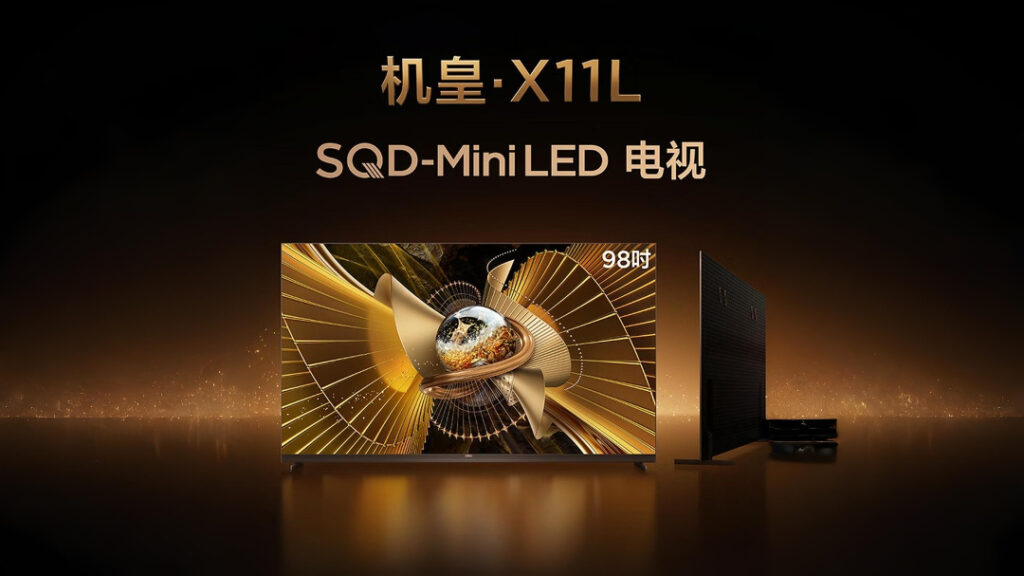
Image source: TCL
While Mini LED is in the limelight, OLED has of course not withdrawn from the stage.
Although the Mini LED camp has made impressive progress in color, as of today, the picture - quality advantage of OLED is still very obvious, including excellent black - field performance, ultra - low response time, and wide viewing angle. However, there are also significant problems. The OLED camp represented by LG did not launch a radical counterattack in 2025 but carried out a very clear "make - up lesson". The core lies in three points:
Brightness, application scenarios, and the degree of AI intervention.
The new - generation OLED evo products continue to improve brightness performance through a multi - layer stacking structure. Although it is still difficult to compete with high - end Mini LED, especially RGB - Mini LED, in terms of extreme values, in the actual viewing environment, brightness is no longer as obvious a shortcoming as in the early years. At the same time, improvements such as high refresh rate, gaming features, and safe brightness management have also enabled OLED to maintain its advantage in the scenarios that high - end users care most about.
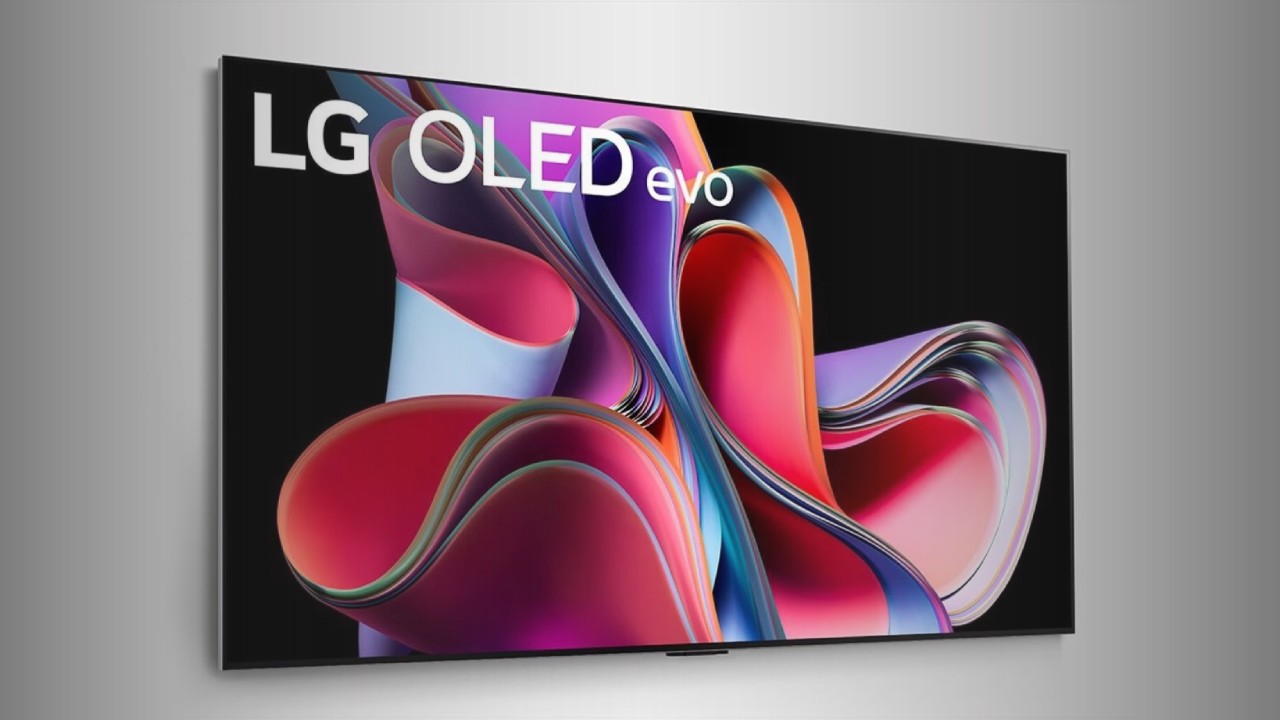
Image source: LG
More importantly, OLED is deeply integrating with AI picture - quality processing. Whether it is the reconstruction of low - bit - rate content or the restoration of the creator's intention, the role of the new - generation processor is becoming increasingly important.
Large - screen dominance, AI in place: Two growth curves are becoming clearer
The evolution of technical routes is difficult to be reflected in market performance in a short period. The real changes in the TV market in 2025 are actually concentrated in two dimensions: consumers' demand for larger screens and the deepening of AI integration.
Although the overall TV market is under pressure, the trend of large - size TVs has long been a consensus in the industry, and it is even more prominent this year. According to TrendForce data, in the third quarter of this year, the market share of large - screen TVs above 60 inches exceeded 28% for the first time. From the market perspective, TVs of 75 inches and above are still one of the few segments that maintain growth, and the presence of products of 85 inches, 98 inches, and even above 100 inches is also significantly higher.
Of course, the subsidies in the domestic market have contributed to this, but on the other hand, brands have shifted their focus more towards technology and product upgrades, and the technology choices have gradually converged in this process. Whether it is Chinese brands or Korean brands, in the range of 90 inches and even above 100 inches, the final choice points to Mini LED rather than OLED or other display solutions.

Image source: Samsung
The reason behind this is not complicated. In the large - size segment, the cost and brightness constraints of OLED are still obvious. Brightness redundancy, anti - ambient - light ability, long - term stability, and cost controllability are also unavoidable real factors. Mini LED TVs, especially those with higher zoning and higher brightness, are more likely to achieve a balance in terms of brightness, stability, and cost - effectiveness, and are more suitable for targeting the high - end large - screen TV market.
From this perspective, the highlight of large - screen TVs in 2025 comes not only from being "larger" but also from the certainty of Mini LED in large - size scenarios.
In contrast, the change in the role of AI in the TV market in 2025 is more reflected in its "position" rather than its "voice".
In fact, the AI upgrade of mid - to - high - end TVs in 2025 has clearly shifted from the early voice assistants and content recommendations to more underlying picture and system processing capabilities. On the one hand, AI is deeply involved in the picture - processing process, including intelligent light control, scene recognition, HDR mapping, and low - bit - rate content enhancement. On the other hand, AI is gradually entering the system - level interaction, but the emphasis is not on showy features but on stability and controllability.
Hisense has clearly included AI video processing, 4K upscaling, dynamic frame processing, color correction, etc. as standard features in its ULED series in 2025. All of Samsung's new - generation TVs launched this year have also incorporated Vision AI, which is responsible for real - time adjustment of the picture and sound according to the environment and content. Simply put, AI has begun to serve as the core engine for the dynamic optimization of TV picture and sound quality.
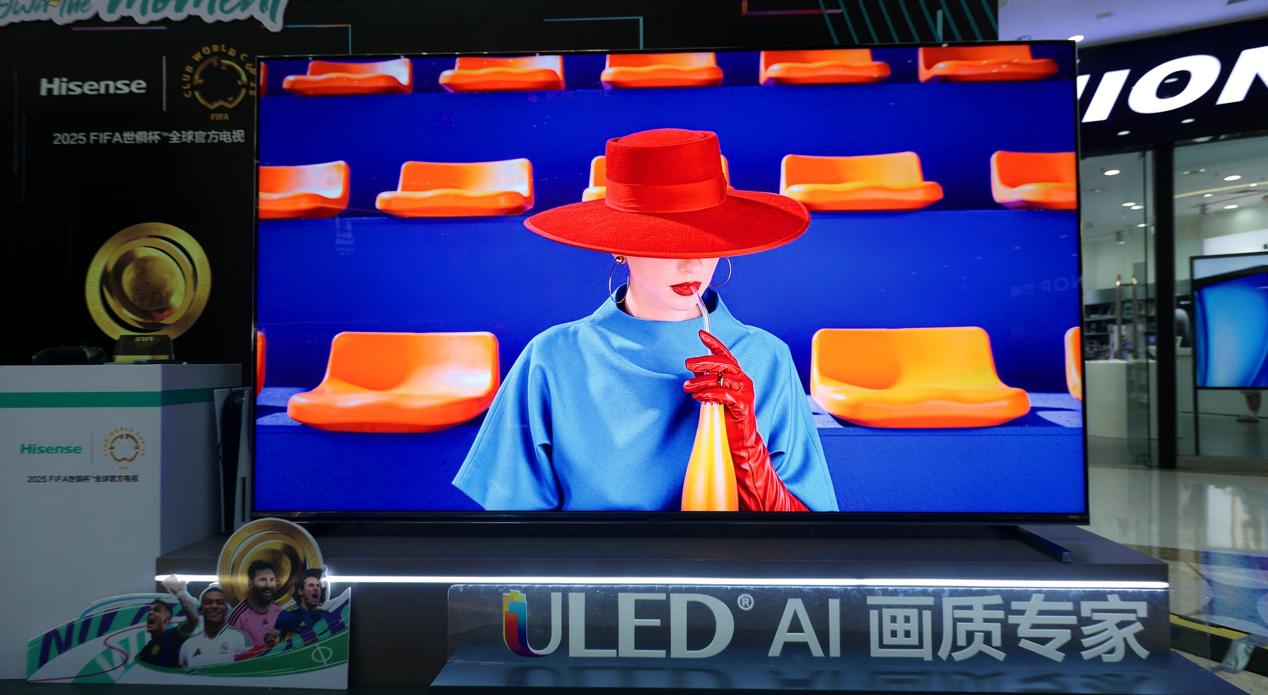
Hisense TV U7Q, Image source: Hisense
In addition, this year, the AI functions of TVs have generally expanded to the levels of content understanding and interaction. For example, AI recommendations are made based on picture content, real - time language translation, and screen content recognition. With the natural - language understanding ability based on large models, the experience of voice interaction has become more natural.
From the perspective of product positioning, AI is not regarded as a separately sold feature but is embedded in the audio - visual and system experience by default. This change itself indicates that manufacturers' expectations for AI have returned to rationality - not to create a "chatty TV" but to provide a better experience.
In a nutshell, the highlights of the TV market in 2025 are that consumers are more willing to accept mid - to - high - end Mini LED TVs with larger screens, and manufacturers are using more mature AI to achieve better picture quality and interactive experience.
Conclusion
Looking back at 2025, the TV market was indeed not an easy one. With shipments under pressure, demand slowing down, and price margins being continuously squeezed, almost all manufacturers are proceeding cautiously in the stock competition. However, against this background, there are still some changes worth remembering this year.
Technological evolution is taking place. Mini LED has become a definite solution for large - size displays, RGB - Mini LED has stepped out of the conceptual stage, and OLED has stabilized its high - end market share after making up for the deficiencies in brightness and application scenarios. Technology is no longer serving parameter rankings but is increasingly directly pointing to the user experience itself.
At the same time, mid - to - high - end products with larger sizes continue to win over consumers, and AI no longer proves its value by "being able to chat" but has returned to more underlying aspects such as picture quality, sound, and system experience. Although they may not be able to immediately drive the entire TV market to recover, they have clearly indicated the future development direction of high - end TVs.
This article is from the WeChat official account "Lei Technology". Author: Lei Technology AI Hardware Team. Republished with permission from 36Kr.