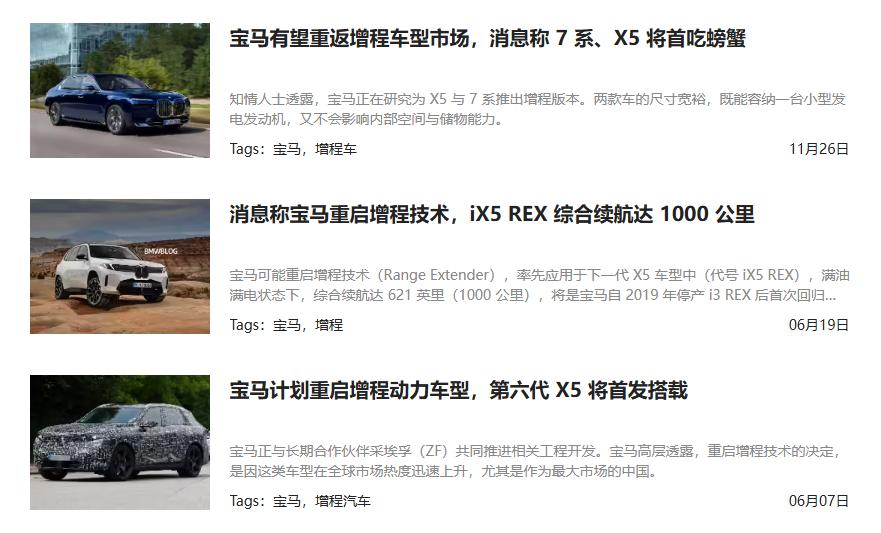
If you can't beat them, join them? The next-generation BMW X5 will actually be equipped with a range extender.
Guys, there's a rather wild rumor going around recently that BMW is going to introduce extended - range vehicles.
Actually, the news has been spreading since June this year. BMW plans to launch some extended - range models in the Chinese and American markets. For example, the sixth - generation X5, the second - generation X7, and the flagship 7 Series might all get the extended - range version. If everything goes smoothly, we'll see the all - new extended - range X5 in 2026.
But you may not believe it. BMW actually experimented with extended - range technology 12 years ago, with the small BMW i3 extended - range version.
The technology of this car was really advanced back then, but unfortunately, it didn't meet the market demand, and its sales were extremely poor. From its launch in 2013 to its discontinuation in 2022, only 250,000 units were sold globally in nearly 10 years. The extended - range models were even worse, with only 50,000 - 60,000 units sold. This result is really not up to BMW's standard.
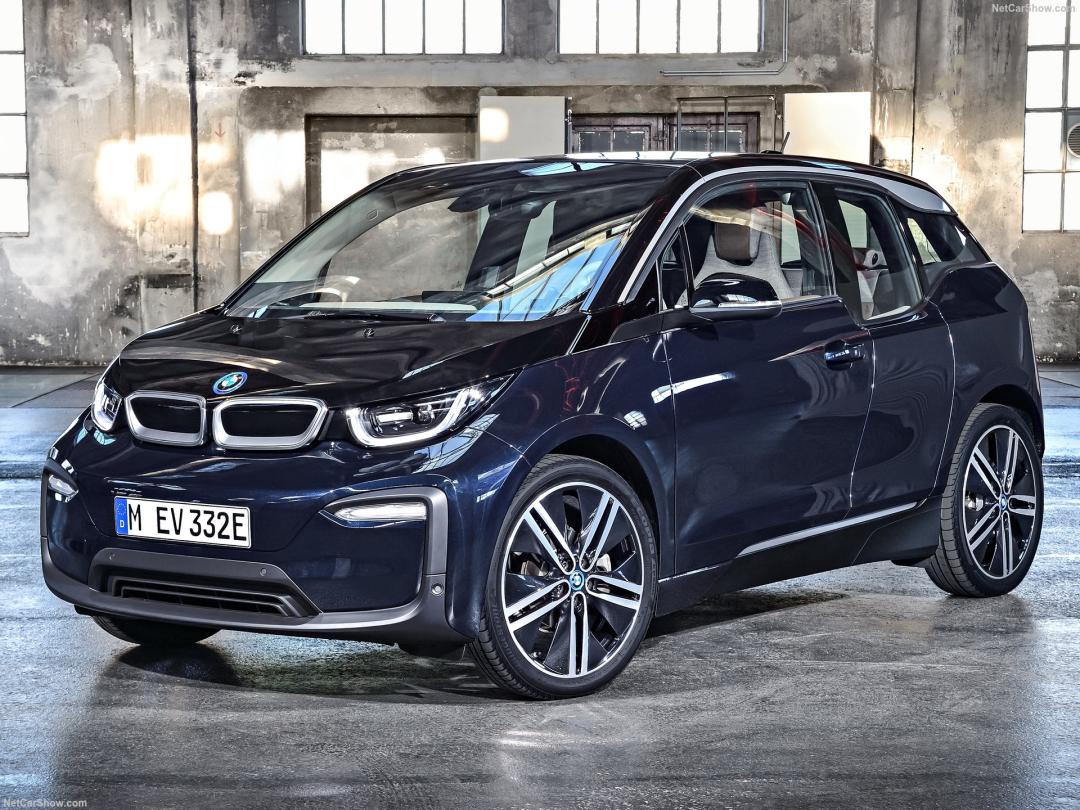
Although its sales were not good, the i3 extended - range version had a lot of advanced features. For example, its LifeDrive body structure was the first in the luxury brand segment to achieve mass - production of carbon - fiber bodies. It was quite remarkable.
The LifeDrive body structure means that the upper passenger compartment is made of carbon - fiber composite materials, and the lower chassis is made of aluminum. When combined, it achieves both lightweight and high strength.
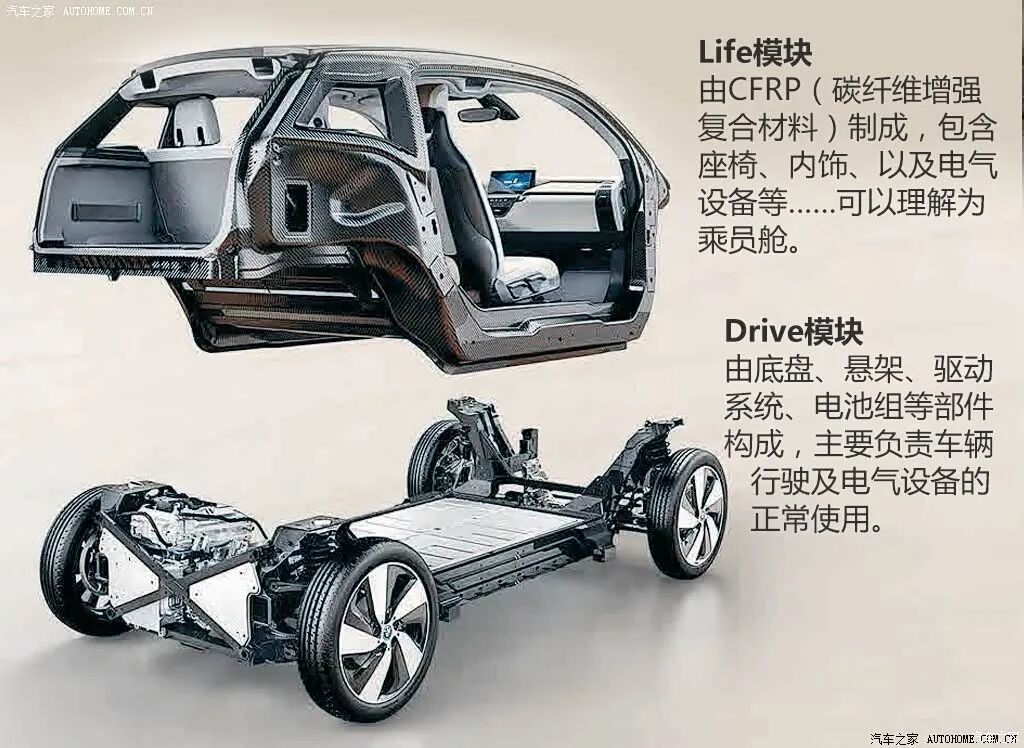
Car enthusiasts might say, "Isn't this just a body - on - frame structure?"
It does seem similar, but BMW doesn't admit that it's a body - on - frame structure.
Brother Neck thinks it's more accurate to say that BMW used the concept of a body - on - frame structure to create a monocoque body. The BMW i8 also used this structure, but due to high costs and the inability to be compatible with pure - fuel vehicles, only the i3 and i8 used it in the end.
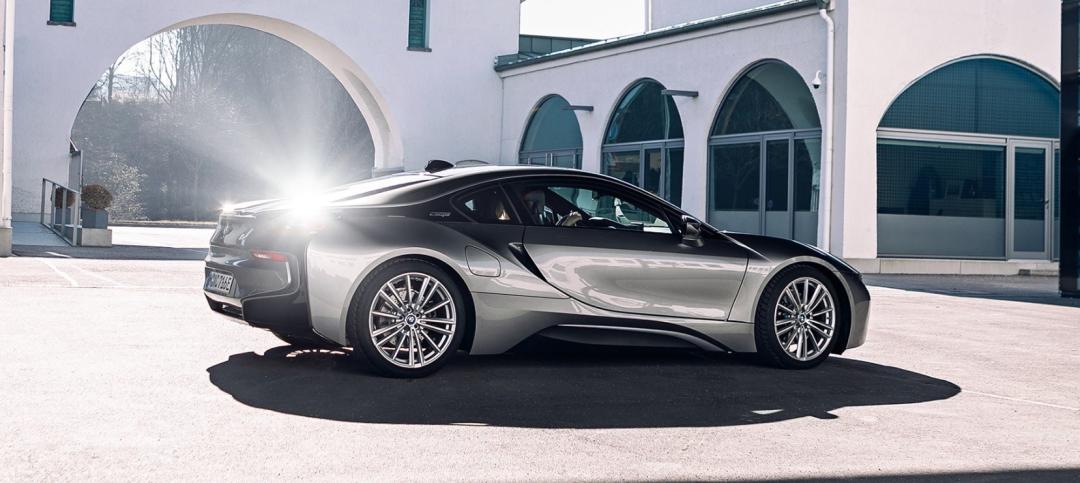
Not only did BMW innovate in the body structure, but the i3 also used the then - rare extended - range power system. It was the first luxury brand to mass - produce and sell extended - range vehicles globally.
You may not believe it, but the range extender of the i3 is actually the twin - cylinder engine of the BMW C650GT scooter. It has a displacement of 647cc and can produce 60 horsepower on the scooter. After being converted into a range extender, its power was adjusted to 38 horsepower.
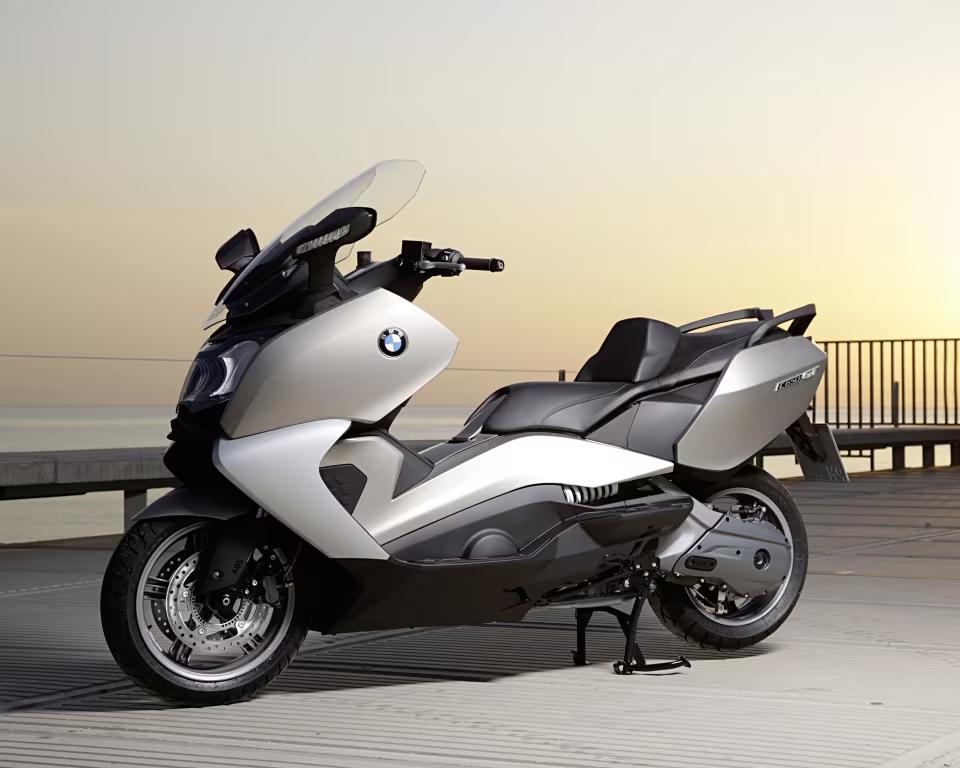
The i3's body is so small that it can't fit a large engine. Using a motorcycle engine was a last - resort solution.
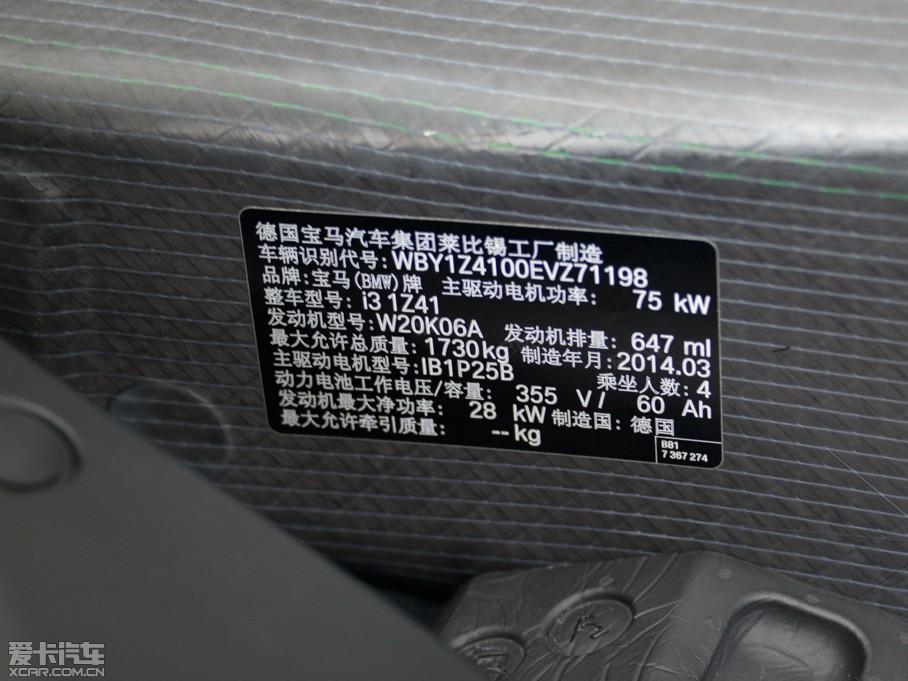
So, how much can the 647cc range extender on the i3 improve the range?
Let's take the 2014 i3 extended - range version, which was the first to be introduced to China, as an example.
It was priced at 516,800 yuan, equipped with a 22 - kWh battery and a 170 - horsepower rear - wheel - drive motor. However, its fuel tank was only 8L. Its fuel consumption at low battery was 5L/100km, and it could run about 270 kilometers with a full tank of gas and a full charge. The pure - electric version with the same 22 - kWh battery was about 200kg lighter because it didn't have the range - extender system, but its range was only about 150 kilometers.
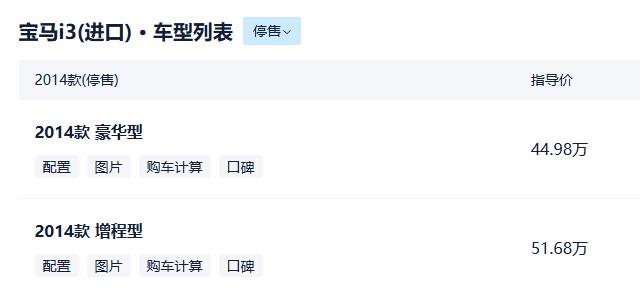
To be honest, when charging was not as convenient back then, the extended - range feature of the i3 allowed users to have a taste of new technology while slightly alleviating range anxiety. People who could spend more than 500,000 yuan on it must not be short of money. I guess many owners didn't even know what extended - range technology was. As long as the car could be charged and refueled and wouldn't leave them stranded on the road, the main thing was to have a high rate of turning heads on the street.
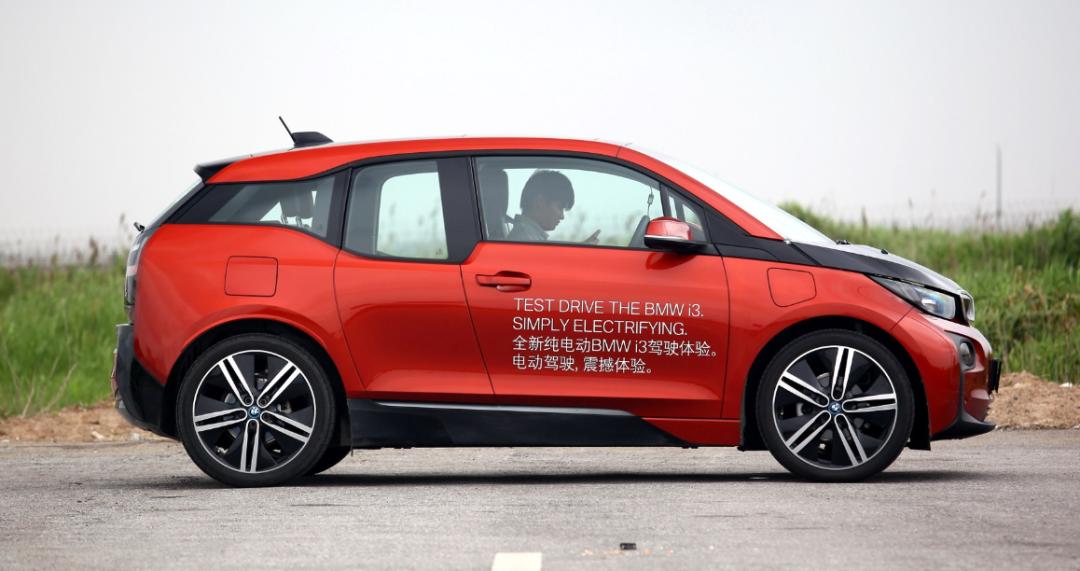
Later, in the 2016 model, the extended - range version, along with the pure - electric version, was upgraded to a 33 - kWh battery, which improved the pure - electric range. However, due to poor sales, the extended - range version was discontinued after the 2018 model. The pure - electric version lasted until the 2020 model, which for the first time used a 42.2 - kWh ternary lithium battery and could run about 300 kilometers if driven conservatively.
Brother Neck saw on the i3 forum that a 2014 extended - range version owner had the battery upgraded to 56 kWh by a professional. The displayed pure - electric range directly reached 372 kilometers, and it could easily run 500 kilometers with a full tank of gas and a full charge. However, this kind of operation poses a great safety risk, so we must not follow suit.
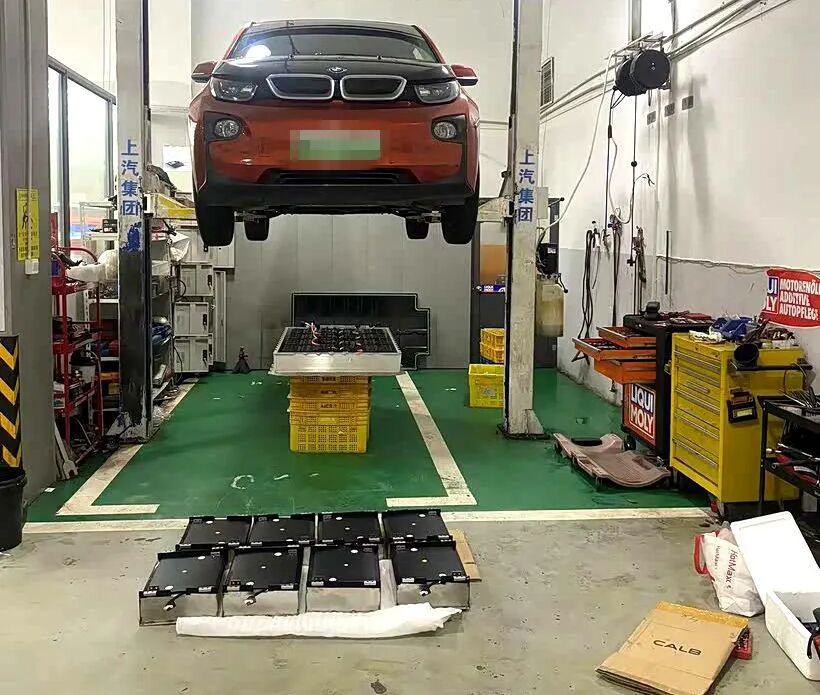
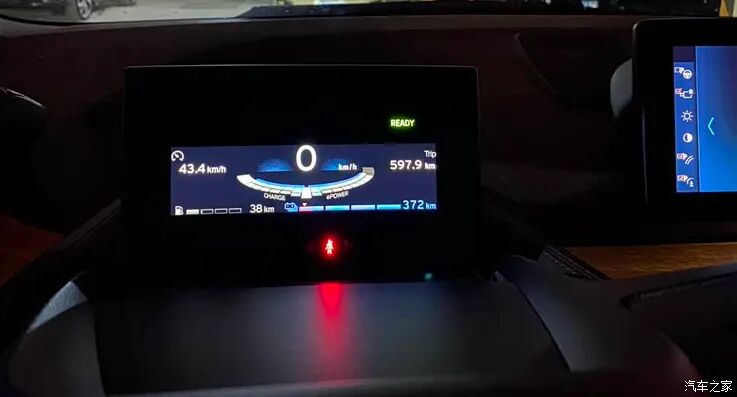
Actually, if you think about it carefully, the poor sales of the i3 extended - range version don't necessarily mean there were major problems with the car. After all, this car was unveiled in 2013, and its R & D started even earlier. In that context, it's hard to have high expectations for extended - range technology and range.
As for the price, the carbon - fiber body alone destined it couldn't be cheap. In the end, the i3 extended - range version was more like a technological trial for BMW. The idea was good, but unfortunately, it was born at the wrong time. The conditions at that time were not mature, and it ended up in a hasty way.
So, the question is, after stumbling 12 years ago, why is BMW daring to revive extended - range technology now? Simply put, the technology and the market are completely different from back then. Everything is in place.
Let's start with the market. The extended - range models BMW is developing are targeted at the Chinese and American markets. We're very familiar with extended - range vehicles here. China is the world's largest extended - range vehicle market, with 1.167 million units sold in 2024. Especially in the green - license hybrid SUV market above 400,000 yuan, the majority of sales come from extended - range SUVs like the Li L9 and the AITO M9.
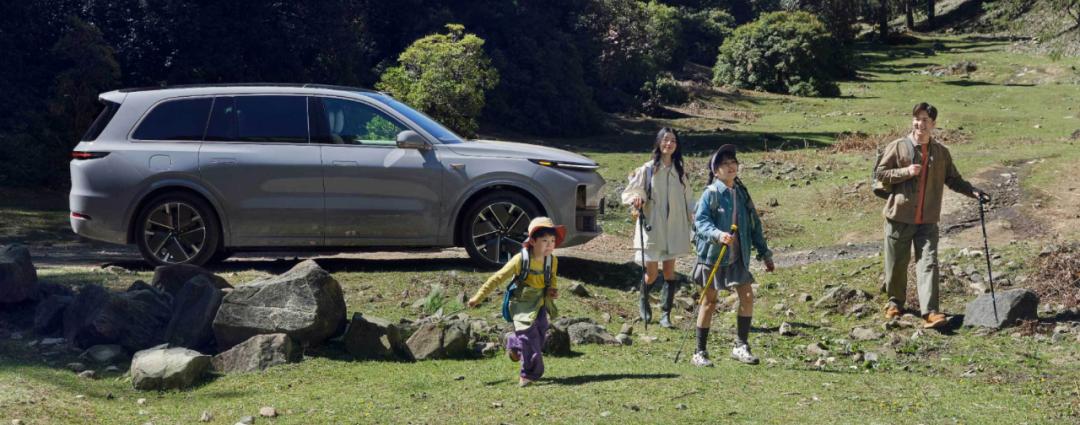
Looking at the American market, although the extended - range vehicle market is just starting, models like the Jeep and Ram pickups have confirmed that they will launch extended - range versions.
Moreover, considering Americans' driving scenarios, using electricity for short trips and using the engine to generate electricity for long - distance interstate road trips, extended - range vehicles are actually more practical than pure - electric vehicles. The X5 is mainly produced in North America, which also allows it to enjoy tax advantages. If BMW takes the initiative, it might actually succeed.
In terms of technology, it's a world of difference compared to 12 years ago. All aspects of extended - range technology have been comprehensively upgraded.
Moreover, this extended - range system was jointly developed by BMW and its long - time partner ZF. It is said that by adding an intelligent clutch and a differential, the engine can directly drive the wheels under specific conditions. If the mass - produced version really has this function, it will be an additional selling point for BMW.
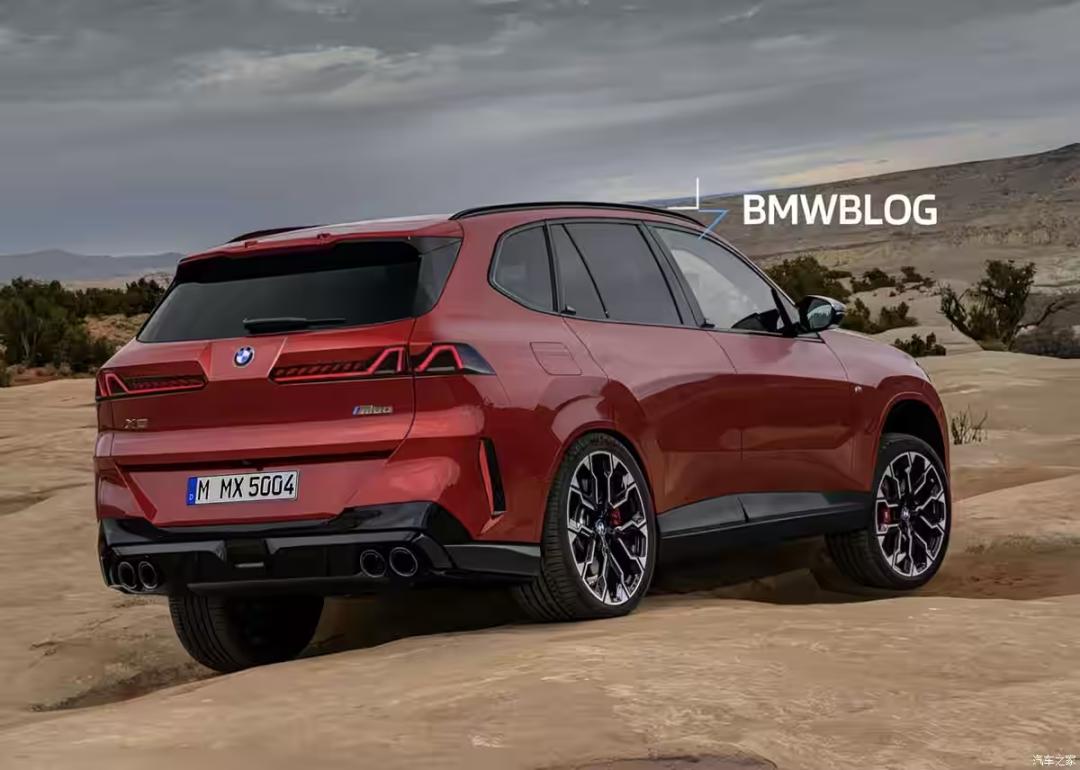
As for the range extender, it definitely won't be a motorcycle engine this time. Engine technology is BMW's strength. Considering the flagship positioning, the range extender of the all - new BMW X5 should at least be the BMW B48 2.0T. Some people might wonder if they could use the 6 - cylinder B58. But that's just wishful thinking, and it won't do much good for energy consumption.
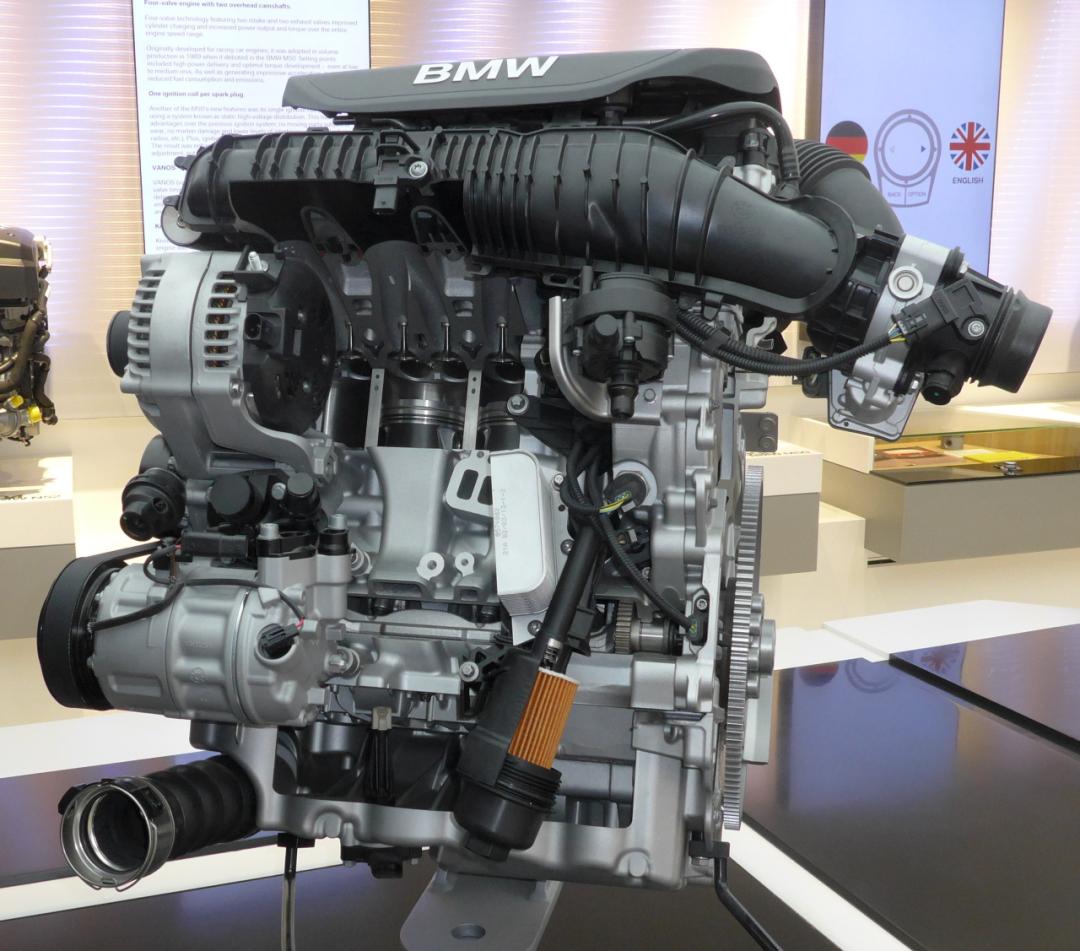
In terms of the battery, it's an NMC cylindrical battery jointly developed with CATL. The specific capacity is not known yet. But now, large batteries are popular among domestic luxury extended - range vehicles. They usually start at 60 kWh and can even reach 80 kWh, which is larger than the batteries of many pure - electric vehicles. If the battery of the all - new X5 extended - range version is too small and the pure - electric range is only 150 kilometers, it might have a hard time in the Chinese market.
Fortunately, BMW has said that the all - new X5 will offer a variety of power options, including pure - electric, extended - range, plug - in hybrid, fuel, and hydrogen fuel. It's obvious that BMW doesn't want to miss out on any wealthy customers this time.
Brother Neck guesses that at least three power options - pure - electric, extended - range, and fuel - will be available in the Chinese market. If the wealthy guys don't like the extended - range version, they can just choose the fuel version.
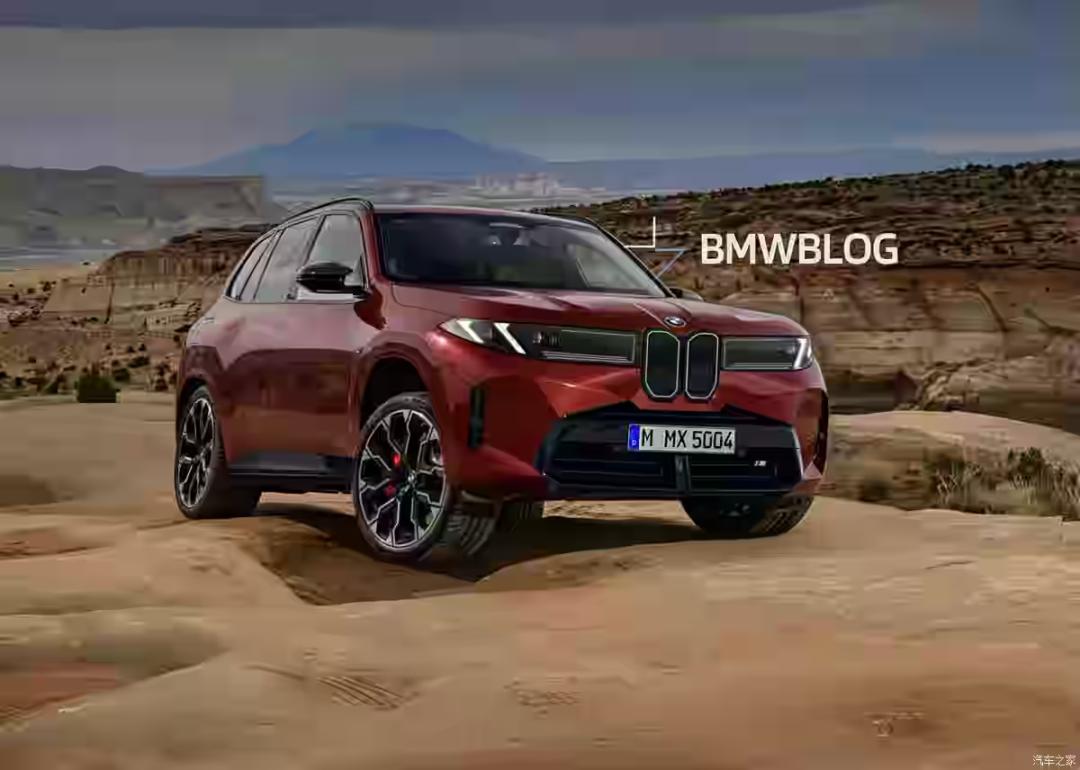
However, although the i3 was born at the wrong time 12 years ago, and the current environment is better, the competition in the domestic extended - range vehicle market is still fierce. It won't be easy for BMW to get a share of the market.
For example, the mid - to large - sized extended - range SUV market has already been defined by Li Auto and AITO. Range anxiety - free driving is just the basic requirement. Intelligent driving, smart cockpits, large space, and those functions that you can't live without are the key. When the AITO M9 was launched, the sales of the BMW X5 were directly halved. It shows that today's consumers don't blindly choose the BBA brand anymore. They value the actual experience more.
In contrast, BMW's entry