Great Changes in 2025: Embodied Intelligence at the Forefront of the Trend
It's the turn of the year again. Before long, a new year, 2026, will arrive.
Remember this time last year, the whole world was following the development of humanoid robots. Even some investors who were not optimistic about this field before started to pay attention to and inquire about the situation of this track.
At that time, it was obvious that there was a boom in research, entrepreneurship, and capital investment. Even many universities began to set up courses and majors related to embodied intelligence or robotics.
However, where there is a hype, there must be a bubble.
After entering 2025, some different voices began to emerge from time to time in this once-popular industry. Until recently, the National Development and Reform Commission issued a clear warning:
Efforts should be made to prevent risks such as the "crowded" launch of highly repetitive embodied intelligence products and the compression of R & D space.
Undoubtedly, embodied intelligence has become the keyword of 2025, and humanoid robots still represent an extremely attractive industry.
Looking back on this year, we can see that this industry is undergoing three major tests: financing, mass production, and listing.
Financing determines whether a startup team can continue, mass production determines who can stay in the game, and listing has become a new dream of creating wealth.
In this article, we will analyze these three key issues and summarize the development of the embodied robot industry in 2025.
01 Financing: Frequent Hundred - million - level Financings
Robots are not something new. There are also well - established robot listed companies in China, such as Ecovacs and Roborock. These companies have sold millions of their developed and produced sweeping robots.
However, this wave of robot boom involves two intertwined concepts: humanoid robots and embodied intelligence.
The former refers to the hardware form, which is also regarded as the ultimate form of robots, while the latter refers to the software technology, which is the fuse behind this wave of the robot industry boom.
Nowadays, robots without the support of embodied intelligence, or those not labeled with embodied intelligence, cannot be sold at a good price.
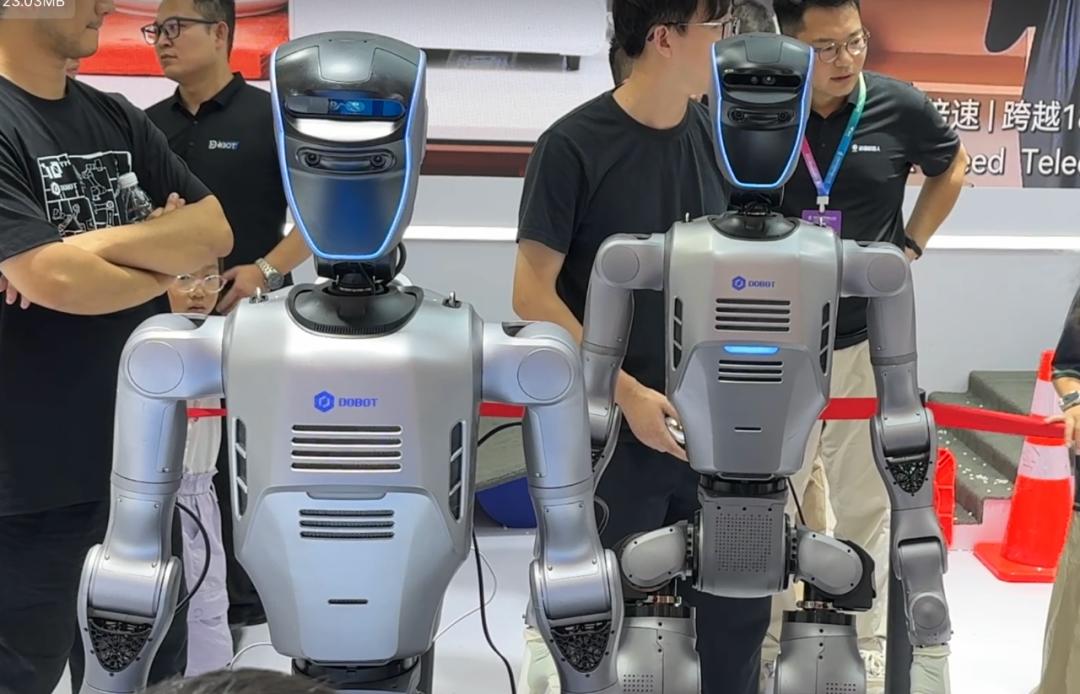
As the ultimate form of robots, the commercialization of humanoid robots has encountered many obstacles.
So this year, pragmatic investors are more optimistic about robots + embodied intelligence, which I call embodied robots (including the wheeled dual - arm robots we will mention later). They don't necessarily have the humanoid form with arms and legs, but they are the real beneficiaries of the wave of embodied intelligence.
In terms of the embodied robot industry, 2025 has witnessed an unprecedented wave of favorable financing. Hundred - million - level financings have become the norm in the field of embodied robots this year, and there are also many unicorn companies with a valuation of tens of billions.
Here, we have summarized the financing situations of the embodied robot teams we have been following for a long time this year:
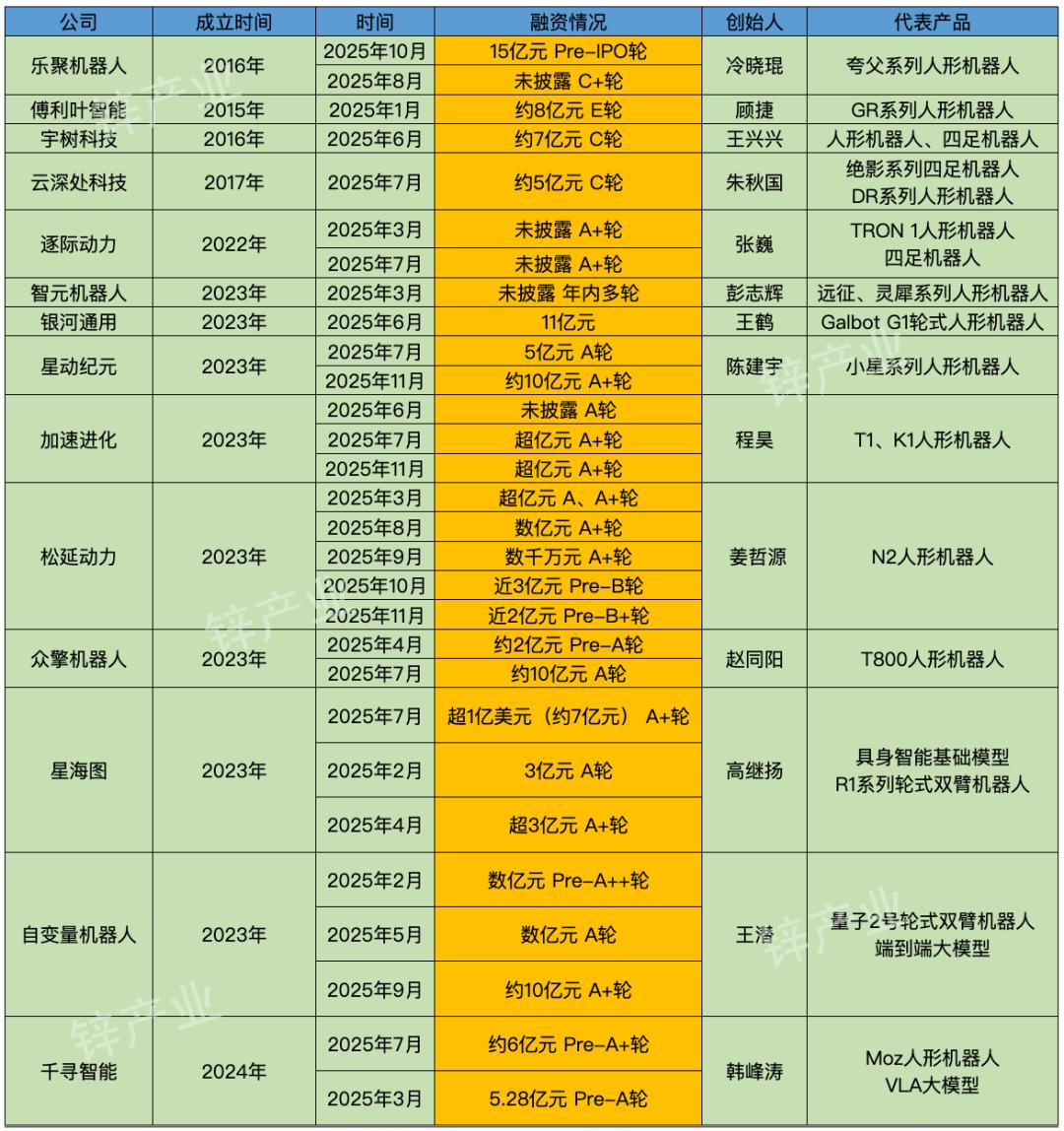
During this year, we have found that there are still three distinct factions in the embodied robot track. They are:
The academic startup faction represented by startup teams from Tsinghua and Peking Universities (such as Galaxy Universal and Starry Era), the technology startup faction represented by Unitree and Ubtech, and the automobile - enterprise - incubated faction represented by XPeng and GAC.
The leading players in each faction have all received hundred - million - level financings in the past year, and many teams have even received multiple such financings.
According to our observations, the sources of these funds are no longer just domestic venture capital institutions. In addition to these well - known domestic venture capital institutions, there are three other important sources: international venture capital institutions, national industrial funds, and leading technology companies.
Needless to say, domestic venture capital institutions such as Source Code Capital, Innoangel Fund, China Renaissance, and Qingliu Capital have all participated in this wave of investment boom. Among international venture capital institutions, Sequoia Capital, SoftBank, IDG Capital, and Prosperity7 have also actively participated in the investment and financing of many domestic star - level embodied robot teams.
There are two unique phenomena in this wave:
First, national industrial funds have entered the market one after another. For example, the Beijing Robot Industry Development Investment Fund and Yizhuang Guotou in Beijing, Pudong Venture Capital and Lingang Science and Technology Innovation Investment in Shanghai, and Shenzhen Capital Group in Shenzhen. These national - level funds have become the policy guides and important promoters of the domestic robot industry boom.
Second, technology giants have made heavy - capital bets. At present, Internet giants such as Baidu, Alibaba, Tencent, Huawei, JD.com, and Ant Group have all entered the market. Meanwhile, household - appliance giant Haier and automobile giant Geely have also invested in this field.
Among them, Alibaba, JD.com, and Geely have made the most substantial investments, injecting large amounts of capital into multiple investment and financing projects of embodied robot teams within a year.
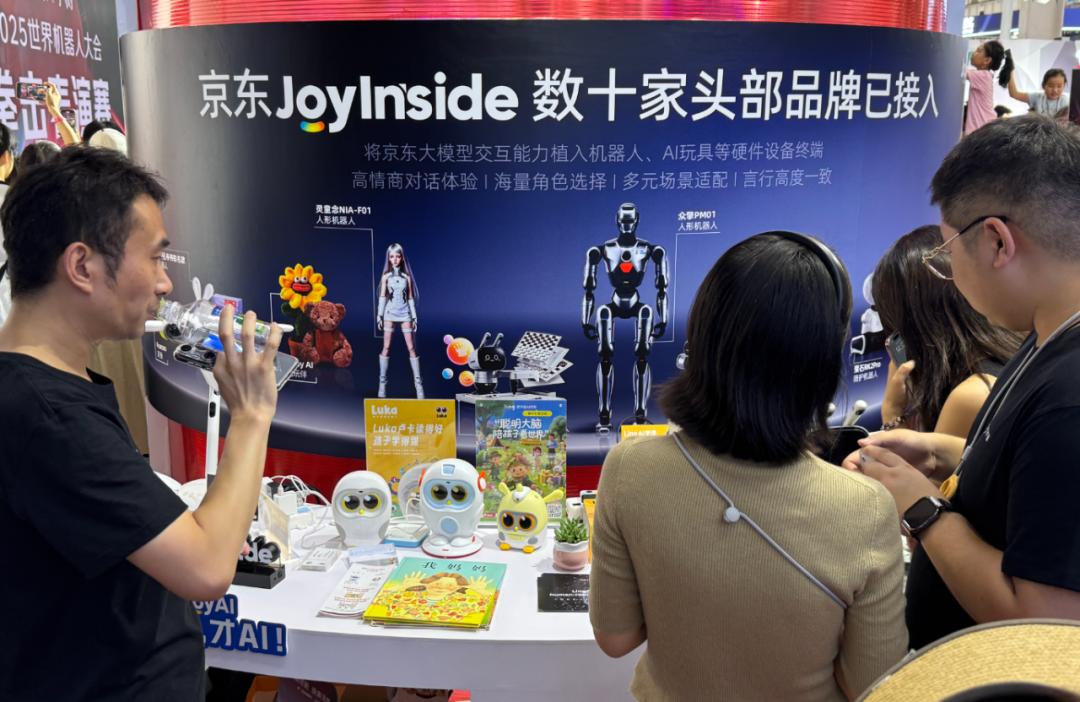
Behind this phenomenon - level financing in this phenomenon - level track, there is a simple technological logic:
Previously, people couldn't see the hope of robots having generalization ability. In the past, robots could only achieve specific functions through professional programs. After the introduction of reinforcement learning and large - model technologies, robots have gained the generalization ability to draw inferences from one instance and self - evolve.
The universality of robots is expected to be realized in our lifetime. Even the ultimate form of humanoid robots has the possibility of entering the commercial market. Therefore, the capital market has flocked to this field.
Do you doubt that there is a bubble in the current embodied robot market?
Throughout the history of technological development, no technology has matured without a bubble. We are more looking forward to the fact that these bubbles can accelerate the development of the embodied robot industry, enabling some technologies in this industry to release value in commercial scenarios.
Of course, the investors in this track are the ones who are most eager to see the commercial realization of the embodied robot industry.
In 2025, embodied robot teams also need to give an account to their investors, an account about mass production.
02 Mass Production: Orders in the Tens of Millions Everywhere
When we look at a technological cycle, we always find a reference point for the technological explosion. There is an interesting reference point for the technological cycle of embodied robots, which is:
In 2021, at Tesla's AI Day, Elon Musk had a person in a tight - fitting suit come on stage to imitate the humanoid robot conceived by Tesla.

Technology enthusiast Elon Musk always wants to do things that others can't. In 2021, he set his sights on humanoid robots.
In the following four years, the entrepreneurship, technological verification, and investment and financing processes in the field of humanoid robots entered a period of concentrated explosion.
By 2025, global humanoid robot teams have moved from the technological R & D stage to the technological verification stage. At the end of the first five - year period, these embodied robot startup teams need to present a report card to their investors.
During our research on the embodied robot industry and conversations with some practitioners this year, we have found two significant changes:
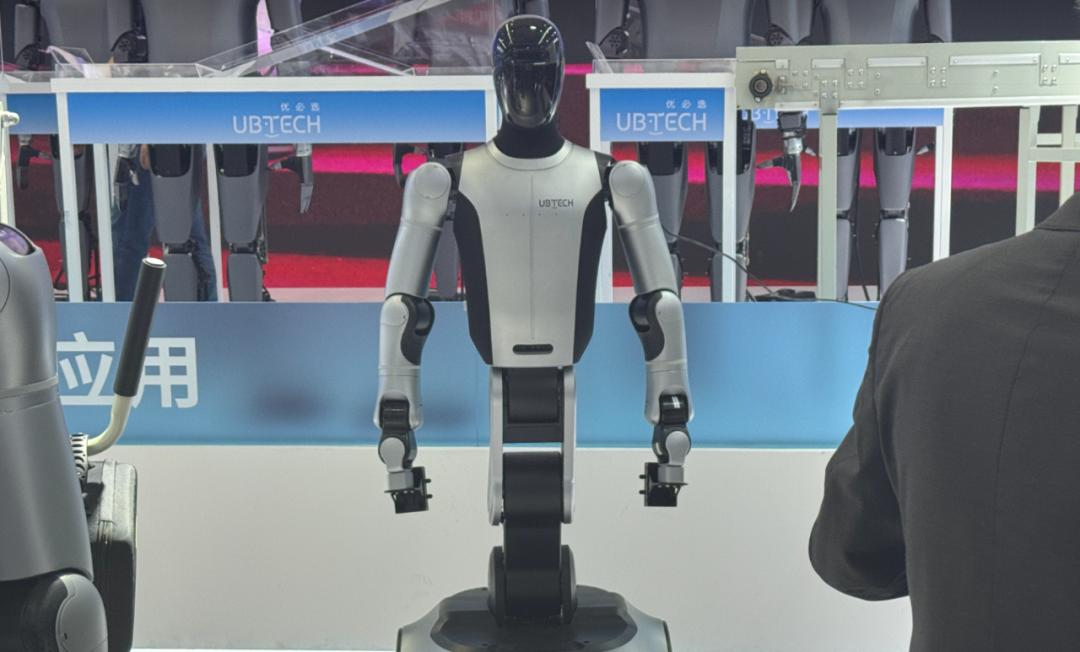
First, when humanoid robots enter the industrial scenarios, which are considered to be the first to adopt this technology, wheeled dual - arm humanoid robots have gradually become the mainstream.
The reason for this phenomenon is that wheeled dual - arm humanoid robots are more efficient and more in line with the current needs of industrial scenarios. Another change brought about by this is that hand - eye coordination has become the key technology that the current embodied robot industry is focusing on.
Second, the mass production of embodied robots has become the main theme of this industry in 2025.
I have heard many practitioners say this year that they must push their embodied robot products into mass production no matter what, to give an account to their investors.
Here, we have summarized the officially announced mass - production situations of the robot teams we have been following for a long time:
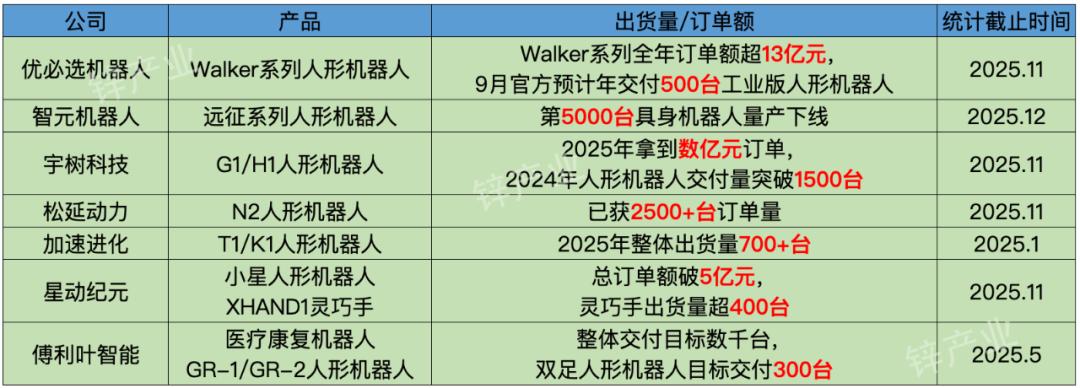
It should be noted that many teams have not provided accurate official data.
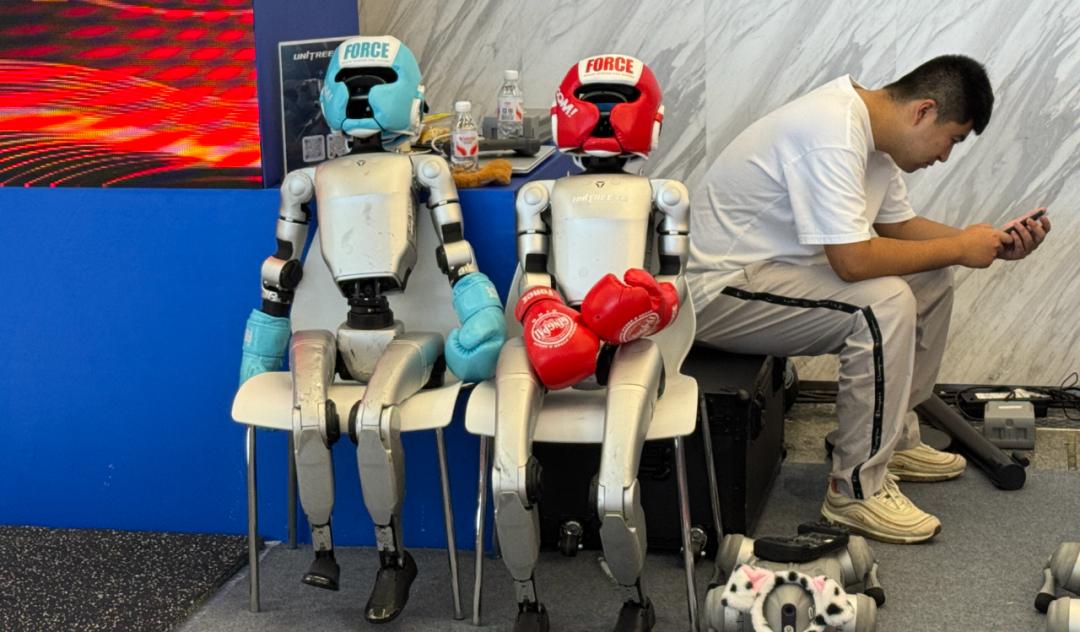
For example, Unitree Technology, a very popular domestic company this year, was reported by GGII to have delivered 1,500 humanoid robots in 2024.
Wang Xingxing, the founder of Unitree Technology, said at the WRC 2025 in August this year that "Unitree G1 is probably the humanoid robot with the highest global shipment this year."
However, the official has not yet provided detailed mass - production data for this year.
However, we can still see two key data points:
First, orders in the hundreds of millions have emerged.
This year, many orders in the embodied robot track have reached the tens of millions level, and quite a few have reached the hundreds of millions level. For example, China Mobile issued a procurement order worth 120 million yuan for humanoid robots in July this year, and ZHIYUAN and Unitree won the bid.
Second, orders in the thousands have become a landmark.
This year, the shipment/order volume of thousands of units has become a landmark data point. We estimate that the top 5 companies in terms of shipment volume have all received orders of thousands of units.
As domestic embodied robot teams strive for mass production, we have also witnessed price wars in this field. The price of humanoid robots, which used to be as high as one million yuan, has been continuously dropping:
In July, Unitree released the R1 humanoid robot, and its price dropped to 39,900 yuan.
In October, Accelerated Evolution released the Booster K1 humanoid robot, and the price of the first 100 units was 29,900 yuan.
Also in October this year, Songyan Power released the Bumi humanoid robot, and its price was as low as 9,998 yuan.
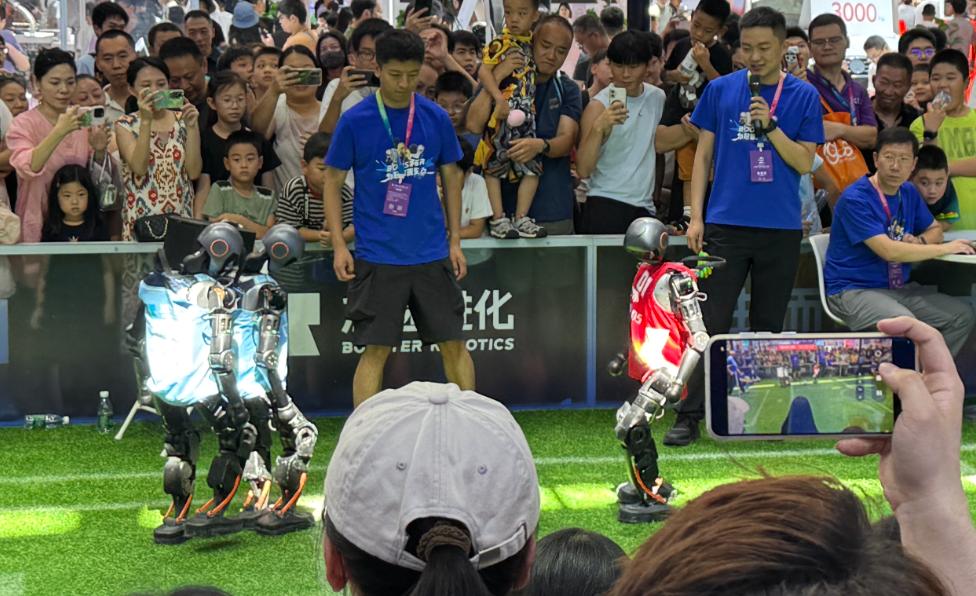
Of course, these humanoid robots are mostly trial - use products sold to geeks on the consumer side. The price of humanoid robots for industrial use is still in the range of hundreds of thousands or even millions of yuan.
So, we actually need to ask a question:
What's the real meaning of humanoid robots with prices dropping to the ten - thousand - yuan level at this stage?
03 Listing: More than 10 Enterprises Queuing up for Listing
I first came into contact with commercial humanoid robot teams about ten years ago. At that time, two companies in Shenzhen were the most representative. One was Ubtech, and the other was Leju.
At that time, the humanoid robot industry was still in its early stage, so these two companies took a similar roundabout approach - they first entered the education market with small - sized robots and "built high walls and stored up plenty of grain" in this market.
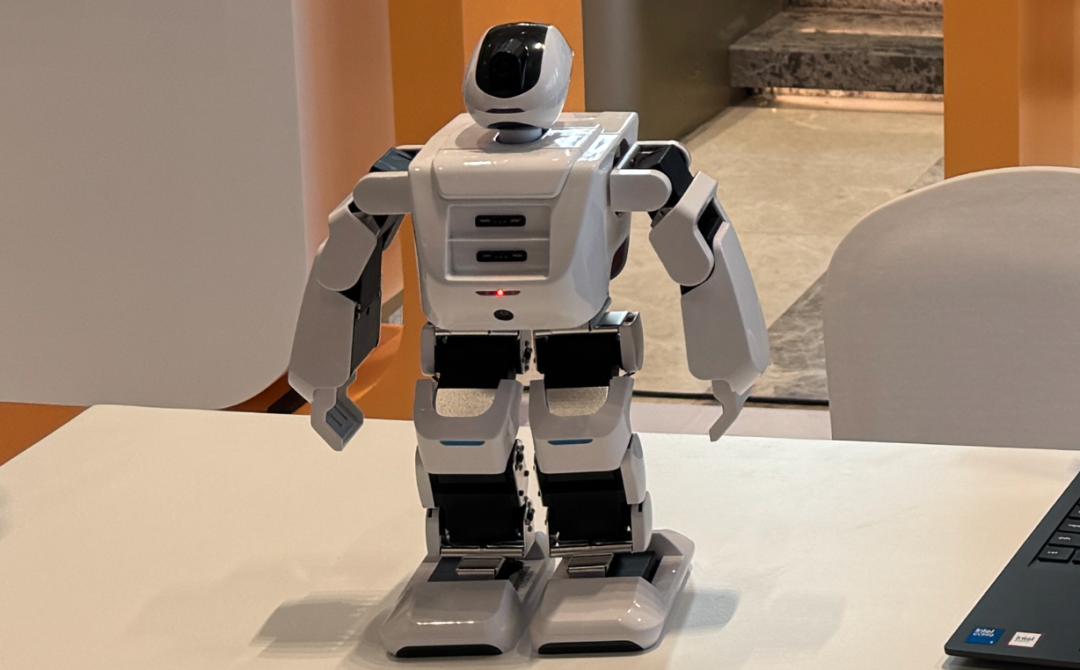
Nowadays, one of these two veteran humanoid robot startup companies was listed on the Hong Kong Stock Exchange at the end of 2023 and has since become a key force in Beijing's humanoid robot innovation and a national - level player. The other has submitted its prospectus and is planning to go public.
Actually, industry insiders have told us that, considering policy support, industry popularity, investment and financing progress, and market potential, this year is the best time for embodied robot teams to go public.
Here, we have briefly summarized the teams that have officially announced their IPO processes:
