The courier stations that could easily earn 200,000 yuan a year are starting to fall apart.
One storefront, several rows of shelves, a barcode scanner. The daily work involves warehousing, shelving, and waiting for customers to pick up their packages. Although the work is dull and monotonous, it offers stability.
In the stereotype of most people, express delivery stations are almost synonymous with low - cost and low - threshold entrepreneurship.
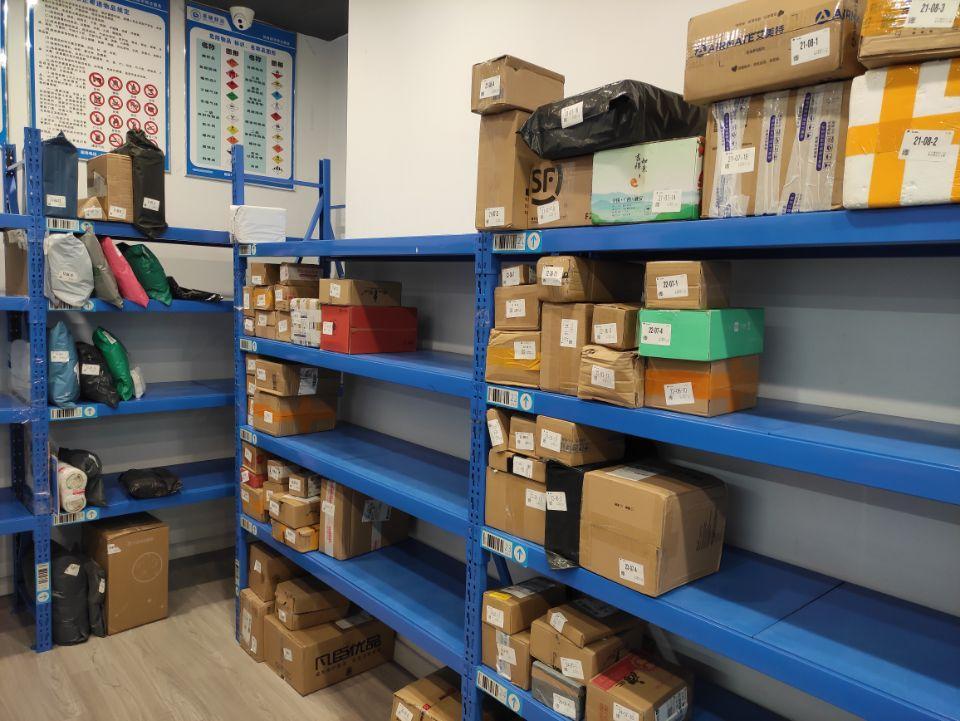
But guess what? Now, the popular entrepreneurship track of express delivery stations seems to be a bit of a hot potato.
"As long as a customer calls the official customer service of the express delivery company, whether it's a complaint or not, you'll be fined according to the work order."
"The only break in five years was last month when a typhoon hit and the whole of Guangdong had a holiday."
"Each package earns 0.35 yuan. With an average monthly delivery volume of 80,000 packages, I'm still making a loss."
The station owners are complaining bitterly. Even after the bustling Double Eleven, a station owner who had been in the business for five years and had an annual profit of nearly 200,000 yuan from the station, didn't hesitate to sell his two stations.
Clearing out and leaving during the peak season is undoubtedly a sign.
If you search on platforms like Xianyu, there are plenty of posts about station transfers. Most of the accompanying descriptions are like "Profit immediately upon takeover", "High delivery fees", "The station is stable with almost no problematic packages"...
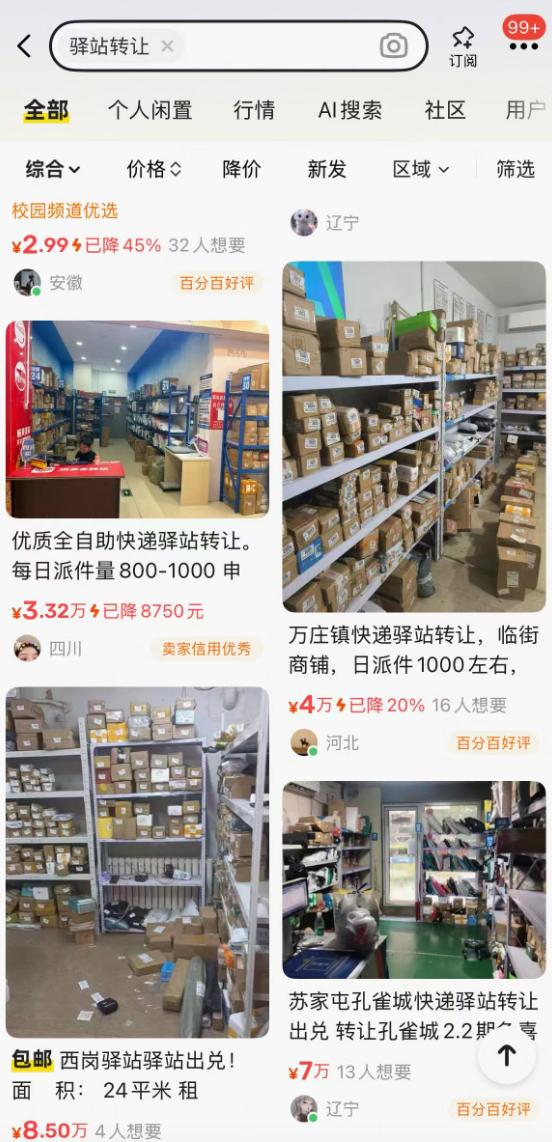
But if the money is really that easy to make, why would so many people be willing to transfer their stations?
Even when I went to the community express delivery station to pick up a package the other day, I was "forced" to listen to the boss complain for half an hour about how difficult their situation is now.
The overwhelming transfer posts and the collective complaints of station owners... This plot doesn't seem to be what a sure - win track should look like.
Then why has the business of express delivery stations become a pit that many bosses are trying to escape from?
After the Double Eleven ended, I also talked to several current and former station owners and found that there is also a complex world hidden in this small station.
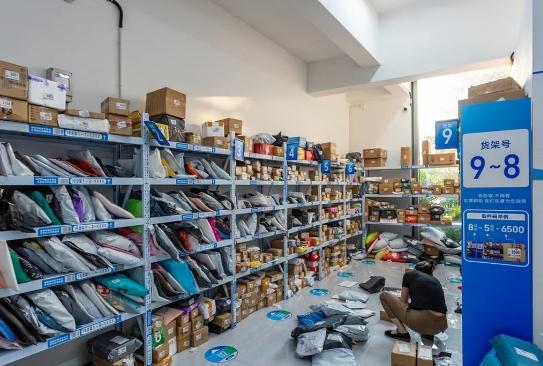
How deep is the water in this world?
Well, vicious involution from peers, continuous and heavy fines from the delivery network, and shrinking income are all the straws that break the camel's back.
Let's first look at the most absurd and intense peer competition. To be honest, after hearing these stories, I think if you don't have a bit of shrewdness, it's hard for your station to survive.
You may not be very clear that there are also differences between express delivery stations.
One type of station operates under the contractor model. Your station and the delivery network have a hierarchical relationship, and you're like an express delivery courier. The advantage is that all the express packages in a certain area are yours.
The other type can be understood as a pure express delivery station. Generally, it directly cooperates with express delivery couriers. Your station stores their packages, and the couriers pay you delivery fees.
A pure express delivery station is relatively more flexible, but without the constraint of a contract, your station's shelves may be full today, but could be empty in a few days.
About five years ago, Chengcheng (a pseudonym) took over a supermarket + express delivery station complex located downstairs of a community, near a high school. When they took over the station, there were only a few nearby shops, and the occupancy rate of the community was only 30% - 40%. The station handled 95% of the express packages in the vicinity.
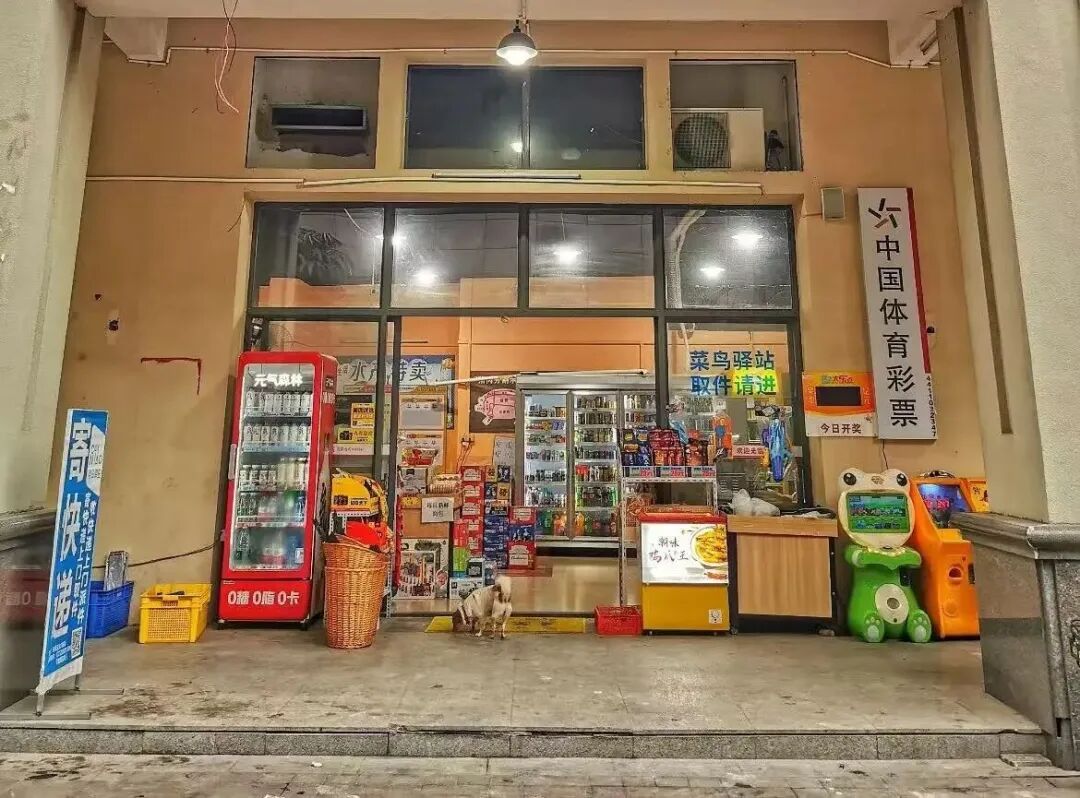
Although they didn't sign a contract with the express delivery company, Chengcheng and the couriers developed an unspoken understanding. Sometimes, Chengcheng and their team would even privately help some couriers deliver packages to earn some extra money.
But this understanding was broken in 2023.
"Right after the Spring Festival, countless competitors suddenly emerged."
A boss who was simultaneously acting as an agent for several express delivery networks opened a station only 50 meters away from Chengcheng's station. Soon, the express packages from Shentong, Jitu, and Yunda stopped being sent to Chengcheng's store.
There was also another courier who was familiar with Chengcheng. He took over a station in the third phase of the same community (Chengcheng's station was mainly responsible for the first and second phases).
At first, this courier played tricks during sorting and stole the packages whose addresses were right between the two stations. Chengcheng knew about it but just turned a blind eye.
But soon, the courier set his sights on the packages from the school.
He cooperated with a supermarket on the way where students had to pass to pick up packages at Chengcheng's store. He tried to entice other couriers with the condition of "free storage for three months" to divert the school packages that should have been sent to Chengcheng's store.
Left with no choice, Chengcheng had to open a station in the third phase.
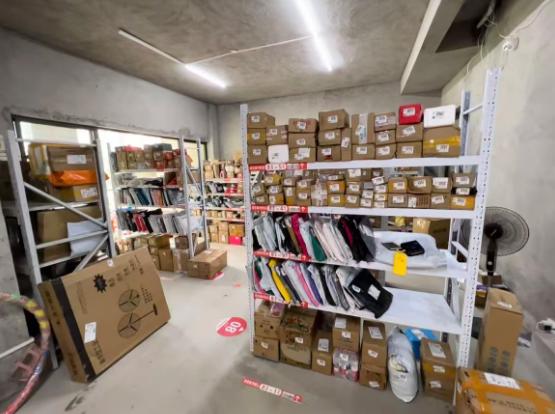
This time, she learned her lesson and spent 6,000 yuan to sign a one - year contract with Yuantong, just like paying a protection fee.
Unexpectedly, next to the station in the third phase was a friend of the competitor.
After that, a series of deadly complaints started. Noise nuisance, fire safety issues, complaints to the industry and commerce department and the postal administration... These were all routine operations. Even worse, the other side used Chengcheng's station address to send 50 prohibited gas cylinders.
This kind of vicious competition that Chengcheng encountered is not an accidental event in the industry.
In order to compete for couriers, some bosses are willing to lower the delivery fees and engage in price wars. Some even pay out of their own pockets to offer benefits and compete in door - to - door delivery services to win back customers. Others report each other to the postal administration.
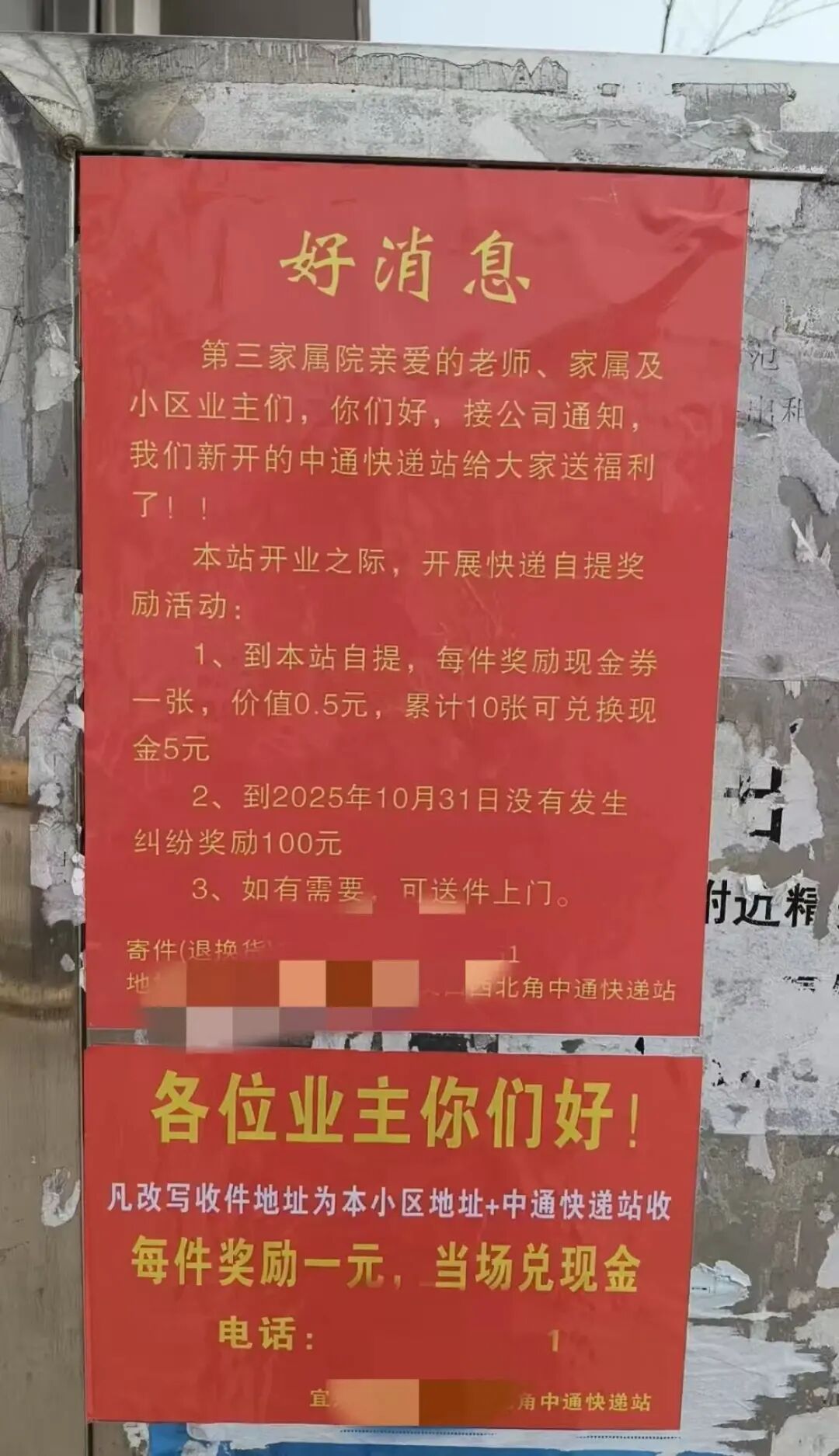
Competing in services is still okay. The worst part is that after all the fighting, the places to pick up packages are scattered everywhere, and it's us who suffer...
I also learned that now, major express delivery station brands are secretly competing for the market.
Next to a Cainiao Station, there may be a KuaiBao Station, and the "in - house" stations of various express delivery companies, such as Yuantong's Mama Station, Zhongtong's TuXi Life Station, and Jitu's LinLi Station...
These "in - house" stations are supported by their parent express delivery companies and have an advantage in competing for package traffic.
Even Pinduoduo wants to get a share of the express delivery station market now. It has officially renamed its Duoduo Grocery express delivery collection service as "Pinduoduo Station" and is also competing in door - to - door delivery services.
So this short "last mile" is really getting crowded.
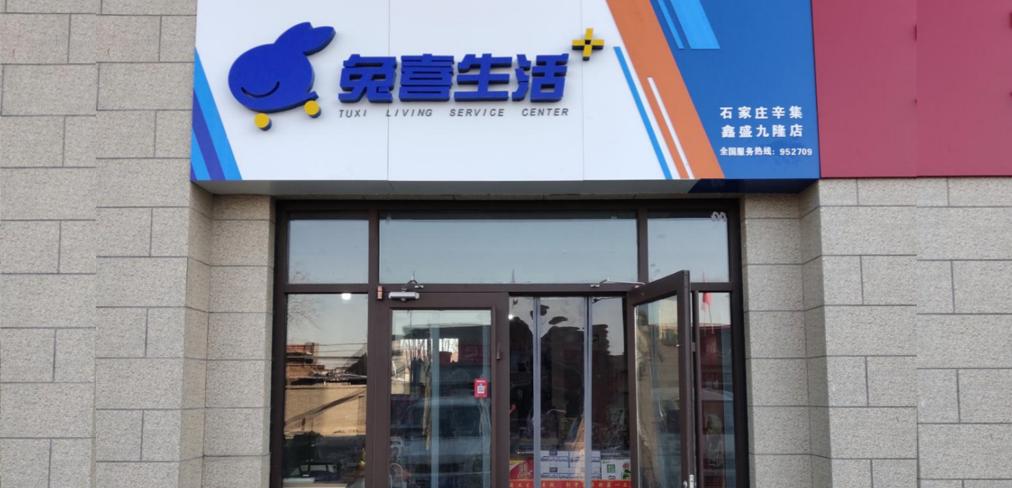
Take Zhongtong as an example. As of 2024, the number of TuXi Life Stations has exceeded 110,000. In 2023, this number was only a little over 30,000. You can imagine the growth rate.
If there is no written contract, no matter how good your relationship with the courier is, there are always hidden risks.
But don't think that if you sign a contract with the delivery network to contract an area, you can just sit back and count the money.
Many station bosses choose to work under the contract model to get relatively high delivery fees and more express packages, thinking they've insured themselves.
Little do they know that they may not be defeated by their competitors, but they're very likely to be fined to the point of doubting their lives.
Haohao (a pseudonym) has been running a station for more than three years. He spent 120,000 yuan at that time, 80,000 yuan for the transfer fee, and the remaining 30,000 yuan was the contract fee for cooperating with Zhongtong, Yuantong, and Shentong, along with a 10,000 - yuan deposit.
Although he only signed contracts with three companies, Yunda, Jitu, and China Post also send packages to his station. And there is a university next to the station, so the average monthly number of express packages is about 80,000.
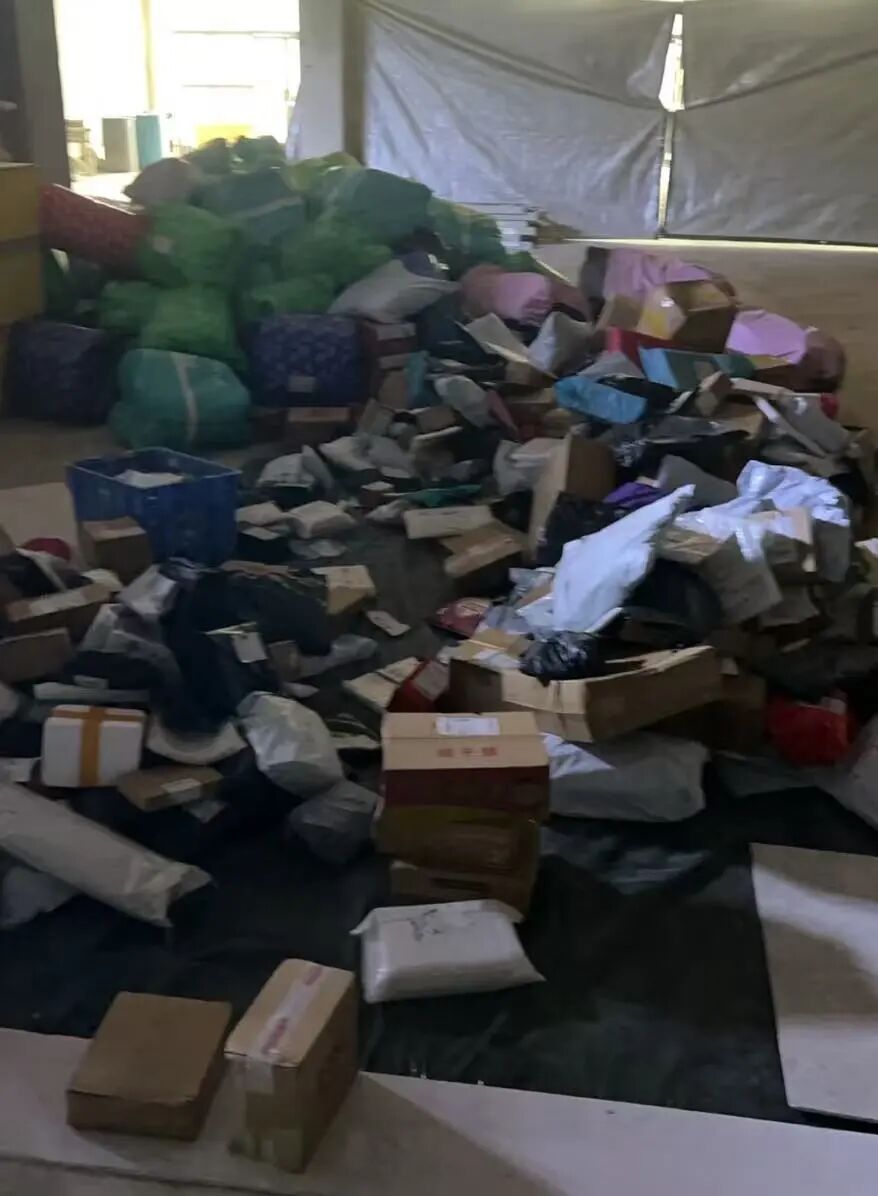
Calculated at a delivery fee of 0.35 yuan per package, the average monthly income of the station can be nearly 30,000 yuan.
But Haohao told me that he is currently making a loss every month.
This is the salary slip that Shentong sent him in September this year. The data shows that in September, Haohao delivered 14,379 packages for Shentong, and the total payable salary was 5,032.02 yuan.

But in the column of deducted salary, fines accounted for more than 70% of the income.
I carefully checked the fine records in September. There were fines like 10 yuan for not calling before delivery, 20 yuan for customer - related issues (requiring phone contact), and 50 yuan for delayed delivery. All these small fines added up to more than 3,000 yuan.
Haohao calculated an account for us. There are five employees in their store, with a monthly labor cost of 17,500 yuan. They also have to pay 6,000 yuan for rent, 1,500 yuan for water and electricity, 350 yuan per 10,000 text messages, and 50 yuan for 7,500 label papers.
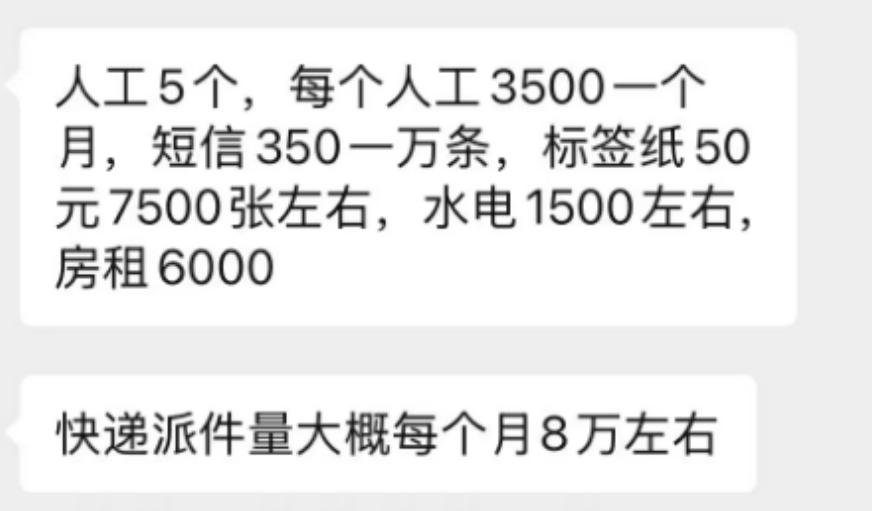
Just these costs are almost equal to the income, not to mention the fines from six express delivery companies.
We learned that the fine items in the form are just a part. Express delivery companies have a wide range of fine categories. Loss, damage, and delay are all common ones. For example, not answering a callback with the number 9xxxx will result in a 50 - yuan fine, and a single complaint can cost 200 - 500 yuan. Even when we call the customer service to ask where our express package is, it can turn into a fine.
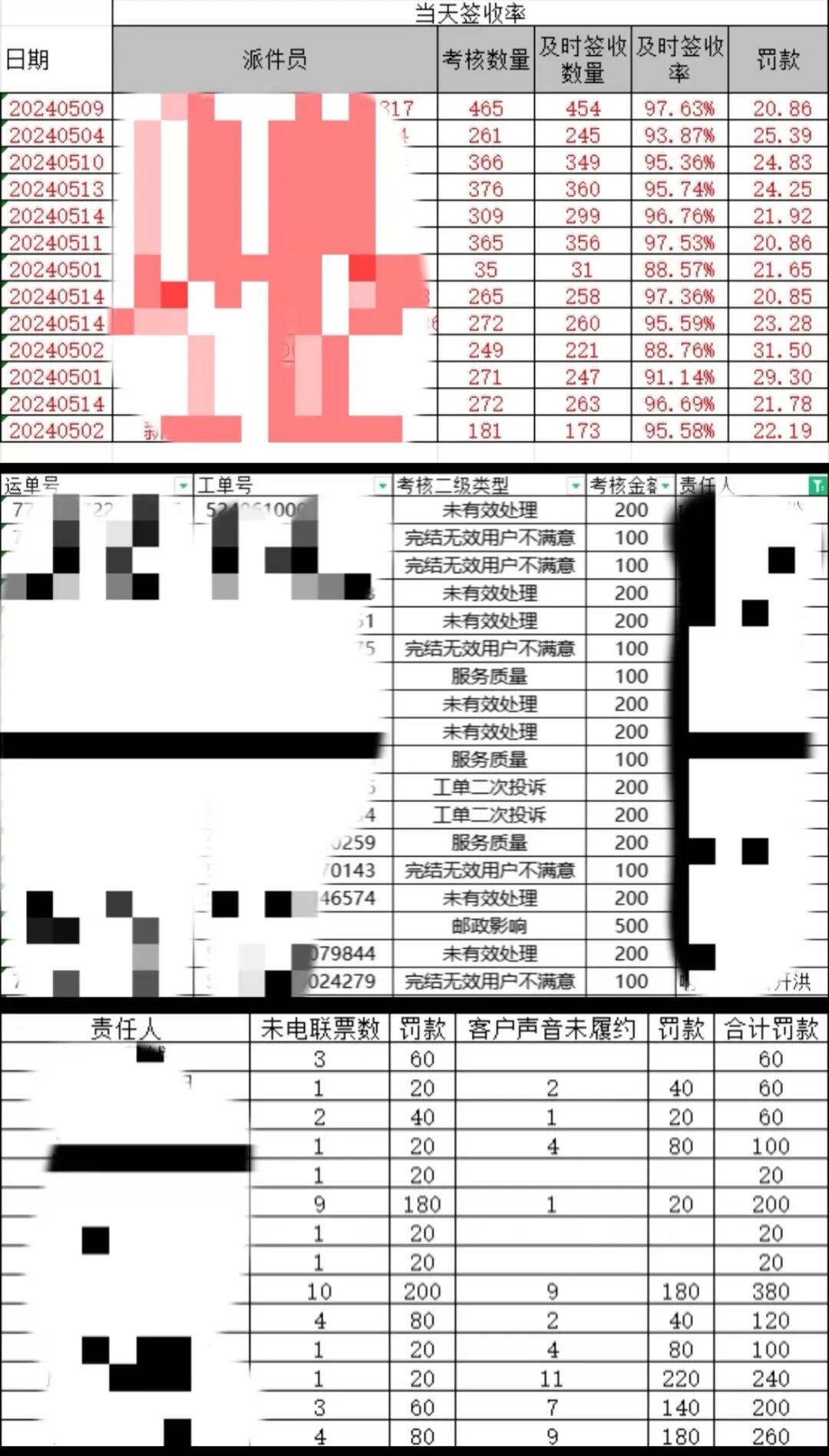
After the new express delivery regulations were introduced last year, some station bosses occasionally have to deliver packages to customers' doors themselves. But some just give up. For example, Haohao's way of dealing with packages that require door - to - door delivery is to ignore them. Even if he is fined 200 yuan, he still doesn't handle them.
Because it's really impossible to handle. If you hire someone to deliver, the cost will skyrocket. If you don't hire someone, you can't deliver all the packages yourself, and you'll end up paying the fines. Between the two evils, he chose to bear the fines.
In other words, the delivery fee income from a single express package at a station and an arbitrary