The "Three Kingdoms Battle" in the New Energy Sector: Galaxy Leads, Fengyun Overtakes, Why Is Qiyuan Lost?
In 2025, the new energy vehicle market in China is witnessing a brutal elimination race. Against the backdrop of BYD and Tesla occupying the absolute leading positions, new energy vehicles of major traditional automakers are engaging in a fierce battle for survival space. Geely Galaxy, Changan Qiyuan, and Chery Fengyun have emerged as representative players in the new energy vehicle market of traditional automakers.
When these three leading automakers are put side by side, in fact, it represents an ultimate test of top - level design and systematic capabilities. Geely Galaxy is forging ahead with a clear product matrix and distinct technological features. Chery Fengyun, backed by solid hybrid technology, is accelerating its catch - up as a dark horse and steadily building its market territory.
However, another core protagonist in this white - hot competition, Changan Qiyuan, is struggling in a rather puzzling way. On the surface, its temporary lag is due to the lack of a blockbuster model that can define the market. But the deeper root lies in the failure to form a synergy in its strategic planning, brand storytelling, channel refinement, and user communication capabilities.
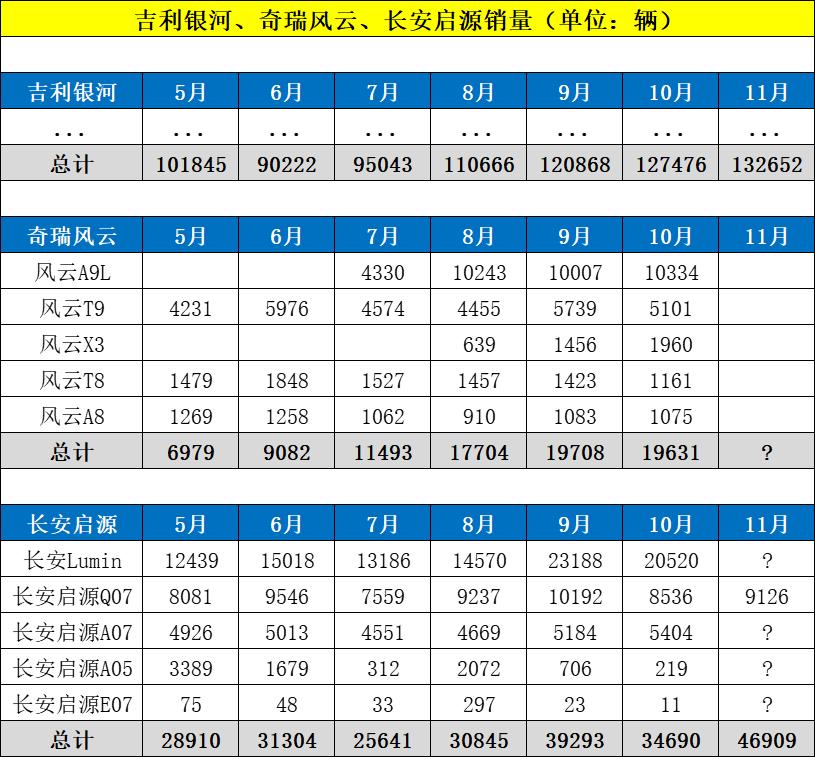
Sales data is the most straightforward indication of this competition: In November this year, Geely Galaxy's monthly sales soared to a peak of 132,700 units, demonstrating strong market dominance. Chery Fengyun's monthly sales also remained stable at around 20,000 units, making steady progress.
In contrast, although Changan Qiyuan's total sales in November jumped to 46,900 units because the statistical scope included a large number of low - cost micro - cars, the Changan Lumin, the sales of its core product series such as the A07 and Q07 have always hovered below the 10,000 - unit mark, far behind the flagship products of its competitors.
The Far - reaching Impact of the Lack of Blockbuster Models
Currently, Changan Qiyuan's sales heavily rely on the micro - electric vehicle, the Changan Lumin, which contributes more than half of the brand's sales. Of course, everyone knows that such a low - profit small car is obviously insufficient to support Changan Qiyuan's brand narrative. Therefore, the Changan Qiyuan Q07, the first model launched in Changan Qiyuan's 2.0 phase, is the real hope for breaking the deadlock.
However, for this very model, the Changan Qiyuan Q07, which Changan Automobile has placed at the core of its transformation, as a mid - sized new energy SUV carrying the expectations of the "big single - product strategy", its officially set ambitious goal is to achieve stable monthly sales of over 20,000 units. However, the cold reality of the sales data paints a different picture.
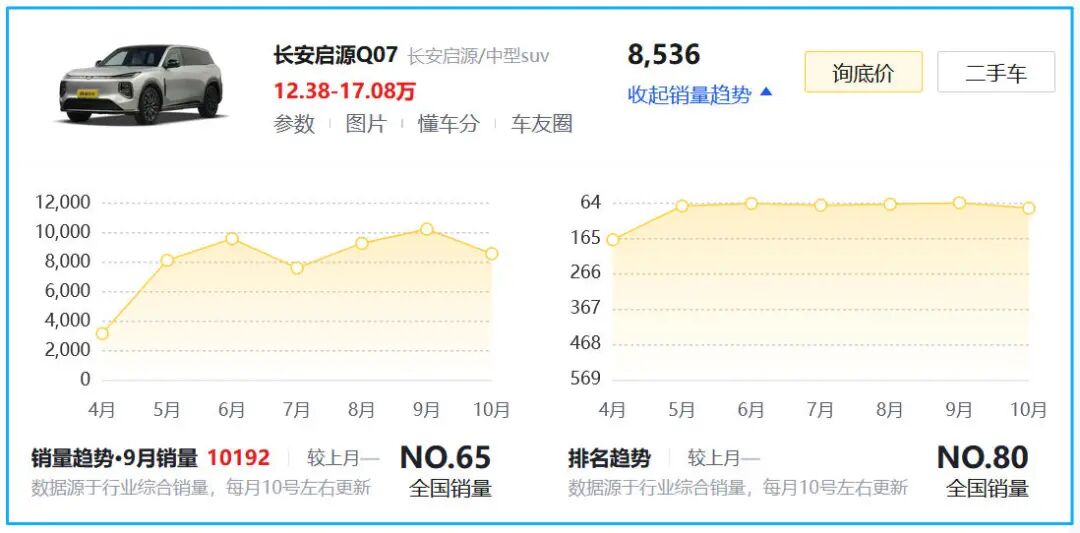
Since its launch, the retail sales of this car have always struggled below the 10,000 - unit mark. After briefly reaching 10,192 units in September 2025, the sales dropped back to 8,536 units the next month. This means that the Q07's failure to achieve the established blockbuster goal also signals a crucial setback in Changan Qiyuan's transformation.
The Changan Qiyuan Q07, which was launched on April 23 this year, had a seemingly perfect start. In the mid - sized new energy SUV market, neither BYD, Geely Galaxy, nor Chery Fengyun had products with directly comparable product strength and price ranges. Everyone thought that the Q07 should have become the "dark - horse" model of the year.
However, contrary to expectations, the Q07 not only failed to maintain its strong sales but was also surpassed by later - comers such as the Leapmotor C10 and the BYD Sea Lion 06. Even more critically, Geely Galaxy, with models like the Xingyao 8 and M9, and Chery Fengyun, with the A9L, have crossed the 10,000 - unit monthly sales threshold with their higher - priced models, and are now surpassing Changan Qiyuan in terms of brand image.
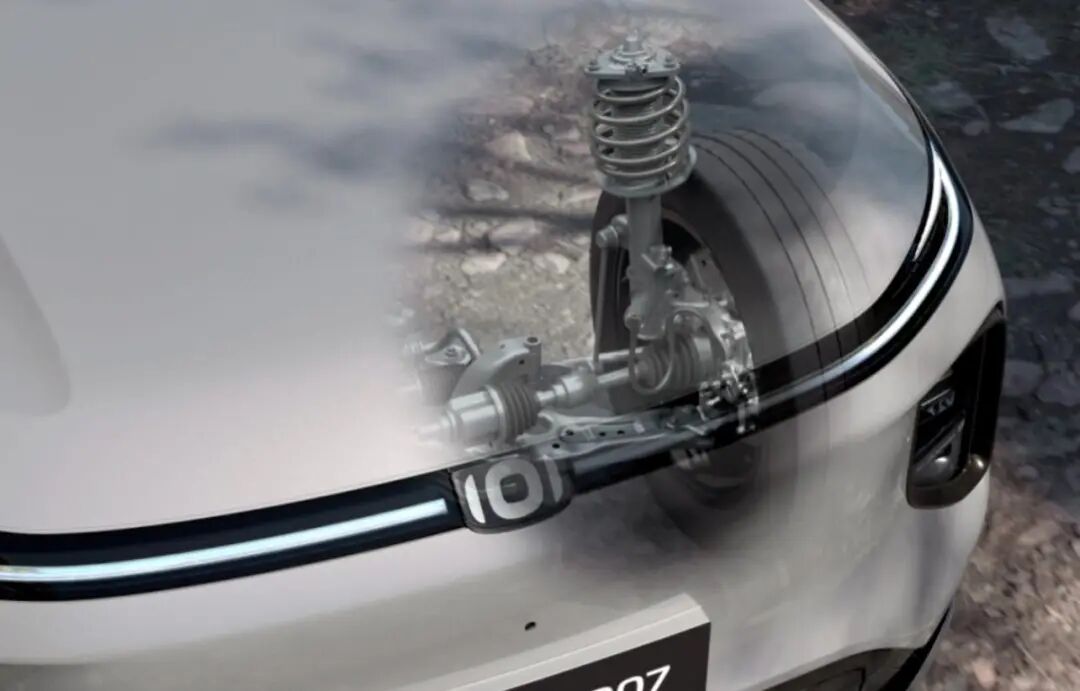
The most important problem with the Changan Qiyuan Q07 lies in the congenital deficiency of its brand top - level design and the serious incompetence of its subsequent operations. When the Q07 was launched into the market, it needed to establish a technological flagship image with configurations such as the early - promoted lidar and CDC magic carpet suspension. At the same time, it had to shoulder the heavy responsibility of driving sales volume with an aggressive pricing strategy.
This strategic indecision has directly led to the dispersion of resource allocation and the blurring of product positioning. From the day it was born, it has been deeply troubled by an identity crisis, being required to play two almost contradictory roles simultaneously. It has to meet the rigid indicators of scale through high - cost - performance models and break through to a higher brand level with high - end products.
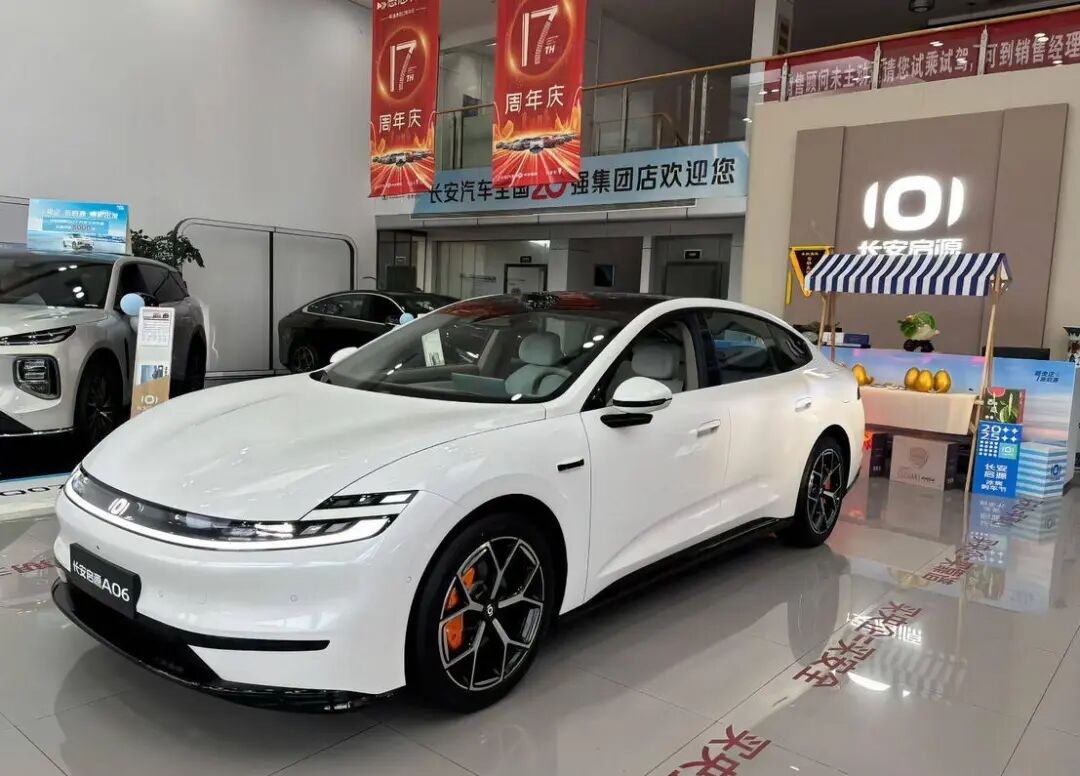
In fact, this shortcoming is very likely to be repeated in the Changan Qiyuan A06, which was launched on November 9. This is Changan Qiyuan's first strategic mid - to large - sized new energy family sedan of equal importance to the Q07, with a price range of 109,900 - 149,900 yuan. It offers a "Maybach - level" space and seat experience, as well as a lidar - equipped intelligent driving version.
However, as of now, although Changan Qiyuan posted a poster at the beginning of December claiming that the A06 had received over 30,000 orders in the first month after the release of its price and benefits, it did not disclose the specific sales volume for November. During this period, with the continuous launch of new products, this car has lost the initial popularity of "high sales upon launch".
In contrast, the sales of the Geely Galaxy A7 and the Chery Fengyun A9L in the same category are higher than that of the A06. After the Guangzhou Auto Show, a large number of new cars have stolen its limelight. Even the newly launched Dongfeng Nissan N6 has maintained high popularity. This shows that Changan Qiyuan's failure in brand communication and user interaction has made the A06 another victim.
That is to say, along with its vague strategy, in terms of brand communication, Changan Qiyuan has failed to establish a distinct, unique, and credible technological or value label for itself. While its competitors are building solid cognitive fortresses around concepts such as "safety", "intelligent driving", and "hybrid technology", Changan Qiyuan's communication efforts seem scattered and ineffective.
For example, what comes to mind when you first think of the Changan Qiyuan Q07 and A06? This is a difficult question to answer. On the contrary, the Geely Galaxy A7 represents extreme cost - effectiveness and a pure family sedan nature; the Chery Fengyun A9L is a representative of a grand and steady sedan. This is where Changan Qiyuan is gradually falling behind Geely Galaxy and Chery Fengyun.
Changan Qiyuan's technology is not without highlights. In the A06 model, Changan demonstrated the technological strength of the SDA Tianshu architecture, including an 800V silicon carbide high - voltage platform, 6C flash - charging technology, and an innovative "ten - horizontal and nine - vertical" Ark cage - type steel - aluminum hybrid body. However, the presentation of these high - end technologies has not translated into market recognition and sales growth, indicating a disconnection between technological advantages and market performance. This reflects the deficiencies in Changan Qiyuan's brand building and market communication.
What is the Essence of Development?
Looking at the development paths of Geely Galaxy and Chery Fengyun, the commonality of their phased success is that they have all achieved a systematic synergy among strategy, product, brand, and user operation to a certain extent.
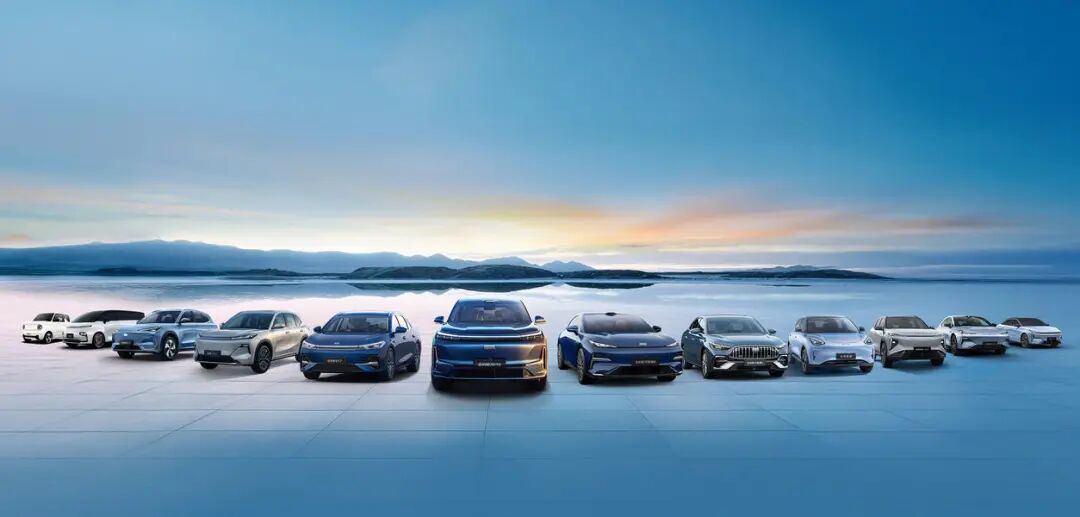
Geely Galaxy clearly positioned itself as a high - value hybrid brand from its first product and strengthened this label through continuous technological verification. The expansion of its product matrix has also been carried out in an orderly manner around this core positioning. Chery Fengyun, backed by the group's profound engine and hybrid technology accumulation, has effectively transferred the perception of "Technological Chery" to the new energy field. Although its product launch may be a bit late, it has quickly gained market recognition with its solid technological foundation and clear cost - effectiveness strategy.
Their actions show a goal - oriented consistency. In contrast, the problem with Changan Qiyuan is not the lack of resources or technological reserves, but the insufficient ability to integrate resources into sustainable competitive advantages.
Perhaps the company has realized the problem internally and has tried to break down the barriers between product and marketing through organizational changes such as the establishment of a product CEO. It has also proposed an ambitious big single - product strategy, but the implementation effect of this strategy still needs to be tested by the market. The current market environment does not allow for any long - term trial - and - error.
For Changan Qiyuan, the way to break the deadlock does not lie in launching another isolated model claiming to achieve "20,000 monthly sales", but in a profound and systematic self - reconstruction. It must first answer: What is the irreplaceable core value of the Qiyuan brand for Changan and for consumers?
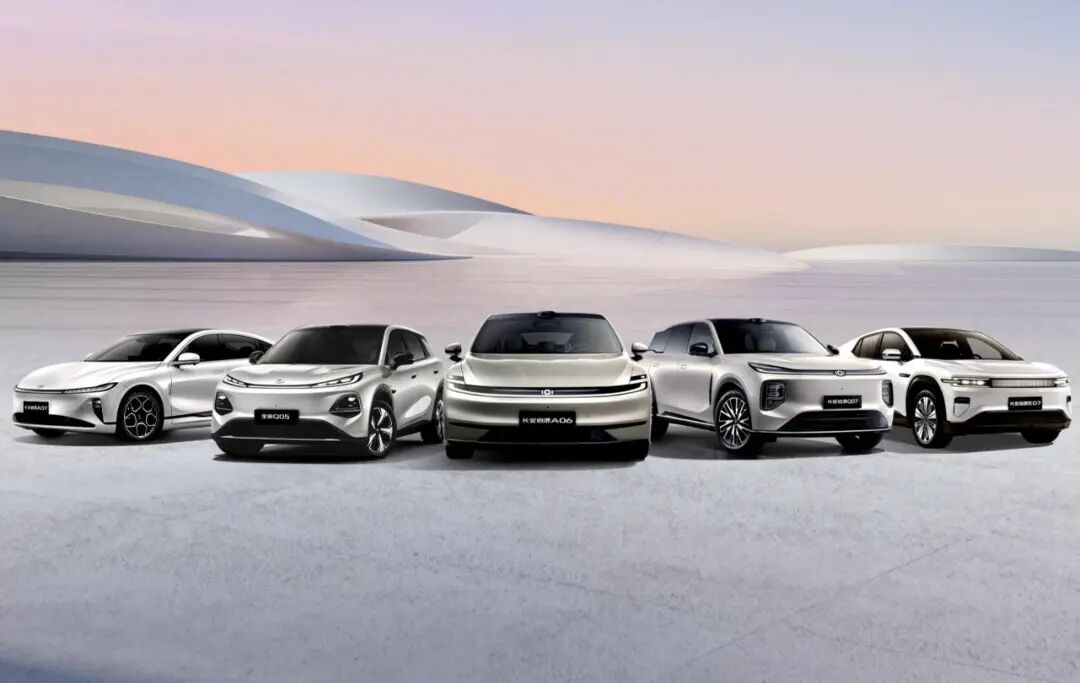
In Changan Automobile's new energy landscape, what are the irreplaceable unique user value and market positioning of the Changan Qiyuan brand? Is it "ultimate practicality and reliability" for family travel or "intelligence and personalized fun" for young technology enthusiasts? Once the answer is clear, the product line should be ruthlessly streamlined accordingly.
In fact, if we simply explain the product planning of Geely Galaxy and Chery Fengyun, the answer is straightforward: a car at a certain price point should have a corresponding clear positioning. The positioning of a model should not be all - encompassing but should highlight an extreme advantage to meet the pain points of consumers at that price level, which is the only way to achieve a breakthrough in sales.
More simply put, for the mainstream mass - consumer group, lidar - equipped intelligent driving and CDC shock absorption are not their primary needs. Looking at the new energy vehicles with monthly sales of over 10,000 units in October, except for high - end models that emphasize these configurations, the core selling points of other popular models are not these high - end features.
Of course, it doesn't mean that these affordable models don't need these high - end features, but they need other distinct labels to precede these high - end features. Just like the Geely Galaxy A7/Xingyao 8/M9 and the Chery Fengyun A9L, although they also have high - end features, the selling points of these cars are not these features but rather the precise product definition and positioning that meet consumer needs.
Moreover, Changan Qiyuan has been led astray by these high - end features. Public consumer complaints show that many car owners who bought the top - of - the - line Changan Qiyuan Q07 in late September found that just one month later, Changan Qiyuan launched the "Tianshu Intelligent Lidar Edition" with additional lidar and high - end intelligent driving functions, and the price of the new model was similar to that of the old top - of - the - line model.
This kind of model upgrade that subverts the product value system in a short period not only seriously damages the rights and interests of existing car owners but also sends a strong negative signal to potential consumers about the brand's hasty decision - making and poor product resale value. Coupled with the perfunctory and evasive attitudes of some after - sales service personnel (some complaints even target the engineering director), it all adds up to a disastrous user - experience scenario.
These operational incompetencies make it difficult for the Q07 to translate its competitive advantages in terms of space, range, and other paper parameters into a stable user reputation and continuous sales growth. The loss of trust has a strong diffusion effect and will also affect all subsequent new models of Qiyuan.
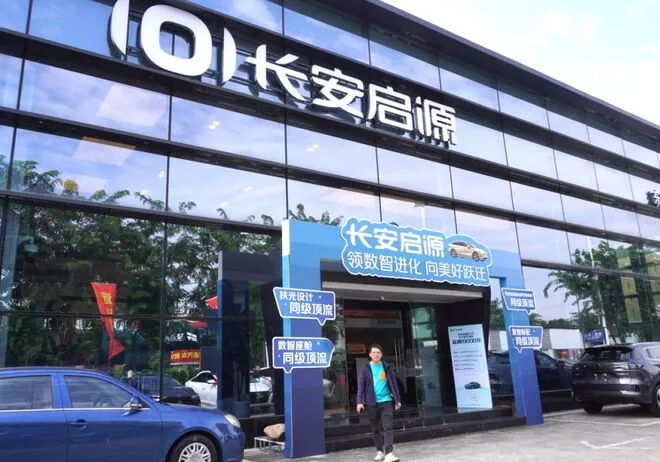
Another major problem lies in the sales channels. Although Changan and Qiyuan have a large sales network, their marketing strategies and channel support have failed to effectively promote the sales of high - end or complex products. For models like the Q07 and A06, which need to explain the value of intelligent technologies such as CDC and intelligent driving to consumers, the traditional sales pitch and mode may be insufficient.
Of course, as the once - leading domestic automaker that has risen from the trough to the peak, Changan Automobile should gradually realize these problems. Facing strong competitors like Geely Galaxy and Chery Fengyun, it is believed that Changan Qiyuan will be able to find a solution.
This article is from the WeChat official account "Automobile Commune" (ID: iAUTO2010), author: Yi Tian. Republished by 36Kr with permission.