Tiantu exits the "yogurt aristocrat" with 800 million yuan, and the ownership of Danone Yoplait China changes hands again
The Chinese business of Yoplait, a French yogurt brand with a 60 - year history, is about to welcome a new owner.
On December 1st, Tiantu Investment announced that it plans to sell its indirectly - held 45.22% stake in Yoplait China for a consideration of 814 million yuan. Meanwhile, other sellers and the management will also conduct equity transfers simultaneously.
The acquirer, Kunshan Nuoyuan Ruiyuan, will acquire 100% of the equity in Yoplait China for approximately 1.8 billion yuan. IDG Capital will obtain the operational rights of Yoplait's Chinese business.
From General Mills to Tiantu, now the baton of the "yogurt aristocrat" has been passed into the hands of IDG Capital.
Tiantu Exits Yoplait China
After more than six years, Tiantu Capital has grown Yoplait's business in China from small to large and turned it from loss - making to profitable. Finally, it has chosen to exit.
On December 1st, Tiantu Investment (01973.HK) disclosed an announcement stating that it plans to sell approximately 45.22% of its indirectly - held stake in Yoplait China through Xingqi Investment and Tiantu Xingpeng for a consideration of 814 million yuan.
Meanwhile, other sellers, Tiantu Xingnan and Pingtan Xingxu, will simultaneously sell their approximately 41.74% stake in Yoplait China for a consideration of 751 million yuan.
Another shareholder of Yoplait China, Tianjin Ruijun, currently holds approximately 13.04% of the shares and is the management's shareholding platform. This part of the equity will also be negotiated for sale with the sellers, with the consideration not exceeding 235 million yuan.
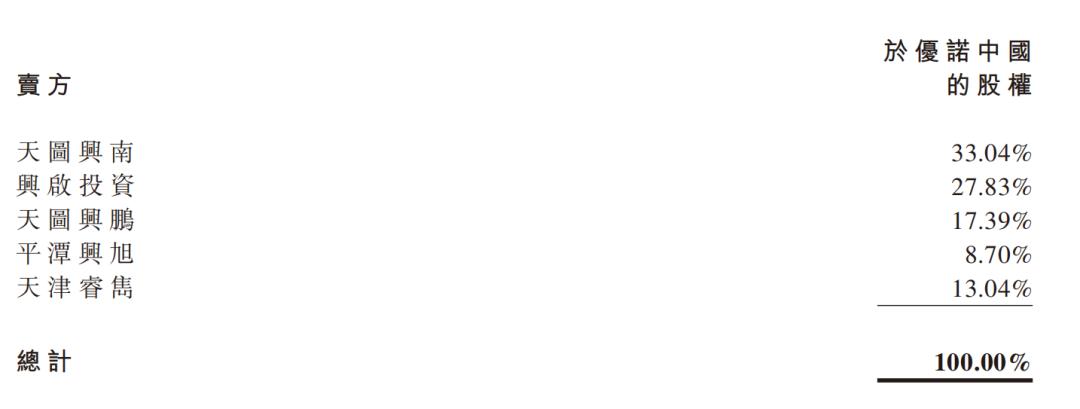
After the completion of the above - mentioned transaction, Tiantu Capital will completely exit Yoplait China.
In the relevant announcement, Tiantu Investment stated that the company expects to record a loss of 799,000 yuan through this equity sale. However, by recovering funds, it can be used for general operations or other investment opportunities.
Yoplait China was established in 2013 and is mainly engaged in the production and sales of dairy products. In April 2019, Tiantu Capital indirectly controlled 100% of the equity in Yoplait China by investing nearly 300 million yuan through multiple affiliated partnerships. This was also Tiantu's first controlling - type acquisition of the Chinese business of a global brand.
Since 2018, Tiantu has been optimistic about the Chinese dairy market and has launched a series of new layouts in this field. In July of that year, Tiantu Investment invested 560 million yuan to acquire a 58.39% stake in Mengtian Dairy and included it in the consolidated statements, completing its first consumer goods controlling investment project. Subsequently, it made an additional investment of 180 million yuan, and its shareholding reached 61.21% after the capital increase.
Tiantu Capital has always been focused on investments in the consumer sector and has concentrated its controlling investments on four consumer - upgrading fields, namely dairy products, condiments, healthy beverages, and leisure snacks. In Tiantu's view, these fields are anti - cyclical, and projects with unique advantages in these sectors will gradually release their growth potential after strategic adjustments, resource integration, and management empowerment. They usually have the value for independent IPOs and merger and acquisition integrations.
However, after 2021, Tiantu gradually adjusted its investment behavior, highlighting its core business model as a private equity manager rather than an industrial controlling operator. At the end of that year, Mengtian Dairy was no longer included in the consolidated statements due to changes in its governance and shareholder structures.
After the acquisition of Yoplait China, due to a series of capital reductions, share transfers, and capital increases, it was removed from Tiantu Investment's consolidated statements in June 2022. From then on, it was inevitable for Tiantu to sell its stake in Yoplait China.
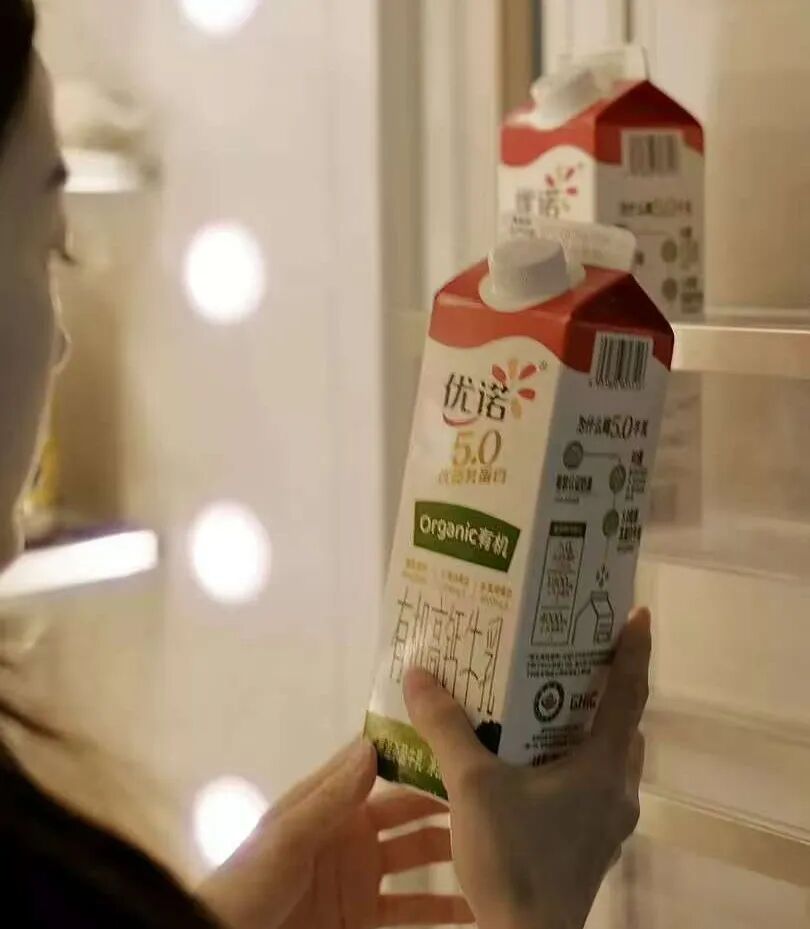
With Tiantu's support, Yoplait China's business has achieved good development and witnessed a major performance turnaround in 2023. Data shows that in 2023 and 2024, the company's revenues were 454 million yuan and 810 million yuan respectively; the net profits after tax were 839,400 yuan and 95.454 million yuan respectively.
The "Yogurt Aristocrat" Changes Hands Again
The acquirer of Yoplait China's equity this time is Kunshan Nuoyuan Ruiyuan, and the total consideration for obtaining 100% of the equity in Yoplait China is approximately 1.8 billion yuan.
Kunshan Nuoyuan Ruiyuan was established in March this year and is mainly engaged in investment and asset management. Its shareholders are three partnerships, namely Zhuhai Youge, Zhuhai Jiatuo, and Nanchang He Xie An Rui. After equity penetration, IDG Capital stands behind this company.
According to media reports, IDG Capital started contacting the Yoplait China team a long time ago and had the intention to acquire. However, at that time, Yoplait's business in China was in the growth stage, and its profitability had not been fully released.
In the past year, many institutions participated in the negotiation for the acquisition of Yoplait China. IDG Capital won out in the end because it had been tracking the project for a longer time and had established a good foundation of trust and cooperation with the management.
Since 1993, IDG Capital has been deeply involved in the Chinese venture capital business and is one of the most active private equity fund managers in the Chinese market. Its investments are mainly concentrated in dynamic and growing industries such as consumer technology, healthcare, and consumer goods. IDG Capital has been involved in the growth of brands and enterprises such as Heytea, Insta360, SHEIN, Guanxia, and Anker Innovations.
IDG Capital's acquisition of Yoplait China is precisely because it sees the growth potential and development prospects of Yoplait in China.
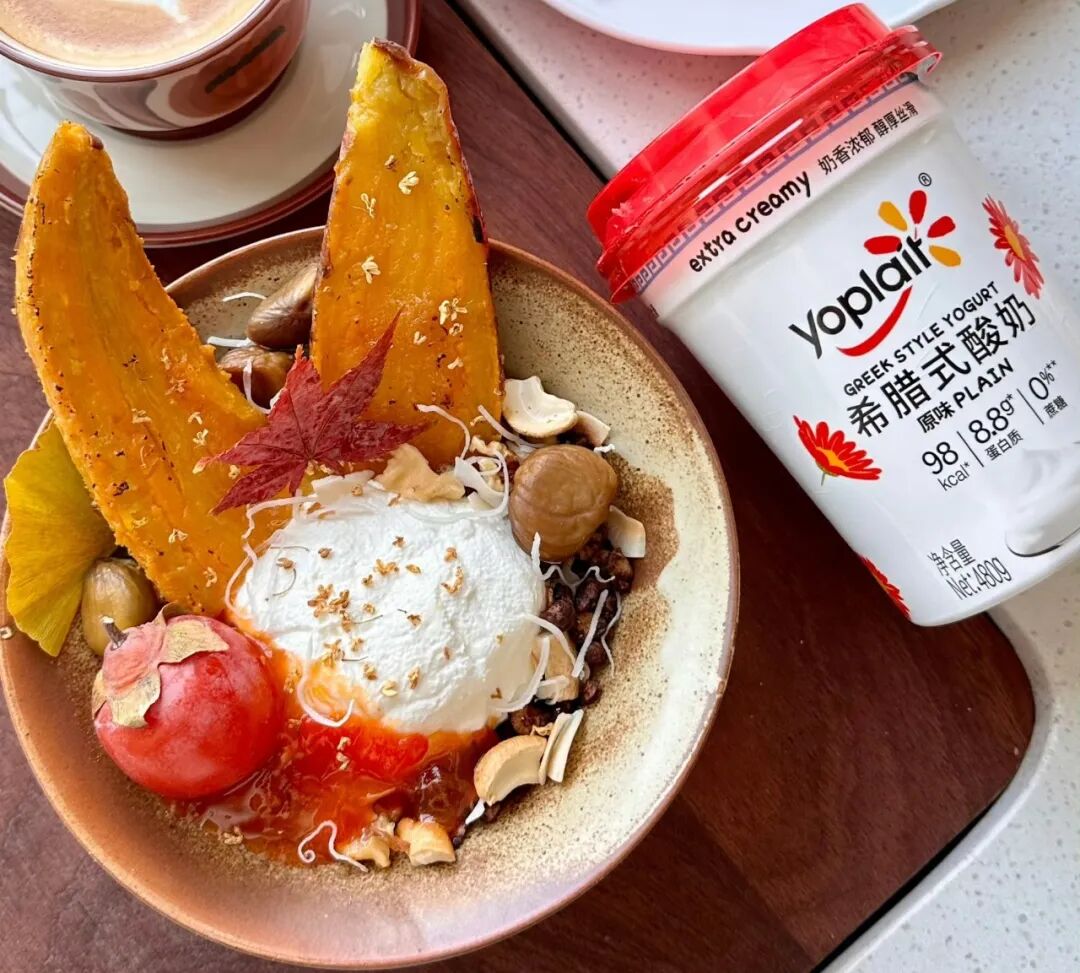
The Yoplait brand was born in France in the 1960s and has a long - standing history in the yogurt industry. Many people may not know that the world's first cup of fruit yogurt was produced by Yoplait. Its unique inverted yogurt cup is also one of the brand's iconic symbols.
By focusing on yogurt products and a series of product innovations, Yoplait gradually expanded beyond France and grew into a dairy giant covering more than 70 countries and regions around the world. It is the world's second - largest yogurt brand.
Actually, in the 1990s, Yoplait entered the Chinese market and tested the waters in Shanghai, a relatively economically developed city. However, at that time, the Chinese yogurt market was not yet mature, and the development space was limited, so Yoplait had to withdraw in a hurry.
In 2011, General Mills acquired a 50% stake in Yoplait's global business and obtained the global trademark control of the brand. Two years later, Yoplait restarted its Chinese business and invested heavily in building a factory in Kunshan.
Yoplait targets the mid - to high - end market, and its products are generally more expensive than those of other yogurt brands. It is called the "yogurt aristocrat" by Chinese consumers and has a strong brand influence among some middle - and high - income groups.
However, in the highly competitive Chinese dairy market, Yoplait has always been under great operational pressure. In 2019, General Mills transferred Yoplait China to Tiantu, hoping to fully tap the brand's potential through more thorough localization.
In recent years, it has become a general trend for multinational enterprises to sell their Chinese businesses and let Chinese capital and Chinese people operate the Chinese market. This is the case for McDonald's earlier, and more recently, Starbucks, Burger King, and the long - rumored Haagen - Dazs.
IDG Capital's acquisition of Yoplait China is also an attempt in this investment direction.
This article is from the WeChat official account "Banma Consumption" (ID: banmaxiaofei). Author: Chen Xiaojing. It is published by 36Kr with authorization.