Second-generation mobile games in 2025: The charge of idealists
Text by: Preserved Fruit
In 2025, the second - dimensional game industry gives a distinct sense of a fault.
Over the past decade, second - dimensional games have been regarded as an opportunity worth seizing. The success of early games like Onmyoji, and subsequent products such as Arknights and Genshin Impact, has brought a huge number of users to this niche market, making everyone aware of the influence of this so - called "niche genre".
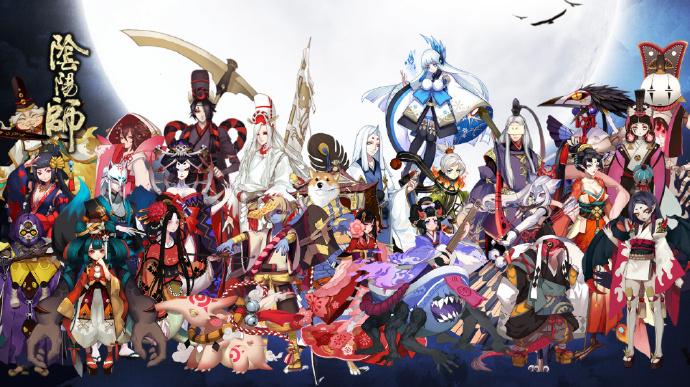
Onmyoji
Onmyoji was launched in open beta in 2016, almost a decade ago.
However, as more and more people entered the market, developers quickly found that it was not as easy to make money from second - dimensional game players as they had thought. Most second - dimensional games that followed the trend only had a short operation cycle after their launch and then struggled to continue. A large number of second - dimensional game projects were either cancelled or failed soon after their launch. There were even cases where hundreds of millions of dollars were wasted. Moreover, even if a game was successfully launched, it might not be able to avoid the fate of a quick shutdown. Last year, about one - third of the second - dimensional games in the domestic market were shut down.

Return of the Dragon Tide, once highly anticipated, failed before its first anniversary.
This downward trend has continued this year.
According to the China Game Industry Report by the Game Work Committee, while the overall scale of the game industry maintained positive growth, the actual sales revenue of the second - dimensional mobile game market in the first half of 2025 decreased by 8% year - on - year.
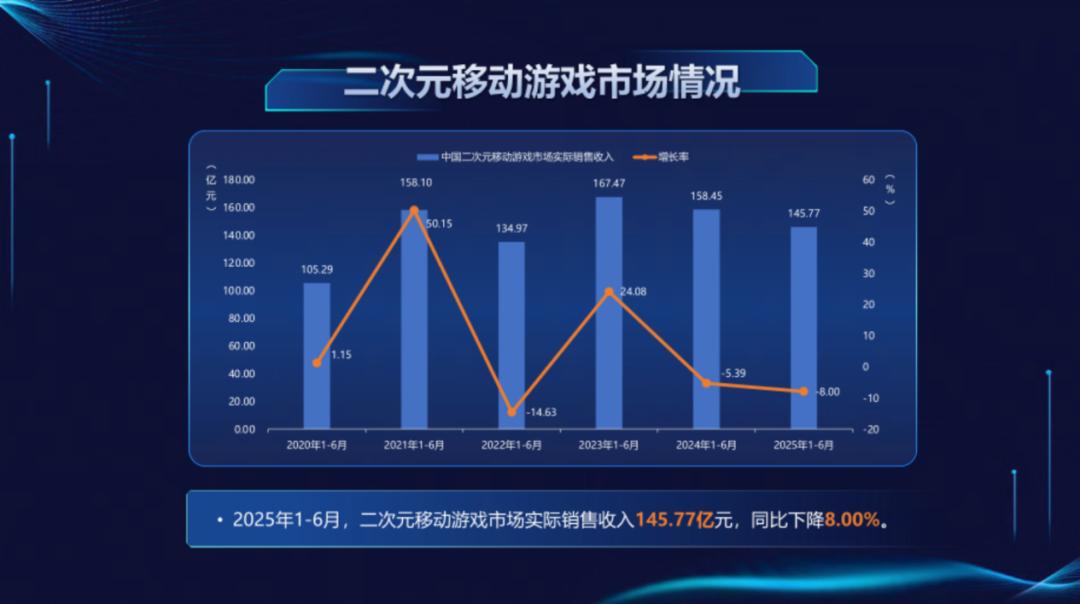
Source: China Game Industry Report from January to June 2025
From the perspective of product offerings, there is an obvious lack of notable new second - dimensional games in the market this year. Most of the games that players discuss are still those that have successfully emerged from the highly competitive market in the past few years and maintained a healthy long - term operation, as well as some unlaunched games that have started testing or released in - game footage.
Looking at the unlaunched but highly anticipated games, such as Arknights: Endfield by Hypergryph, Infinity by NetEase, Varsapura by miHoYo, and City of Silver by LEINAD. It is obvious that the companies still willing to invest in second - dimensional games are either those that have been deeply involved in this field for many years or well - established companies with sufficient risk - bearing capacity and capital support.
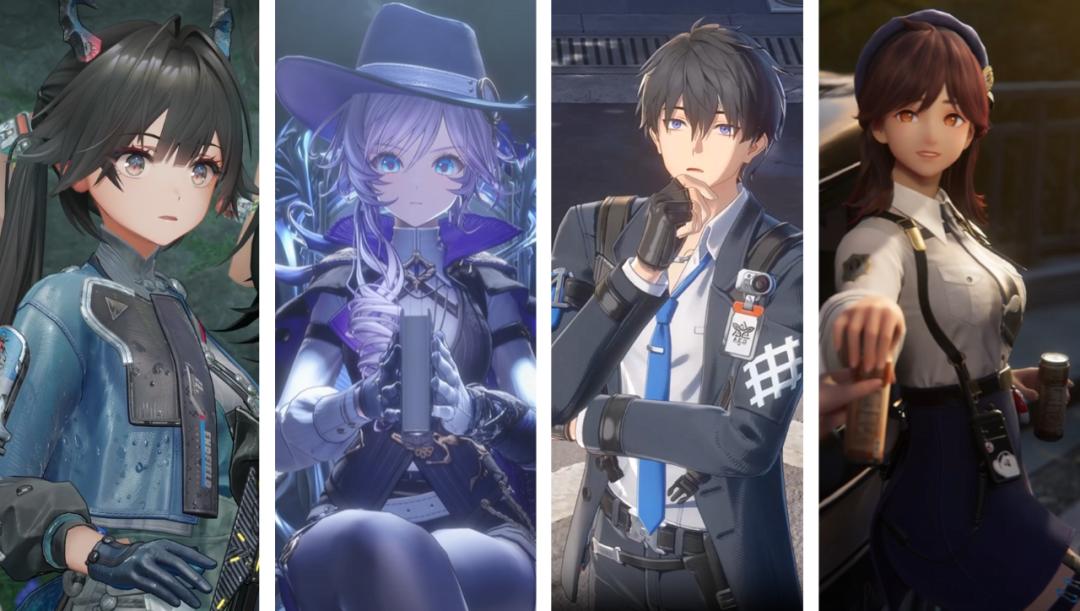
Each game has its own unique art style and gameplay.
Well, it's only when the tide goes out that you can see who's swimming naked. As the hype fades, the second - dimensional game market can truly mature.
01.
Regardless of who delves into the second - dimensional game industry, the final thought often converges on the same question: What exactly is "second - dimensional"?
It's difficult to find an answer to this question, and there may not even be one. Even many insiders are still arguing about what "second - dimensional" means. The more developers try to understand this market, the more elusive the concept of "second - dimensional" becomes.
From a more romantic perspective, second - dimensional games meet the emotional and companionship needs of modern users and often form a strong emotional bond with players. This emotion may stem from a certain character, a particular plot, or a specific gameplay experience.
In the latest versions of recent games, both Blazing Beats and Honkai: Star Rail adopted a similar marketing strategy, which was to spend a large amount of money to highlight a key character. For example, Blazing Beats designed a unique exploration experience for the character "Qianxiao", and Honkai: Star Rail added exclusive promotional materials for the character "Xilian". By stimulating the emotional connection between players and characters, they directly achieved an increase in revenue.
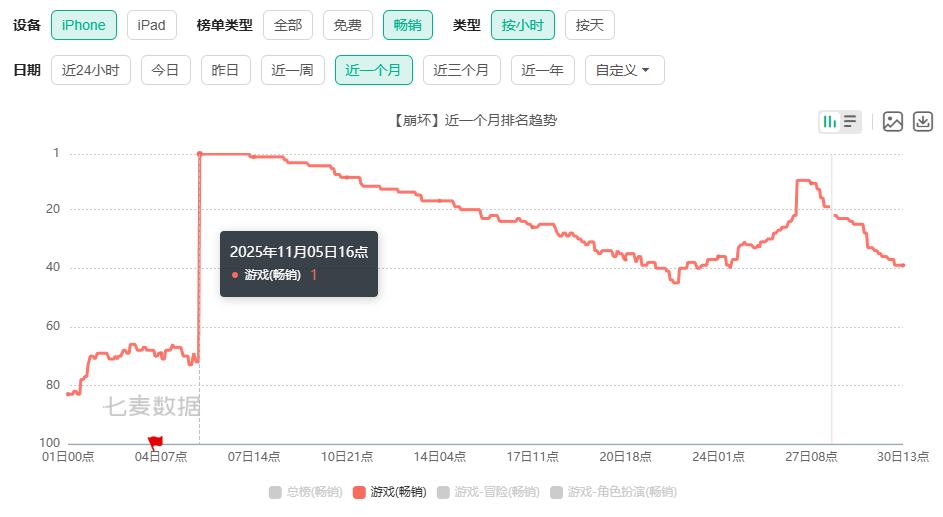
Source: Qimai Data
In addition, the growing popularity and economic benefits of second - dimensional derivative cultures such as anime conventions, merchandise, and fan - created content also indirectly confirm the impact of emotional bonds on products. After all, these commercial systems are built on the core foundation of second - dimensional emotional ties.
During the Mid - Autumn Festival and National Day holidays alone, there were more than 400 anime conventions held across the country. If we consider some individual - organized Only conventions, this number is likely to be even higher. Major anime conventions like BW, CP, and Firefly have maintained a footfall of hundreds of thousands and the number is still increasing. Now, many game companies have regarded anime conventions as a core promotional channel.
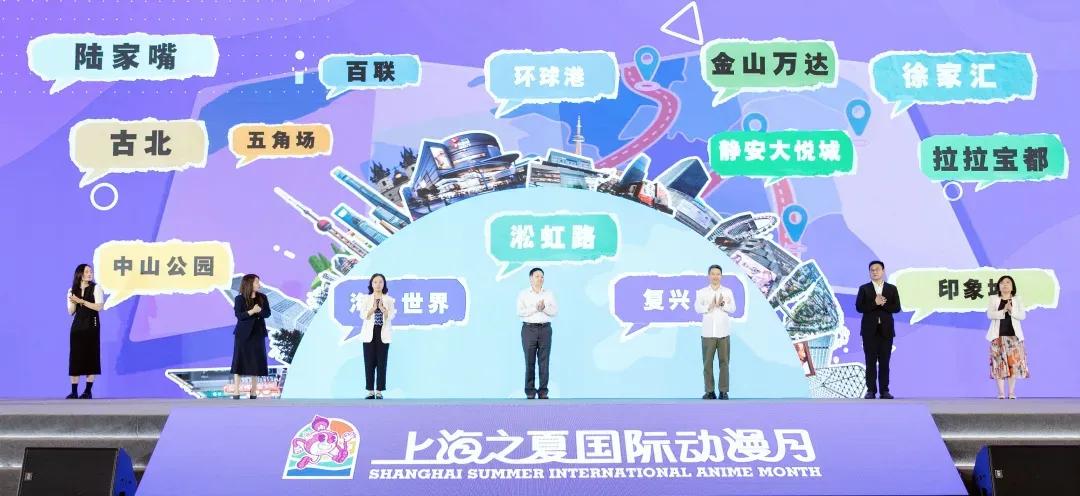
In Shanghai from July to August this year, the official combined three major conventions: CCG, BW, and CJ, and announced as many as 81 dimensional check - in points across the city.
In terms of game products, the generation of this emotion, in addition to characters, stories, and world - building, is also related to the gameplay and operation strategy of the game. It may also spread from a single product to an IP and the entire player community.
Half a year ago, a "cockroach meme" went viral on the Internet. The original quote was "There are many cockroaches in my rental apartment, but I really don't know many Arknights players." The video also mentioned gameplay elements such as integrated strategies. This video was a daily sharing by a YouTuber after getting drunk. The emotional bond started within the player community and finally resonated with many netizens. In the highly competitive second - dimensional game market, a long - running second - dimensional game like Arknights, which has been in operation for more than six years, is already rare. It's even more remarkable that it went viral again because of players' sharing. This vitality is inseparable from Hypergryph's insistence on game quality.

Source: Bilibili
From a more realistic perspective, emotion is not a standard that can be clearly quantified during project planning and development. Just like Hypergryph can only strive to improve the gameplay but cannot predict the social media popularity at a certain moment.
There are many similar cases in the market. Sometimes, even for the same IP, there are both successful and failed examples. In the second - dimensional game field, Naruto Shippuden: Ultimate Ninja Blazing by Magic Stone Studio was a great success, while other Naruto - themed games were less popular. Similarly, Onmyoji by NetEase, as a landmark product in the early domestic second - dimensional game industry, has accumulated a large number of core users. However, most of its subsequent IP derivatives have achieved relatively mediocre results. For example, Onmyoji: Card Battle announced the end of updates a few days ago.
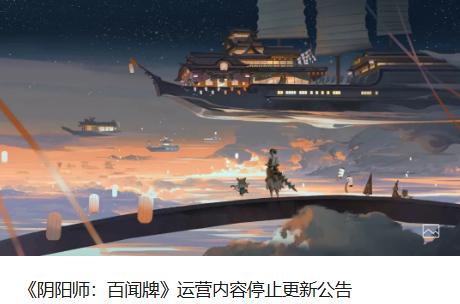
Onmyoji: Card Battle stopped updating.
Therefore, if a clear standard must be found, second - dimensional games may be closer to a product attribute. They have a very strong anime - fantasy style and have high requirements for the art, gameplay, and plot of the game. They are more like well - rounded "hexagonal warriors".
02.
How high are these requirements exactly?
When many game companies are in fierce competition, there are indeed companies in the second - dimensional game market that compete in art, gameplay, and in - game rewards. Logically, they have set the corresponding standards quite high, but still, only a few have succeeded. If the overall style of the development team is not "second - dimensional" enough, it may affect the actual presentation of the product. If there are obvious weaknesses, the product may lose users due to the "barrel effect". Sometimes, if the team's judgment is not rational enough, a potentially successful product may end up in failure.

Source: Bilibili
Given so many constraints, it's no wonder that the mainstream view in recent years has become "developing second - dimensional games is a thankless task". Moreover, second - dimensional games are a niche market, and it's even more difficult for a product to break through the barriers and attract wide - spread attention.
Well, the second - dimensional field often has a strong sense of idealism. Second - dimensional culture originated from anime and often involves profound and passionate philosophical concepts such as the world, beauty, and life. Second - dimensional games influenced by it are probably full of idealistic flavor at their core.
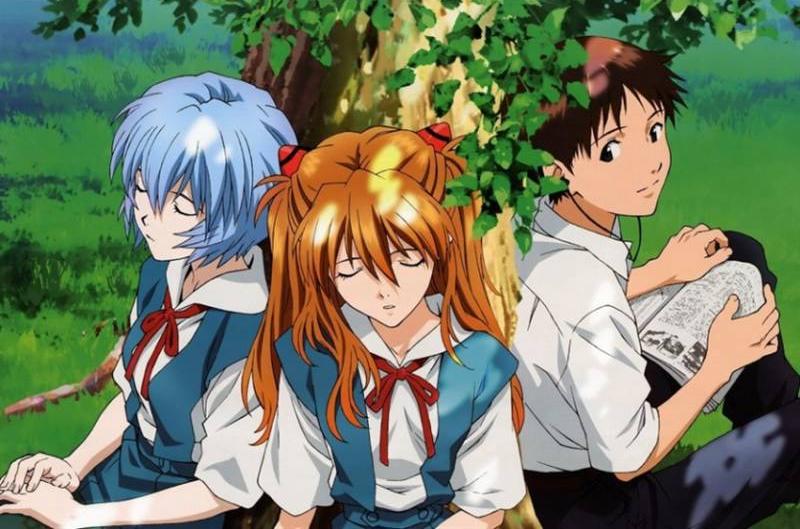
Source: Neon Genesis Evangelion
In terms of specific companies and products, it means that the members of the production team record their emotions, thoughts, and feelings in the game. They have a strong desire for creative expression and an almost stubborn pursuit of the final quality of the product.
For example, Return to the Future: 1999, which found its way out of the highly competitive market in the past few years with its unique occult theme. The producer Zhou Jian once said that the core members are mostly enthusiasts of movies, literature, and TV series. There needs to be a similar perception and aesthetic within the team, as well as a common desire for creative expression.

The public beta PV footage of Return to the Future: 1999
Arknights: Endfield, which recently entered its third - phase test by Hypergryph, is such an idealistic author - driven game. After the trial play, I once wrote an article expressing my feelings. The overall game framework of Endfield actually meets the ultimate experience that second - dimensional games can achieve in the past two years. Its style of second - dimensional industrial science - fiction is quite recognizable in the entire market. In terms of actual experience, the "luxurious" detailed design brings an excellent sense of immersion. Whether it's the completeness of the product, the expression of gameplay creativity, the recognizability of character and scene art, or the technological achievements, they are all quite remarkable.
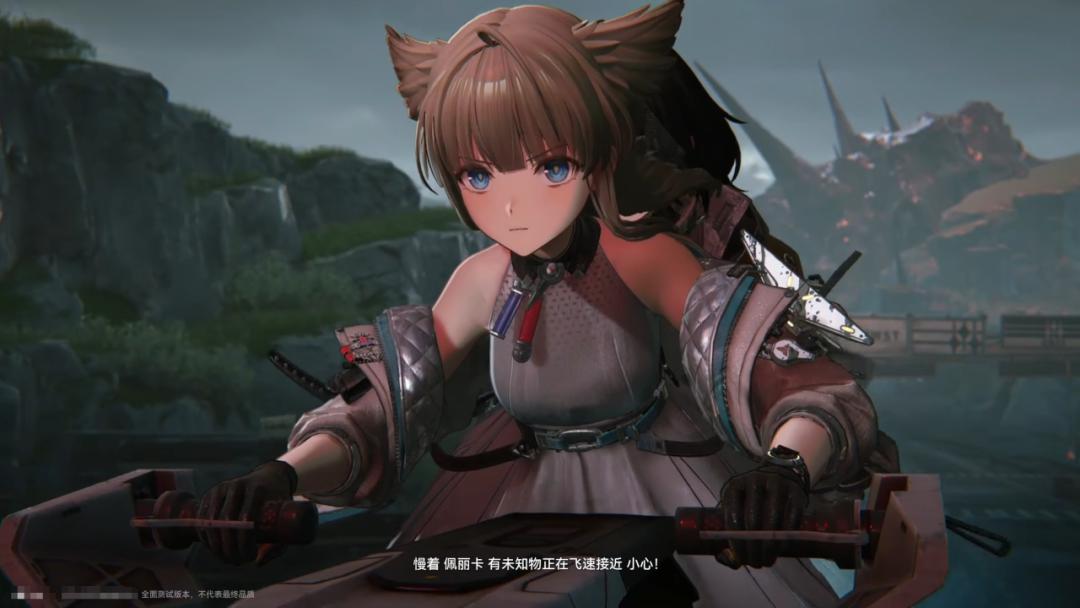
An interesting creative detail: Perica, one of the "main characters", was inspired by a dream of the producer Haomao.
Based on this pursuit of experience design and future production capacity requirements, Hypergryph still has talent needs in many positions. As the main creator previously shared, Arknights: Endfield not only faces the challenge of making a large - scale 3D game for the first time but also needs to lay a foundation for long - term operation in the future. Even though the completion of the third - phase test seems quite high to the outside world,