In November, the automotive sales rankings were released. Li Auto stumbled while Leapmotor thrived. The most brutal battle lies ahead in 2026.
The first day of December has, as usual, become the "result announcement day" for car companies.
In November, BYD's monthly sales of 480,000 vehicles remained unrivaled, and it is already a certainty to become the annual sales champion. Hongmeng Zhixing sold more than 80,000 vehicles in a month, replacing Leapmotor as the sales champion among new forces. However, Leapmotor's single - brand monthly sales of more than 70,000 vehicles also left other new - force brands far behind. Li Auto's sales decreased by 31.92% year - on - year. NIO began to catch up with the big group, and Xiaomi and XPeng are vying for the third place.

Image source: Fangchengbao
The pattern of the Chinese new - energy vehicle market is becoming clearer than ever. Today, Electric Vehicle Insights will follow the November sales list to see which companies have stepped on the right rhythm? Which players are missing the track? And what kind of changes is the industry facing?
BYD firmly holds the sales championship, Leapmotor rushes forward, and Li Auto lags far behind
Among the new forces, currently ranked first is Hongmeng Zhixing. The whole series of its models delivered 81,864 new vehicles in November, a year - on - year increase of 89.61%. However, it should be noted that Hongmeng Zhixing mainly combines five sectors. The bulk of the sales still comes from AITO, and the shares of the other sectors are not impressive. This is also one of the urgent problems for Hongmeng Zhixing to solve.
The second is Leapmotor. In November, the whole series of its models delivered a record - high of 70,327 vehicles, a year - on - year increase of more than 75%. It was originally thought that Leapmotor would reach 80,000 vehicles this month to compete with Hongmeng Zhixing, but unfortunately, it was a bit short. If the Lafa 5 and D19 could be launched earlier, reaching monthly sales of 80,000 vehicles should not be a problem. Even so, the achievement of a single - brand sales of more than 70,000 vehicles among new forces is enough to leave the third and fourth places far behind.
The third is most likely Xiaomi. Currently, Xiaomi has officially announced sales of more than 40,000 vehicles. XPeng narrowly missed tying for the third place with Xiaomi. In November, it delivered a total of 36,728 smart electric vehicles, a year - on - year increase of 19%.

Image source: Car company battle reports
NIO finally caught up with the big group. In November, it delivered 36,275 vehicles, a year - on - year increase of 76.3%, and is almost catching up with XPeng's sales. The only uncertainty for NIO is whether it can make a profit in the fourth quarter. From the current situation, it is a bit risky to make a profit in the fourth quarter. However, if it maintains this trend, making a profit is just a matter of time.
On the contrary, Li Auto lagged behind. In November, Li Auto delivered 33,181 new vehicles, currently ranking last among "Wei Xia Li". Although it is not too bad in horizontal comparison, the delivery volume in November last year was 48,740 vehicles, a year - on - year decrease of 31.92% this year. This is also the most interesting point in the current new - energy market. The sales champion at the beginning of the year may become the last one at the end of the year. There are always variables.
However, Electric Vehicle Insights believes that Li Auto only needs to make a phased adjustment, just like XPeng and NIO, to make a squat and then jump. From the latest earnings conference, Li Xiang said that he wants to return to the management mode of a startup company and also proposed that "within 3 - 5 years, Li Auto will become the best - performing enterprise in the field of embodied intelligence." It is believed that Li Auto will soon return to the top of the list.
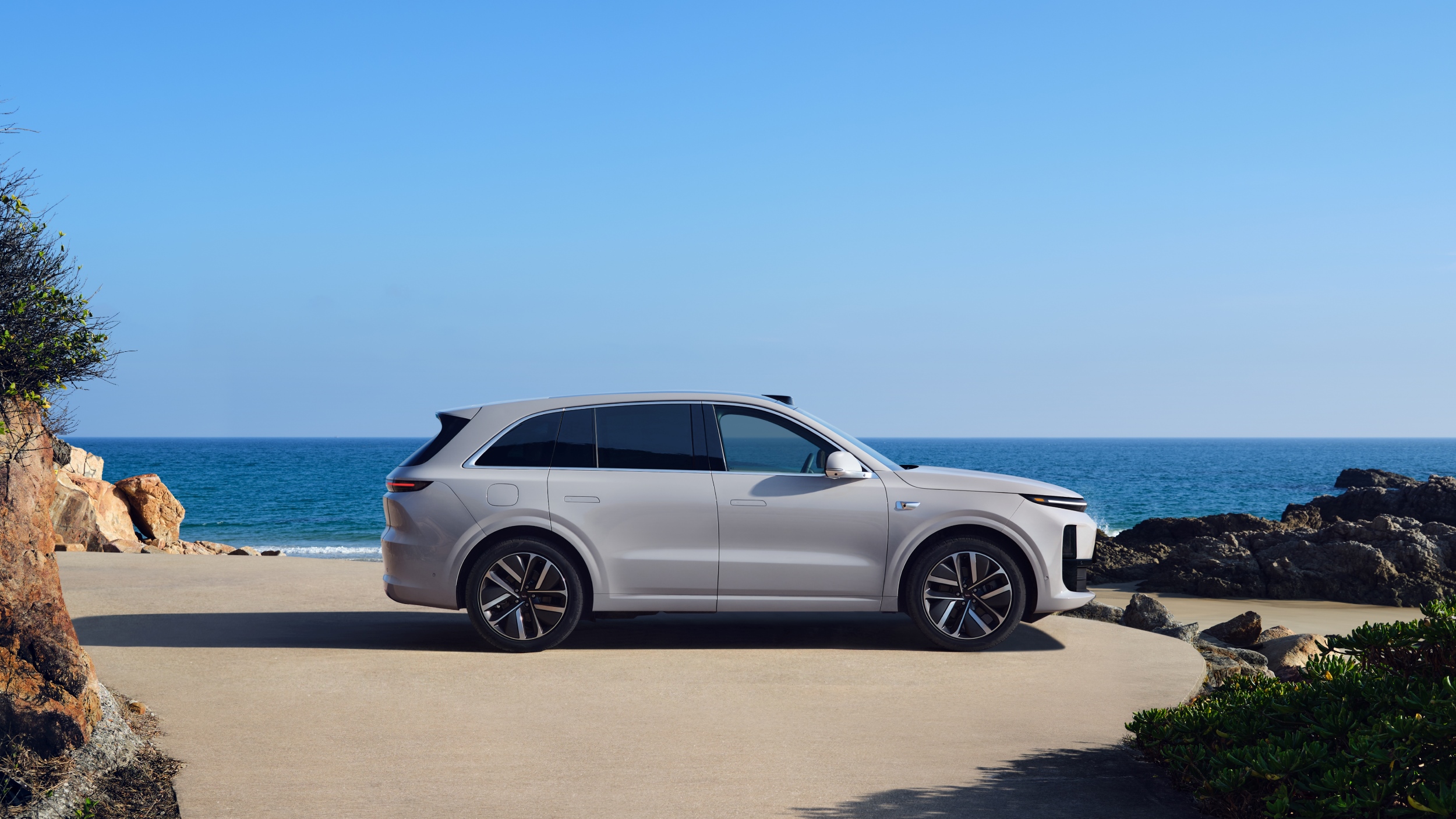
Image source: Li Auto
Among traditional car companies, SAIC Group's self - owned brand sales reached 316,000 vehicles, a year - on - year increase of 9.5%. SAIC Passenger Vehicle's sales exceeded 100,000 vehicles, a year - on - year increase of 36.4%. Among them, IM Motors sold 13,000 vehicles, a year - on - year increase of 34.3%.
Geely sold 310,428 vehicles in November, a year - on - year increase of 24%. Geely Galaxy sold 132,652 vehicles in November, a year - on - year increase of 76%. After the "Taizhou Declaration", Geely's sales have skyrocketed. Monthly sales of 310,000 vehicles are closely following BYD. However, strictly speaking, Geely's gasoline vehicles and new - energy vehicles each account for half. If only new - energy vehicles are counted, it is still far behind BYD.
BYD's new - energy vehicle sales in November were 480,200 vehicles, and the cumulative sales this year reached 4.18 million vehicles. It has basically locked in the annual sales championship without any suspense.
2026 will be the "trial - by - fire" year for mid - tier brands
The scripts of the leading players have been written, and all the suspense in the market lies with this group of "middle - layer" mid - tier players.
IM Motors sold 14,000 vehicles in November, and Voyah sold 20,000 vehicles, both claiming "record highs". However, looking at the background, the problems are obvious: they are the "beloved sons" of two major state - owned enterprises, SAIC and Dongfeng, with rich resources but also heavy burdens.
IM Motors' LS6 is indeed competitive in the 200,000 - 250,000 yuan range. However, SAIC's multi - brand strategy restricts its development. In addition to Feifan and Roewe, after its in - depth cooperation with Hongmeng Zhixing, there is also Shangjie competing for resources. Although BYD also has a multi - brand strategy, Fangchengbao, Yangwang, and Denza are complementary rather than competitive. However, looking at SAIC's Feifan, IM Motors, Roewe, and Shangjie, there is actually an overlap of models.
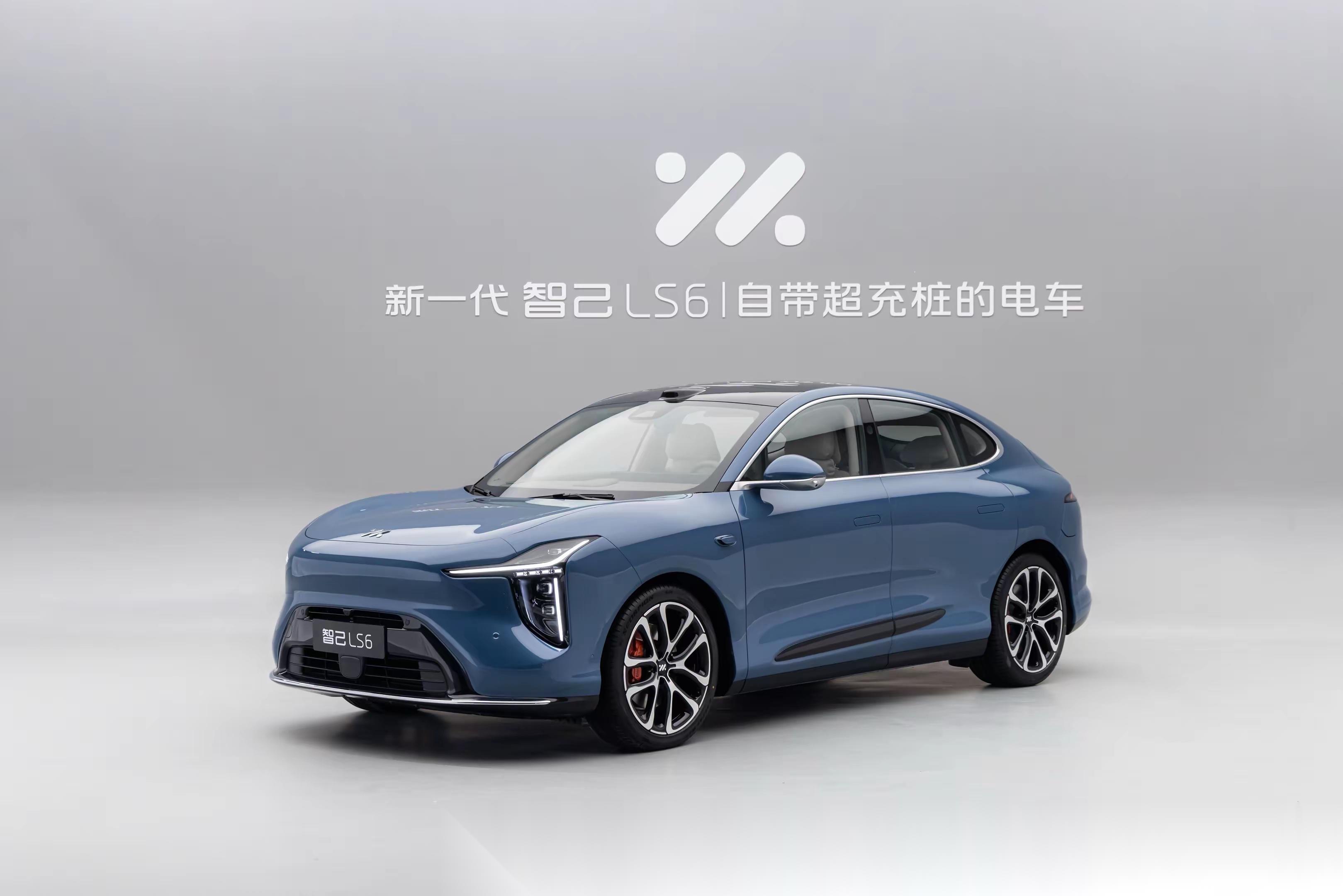
Image source: IM Motors
Although SAIC Group Chairman Wang Xiaoqiu has repeatedly emphasized in public that "IM Motors is SAIC Group's top - priority project and the only high - end brand. This has never changed since the project's inception and will not change in the future." SAIC Group President Jia Jianxu also said that "all of the group's forward - looking technologies will be first mass - produced in IM Motors' models to ensure IM Motors' technological leading edge in the new high - end intelligent electric vehicle track."
However, judging from the terminal sales, the results are not obvious. How to make a good brand distinction is a difficult problem that SAIC must solve. Fortunately, SAIC's financial situation is good. It achieved a net profit of 8.1 billion yuan in the first three quarters, becoming one of the top three most profitable car companies, the other two being BYD and Great Wall.
Voyah's problem is more typical. In the monthly sales of 20,000 vehicles, the MPV model Dreamer accounts for the majority of the sales. The MPV market itself is niche, and its growth ceiling is clearly visible. After excluding the MPV, Voyah's SUV and sedan products have a monthly sales volume of only about 10,000 vehicles.
However, with the launch of Voyah Taishan and Voyah Zhuiguang L, it is believed that Voyah will soon reach the survival line of monthly sales of over 30,000 vehicles. This achievement is already an excellent representative among the sub - brands of giants.
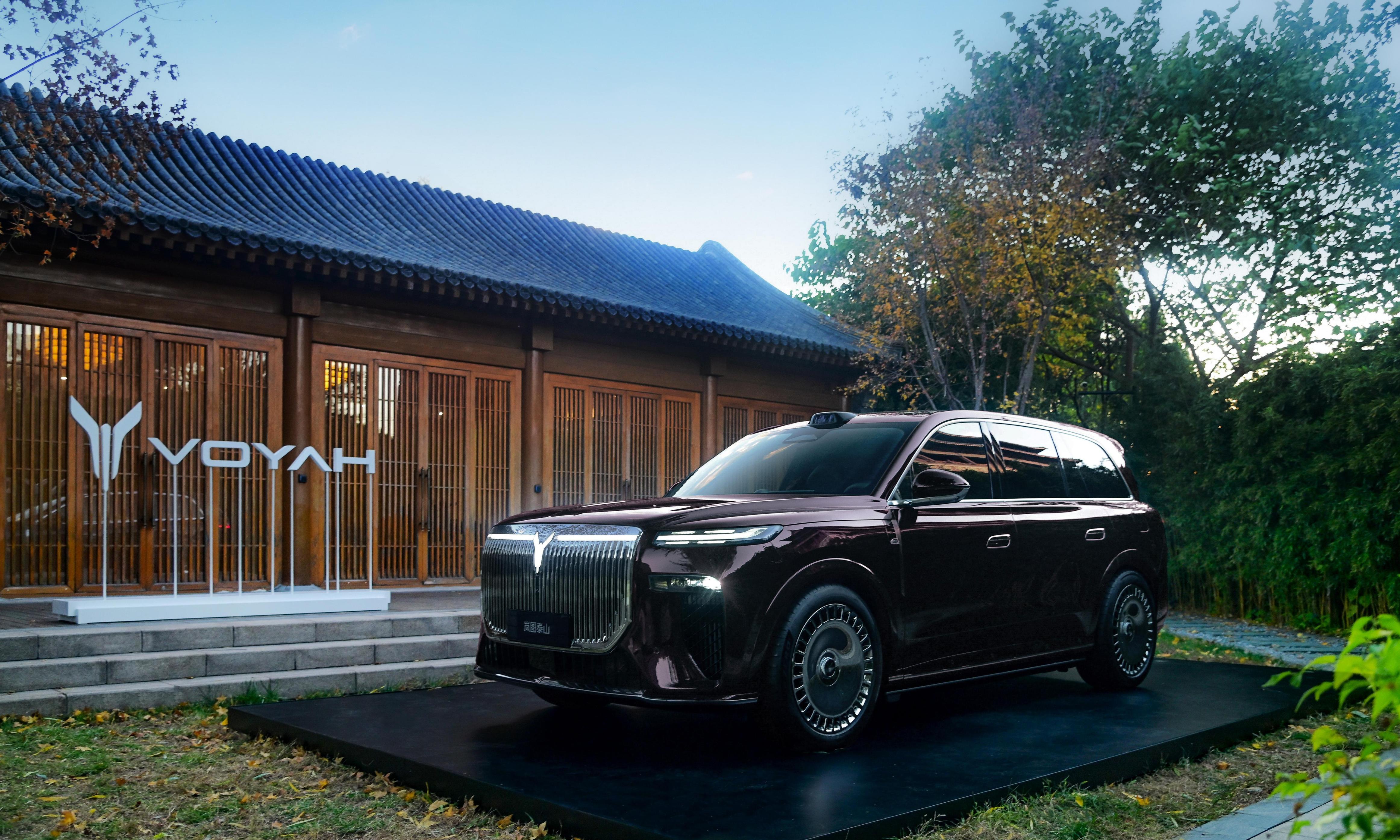
Image source: Voyah
GAC Aion did not announce its November delivery volume, but the data from the first three quarters have already exposed the problems: the B - end ride - hailing market has shrunk, and the C - end brand has not been established. Aion S and Y were once kings in the to - B market, but now the purchasing volume of Didi and other companies has dropped precipitously. The launched Hyper brand aims at the C - end market, and the cars are indeed good. However, the 250,000 - 300,000 yuan range is crowded with strong competitors. GAC's intelligentization label has not been well - promoted, and its cooperation with Huawei will not yield products until 2026, which is too late to solve the current problems.
Great Wall's Tank brand has been very successful in the off - road niche market, but this niche market is too small. It is becoming a "small and beautiful" boutique car company. However, at the card table in 2026, "small and beautiful" may become "small and gone".
To sum up the situation of these mid - tier players, it can be summarized in four words: in a dilemma.
If they move forward, they cannot reach the positive cycle of scale, cost, and technology of leading players. The procurement cost per vehicle for those with monthly sales of 500,000 vehicles is 15% - 20% lower than their own with monthly sales of 100,000 vehicles. How can they compete?
If they retreat, they are reluctant to give up the brand recognition and capital valuation they have already obtained. If they reduce prices to increase sales volume, the gross profit margin will be immediately eroded. If they maintain high prices, the sales volume will not increase.
It's not that they are not working hard; it's that the rules of the game have changed.
The three major battles of scale, profitability, and overseas expansion have begun
There is only one month left in 2025. It's time to draw a conclusion for this year's automotive market.
From the supply - chain perspective, the most overlooked change in 2025 is that the industry topic has shifted from "sales volume" to "standard setting". Although Hongmeng Zhixing's sales volume of 80,000 vehicles cannot catch up with BYD, its ADS is making more and more car companies actively adapt to it.
This is not just Huawei's game. Intelligent driving technology companies such as "Hua Dadi Mo" (Huawei, DJI, Horizon Robotics, Momenta) have also received support from car companies. At the guest seats of Horizon Robotics' high - level intelligent driving product press conference, there were bigwigs from car companies such as Chery and Audi.
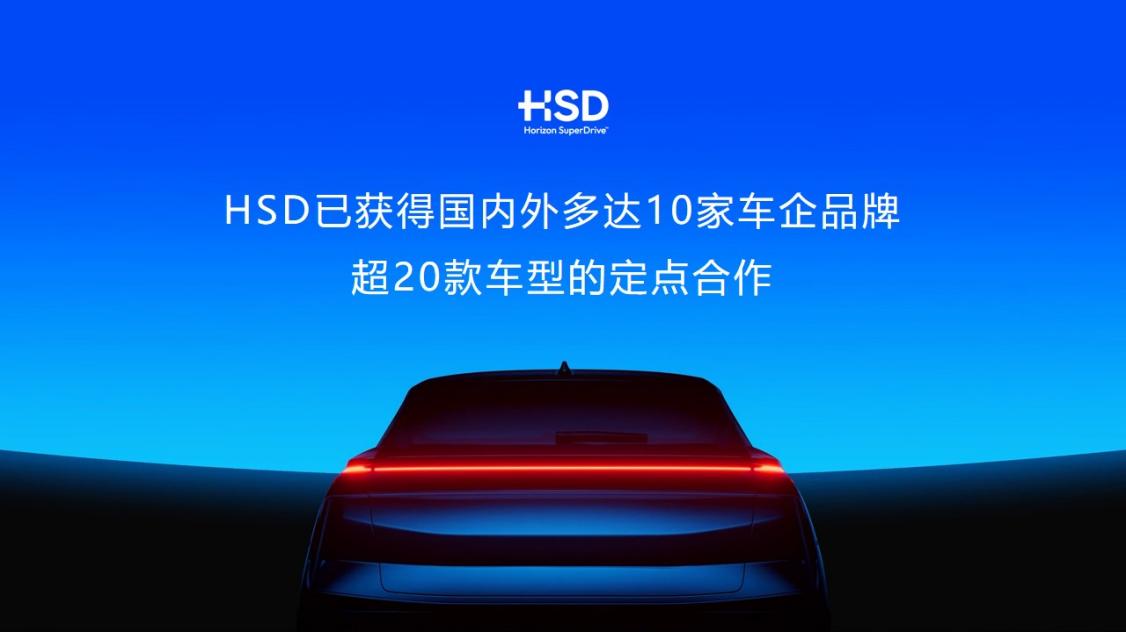
Image source: Horizon Robotics
Chery's Yin Tongyue even said bluntly that "Chery will rely on Yu Kai in the next 20 years." It can be seen that car companies and technology companies have been firmly bound together, and technology companies have even become the protagonists in the automotive industry, especially leading companies like Horizon Robotics.
The value of this definition power far exceeds the sales figures. These intelligent driving technology companies that say "We don't make cars; we only help car companies make good cars" are actually defining what a good car is. Once these definitions take root in users' minds, they will become a cognitive tax for new brands entering the market.
At the vehicle - manufacturing end, the story has also changed. Before 2025, all players were telling the same story: "The market is big enough to accommodate everyone." After 2025, the story has become: "The market has stopped growing. Your growth means my decline." The growth of Hongmeng Zhixing and the decline of Li Auto are the best examples.
Understanding this, we can deduce that there will be an extremely fierce scale battle in 2026. It can even be determined that "scale has become a prerequisite for survival." Monthly sales of 30,000 vehicles is the survival line, 100,000 vehicles is the development line, and 500,000 vehicles is the safety line. Those who cannot cross these lines do not even have the qualification to be a supporting role.
When leading enterprises use their scale advantages to push the price of B - class pure - electric sedans and even C - class cars to the 150,000 - yuan range and the price of mid - large SUVs to the 120,000 - yuan level, mid - tier brands will face the dilemma of "losing money if they follow and losing the market if they don't." In 2026, enterprises without scale advantages will not even have the qualification to participate in the battle.
After the scale battle comes the profitability battle. The biggest suspense in 2025 was "whether to make a profit", and the entry qualification in 2026 is "must make a profit".