Ubtech invests 2 billion yuan in mergers and acquisitions.
Observing from the financing rhythm, Ubtech has maintained a high - frequency fundraising trend since its listing. It has completed a total of 6 share placements in less than two years after listing.
Recently, Ubtech, the "first stock in the humanoid robot industry", announced the completion of a placement financing worth HK$3.109 billion.
According to the company's disclosure, approximately 75% of the funds raised from this placement, about RMB 2.3 billion, will be specifically used for the merger, acquisition and integration of the industrial chain. The focus will be on upstream and downstream enterprises with potential in the value chain of the humanoid robot industry, including direct investment, acquisition of target companies, or promoting the integration of industry resources through the establishment of joint - venture entities, or integrating with relevant industries or establishing joint - venture companies. This placement is expected to strengthen the company's leading position in the humanoid robot industrial chain. This is highly consistent with the current situation of the humanoid robot industry, which is "burning money on R & D and struggling with mass production", that is, every link from algorithm iteration to hardware implementation requires huge financial support.
The reporter from Venture Capital Daily noticed that observing from the financing rhythm, Ubtech has maintained a high - frequency fundraising trend since its listing. It has completed a total of 6 share placements in less than two years after listing. It is worth noting that behind the high - frequency financing is the rapid breakthrough in its business - the company has not only won large - scale orders repeatedly but also continuously refreshed the order - amount record in the humanoid robot field. As of now, the cumulative order amount of Ubtech's Walker series of humanoid robots in 2025 has reached RMB 1.3 billion.
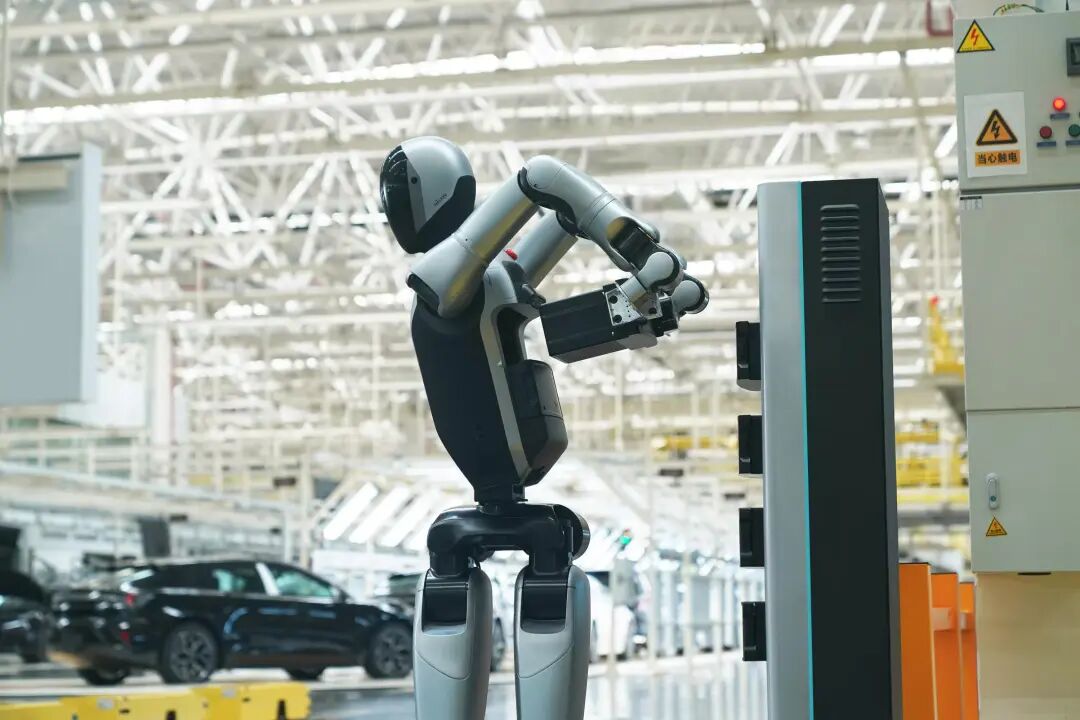
Plan to invest over HK$2 billion in mergers, acquisitions and integration of the industrial chain
According to the announcement, Ubtech plans to place shares at HK$98.8 per share (a discount of 11.39% compared to the closing price of HK$111.50 on the 24th and a discount of 18.56% compared to the average closing price of HK$121.32 in the previous five days). After the placement, the issued share capital will increase from 472 million shares to 503 million shares, and the proportion of H - shares will rise from 85.03% to 85.96%. The shareholding ratios of major shareholders such as Zhou Jian, Xiong Youjun, and Xia Zuoquan will decrease, but none of them will reach the 10% threshold. It is expected that no placee will become a major shareholder, and the control rights will not be affected.
Ubtech was listed on the Hong Kong Stock Exchange in December 2023. As of November 25, 2025, it has conducted 6 share placements (the 6th one is in the announcement stage), with a total fundraising of over HK$7.4 billion.
Specifically, in August 2024, it placed 142,000 shares for the first time, raising a net amount of HK$122 million. In October 2024, it conducted the second placement, raising a net amount of HK$408 million. In November 2024, it carried out the third placement, raising a net amount of HK$552 million. These three fundraisings were all used for business operation and development and repayment of credit facilities from financial institutions. In February 2025, it placed 1.01551 million shares at HK$90 per share, raising a net amount of HK$876 million for core technology R & D, business development, etc.
In July 2025, it placed 3.01555 million shares at HK$82 per share, raising a net amount of HK$2.41 billion. On November 25, 2025, it announced a plan to place 3.1468 million shares at HK$98.8 per share (a discount of 11.39% compared to the previous day's closing price), raising a net amount of approximately HK$3.056 billion. Among them, 75% is planned to be used for the acquisition or investment of upstream and downstream enterprises in the industrial chain in the next two years, 15% for business operation and development, and 10% for repayment of credit facilities.
Regarding this placement, Ubtech also said that the company plans to further expand the application scenarios in industrial manufacturing and accelerate the commercialization of humanoid robots in the field of intelligent manufacturing to enhance its overall competitiveness.
In terms of stock price, Ubtech's closing price on that day was HK$110.6 per share, a 0.81% decline compared to the previous trading day.
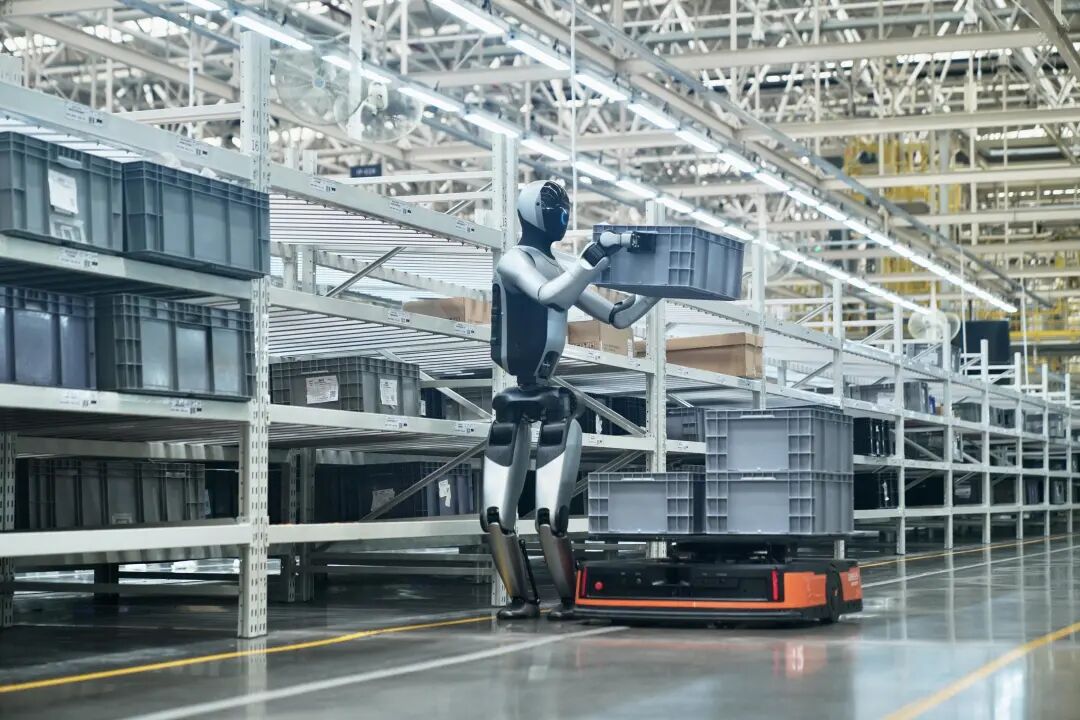
The total order amount in 2025 has reached RMB 1.3 billion, focusing on industrial scenarios
While conducting another placement, Ubtech refreshed the order record for humanoid robots again.
Recently, Ubtech won the bid for the humanoid robot data collection and testing center and the artificial intelligence science and innovation education demonstration project in Fangchenggang City, Guangxi, with a winning bid amount of RMB 264 million.
According to public information, the products for this project are mainly the industrial humanoid robot Walker S2, which will focus on projects such as passenger and personnel guidance at national border ports, sentry patrols, logistics, commercial services, and facility inspections at large - scale domestic steel, copper, and aluminum production and manufacturing bases. The order is expected to be delivered in December.
So far, the total order amount of Ubtech's Walker series of humanoid robots in 2025 has reached RMB 1.3 billion. Among them, the orders worth RMB 566 million won in November 2025 are all planned to be delivered within the year. Currently, the production capacity of Ubtech's industrial humanoid robots has reached 300 units per month, and the expected annual delivery volume will exceed 500 units. In terms of scenario applications, it has covered key application fields such as automobile manufacturing, intelligent manufacturing, intelligent logistics, and embodied intelligent data centers.
The industrial field is the current main battlefield for commercialization. There is a strong demand in scenarios such as new - energy vehicle welding and assembly, 3C precision assembly, and intelligent logistics sorting and handling. These scenarios feature high work intensity, high repeatability, and standardized environments, which are highly compatible with the characteristics of humanoid robots. As the technology matures, the application scenarios are extending from industry to consumption, medical care, and elderly care, and the market space is continuously expanding.
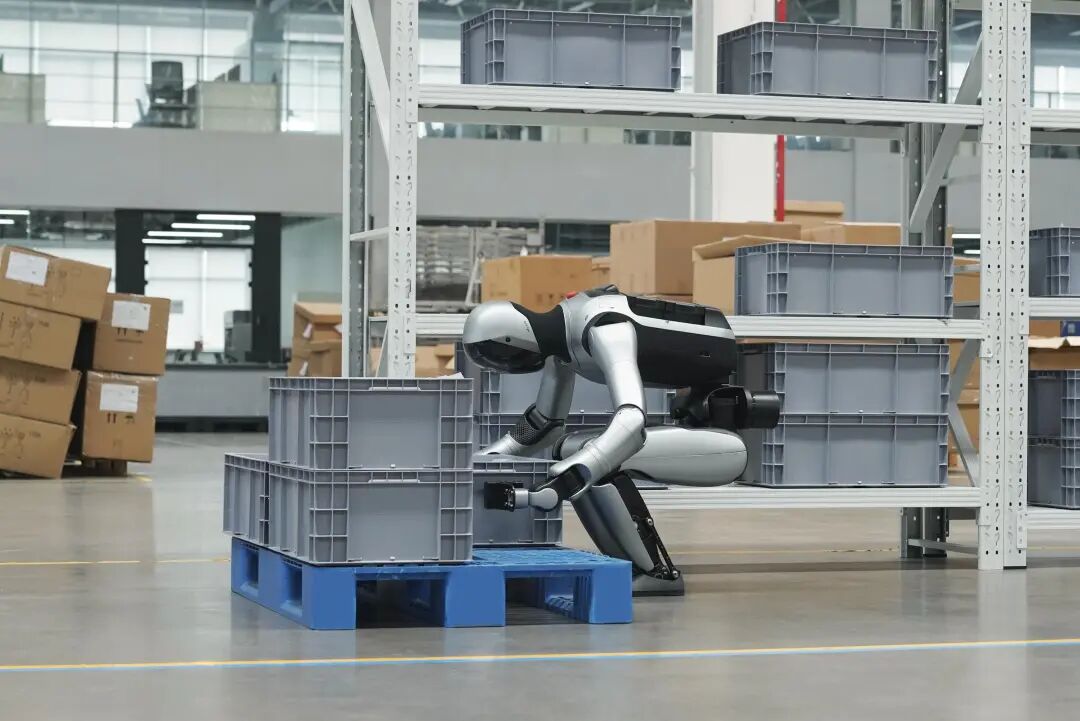
Looking back at Ubtech's commercialization dynamics in 2025, the annual orders and cooperation showed a step - by - step growth trend, and the core shipment scenarios continued to expand and deepen: In the industrial manufacturing field, it has deeply penetrated into fields such as automobile manufacturing, intelligent logistics, and 3C electronics, focusing on core workstations such as handling, sorting, and quality inspection; At the same time, it has implemented embodied intelligent data centers for humanoid robots and public service scenarios in various regions, forming a commercialization pattern of multi - field collaborative implementation.
However, behind these "robot employees" frequently "entering the factory to work", questions are also attracting attention: Have they fully adapted to the complex factory environment and can they calmly handle technical challenges such as autonomous operation and abnormal situation handling? In the process of the industry's leap from "technically feasible" to "commercially feasible", what substantial progress has been made in commercialization?
In response, Jiao Jichao, the vice - president and dean of the research institute of Ubtech, told the reporter from Venture Capital Daily that Ubtech has focused on industrial scenarios since 2023. Through practice, it has focused on three core workstations: handling, sorting, and quality inspection. These workstations have prominent pain points due to labor shortages and have a considerable input - output ratio, making them the key scenarios for the early implementation of humanoid robots.
However, enabling humanoid robots to operate autonomously in real - world scenarios is the core challenge. Jiao Jichao pointed out that we cannot assume that simply introducing humanoid robots can solve the problems. Autonomous operation places extremely high requirements on the robot's environmental perception, positioning and navigation, target segmentation and positioning, motion control and grasping abilities. Even for seemingly simple handling work, to operate stably in different factories and under different working conditions, it also faces many problems such as positioning accuracy and abnormal situation handling.
He further predicted that if calculated based on the full - day working hours, the efficiency of humanoid robots is expected to reach the average level of human labor within 2 - 3 years.
Jiao Jichao further told the reporter from Venture Capital Daily that as factories' demand for humanoid robots becomes increasingly urgent, in the future, there will be a gradual breakthrough from single - point applications to cluster operations. Through the cooperation of multiple robots and the establishment of a back - end management system, a complete solution will be formed to truly integrate into the customers' production systems.
An executive in the field of embodied intelligence told the reporter from Venture Capital Daily that although Ubtech's commercialization breakthrough is exciting, the humanoid robot industry is still subject to three common challenges in the industry at the critical stage of mass production and delivery.
Firstly, there is a bottleneck in cost control. Core components such as high - precision servo motors and reducers rely on cutting - edge manufacturing processes, and it is extremely difficult to optimize costs in large - scale production, which directly restricts the speed of commercialization and popularization. Secondly, there is a shortcoming in the operation and maintenance system. As robots are implemented and popularized in multiple scenarios, an efficient remote operation and maintenance, intelligent fault - troubleshooting, and rapid - response system has not yet matured, which has become a core pain point affecting the stable operation of the equipment. Thirdly, there is a problem with scenario adaptation. The functional requirements of different industries and segmented scenarios vary significantly. How to achieve rapid customized iteration of products and improve scenario - adaptation efficiency is still a topic that the entire industry needs to continuously tackle.
This article is from the WeChat public account "Venture Capital Daily", written by Li Mingming and published by 36Kr with authorization.