Why are young people flocking to snap up second-hand troubled cars at bargain prices? Why have second-hand troubled cars suddenly become so popular?
In recent years, when it comes to the consumption trends of young people, most people probably have a feeling that they can't quite understand it. All sorts of new consumption patterns go against the long - held concepts of the majority. Recently, there has been news that young people are buying up the so - called "problematic cars" from car companies that have encountered issues. Why have second - hand problematic cars suddenly become popular? What on earth is going on?
1. Young People Buying up Problematic Cars at Rock - bottom Prices
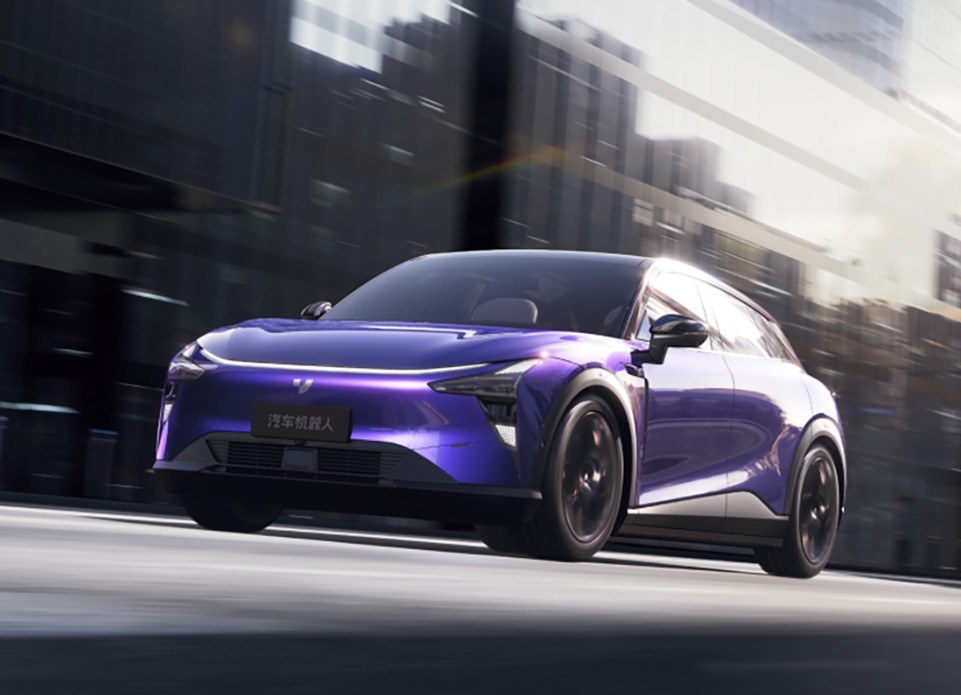
According to a report from National Business Daily, "Spending more than 70,000 yuan to buy a second - top - spec SUV, whose interior is more comfortable than cars worth over 200,000 yuan. Driving it on a cross - provincial self - driving trip saves both the car purchase cost and the car rental fee." Recently, Mr. Jiang, a 95 - post photographer from Hefei, told a reporter from National Business Daily that in August this year, he became the owner of a Nezha L through a surprisingly cost - effective deal.
When Nezha Automobile was deeply mired in an operational crisis and many people were avoiding it, Mr. Jiang took the initiative to pick up the car across provinces. His actual experience of driving 6,000 kilometers in 80 days confirmed the consumption logic that "there will be a market if the price is right."
"I've been keeping an eye on its price changes, thinking that I'd buy it if the second - hand car price dropped to my psychological expectation." This year, Mr. Jiang found a turning point in the car enthusiast group: There were significant discounts on Nezha L in Guangxi. After adding a local replacement subsidy of 13,000 yuan, the price was directly halved. After some calculations, the Nezha L 310 Flash Charge PRO version (second - top - spec), with a naked car price of 149,900 yuan, only cost 73,900 yuan after deducting the 4S store discounts and the replacement subsidy. Plus the full - coverage insurance of 3,800 yuan, the total on - the - road price was 77,700 yuan. This price completely won Mr. Jiang over. Since he had originally planned to go on a self - driving trip in Guangxi, "After learning about the car source, I transferred the deposit that night. It saves the car rental fee and I can own a new car. It's so cost - effective."
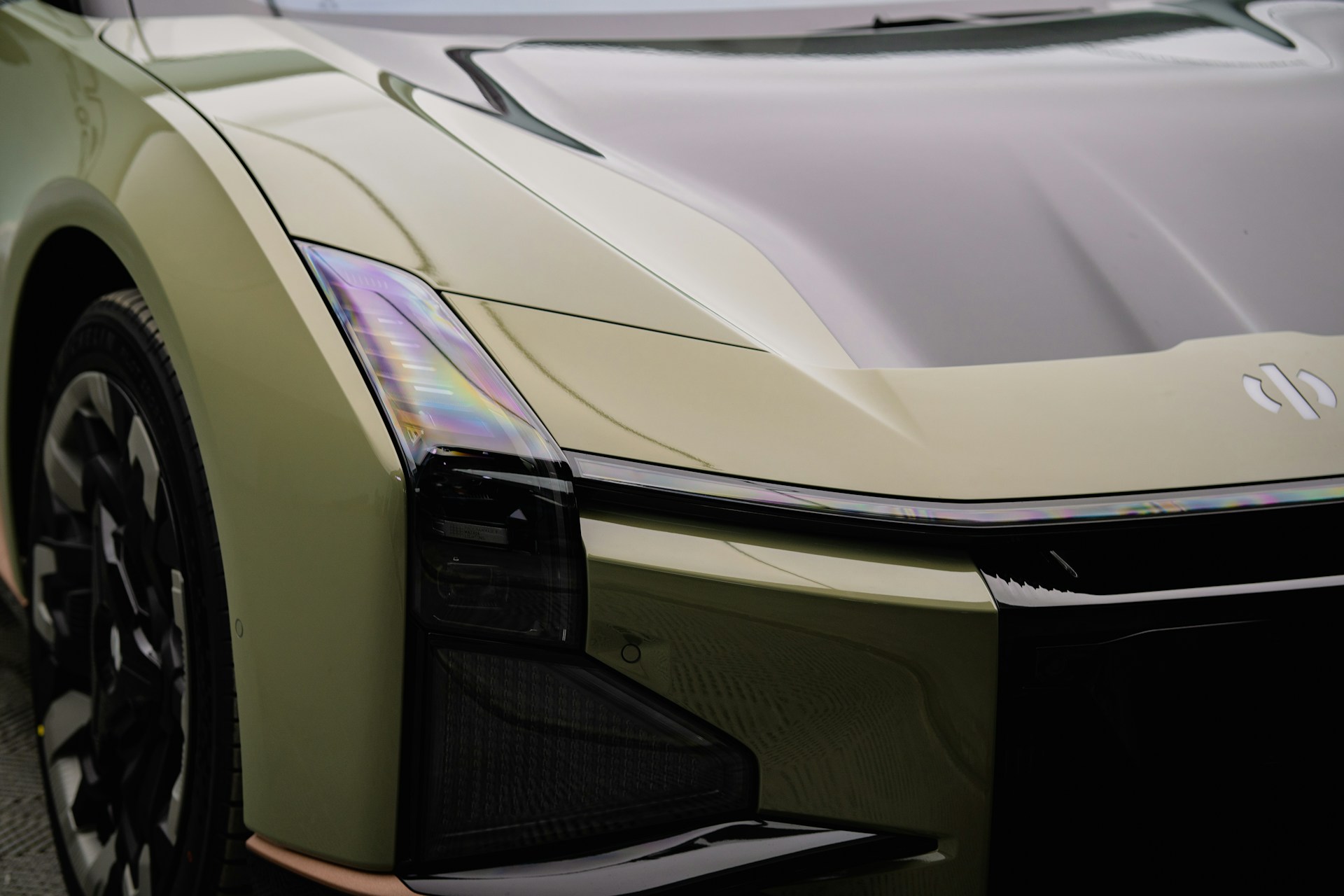
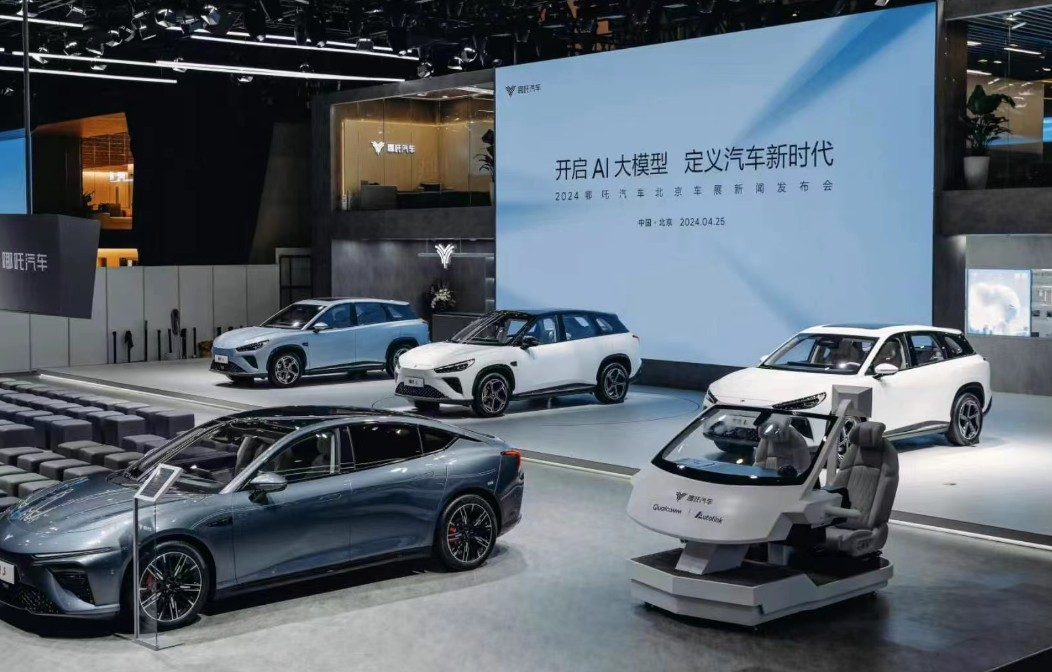
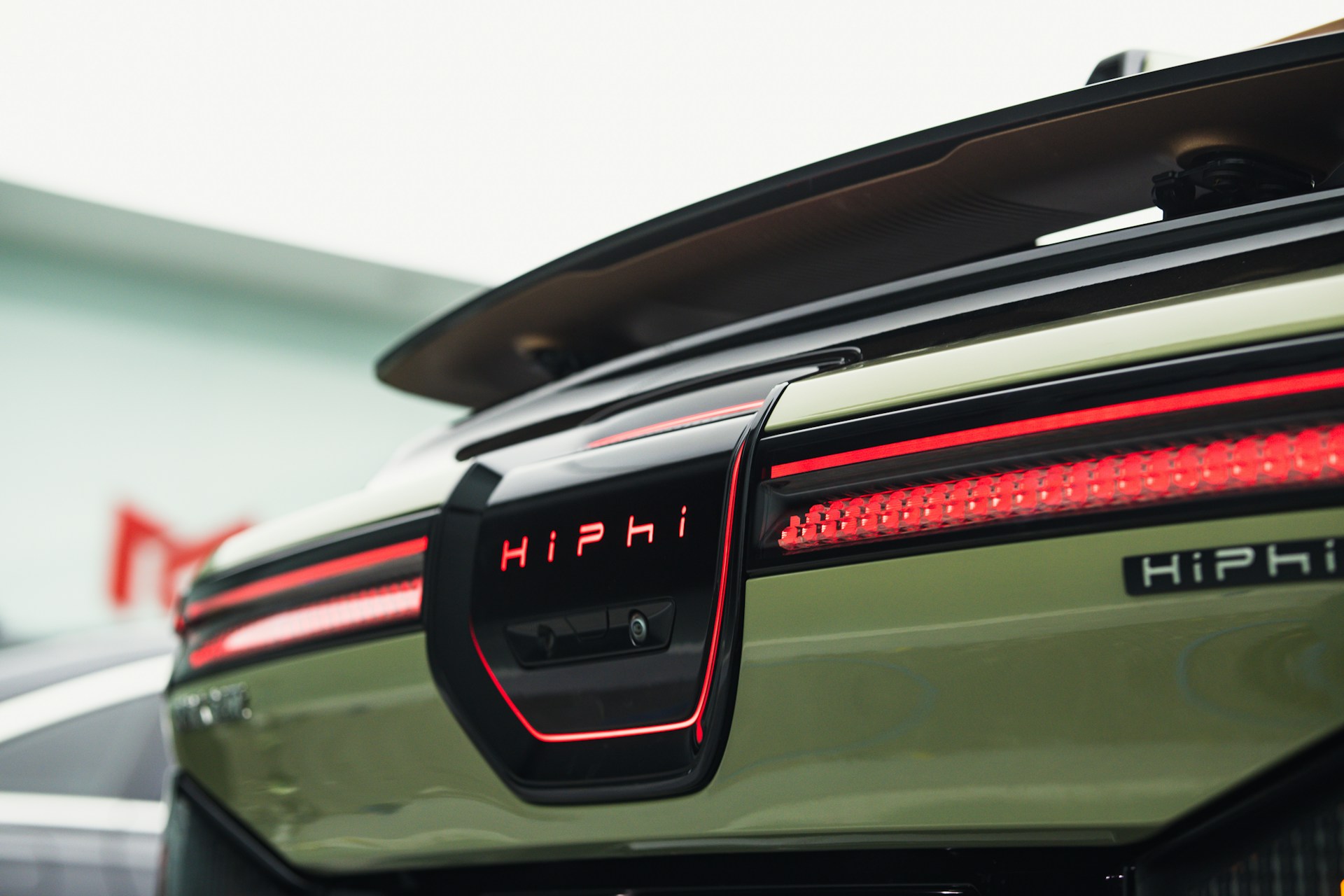
Actually, besides young consumers, many car dealers are also "buying up" problematic cars. After brands like Nezha, HiPhi, and WM Motor got into operational difficulties, a group of car dealers targeted the low - priced car sources. Through the process of "bulk car acquisition - short - term rental - second - hand resale", they made a profit from the price difference in the niche market. Most of these cars eventually ended up in the hands of consumers in second - and third - tier cities who are more price - sensitive.
2. Why Have Second - hand Problematic Cars Suddenly Become Popular?
Currently, the models of some car companies in operational crises, the so - called "problematic cars" in the market, have become the "darling" pursued by young people. What on earth is going on? How should we analyze this?
First of all, the quality of problematic cars is not a big issue. The popularity of problematic cars ultimately lies in their uniqueness. The problems of car companies usually stem from non - product - related issues such as broken capital chains and faulty operational strategies, which do not directly deny the industrial manufacturing value of the vehicles themselves. In the early stages of development, most problematic car companies often spared no expense on hardware configuration to seize the market. The core components of their cars are mostly products from leading suppliers like CATL and Bosch, giving the vehicles an inherent advantage in core performance. From the actual product performance, the key indicators of these models, such as battery energy density, cruising range, and electric drive system efficiency, are not inferior to those of mainstream brands in the same class. Some models even show a good level in chassis tuning, meeting the core needs of urban commuting and daily driving.
It can be said that the core value of problematic cars lies in the separation between the hard - power in industrial manufacturing and the operational crisis of the car companies. The mechanical quality and hardware configuration of the vehicles themselves are not affected by the difficulties of the car companies. Especially for the cars produced during their high - speed development period, consumers can get the same or even better hardware foundation at a lower price. This imbalance between product power and price, this extreme cost - effectiveness, is an excellent target for most young people, especially the current young consumer group that pursues cost - effective consumption. This is the greatest value of problematic cars and the core premise for their popularity.
Secondly, pursuing configuration has become more of a focus than pursuing brand. Looking back at the development history of the mobile phone and computer markets, we can find a similar trend. In the early days, mobile phone brands had a high appeal, and consumers often chose to buy a certain mobile phone because of the brand. However, with the continuous progress of technology and the increasing maturity of the market, consumers are paying more and more attention to the configuration of mobile phones, such as processor performance, camera quality, and screen resolution. Especially now, as long as the mobile phone is produced by a regular mobile phone company, regardless of the brand, the user experience difference is not significant. Especially with the continuous improvement of operating system optimization, as long as the configuration is comparable, consumers tend to choose more affordable products. This is the origin of the logic of pursuing configuration.
Similarly, the new - energy vehicle market is also developing in this direction. With the gradual popularization of new - energy vehicle technology, the technological gap between major brands is constantly narrowing. Most new car - making forces have strong capabilities in producing the three core components (battery, electric drive, and electronic control). Many of them are even products of well - known contract manufacturers, and the core components are also very famous. In this case, when consumers buy a car, they no longer only focus on the brand halo but pay more attention to the specific configuration of the vehicle. More importantly, if the configuration of a problematic car is comparable to that of other normal brand models and even has an advantage in some aspects, while the price drops significantly due to the car company's problems, then its cost - effectiveness advantage becomes prominent. For consumers who pursue high cost - effectiveness, problematic cars are undoubtedly an attractive choice. For these consumers, it is a very wise consumption behavior to buy a vehicle with comparable or even higher configuration with less money. This change in consumption concept has given problematic cars more room to survive in the second - hand market.
Thirdly, pragmatism overriding the sense of ceremony is becoming a trend. The main group buying problematic cars is young people aged 20 - 35. The consumption characteristics of this group are significantly different from those of traditional car - buying groups: They have limited budgets but have high requirements for product experience. They regard cars as "consumer goods for short - term use" rather than "durable goods for long - term ownership" and pay more attention to the current use value rather than the identity recognition brought by the brand.
For this part of consumers, problems such as the inability to upgrade the intelligent system and the lack of official warranty are not unacceptable flaws. They care more about the integrity of the driving function. As long as the vehicle can run normally, the three - core components (battery, electric drive, and electronic control) are stable, and the basic comfort configuration is in place, it can meet their core car - using needs. This "emphasizing practicality and neglecting add - ons" consumption psychology is highly consistent with the product characteristics of problematic cars: The weaknesses of problematic cars are mainly concentrated in the additional value aspects such as after - sales service and software service, while the core driving function is not affected. Young people have accurately grasped this core pain point and compromised on the additional services in exchange for the high - cost - effective realization of the core use value. This precise matching of demand and supply directly promotes the popularity of problematic cars.
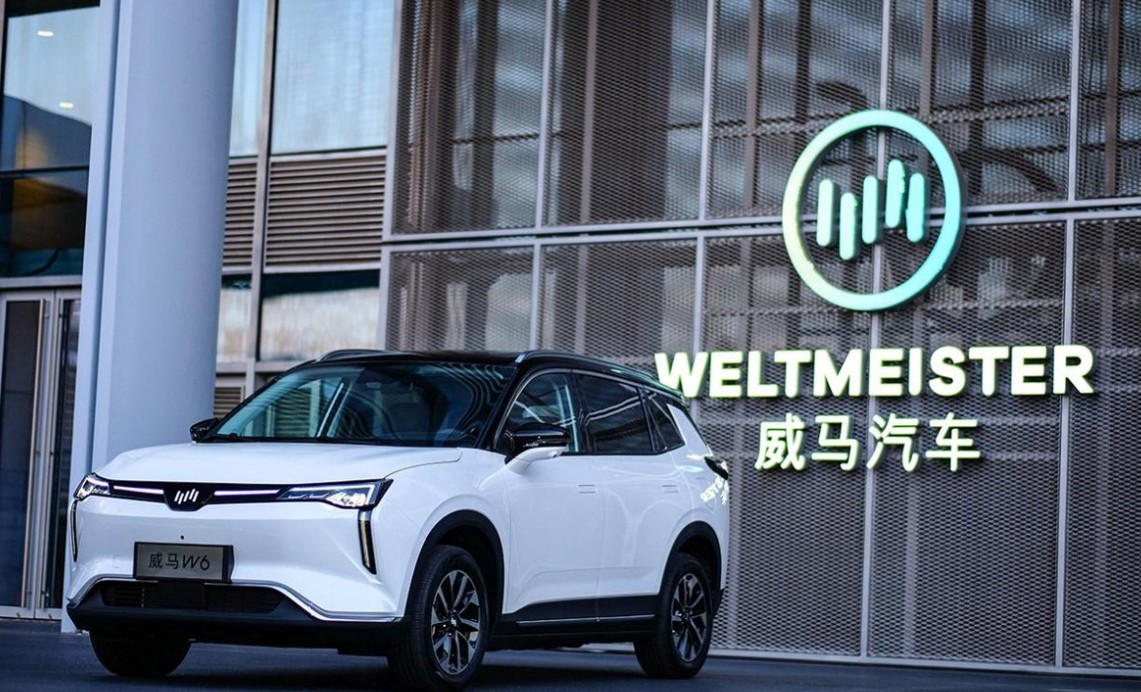
Fourthly, the long - term risks of problematic cars still need to be taken seriously. Although in the short term, the hardware performance of problematic cars can meet the use requirements, the core competitiveness of new - energy intelligent vehicles is no longer just about mechanical quality. The intelligent system and the full - life - cycle maintenance service are also core components of the product value. After a car company has problems, the interruption of software service is almost inevitable. The car - machine system stops being updated, the navigation and remote control functions fail, and there is no hope for the upgrade of the intelligent driving system. These problems will gradually emerge as the use time goes by, seriously affecting the car - using experience. More importantly, the maintenance system collapses. After the car company goes bankrupt, the supply of original parts is interrupted, and the 4S stores and authorized maintenance points withdraw. Car owners face the dilemma of "difficulty in repairing the car and high - priced parts".
Although simple maintenance can be solved through third - party stores, the repair and replacement of core components often lack technical support and suitable parts. Some car owners have to rely on salvaged parts or aftermarket parts, which are not only costly but also pose safety hazards. In addition, insurance companies are cautious about insuring problematic cars. They either refuse to provide insurance or significantly increase the premium and reduce the insurance amount, further increasing the car - using risk. These potential problems indicate that the cost - effectiveness advantage of problematic cars is based on "sacrificing long - term security". The short - term cost - effectiveness may hide long - term car - using difficulties.
It can be said that the sudden popularity of problematic cars, seemingly an "adverse selection" in the market, is actually an inevitable result of value reconstruction in the process of consumption upgrading and industrial transformation. However, for each consumer, rationally viewing the cost - effectiveness advantage of problematic cars and fully assessing the potential risks are the keys to avoiding the dilemma of "short - term satisfaction but long - term annoyance". How about asking each reader: Would you buy a problematic car?
This article is from the WeChat official account "Jianghan Vision Observation" and is published by 36Kr with permission.