The Guangzhou Auto Show without Lei Jun: New carmakers are being more practical, marking the end of the "era of internet popularity"
The 2025 Guangzhou Auto Show has officially kicked off. According to the core data officially released by the organizing committee, this year's auto show has gathered 93 world premiere new cars, showing a significant increase compared to the 78 world premiere vehicles last year. Logically speaking, the substantial increase in the number of premiere new cars should have been a "booster" to ignite the enthusiasm of the exhibition.
However, the reality is unexpected.
After a full - day on - site visit, the Electric Vehicle Connect team observed from multiple dimensions such as the flow of people in the exhibition hall and the interaction at the booths that this year's auto show not only failed to present the expected bustling scene but was even much quieter than previous sessions during the same period.
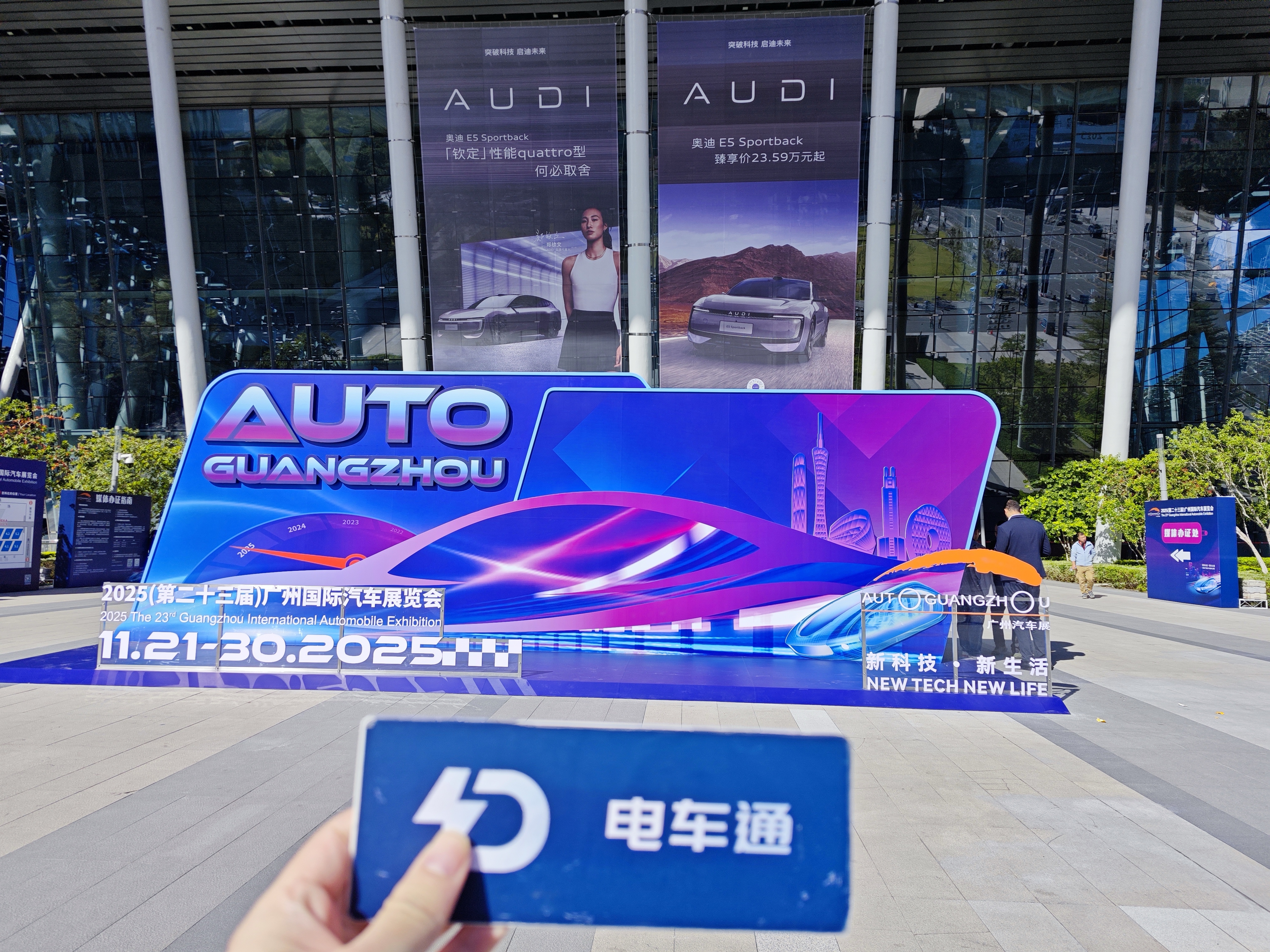
Source: Footage shot on - site by Electric Vehicle Connect
Taking new - force brands as an example, during this year's Shanghai Auto Show and the Guangdong - Hong Kong - Macao Greater Bay Area Auto Show, the booths of brands like Xiaomi, Hongmeng Zhixing, and XPeng were once surrounded by audiences three - deep. However, at this year's Guangzhou Auto Show, the press conferences of car companies mostly focused on "reviews", "interpretations of new technologies", and "future outlooks". There were very few blockbuster new products that could really detonate the whole venue. This directly led to the rapid return to calmness at the scene once the press conferences ended. The lively scenes of audiences flocking to experience and the media conducting intensive interviews in the past are hard to reproduce.
Why is there such a strong contrast? Next, we will focus on the new - energy brand camp and deeply analyze the reasons behind this phenomenon.
Lei Jun and Yu Chengdong No Longer "Visit Each Other", and New - Force Brands Focus More on Selling Cars
At last year's Beijing Auto Show and Guangzhou Auto Show, "car models" were an unavoidable keyword.
The "car models" here are not automotive model peripherals, nor are they models in gorgeous costumes standing on the stage to attract attention. Instead, they are the "executive car models" represented by Lei Jun, Yu Chengdong and other car - company leaders who personally stood on the stage. At that time, these car - company executives frequently visited different booths, personally explained technologies, and expounded brand concepts, becoming the well - deserved traffic magnets at the auto shows.
However, such a scene did not reappear at this year's Guangzhou Auto Show. Apart from attending the press conferences of their own brands' booths, there was hardly any interaction among the executives. Even Yu Chengdong, who has always been keen on live - streaming connections, did not appear in the "cloud exploration of the exhibition". Lei Jun also did not attend the press conference of his booth this time. Instead, Li Xiaoshuang, the vice - president of Xiaomi Auto, stood on the stage on his behalf.
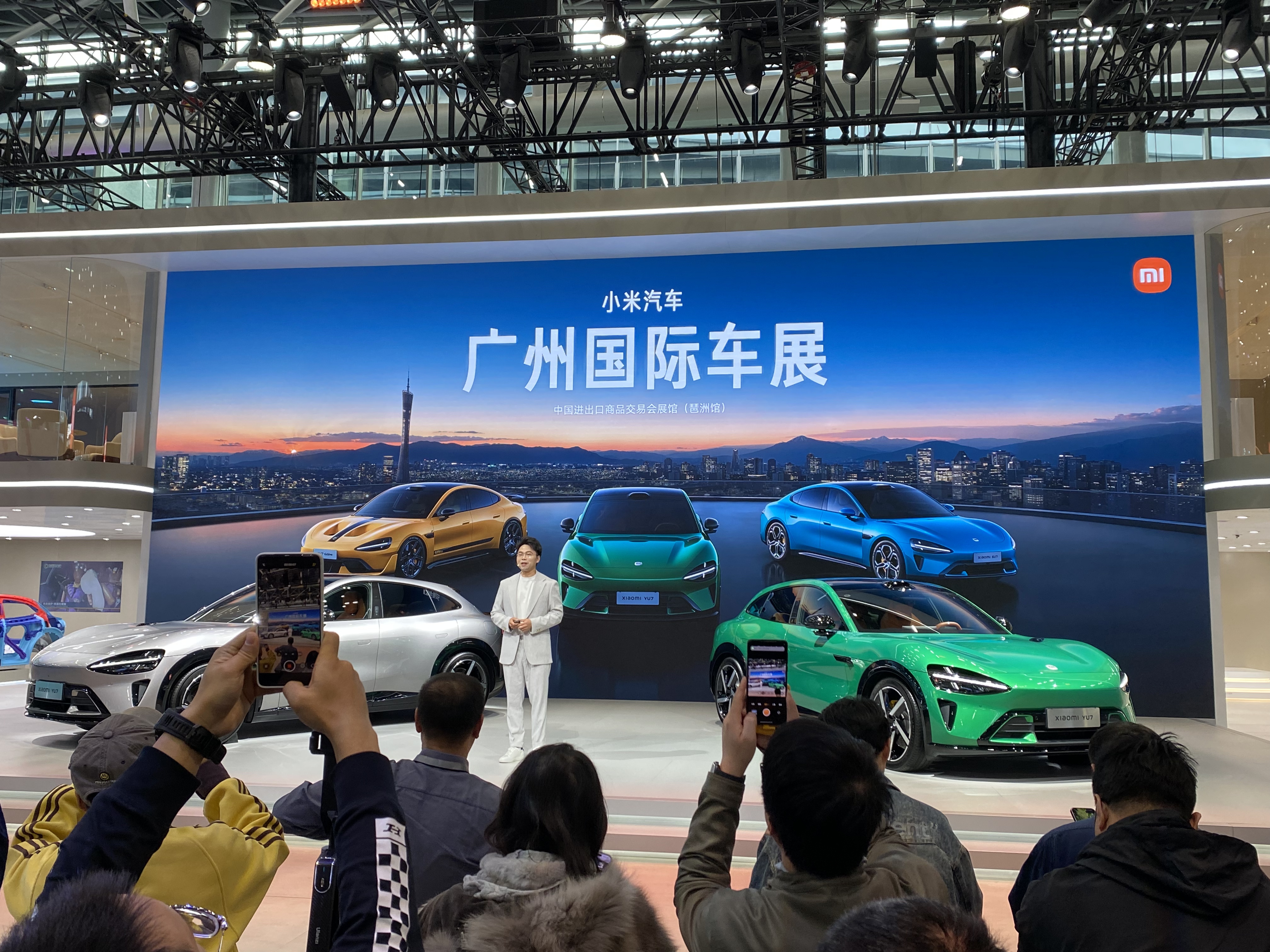
Source: Footage shot on - site by Electric Vehicle Connect
Electric Vehicle Connect is not questioning Li Xiaoshuang's professional ability or representative qualification. However, compared with Lei Jun, who brings his own topics and traffic, the effect of his appearance on the stage is indeed lacking the high - level enthusiasm that comes with a "big shot personally getting involved". There is indeed an obvious gap between the interaction enthusiasm at the press - conference scene and the overall online dissemination volume compared with last year.
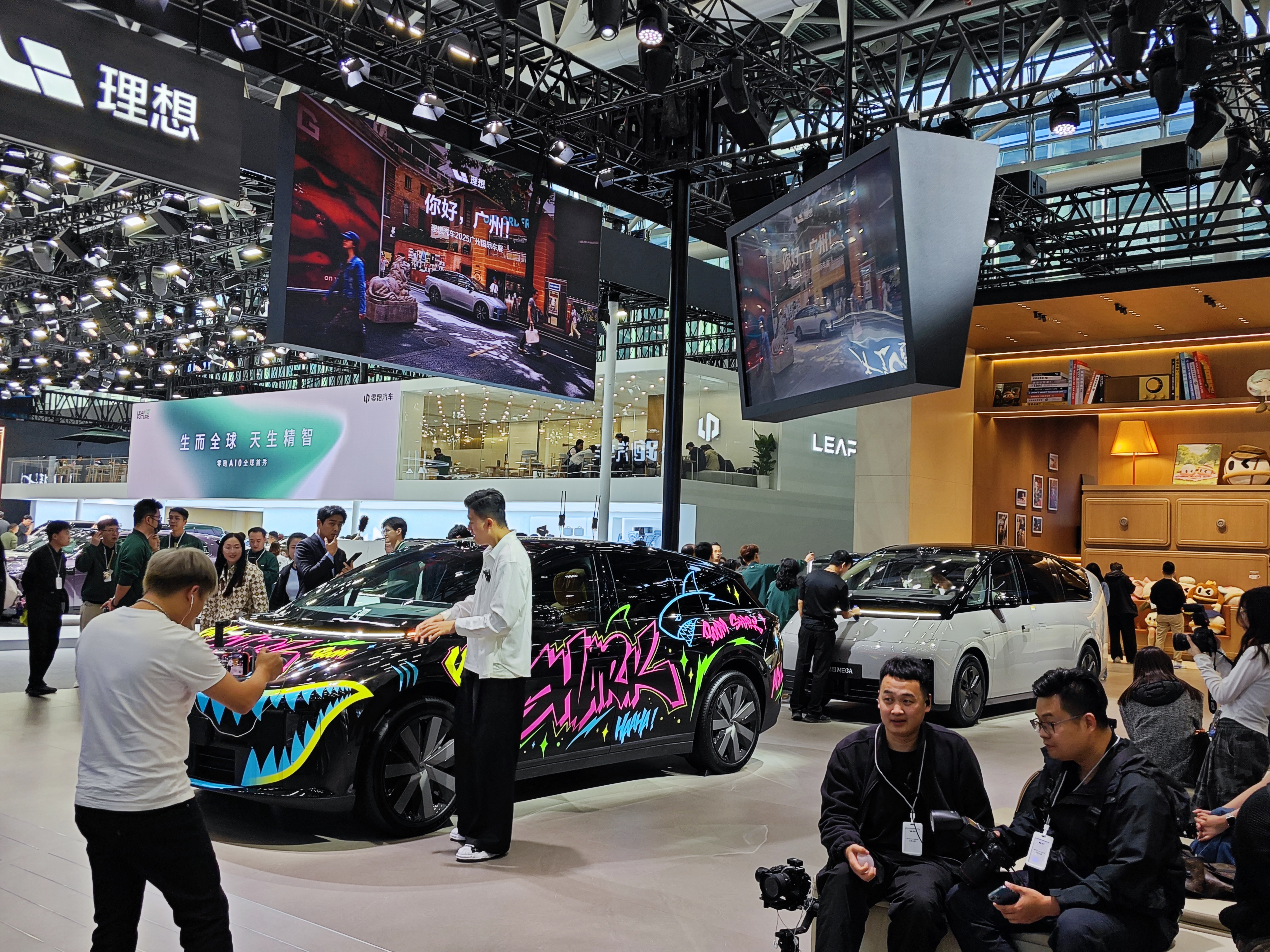
After talking about the movements of the executives, let's take a look at the new actions of new - force brands at the auto show. Generally speaking, the performance of new - force brands' new products at this year's Guangzhou Auto Show can be described as "lackluster". There are very few real blockbuster products. There are only some facelifted models or derivative models in niche markets, such as the globally premiered Leapmotor A10, the new models of Voyah S9/XPeng X9 Super Extended - Range/Ledao L90 Black Knight Special Edition that made their debuts at the auto show. New - force brands like XPeng, Xiaomi, and Li Auto only released new technologies and market achievements, which are not enough to meet the expectations of ordinary audiences.
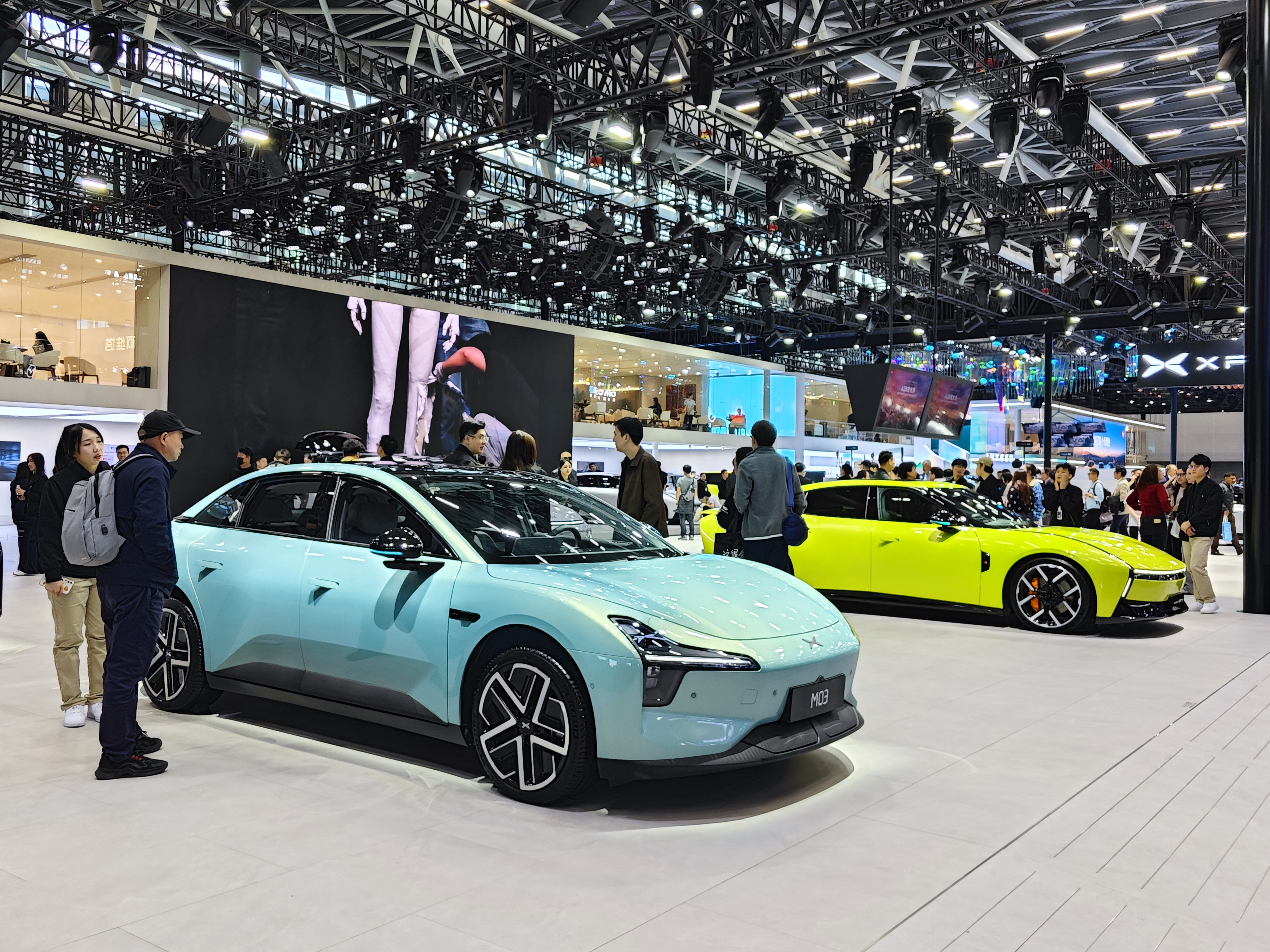
Source: Footage shot on - site by Electric Vehicle Connect
On the contrary, the traditional car - company camp has brought enough freshness: Joint - venture brands have brought multiple new - energy transformation models, such as the GAC Toyota bZ7 and the Audi E SUV concept car. Domestic brands have shown their new - product line - ups, such as the Geely Galaxy V900, the first MPV prototype of BAIC ARCFOX, and the Exeed ES HERO. The density of new - car launches and the innovation level of traditional car companies at this auto show are significantly higher than those of new - force brands.
Digging deeper into the core logic behind this contrast, Electric Vehicle Connect believes that there has been a fundamental difference in the positioning and perception of the Guangzhou Auto Show between new - force brands and traditional brands.
For traditional brands, the Guangzhou Auto Show is not only the "final battle" in the domestic auto market but also the "wind vane" for next year's strategic layout. In addition to using the exhibition's popularity to boost year - end sales, they also need traffic to drive terminal sales and pre - heat next year's product layout.
However, the positioning of the Guangzhou Auto Show by new - force brands has already gone beyond this traditional logic.
Source: Footage shot on - site by Electric Vehicle Connect
The core factors determining a company's survival and development are real sales volume and profit level. There is always uncertainty about whether the "traffic popularity" of the auto show can be efficiently converted into real orders. According to the on - site visits of Electric Vehicle Connect, at present, the core users of new - force brands rely more on online channels to obtain information. The product prices and configuration information are transparent and unified. New - product launches, technology interpretations, and order conversions can all be efficiently completed through online channels. Offline stores mainly undertake the needs of users for test drives, delivery services, and after - sales support, without over - relying on the offline traffic of the auto show.
Further, after several years of rapid expansion, more and more new - force brands have achieved profitability, but many of them have done so through the approach of "cost reduction and efficiency improvement".
This is in line with the product - launch rhythm of new - force brands. Many blockbuster new products were concentratedly launched at core mid - year events such as the Shanghai Auto Show and the Guangdong - Hong Kong - Macao Greater Bay Area Auto Show. After months of continuous promotion and market preparation, the popularity and user awareness of these models have reached their peaks, and the sales conversion rate of sales staff is high. At this time, the Guangzhou Auto Show is more suitable as a "window for summarizing annual achievements" rather than the main battlefield for new - product premieres.
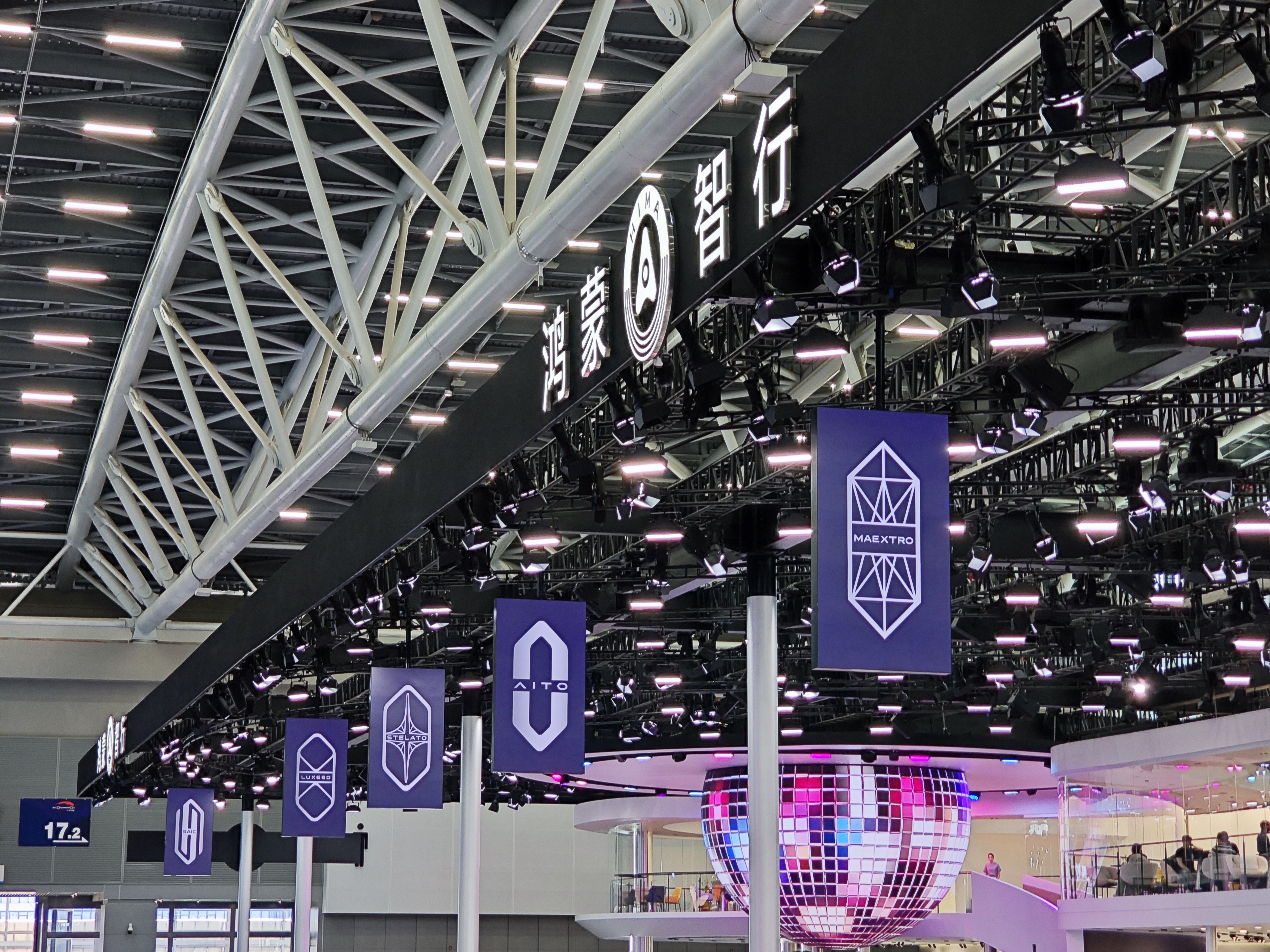
Electric Vehicle Connect noticed that the booth - decoration styles of most new - force brands are generally simple and practical. Brands like Hongmeng Zhixing and Ledao have even directly continued the mature decoration materials from previous large - scale auto shows without increasing too much booth - construction cost, reflecting the idea of "cost reduction and efficiency improvement" in hardware investment.

Source: Footage shot on - site by Electric Vehicle Connect
Therefore, in the face of the Guangzhou Auto Show with uncertain traffic - conversion efficiency and high investment costs, new - force brands have chosen a more conservative communication strategy. This is not a sign of disrespect for the auto show but an inevitable path for the industry's transformation from "traffic competition" to "sales competition".
Are Traditional Brands' High - End New - Energy Vehicles Going to Follow the Old Path of New - Force Brands?
As mentioned earlier, the number of visitors on the media day of traditional brands is higher than that of new - force brands. Especially for the high - end new - energy sub - brands under traditional brands, with more new cars on display, there is a constant stream of people in front of their booths, and the popularity remains high. On the surface, having a large number of new cars and a complete product matrix seems to be the "sure - fire way" for traditional high - end new - energy brands to attract visitors.
However, through the observation of Electric Vehicle Connect, it seems not to be the case: For the media, paying attention to new cars is an inevitable attribute of industry reporting, which is a "routine move". What really stimulates the media to actively report are more topical marketing methods such as celebrity appearances and cross - border interactions.
At this year's auto show, several high - end new - energy sub - brands under traditional brands are active practitioners of such strategies.
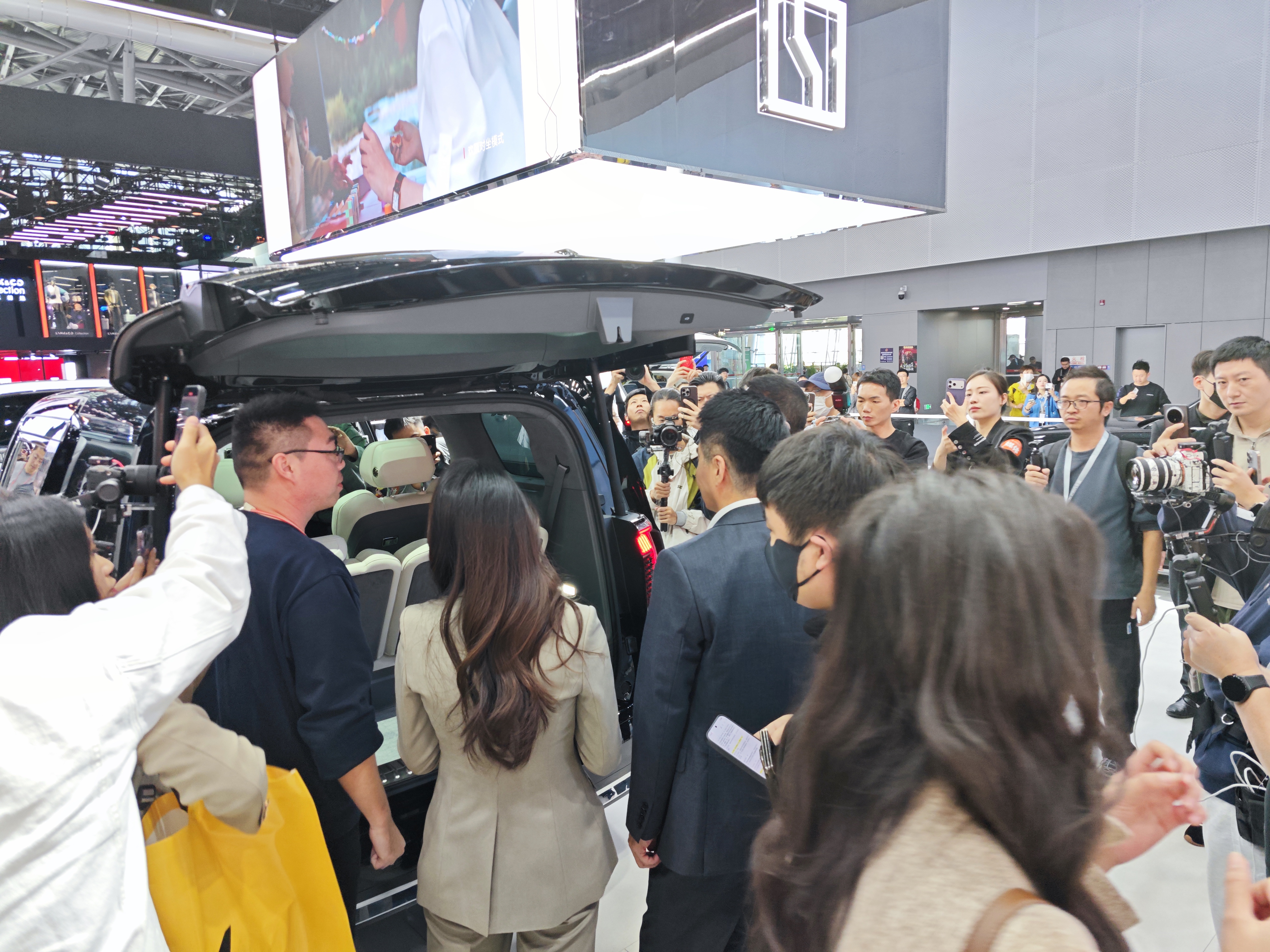
For example, the Zeekr booth invited actors Wu Gang and Xu Yajun for interaction; the Voyah brand precisely targeted the local Guangzhou market and invited actors such as Li Guolin, Luo Yingjun, and Yi Tianxiong to experience new cars like the Voyah Free and Voyah Dreamer and interact smoothly with the Hongmeng cockpit in Cantonese.
Source: Footage shot on - site by Electric Vehicle Connect
These celebrity appearances not only bring natural topical traffic to the brands but also make the new - car launch sessions more communicable. They seem to attract the media more than simple product explanations, which is also one of the commonly used marketing methods of new - force brands in the past few years.
However, Electric Vehicle Connect noticed a detail. The media chasing topics are in the center of the traffic whirlpool, but car - buying consumers and readers who follow industry trends are the sources of the traffic driven by the media. Among the traffic brought by celebrities, the proportion of high - intention car - buying users is not high.

Source: Footage shot on - site by Electric Vehicle Connect
Celebrities bring their own traffic, and it is understandable for car companies to use celebrity marketing to attract more users. However, it should be noted that over - relying on such methods essentially reflects the "avoidance of key issues" of some traditional high - end new - energy brands when facing market competition.
When brands invest a large amount of resources in traffic costs such as celebrity appearance fees and public - relations communication, it will inevitably squeeze the investment in core areas such as technology R & D, user service, and channel optimization. As consumers become more rational, it is difficult to persuade them to make a car - buying decision with just a "one - time experience" or a "single recommendation" from a celebrity.
What really affects users is always the hard - core strengths such as technical reliability, brand heritage, battery - range performance, and charging convenience, rather than the halo of the standing - on - stage celebrities.
Conclusion
The Guangzhou Auto Show is at a crucial transitional time node, clearly showing the profound changes taking place in the automotive industry. On the surface, there is an obvious contrast between the large number of premiere new cars and the low enthusiasm of visitors, which is completely different from previous auto shows. In fact, it better reflects the fundamental divergence in the development paths of new - force brands and high - end new - energy brands.
Most new - force brands have only been around for a few years. As the competition in the new - energy vehicle market intensifies, corporate profitability has become a major challenge they must overcome, which is why they are showing a mature transformation from the past "creating momentum" to "being practical".
Source: Footage shot on - site by Electric Vehicle Connect
Traditional brands have relatively deep technological accumulations and complete industrial chains. Their high - end new - energy sub - brands are "born with a silver spoon in their mouths".
Compared with new - force brands, most of these brands do not have a large market share. Therefore, they need to invest more funds to compete for market voice. Even though the quality and conversion efficiency of this traffic are questionable, they are willing to do so.
Of course, whether it is the practical transformation of new - force brands or the electrification offensive of traditional brands, they all need to prove their value in the process of market testing. In the future, the competition in the automotive industry will return more to the essence, focusing on technological innovation, user - service experience, cost control, and the sustainability of business models.
Those who can take root the deepest will be the ones who laugh last in the future.
This article is from "Electric Vehicle Connect" and is published by 36Kr with authorization.