Elon Musk's 10-year OKR exposed: 12 devilish hurdles. No wonder he gets a trillion-dollar compensation.
Tesla's game rules specially designed for Elon Musk are here!
Elon Musk's trillion - dollar compensation was finalized at the shareholders' meeting, but new questions have also arisen:
How difficult is it to get this money?
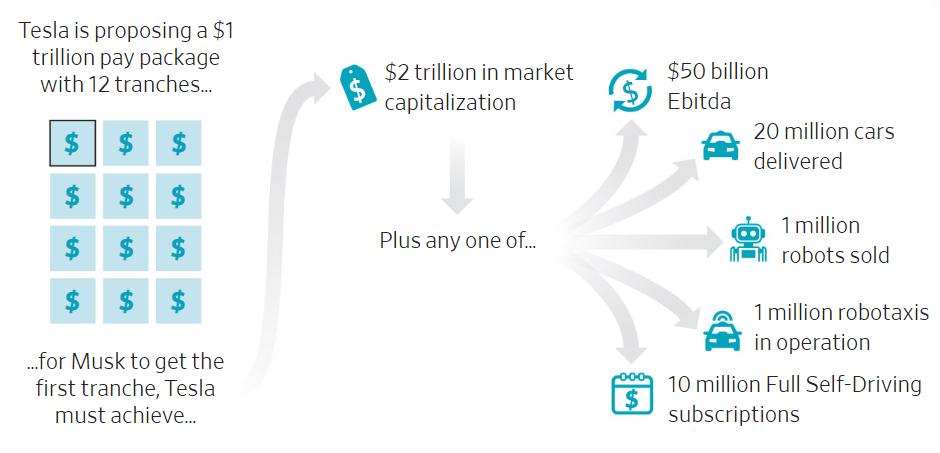
After all, this money is certainly not given for free. There are 12 levels of OKRs waiting for him to clear... If he fails to reach even a single small goal, Musk won't get a single cent.
Just when the outside world was curious, the documents Tesla just submitted to the U.S. Securities and Exchange Commission (SEC) exposed Musk's entire compensation structure.
Exposure of Elon Musk's Trillion - Dollar Compensation Plan
This compensation plan refers to the latest pay slip of Elon Musk that we introduced not long ago. It was approved at the shareholders' meeting last Friday with a 75% approval rate.
But the money won't immediately end up in Musk's pocket. He still has to achieve the devilish goals set by Tesla. As before, these goals are also divided into 12 levels.
Tesla is really efficient. Just after a weekend, the relevant documents have been submitted to the U.S. Securities and Exchange Commission, and the unlocking thresholds for each level have also been clearly revealed.
Without further ado, let's directly look at the plan:
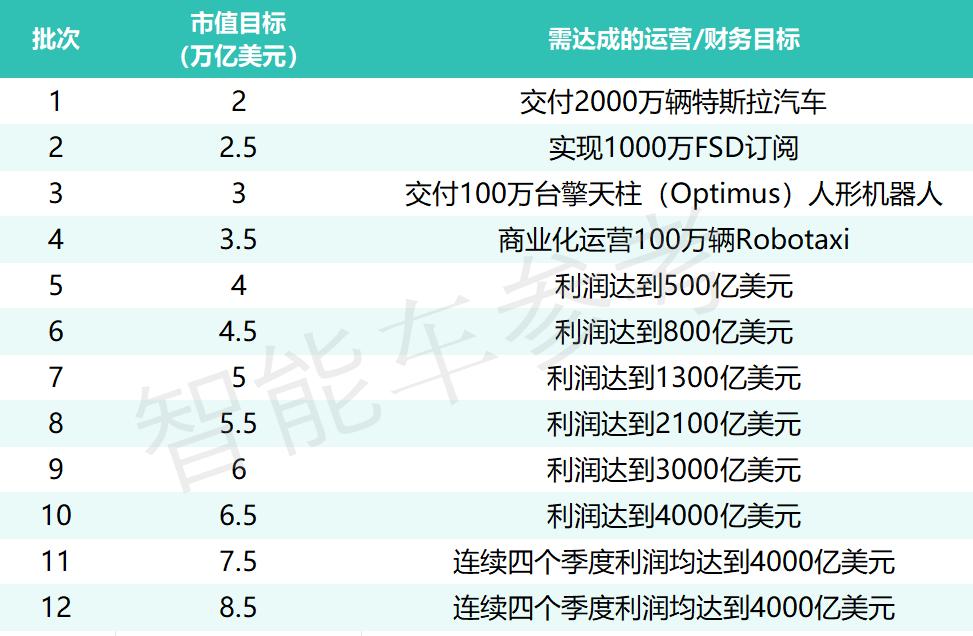
It's not hard to find that each batch of goals consists of a market value target plus an operating performance or financial target.
Early - stage goals mainly focus on product compliance, gradually achieving Tesla's vehicle delivery volume, FSD subscription volume, Optimus robot delivery volume, and Robotaxi fleet size. Each step is an important growth curve for Tesla.
In Musk's view, this is the necessary path to achieve "accelerating the world towards sustainable prosperity" after he gains more control over Tesla.
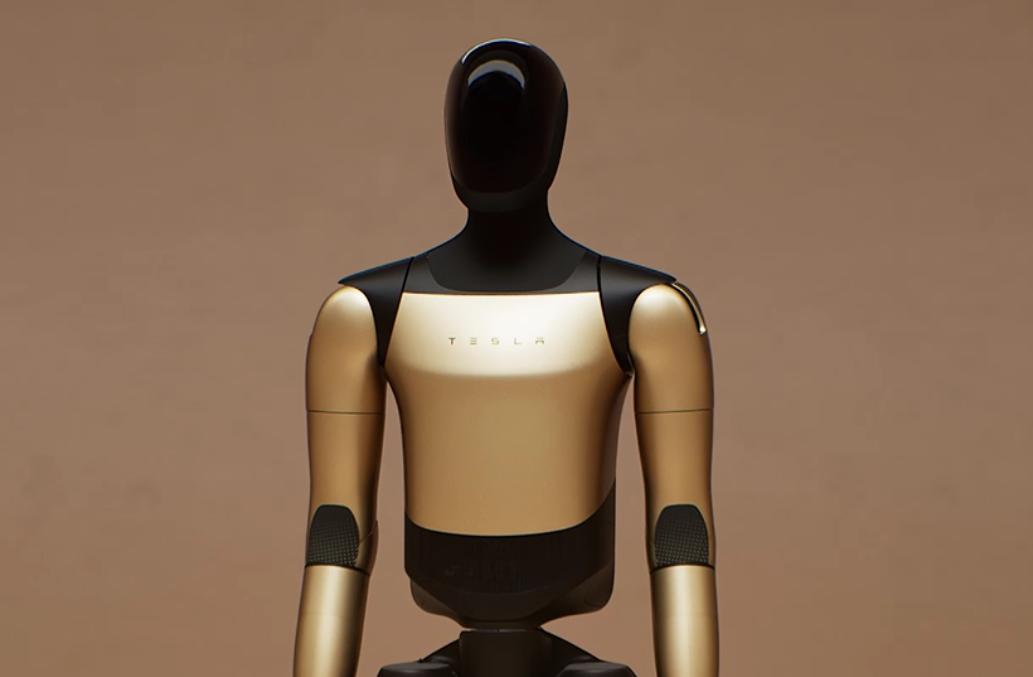
Especially regarding robots, Musk believes that the cars manufactured by Tesla are essentially four - wheeled robots, and Tesla is already the world's largest robot manufacturer.
In his eyes, humanoid robots will be the greatest creations in history. Everyone will want to own one in the future, and it is also the ultimate goal he is planning.
After unleashing the imagination of products, it's time to focus on the company's profitability.
Therefore, in the later stage of the compensation plan, profit (adjusted EBITDA) of Tesla is used as a condition.
The minimum profit needs to reach $80 billion (approximately 569.5 billion yuan), and then the increase is incremental. The maximum profit needs to reach $400 billion (approximately 2.8 trillion yuan).
The maximum market value also needs to reach $85 trillion (approximately 605 billion yuan), far exceeding that of NVIDIA, the current market - value leader.
Especially for the last two levels of goals, Musk is required to lead Tesla to achieve a profit of $400 billion for four consecutive quarters, that is, a profit of at least $1.6 trillion (approximately 11.4 trillion yuan) a year.
What does this mean?
According to the Fortune Global 500 list in 2025, the world's most profitable company is Saudi Aramco, with an annual net profit of $105 billion (approximately 747.4 billion yuan) in 2024. In contrast, Tesla's net profit in 2024 was $7.15 billion, less than one - tenth of the former.
Musk needs to multiply the company's profit by 223 times in 10 years, with an average daily net profit of 3.1 billion yuan, more than 15 times that of Saudi Aramco last year.
At least for now, it's not an exaggeration to call it nonsense. However, the explosive power of the world's richest man may indeed exceed imagination.
If he gets all the rewards, Musk's shareholding ratio in Tesla will increase from 13% to about 25%.
Calculated based on the highest market value at that time, the value of his newly - added stocks will be $1 trillion, which has never happened in human history. Musk's personal wealth will exceed the economic scale of most countries in the world.
But then again, if Musk fails to complete even one level, or if the company ultimately fails to deliver the shares, he will end up with nothing, and even the most generous promises will come to nothing.
After all, although Musk has already met all the requirements of the previous compensation plan established in 2018, he still hasn't received the rewards yet.
The Previous Compensation Plan: $55.8 Billion Not Received
In 2018, Tesla implemented a 10 - year stock option incentive plan for Musk.
However, Tesla's situation at that time was very different from now. It was once deeply trapped in the "production hell," with tight cash flow and numerous difficulties. The previous year, it was still in a loss of $2.2 billion (approximately 15.69 billion yuan).
Tesla placed its hopes on Elon Musk, a serial entrepreneurial success story, and proposed a compensation incentive plan:
He would receive no salary or bonus at Tesla. Instead, he would be rewarded with 100% performance - based stock options, with a maximum value of $55.8 billion, and he would need to work at Tesla for 10 years.
The goals were also unlocked in 12 batches, also closely linked to market value and operating goals:
Starting with a market value of $100 billion (approximately 713 billion yuan), each batch required Tesla's market value to increase by $50 billion, with the final market value reaching $650 billion.
At the same time, both revenue and profit needed to meet the standards. Each of these two indicators had 8 levels. The minimum revenue requirement was $20 billion, and the minimum profit was $1.5 billion.
For Tesla, whose market value was less than $60 billion at that time, these goals were astronomical figures.
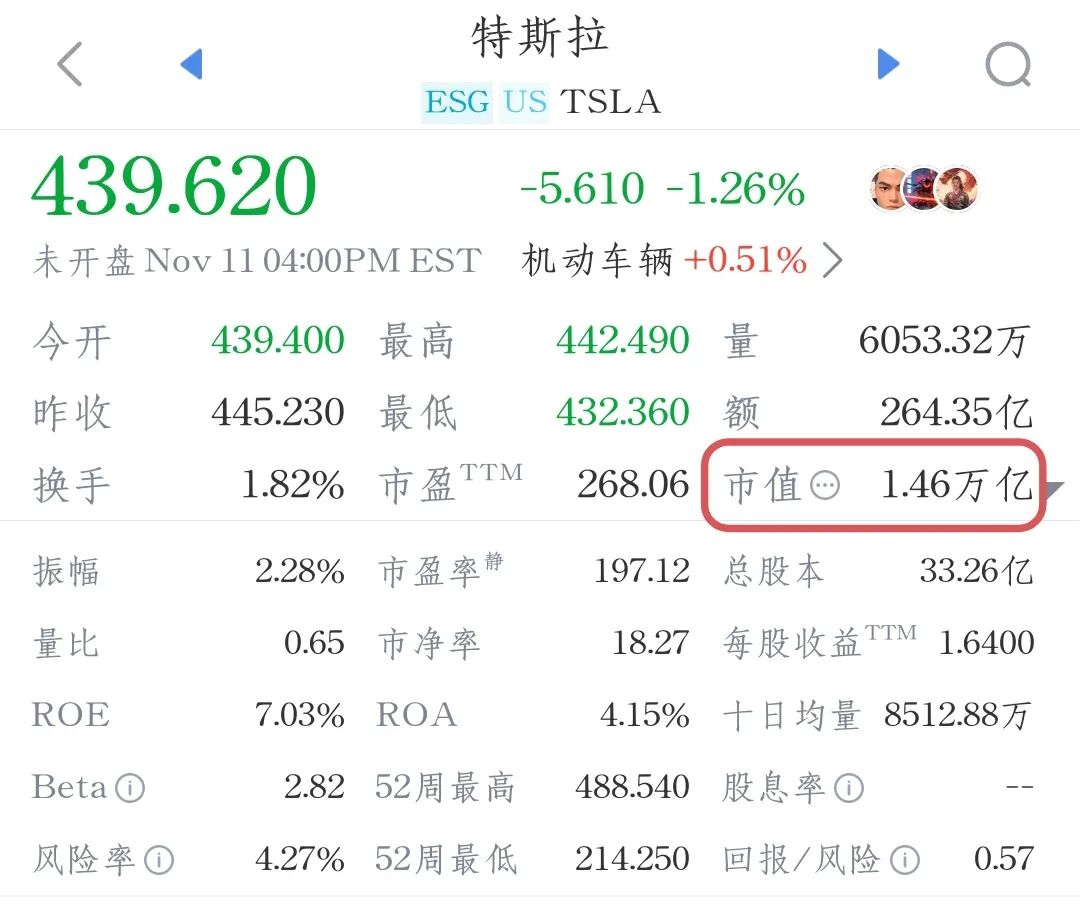
But Musk's capabilities are obvious to all. He not only achieved all the goals but also met them ahead of schedule. Tesla's market value has broken through the $1 trillion mark several times and is now $1.46 trillion.
However, obtaining these options has been quite a bumpy ride and still hasn't been successfully realized.
At the beginning of last year, the Delaware court ruled the plan invalid, stating that "there were significant problems in the approval process," including misleading information disclosure and non - independent board decisions.
Later, the plan was passed again at the shareholders' meeting in June, but unexpectedly, it was again ruled invalid by the court and sent back. The appeal still has no result.
But it has to be said that this kind of compensation incentive method can work wonders. The effect is amazingly good, just like a carrot hanging in front of one's forehead, tempting the CEO to lead the company to make great progress.
So, some in the automotive industry are imitating this kind of salary incentive, and some new domestic car - making forces have already started trying it.
Domestic CEOs Also Learn to Use Salary Incentives for Bosses
Li Xiang and He Xiaopeng are both CEOs struggling under this kind of compensation incentive mechanism, and their approaches are more straightforward.
Ideal's option plan was launched in 2021. The total incentive scale is approximately 108 million Class A common stocks, which will be granted in 6 batches, with each batch being about 18 million shares.
Ideal's plan doesn't consider market value and profit but only focuses on sales volume - starting from 500,000 vehicles and reaching a maximum of 3 million vehicles, with each stage increasing by 500,000 vehicles.
When the compensation incentive plan was announced, Ideal's total sales volume in 2020 was 32,600 vehicles, ranking between NIO and XPeng's sales. Sales started to skyrocket in 2023 and just exceeded 500,000 vehicles in 2024.
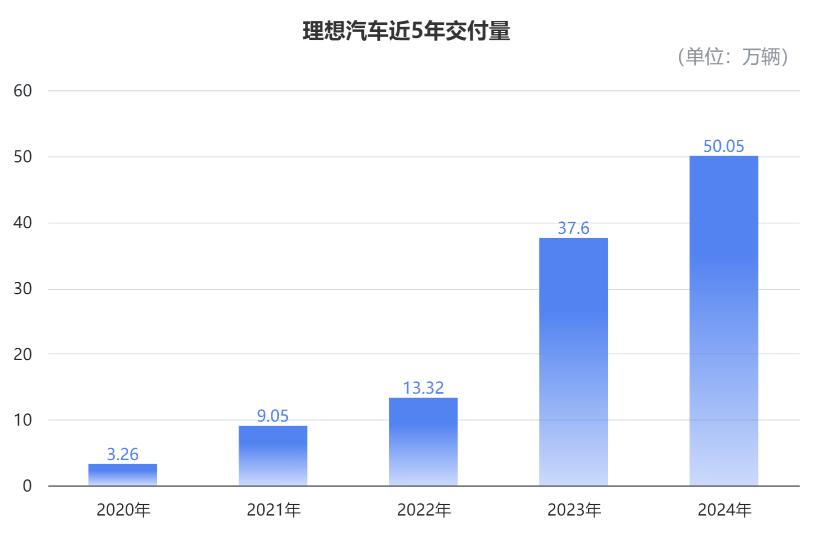
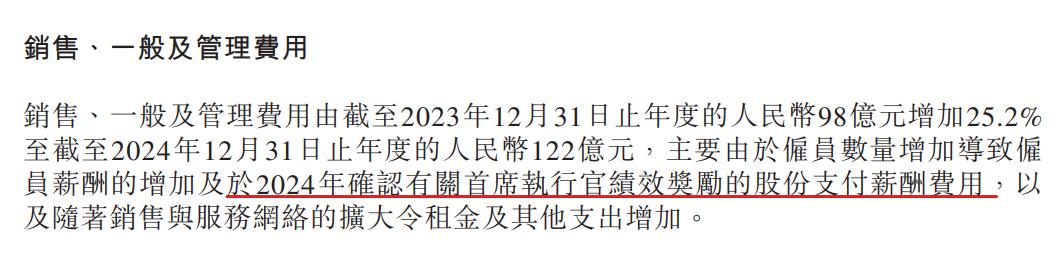
So, CEO Li Xiang successfully unlocked the first - level performance incentive, worth 600 million yuan, and the company's annual report also shows that the relevant expenses have been recorded.
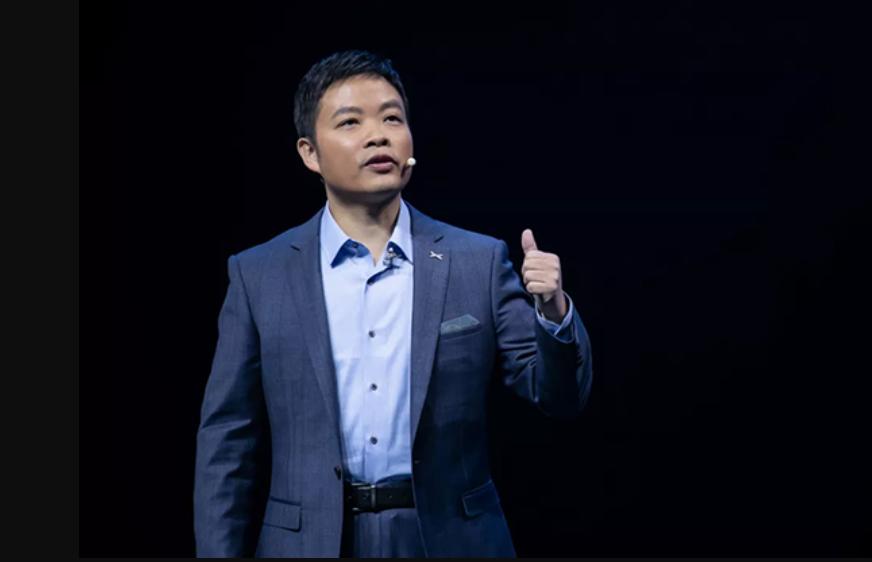
XPeng's incentive plan was proposed in March this year, granting CEO He Xiaopeng 28.51 million restricted shares. The company focuses on market value.
Specifically, it can be divided into three stages of vesting, with each stage corresponding to a stock price target, namely HK$250, HK$500, and HK$750.
Only when the arithmetic average of the closing prices for 30 consecutive trading days reaches the stock price target can He Xiaopeng receive one - third (9.5 million shares) of the shares corresponding to that stage.
And it must be completed within ten years. During this period, He Xiaopeng must remain employed by the company; otherwise, the plan will be invalidated.
When the plan was publicly disclosed, XPeng Motors' Hong Kong stock price was approximately HK$90, and its market value was around HK$172 billion.
So, what is XPeng's current Hong Kong stock price?
At today's close, XPeng's stock price was HK$105.2, with a market value of HK$200.9 billion. It not only leads among new car - making forces but also exceeds SAIC and Geely in the second - tier of automobile companies' market value, closely chasing Seres (today's Hong Kong stock closing market value is HK$201.2 billion), the second - ranked automobile company in terms of market value.
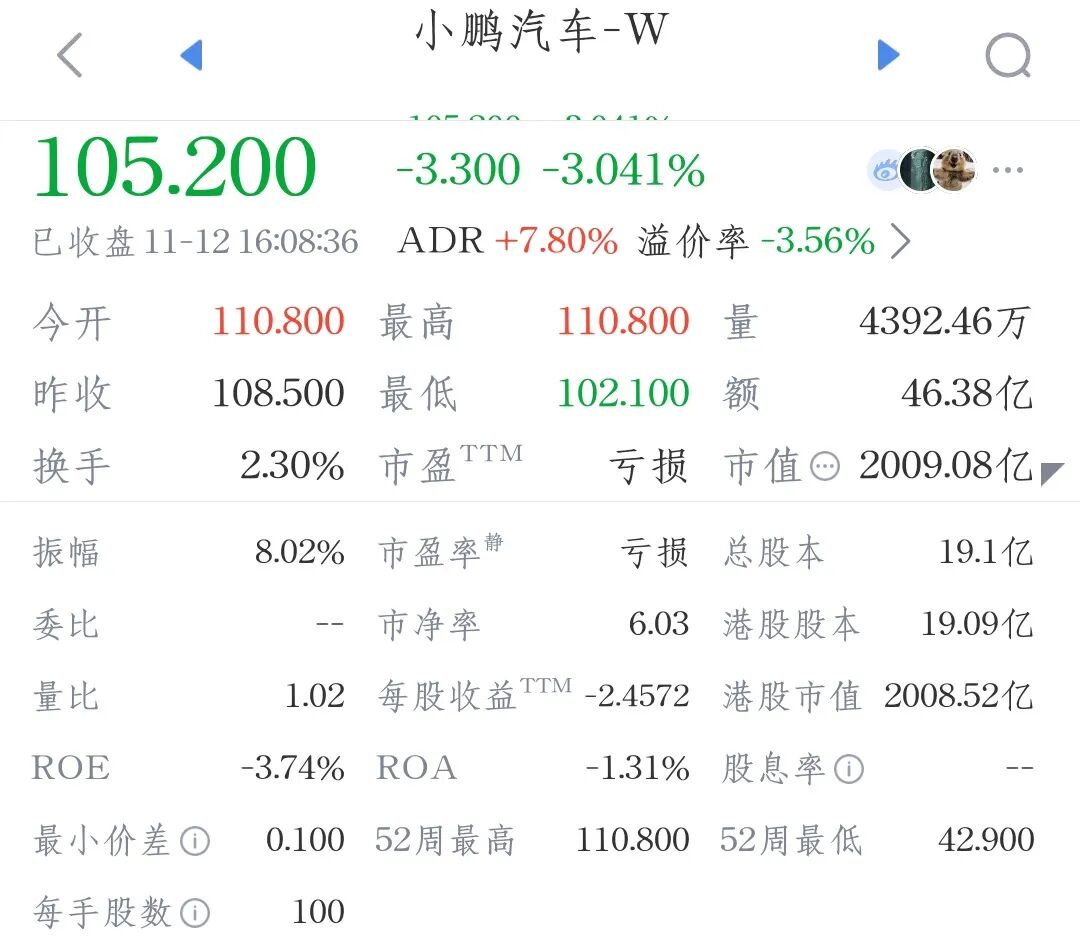
Of course, the recent sharp rise in the stock price is mainly related to XPeng's recent progress in AI and robotics.
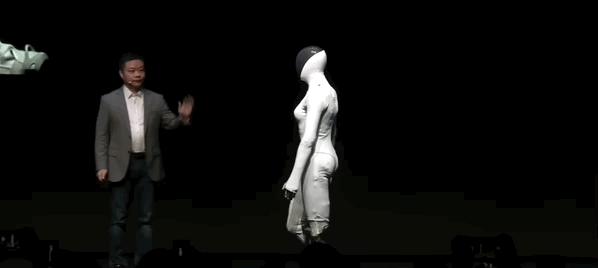
But who else but He Xiaopeng could tell this story well?