Altman bets on a 27-year-old mysterious young man to "resurrect" the world's top laboratory
A 27-year-old founder who is almost "invisible" on the Internet has won heavy bets from both Altman and Masayoshi Son, and boldly claims to build a "modern Bell Labs."
A 27-year-old unknown figure has won the favor of both Altman and Masayoshi Son.
Louis Andre, you've definitely never heard of this person. There's almost no information about him on the Internet.
But starting Monday, Andre will be in the spotlight.
Altman and Masayoshi Son are backing him with real money to build the Ultra Project of the modern Bell Labs.
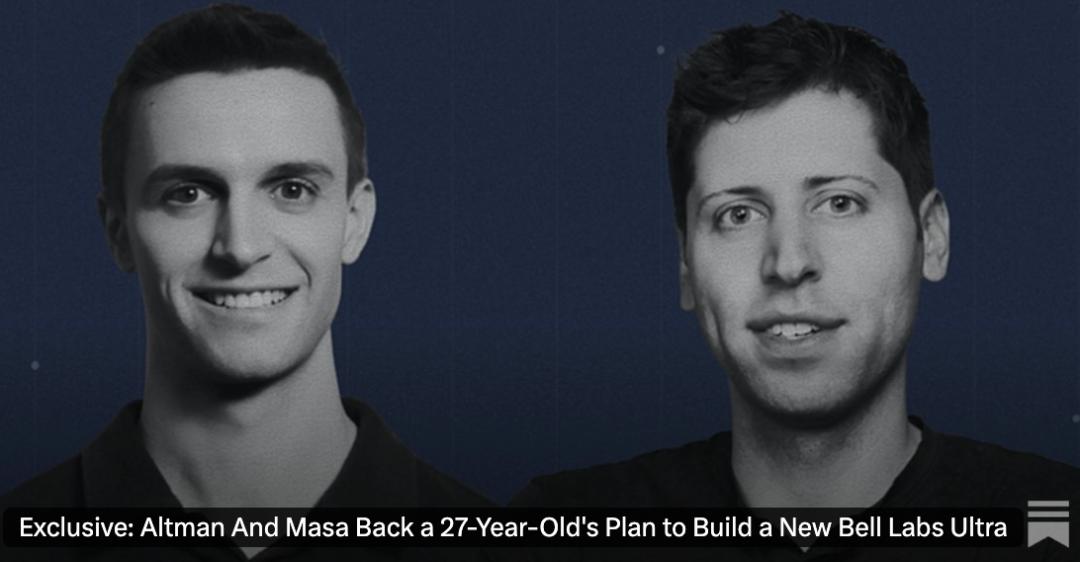
The strange thing about this is that there's very little information about Louis Andre on the Internet.
Normally, for an investment of this level, the investee usually has some achievements to prove their ability or boost the investor's confidence.
But this 27-year-old young man is very mysterious. He also has almost no followers on X.
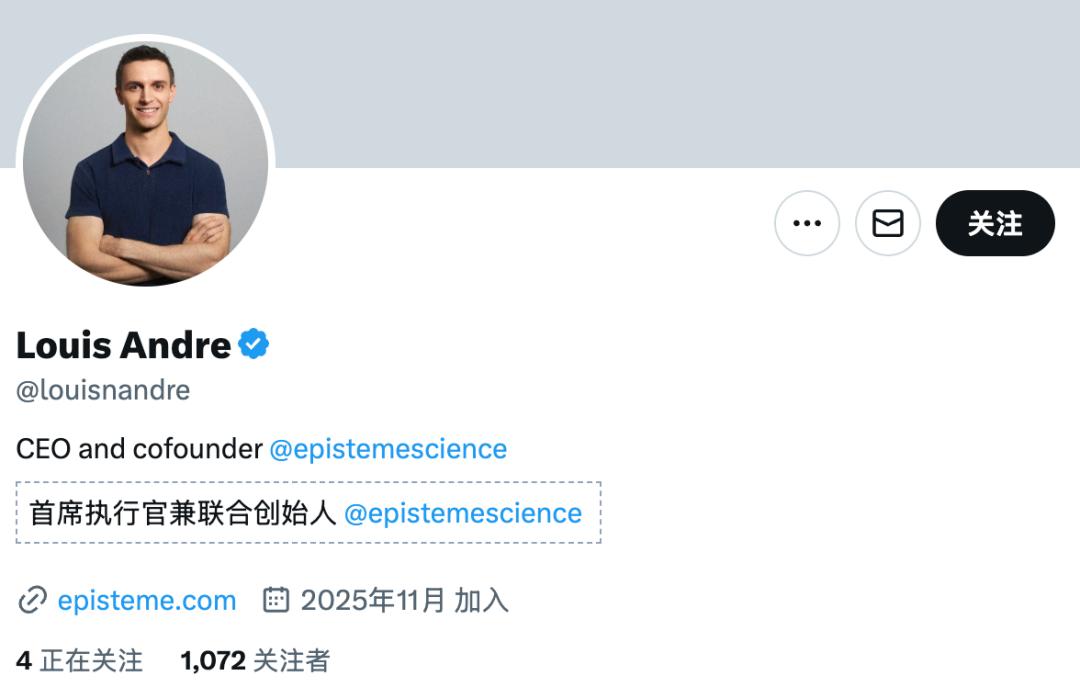
According to an exclusive report by foreign media, he grew up in Europe. His mother is French, and his father is from Madagascar.
Andre initially studied neuroscience and computer science at University College London and then moved between the laboratories of Princeton University and Stanford University.
He also worked at a biotech startup related to Parkinson's disease funded by Sergey Brin.
Sergey Brin is the co-founder of Google. He stepped down from the position of President of Google's parent company, Alphabet, in 2019 but remains a director and retains controlling equity.
He has long been at the top of the Forbes Real-Time Billionaires List; as of now, he's about 5th, with a net worth of about $213.6 billion.
Reviving the Glory of Bell Labs
The new company officially unveiled by Andre is called Episteme (Episteme comes from the Greek word for knowledge).
This company has received support from Altman, Masayoshi Son, and several (currently undisclosed) investors.
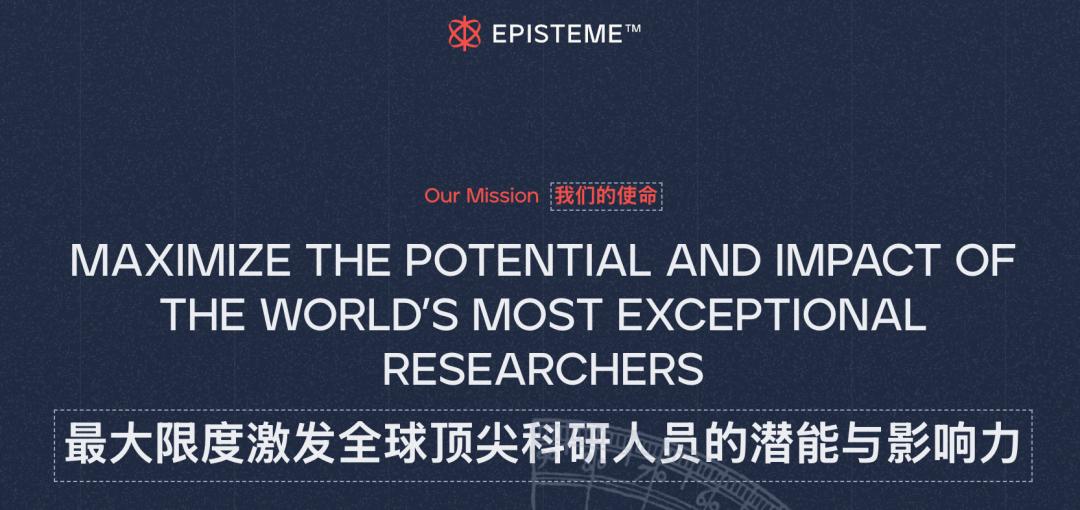
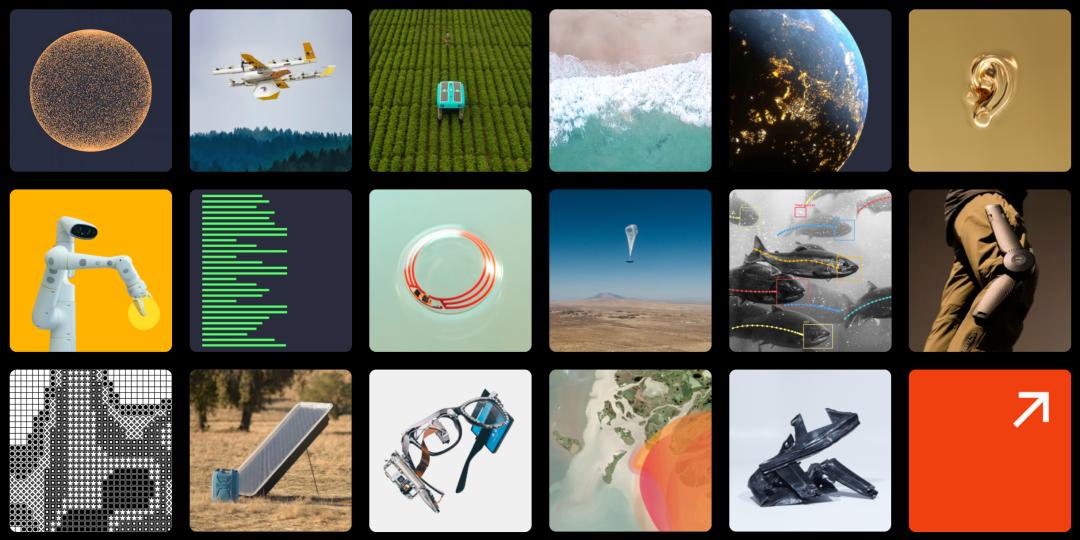
This San Francisco-based company is committed to building a modern version of Bell Labs or Xerox PARC, aiming to attract top scientists from around the world to jointly develop diverse products with breakthrough potential.
Bell Labs is the "gold standard" for industrial research institutes.
From information theory, transistors, CCDs, Unix/C, to satellite and cellular communications, all were born or matured here. It conducts both basic science and implementable engineering and standards, having a profound impact on the global information technology landscape in the 20th century.
Xerox PARC can be said to be the "cradle" of personal computing and human-computer interaction.
The personal computer, graphical interface, WYSIWYG, Ethernet, object orientation, laser printing, etc., were all pioneered here. It emphasizes paradigm innovation in "how people use computers." The results were later widely industrialized by companies like Apple, Microsoft, and Adobe and remain an important cornerstone in the computing field in the era of personal computers and the Internet.
Andre believes that the current scientific research system disappoints many talented researchers.
"We want to step in and support those truly visionary researchers who are eager to engage in meaningful research but feel trapped or see no future in the existing system."
He wants to revive the glory of Bell Labs back then.
The origin story of Episteme dates back to a conversation between Andre and Altman a few years ago.
The two discussed the common dilemma in the scientific research community - most of the world's most outstanding academic minds spend their time writing grant applications, handling administrative affairs, and publishing papers instead of focusing on real research.
Meanwhile, startups supported by venture capital often face short-term financial pressure and have difficulty giving enough room for growth to the most ambitious and risky ideas.
"What should we do about this," Andre recalled. "We must try a different path."

The best publicity photo that Andre and Altman could provide
The core of the solution they envisioned is to provide researchers with generous salaries, laboratory resources, and the opportunity to hold shares in Episteme.
This means that scientists can be free from fundraising pressure and grant application paperwork and devote most of their time to scientific research exploration.
In addition, Episteme also hopes to help researchers turn their ideas into blockbuster products.
The model they've established allows the research departments of large companies to have relative freedom to pursue grand and risky ideas.
Scientists are, to some extent, protected from high-level management intervention and don't have to submit to the company's core business and profit considerations.
The technology industry and Silicon Valley followed this model until the 1990s and even the early 21st century.
IBM used to set up laboratories across the country, and its Almaden Research Center in San Jose was particularly prominent.
In that building set in a rural landscape, scientists could freely conduct basic research.

However, by 2025, most of these laboratories no longer exist or have lost their former glory.
Google X Lab is the latest attempt to replicate these traditional laboratories in the contemporary era - but its success has been mixed.
Under the pressure of appeasing shareholders every quarter, management often has to abandon supporting those freely operating but costly research departments.
Many companies also choose to rely on the vibrant startups in Silicon Valley, acquiring innovative results through acquisitions rather than cultivating them independently.
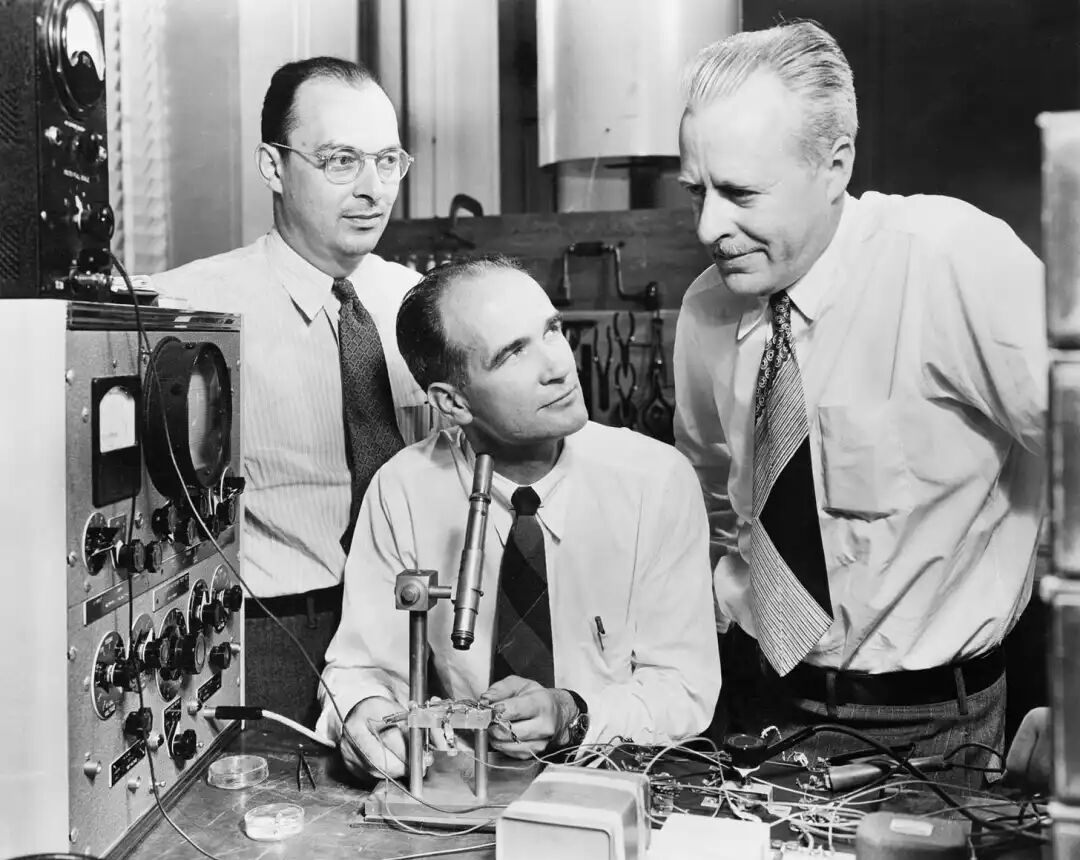
The inventors of the transistor at Bell Labs. William Shockley (center) left Bell Labs to take care of his mother in Palo Alto and later founded a transistor startup in Mountain View. In the process, he parted ways with the best engineers but accidentally gave birth to the semiconductor industry.
Andre said that the Episteme team has identified about 2,400 researchers they hope to recruit.
However, the company has currently recruited 15 scientists from fields such as energy, computing, and neuroscience as the founding team.
This initial team will work at a facility in San Francisco, but Andre hopes to set up multiple Episteme offices around the world in the future.
"We mainly evaluate three key dimensions," Andre said. "First is the scientific value of their research results, second is the technical implementation and execution ability, and the third, perhaps the most important - their vision for change. We need those with deep personal motivation and unique insights into the future world."
Both Andre and Altman confirmed that Episteme does have a commercialization vision.
Researchers will be regularly evaluated, with the expectation that the products developed by scientists will enable the company to be self-sustaining.
However, the two also emphasized that they hope to give researchers maximum freedom and time.
"I'll reduce the pressure on them as much as possible," Altman said. "I think the research results will come naturally when they're mature. Some projects take two months, while others take ten years. Louis' vision of building a long-term research institution coincides with mine."
Altman refused to disclose the specific amount he invested in Episteme, and Andre also didn't announce the total financing amount to date.
What's certain is that Episteme isn't one of Altman's major bets like his investments in Helion, Retro Bio, and World.
Andre said that in addition to Altman and Masayoshi Son, there are other supporters who have agreed to invest in Episteme, and these investors are mentally prepared for the possibility of not seeing returns for many years.
Even the slightest thought of building an institution as productive as Bell Labs or Xerox PARC at their peak may seem exaggerated.
The resources required are astronomical.
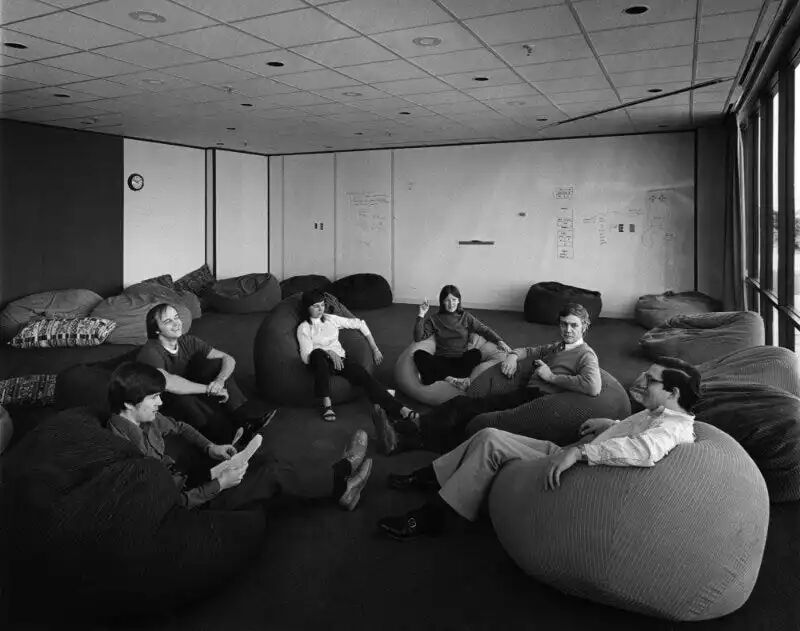
Scientists and engineers smoking cigarettes on bean bags at Xerox PARC, discussing grand ideas
Episteme clearly enters the stage with the usual fantasy color of Silicon Valley.
It will search the world and carefully select those intelligent and unconventional talents.
It will bring together elites from different academic backgrounds, expecting them to inspire each other through the collision of ideas.
It will provide researchers with all the support they dream of and may even allow them to achieve financial freedom in the process.
The modern Bell Labs: either surpass or fail.
"Some people will say this sounds overly idealistic," Andre said. "But I think it's a good thing. In this world full of uncertainty and unpredictability, it's crucial to maintain a moderate amount of idealism."
Not a Simple "Replica of Bell Labs"
Episteme isn't a public welfare research institute but a clear corporate entity (Episteme, Inc.). Researchers receive high salaries and hold shares, emphasizing turning research into "blockbuster products."
This means it's more like a combination of a research-based company and a venture capital incubator rather than a traditional academic institution.
But don't ignore the scale gap: If you want to learn from Bell Labs, you have to recognize the cost of scale.
At its peak, Bell Labs had about 25,000 people and 3,300 doctors; PARC also gathered half of the world's top computer scientists at that time.
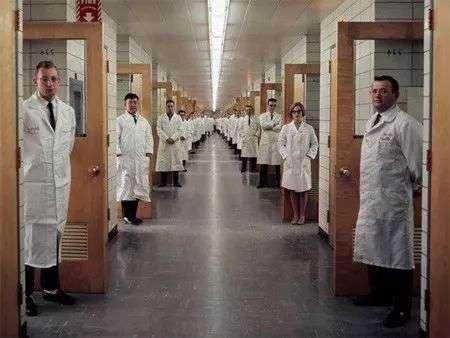
Episteme is only recruiting 15 people in the first batch and targeting about 2,400 candidates globally.
To approach the output level of "Bell Labs," there needs to be an order-of-magnitude increase in funds, man-days, and facilities. This is a long-term hard constraint.
Don't forget the classic lesson: The "value capture" problem of PARC must be solved head-on.
PARC made countless inventions, but its parent company didn't get the due returns many times (the GUI, Ethernet, etc., were industrialized externally).
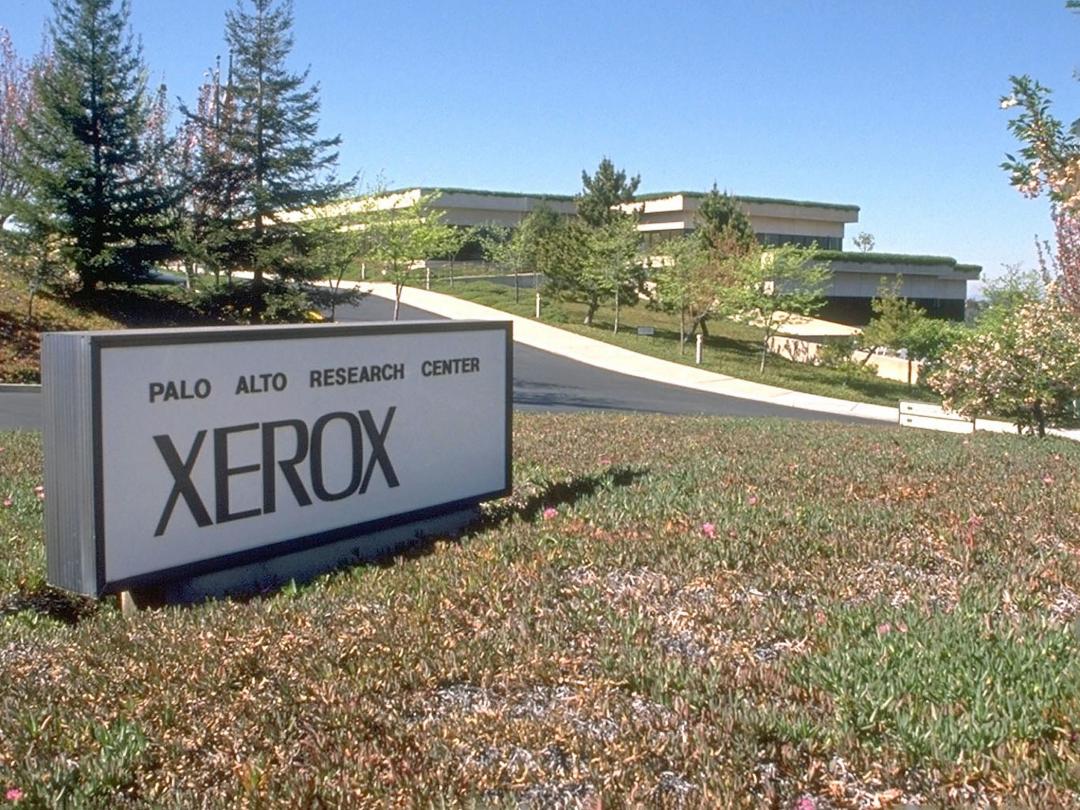
If Episteme wants to make "platform-level breakthroughs," it must pre-embed handles in IP, incubation, and industrial alliances; otherwise, it's easy to repeat the scenario of "technology going out but value being lost."
Another key point lies in the patience of funds and the tension of assessment.
Although both Altman and Andre admit that they will conduct regular evaluations, the time frame can be as long as ten years; at the same time, they emphasize giving enough freedom.
This tug-of-war between "freedom - milestones" will be the primary problem in organizational operation.
Of course, the most crucial thing is the founder.
The setting of a 27-year-old founder with very little online footprint has increased external attention on the "ability to select people" and the "recruitment system behind."
The advantage is that the institutional brand is greater than the individual; the risk is that the early trust cost is higher, and the outside world will magnify the success or failure of each public milestone.
Of course, let's not forget that OpenAI was also initially a young Altman who impressed Elon Musk, using Musk's influence, and finally grew into the giant it is today.
Perhaps this is the charm of entrepreneurship and investment, and even more so, the charm of belief.
Reference materials:
https://x.com/ashleevance/status/198792867