How much longer will electric vehicles remain "inhumane"?
From being called the "electric headache" to becoming the mainstream vehicle, electric cars have shattered various doubts about driving range and charging efficiency over the years. However, they also come with glass sunroofs, all - touch large screens, and hidden door handles, and have been going full - steam ahead on the "anti - human" path in recent years.
The Soviet jokes, a gem of human culture, have even updated a wave of materials because of this:
"An electric car is like a window in a Moscow winter. It looks crystal clear, but those who have really experienced it know where to stick the insulation layer."
"What if the law doesn't allow you to play with your phone or tablet while driving?" "Enlarge it, stick it on the center console, and name it the in - car infotainment system."
"Designer, why can't I open the hidden door handle of this car?" "Because you made a mistake in the direction. You should press it to the right and then pull it to the left."
The bad news is that humans have been struggling with these "three torturous features" of electric cars for over a decade. The good news is that such days should be numbered.
The Dragon - Slayer Becomes the Dragon
The dragon was often once a dragon - slayer. The hated technologies also often initially appear in the guise of progress.
In 2012, the debut of the Model S opened up the race track for intelligent electric cars. Time magazine named the Model S one of the best inventions of the year, and The Daily Telegraph called it "the car that changed the world" two years later.
However, while Tesla defined the basic product form of intelligent electric cars, it also brought three iconic features of electric cars that often make it onto the hot - search lists: glass sunroofs, all - touch large screens, and hidden door handles. In the following decade or so, the area of the single - piece glass sunroof on Tesla models has become larger and larger, the number of physical buttons has become fewer and fewer (even the gear lever is gone), and the traditional mechanical door handles have disappeared.
In Tesla's ideal narrative, it aims to lead the following trend:
Let those complicated and obtrusive mechanical components disappear from the car as much as possible. Replace passive feedback with the car's active intelligence to achieve simple lines, complete surfaces, and elegant interactions inside and outside the car. This is what a futuristic, self - driving intelligent car deserves.
In 2012, consumers, the media, and automotive industry insiders who had been deeply influenced by the industrial design and interaction concepts of the iPhone clearly thought that Tesla had inherited Apple's mantle.
Unfortunately, Tesla's self - driving technology has been repeatedly delayed, and its intelligent voice system has often failed, making the above choices lose the necessary conditions to demonstrate their advanced nature.
What's even more unfortunate is that many car companies adhere to the principle of "taking what they need." After capturing the genetic fragments of Tesla's engineering design, they grafted them into their own DNA sequences, and a mutation has swept through the automotive industry.
Except for the glass sunroofs that almost all pure - electric sedans are equipped with, which give car owners a "summer sauna" experience, the industry has outdone Tesla in both "eliminating buttons and emphasizing large screens" and "hiding door handles."
Some new - energy vehicle startups advocate "zero buttons, all - touch screens," stuffing all kinds of control functions into the touch - screen large screen and relying on outsourced voice - interaction technology solutions. This forces users to struggle with the unpredictable voice assistants.
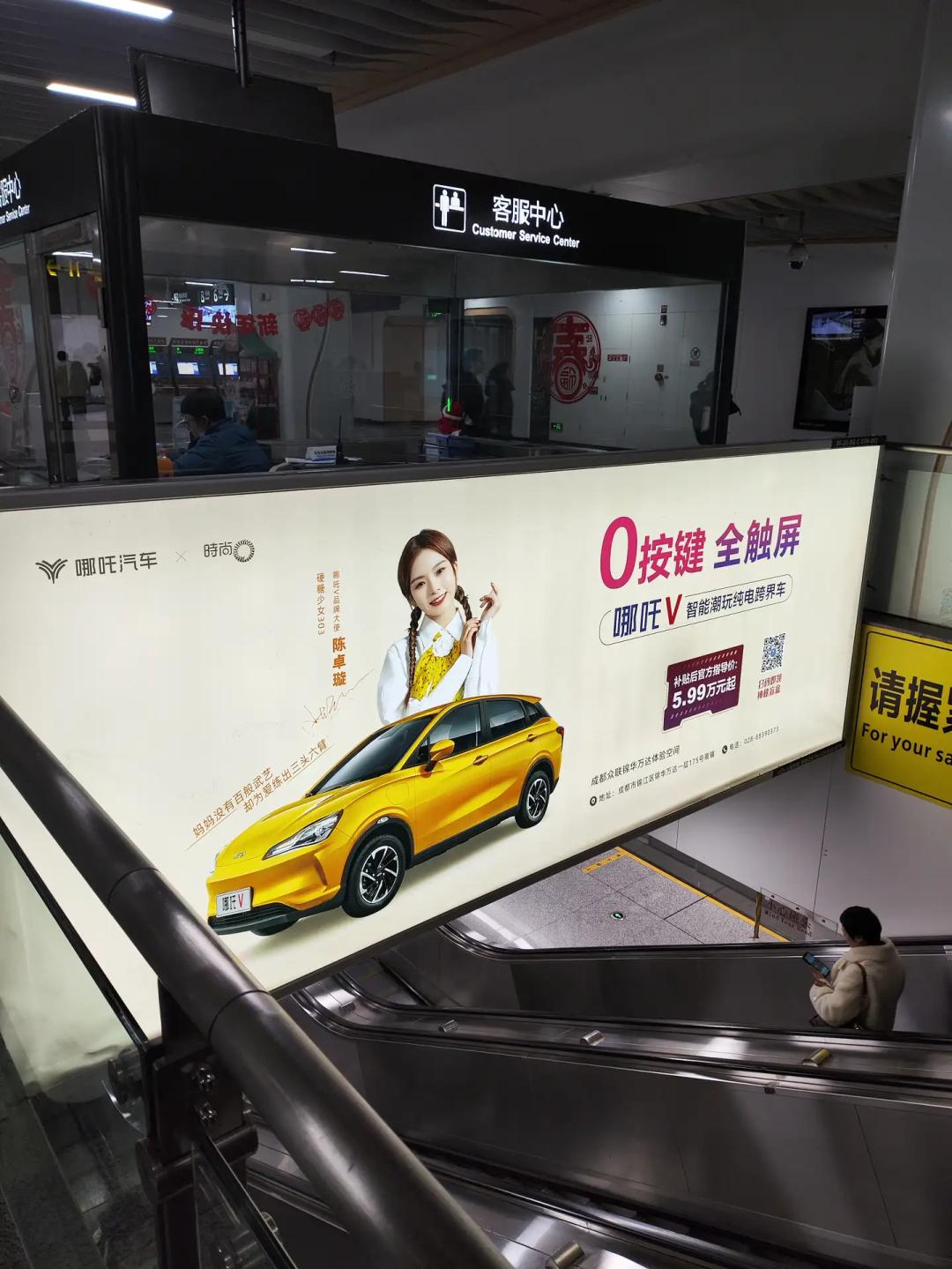
The car company in the picture is trying to save itself
Some new - energy vehicle startups with a background in traditional car - making hide functions directly related to driving safety, such as defrosting, in the multi - level sub - menus of the large screen before reaching Tesla's level of intelligence, making car owners experience a race against time in a flurry.
Traditional car companies proud of their ergonomics are also not immune and show their humor in the face of the impact of the new era.
For example, Audi A8 has made the air - conditioning controls into a touch panel and placed it diagonally below where the driver can hardly see it at a glance. It also offers a touch slider with an adjustment accuracy of 0.5° for high - net - worth car owners to play with.
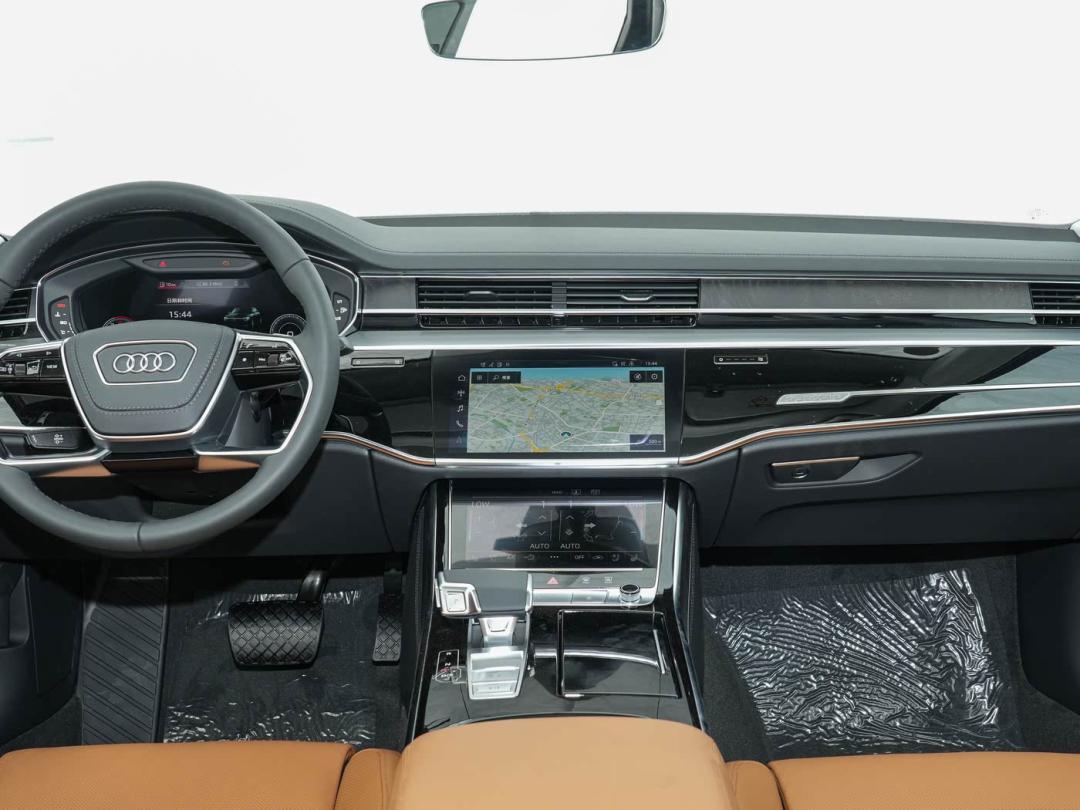
The center console of Audi A8
Volkswagen, which believes that software will define cars, has achieved one major feat in software: reducing the number of window control buttons on the Volkswagen ID. 4 from four to two through programming. Toyota, which adheres to the principle of lean production, has gone a step further. Through time - sharing multiplexing, the window buttons on the BZ3 can control four windows with just one.
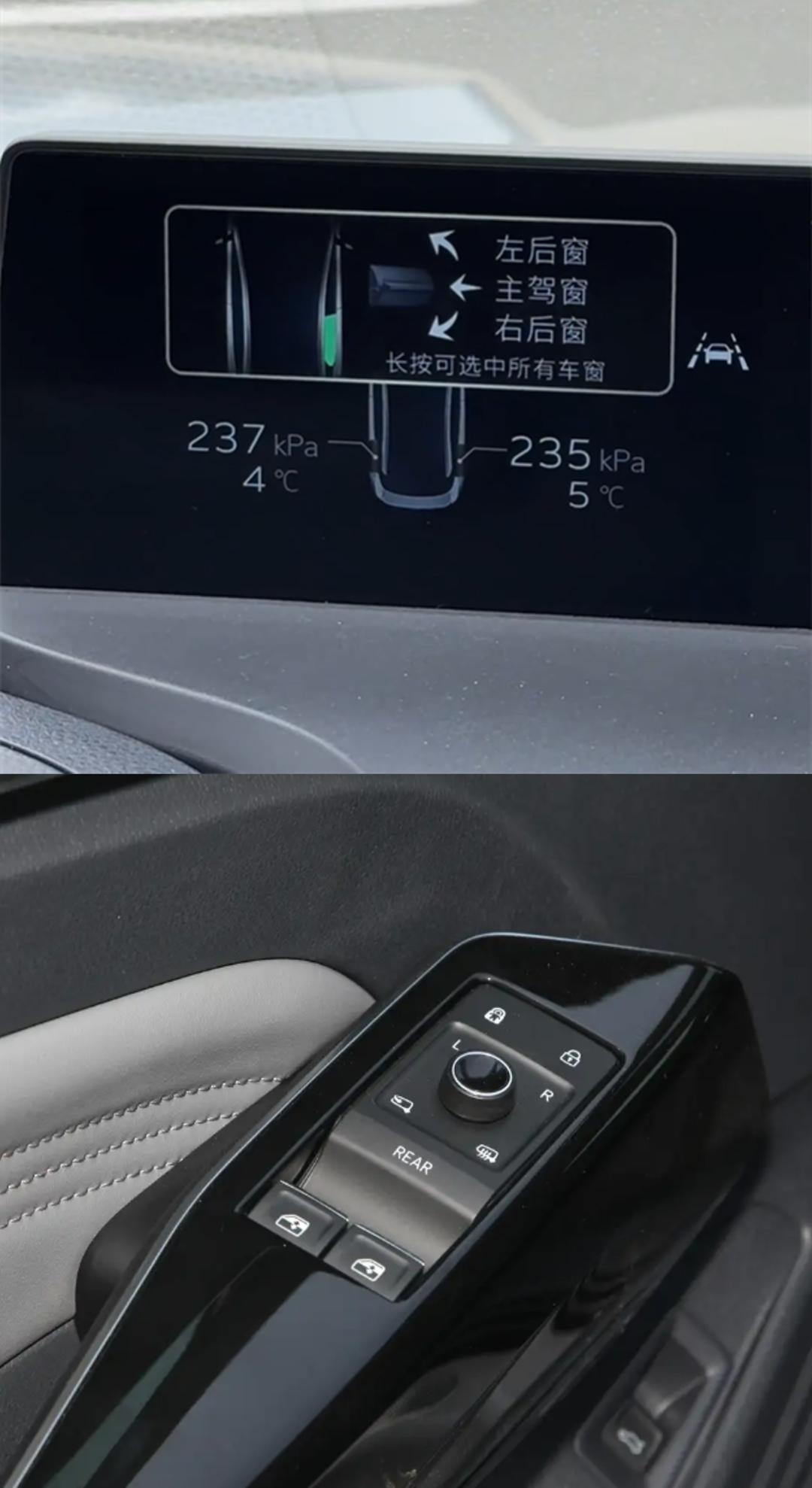
Controlling the windows on the Volkswagen ID.4 and Toyota BZ3 is as difficult as doing a civil service exam question
Meanwhile, foreign automotive giants, domestic automotive leaders, and cross - industry car - making giants have all, without prior consultation, sought differentiation in hidden door handles —
If Tesla's hidden door handles are pushed outwards, mine will flip inwards; if Tesla's door handles need to be pressed, mine only need to be touched; if Tesla turns the interior door - opening mechanism into a button, I'll hide the button; if Tesla integrates the emergency door - opening button inside the car next to the window button, I'll put it inside the door panel and add a cover.
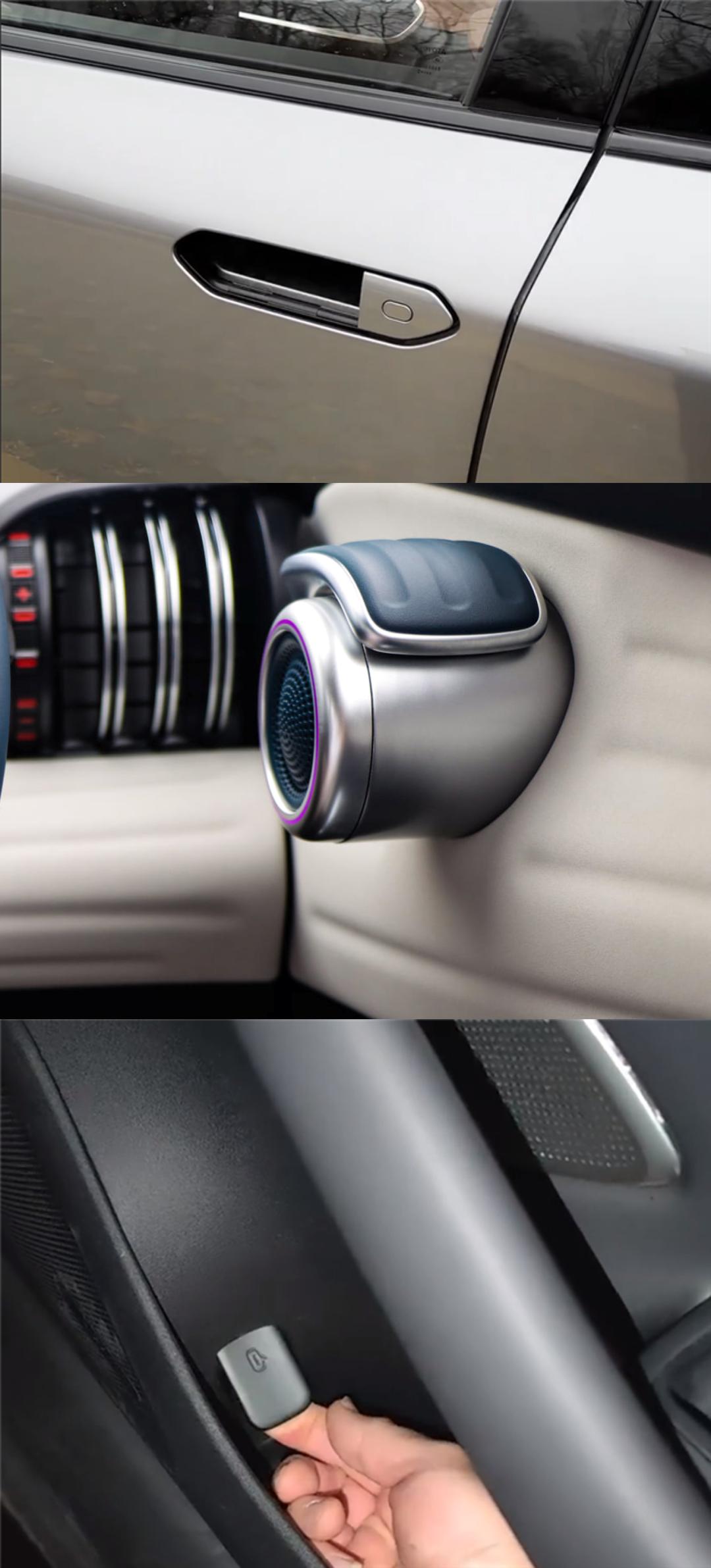
Hidden exterior, interior, and emergency door handles/buttons
This leaves consumers confused when facing the car doors: they can't figure out the exterior door handle when getting in, can't find the interior door handle when getting out, and can't reach the emergency door handle in an emergency.
Dangerous Domestication
A long - standing trope in the business world is that companies always explain technological changes with better user experiences. However, their real motives are often complex, involving both rational calculations and emotional band - wagon effects.
On the surface, the value of a glass sunroof lies in providing a wide view and a bright visual experience. More practically, it helps electric cars, whose vertical space has been compressed by over 10 centimeters due to the battery pack, regain headroom with a thin layer of glass. Additionally, replacing the sunroof with a single piece of enclosed glass helps reduce costs.
On the surface, the value of a touch - screen large screen is to integrate the user's interaction methods and application ecosystems from mobile phones and tablets, reduce the complexity of vehicle function control, and facilitate the integration and expansion of control functions.
In fact, for new car companies with limited car - making experience and low - end models with tight budgets, removing physical buttons that cost a few to a dozen yuan each and installing a large LCD screen driven by a mid - to low - end chip on the center console can not only cover up their incompetence in interior design and layout but also take advantage of the surplus LCD production capacity in China's panel industry to cut down on the bill of materials (BOM) cost.
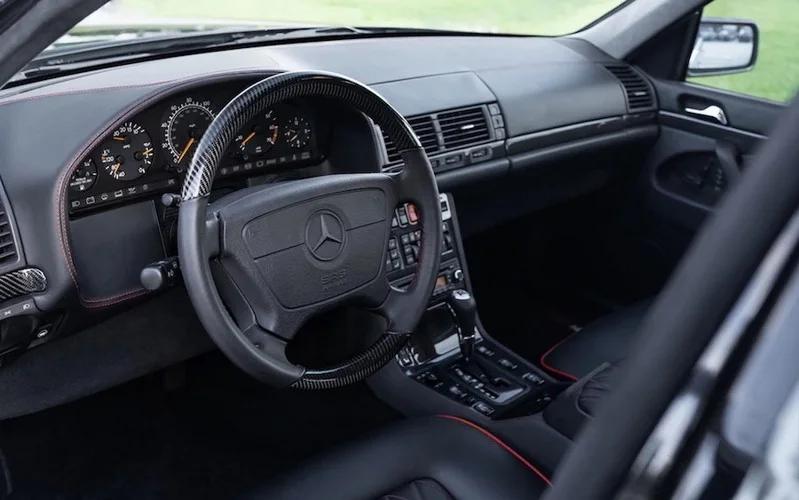
It's possible to create a simple and delicate center console in the button era, but it's obviously challenging
The popularity of hidden door handles is, of course, for low wind resistance, a sense of ceremony, and design aesthetics. However, it often also comes with a bit of "laziness" from the teams. When an element becomes a trend across the industry, questioning its rationality and finding a better alternative can be an ungrateful challenge for design, engineering, and product teams.
However, before technological breakthroughs are significant enough to rewrite the given physical constraints, the costs usually don't disappear but are just transferred.
The cost of a glass sunroof is that passengers' heads are closer to the roof, the roof is transparent, and there is no heat insulation, so it will definitely be hotter.
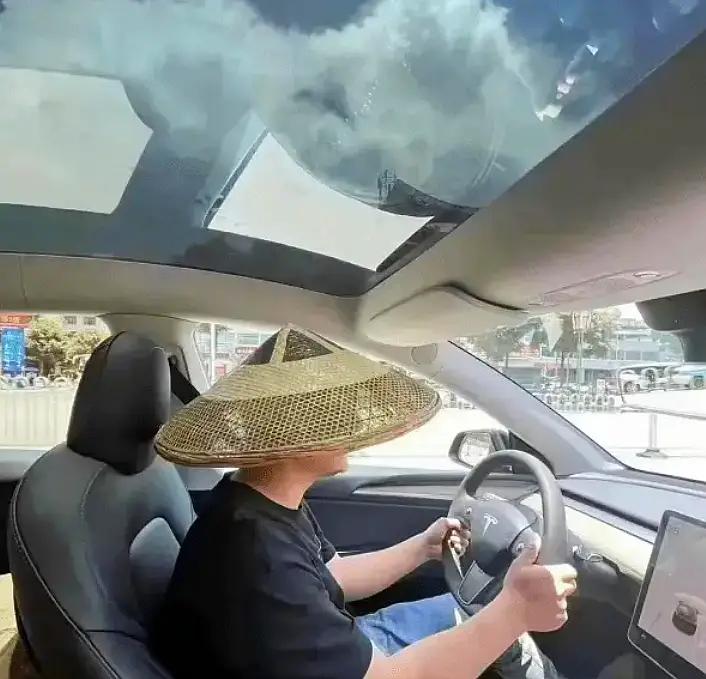
An electric - car performance art that will go down in history
The problem with touch - screen large screens is that touch screens lack tactile markers for positioning and clear, immediate feedback, requiring drivers to shift their line of sight more frequently and pay more attention.
Hidden door handles sacrifice some usability, adaptability to harsh working conditions, and availability in emergency situations.
If car companies don't compensate for these costs with technology, then users will be forced to pay out - of - pocket for alternative solutions:
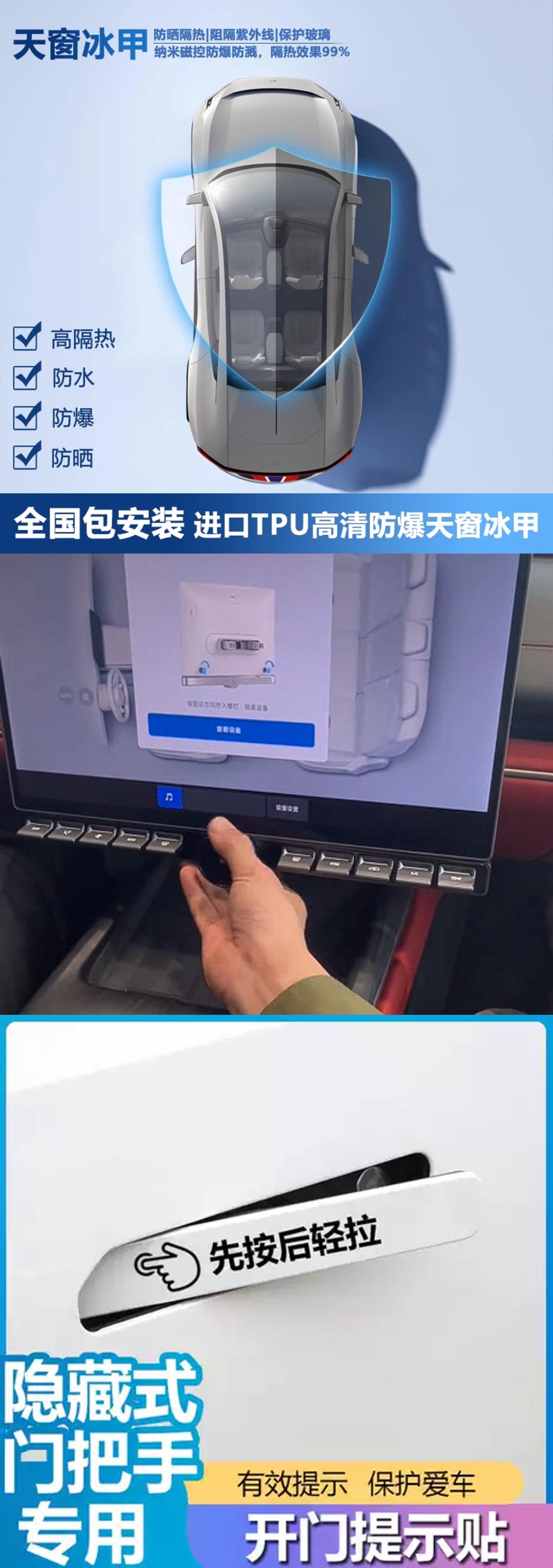
However, compared with the additional financial expenditure, the real problem is the challenge in interaction logic.
Among consumer products, cars have the highest cost for interaction errors.
Previously, humans experienced what was probably the largest - scale change in interaction methods in history — the evolution from feature phones to smartphones. However, this didn't cause any terrible direct consequences, largely because a mobile phone weighs at most 200 grams, and the most dangerous part is the 20 - watt - hour battery. In contrast, a speeding 2.5 - ton electric car contains energy equivalent to 200 grams of TNT.
Precisely because the probability of triggering dangerous and urgent situations is higher and the consequences of causing harm are more serious, the automotive industry has established interaction guidelines based on long - term lessons: Safety is the absolute cornerstone. On this basis, seek convenience and aesthetics. One - click access to key and high - frequency functions, support for blind operation, and the visibility, easy operation, and mechanical redundancy of door handles all follow this principle.
However, the touch - screen large screens and hidden door handles of many car companies have actually rewritten this principle, prioritizing aesthetics and convenience over safety. Both the "elimination of buttons and adoption of large screens" and the electric - driven, hidden interior and exterior door handles do not conform to people's original interaction habits in cars.
When users' existing interaction habits conflict with the new interaction methods that car companies are trying to promote, new safety hazards are introduced — whether it's a driver getting distracted and crashing while looking for function pages on the large screen or people inside and outside the car not knowing how to use or find the emergency door handle/button after an accident.
It's Not a Choice
As a result of car companies competing in local innovation races and continuously generating negative externalities, a united front that transcends class and nationality has been established.
In March last year, the European New Car Assessment Programme (E - NCAP) announced that starting from 2026, new cars on the market must be equipped with physical buttons for specific functions; otherwise, they cannot receive a five - star rating.
In May this year, the Ministry of Industry and Information Technology released a draft for soliciting opinions on the "Technical Safety Requirements for Vehicle Door Handles," directly rejecting the form of hidden exterior door handles. The plan is to take effect in January 2027.
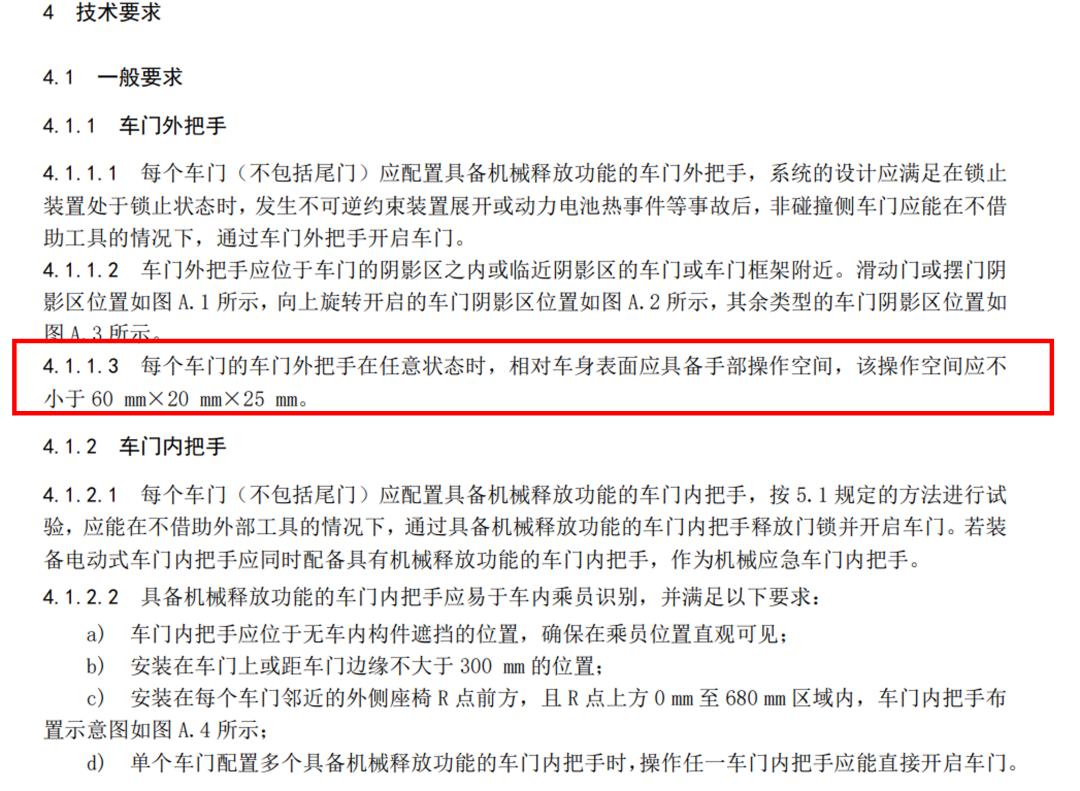
This requirement eliminates the existence space for hidden exterior door handles
In September this year, the National Highway Traffic Safety Administration (NHTSA) in the United States launched an investigation into the door - handle potential hazard of the Tesla Model Y, involving a total of 170,000 cars. Tesla is reported to be redesigning the door handles[1].
Whether it's the Chinese who hope to overtake in the curve with electric cars, the Americans who are trying to save their manufacturing industry with the advantage of artificial intelligence, or the Europeans who are wavering between gasoline cars and electric cars, they have all reacted one after another to the anti - human practices of intelligent electric cars. The last time they were this united was during the Internet anti - monopoly campaign.
However, despite the loud calls on the Internet and in reality to "abolish large screens and hidden door handles and fully restore buttons and mechanical door handles," regulatory agencies have exercised necessary restraint.
E - NCAP only encourages physical buttons to include the horn, turn signals, windshield wipers, and hazard lights, and does not have additional requirements for buttons such as volume. The document from the Ministry of Industry and Information Technology also does not reject the forms of electric door handles and button - style interior door handles.
After all, there was no such thing as a "good old days" when it came to buttons and door - opening in cars.
Before large screens integrated various functions on the center console, the dense physical buttons in cars were like those in a fighter - jet cockpit, posing a huge challenge to the driver's cognitive and memory abilities. As a result, many buttons were actually left unused. And before the promotion of hidden door handles, there were also many cases where traditional door handles couldn't be opened due to a failure of the low - voltage system or improper unlocking of the doors.