Mobile phone fast charging has returned to the "100-watt level", but are they really faster?
Two years ago, when the first batch of "high-energy density batteries" emerged in the smartphone industry, we at 3eLife pointed out that although these models had larger batteries and longer battery life, it wasn't without a "cost." For example, their charging speeds at that time were generally significantly slower than those of previous years.
For "imaging flagships," "business flagships," and even "entry-level models" that don't prioritize "peak charging power" or, rather, value a non-overheating body during charging, this might not be an issue.
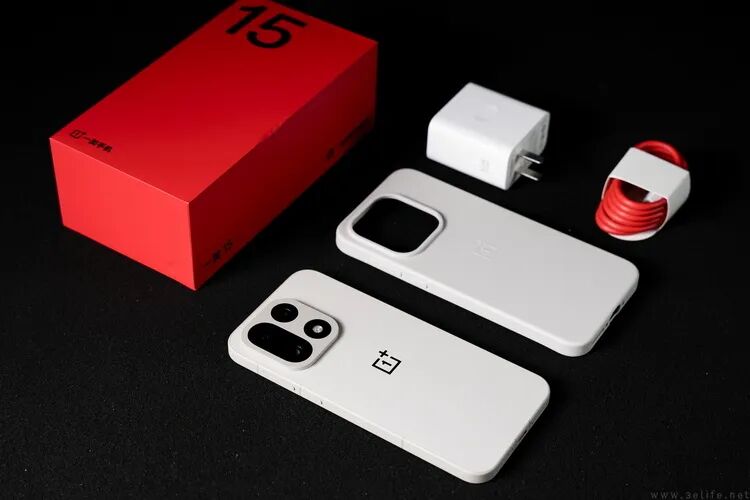
However, the problem lies in the fact that compared to imaging flagships (and more expensive business flagships) that are out of reach for the average consumer, "high-performance models" that focus on gaming experience and benchmark scores are actually the real stars in today's smartphone market.
For these models, a slow charging speed, or a significantly lower nominal charging power compared to previous generations, is clearly an "unwelcome change" for their potential users.
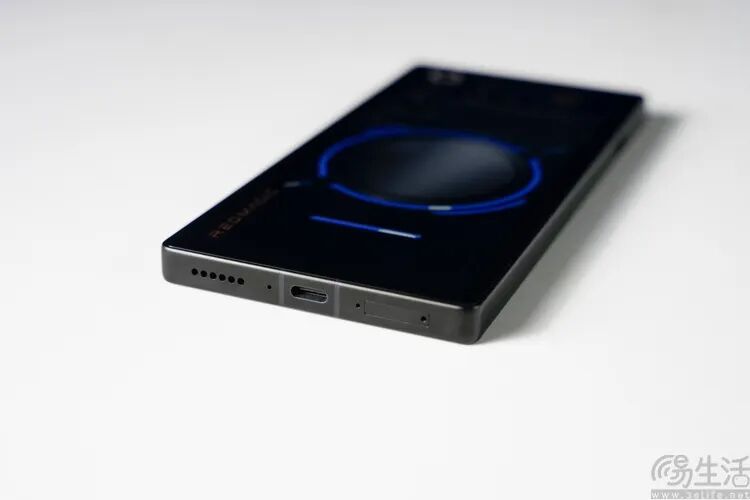
As a result, in the autumn of 2025, after several iterations of high-energy density battery technology by various manufacturers, the coexistence of "100-watt fast charging" and ultra-large-capacity batteries in mainstream brands finally returned.
So, the question is, can the actual fast-charging efficiency of these new "fast charging + large battery" models, which claim to have an output power of up to 100W or even 120W, reach the level of their predecessors and satisfy users who value performance and want to "top up" their phones during game breaks?
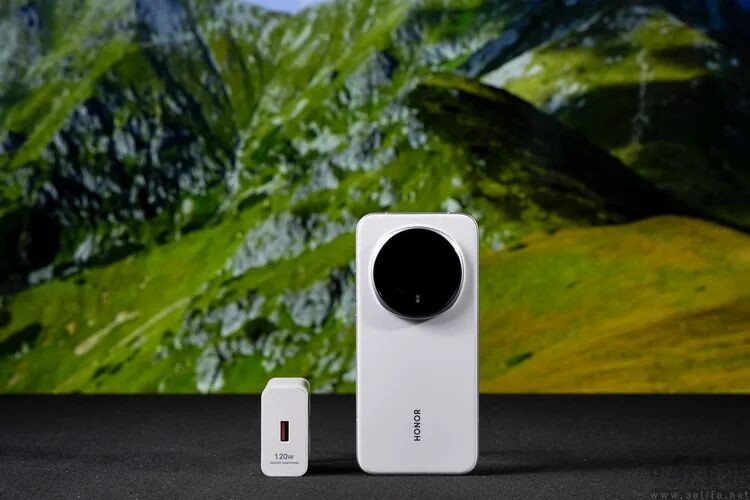
Actually, those who follow our recent new phone reviews at 3eLife will notice that we've been testing this topic. Except for a few pure imaging models, we've tested the charging performance of almost all new phones released after the end of September this year that use flagship platforms and are clearly positioned for gaming and performance.
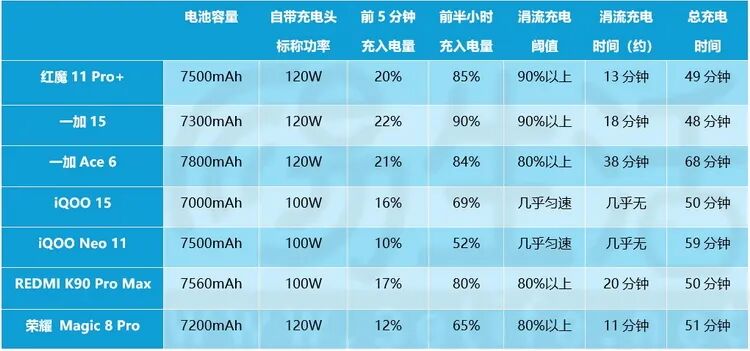
We've summarized these test results in the above table, which can be presented to you intuitively. Looking at the data in this table, we can easily draw the following conclusions.
First, a higher nominal peak charging power does result in a faster short-term charging speed at low battery levels for most models.
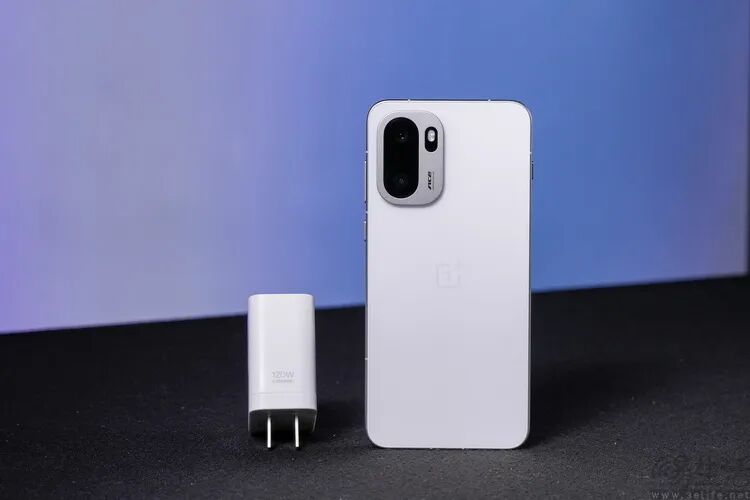
Note that we're not saying that models with a higher nominal charging power will always have a shorter total charging time. As you can see from the table, some models that charge very quickly at the beginning will enter a very slow trickle charging phase when the battery level reaches a certain point.
But from the perspective of "gamers," except for the Honor Magic 8 Pro, which has more prominent "imaging" features, all the new phones released so far this year that support 120W fast charging can indeed charge more power than 100W fast-charging models during 5-10 minutes of charging during game breaks.
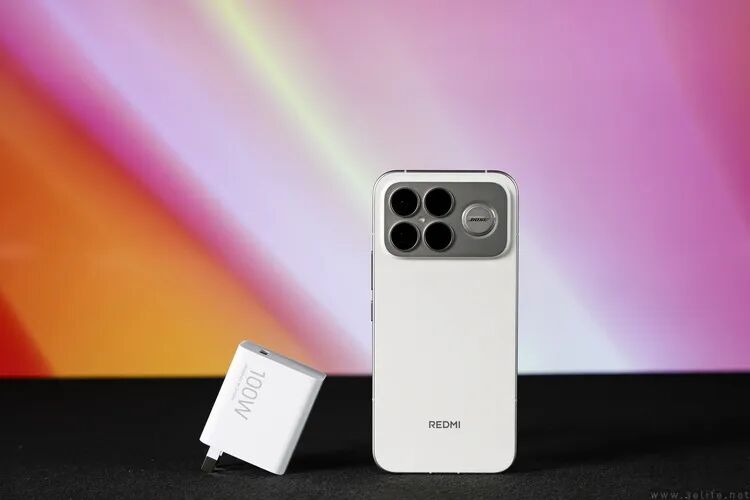
Second, in terms of charging strategies, brands like Nubia RedMagic, OnePlus, and REDMI this year adopt a "fast then slow" fast-charging logic. They can charge at least 80% of the battery in 20-30 minutes at the beginning. However, as a result, these models will experience more obvious body heating during the "fast charging" process.
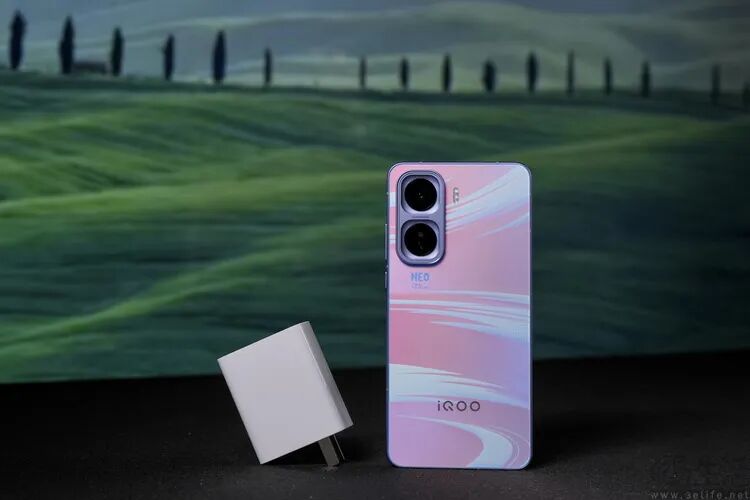
In contrast, iQOO and Honor have chosen the opposite fast-charging approach. They show a "constant speed" characteristic from the beginning, without a "super-fast" charging period in the first 5-10 minutes. The drawback of this strategy is that it's "not suitable" for short-term charging during game breaks, but the advantage is that the body heating during "charging while playing" is significantly lower, and the final charging time may not be longer than that of models that charge quickly at the beginning.
So, which of these two fast-charging strategies is "better"? To be honest, from the perspective of overall charging time, the difference between them is quite small, so small that we even suspect that the manufacturers have "agreed" on it. But on the basis of similar overall charging times, whether to pursue a faster "power boost" in a short time or less obvious heating during charging may just be a matter of personal preference.
This article is from the WeChat official account "3eLife" (ID: IT-3eLife), author: 3eLife Editor, and has been published by 36Kr with authorization.