Extended-range vehicles fall out of favor
Rarely, the monthly sales volume of the entire extended - range vehicle market has witnessed a "three - month consecutive decline." In July, August, and September this year, the sales volumes of extended - range vehicles at domestic terminals were 106,900, 97,400, and 105,000 respectively, showing year - on - year decreases of 11%, 7%, and 13% respectively.
Li Auto, which once single - handedly popularized the extended - range route, has also seen its sales volume decline significantly for five consecutive months.
The extended - range electric vehicles, which were regarded as the "wealth code" by numerous automakers in the past two years, now seem to be quietly "falling out of favor." Is this just a temporary market fluctuation, or does it mean that this technological path has really reached its ceiling?
From "Top - Stream" to "Stalling"
Since its inception, extended - range electric vehicles have always been accompanied by controversies. However, this "dark horse" has advanced triumphantly amidst the doubts by precisely addressing users' range anxiety and finally emerged as a dark horse in the new energy vehicle market.
Data shows that from 2021 to 2024, the sales growth rate of extended - range models has soared like a rocket. The sales volume increased by 218%, 130%, 154%, and 70.9% respectively, and the market share also increased from 3.6% to 9.1%.
It all started with the debut of the Li ONE in 2019. It offered a solution with low technical thresholds and controllable costs through the model of "using electricity in the city and generating electricity on long - distance trips." It can be said that at that time, the Li ONE was almost synonymous with extended - range vehicles.
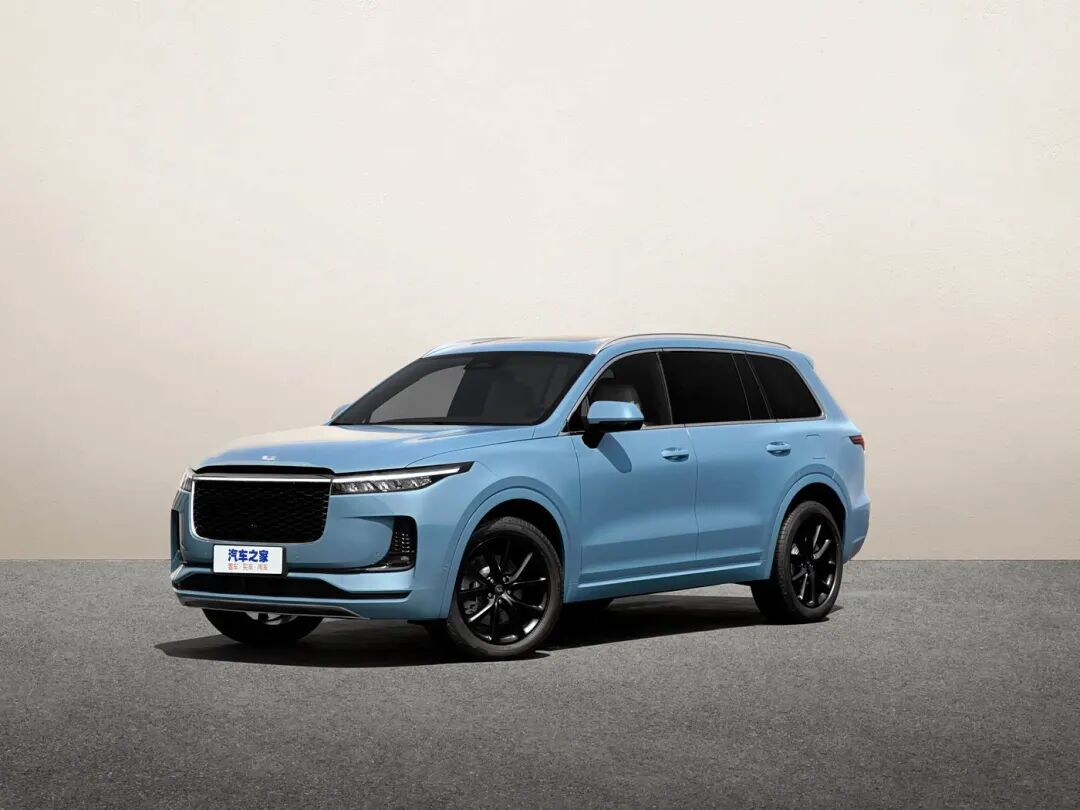
Subsequently, players such as Wenjie, Shenlan, and Leapmotor entered the market one after another, expanding the market pie. By 2024, the total sales volume of extended - range vehicles exceeded one million, and there were as many as 23 brands.
However, in 2025, the situation changed abruptly. First of all, Li Auto, the "leader," stumbled. On the one hand, after the MEGA, Li Auto chose to bet on pure - electric vehicles for the future; on the other hand, its competitors flocked to the extended - range vehicle market.
Among self - owned and new - force automakers, models such as the Wenjie M7, IM LS6, Leapmotor D19, XPeng X9, and Shangjie H5 were launched intensively, and Xiaomi's extended - range YU9 has also been "exposed" many times. Joint - venture brands are also not willing to be left behind, with the Buick Zhijing L7 and Mazda EZ - 60 entering the market.
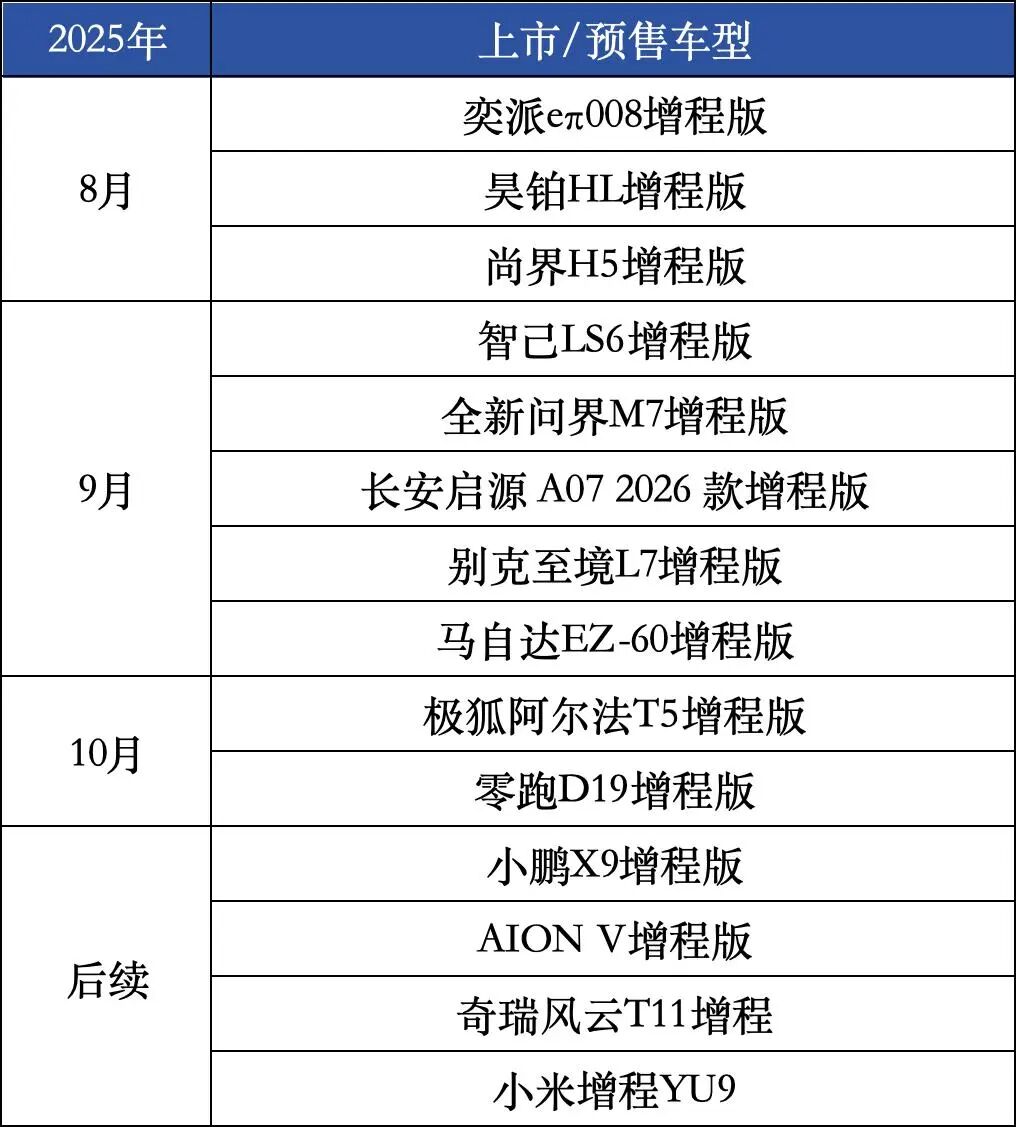
While the growth of extended - range vehicles is faltering, it's hard not to wonder: Has the "pain - point dividend" of extended - range vehicles been exhausted so soon? Can new players still enjoy this "feast"?
The "Undercutting" of Pure - Electric Vehicles
To answer these questions, we first need to figure out why extended - range vehicles have suddenly "fallen out of favor."
The core reason is that the foundation on which they once relied - solving range and charging anxiety - is being rapidly undermined by pure - electric vehicles. We can understand this as an "undercutting" offensive.
The first "undercut": The pure - electric driving range has increased significantly. Five years ago, if you bought a pure - electric vehicle, the average driving range was only about 400 km. Now, in 2025, the average driving range of newly launched pure - electric vehicles has reached over 500 km. The mainstream models have even exceeded 600 or 700 km, getting infinitely close to the experience of a fuel - powered vehicle with a full tank of gas.
The second "undercut": The charging infrastructure has been improved at an extremely fast pace. Do you still remember the news in the past two years during the Spring Festival about "queuing for hours to charge on the highway" and car owners scrambling for charging piles?
But this Spring Festival, aren't there fewer such news stories? It shows that the situation has really improved. According to data from the China Charging Alliance, as of the end of December 2024, the cumulative number of charging infrastructure nationwide was 1,281.75 million, a year - on - year increase of 49.11%. The increase in 2024 was 422.15 million, a year - on - year increase of 24.66%, more than eight times that of five years ago.
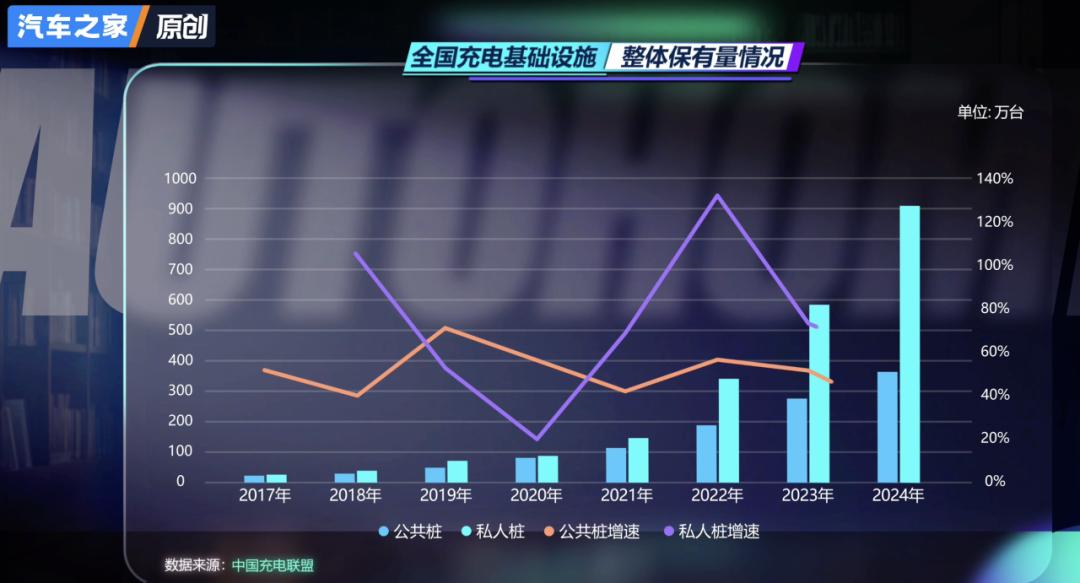
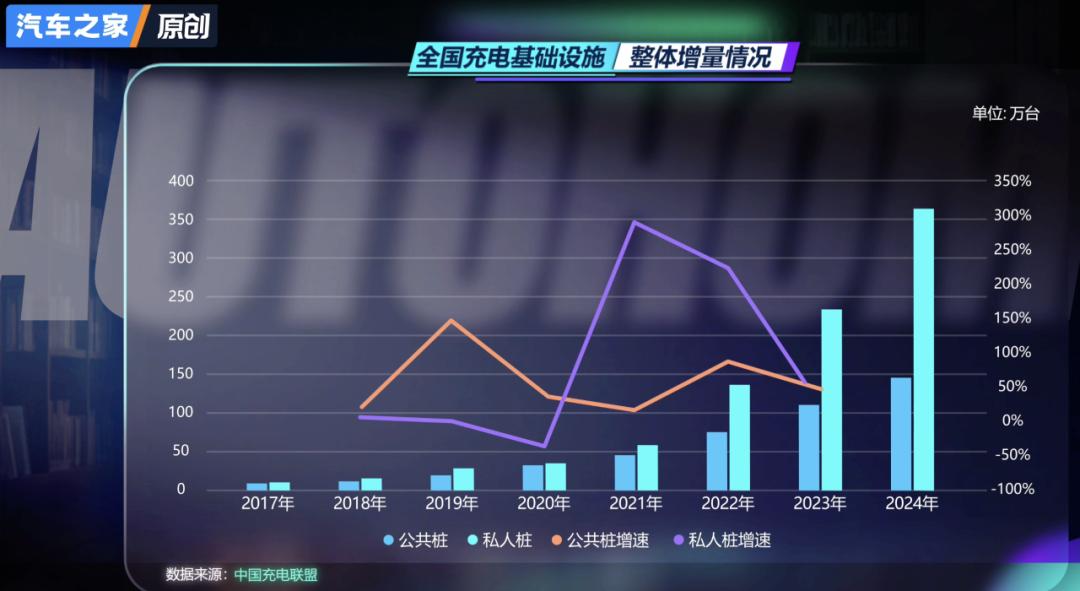
This is not just a matter of quantity. Now, the newly built charging piles are often fast - charging piles with a power of 120 kW, 180 kW or even higher, and they are more rationally distributed and easier to find.
The third "undercut": The battery cost is dropping significantly. Goldman Sachs predicts that the cost of power batteries will drop to $99/kWh in 2025, a 40% decrease compared to 2022. When the cost drops to $100/kWh, the overall cost of electric vehicles is expected to be on par with that of fuel - powered vehicles, entering the "subsidy - free parity" stage.
To put it simply, the balance has tilted. When pure - electric vehicles have longer range, faster and more convenient charging, and lower prices, the core advantages of extended - range vehicles are gradually being weakened.
Is the "Large Battery + Small Fuel Tank" the Way Out?
Facing the increasing pressure from pure - electric vehicles, the technological route of extended - range vehicles has undergone subtle changes.
Early extended - range vehicles had a "small battery + large fuel tank" configuration, while the new - generation extended - range vehicles are moving towards a "large battery + small fuel tank" configuration. How exaggerated is this? The extended - range version of the IM LS6 has a 66 - kWh battery and a pure - electric driving range of 450 km; the extended - range version of the Leapmotor D19 has a battery capacity of up to 80 kWh and a pure - electric driving range of 500 km! This has exceeded the battery capacity of many pure - electric vehicles on the market.
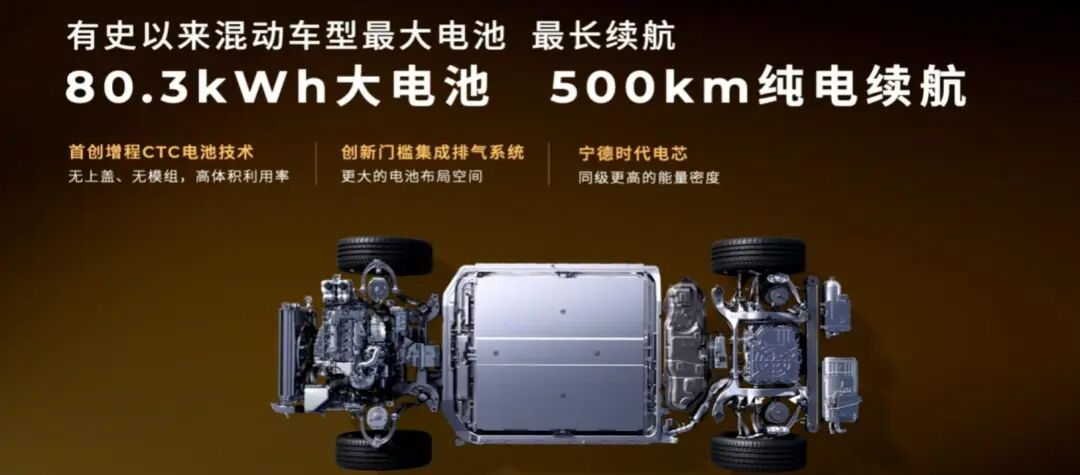
This raises a profound question: When the pure - electric driving range of an extended - range vehicle is comparable to or even exceeds that of a pure - electric vehicle, is there still a need for the engine on it, which serves as a "range backup"?
There are huge differences in the industry on this point.
The proponents believe that a large battery can provide a better pure - electric driving experience, and a small fuel tank can be used to address long - distance anxiety in extremely low - probability situations, which is a more economical and reasonable choice.
The opponents, however, think it is a waste of resources. Deng Chenghao, the chairman of Shenlan Automobile, was very straightforward when communicating with us: "I don't recommend blindly increasing the battery size. It's really a waste to carry an extended - range generator around every day." He believes that it's best for the pure - electric driving range of an extended - range vehicle to be 200 km. Over - equipping is uneconomical for consumers, and it also leads to higher carbon emissions in the production and use processes for the whole society.
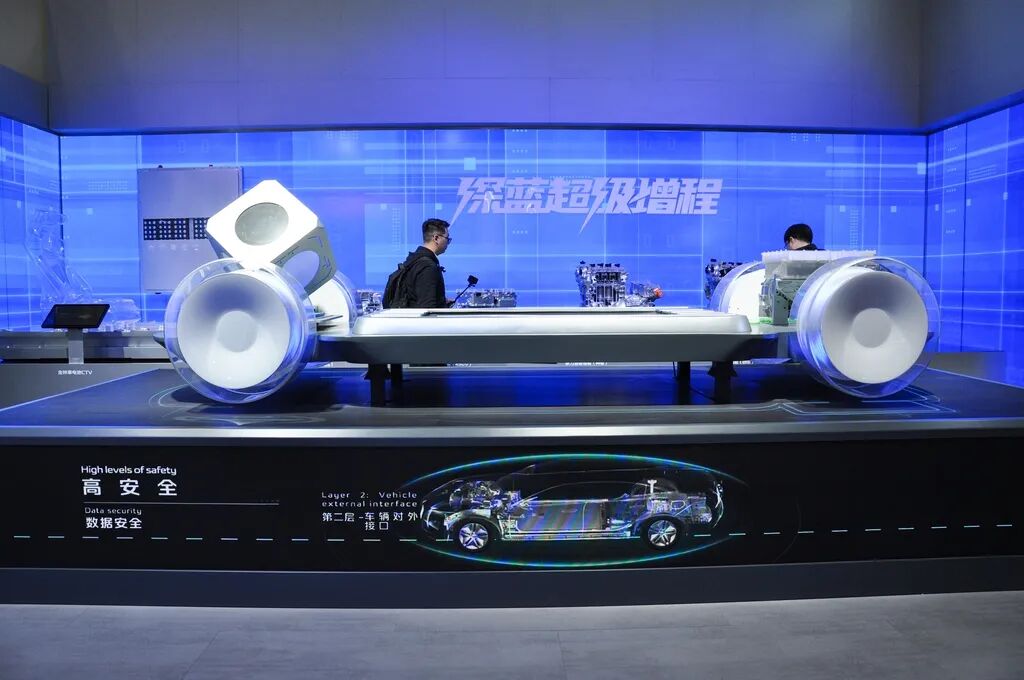
This makes people wonder: Is the evolution of extended - range technology a step forward or a deviation from its original "efficient and practical" intention?
Cui Dongshu, the secretary - general of the Passenger Car Association, believes that a large battery can improve consumers' driving experience, but not all extended - range models need to be equipped with a large battery. Instead, large batteries should be equipped on mid - to high - end models based on considerations of cost - effectiveness.
Conclusion
The "falling out of favor" of extended - range vehicles is essentially a "ebb and flow" of technological routes. Its success in emerging suddenly proves the importance of addressing users' pain points and is a victory of market selection. The decline in sales today, however, announces that the "pain - point dividend" is not eternal.
A more disruptive future scenario is that when solid - state batteries or a new generation of sodium batteries are popularized and charging becomes as convenient as refueling, all new energy vehicles with "fuel tanks" today, whether extended - range or plug - in hybrid, may shrink to niche choices for specific scenarios.
Of course, the curtain is far from falling. In vast areas where the charging network is not fully covered and in scenarios where users still have a strong desire for "absolute range freedom," extended - range vehicles still have their unique value.
This article is from the WeChat official account "Autostinger" (ID: autostinger), author: Peng Fei. Republished by 36Kr with permission.