The battle for presence among standard versions: A horizontal comparison of the standard versions of the "Honor, Xiaomi, OPPO, VIVO" quartet
The month of October, filled with press conferences and new product launches, has finally come to an end. It's time to review the new mobile phones launched by various brands this year.
Interestingly, compared with the past two years, the "standard versions" of mobile phones this year seem to have lost their popularity. Both the level of enthusiasm and the number of discussions around them are much lower.
The Pro versions of each brand are well - balanced all - rounders with sufficient configurations, which makes the standard versions rather awkward. Moreover, this year's standard versions can hardly be called "standard". Each brand has tried its best to make a difference.
Since the standard versions are priced around 4,500 yuan, it's really necessary to choose carefully if you want to buy one.
I've used the four major standard - version mobile phones this year: Xiaomi 17, vivo X300, OPPO Find X9, and Honor Magic 8, and conducted a detailed comparison of their main functions.
As for which one I chose? You'll find out at the end.
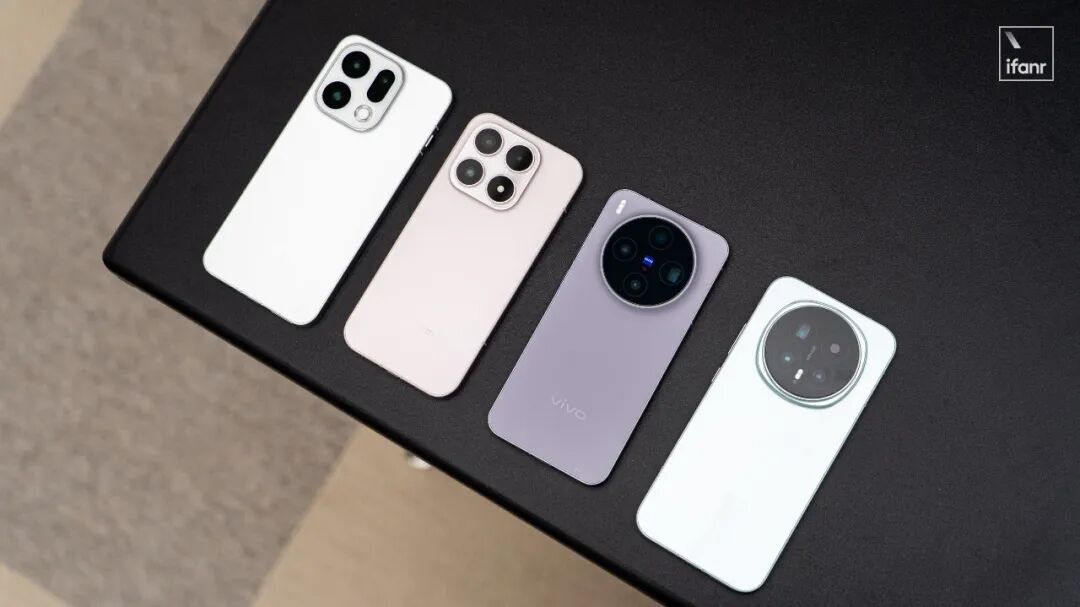
What should a standard - version mobile phone be like?
Xiaomi 17 and Honor Magic 8 are equipped with the Qualcomm Snapdragon 8 Elite Gen 5 processor, while OPPO Find X9 and vivo X300 still choose the MediaTek camp and are powered by the Dimensity 9500 processor.
Even though they are all the latest flagship products, there are still differences in their benchmark scores:
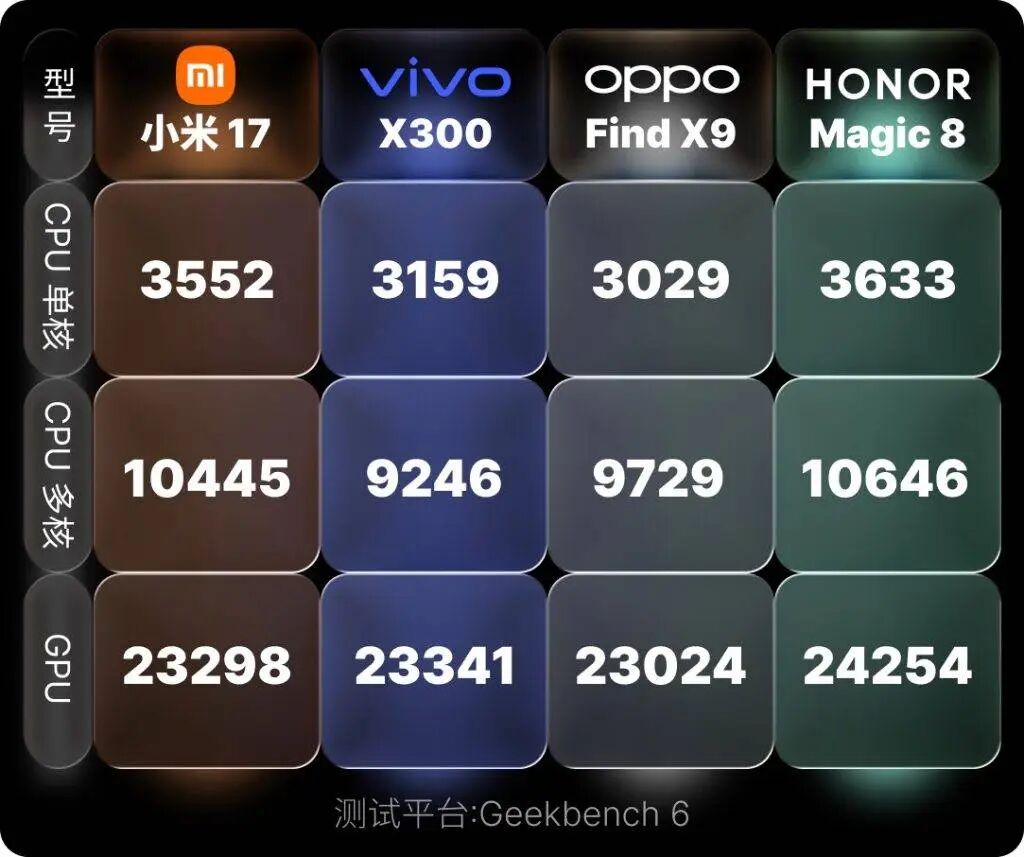
Obviously, the two mobile phones with the Dimensity 9500 processor still lag behind the Snapdragon 8 Elite Gen 5 in terms of CPU single - core/multi - core scores, but their GPU capabilities are similar or even better.
However, whether in daily use scenarios or high - load games, the gap between the two types of chips is not as obvious as the benchmark scores. For more basic and smooth system animations, optimization is more important than just performance.
In terms of the size of the mobile phones, the four devices are divided into two camps quite consistently:
6.3 - inch small - screen flagships: Xiaomi 17 (191 grams); vivo X300 (190 grams)
6.6 - inch: OPPO Find X9 (203 grams); Honor Magic 8 (205 grams)
Small - screen flagships offer a better grip but make compromises in terms of battery life and heat dissipation. Behind this is the reflection of two concepts in the size debate: whether to clearly distinguish from the Pro version or to get as close as possible and only make differences in details.
vivo X300 vs Xiaomi 17
These two mobile phones give a very similar impression: both set small - screen flagships as their standard versions, which are completely different from their Pro versions. However, the ways they achieve this and the resulting effects are very different.
Although vivo's large circular Deco design was often criticized as uninteresting before, this year, as the other two brands have changed their designs, the design of vivo X300 has a sense of inheritance.
Moreover, this year's large Deco design of vivo X300 is quite ingenious. The back panel extends to the camera through a sloped design, which greatly weakens the presence of the camera module and even gives the illusion that the protrusion is not very large. It looks much better than last year's X200 Pro mini.
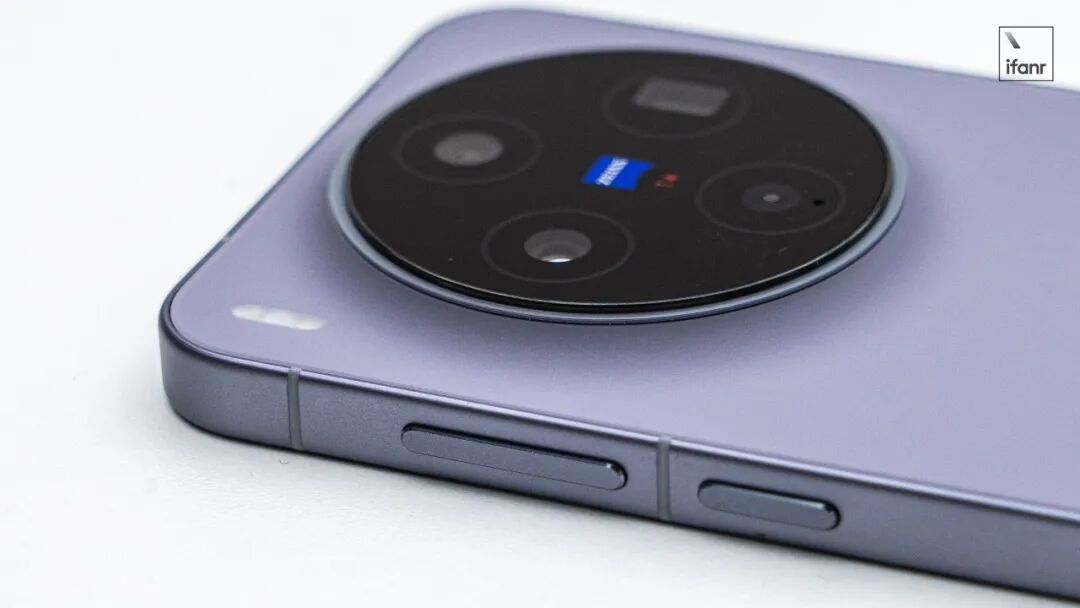
With a 6.3 - inch body, a smooth transition of the straight - screen body frame, and a delicate frosted back panel, along with a well - controlled weight of 190 grams, the vivo X300 offers an excellent hand - holding feel.
This year, the vivo X series focuses on 200 - megapixel imaging. The X300 Pro has a 200 - megapixel telephoto lens, while the X300 has a 200 - megapixel main camera. This is more of a choice of direction rather than a trade - off in configuration, which fully conforms to the optimized suffix of "Pro mini".
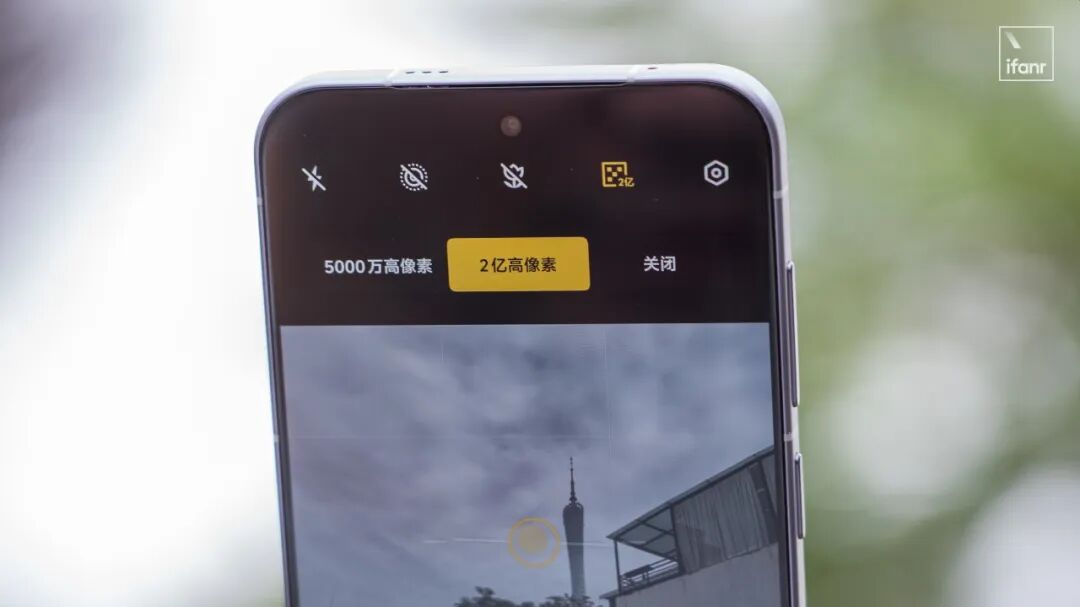
However, the vivo X300 still makes some compromises in peripheral configurations. The most significant drawback is its screen. In outdoor conditions, the screen brightness of the vivo X300 is significantly lower than that of the other three mobile phones, making it difficult to see the details of the photos taken.
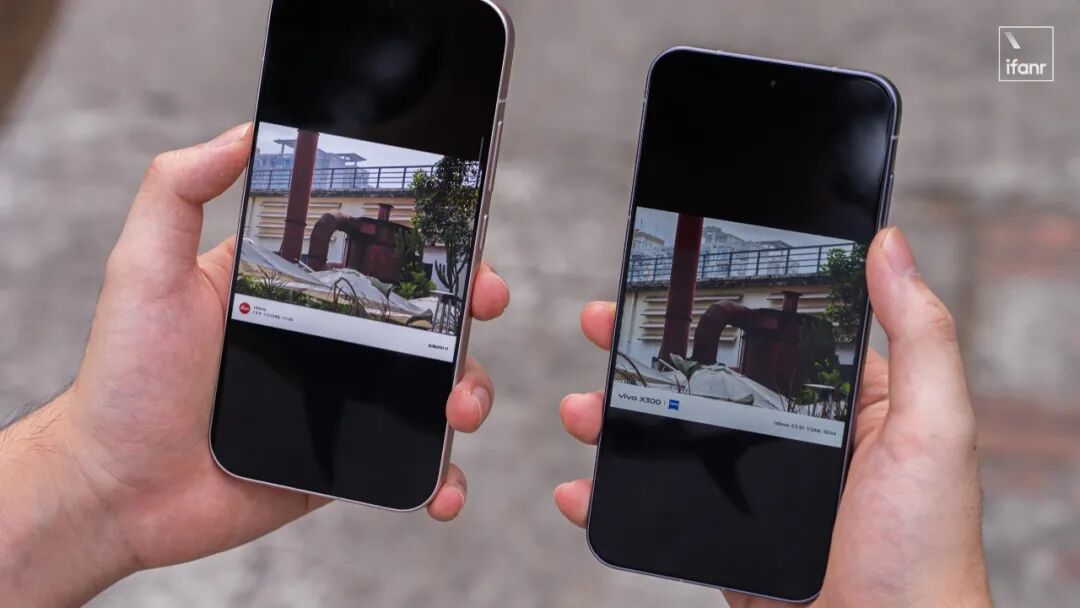
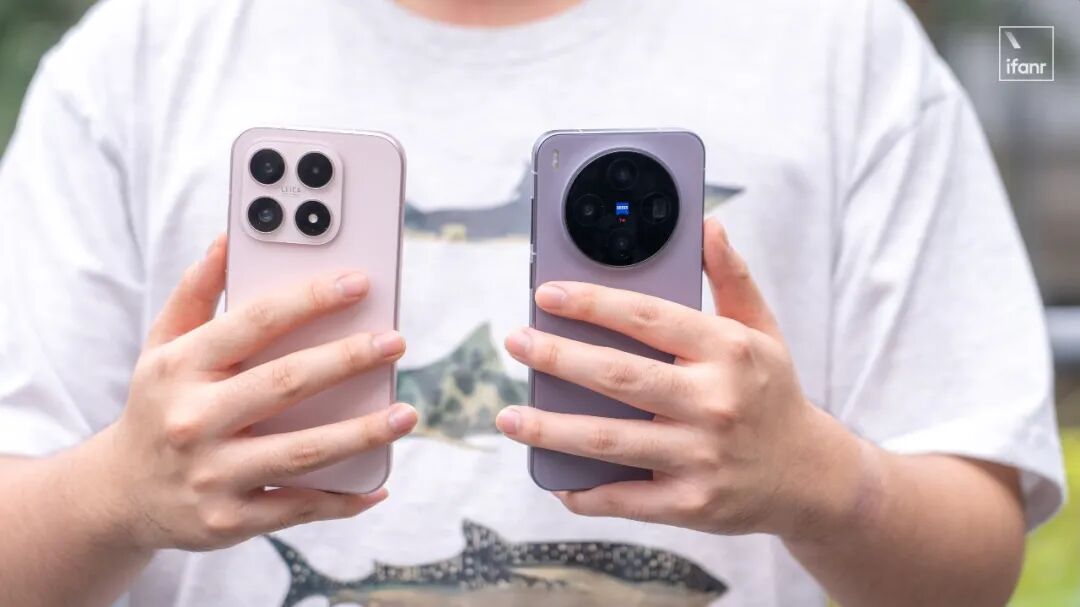
Left: Xiaomi 17, Right: vivo X300
Another shortcoming of the vivo X300 is its battery capacity. With a 6040mAh battery, it has the smallest battery this year. Although it can still last a full day, the Xiaomi 17 of the same size has reached the 7000mAh level, providing nearly two more hours of battery life in daily use.
What impressed me most about the Xiaomi 17 is also its excellent hand - holding feel. With a 6.3 - inch size, a weight of 191 grams, a smooth transition of the middle frame, and a reasonable weight distribution, the Xiaomi 17 has the best hand - holding feel among the standard - version mobile phones this year.
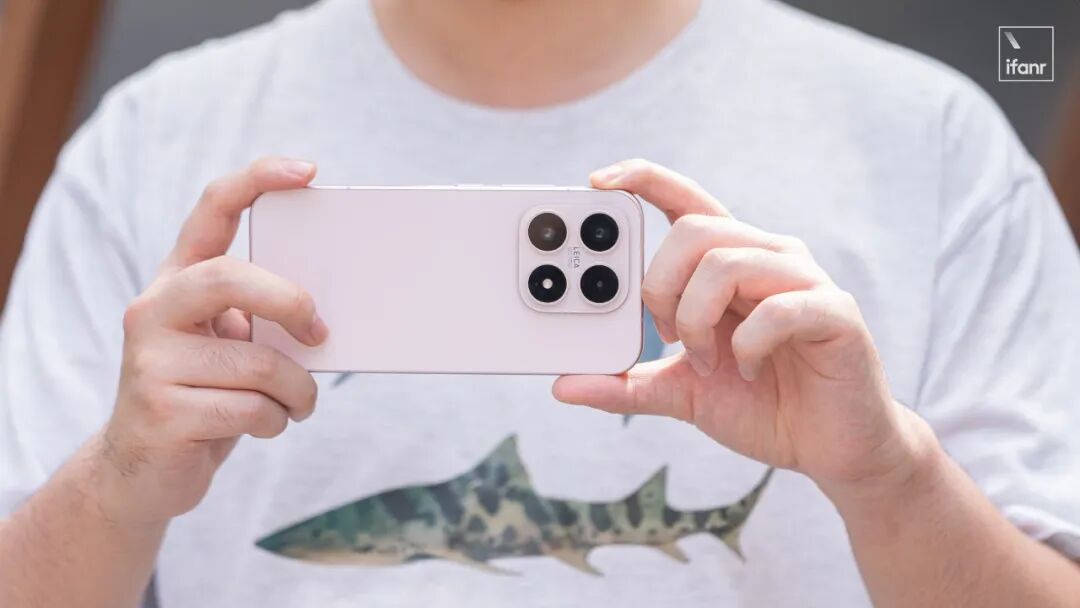
However, there are obvious differences between the Xiaomi 17 and the Xiaomi 17 Pro in terms of functions and design, but the price difference is only 500 yuan. It's obvious that Xiaomi's strategy is to use the Xiaomi 17 as a price anchor, and the main sales volume still comes from the Pro version. Moreover, this year, there are obvious hierarchical differences in the configurations of the Xiaomi 17, Xiaomi 17 Pro, and Xiaomi 17 Pro Max, giving people a relatively strong sense of "configuration reduction" for the Xiaomi 17.
In a nutshell, the Xiaomi 17 doesn't feel like the standard version of a flagship. Instead, it is more similar to the products in the same category as the REDMI K90, which echoes its new back - panel design that also lacks a "flagship feel".
OPPO Find X9 vs Honor Magic 8
These two mobile phones also form a control group. Their product ideas are relatively close to the traditional standard version: first create a well - rounded "big - cup" mobile phone, and then retain the core experience while modifying other configurations.
The appearance design and size of the OPPO Find X9 are almost the same as those of the Pro version. The 6.78 - inch Pro version is only slightly larger than the 6.6 - inch standard version.
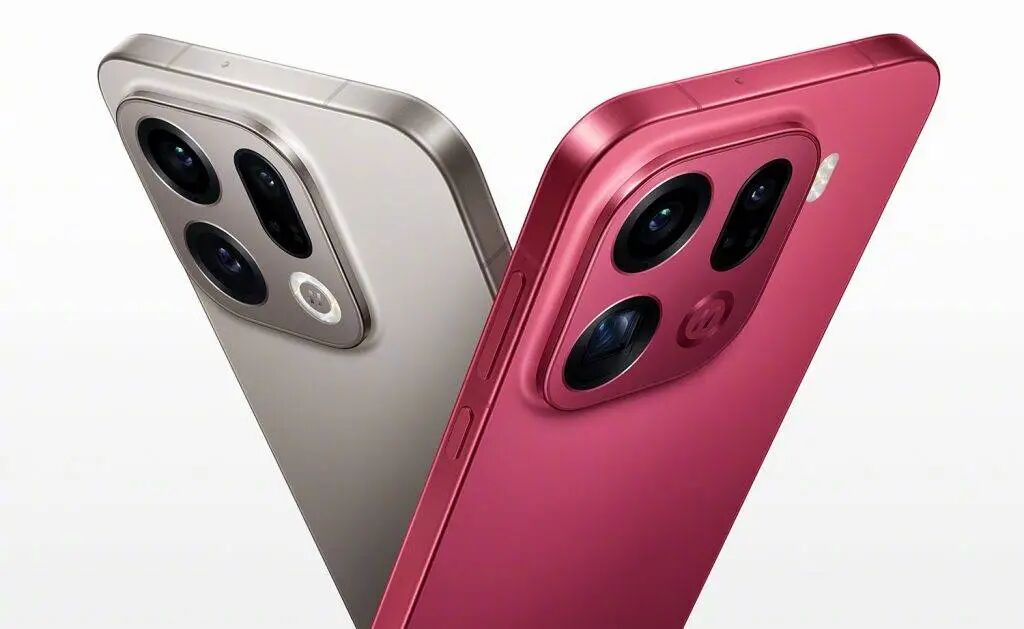
Left: OPPO Find X9, Right: OPPO Find X9 Pro
This is also the consistent strategy of OPPO, a "offline - oriented" brand - deliberately making the mid - range and high - end models look very "similar" so that it's hard to tell the difference at a glance, and focusing the differences on the internal configurations.
For most users, there won't be much difference in daily use between these two mobile phones. Thanks to the excellent experience of ColorOS, both the OPPO Find X9 and X9 Pro can enjoy first - class smoothness.
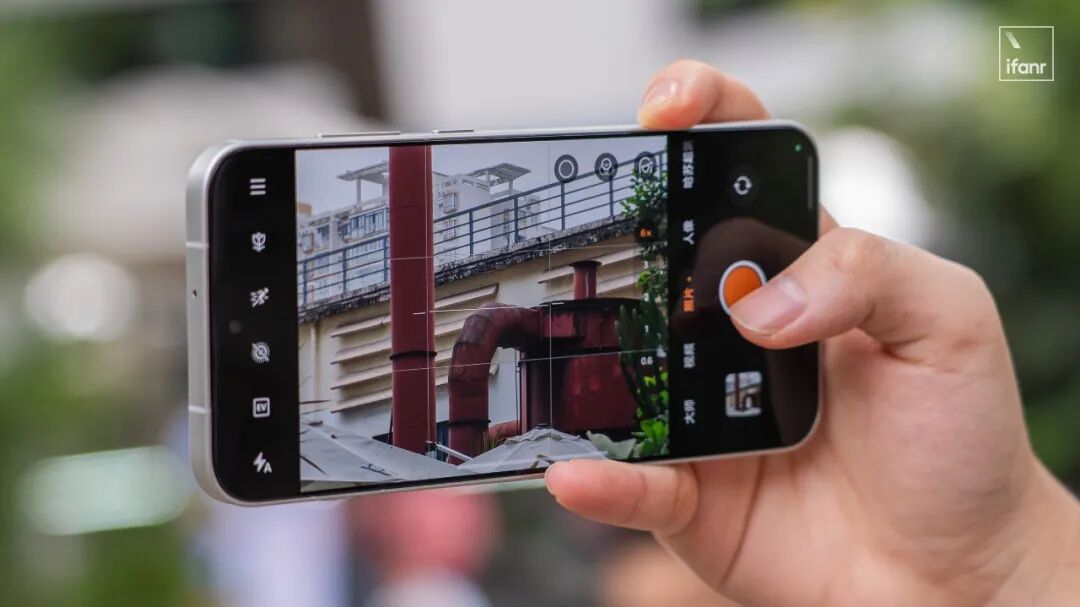
If the system ensures the lower limit of the mobile - phone experience, then imaging determines its upper limit. This is also the difference between the OPPO Find X9 and the Pro version. The former lacks a 200 - megapixel telephoto lens and a 50 - megapixel front - facing camera.
The Honor Magic 8 series is a product based on the "previous - version" concept: the standard version and the Pro version share a similar design language. However, the Pro version uses a four - sided slightly curved screen, while the standard version has a straight - screen design, and differences are made in the overall texture of the mobile phone.
Similar to OPPO, the Honor Magic 8 also lacks a 200 - megapixel telephoto lens compared to the Pro version, and the configuration of the main camera is also slightly reduced.
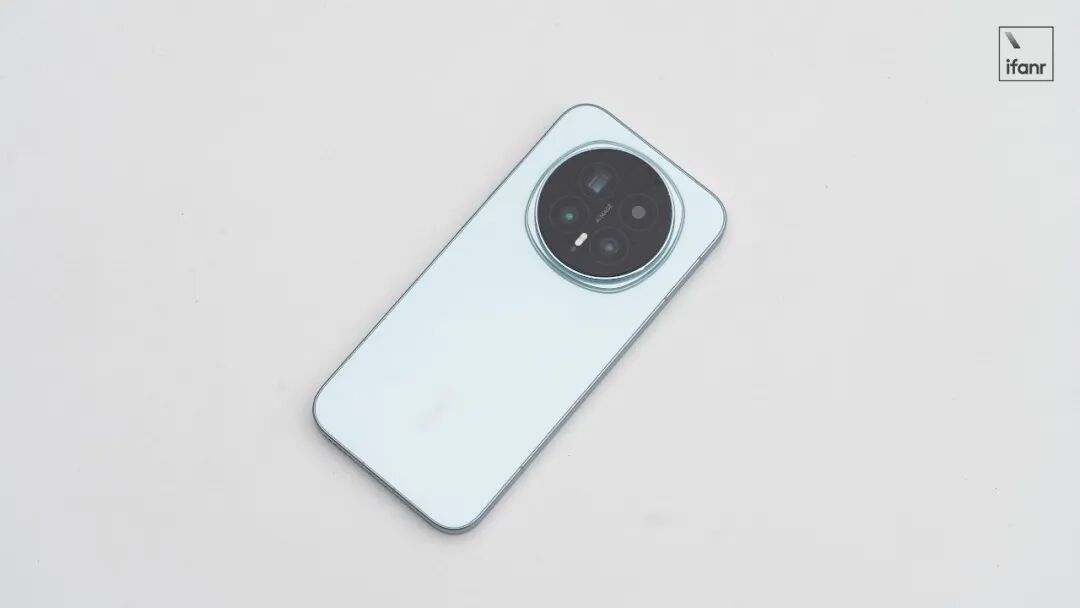
In an offline store, the two OPPO mobile phones may not seem very different at first glance, but you can easily tell the difference between the two Honor mobile phones.
It's worth mentioning that last year, only the standard version of Honor used Pro - level ultrasonic fingerprint recognition. This year, all four brands have it as standard. As a result, the Honor Magic 8 has suddenly become the worst in terms of fingerprint - unlocking ability. For some light - touch gestures that can be unlocked instantly on other brands' phones, the Magic 8 often fails to unlock and requires a harder press.
Smoothness is basic, and AI is more practical
The concept of AIOS emerged at the end of 2023. Until now, it's hard to say that any brand can sell new mobile phones solely based on AI functions. However, the system AI functions of Honor and OPPO, although not yet at the level of "once used, never go back", are still quite practical.
OriginOS 6 (vivo) vs Pengpai OS 3 (Xiaomi)
The reason for continuing to compare these two mobile phones is simple: one has made obvious progress, while the other has regressed a bit.
On the Xiaomi 17, the performance of Pengpai OS 3 is eye - catching: both the system smoothness and the fineness of animations have been significantly improved, and no serious problems such as system freezes or app crashes have been encountered during use.
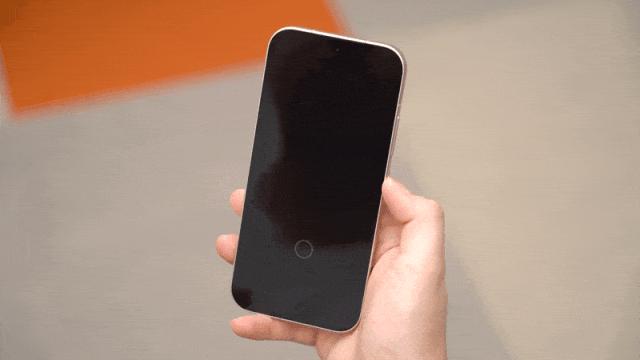
However, considering the poor follow - up performance of the Xiaomi 15 last year, it's still a question whether the Xiaomi 17 can maintain its excellent performance.
After the problems of fluency and stability are solved, the advantages of Pengpai OS 3 become more obvious. Among domestic Android custom systems, Pengpai OS has the most diverse functions, especially in terms of lock - screen beautification, with more styles and gameplay.
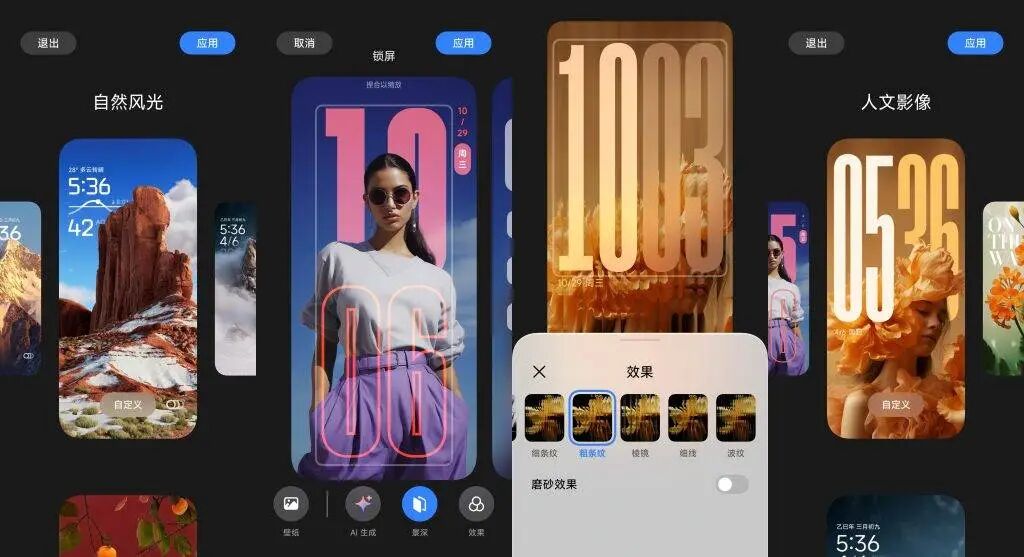
Moreover, Pengpai OS 3 doesn't use too much "glass" design. Although some notification - prompt interfaces have an "Apple - like" feel, it still retains a lot of Xiaomi's own style overall.
After adding the light - sensing design, the system animations of OriginOS 6 have become more diverse, but the design seems a bit "out of focus".
The control center uses a "solid - glass" design, the folders use a "frosted - glass" design, and the system icons inherit the "flat design" of the previous OriginOS... Although it runs smoothly and has rich animations, it also gives a sense of chaos and lack of order.
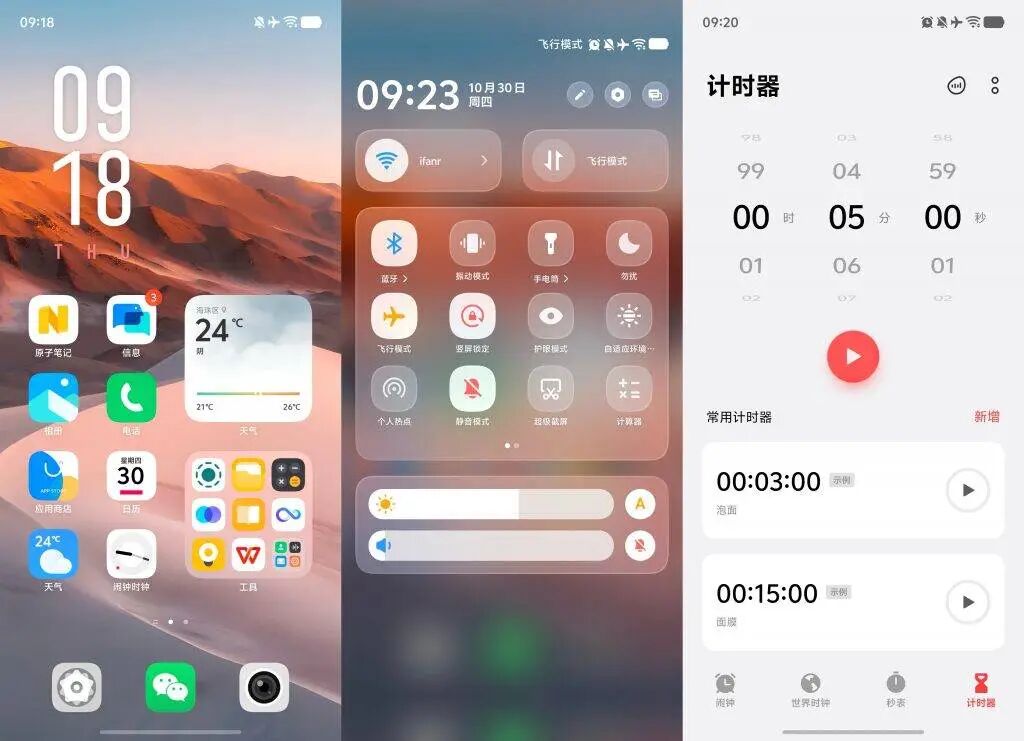
In addition, during the time I used the X300, I also encountered app - freezing problems when using large - scale apps such as the camera, WeChat, and Taobao.
If the "Xiaomi" and "vivo" systems are based on the present, then the following two contestants are "fighting for the future".