Tesla's Shareholder Meeting: FSD is coming, Robotaxi production is scheduled, and Elon Musk is staking his next decade on it.
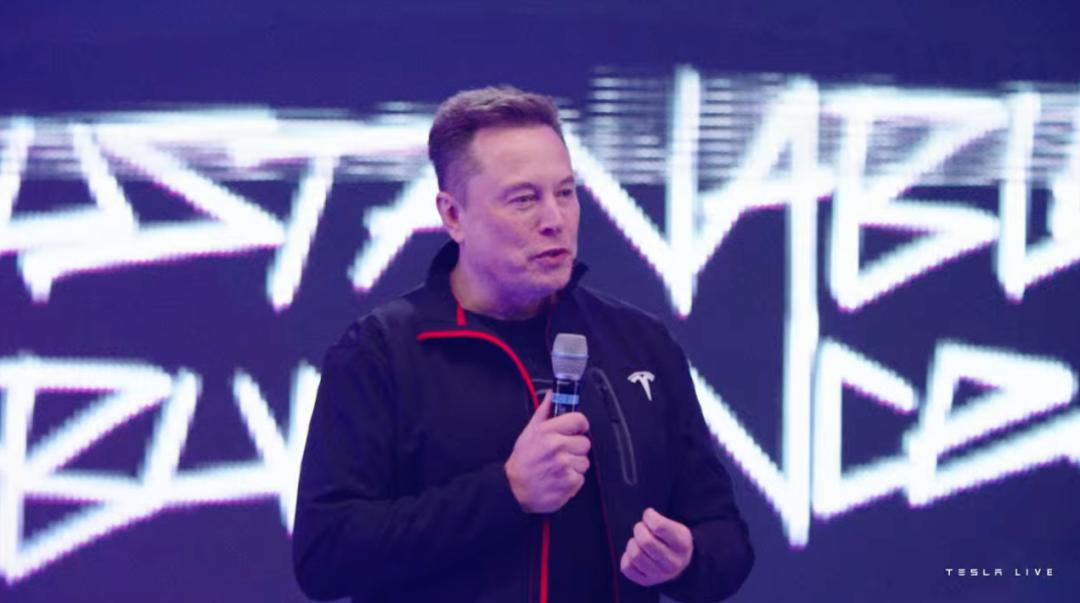
Early in the morning on November 7th, Beijing time, the 2025 Tesla shareholders' meeting arrived as scheduled.
Amidst the cheers at the scene, the question of whether Elon Musk would stay at Tesla finally had a conclusion - the one-trillion-dollar compensation plan received more than 75% of the votes in favor. He will continue to steer Tesla and further tighten his control.
In addition to this unprecedented incentive plan, Musk also revealed a lot of new information at the shareholders' meeting: the production start time of the Cybercab, the newly designed electric truck Semi, the third-generation humanoid robot Optimus, the AI5 chip with a significant performance boost, and an updated and more long-term vision. To some extent, this was more like a future roadmap press conference for the capital market.
Musk's rhythm is very clear: stabilize control, fulfill old promises, and let new stories take off. FSD has been launched in multiple countries, and the Chinese market is waiting for the final approval. "I hope it can be fully approved around February or March." The Robotaxi is planned to go into mass production in 2026, aiming to achieve an operating cost as low as a few cents per kilometer. And Optimus is called "the greatest product ever" by him. Its mass production will be accelerated, with the goal of producing tens of billions of units, which is expected to change the world's economic structure.
Over the past year, the keyword for Tesla has been "transition".
Capacity expansion was stuck between technical verification and policy compliance. The progress of FSD was slower than expected, and the stock price fluctuated several times. But at this shareholders' meeting, Musk once again refreshed the market's imagination with his imaginative stories. And this time, he is betting on a target market value of 8.5 trillion dollars and a full decade.
01 The One-Million Compensation Plan
This compensation plan worth about one trillion dollars is an unprecedented compensation scheme. According to the agreement, the Tesla board of directors granted Musk up to 423.7 million restricted shares, accounting for about 12% of the company's adjusted total share capital.
Musk won't receive all the incentives at once. Instead, he has to unlock them step by step, just like clearing levels in a game. There are a total of 12 groups of targets waiting for Musk to unlock.
In terms of market value, in the first stage, Tesla's market value needs to be pushed up from the current level of about 1.5 trillion dollars to 2 trillion dollars. Subsequently, the market value needs to increase by 500 billion dollars for each stage. In the last two stages, the market value will increase by 1 trillion dollars each time, with the ultimate goal of reaching 8.5 trillion dollars.
The operational dimension also can't be neglected. At least one business indicator needs to be achieved in each stage, such as the number of FSD subscription users exceeding 10 million, delivering 20 million vehicles, 1 million Robotaxis being put into operation, or the cumulative delivery of the Optimus humanoid robot reaching 1 million, etc. The strictest requirement is the profit target: ultimately, an annual EBITDA (earnings before interest, taxes, depreciation, and amortization) of 400 billion dollars needs to be achieved.
This is a design that allows Musk to make all-out efforts in stages. It is a high-pressure binding that pushes both risks and incentives to the extreme. This mechanism ensures that Musk won't leave for ten years and the goals won't waver. Finally, the plan was passed with a high vote of over 75% in support. Musk's shareholding ratio may increase to over 25% in the future. Coupled with the voting rights that take effect immediately, his actual control over Tesla will be even more stable.
When the voting results were announced, cheers erupted at the scene, and everyone shouted Musk's name.
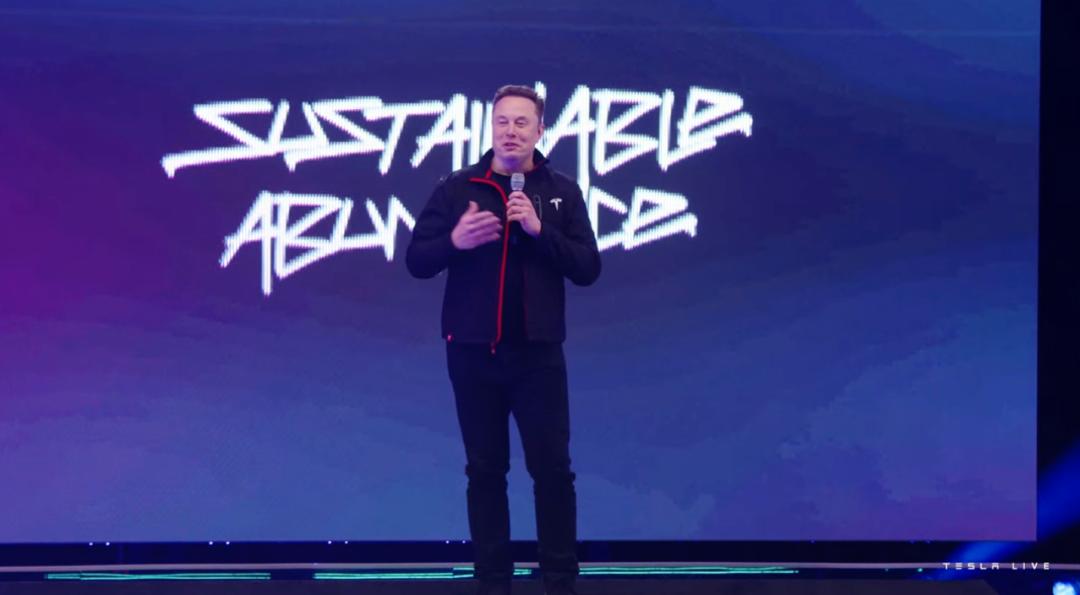
However, before the voting, there were also opposing voices at the shareholders' meeting, mainly from the Norwegian Government Pension Fund, the proxy voting agencies ISS and Glass Lewis. Some shareholders also expressed their dissatisfaction with the reduction of shareholders' rights. Their concerns are that such a large incentive may dilute the rights and interests of ordinary shareholders, exacerbate the risks brought by key figures, and even blur the independence of the board of directors.
Now that the results are out, only time can test the chain reaction brought about by this voting.
02 Multiple New Cars on the Way, Will FSD Finally Be Fully Pushed in China?
After winning the compensation plan, Musk made his entrance in the warm atmosphere accompanied by the energetic dance of Optimus and announced the next new car plans, as well as the product layout and production plans for chips and other products.
From full self-driving to performance sports cars and then to heavy truck logistics, the main storyline of Tesla's automotive story is becoming more and more rich.
First is the Cybercab, Tesla's first fully self-driving vehicle specially designed for Robotaxi operations. It is equipped with 8 cameras, no steering wheel, no pedals, and no rearview mirror, and is driven by AI throughout the journey. Musk said its operating cost per kilometer is only a few cents. The mass production time is set for April 2026, and production will start at the Texas Gigafactory. Musk's vision for the production rhythm is to produce one vehicle every 5 - 10 seconds, with a target annual production capacity of 5 million vehicles.
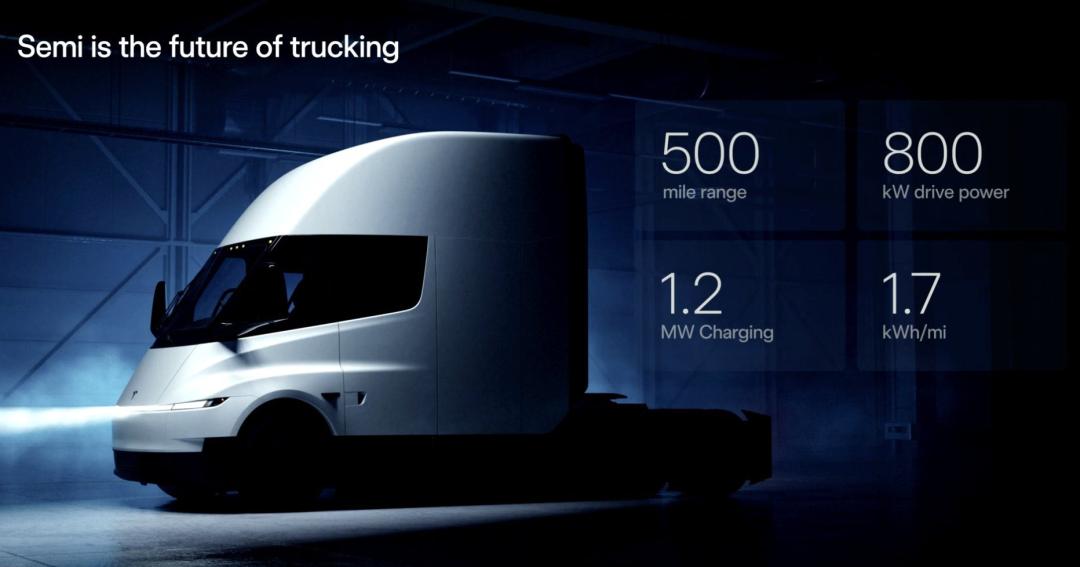
Next is the previously somewhat quiet Semi electric semi-trailer truck, which has been put back on the agenda, and the product has also undergone a new design. Musk announced that the Semi will be officially put into production at the Nevada Gigafactory in 2026, aiming to create a product that can truly replace diesel trucks for zero-carbon logistics. It has a range of 800 km, an output power of 800 kW, a fast-charging capacity of 1.2 MW, and consumes about 1 kWh of electricity per kilometer. It not only saves energy but also saves on drivers because the whole vehicle is designed for the future fully autonomous driving architecture.
However, the previous generation of the Semi has not yet achieved real mass production, and the new generation is coming soon, with the mass production time postponed again.
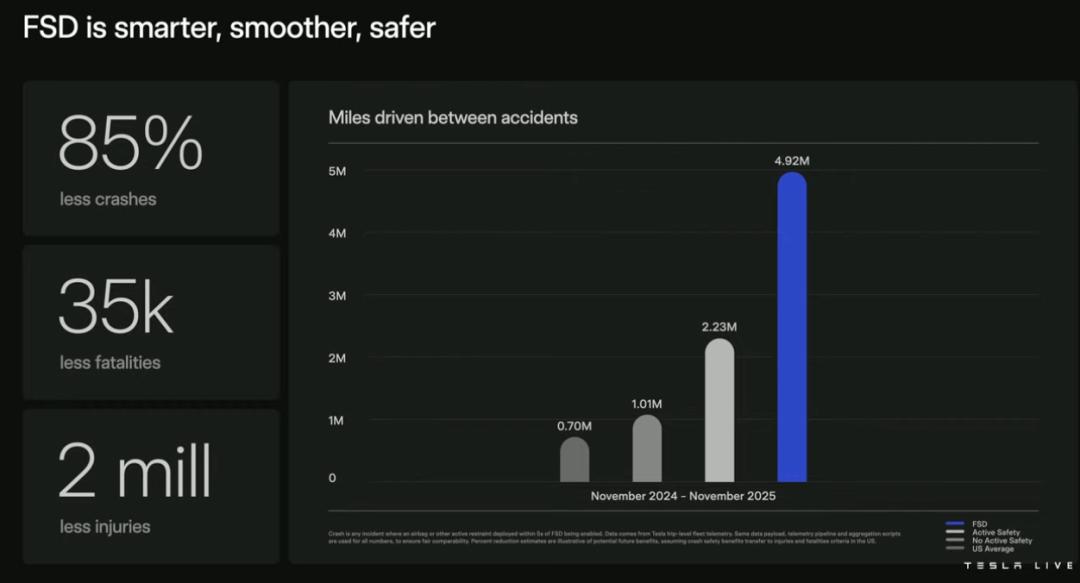
Meanwhile, FSD V14 is being promoted at an accelerated pace. Musk said the latest version is so safe that "you can text with peace of mind." It's worth noting that although Musk shows great confidence in FSD, from a regulatory perspective, it is still classified as an L2-level assisted driving system, and the legal liability still lies with the driver.
FSD has been launched in 6 countries, but it's still difficult to get regulatory approval in the European market. Regarding the Chinese market, Musk said, "I hope it can get full approval around February or March 2026."
Finally, the old acquaintance, the Roadster, is making a comeback. Musk promised to bring "the most shocking product demonstration ever" on April 1st, 2026, which is next year's April Fool's Day, and mass production is expected to start 12 - 18 months later. The new car will integrate rocket boosters and an omnidirectional vector propulsion system, and Musk is about to break the boundaries of cars again.
The Cybercab focuses on Robotaxi, the Semi reconstructs the logistics layout, and the Roadster is responsible for maintaining performance and imagination. Each new car has a clear division of labor. Musk also said that as FSD matures, Tesla's overall vehicle production capacity will expand at an accelerated pace: the target production volume in 2025 is 2.7 million units, and the goal is to reach 5 million units in 2028.
03 The Humanoid Robot and the Chip
Compared with the implementation rhythm of the new cars, what Musk talked about the most and was the most excited about at the conference was actually the humanoid robot and the self-developed chip.
He first showed the Optimus V2.5, which had been accompanying him on both sides of the stage. It can walk autonomously, wave, interact, and even dance. Musk said that the V3 version will go into mass production in 2026. It will not only be more human-like but also have stronger self-judgment and task execution abilities.
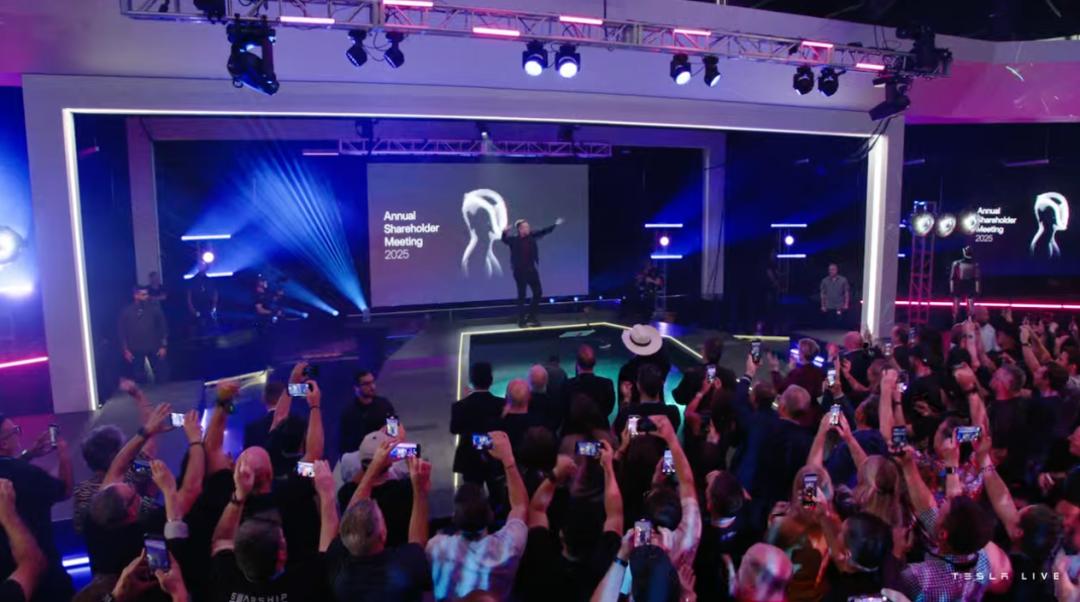
This time, Musk emphasized one point. He believes that Optimus will be the greatest product ever, and this product is not just a high-tech toy. It will also become an infinite money loop and can even affect the entire economic situation. "To some extent, artificial intelligence and robotics can increase the global economy by 10 times or even 100 times."
To support this goal, Tesla's plan is to first build a production line with a capacity of one million units in Fremont and then build a production line with a capacity of tens of millions in Texas. Ultimately, it aims to challenge an annual production of 100 million robots. Once the annual production reaches the scale of one million units, the cost per unit is expected to be reduced to less than 20,000 dollars, which is enough to compete directly with human labor.
Musk half-jokingly put forward two long-term visions for the humanoid robot: the world will have tens of billions of Optimus in the future. On the one hand, they can assist in medical care and alleviate the medical difficulties caused by poverty. "They will provide incredible medical services to humans, and in the medical field, robots will perform better than the best human surgeons."
On the other hand, the humanoid robot can also "prevent crimes in a more humanitarian way. It will track you and stop you from committing crimes."
What supports these real-world AIs is a more fundamental chip system. Some details of the AI5 chip were also disclosed at this shareholders' meeting: compared with the AI4, the AI5 will achieve a 9-fold increase in memory capacity, a 10-fold increase in computing efficiency, and a 50-fold increase in overall performance. Its energy consumption is only one-third of that of NVIDIA's Blackwell, and the cost is less than one-tenth.
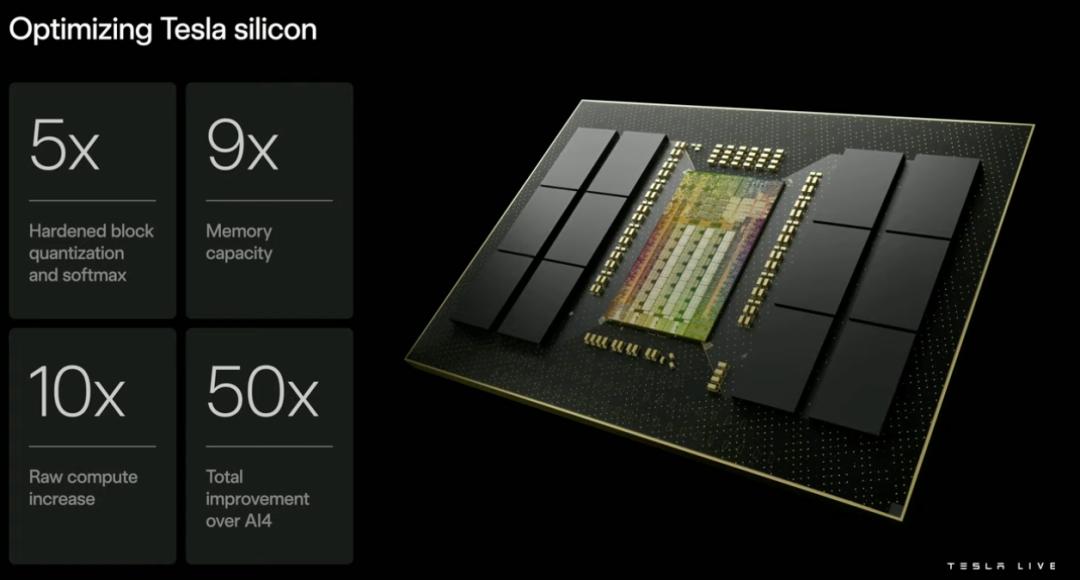
Musk said that to achieve the required chip production capacity, Tesla is currently in negotiations with Samsung, TSMC, NVIDIA, etc. It may be necessary to build a Tesla Tarafab (a super chip factory), just like the Gigafactory. He also said that he hopes that within less than a year after the production of the AI5 chip starts, the factory can transition to the production of the AI6, with all performance indicators doubling.
Judging from the voting results of the shareholders' meeting, the capital market is still willing to bet on Musk and his Tesla for the future. The Robotaxi has not been officially launched yet. It may still be several years before Optimus really enters households. The super AI chip factory is still just a sketch. However, at least starting from this shareholders' meeting, Tesla has presented a relatively clear new narrative oriented towards profitability and operational data.
This article is from the WeChat official account "Garage 42", author: Dayong. Republished by 36Kr with permission.