The all-new MacBook is really here, with the same processor as the iPhone. Has Apple changed its strategy?
Journalist Mark Gurman from Bloomberg has brought the latest scoop. Apple plans to release its first low-cost MacBook device in the first half of next year, with a starting price “significantly lower” than the $999/7,999 RMB price range of the currently available M4 MacBook Air series.
As the newest member of the MacBook product line, Apple's first low-cost MacBook device is currently being tested internally by the company and is in the early mass - production stage with overseas partner suppliers.
In Gurman's exact words, “This will be Apple's first foray into the low-cost laptop market, aiming to attract users of Google Chromebook netbooks and entry-level Windows laptops.”
Gurman also revealed that Apple's first low-cost MacBook features a brand-new design, is equipped with an iPhone processor and a low-end LCD display, and will have the smallest screen size in the MacBook product line, “slightly smaller than the 13 - inch screen of the MacBook Air”.
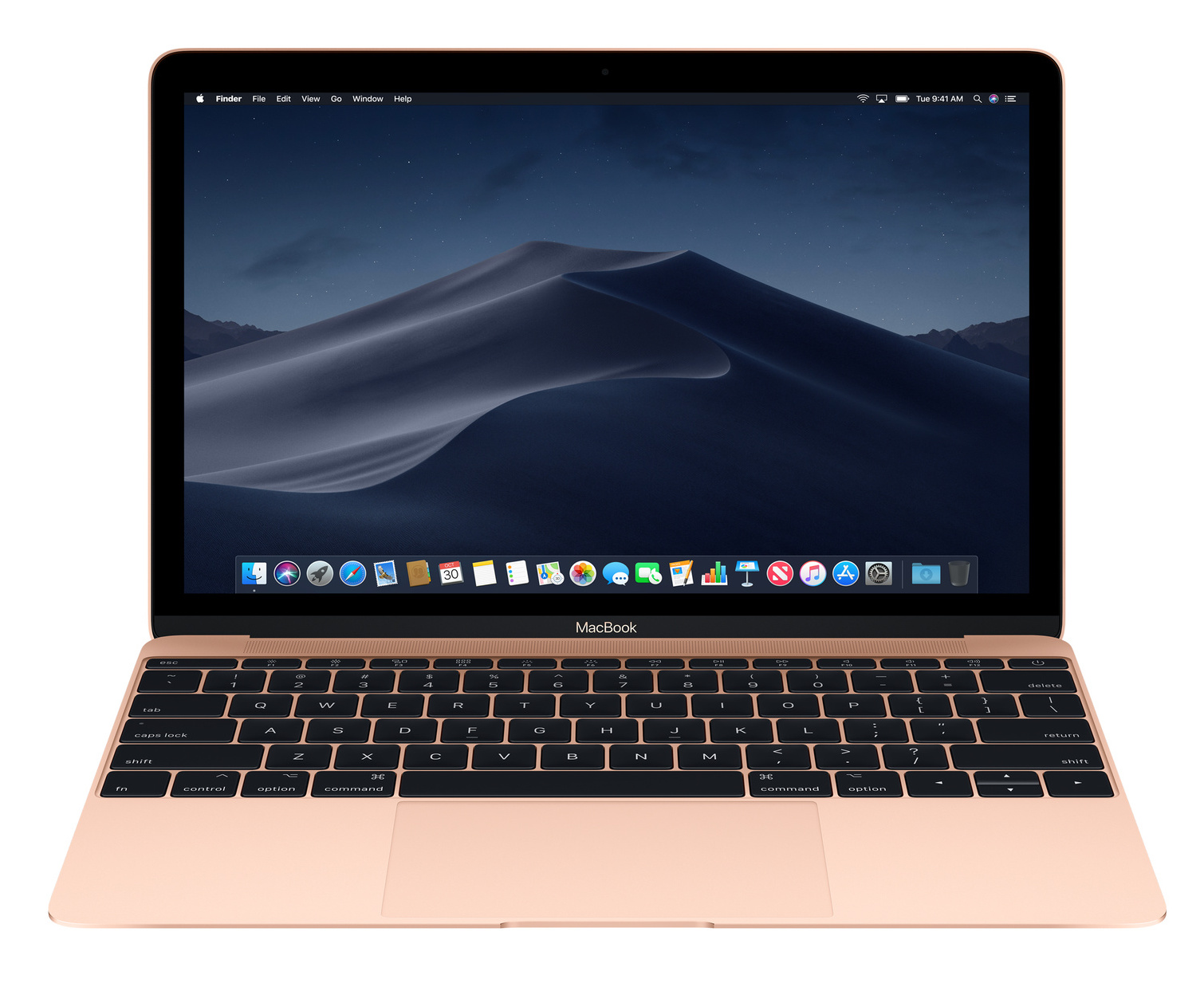
12 - inch MacBook (Source: Apple)
The “New MacBook” Once Became a Classic
Upon hearing the terms “brand-new design” and “smaller screen,” Lei immediately thought of a “new member” that Apple added to the MacBook product line a decade ago, the 12 - inch MacBook.
As a product that fully showcases Apple's innovative technology, the 12 - inch MacBook, which made its debut in 2015, features a lightweight and thin design and was also the first MacBook product in the line to adopt a fanless design.
How lightweight and thin was this 12 - inch MacBook a decade ago? Its body thickness was only 1.32 cm, and its weight was only 920 g. In comparison, the 13 - inch MacBook Air with the M4 chip a decade later has a body thickness of 1.13 cm and a weight of 1,240 g. Even if Apple were to add a 12 - inch version to the MacBook Air, it would probably be difficult to beat the 920 - g MacBook in terms of weight, and this was a device from a decade ago.
That's not all. Earlier than the MacBook Air series, Apple introduced the “Retina” screen to the 12 - inch MacBook. Features such as the multi - functional USB - C port, trapezoidal battery design, new Force Touch trackpad, and even the controversial and later completely abandoned butterfly keyboard all demonstrate the “pioneer” role of the 12 - inch MacBook.
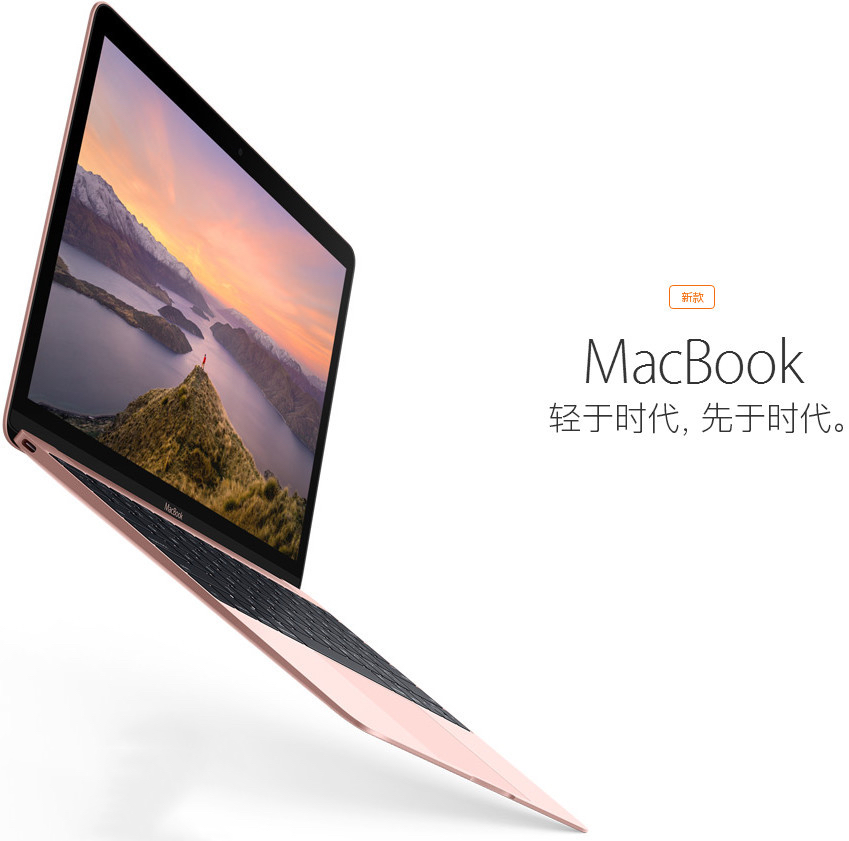
12 - inch MacBook (Source: Apple)
In 2015, Apple wanted to develop a “lighter, thinner, and more pioneering” product line outside the MacBook Air series, a line that reflected the future technological evolution of Apple's MacBooks. So, there was no thought of making it cheaper. As a result, the 12 - inch MacBook (equipped with Intel Core M series processors), which had lower performance than the Air series, was priced even higher.
After Apple launched two iterative products in 2016 and 2017 for this MacBook product line that undertook the “pioneering exploration” mission in technology, it suddenly stopped.
One sows the seeds, and another reaps the benefits. After the product line stopped being updated and with the debut of Apple's self - developed M series chips in 2020 (which mainly solved the performance and heat dissipation problems), many of the highlight technologies of the previous 12 - inch MacBook, such as the thinner appearance, fanless design, USB - C port, and miniaturized motherboard, were better inherited by the MacBook Air series.
The Return of the “New MacBook”: Apple's Strategy Has Changed
Compared with the “new MacBook” that made a stunning debut a decade ago, the “new MacBook” that Apple has started early mass - production of a decade later has completely changed in terms of positioning and market strategy.
First, in terms of pricing, the clear information currently available is that this is a new product with a lower price than the entry - level MacBook Air. Apple's intention is obvious. Currently, the global market positioning of the MacBook product line is generally on the high - end side. Under the mid - to high - end MacBook Air series, Apple intends to open up a new mid - to low - end product line, so that the MacBook product line can cover a wider range of price - sensitive audiences, such as students. To some extent, it is going to compete with “low - end” netbook categories like Google Chromebook for the market.
In the domestic market, referring to the official starting price of 7,999 RMB for the MacBook Air series, the starting price of the new MacBook planned to be launched next year may be 5,999 RMB or even 4,999 RMB. With continuous price adjustments by third - party channel providers after its launch, the new MacBook is expected to further drop to the 3,000 - 4,000 RMB price range, and it is not impossible to reach below 3,000 RMB during the annual major promotions.
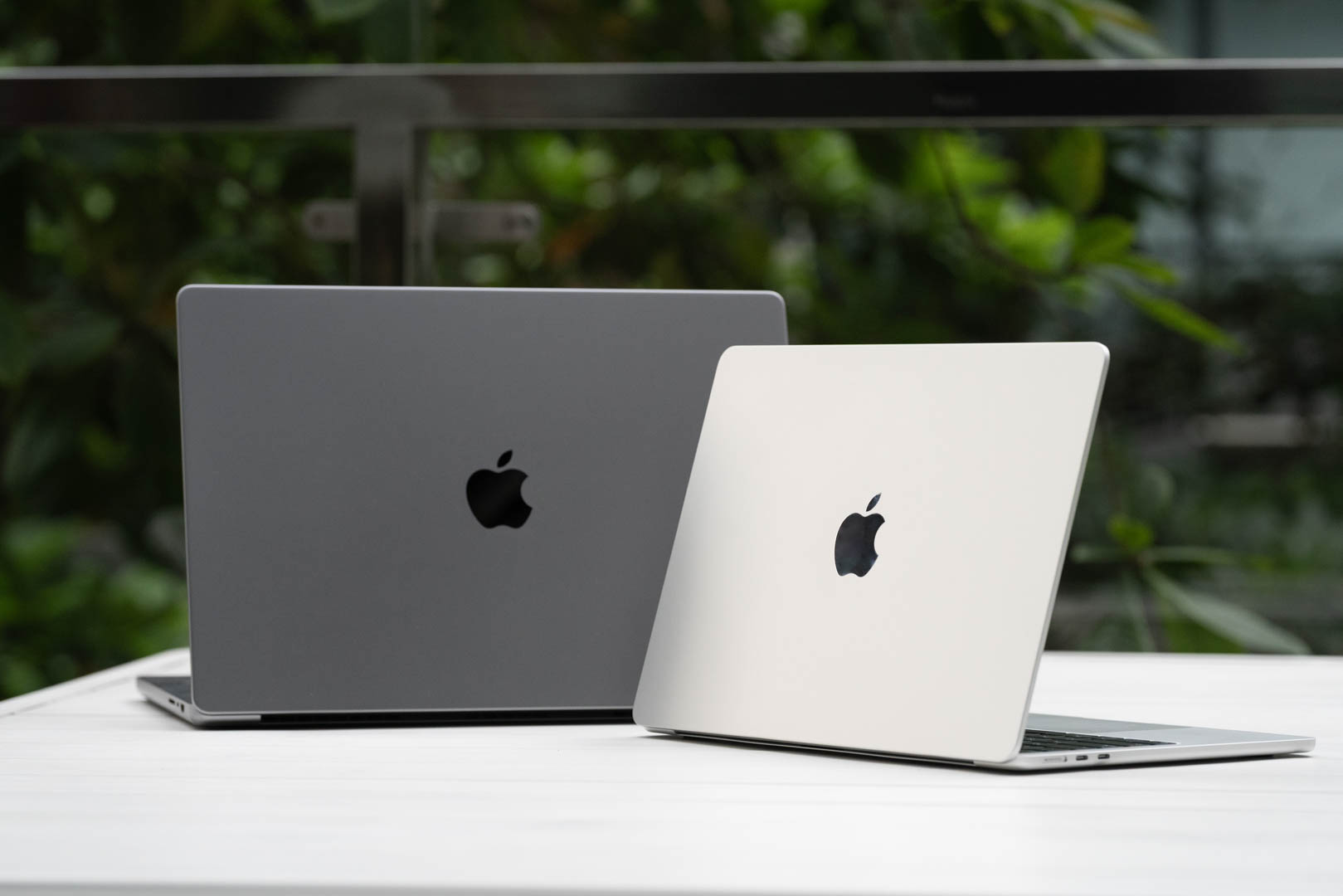
M4 MacBook Air (Photographed by Lei Technology)
Secondly, the new MacBook planned to debut in 2026 and the MacBook that appeared in 2015 have completely different missions, even though the chips they are equipped with are both “lighter” versions: one is the Intel Core M series compared to the Intel Core series processors, and the other is the same A series as the iPhone compared to Apple's M series chips.
Specifically, the core mission of the returning MacBook series is to install the mobile phone chip. No matter how pioneering the MacBook was a decade ago, it was impossible to be equipped with the same chip as the iPhone; however, a decade later, with the more powerful performance of the mobile phone chip, it can be achieved.
Gurman cited sources familiar with the matter as saying that “in Apple's internal tests, the performance of the new MacBook equipped with the same A series chip as the iPhone is even better than that of the MacBook Air equipped with the M1 chip.”
Actually, if you look at the device benchmark data, the A series chips in the latest iPhones have long outperformed some non - latest Apple M series chips.
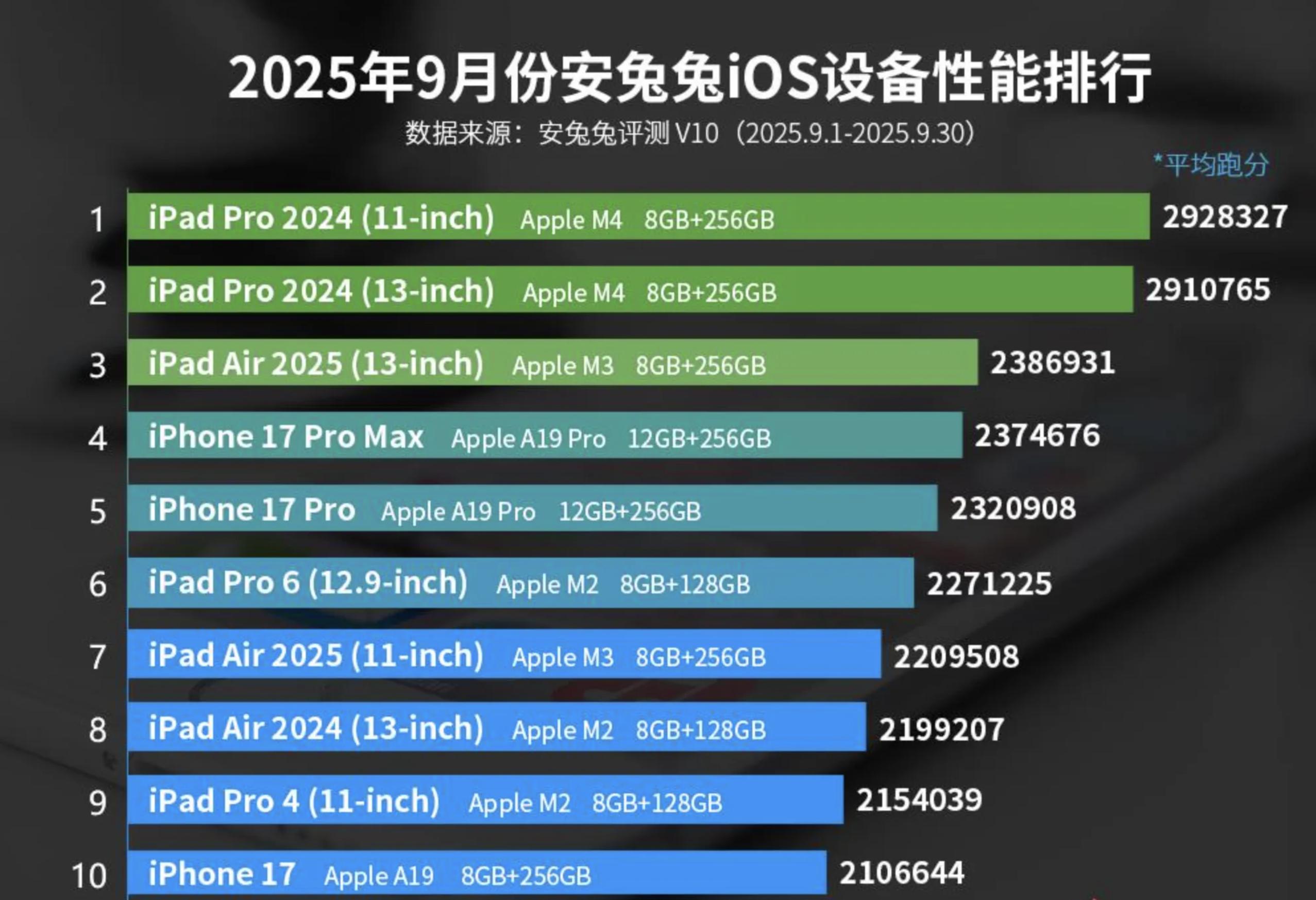
(Chart Source: AnTuTu)
Who will buy the lightweight computer device equipped with a mobile phone chip? The new generation of “native” users who have grown up with the mobile Internet, the “middle - aged and elderly” consumer groups who use computers like mobile phones, and the audience groups that are relatively sensitive to computer prices. Even those who have bought the Pro/Max version of the new iPhone may buy a new “toy” MacBook with a price less than half of the iPhone and seamless ecological experience.
Therefore, compared with the “pioneering exploration” role of the MacBook a decade ago, the core mission of the MacBook a decade later is to “fully expand the audience circle of Apple's laptop devices”.
Actually, the M1 MacBook Air, which was launched in 2020, can still be strongly promoted by the platform with a 10 - billion subsidy, and there are still many loyal users. This itself shows that as long as there is a suitable price, there will be an audience group that needs this kind of lightweight laptop device, even if it uses a mobile phone chip.
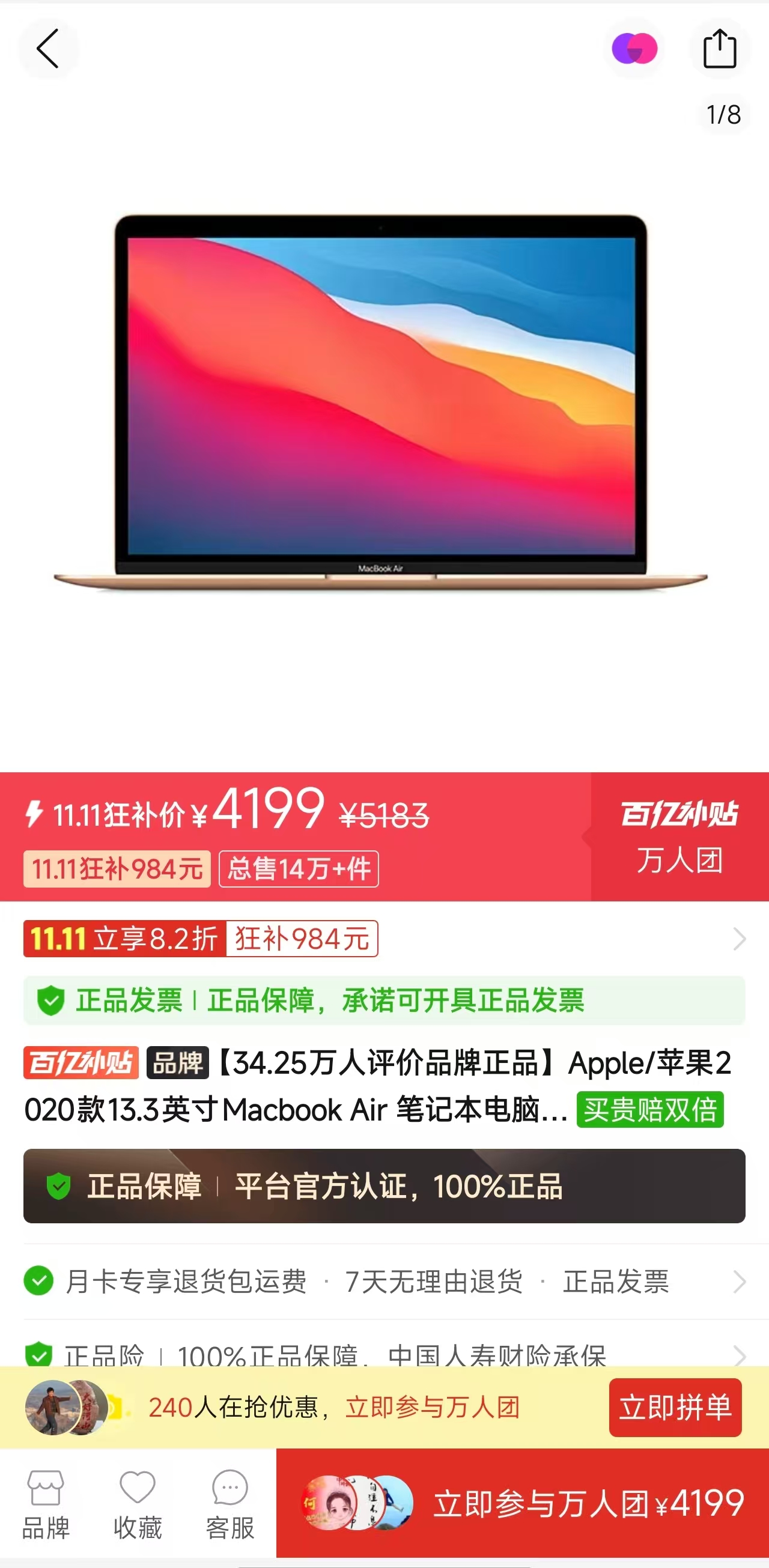
It's almost 2026, and the M1 MacBook Air is still being strongly promoted by the platform with a 10 - billion subsidy
Finally, the development of the iPad product line in recent years also proves one thing: For the majority of users, which one do they need more, a tablet device equipped with a computer - level chip or a laptop device equipped with an old - model chip?
Apple has been making continuous efforts on the iPad Pro series devices for many years and has been promoting the concept of “Your next computer doesn't have to be a computer.” However, it still cannot make the majority of users “abandon their computers and embrace tablets.” Behind this is the deeply ingrained user usage habits of the traditional laptop form at present. At the same time, the entry - level iPad and the small - sized iPad mini have increasingly become the “backbone” of Apple's iPad product line.
Since the high - end computerization of the iPad is still immature, Apple might as well do the opposite and make the MacBook low - cost and lightweight. This is also a path that is more in line with the current user habits and market environment.
Can the Ultra - Low - Cost “New MacBook” Sell Like Hotcakes in China?
In recent years, the audience group of Apple's MacBook product line in the domestic market has been continuously expanding, which is due to the MacBook Air with the M series chips.
In the past one or two years, with the implementation of the national subsidy for computers, the market influence and user appeal of both new and old MacBook Air models have been comprehensively strengthened.
In March this year, the market share of Apple's macOS in the Chinese desktop operating system market exceeded 10% for the first time, surpassing the previous highest share of 9.94% (during the pandemic), setting a new historical high since statistics began in 2009.
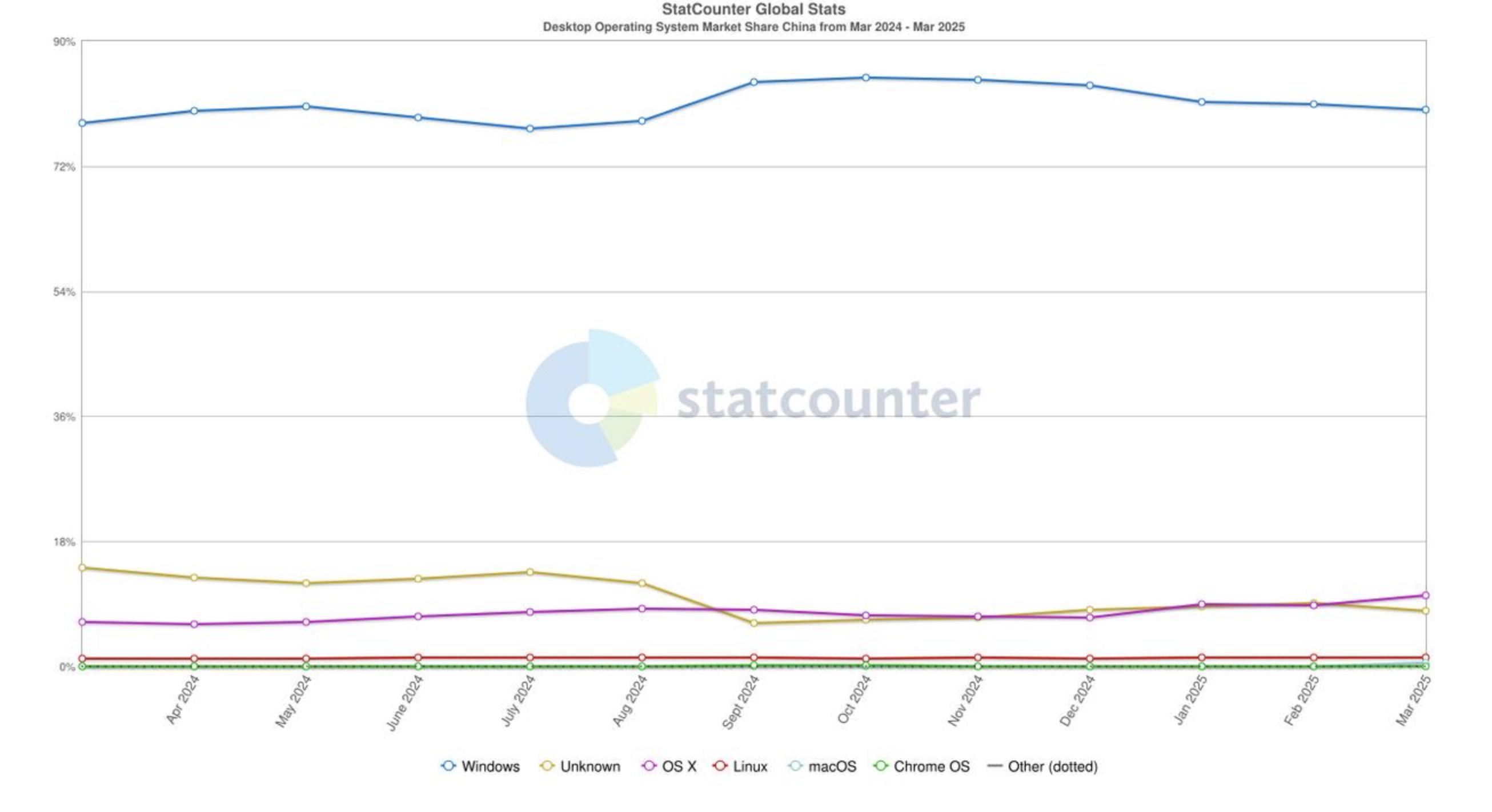
(Chart Source: Statcounter)
However, there have been continuous rumors that the national subsidy may not continue from 2026. For the MacBook Air with an official starting price of 7,999 RMB, this is not “good news.” With the appearance of the new MacBook with a starting price “significantly lower” than the Air series, Apple seems to have come up with a new solution.
Therefore, compared with the MacBook Air series (especially the new models) that only have “cost - effectiveness” after the national subsidy, the new MacBook can achieve a certain degree of “cost - effectiveness” at its regular price, which is undoubtedly of great significance for further increasing the sales volume of Apple's MacBook product line in the domestic market.
However, it is still unrealistic for Apple to significantly increase the market share of the MacBook and even the Mac product line in the domestic and global markets just with a newly designed MacBook series priced at 3,000 - 4,000 RMB. For example, the iPhone has been popular in China for many years, and this generation of the iPhone 17 series can be considered to have “sold like hotcakes,” but it is not expected to bring much change to Apple's current market share in the domestic mobile phone market, even if it “temporarily” returns to the top - selling brand.
The fierce competition in the domestic mobile phone market and the relatively fixed market share pattern among major mobile phone brands also exist in the domestic laptop and even computer market.
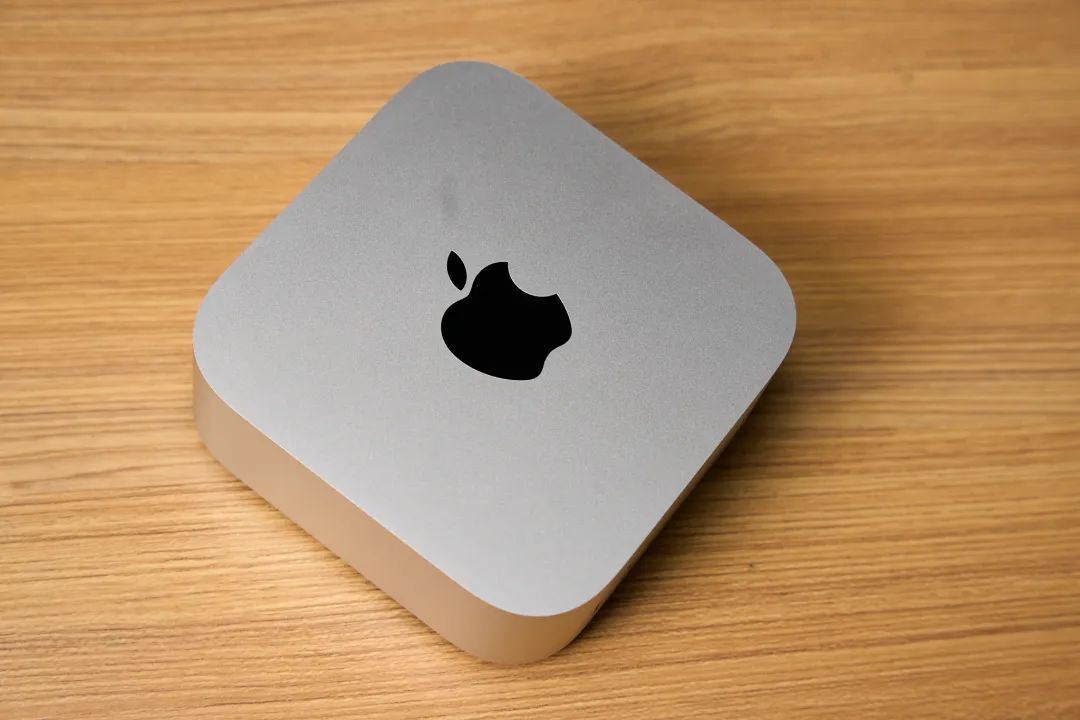
M4 Mac mini (Photographed by Lei Technology)
Moreover, the M4 chip Mac mini, which only costs two or three thousand yuan after the national subsidy, has indeed “sold like hotcakes” compared to its previous generation products. However, many netizens have also voiced their opinions, saying, “It's really cheap, but what can I do with it?”
This year, Apple's macOS system has broken through the historical “ceiling” of 10% market share in China. However, it is obviously not enough to rely solely on a newly designed and lower - priced MacBook series to quickly increase the market share from 10% to 15%, 20%, or even higher.
This article is from “Lei Technology” and is published by 36Kr with authorization.