HBR Management Annual Conference 2025 & New Growth Conference: Trust, Belief, Confidence
On October 31, 2025, the HBR Management Annual Conference 2025 and the New Growth Conference were held in Beijing. Under the theme of "Trust, Belief, and Confidence," this year's conference brought together business leaders, scholars, and innovation practitioners from around the world to discuss how enterprises can reshape their spiritual drive and value foundation and forge a path for long - term sustainable development in an era full of uncertainties. The conference delved into in - depth discussions around six core topics: strategy, new growth, trust mechanisms in human - machine collaboration, open innovation, ecological brands, and globalization. With forward - thinking and practical experience, the guests explored organizational innovation and transformation solutions and new ideas for digital and intelligent transformation. As an annual management thought event, the HBR Management Annual Conference is not only an observation and reflection on the changes of the times but also a redefinition of the future business resilience, value, and direction.
Zhao Gening, Deputy General Manager of HBR in China interpreted the theme of this year's conference in his opening speech. In an era where AI is deeply involved in decision - making, "trust" has become the core competence of an organization; "belief" enables us to adhere to long - termism in an impetuous environment; and "confidence" stems from trend insight and capacity building, which allows us to continue to explore and actively evolve even in difficult times. This event was precisely a gathering to rebuild trust, uphold beliefs, and boost confidence.

Prelude
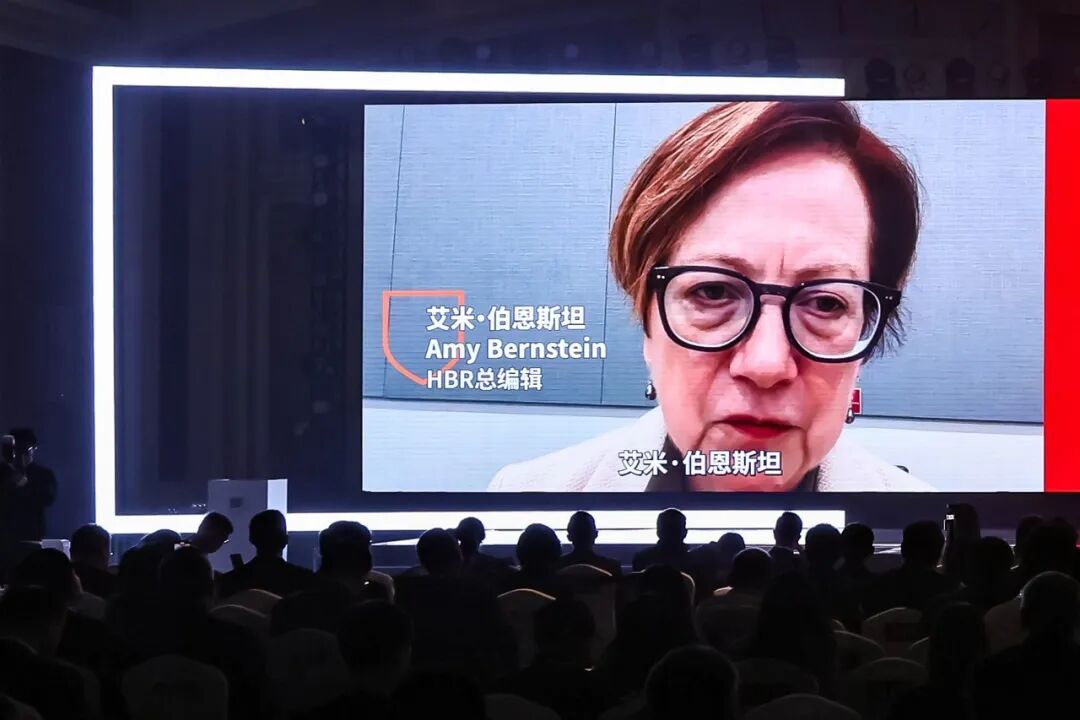
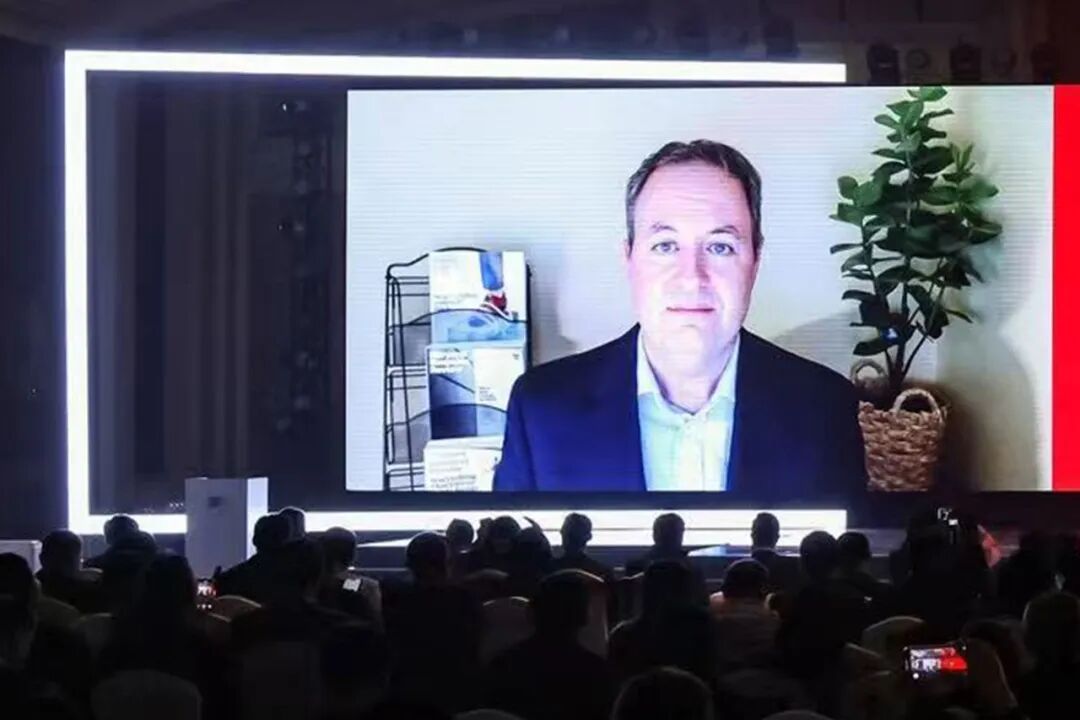
In the rapidly evolving AI era, "trust" has become a crucial issue for the continuous growth of organizations. Adi Ignatius, a special editor and former editor - in - chief of HBR believes that the principles for rebuilding trust in the AI era remain honesty, responsibility, and fairness. Enterprises that uphold these values, maintain transparency in AI applications, and put people first can stay ahead. Amy Bernstein, the editor - in - chief of HBR pointed out that an enterprise's competitive advantage does not lie in the algorithms it deploys but in the trust it builds. Trust comes from authenticity, logic, and empathy. Leaders need to be sincere, show sound judgment, and care about their employees. Daniel McGinn, the editor of HBR magazine emphasized that trust lays the foundation for leadership, belief unites the team, and confidence inspires courage. The three guests jointly pointed out that although technology is reshaping business, the essence of leadership still lies in human nature. Only leadership based on sincerity and responsibility can win long - lasting trust and the future.

Opening Speech
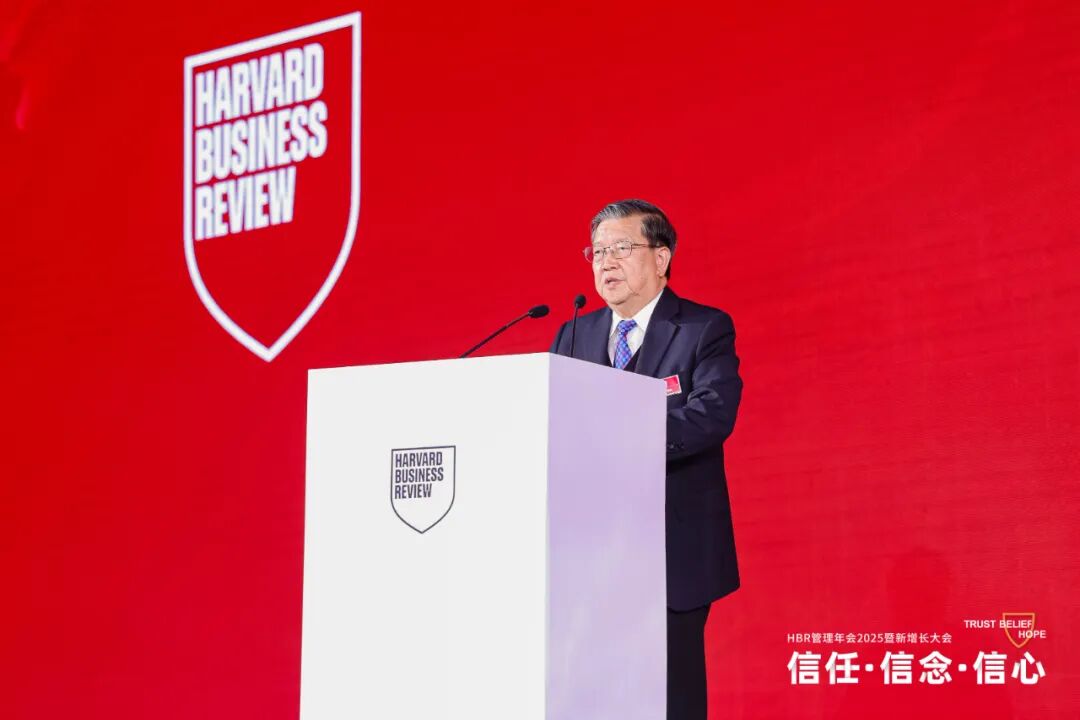
Long Yongtu, former vice - minister of the Ministry of Foreign Trade and Economic Cooperation and China's chief negotiator for WTO accession pointed out that the multi - polarization of the world has brought important opportunities for equal - benefit cooperation and win - win results to emerging countries, including China. Although the form of economic globalization is constantly evolving, its process has never stopped. Three major forces, namely the government, the market, and technology, are still driving globalization. As long as we can build trust among countries and enterprises, economic globalization will surely continue to move forward under the new multilateral system.
First Movement
Strategic Resilience and Adaptability in a Changing World
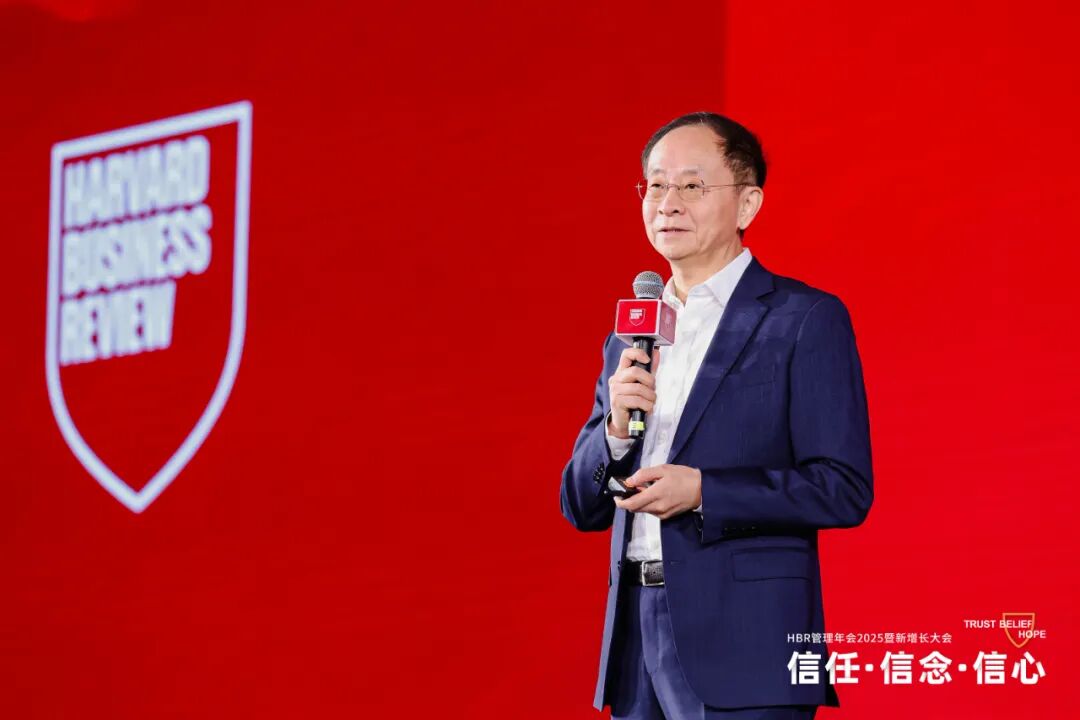
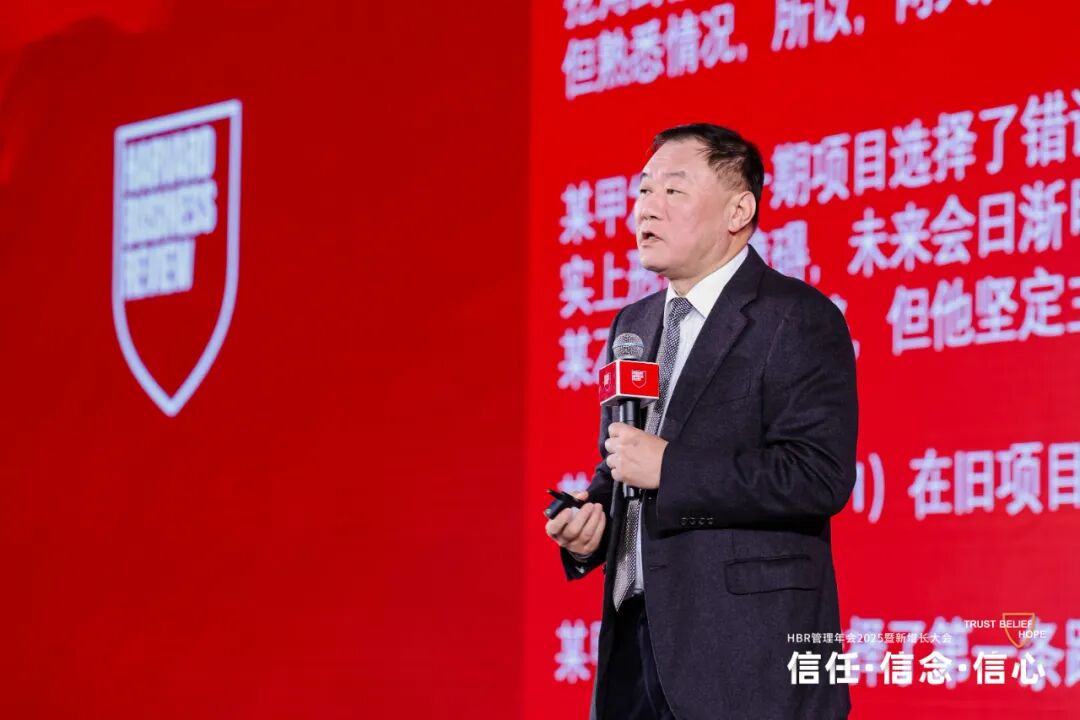
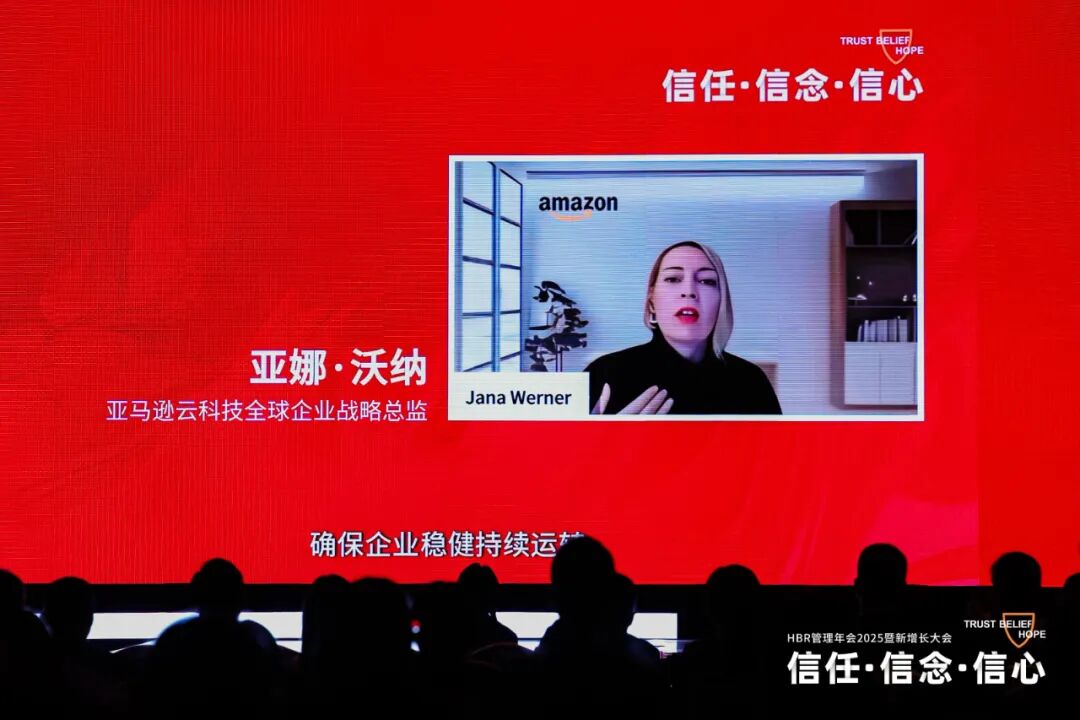
Facing a highly uncertain "burning world," enterprises need to seek a dynamic balance between strategic resilience and agile adaptability. Zhang Wenzhong, the founder of Beijing Wumart Group and Multi - point Dmall said that in the digital and intelligent era, enterprises should use AI to reconstruct the new consumer experience and drive the high - quality development of the industry. He put forward the concept of "Five Loves" - loving oneself, family, colleagues, customers, and partners. Based on this, the new - quality retail with AI will replace single - point competition with ecological collaboration, and market players will gradually move towards enterprise alliances. Chen Ke, the Chief Operating Officer of Anta Group believes that enterprises should adhere to their vision and mission with "resilience," focus on their main business, and create value, and improve their strategic system and dynamic management ability with "adaptability." Anta Group is constantly redefining globalization, innovation, and digitalization, actively embracing AI, and driving resilient growth through self - transformation. Ning Xiangdong, a professor at the School of Economics and Management of Tsinghua University pointed out that power - consolidation behavior refers to managers making decisions to consolidate their own power and interests rather than based on actual work needs. This kind of motivation will suppress attempts and hinder innovation. Therefore, creating an environment conducive to the play of entrepreneurial spirit is crucial for organizational progress. Phil Le - Brun, the Global Chief Corporate Strategy General Manager of Amazon Web Services, and Jana Werner, the Global Corporate Strategy Director shared the concept of the "Octopus - shaped Organization." Its three core characteristics are a clear understanding of important matters, a strong sense of ownership throughout the organization, and curiosity about new opportunities. These characteristics help enhance the organization's resilience and adaptability to better cope with the uncertainties of the complex world.


Second Movement
The Movement of New Growth: The Dual - Cycle of Growth
In the dual - cycle pattern of endogenous growth momentum and overseas expansion, enterprises are exploring new growth paths through innovation and cooperation. Wang Yuquan, the founding partner of Haiyin Capital pointed out that technology is driving major turning points in the digital revolution, the global industrial ecosystem, and the online society, bringing three major opportunities to enterprises: intelligent service applications, global layout, and the deployment of digital infrastructure. At the same time, enterprises need to be vigilant against misjudgments of technological changes and the world pattern and guard against the risks brought by over - heating of technology. Chen Hui, the President of IKEA Supply East Asia said that China has transformed from the "world factory" a decade ago to the "world innovation factory" today, empowering the global value chain with "new - quality productivity." China has the dual advantages of recycled materials, automation, and intelligent manufacturing and will become a new engine for promoting global growth. Gu Liming, the CEO of Perfect World proposed that e - sports is not only a sport and a culture but also a technology. Perfect World applies technologies such as VR, AR, and MR to the live - viewing experience, allowing audiences to have an immersive view and achieve multiple interactions. Perfect World has jointly established the Perfect E - sports Partner Alliance with multiple hardware and software manufacturers to explore the integrated innovation of AI and the game business and lead e - sports to the next stage.


Third Movement
Reconstructing Multidimensional Trust in the AI Era
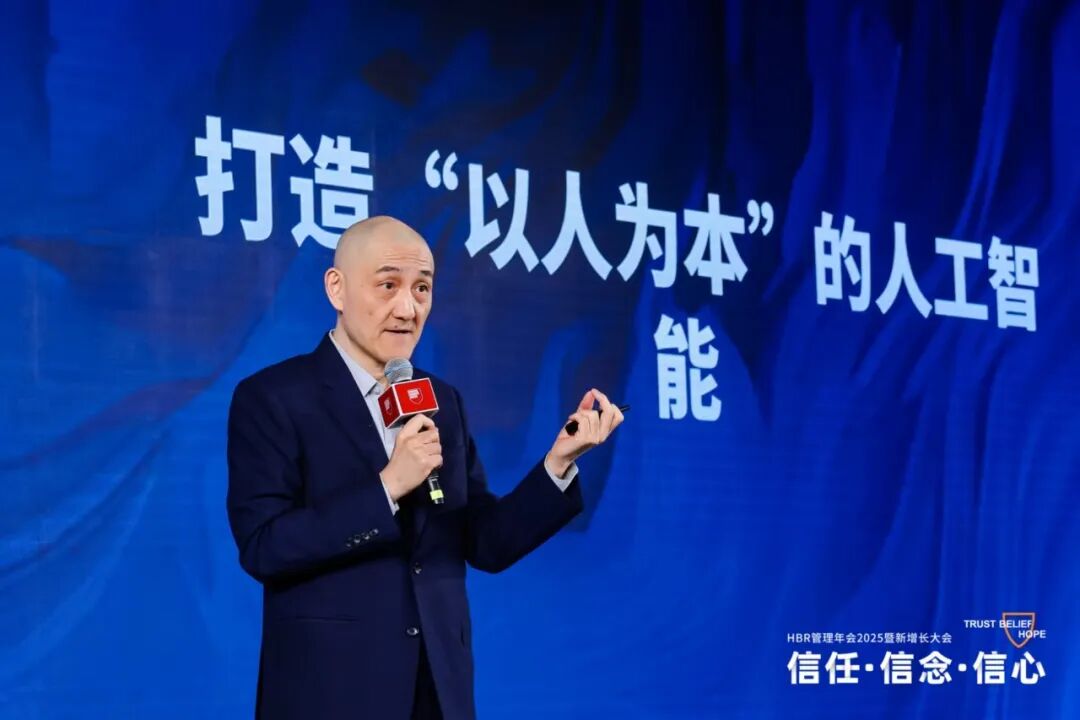
When algorithms are deeply involved in decision - making, enterprises need to reconstruct the trust mechanism in human - machine collaboration: strengthen interpersonal trust with an ethical framework, establish human - machine trust with technological transparency, and win regulatory trust with compliant innovation to build a stable triangle for the implementation of AI. Wei Qing, the Chief Technology Officer of Microsoft (China) said that in an era of information overload and scarce attention, the operation of individuals, organizations, and society all depends on "trust." He emphasized that we should create people - centered AI and not deify or anthropomorphize machines. What really hinders innovation is not technology but psychology; cognition determines achievement, trust comes from reputation, and confidence comes from belief. Li Qiang, the vice - president of Zhaopin Group interpreted the list of the top 100 Best Employers in China in 2025 and analyzed the latest trends in employment relations. He said that future best employers will be able to skillfully combine human wisdom and AI computing power to achieve a "duet," empower employees' growth through technology, and realize the co - evolution of business value and human value.
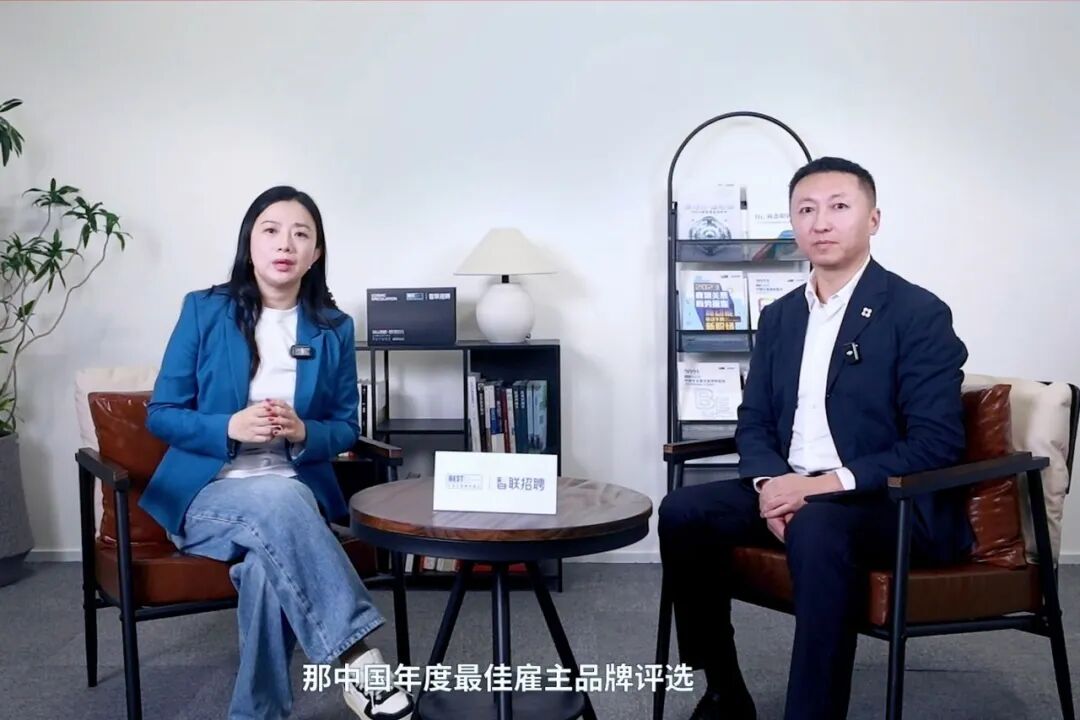
In the opening speech session in the afternoon, Dai Hua, the Managing Director of Harvard Center (Shanghai) shared the research of Professor Covey from Harvard Business School. She said that the four major factors for an enterprise to win trust are ability, motivation, means, and influence. At the same time, she emphasized that trust cannot be built by slogans but should be integrated into the enterprise's long - term strategy and daily operations from the inside out.

Fourth Movement
Open Innovation: A New Leap in Boundless Integration
From single - point breakthroughs to systematic integration, open innovation aims to