Is there a difference in battery safety among smartphones at different price ranges?
Friends who often follow our San Yi Life may know that the "rich-poor gap" phenomenon in the smartphone market has always been an "objective fact" that we often emphasize to everyone.
In such a market environment, cheaper models are not necessarily more worth buying. Because in terms of performance, imaging, workmanship, etc., they may be far inferior to more expensive models, so that they actually have no "cost-effectiveness" at all. On the contrary, for some phones that seem to be priced high, the profit margins of manufacturers may be much lower than those of cheaper products, resulting in the strange phenomenon of "low-priced models focus on making profits, while high-priced flagships only earn a good reputation".
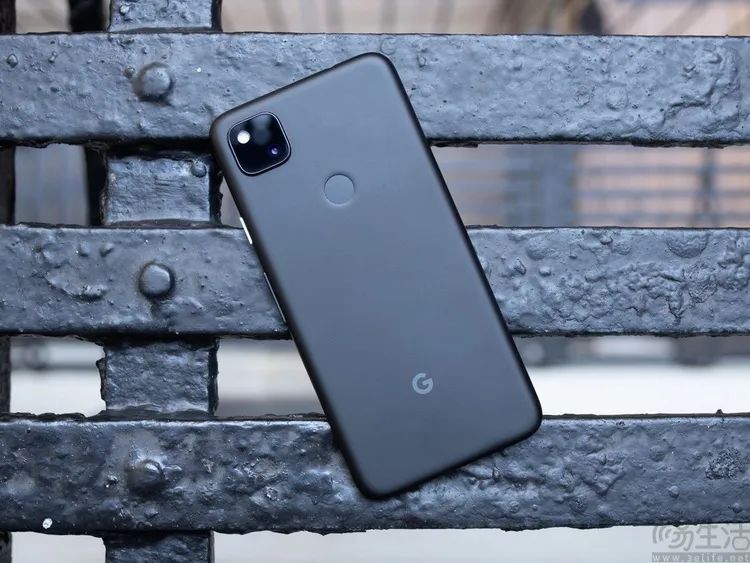
Of course, from the perspective of consumers, we are not unaware of the reasons behind this. It's just that sometimes we are really short of money and can only reluctantly choose those models that we know have low cost-effectiveness and are cheaper. Anyway, as long as we don't play games or take photos, and only use the phone for making calls and scanning codes in daily life, low-end phones can still work, right?
But what if we tell you that sometimes, cheaper models may not only be inferior in terms of "functional attributes" such as performance, workmanship, screen, and imaging, but there may even be a gap in the security of the device itself? What would you think then?
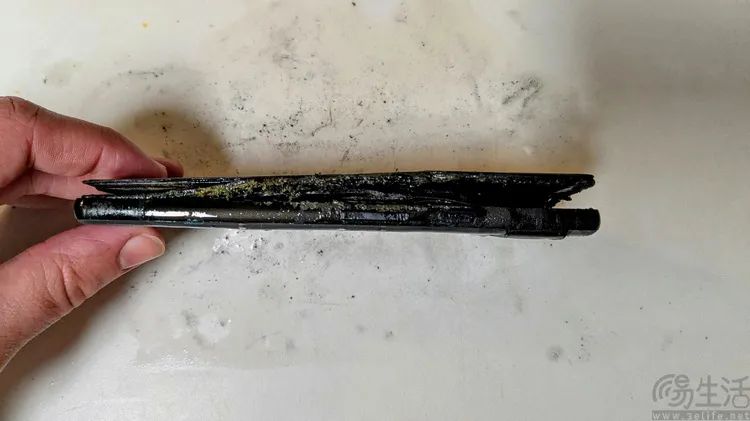
This is definitely not an exaggeration. On the one hand, friends who follow "Google phones" may know that in the past few months, multiple models in the Pixel series have been successively exposed for battery safety issues.
For example, in January this year, Google forced all Pixel 4a devices to undergo a "battery locking" operation through an over-the-air (OTA) system update. That is, by reducing the charging cut-off voltage, the battery capacity was sacrificed to reduce the probability of battery short - circuit and fire.
Then in April, they announced a battery repair and compensation plan for the Pixel 7a because some of these models were reported to have abnormal battery "swelling" problems.
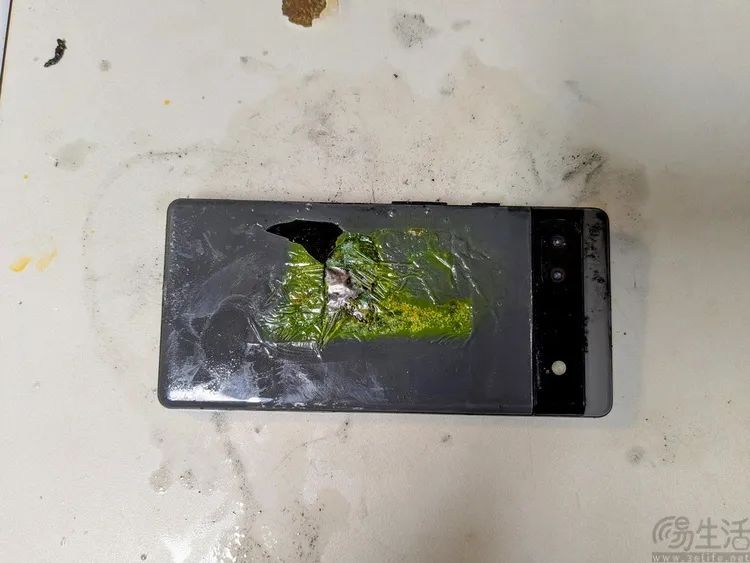
Just a few days ago, after several Pixel 6a devices unexpectedly caught fire, Google was found to have added "battery locking" code for this mid - to - low - end model in the latest system code. It will reduce the maximum battery capacity of the Pixel 6a by about half, thus hedging to a certain extent the potential risks of overheating, swelling, and even explosion caused by battery aging.
I believe you have noticed that all the problematic models are Google's mid - to - low - end models, that is, the low - priced ones with the "a" suffix. This shows that whether the recent concentrated battery safety crisis of Google phones is due to supply - chain factors (the originally used batteries are of poor quality) or a flaw in the phone's power management algorithm, at least it has not occurred in the higher - end models of the same brand. In fact, this already shows that Google clearly has different "quality control levels" for its phones at different price segments.
Of course, some friends may say that this is just the situation of Google. How can it prove that other brands are the same?
First of all, as a professional technology and review media, the way we use phones in our daily work at San Yi Life is comparable to that of fanatical gamers or high - intensity users. As a result, among the hundreds (or even thousands) of phones we have used, quite a few have indeed had dangerous situations such as battery swelling.
However, among all these devices with damaged batteries, we can hardly see models positioned as "top - tier flagships". At the same time, those cheaper phones that seem to have extremely high "cost - effectiveness" at first glance are often the ones most prone to battery problems.
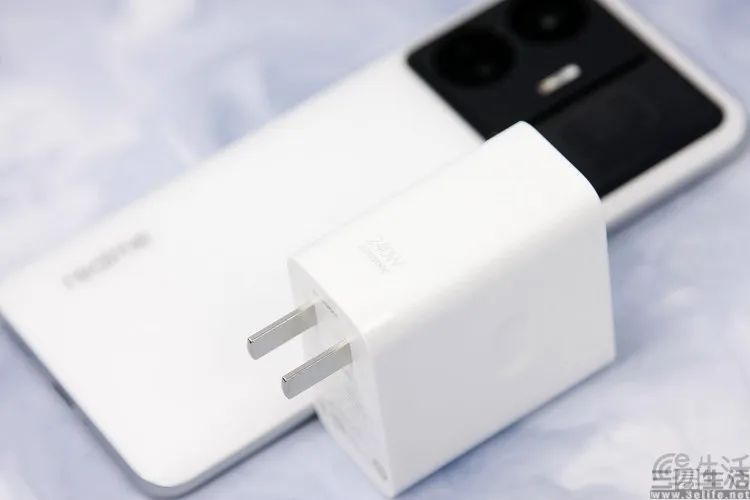
More specifically, we have more than one non - flagship mid - or mid - high - end phone with "100 - watt fast charging" out of the box. After less than a year of use, the battery has obviously swollen or cannot be charged. However, some of our top - tier flagships that have been "used more intensively" still function normally after the same period of use. Even after we deliberately sent them to the official repair center for inspection, we were told that their "batteries are quite healthy and do not need to be replaced".
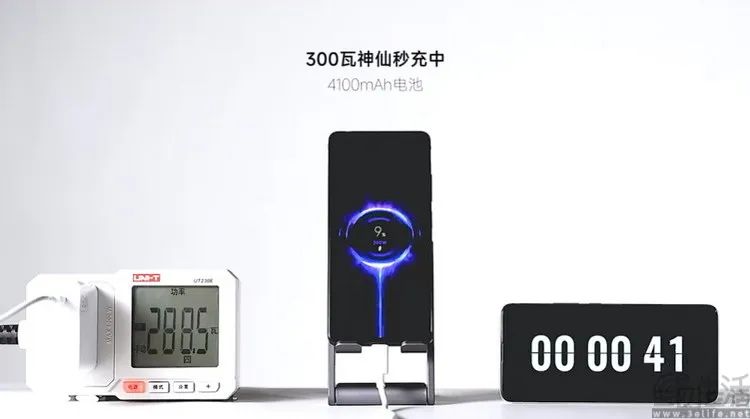
Moreover, I wonder if you have noticed that in the past few years when the "ultra - fast charging" technology of smartphones was developing rapidly, most of the models that promoted "ultra - high - power fast charging" were launched by "sub - brands". Even today, the top - tier flagships of their "parent brands" still mostly use charging designs with a power of less than 100W, which are relatively "slower".
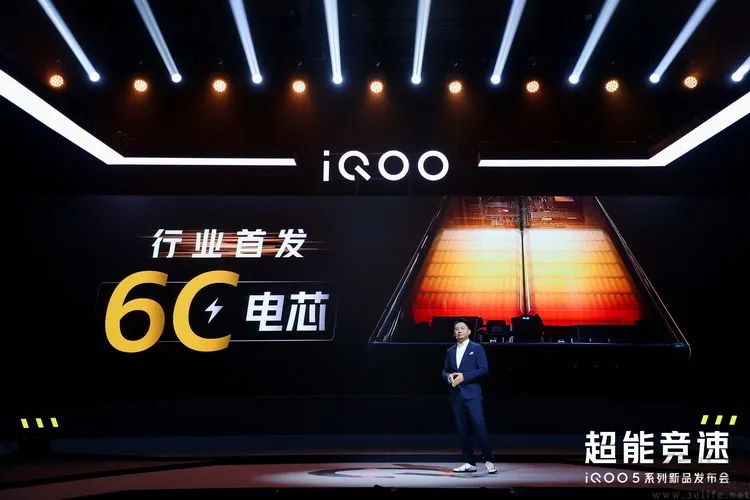
Why do you think this is the case? Is it because high - cost - effective and cheap models use "more advanced" batteries and better charging hardware for the sake of selling points, or is it because the relevant manufacturers know very well that those immature designs are destined to have a short lifespan, so they dare not use them in the real flagship products that represent the brand image?
[Some pictures in this article are from the Internet]
This article is from the WeChat official account "San Yi Life" (ID: IT - 3eLife), written by San Yi Jun, and published by 36Kr with permission.