Mercedes-Benz Battery Recycling Plant Achieves 96% Recycling Rate, BYD Launches Hybrid Pickup in Brazil | Overseas Daily
"Top 3 news"
Mercedes-Benz Opens Battery Recycling Plant with 96% Recovery Rate
Key points:
Mercedes-Benz has opened a new battery recycling plant in Kupenheim, southern Germany. This plant uses an innovative process to achieve a battery material recovery rate of up to 96%, and all recycling processes are completed in the plant. The recycled materials will be used for future Mercedes-Benz electric vehicles. The opening of this battery recycling plant marks an important step for Mercedes-Benz on the road of sustainable development. With the continuous expansion of the electric vehicle market, the battery recycling issue is receiving increasing attention. Traditional battery treatment methods often have problems such as low recovery rate, high energy consumption, and environmental pollution. However, this recycling plant of Mercedes-Benz adopts an integrated mechanical - hydrometallurgical process, effectively solving these problems.
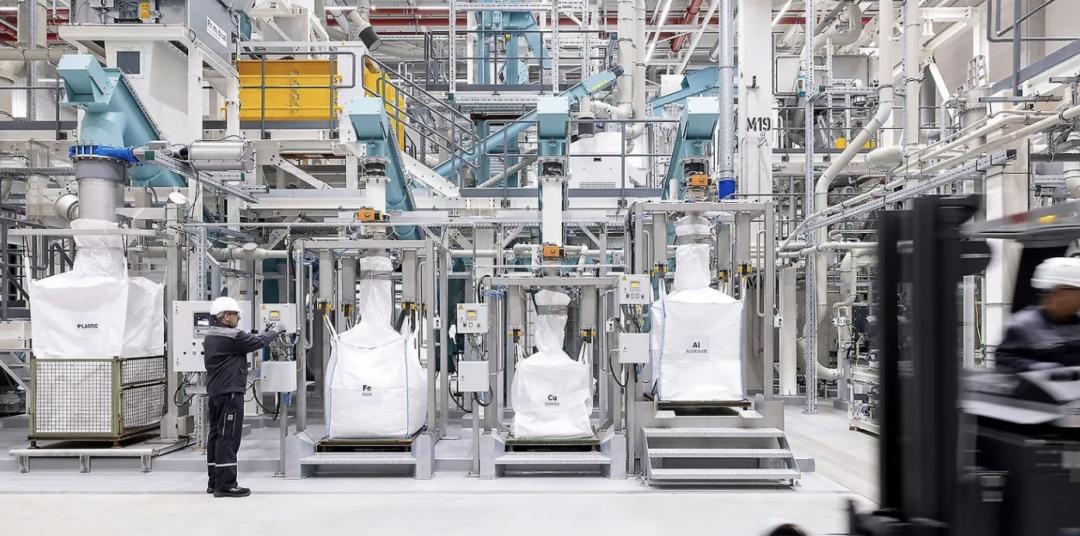
Mercedes-Benz Battery Recycling Plant (Source: Mercedes-Benz)
Opinions:
This process can not only handle battery modules but also deal with the so-called "black mass", making Mercedes-Benz the first automaker to close the battery recycling loop through its own in-house facilities. In the recycling process, from crushing battery modules to drying, processing active battery materials, and classifying and separating plastics, copper, aluminum, and iron, every step is carefully designed. The downstream hydrometallurgical process is specifically targeted at the active materials that make up the battery electrodes, extracting valuable and scarce raw materials such as cobalt, nickel, and lithium through a multi-stage chemical process, ultimately making these materials available for the production of new battery cells.
BYD and Automotive Tech Giant Forvia Join Forces to Enter Europe
Key points:
According to the news on October 21, 2024, BYD, China's largest electric vehicle manufacturer, is expanding its cooperative relationship with the automotive technology giant Faurecia, hoping to quickly gain a share in the European market. Faurecia announced that it has been selected to supply BYD's new electric vehicle factory in Turkey. Not long ago, the two companies also stated that they will cooperate to establish BYD's first European factory in Hungary. After occupying the domestic market (China is also the world's largest electric vehicle market), BYD is looking to the overseas market for growth, and Europe is one of its key focus areas. In the past seven years, BYD and Faurecia have opened seven factories in China and plan to open a new seat assembly plant in Thailand. BYD has already opened its first manufacturing plant in Thailand this summer. Now, the cooperation between the two parties in Europe is further expanding. Patrick Koller, CEO of Faurecia, said that bringing the cooperative relationship to Europe is a significant milestone for both companies. The cooperation between the two parties has achieved remarkable results in Asia, and they are confident that this expansion will promote further innovation and growth in the European market.
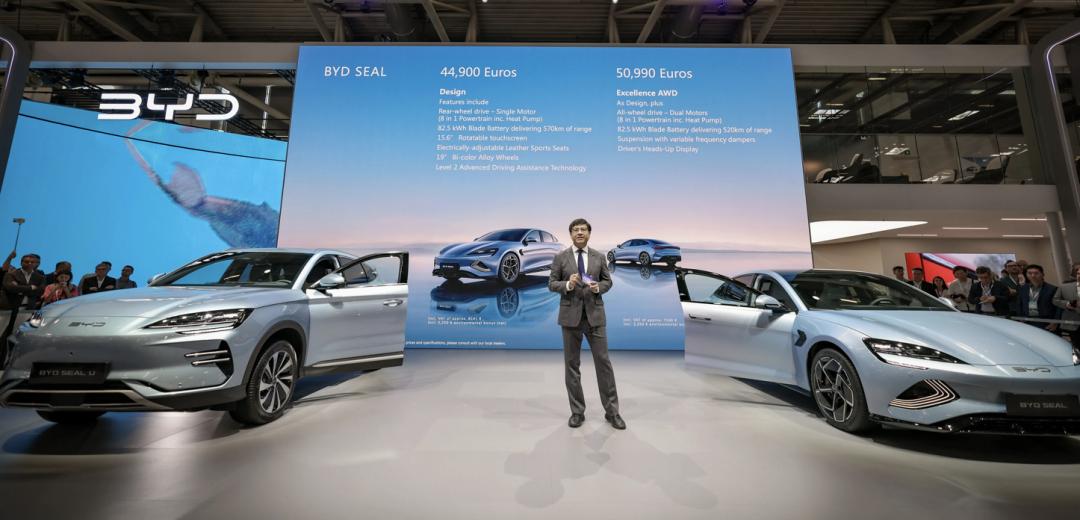
BYD Europe Managing Director Michael Shu Speaks at the IAA Conference (Source: BYD)
Opinions:
BYD's collaboration with Faurecia to enter Europe is a wise move for BYD to expand its overseas market. Europe, as an important global automotive market, has a mature consumer group and a complete infrastructure. Through cooperation with Faurecia, BYD can utilize Faurecia's local resources and technical advantages to more quickly adapt to the needs and regulatory requirements of the European market, reducing the risks and costs of entering the market. At the same time, establishing a factory in Europe can not only increase the localization of products and enhance consumers' sense of identity with the brand but also effectively deal with the impact of trade barriers, such as the EU's tariff policy on Chinese electric vehicles. For Faurecia, the cooperation with BYD also brings new development opportunities. BYD's technical strength and market influence in the field of electric vehicles cannot be underestimated. Through cooperation, Faurecia can further expand its business in the field of electric vehicle parts supply, jointly develop and produce products that adapt to the European market with BYD, and enhance its competitiveness in the global automotive technology market.
Designwerk Electric Trucks Transport Electric Components for BMW Leipzig Plant
Key points:
According to the latest news, Designwerk electric trucks are undertaking the important task of transporting electric components for the BMW Group's Leipzig plant. With the increasing global emphasis on environmental protection and sustainable development, the automotive industry is also accelerating the transformation to electrification. BMW, as a world-renowned automotive manufacturer, has been committed to promoting the development of electric vehicles. The Leipzig plant, as one of the important production bases of the BMW Group, plays a key role in the production of electric vehicles. The addition of Designwerk electric trucks provides a more environmentally friendly and efficient solution for the transportation of electric components for the BMW Leipzig plant. These electric trucks not only reduce carbon emissions but also lower noise pollution, in line with the requirements of modern society for green logistics. Designwerk electric trucks have advanced technology and reliable performance. They can carry a large number of electric components to ensure that the production needs of the factory are met in a timely manner. At the same time, the use of electric trucks also helps improve logistics efficiency, reduce transportation time and costs. The BMW Group stated that the cooperation with Designwerk is part of its sustainable development strategy. By using electric trucks to transport electric components, BMW hopes to further reduce the environmental impact in the production process and contribute to the goal of achieving carbon neutrality.
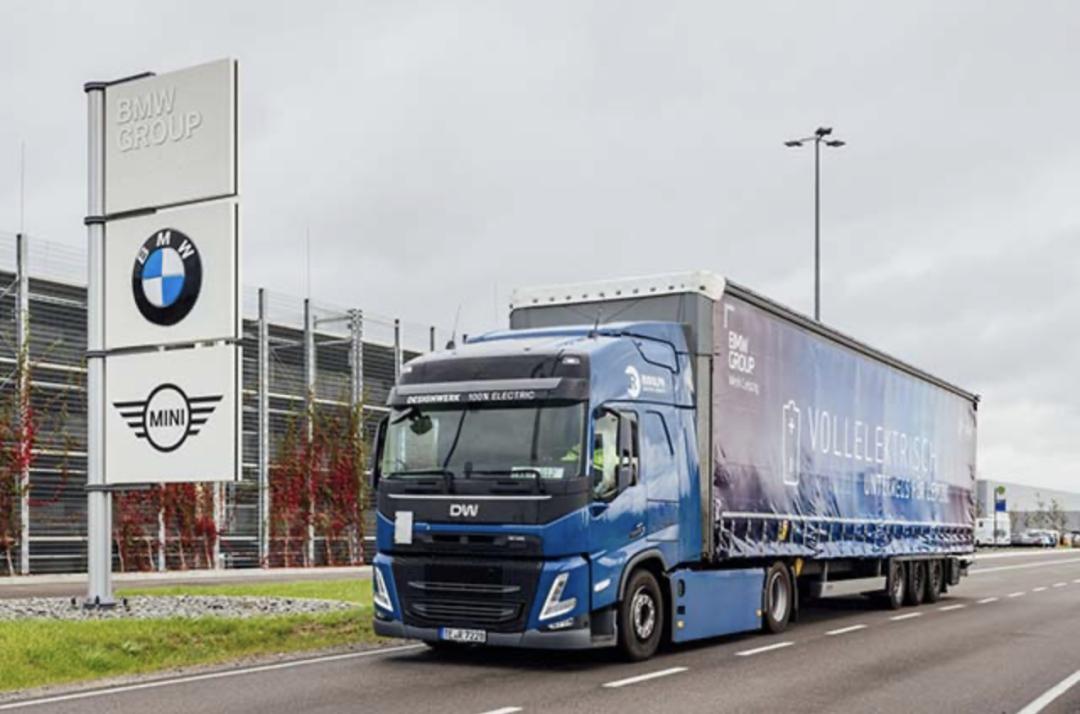
Designwerk Electric Truck (Source: Electriccarsreport)
Opinions:
The initiative of Designwerk electric trucks transporting electric components for the BMW Group's Leipzig plant has multiple positive implications. From an environmental perspective, this is a significant progress. Traditional fuel trucks emit a large amount of exhaust gas and pollutants during transportation, causing serious damage to the environment. Electric trucks, on the other hand, greatly reduce carbon emissions and noise pollution, helping to improve air quality and reduce urban noise levels. This not only conforms to the global trend of sustainable development but also creates a more livable living environment for people. From an economic perspective, although the upfront investment in electric trucks may be higher, their operating costs are relatively lower. With the continuous advancement of technology, battery costs are gradually decreasing, and the cruising range of electric trucks is also continuously improving. This makes electric trucks have greater advantages in long-term operation and can save a lot of transportation costs for enterprises. In addition, this cooperation also sets an example for the automotive industry. BMW, as a well-known automotive manufacturer, actively adopts an environmentally friendly transportation method, demonstrating its commitment and sense of responsibility for sustainable development. This will inspire other automotive enterprises to follow suit and promote the entire industry to develop in a more green and environmentally friendly direction.
"Big events"
BYD Shark Launched in Brazil, Betting on the Brazilian Market

BYD Shark PHEV Pickup (Source: BYD)
BYD has launched its first pickup model, "Shark", in Brazil, aiming to challenge the sales-leading Toyota Hilux and Ford Ranger. Shark is of great significance to BYD's ambition to become a top automaker in the coming years. BYD regards Brazil as a key part of its overseas expansion and hopes to continue climbing the global sales rankings. Although BYD held the launch event of Shark in Goias, reservations have already started earlier this month, with a starting price of $66,700 (BRL 379,000). Shark is a plug-in hybrid (PHEV) pickup with a combined power of 429 horsepower, powered by a 29.58 kWh BYD Blade Battery. Its pure electric NEDC cruising range can reach 62 miles (100 kilometers), and the combined NEDC cruising range exceeds 520 miles (840 kilometers). Although gasoline and diesel-powered trucks still dominate the sales market in Brazil, BYD believes that its hybrid pickup will attract buyers. BYD believes that Brazil's booming agricultural business will help drive growth, and it is expected that commercial customers (such as mining giant Vale) will account for about 70% of Shark's sales.
2025 Mustang Mach-E Adds Sport Appearance Package and New Heat Pump
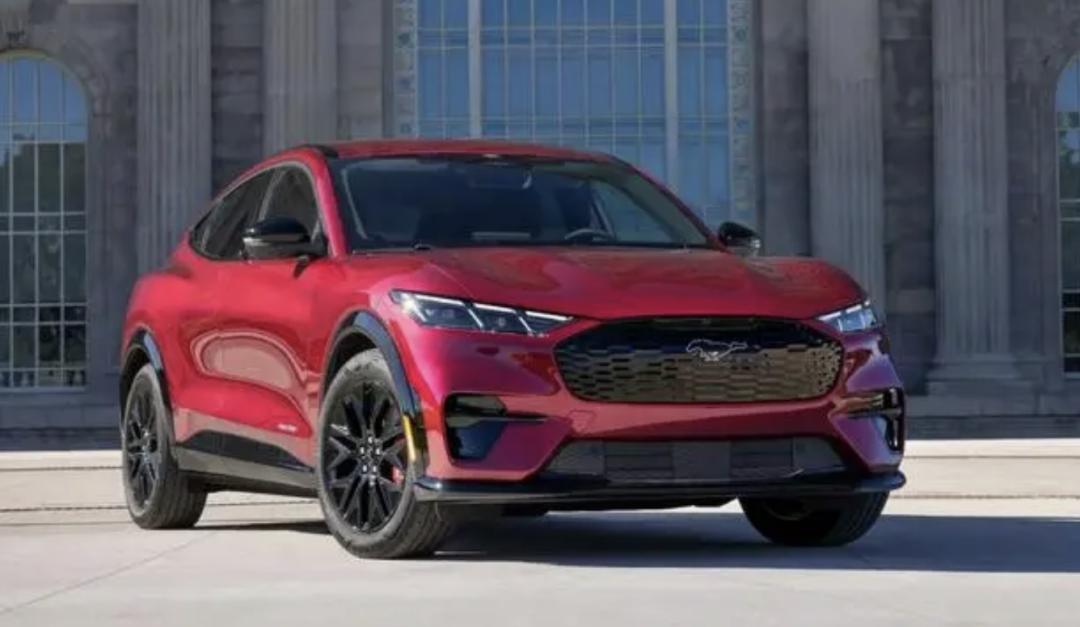
2025 Mustang Mach-E (Source: Ford)
The 2025 Mustang Mach-E will be available in early 2025 with a starting price of $36,495. This vehicle has been upgraded in several aspects to meet the needs of consumers. In terms of appearance, to meet the needs of consumers pursuing a sporty feel, the 2025 Mustang Mach-E has launched a new sport appearance package. This package draws on the key design elements of the Mustang Mach-E GT and is more affordable. It includes a unique front bumper and grille guard, red Brembo-branded front brake calipers, and 19-inch single-color high-gloss black painted wheels, black painted door panels, and wheel rim edges. Inside, there are red stitching and sport pedals as interior upgrades. At the same time, ventilated front seats become a standard feature of the Premium model. In terms of technology configuration, the new car has added some practical functions. First, a heat pump is standard, which helps improve the energy efficiency of the vehicle. Secondly, it is equipped with the latest version of the BlueCruise 1.5 hands-free highway driving system, which adds an automatic lane change function.
ChargePoint Launches Affordable Fleet Charging Solution
The electric vehicle charging solution provider ChargePoint announced the launch of a low-cost charging solution to enable more fleets to achieve electrification. This charger, priced at $699, lowers the barrier to fleet electrification while still being able to use one of ChargePoint's fleet and telematics software platforms. ChargePoint's product suite provides a seamless electric vehicle charging experience for fleet operators and drivers, and is expected to reduce the total cost of ownership and help fleets achieve emission reduction goals.
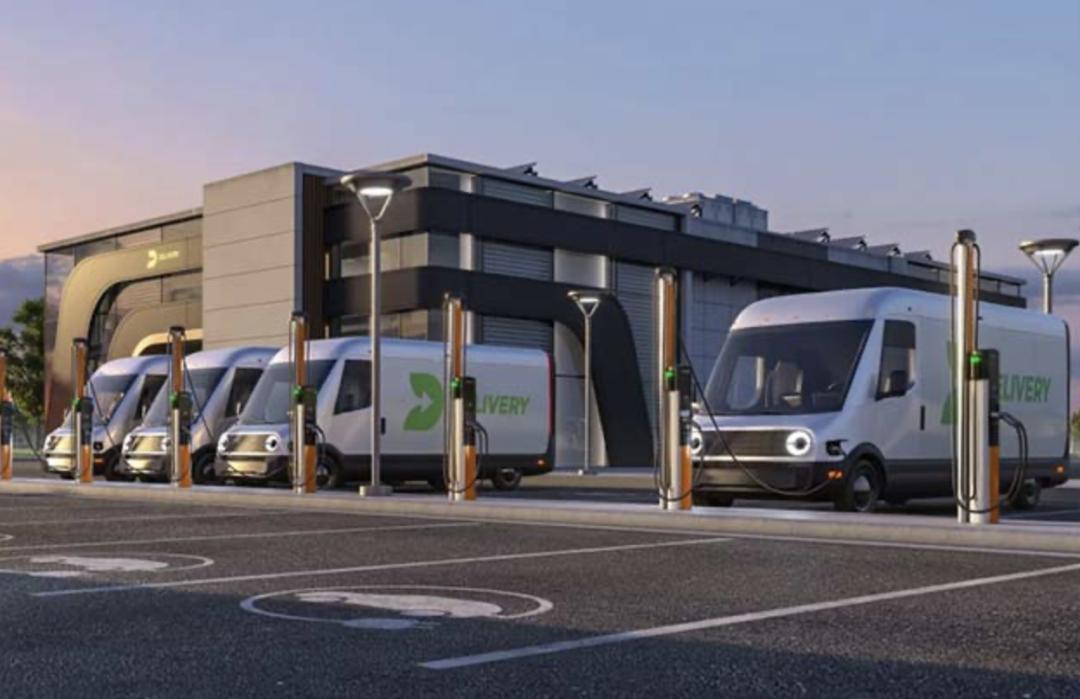
ChargePoint's Fleet Charging Solution (Source: ElectricCarsReport)
ChargePoint's CPF50 charger is flexible and cost-effective, making it affordable for those considering purchasing electric vehicles for their fleets to purchase and install charging equipment, while maximizing the benefits of electrification. Fleet operators can optimize the total cost of ownership (TCO) by bundling ChargePoint's fleet management software, which includes real-time vehicle readiness, power consumption, and site status visibility; energy management tools to maximize fuel savings; control site access; and use an integrated solution to simplify complexity and site management.
Tesla Delays Production of Additional Battery Pack in Cybertruck Bed
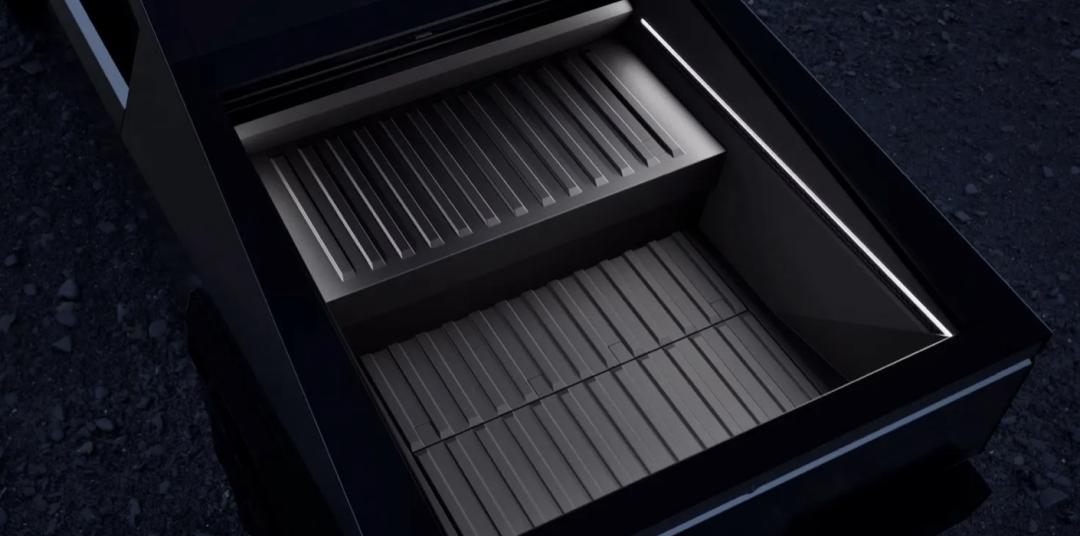
Tesla Cybertruck Bed Additional Battery Pack Demonstration (Source: Electrek)
According to the news, Tesla has made adjustments to its plans for the additional battery pack in the Cybertruck bed, not only further delaying its production time but also reducing the additional range that the battery pack can increase. Looking back at the development of the Cybertruck, since Tesla launched its mass-produced version last year, it has faced two main problems: price and range. In the case of the range not meeting the promised standard, Tesla had previously launched an additional battery pack plan, that is, to increase the range by placing an additional battery pack in the pickup bed, which occupies about one-third of the bed space. Initially, Tesla claimed that the additional battery pack could increase the range of the dual-motor Cybertruck from 340 miles to more than 470 miles, and the Cyberbeast version from 320 miles to more than 440 miles. However, the latest news shows that Tesla has updated the specifications of the additional battery pack. For the dual-motor version, the range after the upgrade is "445 + miles", a reduction of about 25 miles compared to the previous claim; for the three-motor Cybertruck, with the standard wheel and tire configuration, the impact of the additional battery pack on the range remains unchanged, but when paired with all-terrain tires, the range drops to "415 + miles". In addition, the production time of the additional battery pack has also been postponed from "early 2025" to "mid-2025". Tesla began the production of the Cybertruck in late 2023, which means that the additional battery pack will be launched more than a year and a half after the first Cybertrucks are delivered to customers, and its expected price is $16,000.
"Cool products"
Alpine Alpenglow: Hydrogen-Powered Racing Car
The Alpine Alpenglow concept car and hydrogen fuel V6 engine made their debut at the 2024 Paris Motor Show, marking the brand's vision in design and sustainable innovation. The Alpenglow Hy4 prototype has transformed from a concept car into a real racing prototype, equipped with a carbon fiber body and a turbocharged 2.0-liter 4-cylinder engine with a maximum power of 340 horsepower. Alpenglow means "the red light of the mountains before sunrise", symbolizing the new era that technological innovation is about to usher in. Alpine plans to launch a more powerful V6 version, and this model will be released at the end of the year. At that time, it will be upgraded to a V6 engine, also using hydrogen as fuel. To reduce nitrogen oxide (NOx) emissions, water will be injected into the engine.
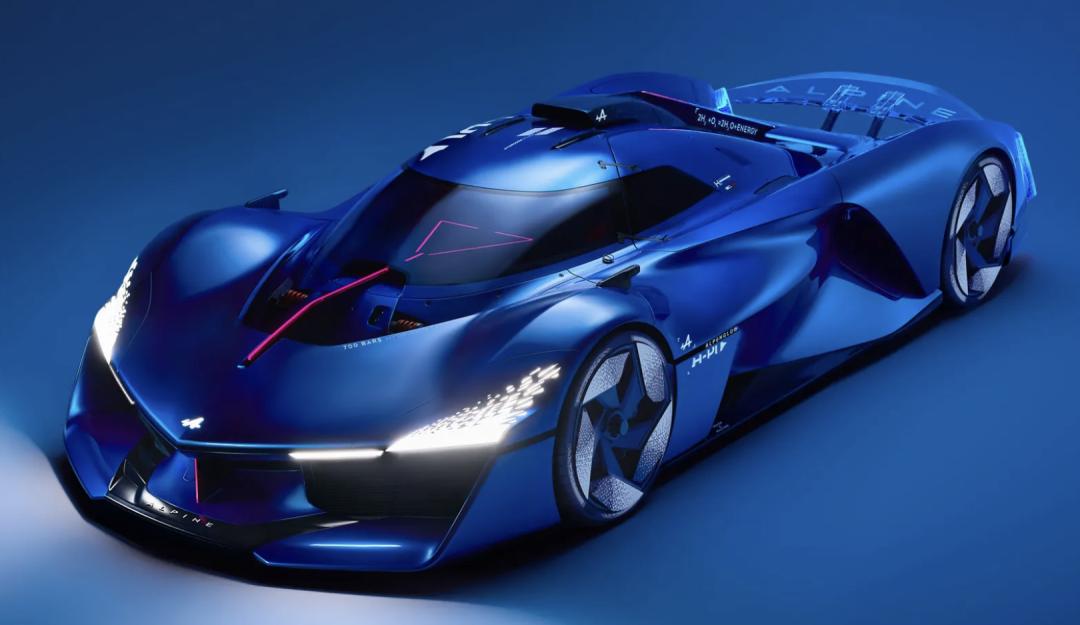
Alpine Alpenglow