Mit einer Investition von 325 Millionen US-Dollar wird Boston Dynamics vollständig von Hyundai Motor übernommen
The Hyundai Motor Group acquired the remaining shares held by SoftBank in a $325 million deal to gain full control of Boston Dynamics.
As the mass commercialization of humanoid robots draws closer, this move positions the robotics company as the centerpiece of their future manufacturing strategy.
Through this deal, Hyundai's stake in Boston Dynamics will increase to 100%.
Thus, the South Korean automaker will gain full control of the company that has developed the humanoid robot Atlas and several other advanced robotic systems.
The board member is likely to approve the purchase on June 22.
Hyundai already acquired 80% of the controlling shares in a 2021 deal that valued Boston Dynamics at around $1.1 billion.
This move reflects the growing confidence of the entire manufacturing industry in humanoid robot technology. Companies increasingly view this technology as a potential solution to labor shortages, concerns about workplace safety, and repetitive industrial tasks.
Boston Dynamics originally became known for exciting videos in which robots performed backflips, parkour, and other athletic feats.
However, the company's focus has now shifted to practical industrial applications.
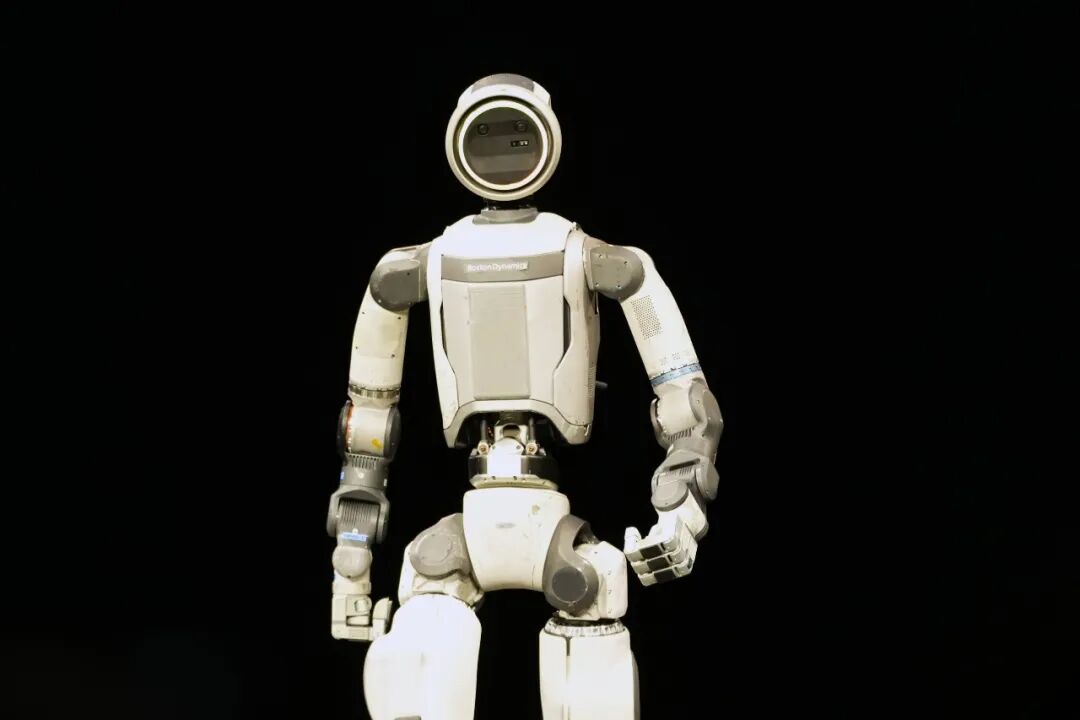
Its flagship robot, Atlas, entered a new era in 2024. Boston Dynamics replaced the original hydraulic version in April and introduced a completely electric successor specifically developed for commercial work environments.
Atlas is about 6.2 feet (about 1.89 meters) tall and weighs about 198 pounds (about 90 kilograms).
In addition, the robot is equipped with tactile fingers that allow it to handle tiny components and delicate objects.
The robot can lift up to 110 pounds (about 50 kilograms) with fully extended arms and has a reach of about 7.5 feet (about 2.29 meters). These technical specifications enable it to perform many industrial tasks currently carried out by human workers.
Implementation is not just a pilot project
Hyundai plans to implement Atlas in the Metaplant factory near Savannah, Georgia, by 2028.
Initially, the robot will focus on parts sorting and logistics in the assembly process.
Parts sorting involves organizing and delivering components in the correct production order. Thus, Atlas can act as a mobile warehouse worker and move efficiently in the factory environment.
This implementation is not just a limited pilot project. Reports suggest that Hyundai's ultimate goal is to implement more than 25,000 Atlas robots in its manufacturing facilities worldwide.
In addition, the company is reported to build a special production center for humanoid robots that aims to achieve an annual production of 10,000 to 30,000 units by around 2030.
Robert Playter, the CEO of Boston Dynamics, has set strict performance targets for Atlas before it is widely deployed.
He said the robot must learn new factory tasks in a few days, not weeks.
Robert also wants Atlas to achieve 99.9% reliability before it gets a permanent place on the production line. This standard reflects the realities of the modern manufacturing industry: Downtime often quickly leads to high costs.
Robert believes that robots should take over repetitive, dangerous, and physically demanding work.
Meanwhile, humans will continue to manage the more valuable tasks that require judgment, creativity, and problem - solving skills.
Full ownership also offers Hyundai strategic advantages beyond operational control. This purchase strengthens the company's efforts to vertically integrate the development of humanoid robots.
Hyundai Mobis already produces the actuators for Atlas. These components act as the robot's joints and largely determine its strength, speed, and durability. By controlling these systems internally, Hyundai can have more influence on the robot's development process.
Global manufacturers compete for an early advantage
In addition, this method is similar to how automakers usually manage key technologies such as engines, batteries, and drivetrains.
Industry observers increasingly view vertical integration as a competitive advantage in the field of advanced robotics. Companies that control the key hardware and software systems may be able to develop products more quickly and manage costs more effectively.
By the time this deal is completed, the competition in the humanoid robot market will be even more intense.
Tesla continues to develop its Optimus robot and has begun to use this platform in its internal operations. Meanwhile, Figure AI has expanded its test project with automaker BMW.
The Chinese robotics company Unitree Robotics has also attracted attention with a more affordable humanoid design.
Therefore, global manufacturers are competing to gain an early advantage in this potentially transformative industry.
This purchase marks a new chapter in Boston Dynamics' long corporate history.
The company was originally a research institute funded by the US Defense Advanced Research Projects Agency (DARPA). Google acquired Boston Dynamics in 2013, and SoftBank bought the company in 2017.
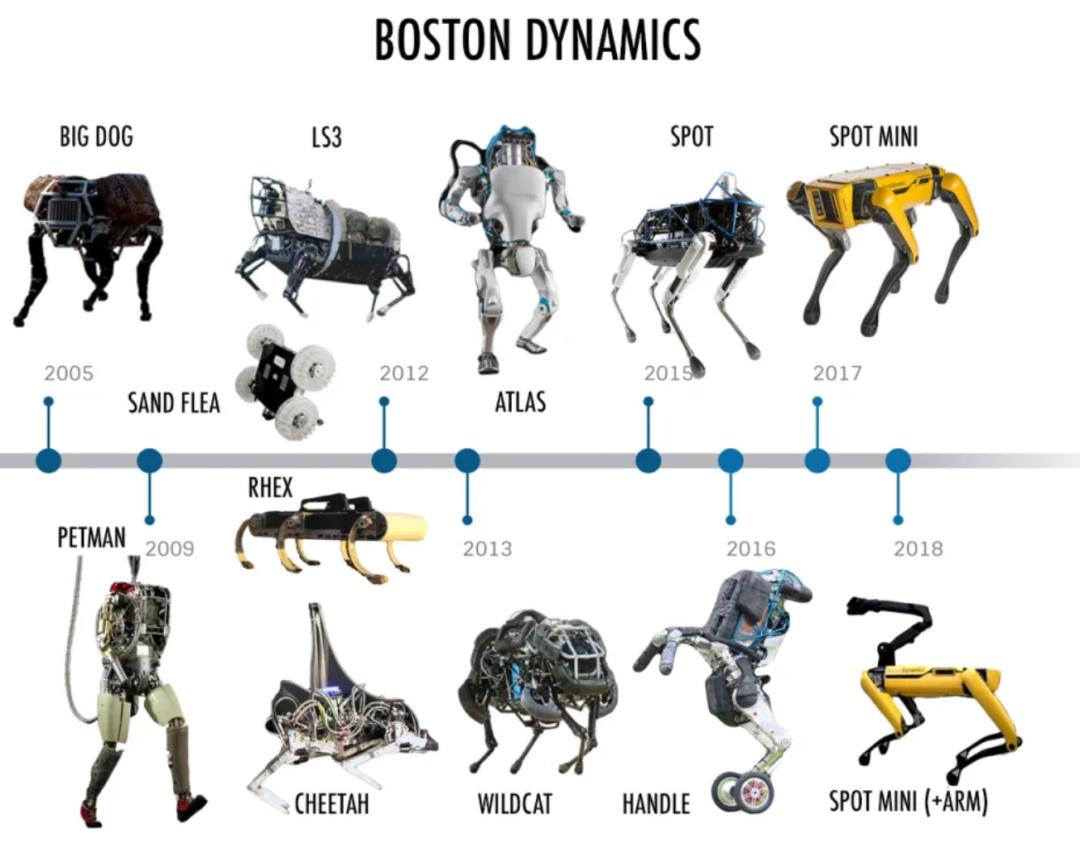
Hyundai joined in 2021 when it acquired the controlling shares. Then the automaker began to explore how advanced robotics technology can support its manufacturing business and long - term growth plans.
SoftBank's exit does not mean it is withdrawing from the field of robotics or artificial intelligence. On the contrary, founder Masayoshi Son is focusing on another opportunity in this area.
Hyundai wants robots to work in the factory
Reports suggest that Masayoshi Son is supporting Roze AI, an infrastructure startup that is estimated to be worth around $10 billion. The project aims to combine robotics with artificial intelligence to support the construction of large data centers.
(Editorial note: On June 24, Masayoshi Son announced at the general meeting that he "has started mass - producing robots in a factory and will soon make an official announcement" regarding use cases for physical AI. He also said that SoftBank will become a "superior world - leading robotics company" by bringing together the best robotics companies in different vertical sectors and mentioned that it intends to buy the robotics business of Swiss industrial giant ABB in 2026.)
This strategy differs greatly from Hyundai's vision. Hyundai wants robots to work directly in the factory, while Masayoshi Son focuses on using robotic systems to build the infrastructure that supports the growth of artificial intelligence.
The different approaches reflect the increasingly growing business opportunities in the robotics market. However, Hyundai's strategy largely depends on whether it can be shown that Atlas can perform real industrial tasks on a large scale.
If the robot can meet the reliability targets set by the company's management, Atlas could become one of the first humanoid platforms to play an important role in the modern manufacturing industry.
This article is from Mugglehead. The copyright belongs to the original author. If you want to remove the article, please contact us.
This article is from the WeChat account "Machine Preface", written by Machine Preface and published by 36Kr with permission.