44 Marken und 15.000 Filialen: Wie lange bleibt das Zeitfenster für die internationalen Erfolge chinesischer Teegetränkemarken noch offen?
When 478,000 tea and milk tea shops in the domestic market once faced such intense competition that there were offers like "7 yuan per cup and discounts for minimum orders", a cup of milk tea from Mixue Bingcheng in Vietnam cost the equivalent of 15 yuan.
It's not that the brand suddenly wants to become more expensive - there's simply no psychological anchor point abroad that a cup of milk tea is only worth 7 yuan.
This is not a joke, but a real - running business logic.
In 2026, the Chinese new tea and milk tea specialty industry experiences an unprecedented "migration abroad". Mixue Bingcheng, HEYTEA, Nayuki, and CHAGEE all go abroad together. The same brand and the same tea, which is pushed to the bottom by price competition in the domestic market, can be sold at double the price abroad, and the profit margin is much higher than in the domestic market.
What lies behind this huge contrast?
Chinese tea in the domestic market: Fiercely contested, bitter taste
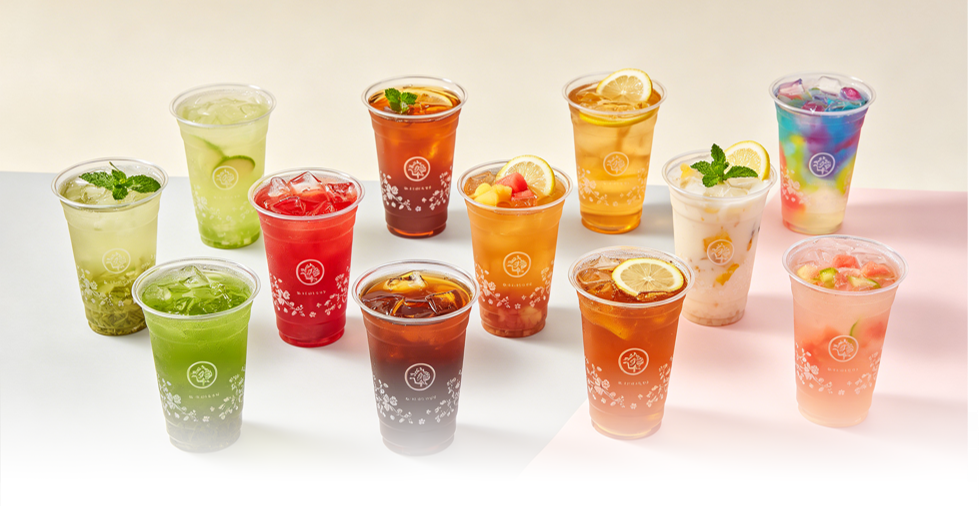
Let's first take a look at a suffocating data situation.
By the end of 2025, the number of milk tea shops across the country was 478,000, which is three times the number in the United States. In China, there is almost one milk tea shop for every 3,000 residents. This is not prosperity but over - saturation.
Price competition is the most visible phenomenon. HEYTEA announced at the beginning of 2025 that it would no longer accept new franchise applications - not because it didn't want to, but because each new store brought more losses. The selling price of drinks in some stores dropped below 7 yuan, and the in - store price almost approached the level of 2015. The gross margin of Mixue Bingcheng in the domestic market dropped from 32.5% to 31.1%, and the gross margin of its core business fell below 30%. In the "fortress of extreme cost - effectiveness", a cup of lemonade costs 4 yuan, and any small change on the cost side will be infinitely magnified.
CHAGEE's figures are even more obvious: The net profit in the third quarter dropped to 400 million yuan, and the net profit rate fell from 18% in the previous year to 12%. In the third quarter, only a little over 200 new stores were opened, and the growth rate was - 64% compared to the previous year. The brand is growing, the number of stores is growing, but the profit is falling - this is an industry - wide signal.
A 7 - yuan milk tea is not a "customer benefit" but a "necessity even if it's difficult". If there are five tea and milk tea shops on a street, the traffic for each brand will be increasingly diluted. This is not an operational problem but a cost problem.
The Chinese market for tea and milk tea specialties has transformed from a growth market into a no - win situation.
Chinese tea abroad: Scarce supply, brand premium

In sharp contrast to the difficult situation in the domestic market, there is a "scarcity effect" abroad.
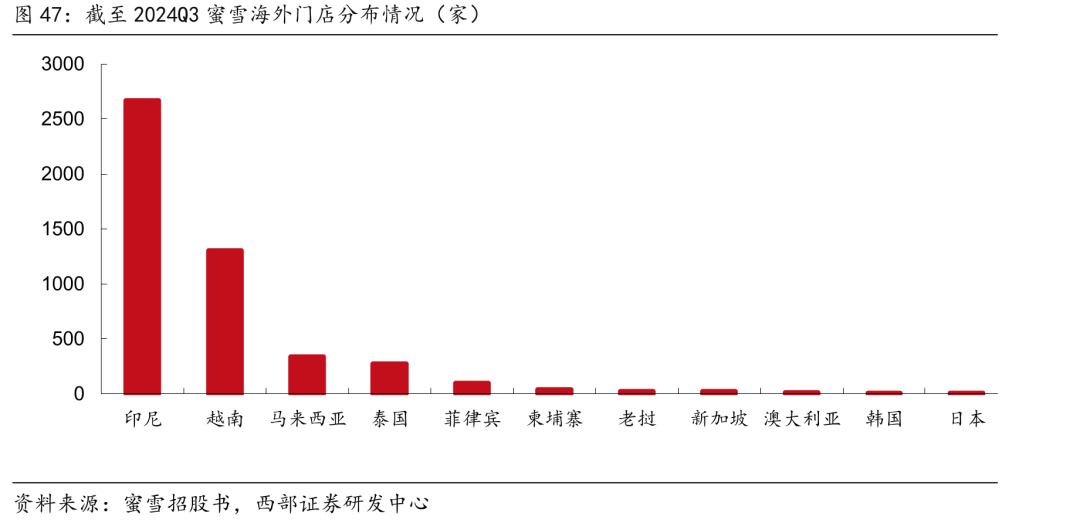
Mixue Bingcheng is the Chinese tea and milk tea brand with the greatest presence abroad. By the end of 2025, it had 4,467 overseas stores in 13 countries. By the end of the third quarter of 2024, it had 2,667 stores in Indonesia and 1,304 in Vietnam, making it number one in the local beverage market in Vietnam. In Southeast Asia, Mixue Bingcheng sets its prices at half to two - thirds of the prices of local competitors. Since the rent and labor costs there are much lower than in China's first - tier cities and the prices of competitors are higher, the profit margin is significantly better than in the domestic market. In the United States, an ice cream costs 1.19 US dollars and a lemonade costs 1.99 US dollars, which is 3 to 4 times the price in the domestic market.
The brand premium of premium brands abroad is even more impressive. HEYTEA opened a LAB store in Times Square in New York, and its signature product "Coconut Mango" has sold over a million cups in the United States. Nayuki opened its first store in Flushing, New York in October 2025. Yao Jie, the deputy head of the overseas department, directly said: "The profit rate here is definitely higher than in the domestic market." CHAGEE's overseas GMV has increased by over 75% compared to the previous year for three consecutive quarters and reached 370 million yuan in the fourth quarter. Although it only has 345 overseas stores, its growth outpaces that in the domestic market.
A cup of tea costs 7 yuan in the domestic market and brings little profit, while abroad it costs 30 yuan and people line up. Behind this absurd contrast lies only one core logic: Pricing based on scarcity. The penetration rate of Chinese tea and milk tea brands abroad is very low, and consumers have few alternatives. Without the "floor price" of 7 yuan for a milk tea as an anchor point, brands can set prices reasonably. Chinese tea and milk tea specialties are still in the "curiosity phase" abroad, and consumers are willing to pay a premium for these "new species". Due to the overlap of these three advantages, the overseas market has become a "profit haven" for tea and milk tea brands.
But is this haven really safe?
Going abroad is not a sure - fire profit: Costs lie behind the brand premium
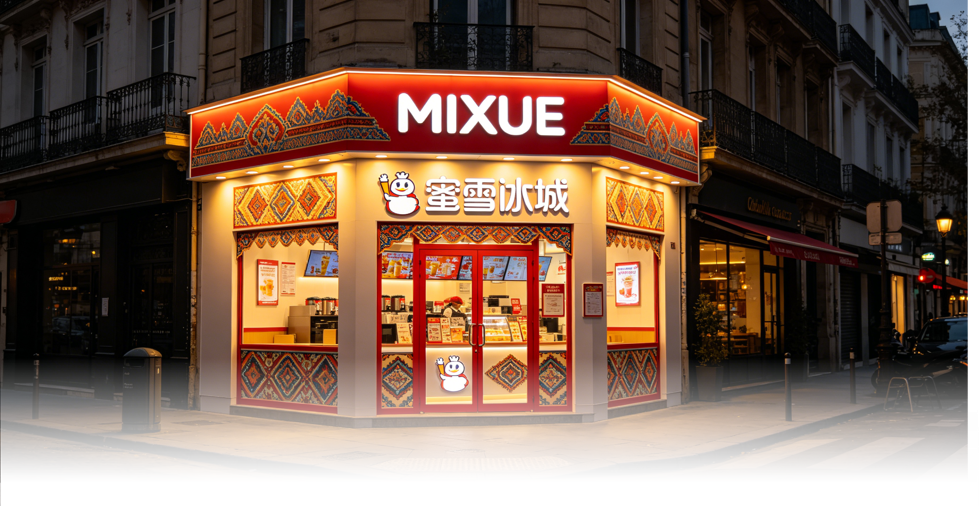
Going abroad is by no means an easy path. Mixue Bingcheng's experience in 2025 is a warning.
A total of 428 overseas stores were closed throughout the year. This was the first time in seven years that the number of Mixue Bingcheng's overseas stores decreased. The closures were mainly concentrated in the two core markets of Indonesia and Vietnam - not because it didn't work anymore, but because the problems arose from the rapid expansion in the past: The density of stores was too high, leading to overlaps in site selection; the management radius of the franchise system was too long; the quality assurance of some franchise partners was insufficient; the bad - rating rate of earlier stores once exceeded 30%.
The calculation for the US market is even more difficult. The annual rent for a store in Manhattan, New York, is over 340,000 US dollars, which is more than 20 times the rent in China's first - tier cities; the hourly wages of employees are 15 - 20 US dollars, and labor costs account for 35% of sales; to meet FDA standards, core raw materials must be purchased separately, which increases logistics costs by 30%. (Industry estimate) The minimum daily sales volume for Mixue Bingcheng in the United States is 800 cups, while the minimum volume in the domestic market is much lower. 1.19 US dollars for an ice cream and 1.99 US dollars for a lemonade - although it seems much more expensive compared to the domestic market, the profit margin is actually narrower.
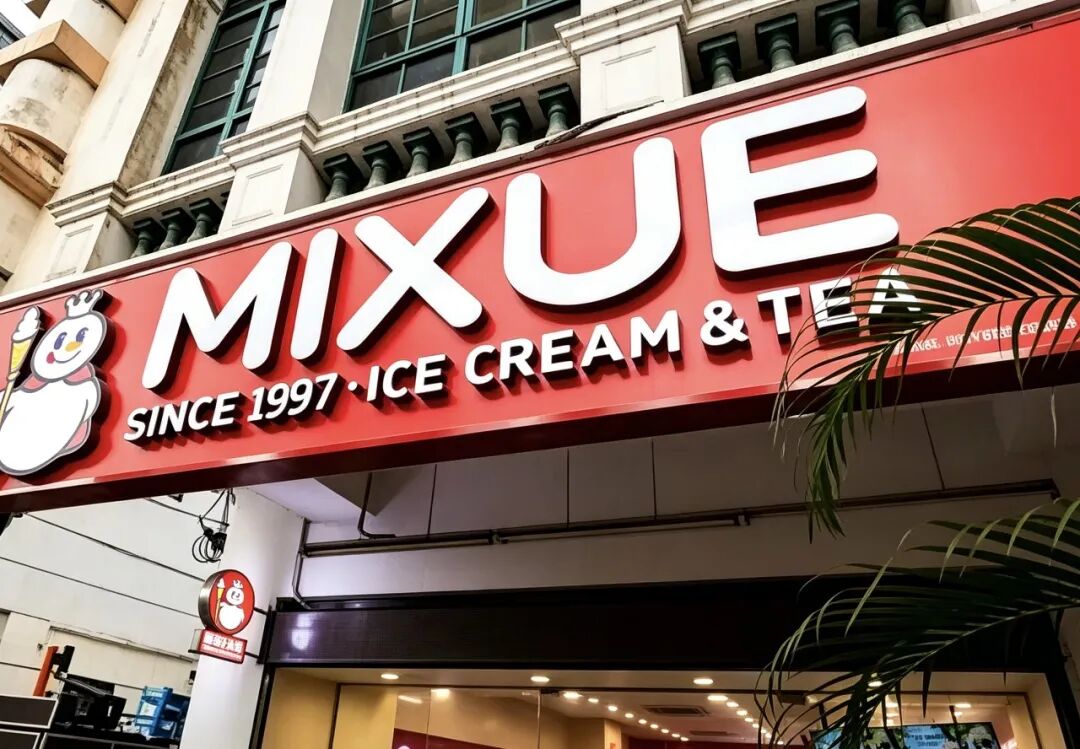
Even more difficult are the cultural and political conflicts. In many parts of the United States, a "sugar - sweetened beverage tax" is levied, and Mixue Bingcheng's star product conflicts with the local health - cost trend; the brand offers a 200% sugar option, but American consumers complain that it is "as thin as water" - the taste of cane sugar is completely different from the concentrated syrup Americans are used to.
The advantages of overseas business are real, but so are the costs. Abroad, one earns a brand premium, but one also pays a premium - rent premium, labor premium, compliance premium, logistics premium. After the overlap of all these factors, the statement "higher profit rate abroad" is not as rosy as it seems.
The core of overseas business: The supply chain is the real "passport"

Mixue Bingcheng's closure of 428 stores is not a retreat but a shift - from "driven by the number of stores" to "driven by supply - chain capabilities".
Let's look at the strength of Mixue Bingcheng's supply chain based on some data: Five domestic production sites, an area of 790,000 square meters, an annual production capacity of 1.65 million tons, and a self - production rate of core raw materials of over 70%; a global procurement network covering 38 countries, and the collective procurement cost is 10 - 20% lower than the industry average.
Abroad, this capability is replicated. In Vietnam, a localized supply - chain system is being built to promote local raw - material production; in Indonesia, a cold - logistics system is being built with an investment of 1.5 billion yuan, and the delivery time is being shortened from 72 hours to 24 hours; in Thailand, cooperation is carried out with an agricultural cooperative to develop the coconut - milk supply chain, and logistics costs are reduced by 42%; in Brazil, a cooperation memorandum is signed, and in the next 3 - 5 years, investments and purchases of no less than 4 billion yuan in agricultural products will be made, and at the same time, a supply - chain factory will be built.
The results of the adjustments are immediately visible: The sales of new stores after adjustment reach 1.7 times that of old stores, the bad - rating rate drops from over 30% to single - digit numbers, and the sales of old stores increase by 17.6% compared to the previous year. Closing stores is not a setback but a time to renew the supply chain.
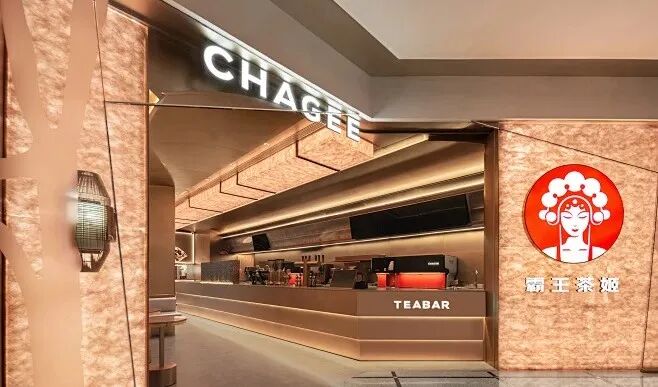
CHAGEE has chosen a different path - it has invested six years in building an overseas supply - chain system instead of rushing to open stores. In the United States, the direct - marketing model is applied, and founder Zhang Junjie calls it "a difficult but correct path". In 2026, CHAGEE defines the overseas market as the "Year of Recovery", and it does not aim for the number of stores but "to establish and consolidate the profit model in each country's market where it is present".
The competition between the two paths is obvious: Mixue Bingcheng's path is "supply - chain export + franchise replication", first scale and then fine - tuning; CHAGEE's path is "direct - marketing as the basis + cultural export", first consolidate the model and then expand. Both paths lead to the same goal - in the end, it's about the depth of the supply chain and the ability to localize.
Without a supply chain, overseas business is like handling brand reputation abroad without protection. Stores can be opened overnight, but the supply chain cannot.