Lotus stoppt die Entwicklung von rein elektrischen Sportwagen und konzentriert sich auf ein rentables Modell mit 30.000 Einheiten
As top sports car brands such as Ferrari, Porsche, and Bentley successively adjust their timelines for comprehensive electrification and turn back to the internal combustion engine and hybrid technology, this collective shift in the global super - luxury automotive market is no longer an isolated signal. In June 2026, the British traditional sports car manufacturer Lotus officially presented the "Focus 2030 Strategy" and announced its intention to become the world's first top - sports car brand to cover all three drive systems - internal combustion engine, pure electric mobility, and super - hybrid. At this strategic communication conference, Feng Qingfeng, the CEO of the Lotus Group, explained in detail to the media, including "Caixin", the business reasons and the technical path behind this decision.
This is not a simple expansion of the drive strategy. From the announcement in 2018 that the Emira would be the last internal combustion engine model to the current decision to abandon the development of pure electric sports cars, Lotus's strategic vacillation is a reflection of the difficult search of super - luxury brands in the wave of electrification. Different from others, Lotus has decided to openly admit that earlier assessments need to be corrected and has presented a clear solution based on financial discipline and group cooperation.
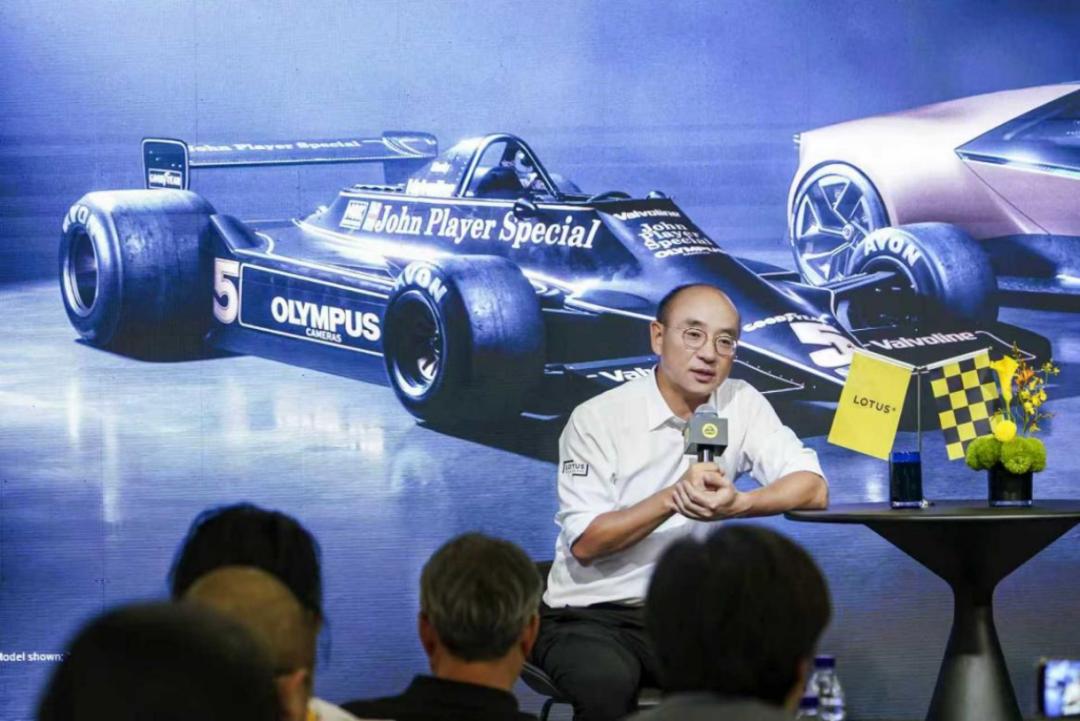
Feng Qingfeng, CEO of the Lotus Group. Image source: Company
1
Development of pure electric sports cars stopped
Feng Qingfeng openly admitted at the communication conference that although Lotus invested early in the luxury - segment electric mobility. The pure electric super - sports car Evija has achieved technical feats such as 2,000 horsepower and a vehicle weight of 1.6 tons, and the models Eletre and Emeya have also entered the market. But from a business perspective, we have not created a single blockbuster product.
Market statistics support this assessment. According to information, the penetration rate of pure electric vehicles in super - luxury cars priced over $80,000 in 2025 was only 7.3%, which is only an increase of 0.8 percentage points compared to 2024. According to an analysis, high - net - worth customers still have significant concerns about the emotional value of pure electric super - sports cars. The mechanical quality and the sound of the engine are regarded by this group as an inseparable part of the driving experience. In addition, there is still a significant problem with the regional uneven distribution of the global charging infrastructure. For example, Feng Qingfeng mentioned at the communication conference that there is still no network of high - power charging stations on the Italian market, and in the Middle East and some Asian countries, the equipment of charging infrastructure has almost stagnated. This leads to the fact that the pure electric mobility strategy encounters real sales resistance in global marketing.
Based on these insights, Lotus made a clear decision in the Focus 2030 Strategy. In the sports car segment, the option of pure electric mobility will be completely stopped. Feng Qingfeng explained: "We will rule out the path of pure electric sports cars and will not conduct further investigations in this direction. We will only produce sports cars with internal combustion engines and hybrid drives." In the lifestyle vehicle segment, pure electric mobility will still remain the core, and the product portfolio consisting of Eletre, Emeya, and Evija will continue to be used for daily use.
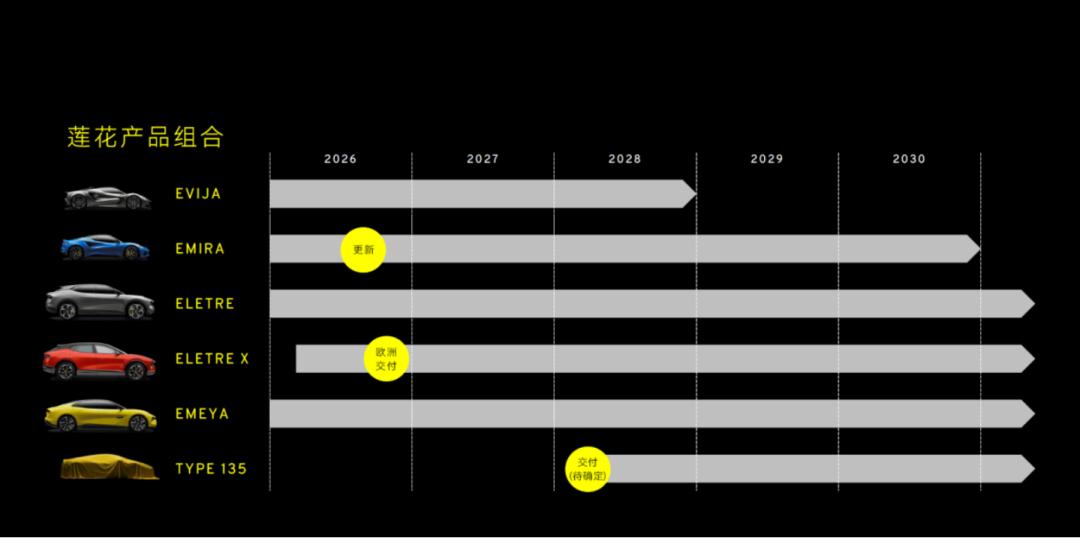
Image source: Company
The gap in the sports car drive will be filled by super - hybrid technology. The Eletre X with the Luoyao Super - Hybrid architecture will enter the European market in the summer of 2026. The vehicle has a total power of 952 horsepower and a comprehensive cruising range of over 1,400 kilometers. Even when the battery level is only 10%, the acceleration time from 0 to 100 km/h can still be kept at 3.5 seconds. Interestingly, Lotus has announced that it will present the new V8 - hybrid super - sports car Type135 in 2028. This will be equipped with a new V8 - hybrid unit developed in cooperation with the HORSE Drive System Company in the Geely Group. The goal is to reach a speed of over 10,000 revolutions per minute. These technical parameters are directly targeted at the top - hybrid super - sports cars of brands like Ferrari.
2
The financial concept of the profit model for 30,000 vehicles
Another key point of this strategic adjustment is setting the break - even point at 30,000 vehicles, which is a very low volume value in the automotive industry.
For Lotus, which has long suffered from scale limitations as a niche brand, achieving this goal depends heavily on in - depth cooperation with its parent company, Geely Holding Group. Feng Qingfeng summarized this relationship in one sentence: "Thanks to Geely, Lotus has the means to compete with Porsche."
The essence of the cooperation is a mechanism for cost and capability distribution. In areas such as software, electronic and electrical architecture, and autonomous driving, which require high research and development investments and are approaching technological convergence, Lotus directly accesses the Geely system to avoid redundant investments. For example, it is very difficult for Lotus, as a small manufacturer, to independently bear the iteration speed of the electronic and electrical architecture and the capabilities of autonomous driving. Geely's platform - based resources fill this gap. In return, Lotus retains full autonomy in areas such as chassis tuning, aerodynamic design, lightweight materials, and drive system calibration, which define the brand's identity, and shares these capabilities with other brands in the group. The 6D chassis control algorithm used in the Zeekr 001 FR and the carbon - fiber body process used in Lynk & Co's pure electric models both come from Lotus Engineering's technologies.
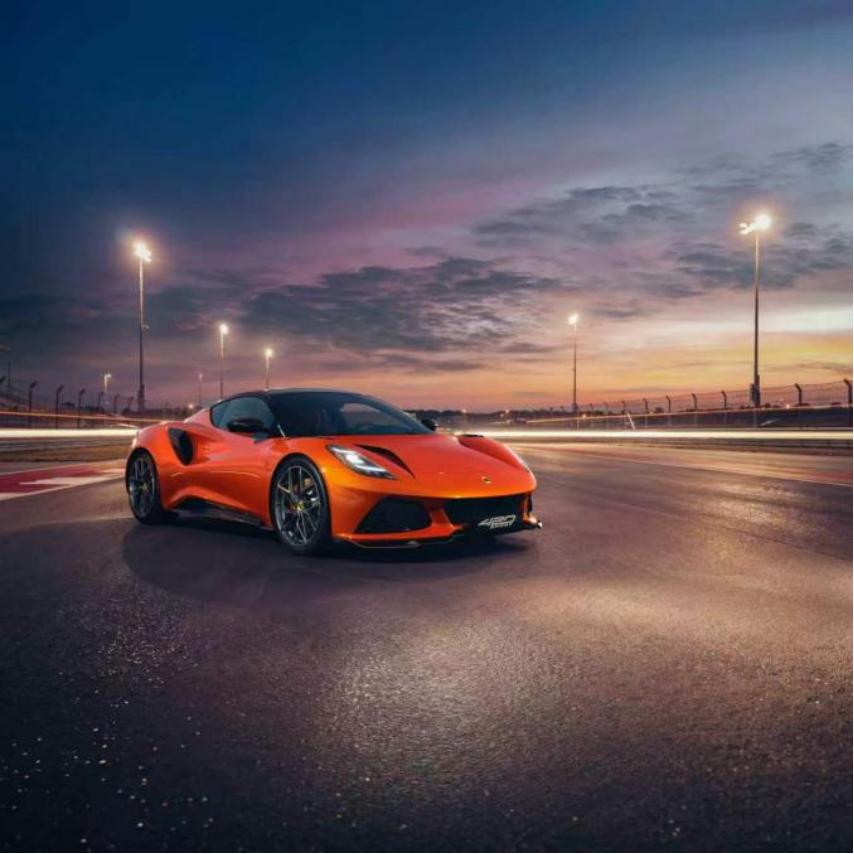
Emira 420 Sport. Image source: Company
Through this cooperation, Lotus's break - even point has dropped from originally 50,000 or even 80,000 vehicles to 30,000 vehicles. In the automotive sector, this volume usually means losses. But Lotus's logic is to significantly reduce common costs through group cooperation and concentrate resources on individual technologies that can directly support pricing and market valuation.
Feng Qingfeng revealed that in the future sales structure, hybrid models will account for about 60% of the market share, pure electric models 40%, and traditional internal combustion models will mainly target markets such as the Middle East. Ideally, the global sales distribution will be as follows: 30% in the Chinese market, 30% in Europe, 30% in the United States, and 10% in other regions. However, due to the restrictions of the US ICTS Act on Chinese software and hardware in the field of intelligent networking, Chinese - made models such as the Eletre cannot enter the US market in the short term. Therefore, Feng Qingfeng has reduced the expected market share in the United States to about 10%, and the difference will be distributed to the Chinese and European markets.
3
Obtaining pricing power in the million - yuan segment through technical barriers
In the Chinese market, new energy vehicles priced over one million yuan have long had difficulties in obtaining pricing power. According to "Caixin", the market share of domestic brands in new energy vehicles priced over one million yuan in 2025 was less than 5%. The overwhelming market share is still occupied by traditional brands such as Porsche and Mercedes - Benz. This shows that Chinese brands in the million - yuan segment have not yet built emotional value systems that go beyond technical parameters and equipment. This is the biggest difference between Chinese brands and European traditional luxury brands.
The way Lotus has chosen to overcome these difficulties is to rely on in - depth technical aspects. Feng Qingfeng explained in detail at the communication conference the technical parameters of the V8 - hybrid system that will be used in the Type135. The goal is to reach a speed of over 10,000 revolutions per minute, and it will be equipped with an MGU - K motor unit and a high - torque DCT dual - clutch transmission. At the same time, the vehicle weight will be kept at the level of a traditional V12 flagship super - sports car. He admitted that even the cost of an MGU - K motor after scaling is about 500,000 yuan.
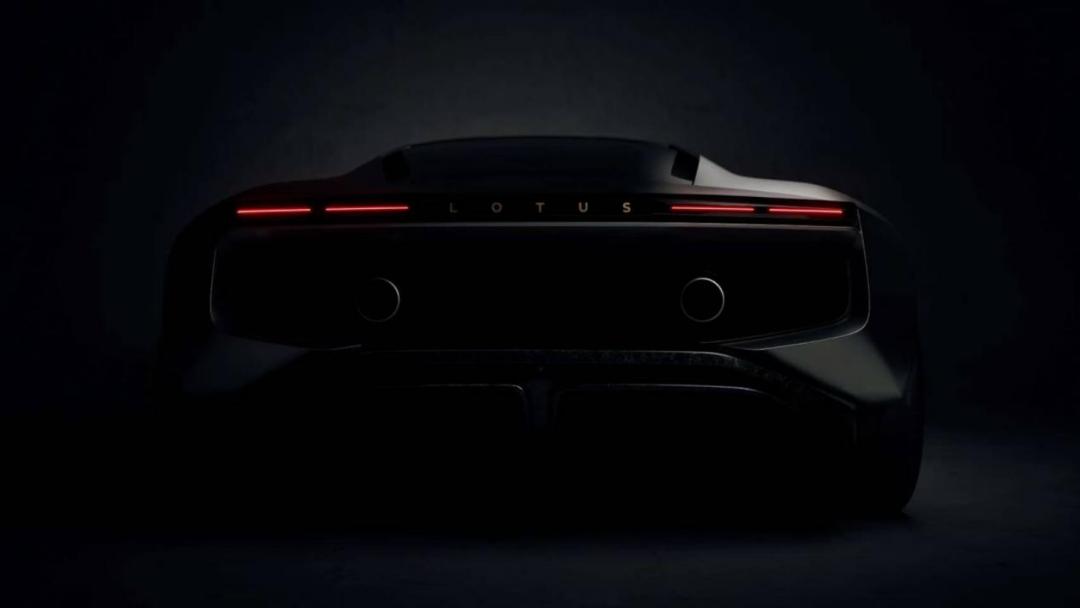
The new Super - Hybrid super - sports car Type135 will be presented in 2018. Image source: Company
The intelligence of the chassis is another differentiating aspect. Lotus translates its decades - long experience in chassis tuning into data and software to achieve real - time adaptability. Feng Qingfeng described this technology as a "living chassis", that is, the vehicle can adjust the suspension properties in real - time to road conditions, the driver's driving behavior, and operating conditions, rather than being fixed to a set setting after production. The difference between this technology and most active chassis solutions used by other automakers is that Lotus's tuning goal is not the existence of functions, but the precision of the cooperation of active components. As Feng Qingfeng says: "The level of the conductor determines the quality of the symphony."
The early sales data of the For Me model in the Chinese market have to some extent confirmed the effectiveness of this strategy. In the first month after its market launch, over 70% of the orders were concentrated on the mid - and high - end versions, and this proportion was the same for new and old customers. There have also been remarkable changes in the customer group. The proportion of high - level managers from the financial industry and corporate executives among new customers has increased significantly. The proportion of financial managers among small - order customers has already reached about 30%, and the repeat - purchase rate of old customers is 20%. This shows that Lotus's product definition reaches a broader group of high - net - worth professionals than just the first and second generations of entrepreneurs.
4
Brand awareness is still a weak point in global expansion
Although a relatively complete logical circle has been formed at the strategic, technical, and product - related levels, Lotus still has to address a structural problem: The brand's awareness among the general public and its promotional power are insufficient.
In fact, Lotus's products attract a lot of attention on the road, but it has never achieved a promotional effect that ranges from wide publicity to in - depth discussion. Feng Qingfeng said that Lotus's previous advertising was too targeted at specific groups and the wide publicity was insufficient. He also admitted that they have not yet learned to ride on current trends to create topics.
This weak point becomes even more obvious in Lotus's expansion into the global market. According to information, Lotus's brand awareness in its home market of the UK is 78%, but in core markets such as Germany and France, this figure is only 22% and 18% respectively. In Asia, Lotus's brand awareness is generally below 15%, which represents a significant mismatch with its technical strength and historical tradition.
Lotus's global sales network strategy also requires an acceleration of brand - building. So far, Lotus has 216 sales outlets worldwide, including 67 in Europe, 63 in China, 48 in North America, and 38 in other regions. In 2026, Lotus plans to increase the number of sales outlets in China from 63 to about 80, which is approximately equivalent to Porsche's network in China. In Europe, Lotus will expand into important cities such as Berlin, which were not previously covered. At the same time, Lotus is accelerating its entry into new markets. On May 6, 2026, the first 18 Eletre vehicles were shipped from Shanghai Port to Canada. Thanks to the early fulfillment of North American certification requirements, Lotus is the first Chinese premium electric vehicle brand to be exported in series to Canada under tariff reduction. On May 27, 2026, Lotus held a brand presentation in São Paulo, Brazil, and presented the entire product portfolio including the Emira.