Der Boom bei Aufnahmehardware: Vier große Produktkategorien konkurrieren um den neuen KI-Einstiegspunkt, und Agent-Funktionalität wird zum Standardmerkmal
In the imagination of many people, the audio recorder may be the hardware device most easily replaced by smartphones.
From journalist interviews and business conferences to class notes and online communication, a smartphone combined with transcription apps like iFlytek Tingjian can already cover most audio recording scenarios. Even in the media industry, many journalists are starting to “get lazy” and simply use their smartphones as audio recorders. For many people, the audio recorder has already become a gradually forgotten product category.
Although some brands have also made progress in recent years and developed intelligent audio recorders with built - in AI models that can perform transcription directly on the device. But in terms of the user experience, these intelligent audio recorders have only achieved the performance of the “smartphone + app” combination. In terms of user - friendliness, the combination of a smartphone and intelligent audio software is still at the top of the audio recording experience at that time.
But in 2026, when everyone thought the audio recorder would disappear, AI agent technology revived the audio hardware market.
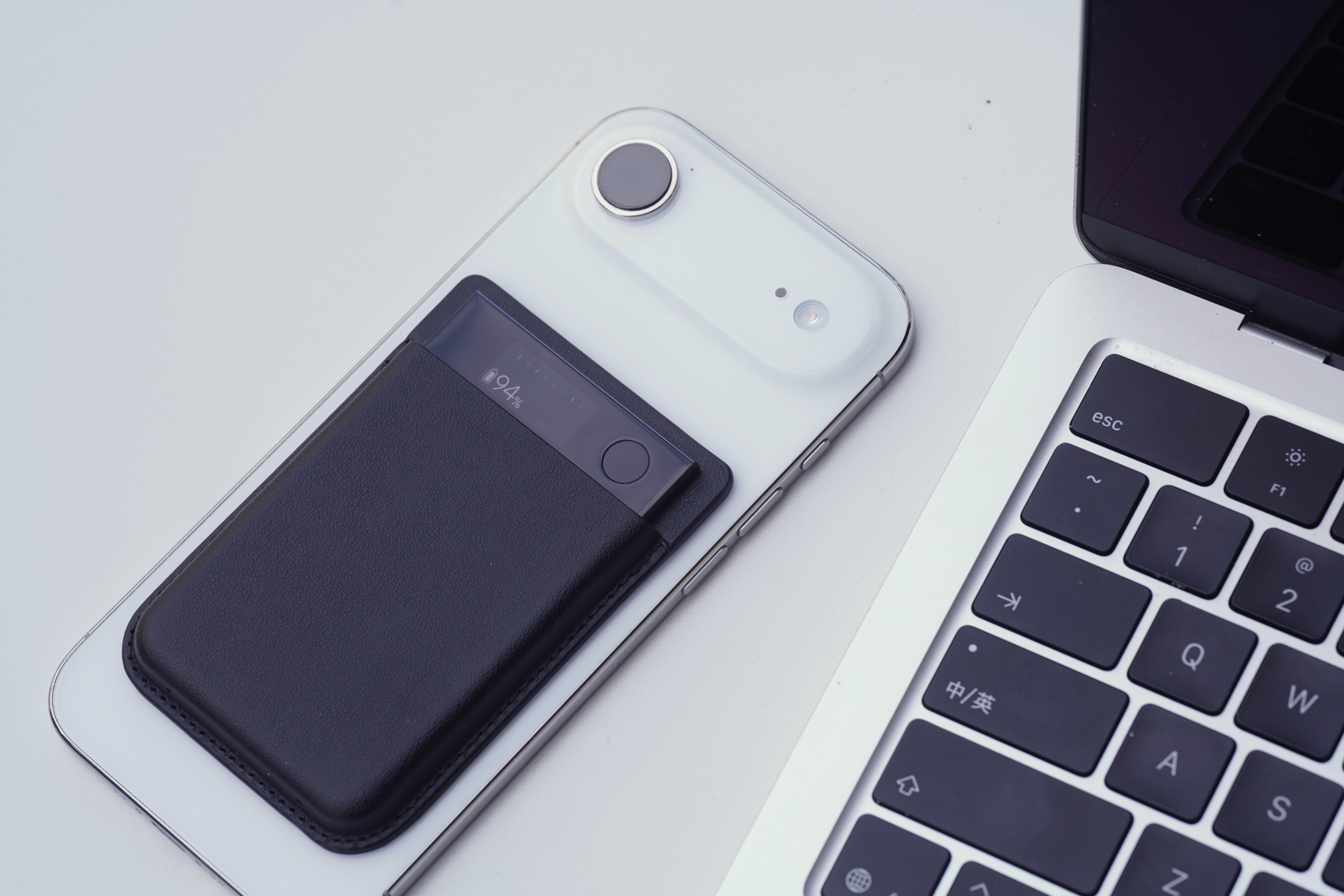
Image source: Lei Technology
In the past two years, more and more manufacturers have begun to re - enter the seemingly saturated market for “AI - powered audio hardware”, from Plaud Note Pro, DingTalk A1 audio card, Anker Audio Beans, Insta360 Mic Air to various AI headphones and intelligent microphones with real - time transcription capabilities. Why can AI - powered audio devices stand out?
Four types of audio hardware compete for the super - entry for voice AI
Lei Technology has found that the common AI - powered audio devices on the market can be roughly divided into four categories: cards, portable devices, headphones, and audio recorders, among which cards and portable audio devices are the most commonly seen.
1. Audio card: Attach it to the smartphone and use it at any time, portable and light.
You should be very familiar with the card - like AI audio devices. Plaud, DingTalk, MOVA TPEAK and even the app “Evernote” from the “ancient times” of the mobile Internet have developed such AI audio devices. Lei Technology has also intensively tested the relevant products.
In terms of hardware design, the AI audio card has retained the interaction model of the traditional audio recorder “only input, no output”. The highly simplified device housing and the “better - hearing” microphone matrices enable these AI audio cards to break away from the “big, heavy and ugly” hardware form of the traditional audio recorder. The thin and light card form solves the problem of the non - portability of the traditional audio recorder.
Take the DingTalk A1, well - known by Lei Technology, as an example. The matrix structure of five omnidirectional microphones and a bone - conduction microphone enables the audio card to accurately record sound from a greater distance without the need for two large microphone screens like a traditional audio recorder, which significantly reduces the device size. By the way, the use of the bone - conduction microphone in the A1 also enables call recording for iPhones and solves the biggest problem of iPhones in the work environment.
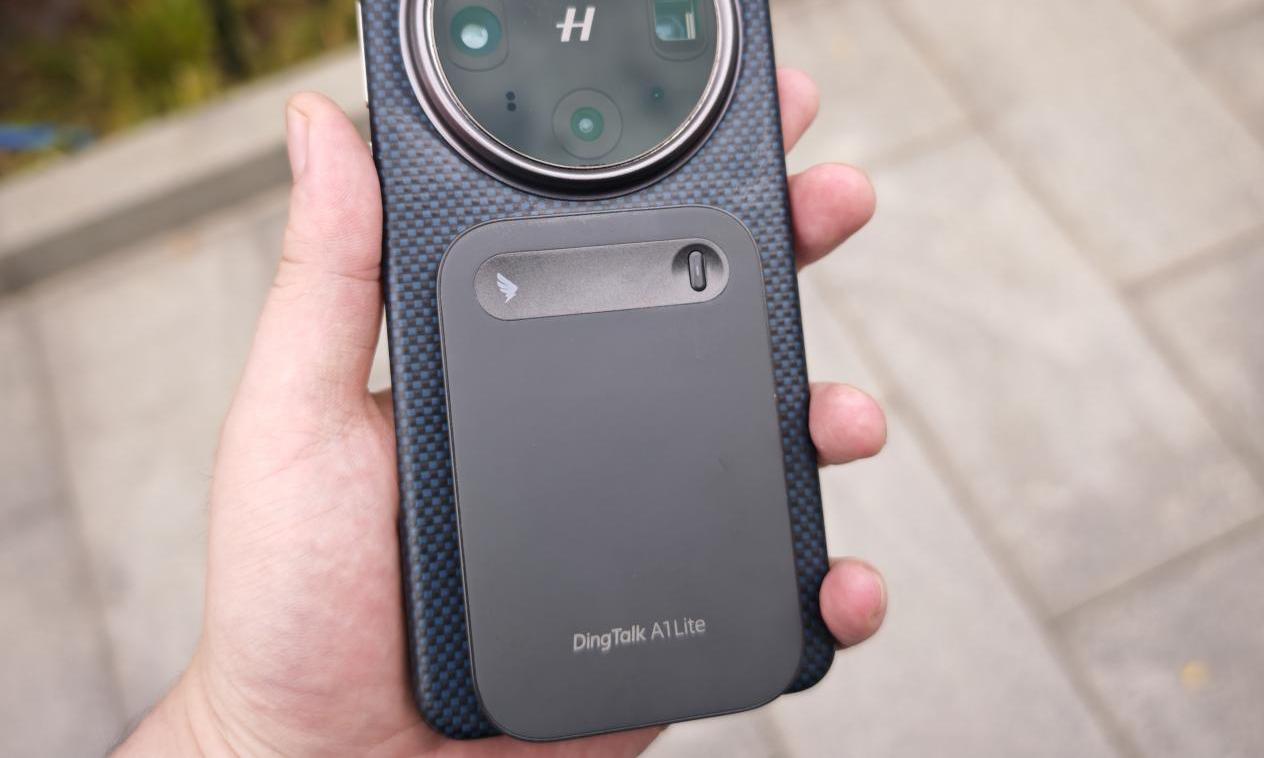
Image source: Lei Technology
In terms of AI agent capabilities, the DingTalk A1 also focuses on office scenarios such as interviews and conferences. It can display real - time translation directly in the smartphone app and also generate a protocol output prepared by the AI agent after the conference.
2. Portable audio devices: Record anytime and anywhere without being intrusive.
If the AI audio card like the DingTalk A1 is too “professional” for interviews and conferences, portable audio devices like the Insta360 Mic Air meet the voice recording needs outside professional scenarios.
Recently, Lei Technology reported on the co - branded Mic Air Vibe - Coding microphone jointly released by Insta360 and TRAE. In terms of hardware form, this portable microphone has completely left the model of the traditional audio recorder and is based on a wireless microphone as the hardware template, focusing on smallness, discretion, and long - term use.
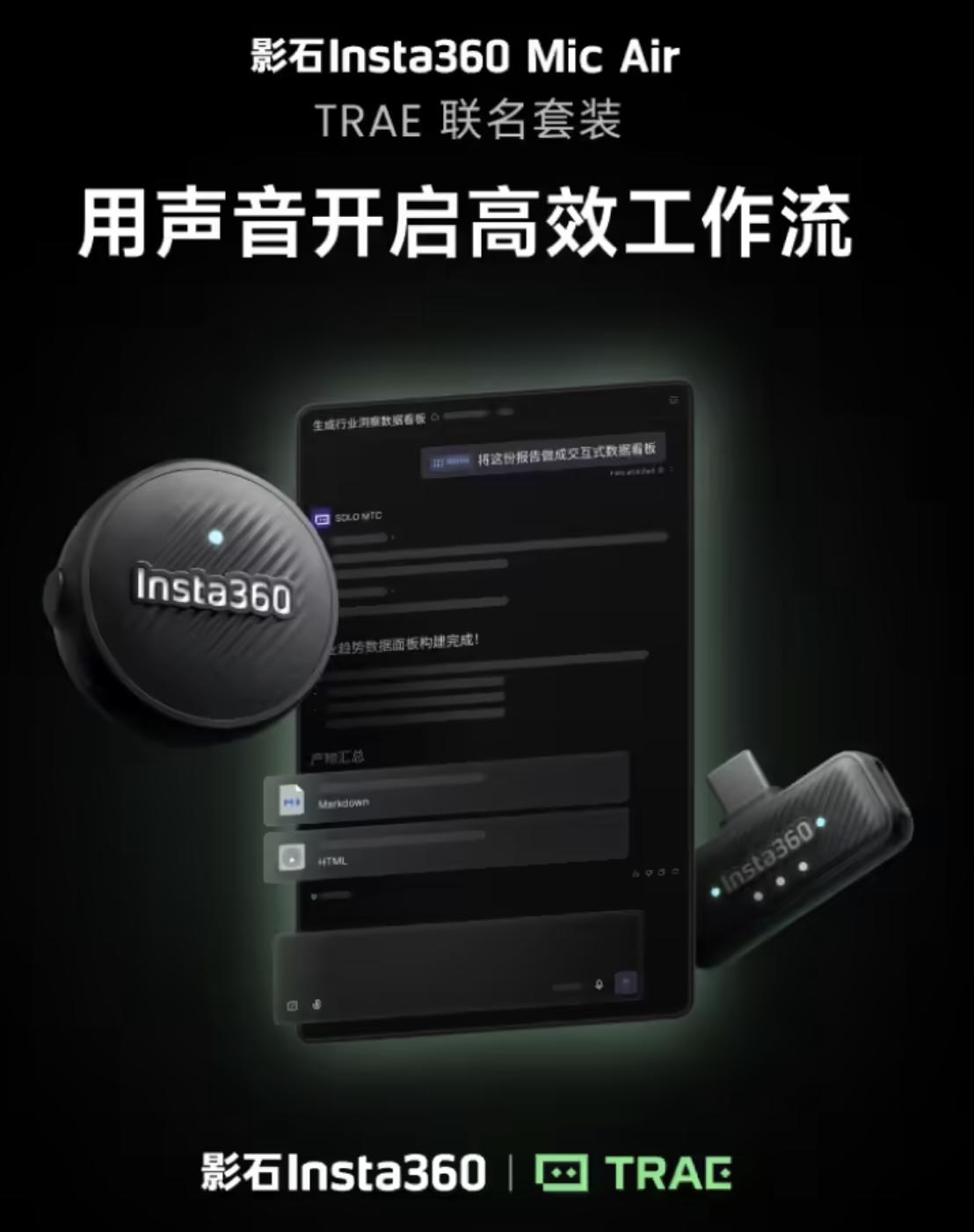
Image source: Insta360
When the Mic Air entered the market, for example, special attention was paid to the selling point of “very light weight and high sensitivity”: Even in relatively noisy environments such as offices, it can accurately capture the soft voices of users, so that developers “can instruct the AI to complete tasks anytime and anywhere”.
3. AI audio headphones: Solve urgent needs such as translation with the least learning effort.
The AI audio headphones, represented by the iFlytek AI headphones, still focus on “headphone scenarios” such as conversations and translations. Compared with the other two devices, the advantage of the headphone segment lies in its low learning effort.
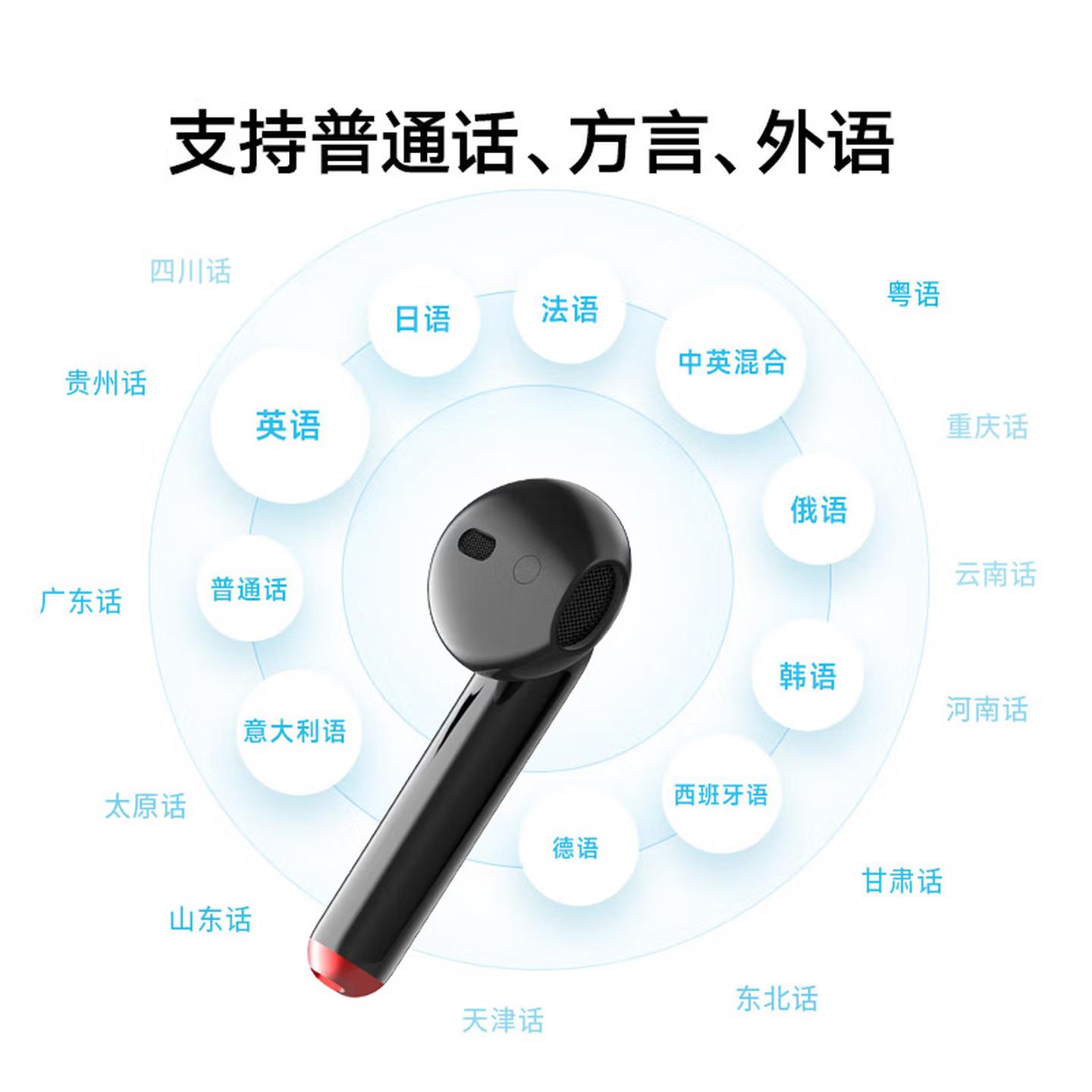
Image source: iFlytek
4. AI - enhancement of the traditional audio recorder: Maintaining old habits, high reliability.
Finally, there is the “traditional branch” among AI audio devices - the traditional audio recorder with AI agent capabilities. Compared with the three new device types, this AI device is essentially a traditional audio recorder with an Android module that gives it certain AI agent capabilities. But this separate hardware architecture brings high reliability and is more user - friendly for professional users such as journalists and lawyers.
How has the AI agent redesigned audio devices?
But whether it is magnetic cards or clip - on microphones, these hardware differences are only on the surface. From Lei Technology's perspective, the significance of the AI agent for the audio industry is not to improve transcription performance or add new functions, but to re - define the reasons for the existence of audio devices.
In the era of traditional audio recorders, the value of audio devices was to record voices. Whether it was journalist interviews, conference protocols, or class notes, the audio recorder was only a “storage tool”. After recording, users had to listen to the audio again themselves, organize it themselves, and extract the key points themselves. We at Lei Technology call this “record - replay - organize” work model the Audio 1.0 era.
For journalists, a one - hour interview often means that they then need one to two more hours to listen to the audio again, organize the views, and extract the highlights. At the beginning of this year, when Lei Technology was involved in reporting on CES 2026, they met media colleagues who still used this “old recording method”, resulting in very low work efficiency. For corporate users, this pure conference recording can only be used for archiving.
Later, with the emergence of transcription tools like iFlytek Tingjian, the audio industry entered the second phase. In this phase, the audio device itself has not changed much, but the AI begins to take over part of the text organization. The workflow has developed into “record - transcribe - organize” - which we at Lei Technology define as the Audio 2.0 era.
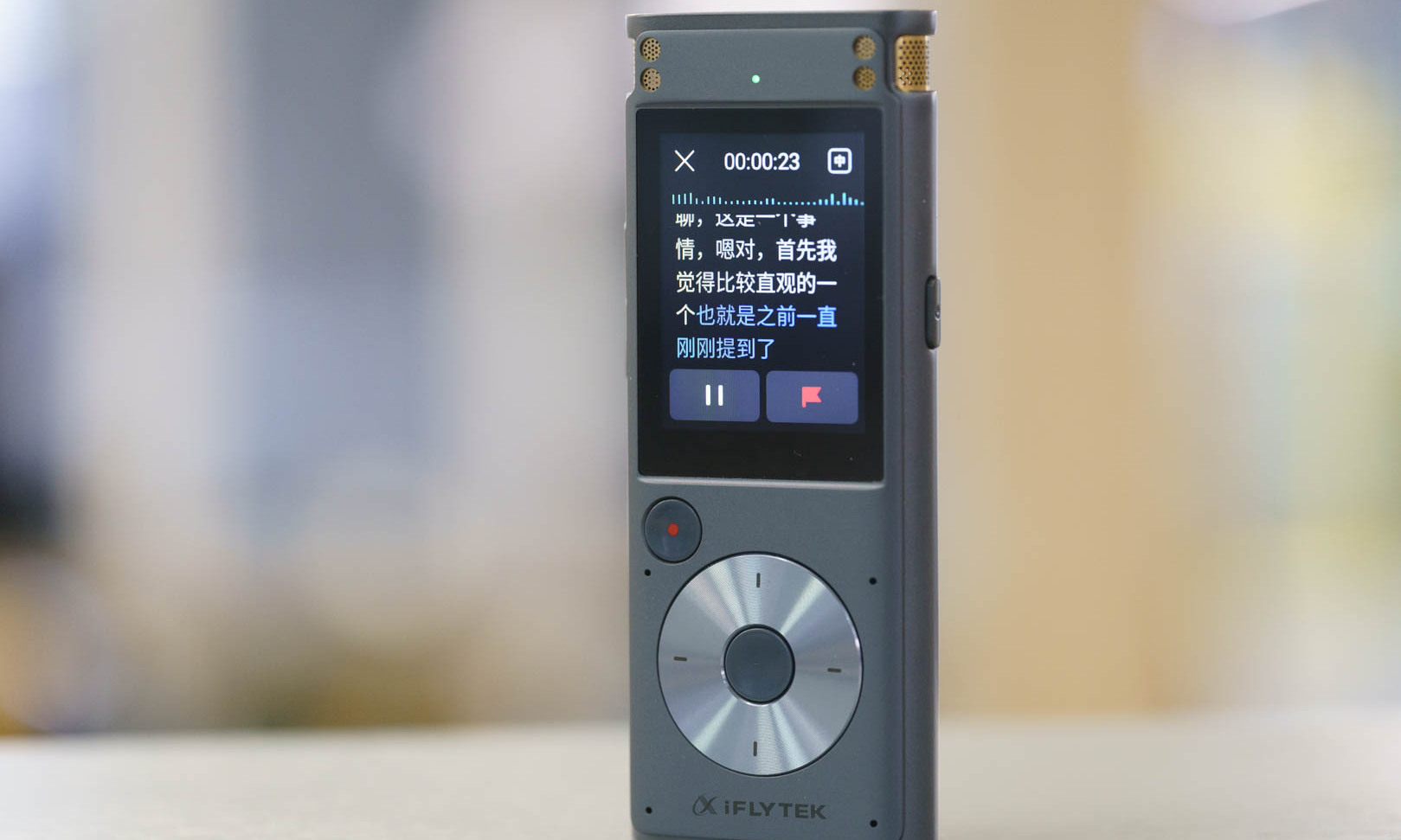
Image source: Lei Technology
Compared with the era of traditional audio recorders, users no longer need to listen to the audio word for word, but can directly work with the text, which means a huge increase in efficiency. But the problem is that transcription is not the same as organization. An interview transcription with several thousand words is still essentially an unprocessed amount of information. We still have to build the structure ourselves and select the key points; product managers still have to derive tasks from the discussions.
In other words, the emergence of transcription tools has only solved the problem of “converting sound into text”, but not the problem of “converting information into action”.
And the emergence of the AI agent has changed everything. Today, the workflow of AI audio devices is: “record - transcribe - summarize (think) - execute”

Image source: TicNote
Take the actual workflows of Lei Technology as an example. In the Audio 1.0 era, we got an audio file after an interview; in the Audio 2.0 era, the audio file was converted into a transcription; but in the Audio 3.0 era, common AI audio devices can directly provide an interview summary, the core statements, the highlights, and even the article structure of the interview text.
But outside of conferences and interviews, the AI has also created new scenarios that didn't exist before - the above - mentioned “voice - Vibe - Coding” is the best example.
In the past, software development was almost completely dependent on keyboard input, while Vibe - Coding aims at an imprecise development method - developers give requirements to the AI, and the AI searches for solutions to implement the functions. If developers themselves give imprecise instructions, why do they still need a precise input method like the keyboard? In this context of AI development, Vibecoding based on voice input has emerged, and Insta360 is the first brand to seize this opportunity.
It can be said that the emergence of the AI agent enables audio devices to no longer be simply “input devices”, but to have the ability to “create value”.
The capabilities of agents are becoming similar, and basic quality becomes more important
But on the other hand, the rise of the AI agent has “tested” audio devices again; but at the same time, the rapid development of the AI agent has also quickly balanced the capability differences between different products. For current AI audio devices, capabilities such as conference protocol, to - do list, interview summary, and content organization are already standard in the industry.
From Lei Technology's perspective, the reason for this situation is not complicated: Most manufacturers of AI audio devices do not develop their own large models, but use the same established model services. With the maturity of the industry, the capabilities of external models will inevitably become more uniform. So how can AI audio devices stand out from each other?
Lei Technology believes that as the AI agent capabilities become more similar, the competition in the audio hardware category will inevitably fall back to the hardware configuration and basic quality.
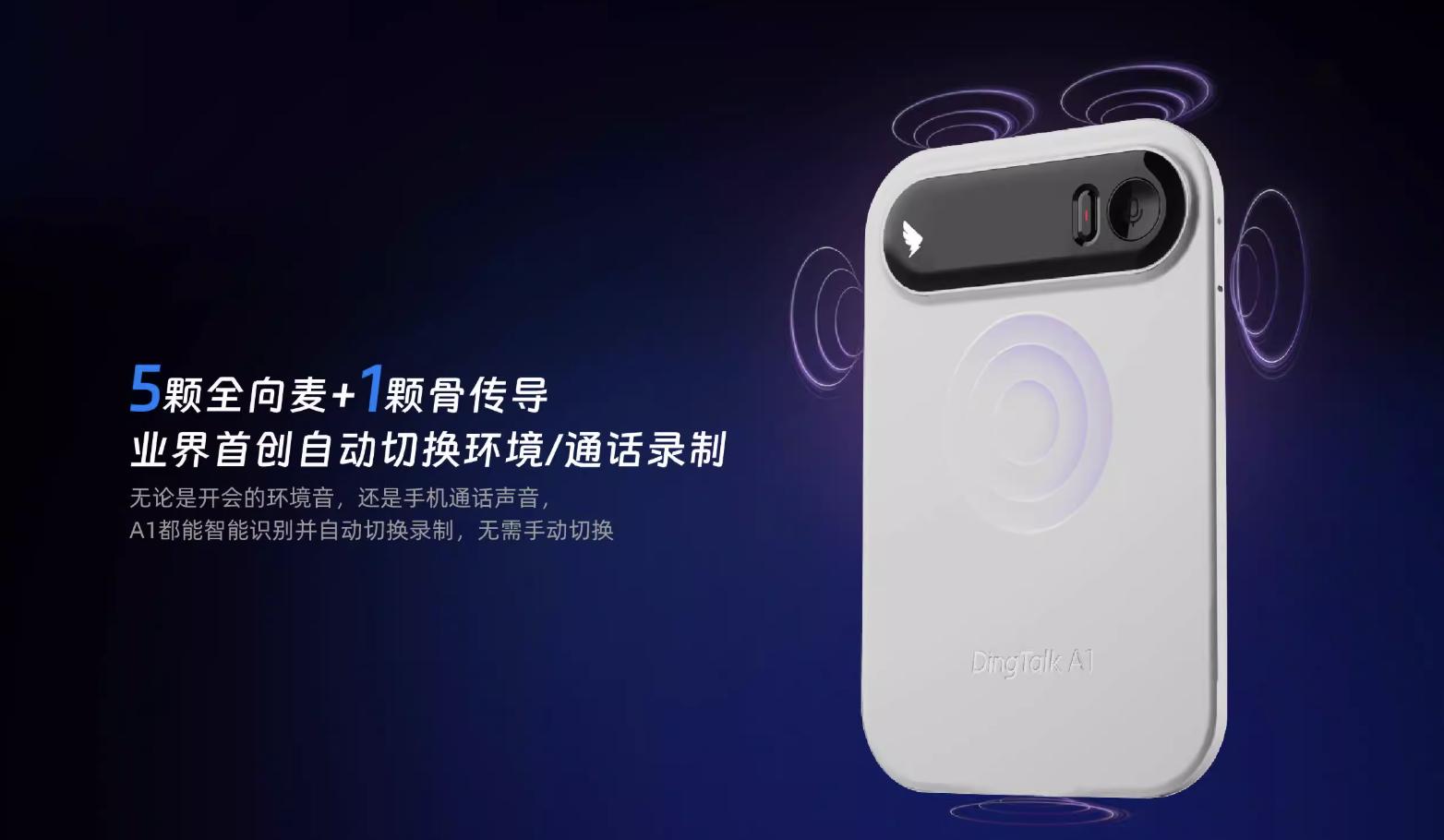
Image source: DingTalk
In fact, after evaluating many AI audio devices, Lei Technology has found a very interesting phenomenon: When creating conference protocols,