Warum ist China so stabil, während es weltweit einen Düngemittelmangel gibt?
According to the latest market prices:
For the same ton of urea, the domestic spot price is below 2,000 yuan, while on the international market, the spot price has almost reached 5,000 yuan.
Last year, the urea price was at least 300 US dollars, which is less than 2,400 yuan in RMB.
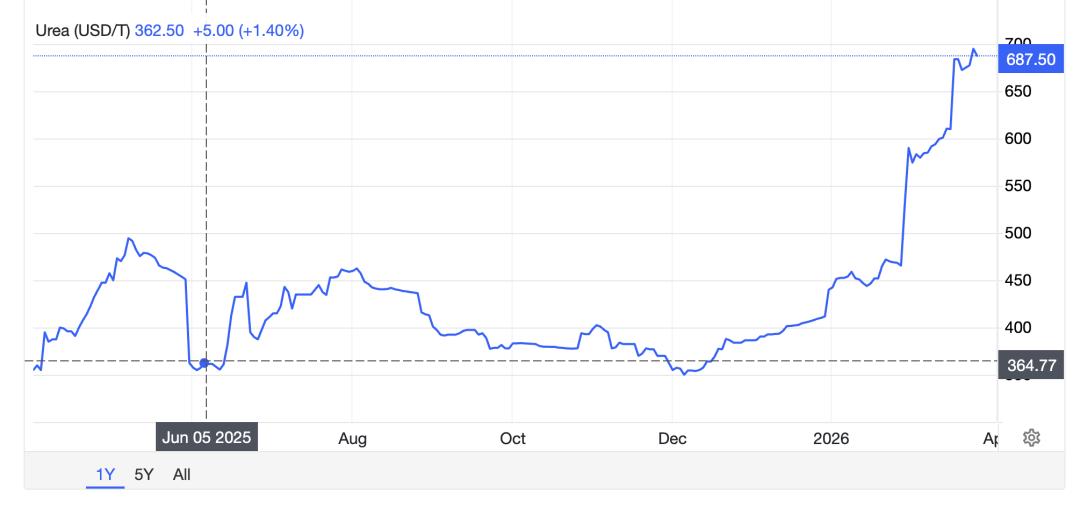
That means: In just a few months, the international urea price has doubled, while the urea price in the Chinese market has shown almost no significant fluctuations.
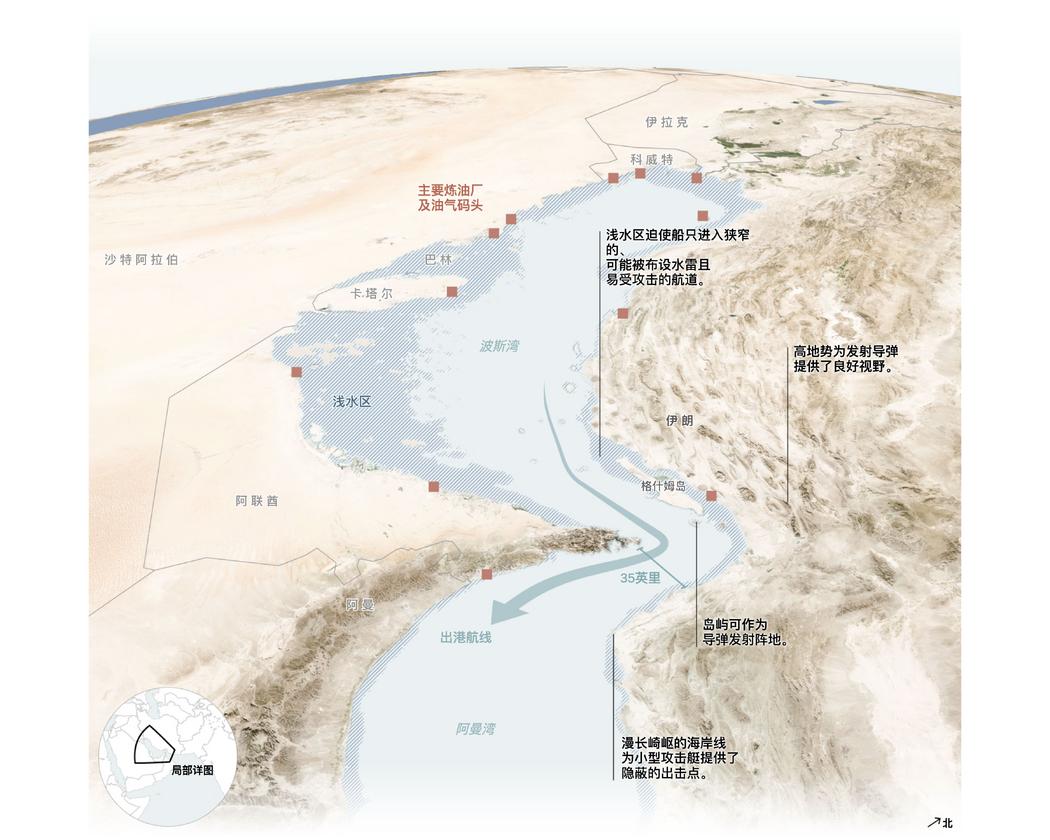
The reason for the increase in the urea price is clear to everyone: After the conflicts broke out in the Strait of Hormuz area, the impacts affected not only the oil and gas supply but also the supply of important chemical raw materials such as urea and sulfur. Iran is not only an oil - exporting country but also the world's second - largest exporter of nitrogen and phosphate fertilizers and the largest exporter of sulfur.
I, the old expert, am actually more interested in the problems caused by the increase in the urea price.
It is well - known that urea is an extremely important chemical product. In agriculture, it is an important fertilizer. From wheat, corn, and rice to fruit trees, cotton, and vegetables, it is impossible to increase yields without the support of urea. In industry, it is an important raw material needed in areas such as plastics, explosives, anti - dyeing, and industrial exhaust gas treatment.
Now that the urea price has risen, naturally other costs will also increase. This is inevitable. In fact, in the current situation, it is not only a question of whether one can afford it but also whether the cargo ships can even pass through the Strait of Hormuz.
If we consider the strong El - Niño climate situation and the imbalance of global energy this year, under the influence of extreme weather, sky - rocketing fertilizer prices, and other factors, it is very likely that in 2026, we will experience the extreme situation of a "global agricultural yield loss".
However, the situation in China is completely different. It is like a "beautiful view here alone".
While the international urea price has skyrocketed, the Chinese urea price remains below 2,000 yuan per ton as usual.
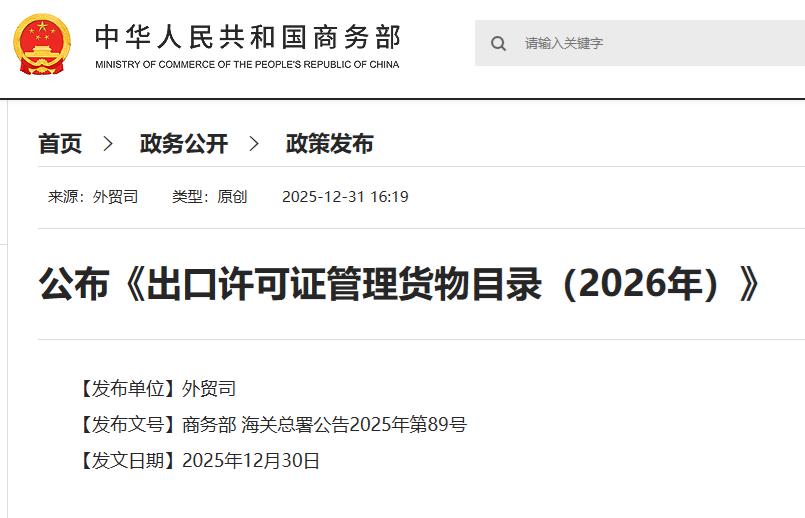
In fact, since 2024, we have regulated urea exports. At the end of 2025, the Ministry of Commerce and the Customs Administration jointly issued an announcement, including urea in the list of goods subject to the export license system in 2026, and strict quota management is being carried out.
One has to admire it. The Chinese have a talent for "preparing for danger in times of peace".
Why doesn't China need to worry about the fertilizer problem?
So why doesn't China need to worry about the fertilizer problem?
There are two reasons: On the one hand, the Chinese industry has the strength to support agriculture, and on the other hand, China has its own resource conditions.
First, let's talk about nitrogen fertilizers.
For urea, the international standard process is to produce it from natural gas. First, natural gas is reacted with steam to obtain hydrogen. Then, nitrogen is separated from the air using an air separation plant. Subsequently, both are synthesized into ammonia under high pressure and high temperature, and finally, ammonia is reacted with carbon dioxide to obtain urea.
This process is predominant internationally because it is extremely efficient and cost - effective and is very suitable for industrial production. But don't forget that this process is completely dependent on natural gas.
In peaceful times, everything is fine. But as soon as something happens in the Middle East and the natural gas supply is disrupted, the urea price skyrockets. Therefore, there is a significant positive correlation between the urea price and the oil and natural gas prices on the international market.
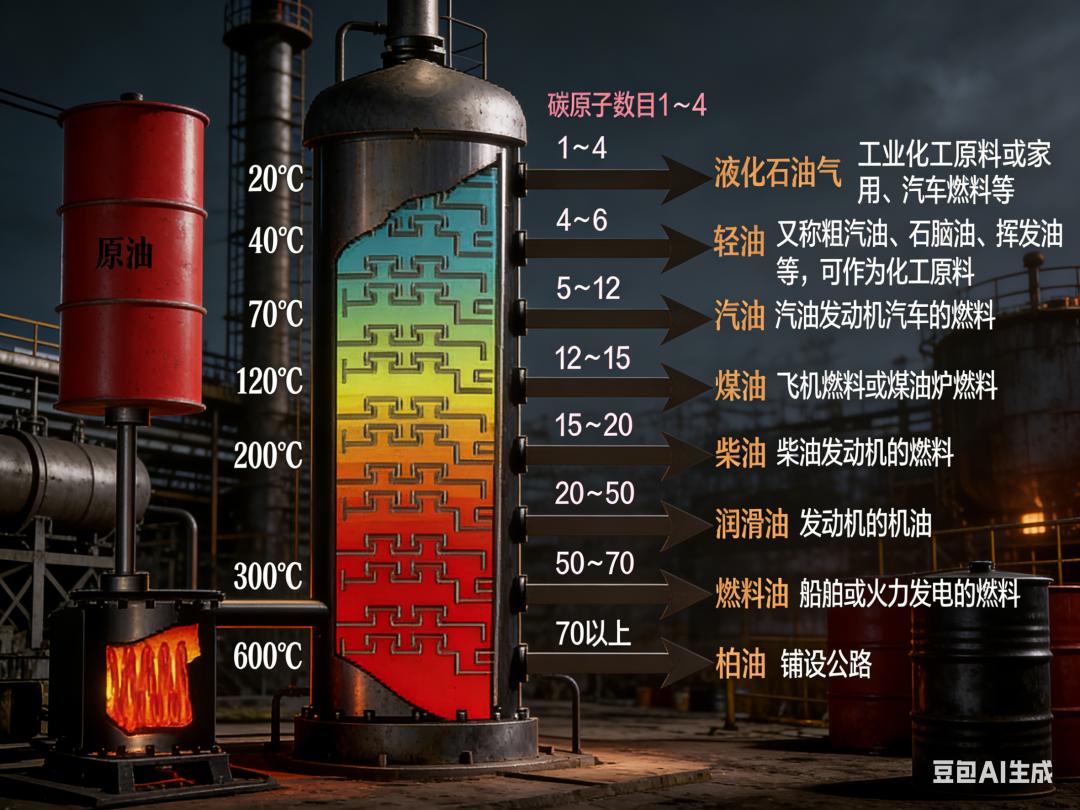
China has a shortage of oil and gas but is also a large agricultural country. If we completely relied on natural gas for urea production, we would face great threats in special situations.
Therefore, China has decided to take a two - pronged approach: We can not only synthesize urea from traditional oil and natural gas but have also developed the "carbon chemistry technology tree" and can produce urea with China's abundant carbon resources.
Today, the proportion of urea produced from coal in China has already reached 73%. We can be completely self - sufficient and even export small quantities. The annual production is over 50 million tons. We are essentially independent of natural gas and oil for urea production.
This is the fundamental reason why the Chinese urea price remains very stable while the international urea price soars. Chinese urea production is based on our in - depth experience in carbon chemistry. Chinese urea production follows a completely different industrial path and is naturally immune to the oil crisis.
In particular, the coal price has hardly increased for many years, so the cost of urea produced from coal is quite low.
After talking about nitrogen fertilizers, let's now talk about phosphate fertilizers.
If it's about China's industrial strength for urea, it's about natural resources for phosphate fertilizers.
China's phosphate ore reserves are extremely rich. The proven reserves are 3.7 billion tons, which ranks China second in the world, only behind Morocco. But Morocco obviously does not have China's industrial strength, so the amount of phosphate fertilizer produced by China exceeds that of Morocco. China's phosphate fertilizer production accounts for 30% of the world's production and has been at the top of the world for many years.
Domestic supply is not a problem, and there is even capacity for exports.
Finally, let's talk about the problem of potash fertilizers.
Potash fertilizer is the only weak point in the Chinese fertilizer system because when it comes to potassium ore reserves, nature has not favored us.
China's potassium ore reserves account for only about 5% of the world's reserves. The supply mainly comes from the potassium salt lakes in Xinjiang, Qinghai, and Gansu, which cannot meet the domestic demand. Therefore, we have to import large quantities of potash fertilizer from Canada, Russia, and Belarus every year. The import dependence usually fluctuates between 50% and 60%.
But we don't have to worry that the above - mentioned countries will cut off our supply in the potash fertilizer market. In our south, our neighbor Laos is a potassium ore - producing country. Laos has the second - largest potassium ore reserves in the world, estimated at 13.3 billion tons. The reserves are not only rich but also of high quality.
More importantly, Laos is a landlocked country and the infrastructure is very poor. The only way for mass exports of goods is the "China - Laos Railway", which opened a few years ago.
In fact, Chinese companies invested in the potash fertilizer industry in Laos at an early stage.
As early as 2023, we built the largest potash fertilizer factory in Southeast Asia in Laos, with an annual production capacity of 2 million tons. It is expected that the annual production capacity will increase to 5 million tons in 2025. We not only focus on potash fertilizer production but also use the associated resources of potassium ore to build a non - potassium industrial park. We have introduced a series of fine chemical companies such as bromine production companies, chlor - alkali production companies, and flame retardant production companies to support the local government in attracting investment and promote the industrialization of Laos.
Thanks to the technological strength accumulated in carbon chemistry, we have solved the problem of nitrogen fertilizers. Thanks to natural resources, we have solved the problem of phosphate fertilizers. Thanks to infrastructure and cross - border operation capabilities, we have solved the problem of potash fertilizers.
The three important fertilizers - nitrogen, phosphorus, and potassium - can now be self - sufficient to a considerable extent.
There is absolutely no need to be worried about the fluctuations in the international fertilizer market.
The energy - chemistry - agriculture complex has already been formed
At first, I only wanted to write about China's fertilizer supply. But during my research, I came across an interesting point. I don't know if it is intentional action or a necessary development, but it seems that China has formed an "energy - chemistry - agriculture" complex, and it is not impossible that even more amazing things will happen in the future.
How to understand this? Let's continue with the story of fertilizers.
As mentioned above, you know that both the natural gas route and the carbon chemistry route for urea production require the participation of hydrogen.
Ultimately, natural gas and water gas are only means to obtain hydrogen (so - called "gray hydrogen"). The focus is not on fossil fuels but on the production of hydrogen.
But you also know that besides these means, there is an easier and more straightforward method for hydrogen production - water electrolysis. However, "water electrolysis" consumes an extremely large amount of electricity. To obtain one ton of hydrogen through water electrolysis, usually about 50,000 kilowatt - hours of electricity are required. In the traditional energy system, hydrogen is not competitive in the market with these costs. Therefore, "gray hydrogen" is produced from natural gas, oil, and coal.
But the Chinese energy system is not a traditional energy system. The proportion of green energy has already exceeded 50%. The Chinese energy system has already stepped into the future. Green hydrogen obtained through water electrolysis is a very expensive experiment and luxury item for other countries still stuck in the traditional energy system, but for China, it has long been an industrial product.
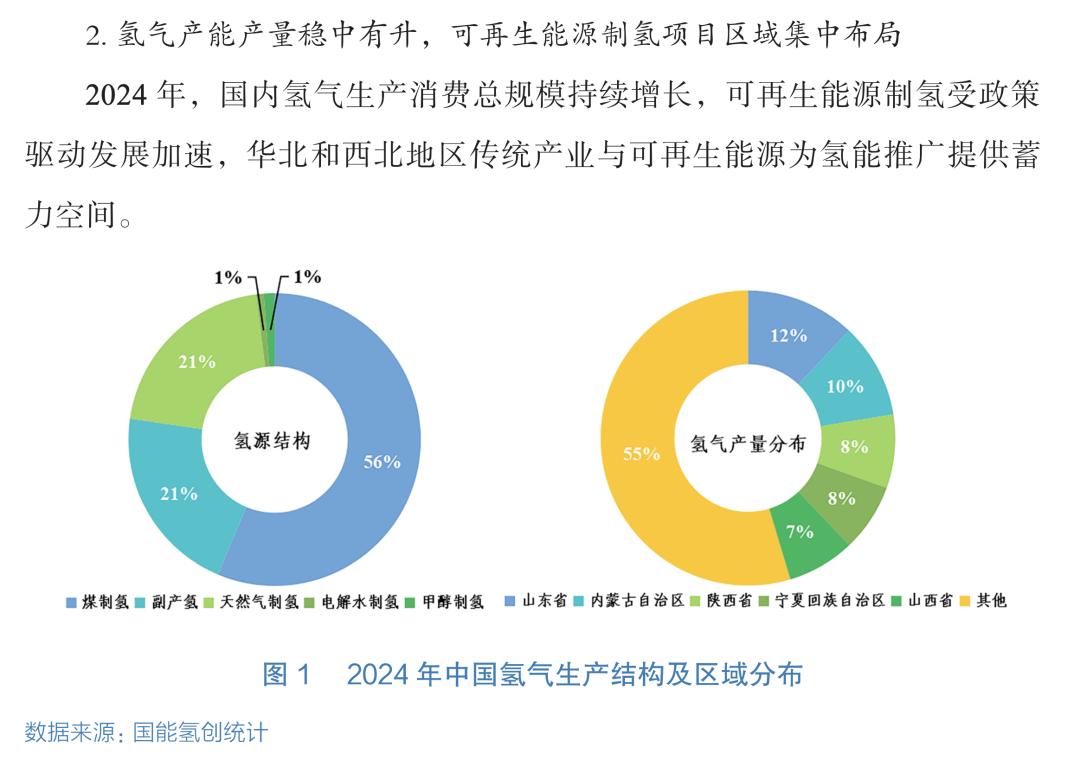
By the end of 2025, China has reached an annual production capacity of over 500,000 tons of green hydrogen. The actual production is 320,000 tons per year, which accounts for 50% of the world's production capacity. Not only are the operating capacities growing rapidly, but the scale of planned and under - construction green hydrogen projects is also expanding rapidly, mainly in the north - western regions with abundant renewable energy sources. China is already the world's largest hydrogen - producing country and the leader in green hydrogen development.
If we have green hydrogen, the problem is simple. Since nitrogen can be obtained from the air, it is only a small step from green hydrogen to green ammonia.
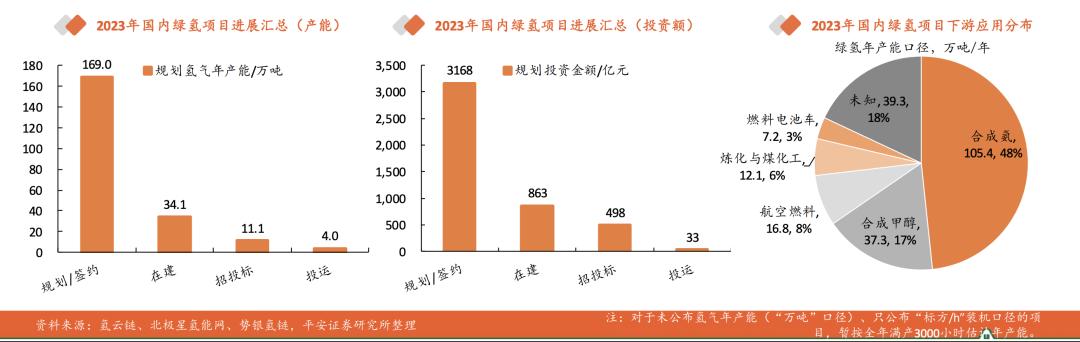
As early as 2024, there were almost 100 green ammonia projects in China, with a total production capacity of 20 million tons per year. The announced project capacities add up to over 10 million tons, and the operating projects produce 200,000 tons per year.
My friends, have you recognized the problem?
We started by talking about urea production, and now we suddenly talked about wind power and photovoltaics. What does this mean?
It means: In China, the production cost of urea is not only not related to oil and natural gas but perhaps no longer related to coal. Instead, it is related to the electricity price, with...