Warum kann Apple das "Zuhause" nicht erobern, obwohl die verantwortlichen Personen gegangen sind und es von Midea/HarmonyOS umzingelt wird?
Apple's smart home business may have to be put on ice again.
According to media reports, Brian Lynch, who was responsible for the hardware engineering of Apple's home devices, has left Apple and joined the smart ring company Oura. Although he is not the first high - level manager to leave Apple recently, Lynch's departure is not as simple as it seems given Apple's performance in the smart home sector in recent years.
Apple was one of the first tech giants to focus on the smart home market. From HomePod and Apple TV to HomeKit, it has constantly tested in this market, but has not yet brought any impressive products to the market. Recently, Bloomberg has also reported that Apple's first intelligent central product, originally planned for spring 2026, has been postponed to autumn.
(Source: Apple)
What's more important, Brian Lynch, who was responsible for the hardware engineering of Apple's home devices since 2022, has suddenly left his position. This inevitably raises questions: Why is Apple, which is so successful in manufacturing mobile phones, computers and headphones, so cautious in the smart home sector?
How to run a smart home business? Apple still hasn't found an answer
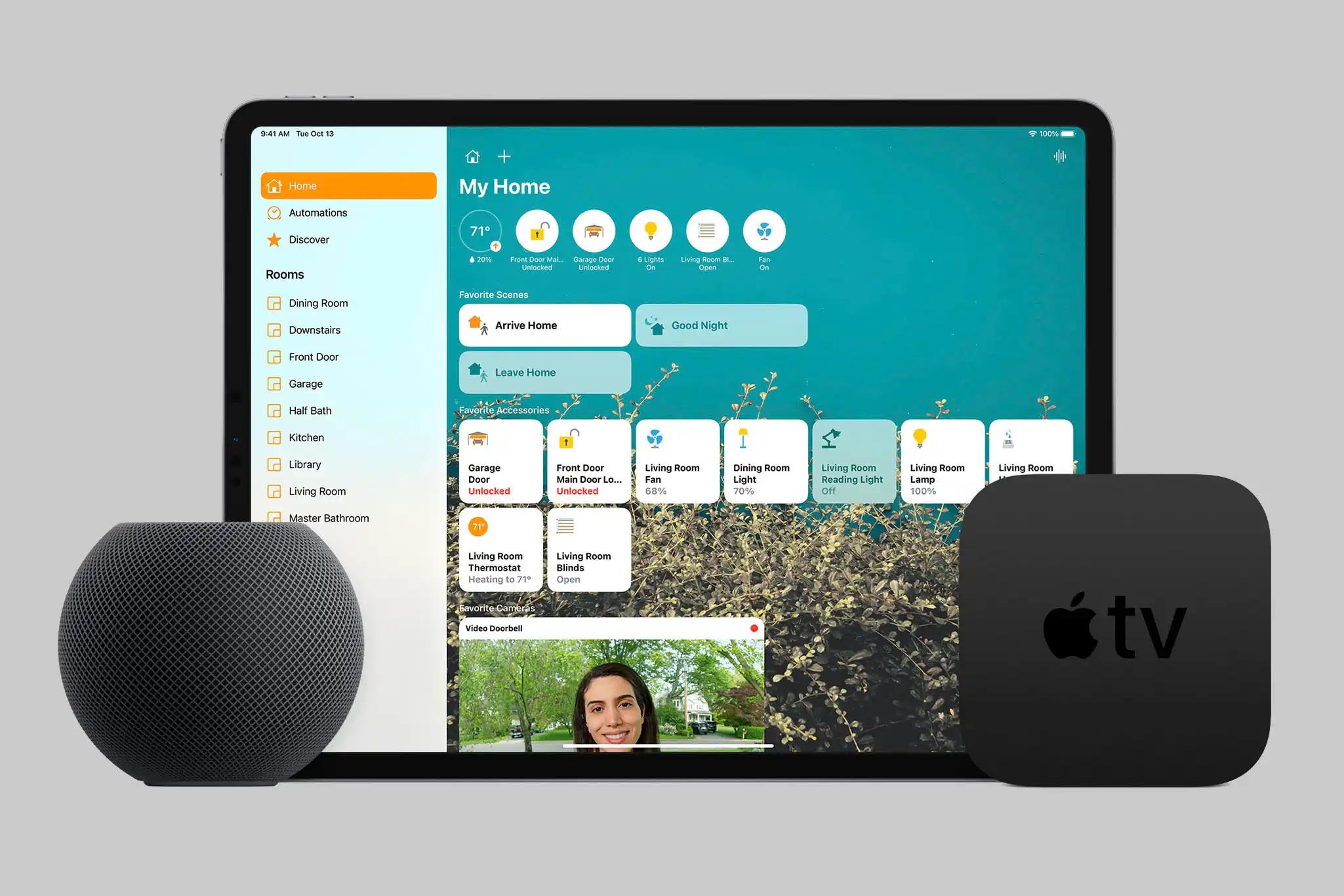
As early as 2014, Apple introduced HomeKit to use the iPhone as a control entry for home devices. Later, HomePod and Apple TV were integrated into the home system, so that speakers and set - top boxes can jointly function as part of the intelligent home center.
To this day, Apple officially regards HomePod and Apple TV as the Home Hub of Home. This means that Apple has already thought about building a center in the "home". The problem is that over the years, Apple has not been as prominent in the smart home sector as it is with the iPhone, Apple Watch and AirPods, and has not formed a clear and strong independent product category.
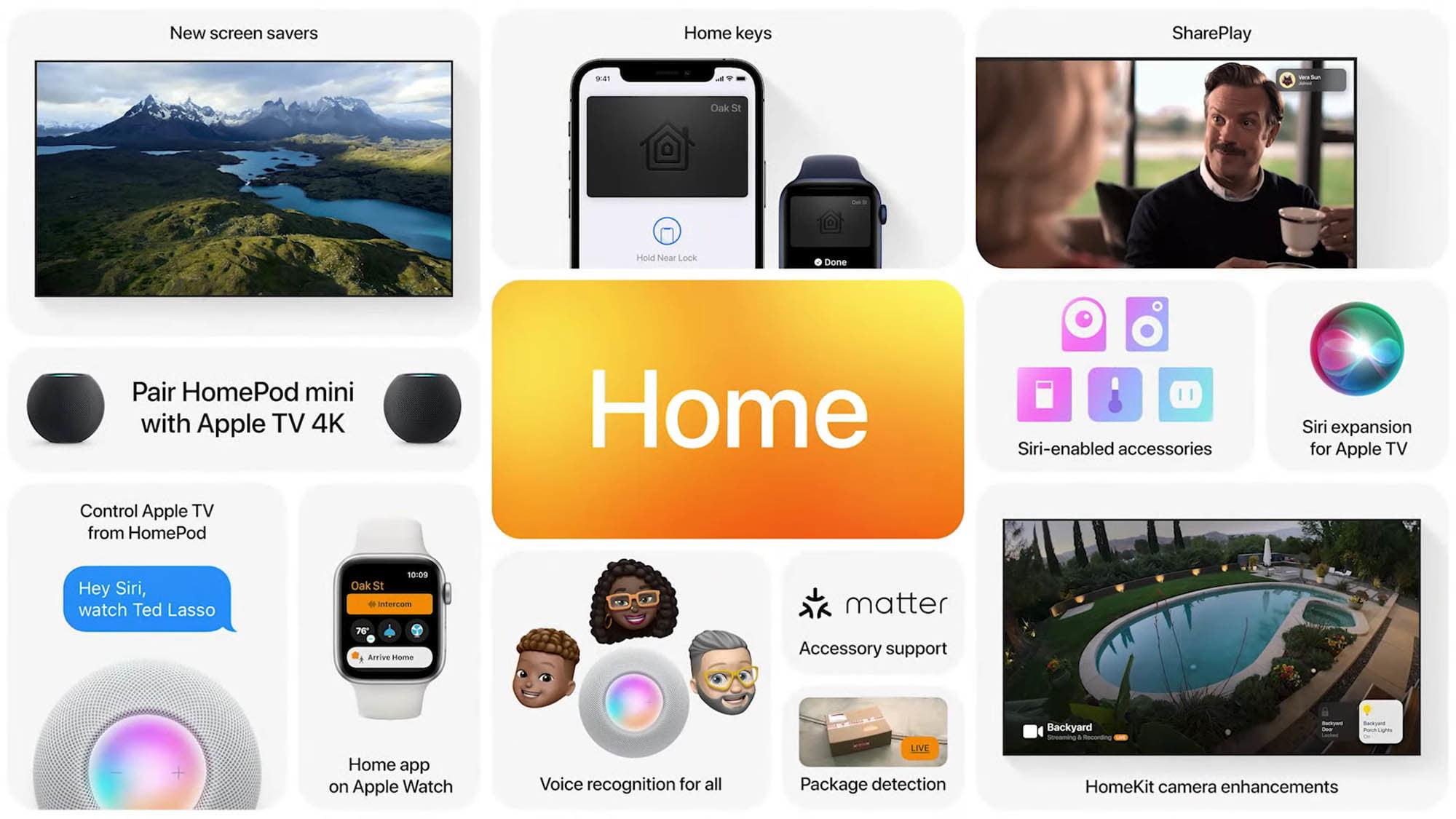
Essentially, HomeKit is just a connection framework. Its core value lies in integrating smart devices of different brands into the Apple ecosystem. Any household device that supports HomeKit and is certified by Apple can be included in the ecosystem. HomePod is a speaker and Apple TV is a TV. Both are designed for entertainment value. Even though they are part of the Apple smart home ecosystem, few people will regard them as an intelligent home center.
(Source: Apple)
Therefore, although Apple entered the market early, it has never regarded the smart home as its main business field. Most of the time, it simply integrates existing products into the ecosystem. This logic is easy to follow. HomePod and Apple TV are accepted by consumers because they are first and foremost entertainment devices and only then the "hosts" that can control HomeKit - compatible devices at home. Even if consumers are not interested in smart home, they will buy these devices for their entertainment value.
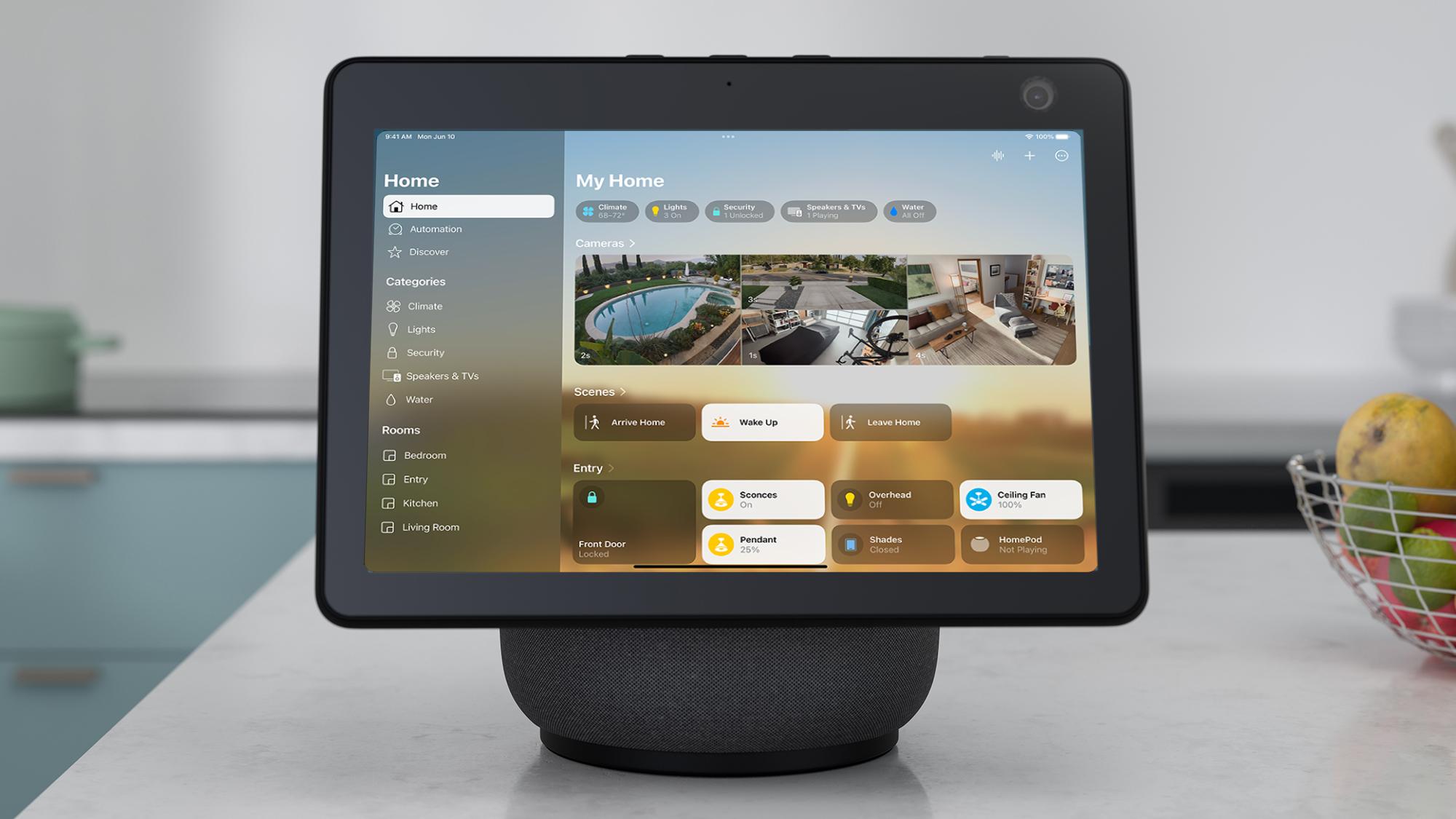
In recent years, there have been rumors that Apple is developing new products such as a smart home center with a screen and a desktop robot to truly integrate the distributed home system. But as of 2026, these products have not yet entered the market. The latest news from Bloomberg says that Apple's planned new smart home display device has been postponed due to the slow development of Siri and the associated AI capabilities.
(Source: TechRadar)
This means that Apple is constantly planning its smart home product line, but it still doesn't have a clear idea of how to present the products. Moreover, the development of the underlying capabilities is not going smoothly. Therefore, there have been repeated delays, and it has fallen behind its competitors. Now, even the responsible leader has left Apple. The future of Apple's smart home business is not without problems.
Huawei develops solutions, Xiaomi builds ecosystems, Apple still makes speakers
In contrast to Apple's cautious approach, Chinese manufacturers have obviously been more aggressive and direct in recent years. Whether it's brands like Huawei and Xiaomi that first established themselves with mobile phones, or traditional household appliance giants like Midea, Haier and Hisense that are already rooted in the home environment, almost all of them are trying the same thing: they are trying to transform the "home" from individual products into an entire system.
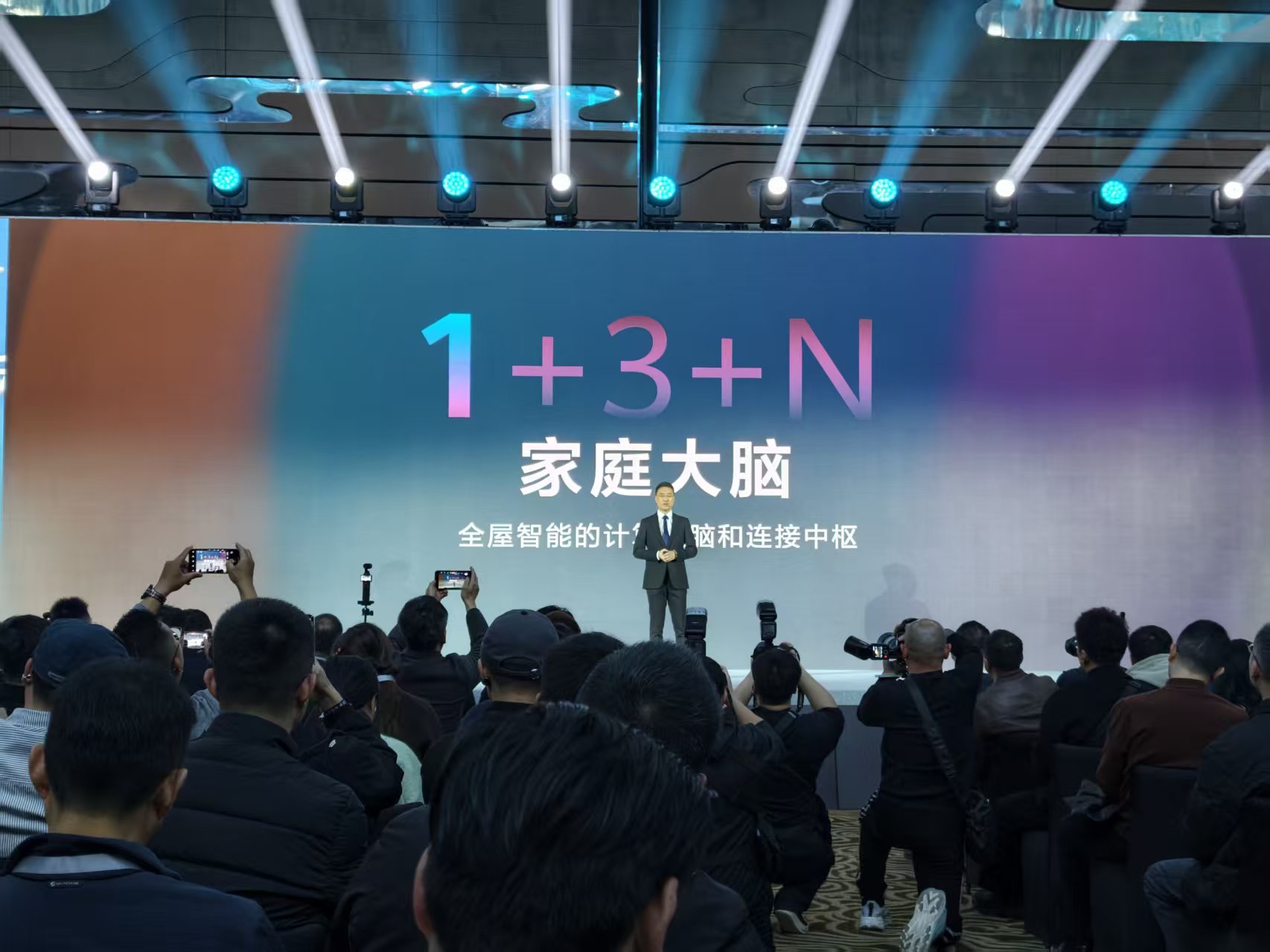
Before the AWE 2026, Huawei updated the 1 + 3+N system of HarmonyOS Home. 1 stands for the home brain, that is, the connection and computing power center; 3 stands for three interaction modes: touch, voice and contactless recognition; N stands for multiple subsystems. With this system, the entire home has developed from a passive reaction to an active service provider for users, such as turning on the lights when entering a room, avoiding the wind in front of people, health monitoring and danger warning.
(Source: Live recording of Lei Technology)
Xiaomi focuses on the "overall ecosystem of car, mobile phone and home". It's not about individual household devices being intelligent, but about mobile phones, cars and various household devices working in the same system. The mobile phone is Xiaomi's most established access point, the car is a new strong scenario in recent years, and household devices and IoT devices keep users in this ecosystem. Therefore, in the development of the smart home, Xiaomi essentially combines the entire chain of car, mobile phone and home.
Obviously, as an established tech brand, Apple may have a certain advantage over Huawei and Xiaomi in terms of product performance and market coverage in the global market. But when it comes to building an ecosystem and defining the access point to the home, Apple is lagging behind. Moreover, not only tech brands are targeting this access point, but also household appliance manufacturers are following this trend.
In 2026, Midea directly presented the "Three - One" strategy for the smart home, using a home network, a home AI brain and an open platform to rebuild the home ecosystem. At the same time, it reported data on over 150 categories of AI - capable products, over 140 million networked intelligent household devices worldwide and over 150 million connected users. At the AWE 2026, Haier demonstrated a series of capabilities such as the "AI Eye 2.0", the upgrade of the smart home brain and the home robot, so that household devices can actively work for users. Hisense integrated its self - developed Xinghai large - scale model into DeepSeek and developed an intelligent agent for household devices to create an overall AI solution for household devices.
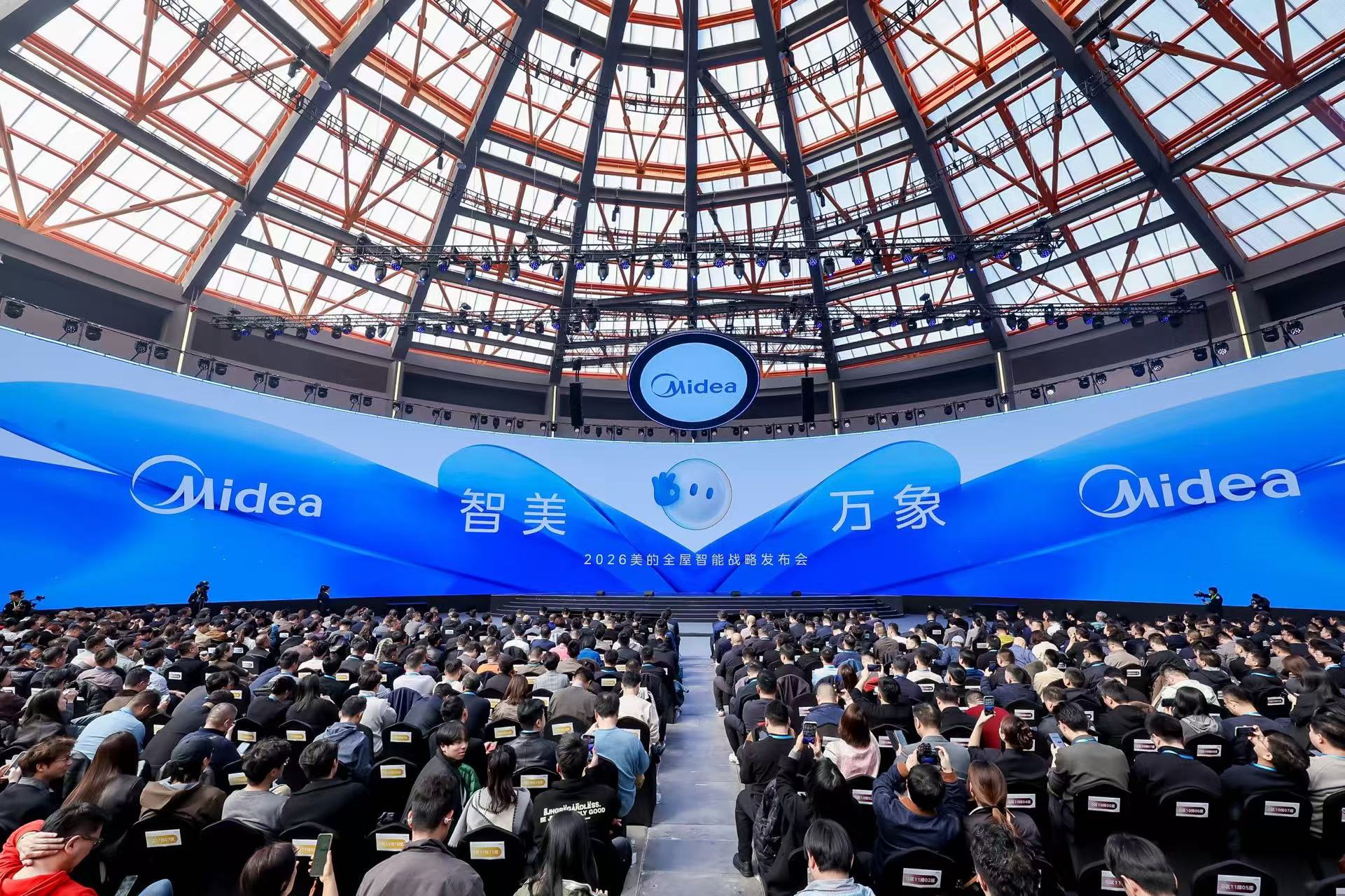
(Source: Midea)
Actually, household appliance manufacturers are actively targeting this trend because the price competition in the traditional household appliance industry is too brutal. To not rely solely on the price - performance ratio, they need to find new directions. Selling an additional refrigerator or air conditioner will hardly ensure the required brand growth in the future. Only by being able to control the entire "home" of users can one stabilize the market position.
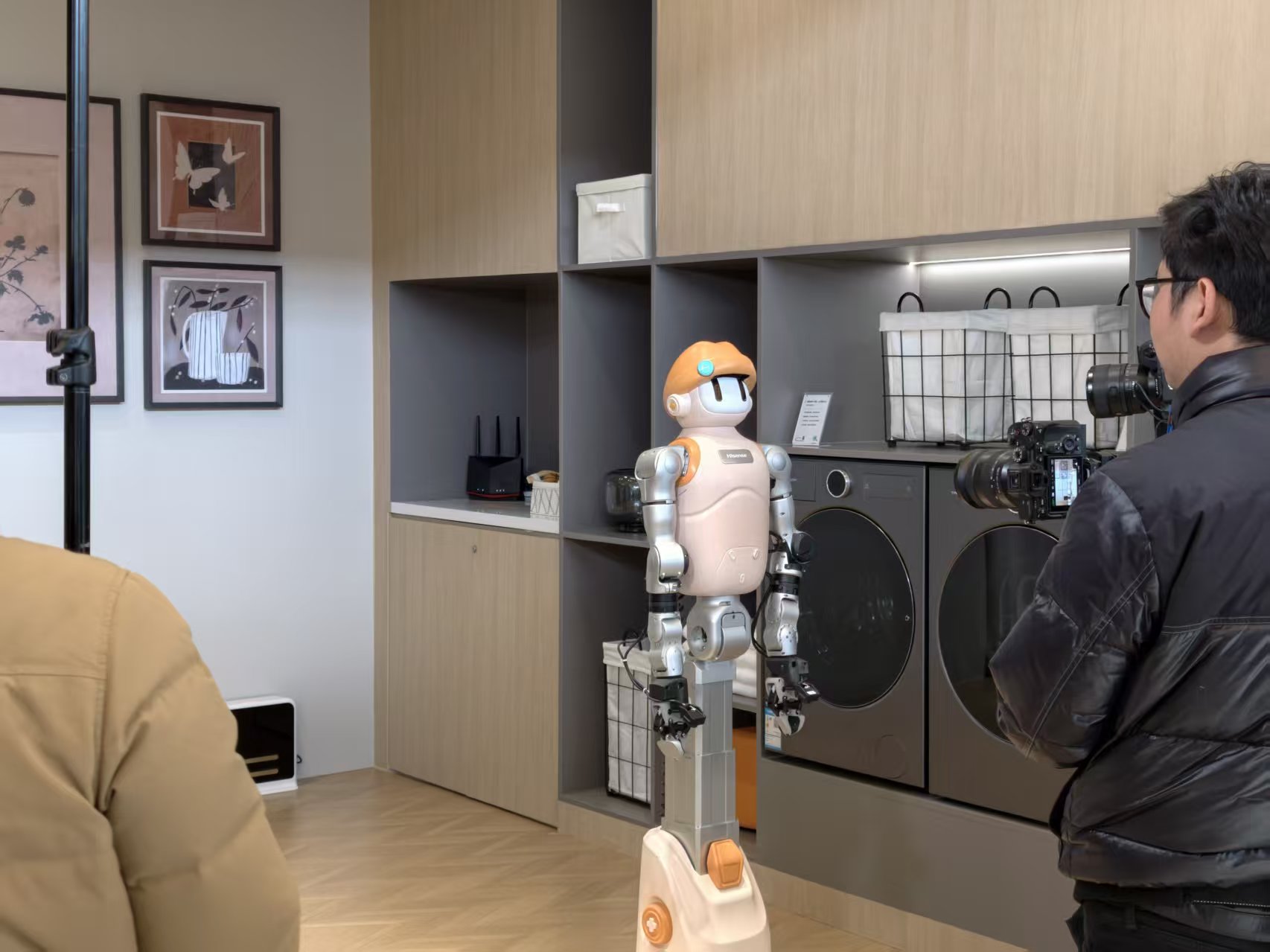
(Source: Live recording of Lei Technology / Hisense Savvy Robot Butler)
Ultimately, these Chinese brands are constantly stimulating new market demands in an extremely competitive market. Mobile phones, traditional household appliances and cars belong to the "red ocean" industries. In comparison, the iPhone 17 series is still selling well, the sales volume of the Macbook product line increased again in 2025, and Airpods are still the world's best - selling wireless headphone product. Apple doesn't have "big problems" in these areas and doesn't feel much competitive pressure. Therefore, it is rather conservative in the smart home. But we all know that a smart home ecosystem can't be built overnight. Apple has already fallen behind at the start. If it wants to catch up, it probably has to invest more.
Apple has a lot of catching up to do from this year on
Apple, which acts so sluggishly and slowly, is missing out on a huge and promising market.
Data from the market research firm IDC shows that the shipment volume of the Chinese smart home market in 2025 was about 279 million devices. Another firm, Grand View Research, estimates that the Chinese smart home market could rise to about $70.6 billion by 2030. This means that Apple is not only missing the chance for a single product, but an entire market that is still developing and placing more and more value on ecosystem integration.
What's more important, the value of a smart home system lies not only in selling speakers, screens or sensors, but in building a long - functioning system in users' daily lives. Once a user's lighting, doors, air conditioning, entertainment electronics, cleaning devices and kitchen appliances work smoothly in an ecosystem, it will be much more expensive for latecomers to win them over. Apple has successfully established this ecosystem with the iPhone, but it doesn't seem to be as successful in the smart home.
Even if Apple brings the HomePod with a screen to the market as an intelligent home center in autumn 2026, there are still many problems to solve. Apple is good at bringing hardware, system and service to a relatively perfect state before presenting them to users. But the home environment is not as simple as a mobile phone or an iPad. It is more fragmented and includes different categories of household devices. Completing the entire ecosystem also requires more time. There are problems with protocol compatibility as well as cooperation between different brands, different network environments and different device roles.
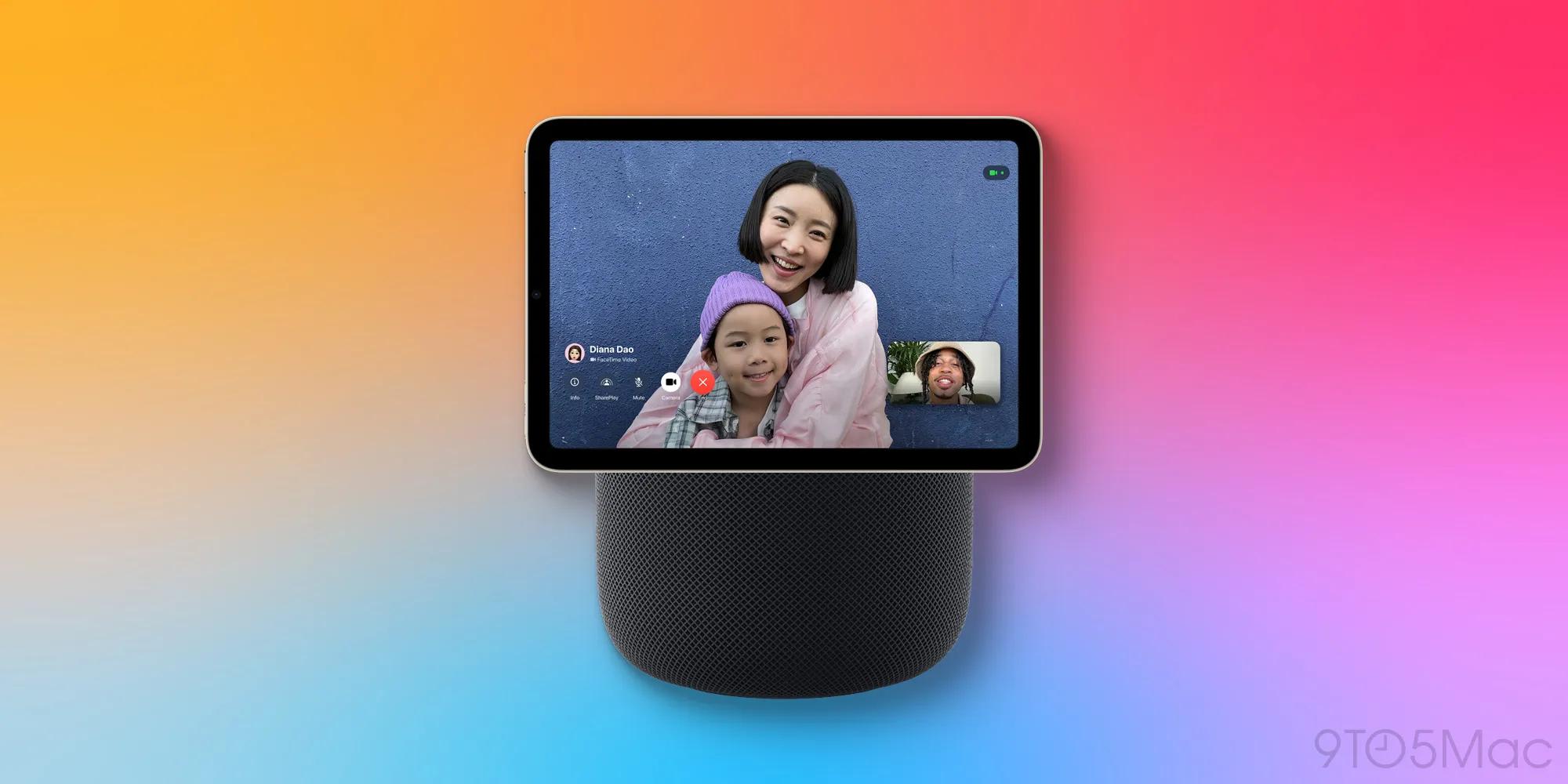
(Source: 9to5Mac)
The Matter protocol was a great hope for Apple because the industry hoped to reduce the complexity due to ecosystem fragmentation with it. But in practice, even a popular brand like IKEA still has problems with connection, network configuration and platform cooperation in this system. Not to mention other brands.
Of course, the market won't wait for Apple until it has everything perfect. Lei Technology could feel the general trend of the smart home sector at this year's AWE. On the one hand, the household appliance industry is moving further towards active service and space intelligence. On the other hand, household robots and Embodied AI are beginning to penetrate into the core areas of the home. Hisense even presented the concept of a "home without housework" at the fair and directly linked the butler robot, the companion robot and the smart home. What's annoying for Apple is that while the industry is using AI to control all household appliances, using large - scale models as the core center to control the entire smart home system and having robots do housework for users, Apple is still working on the basics.
This doesn't mean that Apple's smart home business has failed. Apple's strength lies in its strong... (The text seems to be incomplete here)