Humanoid Roboter könnten die erste industrielle Revolution sein, an der wir vollständig teilnehmen.
Within one year, the increase has risen by over 120%. The stocks of Huashi Technology and Haitian Ruisheng have recorded an increase of over 50% in two months, and some stocks of core components have repeatedly reached the upper limit of the highest price.
Humanoid robots, an area that was once only regarded as a "muscle flex", are now breaking boundaries at an unprecedented speed and experiencing explosive growth.
In 2026, the turning point for the industrialization of the humanoid robot sector will arrive: Industrial humanoid robots are already in mass production and use in the intelligent factories of automobile manufacturers such as BYD and ZEEKR, and can perform tasks such as logistics transportation and component assembly. The autonomous battery replacement technology can be completed in just 3 minutes without any intervention. Service - level products are also gradually entering people's daily lives. For example, companion robots in nursing homes can assist the elderly in rehabilitation therapy and read the news, which promotes the elderly care service from "basic care" to "intelligent companionship".
Politically, in late February 2026, China officially released the "Standardization System for Humanoid Robots and Embodied Intelligence (2026 Edition)". This is the first standard - setting in China that covers the entire industrial chain and the entire life cycle, and paves the way for technological implementation and mass production.
This industrial competition for "Embodied Intelligence" has exceeded the boundaries of the laboratory and is triggering a wave of transformation in areas such as industrial manufacturing, elderly care, special work, and even in the household sector. At the same time, it opens up a new trillion - dollar market.
01 A Trillion - Dollar Market
The year 2026 is a key year for the development of humanoid robots. A qualitative leap will be achieved in the three dimensions of technological maturity, mass - production scale, and commercial application scenarios. The prospects for a trillion - dollar market are gradually becoming clearer, and the sector will become the core area with the greatest growth potential after the new energy and AI industries.
It can be said that the current humanoid robot industry is equivalent to the new energy industry 10 years ago and is preparing for a breakthrough.
First, looking at the industry foundation. The industry development in 2025, especially the core industry data, proves that the turning point has been reached. According to statistics from Soochow Securities, the delivery volume of core humanoid robot companies in China increased sharply in 2025. The actual delivery volume of Unitree Robotics exceeded 5,500 units, and the mass production of robots reached 6,500 units.
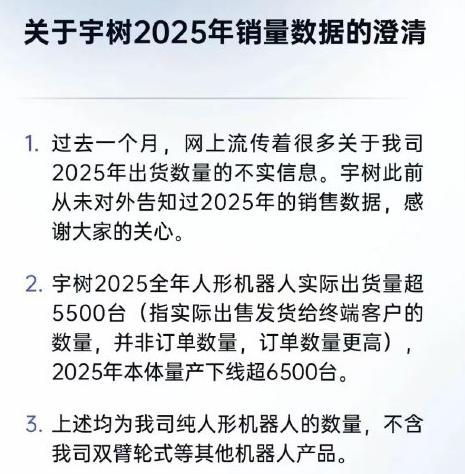
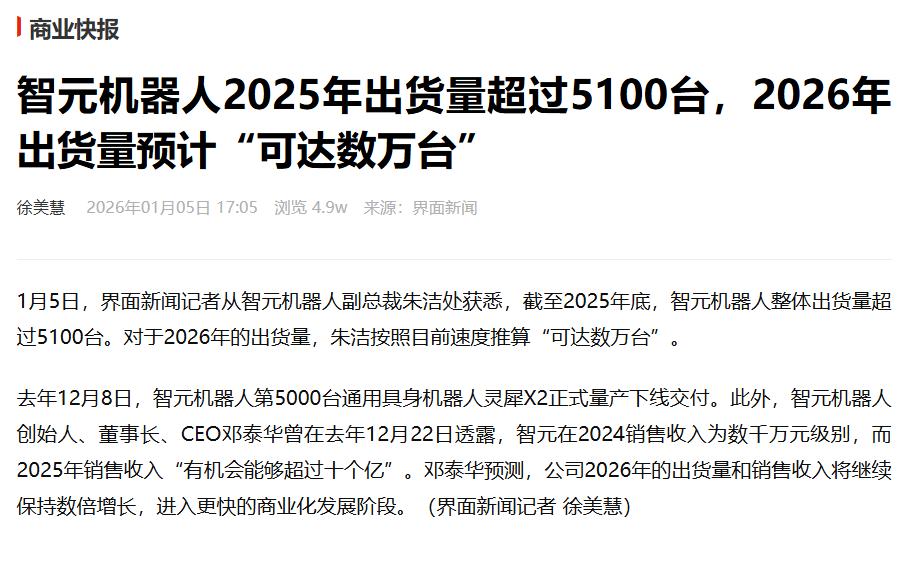
The delivery volume of Zhipu Robotics exceeded 5,100 units, and the annual orders of Ubtech are approaching 1.4 billion yuan, representing an increase of over 80% compared to 2024. Behind these numbers lies a remarkable success in reducing the costs of humanoid robot components. The price of planetary roller screws has dropped from several thousand yuan per piece to the thousands level. The total cost of the core components of the Tesla Optimus has decreased by 67% compared to 2023, and the unit value of a robot has dropped from 410,900 yuan to 138,200 yuan, which has removed the cost barriers for mass production.
Second, in 2026, there will be various breakthroughs at the technical level, which will be the core driving force for the industry development.
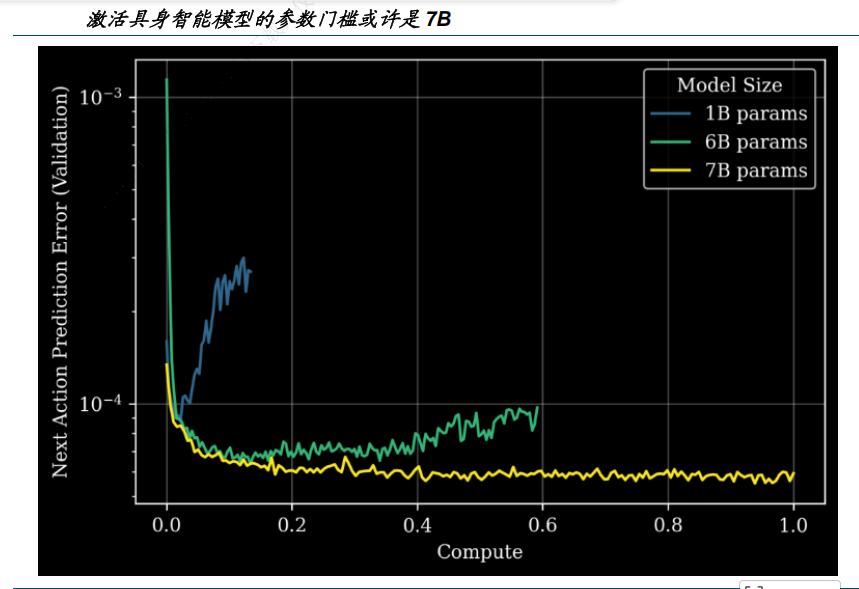
First, on the side of the Embodied Intelligence model: GeneralistAI has confirmed that 7 billion parameters are the key threshold for activating Embodied Intelligence. Currently, the industry is accelerating the attempt to cross this threshold. Tesla also uses the world - simulation model from the field of autonomous driving for the robot Optimus. FigureAI has released the Helix02 system, which enables whole - body, dexterous, and autonomous movement and significantly improves the generalization ability of the model.
On the hardware side, the development in areas such as gripper hands, axial - flux motors, and lightweight materials is accelerating. The cycle life of gripper hands has increased from 200,000 to over 150,000 cycles, and the use of micro - chain drives instead of cable drives solves the problem of limited service life.
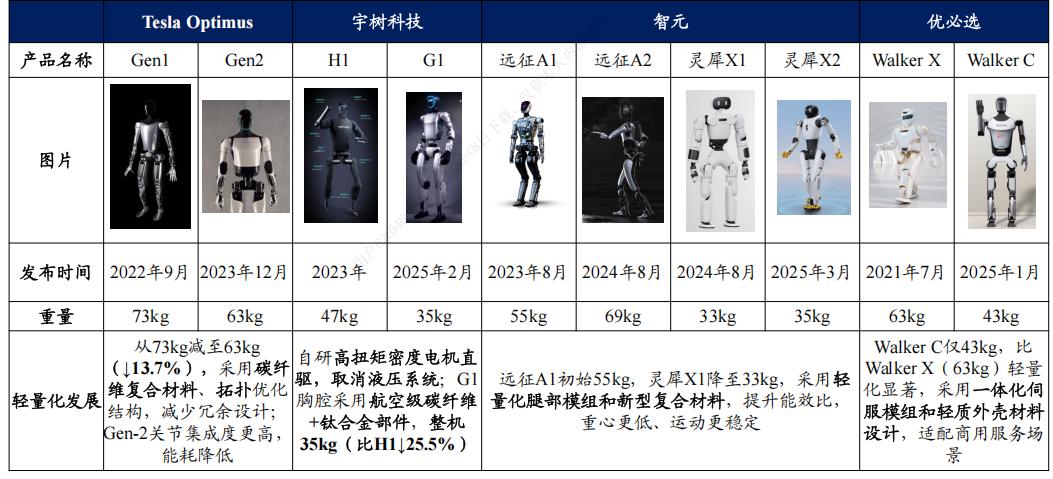
Axial - flux motors offer four times higher torque than conventional motors and are 30% smaller at the same power. PEEK materials and magnesium - aluminum alloys are widely used. Products such as the Unitree G1 and the Zhipu Lingxi X1 weigh less than 35 kg, and the battery life has increased by 40%.
Finally, the commercial application scenarios will be implemented on a large scale, which is an important support for the industry development in 2026. Four core application scenarios are gradually achieving a profitable cycle.
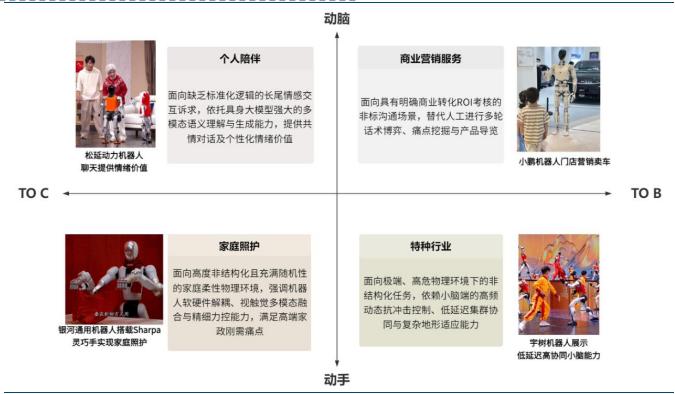
According to an estimate by Guojin Securities, the commercial market for humanoid robots will exceed 30 billion yuan in 2026, with the proportion of ToB special work and industrial manufacturing applications exceeding 60%. In the industrial field, automobile manufacturers such as BYD and ZEEKR have already put humanoid robots into mass production to perform logistics transportation and component assembly. A single robot can replace 2 - 3 workers and save over 150,000 yuan in costs per year.
In the special field, thanks to its low - latency cluster coordination ability, Unitree Robotics has received large - scale orders for special applications. The unit price of a robot has dropped to less than 100,000 yuan, which is 80% less than that of foreign competitors.
In the ToC field, applications such as household care and personal companionship are quickly entering the market. The Galbot G1 of Galaxy Universal Robotics is equipped with a Sharpa gripper hand and can perform delicate actions such as turning walnuts and folding clothes. The companion robot of Songyan Power can perform precise emotional interactions, and the final price has gradually dropped to the 30,000 - yuan level, which has significantly improved market penetration.
The support from policies and capital further strengthens the industry development in 2026.
In late February 2026, China released the "Standardization System for Humanoid Robots and Embodied Intelligence (2026 Edition)", which is the first standard - setting for the entire industrial chain. It sets the goal that the localization rate of core components should reach 60% in 2026. Chinese market leaders such as Unitree Robotics have completed IPO counseling and plan to go public in the first half of 2026.
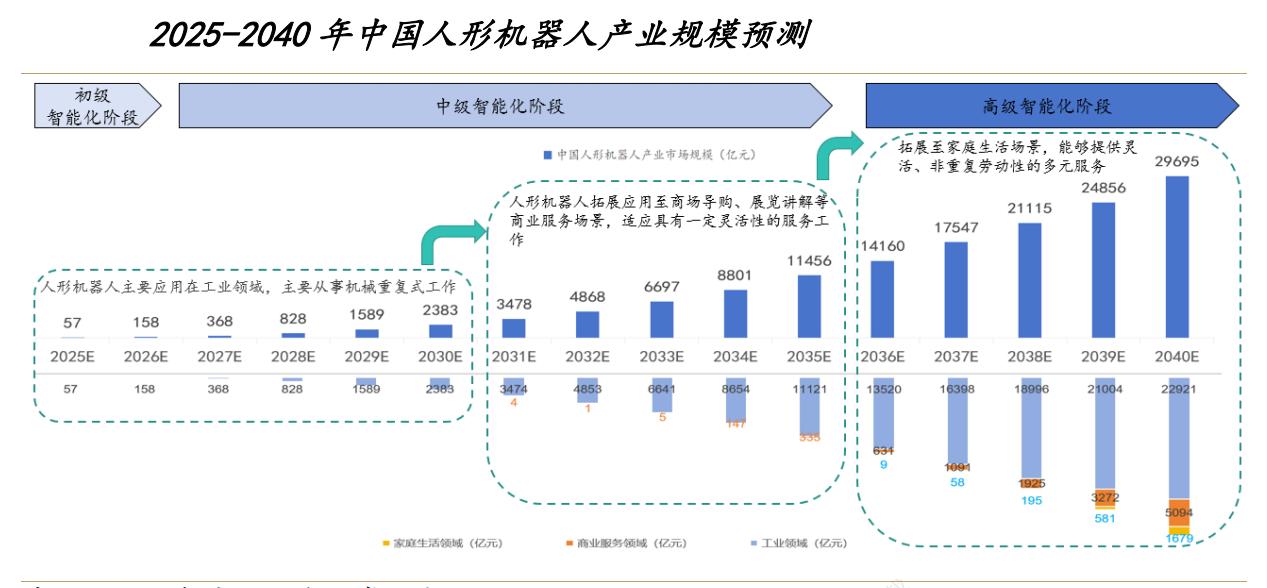
According to an estimate by Soochow Securities, the global mass production of humanoid robots will exceed 30,000 units in 2026 and may reach 1 million units in 2030. The market volume will then exceed one trillion yuan, corresponding to an average annual growth of over 80%.
However, this is only the beginning. The next phase will be to go from 1 million units to hundreds of millions or even billions of units, to enable household use and replace exploitation in "sweatshops".
02 Industry Segmentation
The humanoid robot industry is at the transition from technical validation to mass production. The key lies in the cooperation between the upstream and downstream sectors.
First, looking at the upstream core components. As the foundation of the industry, they are characterized by high technical barriers and great potential for localization. Cost reduction is the key to mass production. The three core components of gears, spindles, and motors account for over 60% of the total value of a robot.
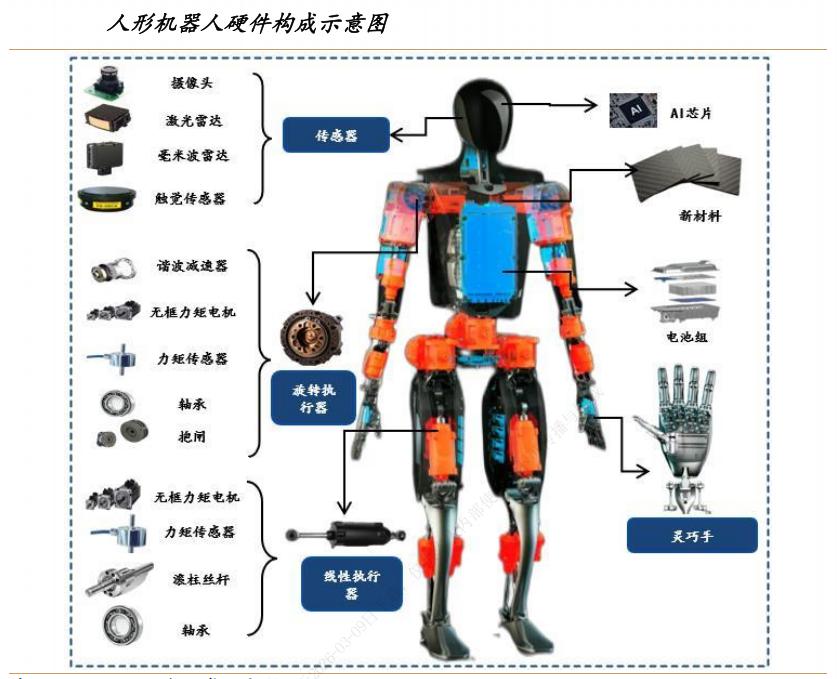
In 2025, there was a significant cost - reduction success: for example, the price of planetary roller screws dropped from 10,000 yuan per piece to 2,000 yuan per piece, a reduction of 80%. The price of harmonic gears dropped by 42%, and the unit value of a robot dropped from 16,800 yuan to 9,800 yuan.
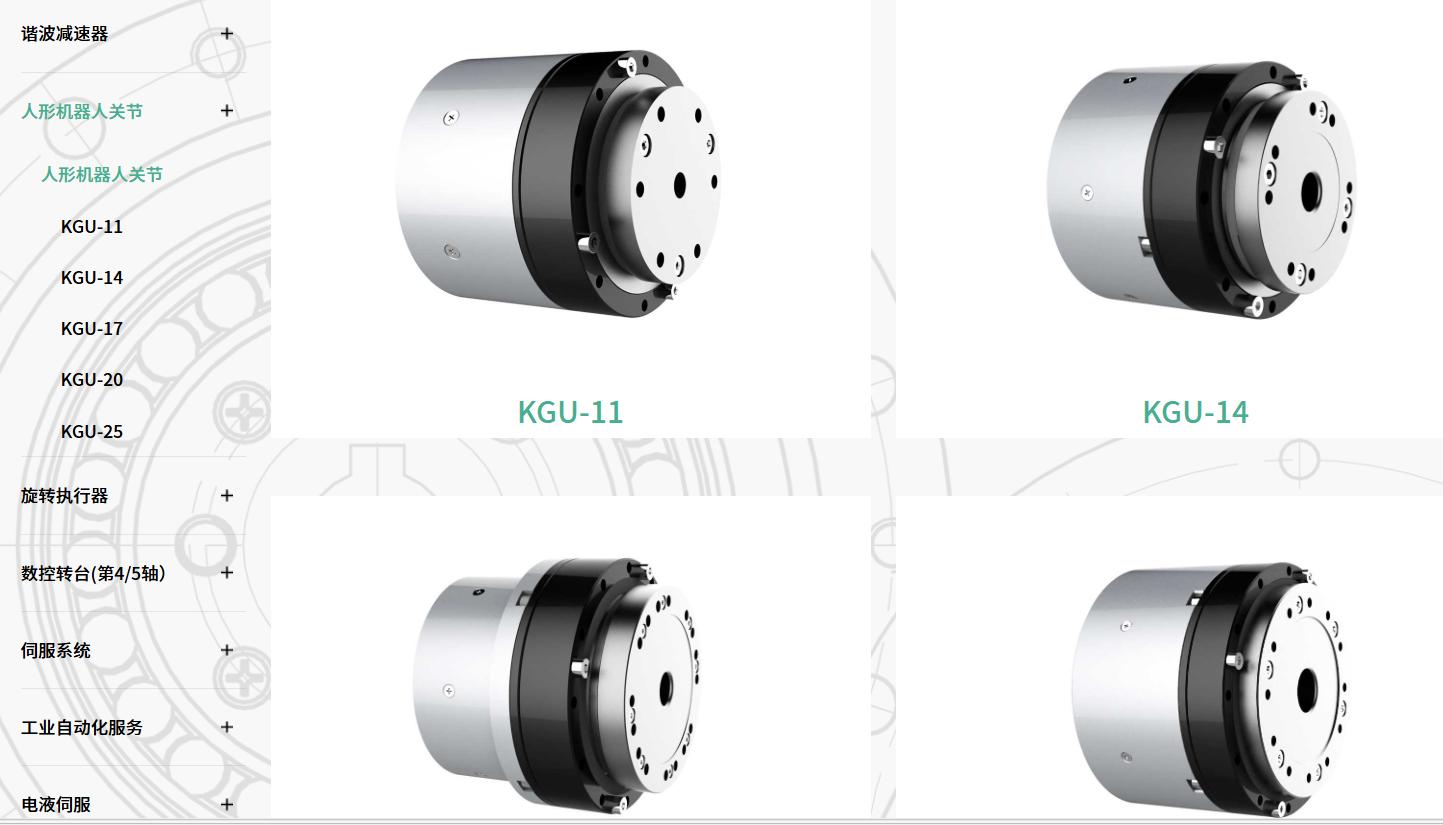
Axial - flux motors are entering the market faster due to their four - times higher torque performance. Companies such as Hengshuai Co., Ltd. and Buko Automation Co., Ltd. have already delivered prototypes. The localization process is accelerating continuously. The yield rate of harmonic gears from Green Harmonic and Siling Zhiqu has increased to over 95%. Hengli Hydraulics and Wuzhou New Spring have successfully entered the core supply chain in the spindle field and broken the foreign monopoly.
Lightweight materials are becoming a new growth driver. PEEK materials and magnesium - aluminum alloys are widely used. The Unitree G1 uses aerospace carbon - fiber components, and the total weight of the robot has dropped to 35 kg, a reduction of 25.5% compared to the previous generation. Companies such as Xingyuan Zhuomei and Xinhan New Materials have benefited significantly from this.
The middle segment of the industrial chain, system integration, is the core point for technical implementation. About 40% of the world's industry companies are located in this area and undertake the core tasks of software - hardware integration and mass production.
The first group is represented by companies such as Tesla and FigureAI, which have comprehensive capabilities. Tesla also uses the world - simulation model from the field of autonomous driving for the robot Optimus. The Grok large - scale model may become the central system for cluster control. Mass production will start in 2026. FigureAI has released the Helix02 system, which enables whole - body balance control at a frequency of 1 kHz through a three - stage coordination system (S0 (cerebellum), S1 (spinal cord), S2 (brain)).
Chinese companies in the second group are accelerating their catch - up. Unitree Robotics reached a delivery volume of over 5,500 units in 2025, and the mass production of robots exceeded 6,500 units. The delivery volume of Zhipu Robotics exceeded 5,100 units, and the large - scale implementation in government and data - collection scenarios has been completed.
Currently, the technical development is concentrated in two main directions. First, the number of degrees of freedom of gripper hands is increased from 11 to 22. By using planetary roller screws and micro - chain drives, the service life is extended from 1 - 2 months to over one year.
Second, it exceeds...