Auf dem MWC präsentiert Xiaomi einen anderen Weg für die zweite Halbzeit der KI-Entwicklung
Wenn Sie in diesem Jahr in die Fira Gran Via in Barcelona eintreten, werden Sie feststellen, dass KI das dichteste und auffälligste Thema in diesem Jahr ist.
Auf der MWC (Mobile World Congress) 2026 wurde das Thema „The IQ Era“ festgelegt, das eindeutig auf „Intelligenz“ abzielt. Um dieses Thema herum haben Betreiber, Endgerätehersteller, Chip- und Cloud-Dienstanbieter und andere Hersteller begonnen, KI auf konkretere Weise zu präsentieren: stärkere Fähigkeiten auf Geräteebene, schnelleres Echtzeitübersetzen, intelligentere Bildverarbeitung und Interaktion, die näher an der Form eines Assistenten liegt.
In dieser KI-zentrierten Präsentationswelle hat Xiaomi das Thema seines Messestands auf „The New Wave of AI“ festgelegt und die gesamte Präsentation mit einer Struktur organisiert, die näher an den alltäglichen Abläufen des Lebens ist: „AI Today“ (Intelligenz in Geräten in der Hand) und „AI Tomorrow“ (Intelligenz, die in den Mobilitäts- und Wohnraum eintritt). Von den systemweiten KI-Fähigkeiten der Xiaomi 17-Serie HyperAI und dem geräteübergreifenden Zusammenarbeitssystem HyperConnect über den intelligenten Mobilitätsraum, der durch den SU7 Ultra (Rekordzeit von 7:04,957 Minuten auf der Nordschleife des Nürburgrings) dargestellt wird, bis hin zur Erkundung von Wohnszenarien, die durch das selbst entwickelte Grundlagen-Großmodell MiMo angetrieben wird, steht im Mittelpunkt des Messestands ein durchgängiges Erlebnis vom Handy über das Auto bis zum Zuhause.
Diese Anordnung führt dazu, dass Xiaomi sowohl Ähnlichkeiten mit anderen Herstellern aufweist als auch einen anderen Weg aufzeigt.
Die Ähnlichkeit besteht darin, dass Xiaomi ebenfalls eine Kombination aus Hardware, System und KI-Fähigkeiten anbietet, um den Besuchern zu zeigen, wie KI die Effizienz von Bildgebung, Übersetzung, Erstellung und Verbindung verbessert. Der Unterschied besteht darin, dass viele Hersteller noch immer die Grenzen von KI mit einzelnen Hardwareprodukten oder einzelnen Chatbots präsentieren, während Xiaomi auch die Art und Weise zeigt, wie KI in der neuen Ära in großem Maßstab betrieben wird – KI + Hardware + Ökosystem.
Bis heute hat das „Vollökosystem aus Mensch, Auto und Zuhause“ von Xiaomi mehr als 1 Milliarde Geräte verbunden, deckt mehr als 200 Produktkategorien ab und erreicht 95 % der alltäglichen Lebensszenarien, wobei die monatlich aktiven Nutzer seiner Handys weltweit über 740 Millionen betragen.
Nach Ansicht von Lu Weibing, Partner der Xiaomi Group und Präsident der Gruppe, wird in der ersten Halbzeit der KI-Entwicklung um Modellparameter und Rechenleistung gekämpft, während in der zweiten Halbzeit die Modellfähigkeiten mit konkreten Szenarien kombiniert werden müssen – was genau die Stärke von Xiaomi ist: KI aus dem Bildschirm herauszuholen und in Handys, Autos und Wohnräume zu integrieren. „KI aus der virtuellen Welt in die physische Welt zu bringen, das ist der größte Vorteil von Xiaomi.“
Der KI-Wettbewerb verändert sich
Wenn man die KI-Welle der letzten drei Jahre in Phasen unterteilt, sind die Schlüsselwörter der ersten Halbzeit fast identisch: Modellparameter, Trainingskosten, Inferenzgeschwindigkeit und Bewertungsergebnisse. Wer das größere Modell, die stärkere Rechenleistung und den höheren Rang in der Rangliste hat, wurde zum intuitivsten Wettbewerbsindikator der Branche. Von der GPT-Serie bis zu verschiedenen Open-Source-Modellen bildeten technische Durchbrüche die auffälligste Hauptgeschichte in dieser Phase.
Aber der Schwerpunkt der Diskussion hat sich verschoben.
Auf der diesjährigen MWC ist dieses Signal noch deutlicher. Da die Intelligenz der Modelle selbst allmählich an ihre Grenzen stößt und die Unterschiede immer kleiner werden, liegt der Fokus des Wettbewerbs darauf, ob diese Fähigkeiten wirklich in alltäglichen Szenarien angewendet werden können.
In der zweiten Halbzeit finden dreifache Veränderungen statt.
Erstens: Kann KI geräteübergreifend verwendet werden? Fähigkeiten, die im Handy hervorragend funktionieren, führen zu getrennten Erlebnissen, wenn sie nicht auf Tablets, Computer, Fahrzeugsysteme und Haushaltsgeräte ausgeweitet werden können. Heutzutage leben Nutzer nicht mehr nur auf einem einzigen Bildschirm, sondern wechseln zwischen mehreren Endgeräten. Ob KI nahtlos zwischen verschiedenen Geräten fortgesetzt werden kann, ist ein wichtiger Kriterium zur Prüfung ihrer Reife.
Zweitens: Kann KI reale Szenarien verstehen? Von textbasierten Gesprächen über Bilderkennung bis hin zur Umgebungswahrnehmung kann KI, die nur auf der Ebene von Eingabe und Ausgabe verbleibt, die Lebensweise kaum wirklich verändern. Bedeutende Fortschritte sind die Fähigkeit, Urteile über die Umgebung zu treffen und aktiv zu reagieren, indem Kameras, Sensoren und Verhaltensdaten kombiniert werden.
Drittens: Kann KI Nutzer kontinuierlich begleiten? Es handelt sich nicht mehr um eine einmalige Nutzung eines Tools, sondern um eine kontinuierliche Präsenz im Laufe des Tages – vom Betrachten des Handys am Morgen über den Pendelweg bis zur Rückkehr nach Hause: Das Erlebnis muss durchgängig sein und die Intelligenz muss ständig online bleiben.
Diese Branchentrends werden die Vorteile chinesischer Unternehmen in dieser Phase unbegrenzt vergrößern.
Als weltweit größter Markt für mobiles Internet verfügt China über einen ausgereiften digitalen Zahlungs- und Geschäftszyklus, eine hohe Verbreitungsrate intelligenter Endgeräte und hochaktive Nutzerdaten. In einer solchen Umgebung ist es für chinesische KI-Hersteller einfacher, Produkte in realen Szenarien wiederholt zu optimieren und zu validieren.
In diesem Wandel sind chinesische Unternehmen insgesamt in die Spitzengruppe eingetreten, und eine Reihe chinesischer Technologieunternehmen haben allmählich ihre klaren Umsetzungsrichtungen gebildet: Alibaba fördert die KI-Anwendung auf der Grundlage des Geschäfts- und Cloud-Ökosystems, ByteDance wendet KI im Rahmen des Inhaltserstellungs- und Verteilungssystems an, und Tencent integriert Intelligenz in soziale und kollaborative Szenarien.
Xiaomi geht einen anderen Weg – es baut auf dem „Vollökosystem aus Mensch, Auto und Zuhause“ auf, integriert KI in Handys, Autos und Haushaltsgeräte und lässt Intelligenz wirklich im Leben ankommen.
Die ersten drei konzentrieren sich mehr auf die Erweiterung der digitalen Welt, während Xiaomi eher von der physischen Welt ausgeht: Handys, Autos und Haushaltsgeräte bilden eine durchgängige Lebensspur.
KI in Endgeräte integrieren und dann in das Leben bringen
Seit jeher gewinnt Xiaomi im globalen KI-Wettbewerb nicht mit einem einzelnen erfolgreichen Modell, sondern kombiniert Modellfähigkeiten, Hardwareumfang und langjährige Akkumulation in realen Szenarien, um eine vollständige Kette von grundlegenden Fähigkeiten über Endprodukte bis hin zum täglichen Leben zu bilden.
Der Ausgangspunkt dieser Kette ist der Aufbau von Modellfähigkeiten.
Im Jahr 2024 ist Xiaomi offiziell in den Bereich der grundlegenden Großmodelle eingetreten. Bis 2025 wurden das MiMo-Sprachmodell, das Multimodalmodell, das Sprachmodell und das Embodied-Modell nacheinander veröffentlicht und als Open Source bereitgestellt. Im Februar 2026 wurde die hybride spärliche Aufmerksamkeitsarchitektur HySparse für das Zeitalter der Agenten eingeführt, um ein neues Gleichgewicht zwischen Effizienz und Kosten zu finden. Mit Versionen wie Xiaomi MiMo-V2-Flash, die in mehreren umfassenden Bewertungen zur globalen Spitzengruppe der Open-Source-Modelle gehören, ist Xiaomi nicht mehr nur ein Akteur auf Anwendungsebene, sondern verfügt nun über ein eigenes Modellgrundgerüst.
Noch wichtiger ist, dass MiMo von Anfang an als einheitliche Fähigkeitsquelle für mehrere Endgeräte positioniert ist, wie Lu Weibing in einem Interview mitteilte: „Im letzten Jahr haben wir ein sehr gutes Layout für KI-Großmodelle abgeschlossen, darunter große Sprachmodelle, große Sprachverarbeitungsmodelle und große Multimodalmodelle.“ Die Großmodelle von Xiaomi müssen Inferenzfähigkeiten für die Bildgebung und Interaktion von Handys bereitstellen, Sprach- und Wahrnehmungsunterstützung für Fahrzeugsysteme liefern und die Grundlage für das Umweltverständnis in Wohnszenarien bilden.
Wenn die Funktionen verschiedener Geräte miteinander verbunden werden können, kann das intelligente Erlebnis auf mehreren Endgeräten fortgesetzt werden, sodass das Gefühl der Trennung für Nutzer verringert wird.
Die Umsetzung von Modellfähigkeiten ist ohne echte Endgeräte nicht möglich.
Auf dem Messestand von Xiaomi ist diese Struktur klar aufgeteilt. Auf der einen Seite des Eingangs befindet sich ein Erlebnisbereich, der sich auf persönliche Geräte konzentriert, wo Besucher Bildverbesserung, KI-Schreiben, Echtzeitübersetzung und geräteübergreifende Zusammenarbeit vor Ort erleben können. Auf der anderen Seite werden Automobil- und Wohnszenarien gebündelt dargestellt, von der gemeinsamen Demonstration des SU7 Ultra und des Wohnraums bis hin zur Integration von Intelligenz in einen größeren physischen Raum.
Im Bereich „AI Today“ konzentriert Xiaomi das intelligente Erlebnis auf das Gerät, mit dem Nutzer am häufigsten in Kontakt kommen – das Handy. HyperAI, Bildverbesserung, KI-Übersetzung und geräteübergreifende Zusammenarbeit bilden die grundlegende Form der „Intelligenz in der Hand“. Am Beispiel des Xiaomi 17 Ultra: Sein 1-Zoll-Hauptkamera in Kombination mit LOFIC-HDR-Technologie und KI-Szenarienanalyse behält auch bei komplexen Lichtverhältnissen hervorragende Details und Dynamikbereich bei. Gleichzeitig bietet HyperAI Fähigkeiten wie Bildverbesserung, KI-Schreiben, Spracherkennung und Gesprächsübersetzung, während HyperConnect Fotos, Videos und Handybildschirme sofort zwischen verschiedenen Geräten teilt, sodass das intelligente Erlebnis auf mehreren Endgeräten natürlich fortgesetzt wird.
Die Intelligenz erstreckt sich weiter von den Geräten in der Hand bis zum Bereich „AI Tomorrow“. Das von dem SU7 Ultra dargestellte Mobilitätsszenario lässt KI an Fahrvorgängen, Wahrnehmung und räumlicher Zusammenarbeit teilhaben. Gleichzeitig wird das Konzept-Elektro-Supersportwagen Xiaomi Vision Gran Turismo ausgestellt, das auf der MWC sein Debüt in der physischen Welt feiert. Dieses zukünftige Fahrzeug, das für die Serie „Gran Turismo“ entwickelt wurde, präsentiert mit seinem tropfenförmigen Fahrgastraum und seiner skulpturalen aerodynamischen Struktur das Designkonzept „vom Wind geformt“ und macht die Vorstellung von Xiaomi über die zukünftige Form der Mobilität auf dem Messestand konkret.
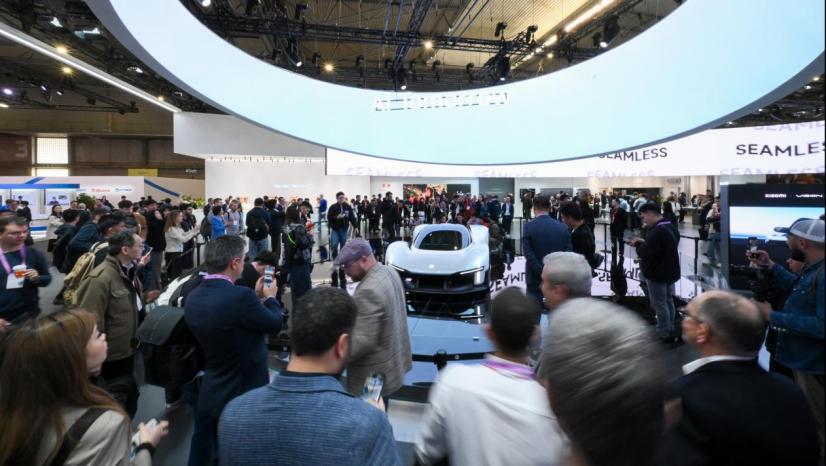
Im Gegensatz zu einzelnen KI-Hardwareprodukten deckt das Endgerätesystem von Xiaomi selbst persönliche Geräte, Mobilitätsräume und Wohnräume ab, sodass sich die Intelligenz entlang dieser Spur erstrecken kann.
Der Umfang bringt nicht nur eine Nutzerbasis, sondern auch echte Daten und Nutzungsrückmeldungen; neue Fähigkeiten können schnell umgesetzt werden, und die Rückmeldungen fördern wiederum die Modelloptimierung, wodurch ein sich selbst verstärkender Kreislauf entsteht.
Die Kombination von Modellen und Hardware verleiht Xiaomi Fähigkeiten, die andere KI-Hersteller nicht haben – das Ökosystem.
Das „Vollökosystem aus Mensch, Auto und Zuhause“ selbst passt sich den echten Lebensabläufen der Nutzer an. Nutzer planen ihre Reise auf dem Handy, nutzen dasselbe Konto und denselben Sprachassistenten weiter im Auto, und wenn sie nach Hause zurückkehren, wechseln die Geräte automatisch die Szenarien.
Vor diesem Hintergrund ist das großmodellgetriebene Smart-Home-System Miloco, das auf der MWC 2026 erstmals im Ausland vorgestellt wurde, eine konkrete Ausprägung dieser Strategie.
Auf der Grundlage der MiMo-Modellfähigkeiten und des umfangreichen Bestands an IoT-Geräten lässt Miloco die intelligenten Fähigkeiten von Xiaomi in den Wohnraum eintreten und an der Umweltwahrnehmung und Gerätekooperation teilhaben. Nutzer können ihre Bedürfnisse durch Gespräche ausdrücken, ohne komplexe Regeln manuell einrichten zu müssen; nachdem Kameras Verhaltensänderungen erkannt haben, löst das System automatisch Beleuchtung, Klimaanlage oder Reinigungsgeräte aus; mehrere Geräte arbeiten je nach Szenario zusammen und passen ihren Zustand automatisch an.
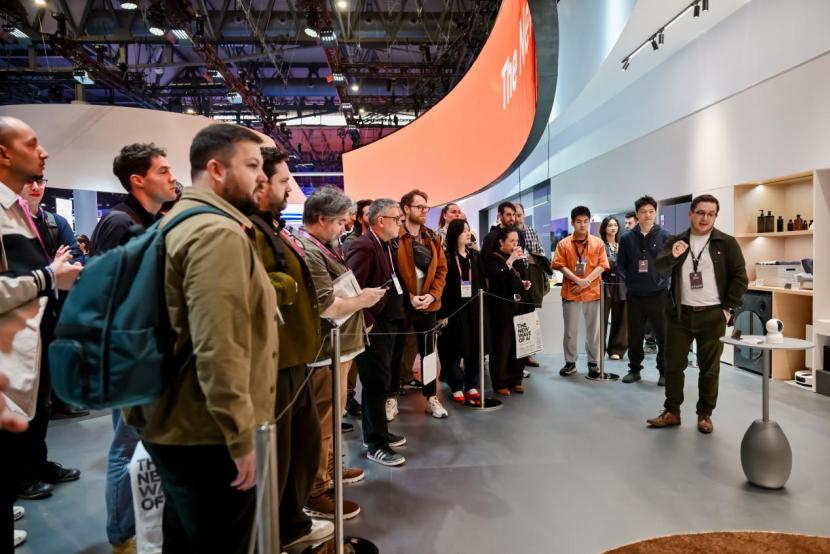
Vom Modellgrundgerüst über den Umfang der Endgeräte bis hin zur Zusammenarbeit in Lebensszenarien präsentiert Xiaomi eine dreieinige Form. Im Gegensatz zu Unternehmen, die nur ein einziges KI-Gerät oder eine einzige Chat-Oberfläche anbieten, baut Xiaomi eher eine durch das Leben verlaufende intelligente Bahn, sodass die Modellfähigkeiten wirklich in Handys, Autos und Wohnräume eintreten. Das „Vollökosystem aus Mensch, Auto und Zuhause“ wird aus der Vorstellung der Menschen umgesetzt und läuft in der realen Welt kontinuierlich.
Xiaomis Ökosystem – ein „chinesischer Weg“ der KI
Da die Branche in die Anwendungsphase eintritt, wird die Trennung zwischen den verschiedenen KI-Herstellern allmählich klarer.
Alibaba ist stärker in Geschäfts- und Unternehmensszenarien verwurzelt und erweitert die Fähigkeiten von Großmodellen rund um E-Commerce und Cloud-Infrastruktur; ByteDance nutzt das Inhaltsverteilungs- und Erstellungsökosystem, damit KI die Produktionseffizienz und die Fähigkeit zur Inhaltserzeugung verbessert; Tencent integriert Intelligenz in Kommunikations- und Arbeitsprozesse rund um soziale und kollaborative Systeme. Diese Wege finden größtenteils in der digitalen Welt statt – sie drehen sich um Informationen, Datenverkehr und Dienstleistungen.
Im Vergleich dazu ist die Erkundung von Xiaomi näher am physischen Raum. Handys, Autos und Haushaltsgeräte sind nicht die „Eingänge für Superassistenten“, nach denen die Menschen früher strebten, sondern echte Träger, die Nutzer täglich berühren, fahren und in denen sie wohnen.
Diese Wahl entspricht sowohl den echten, durchgängigen Lebensbedürfnissen der Nutzer als auch der mehrjährigen Akkumulation von Xiaomi im Ökosystem.
In den letzten mehr als zehn Jahren hat Xiaomi sein Layout stets rund um Hardware und Ökosystem aufgebaut. Ausgehend von Smartphones über den Aufbau eines IoT-Systems mit mehr als 200 Kategorien bis hin zum Eintritt in den Bereich intelligenter Autos liegt die Kernkompetenz von Xiaomi stets darin, komplexe Technologien in großem Maßstab umzusetzen und sie auf dem globalen Markt zu replizieren. Mit 740 Millionen monatlich aktiven Handynutzern und mehr als 1 Milliarde verbundenen IoT-Geräten stehen diese Zahlen für das seit Jahren stabil betriebene Endger