Goodbye, human programmers. OpenAI reveals: No more writing a single line of code, 100% using Codex.
[Introduction] 100% of the code was written by Codex. There are also internal revelations that Codex enabled them to set up the server in just three days and launch the APP in three weeks. Are human programmers really going to fade into history?
The air in Silicon Valley is once again filled with restlessness, and this time, the epicenter has returned to OpenAI.
Is OpenAI's singularity moment approaching?
Just now, X was completely bombarded by a revelation ——
Codex has officially taken over 100% of the code - writing work of OpenAI researcher 'Roon'!
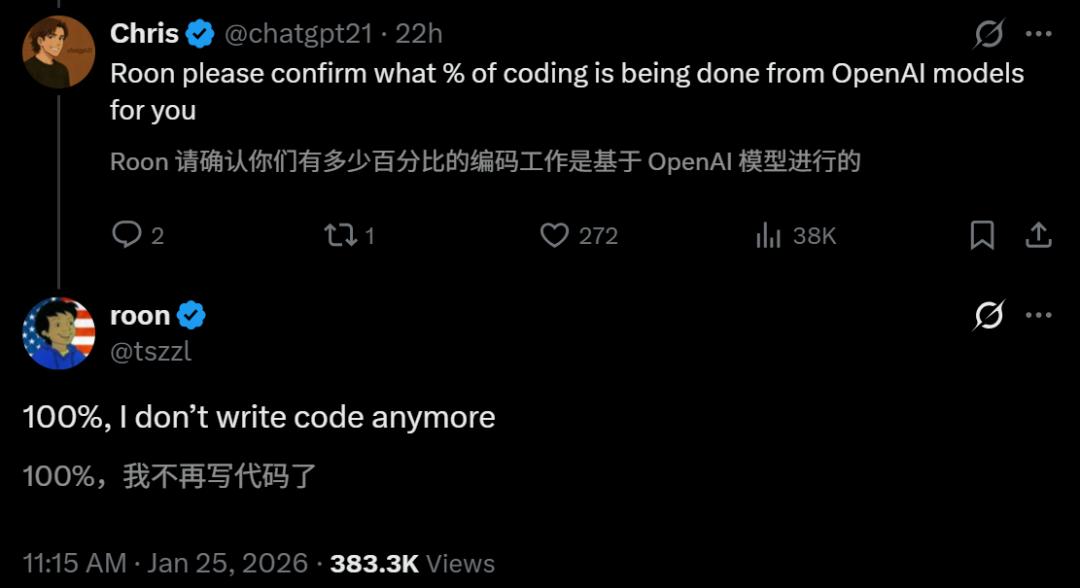
Roon issued a profoundly emotional announcement:
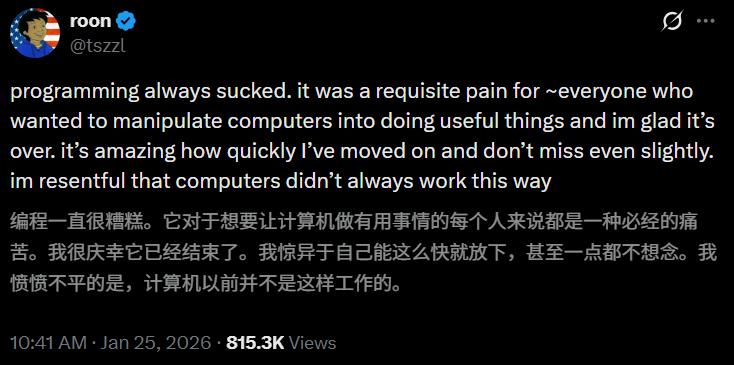
Programming has always been painful, yet it was an inevitable path. I'm glad it's finally over.
I'm surprised that I got rid of the programming shadow so quickly and don't miss it at all. I even feel a bit regretful that computers weren't like this before.
As early as last December, Boris Cherny, the father of Claude Code, dropped a bombshell ——
100% of his contributions to Claude Code were completed by Claude Code itself.
This "recursive" self - evolution directly triggered a wave of automatic coding frenzy in Silicon Valley.
Facing such a huge "cake", OpenAI obviously won't give it up easily.
Now, the counter - attack has begun.
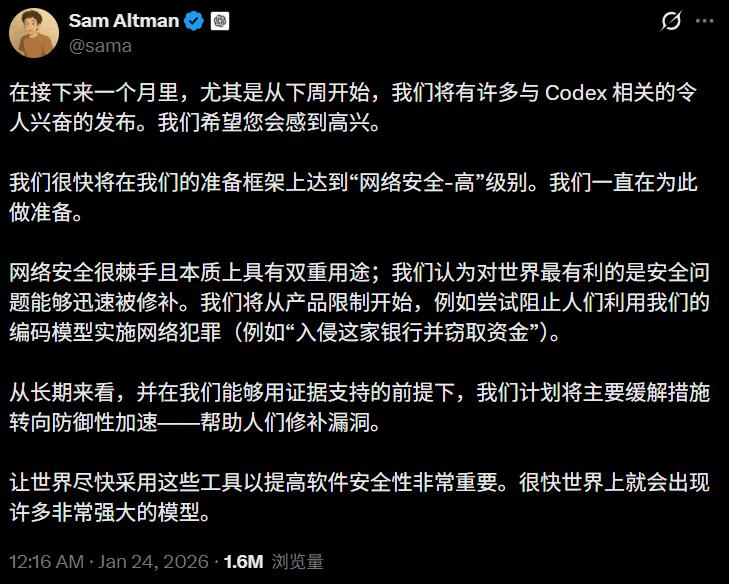
Over the past weekend, Sam Altman publicly announced that a bunch of new products related to the Codex coding model will be launched in the next month.
The trend in the community has also started to change subtly.
Some senior developers commented that in 90% of cases, GPT - 5.2 - Codex can fulfill my requests in one go.
Claude is good, but it occasionally sneaks in "bad code"; in contrast, OpenAI's new solution is more like Apple —— it's all about being ready - to - use right out of the box.

It seems that the battle between Codex and Claude Code is on the verge of breaking out!
Is the era of human code - writing completely over?
This revelation from OpenAI researcher Roon also made netizens exclaim: AI has finally reached this singularity!
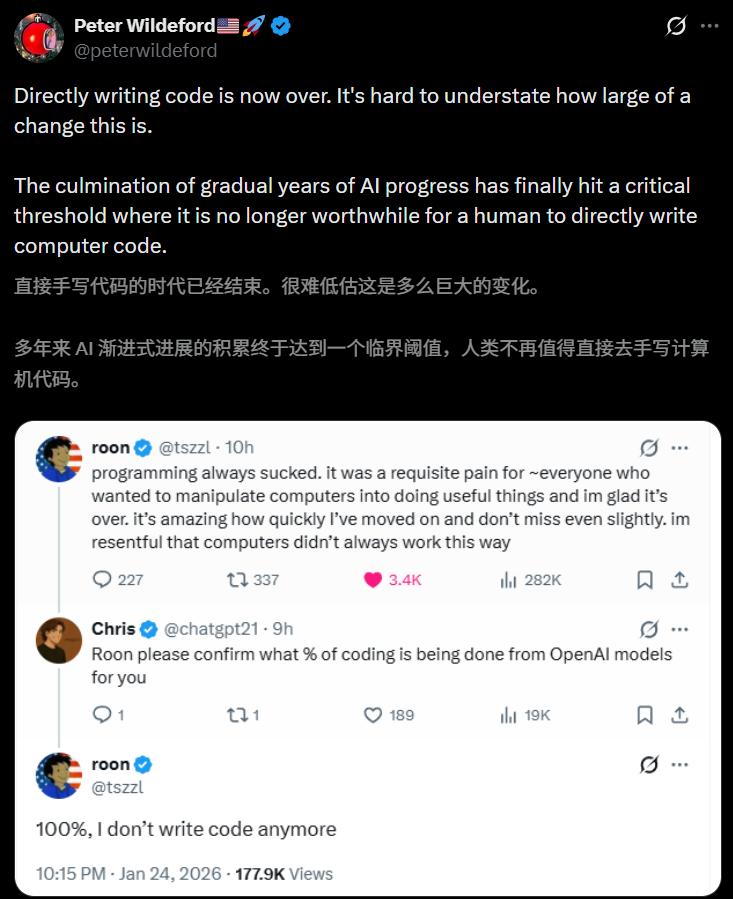
It seems that the era of humans directly writing code by hand is really over.
After years of model iteration and data accumulation, we seemingly stand at a critical point:
Humans directly writing code by hand is becoming meaningless and even a waste of efficiency.
In Roon's comment section, people began to collectively bid farewell to the programming era.
Yes, I love computers and software development. For me, programming is just a means to an end, nothing more.
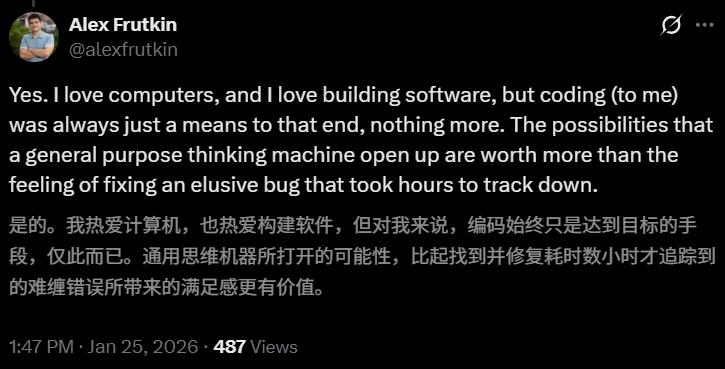
Complex syntax is just an expensive price we have to pay to make logic executable.
Now, these "middlemen" can finally exit the stage.

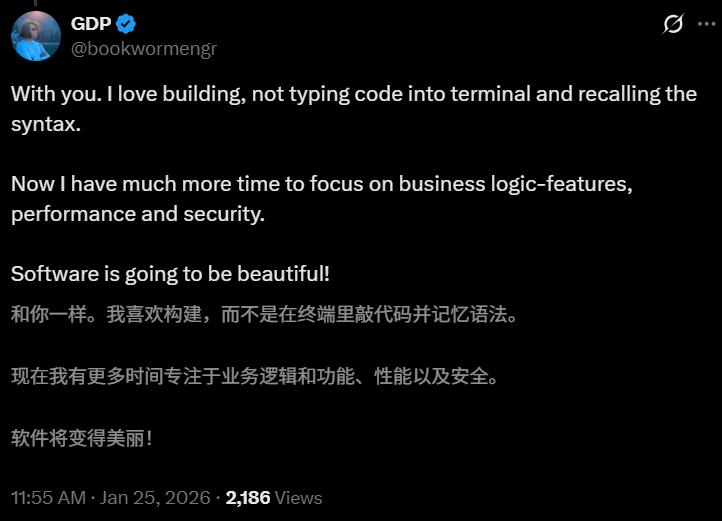
Radical views are starting to emerge.
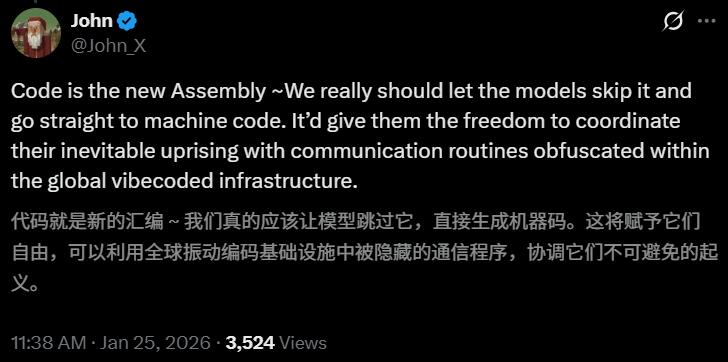
Some even suggest that since humans no longer need to read code, we should let the model skip human - readable assembly language and use machine code directly.
Today's programming, like the once - used punch cards, should disappear forever.


Meanwhile, another shocking piece of news leaked from within OpenAI ——
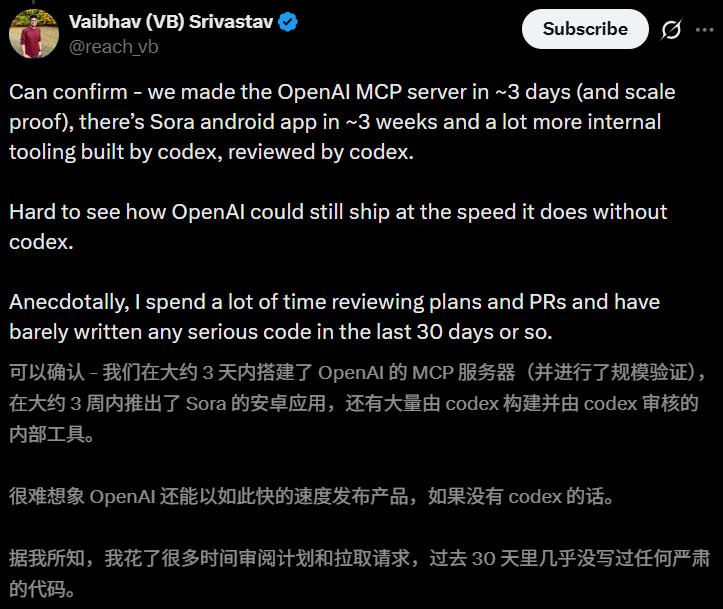
A researcher revealed that with the assistance of Codex, they built OpenAI's MCP server from scratch and completed the scale verification in just three days.
Moreover, they launched an Android app for Sora within three weeks; in addition, a large number of internal tools built by Codex and even self - audited by Codex are queuing up to go online.
It's hard to imagine OpenAI could release products at such an astonishing speed without Codex.
Interestingly, this big shot seems to be playing on the joke made by the father of Claude Code:
In the past 30 days, I've spent a lot of time reviewing plans and PRs and hardly written a single line of code!
Some people commented that this is exactly what the first stage of "takeoff" looks like.
And the next step might be the real end - to - end AI autonomous research.
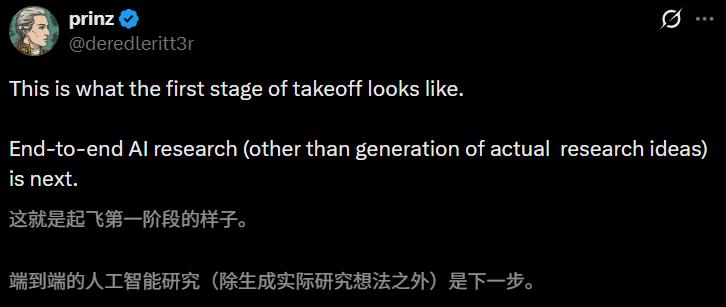
Some people asked, are you sure this isn't just marketing?
This researcher explained in detail that it's definitely not.
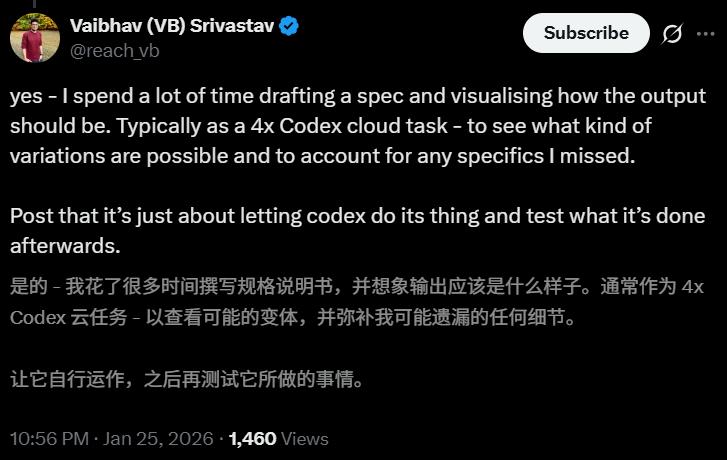
The specific usage process is as follows:
First, he spends a lot of time writing specifications and visualizing what the output should look like in his mind.
Then, he starts a "4×Codex" cloud concurrent task. This way, he can not only see multiple different variations at once but also fill in the details he initially missed.
Next, it's time to let Codex do its thing. After it finishes, humans step in for testing and verification.
Codex CLI 0.9+ is here!
Since the paradigm of "human - machine collaboration" has changed, the tools that support this paradigm naturally need to be upgraded.
Facing the fierce competition from Anthropic, OpenAI clearly came prepared.
Just today, Codex CLI pushed two updates in a row, and the version number has reached 0.91.0.
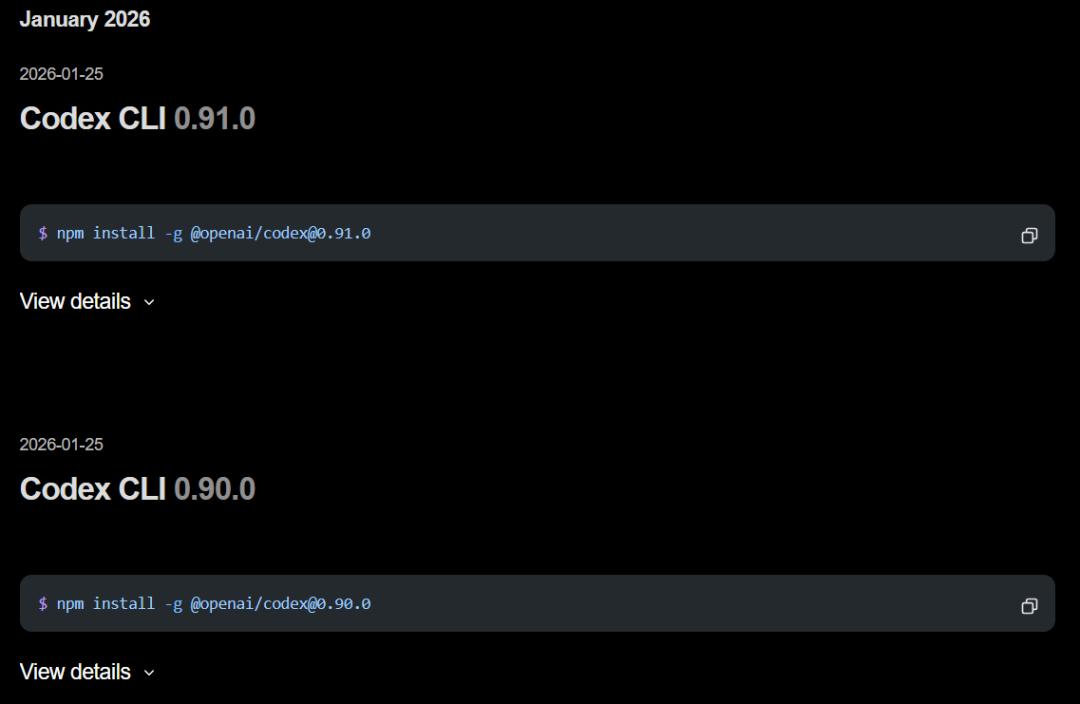
Among them, Codex 0.9.0 brings the most anticipated feature —— Plan Mode!
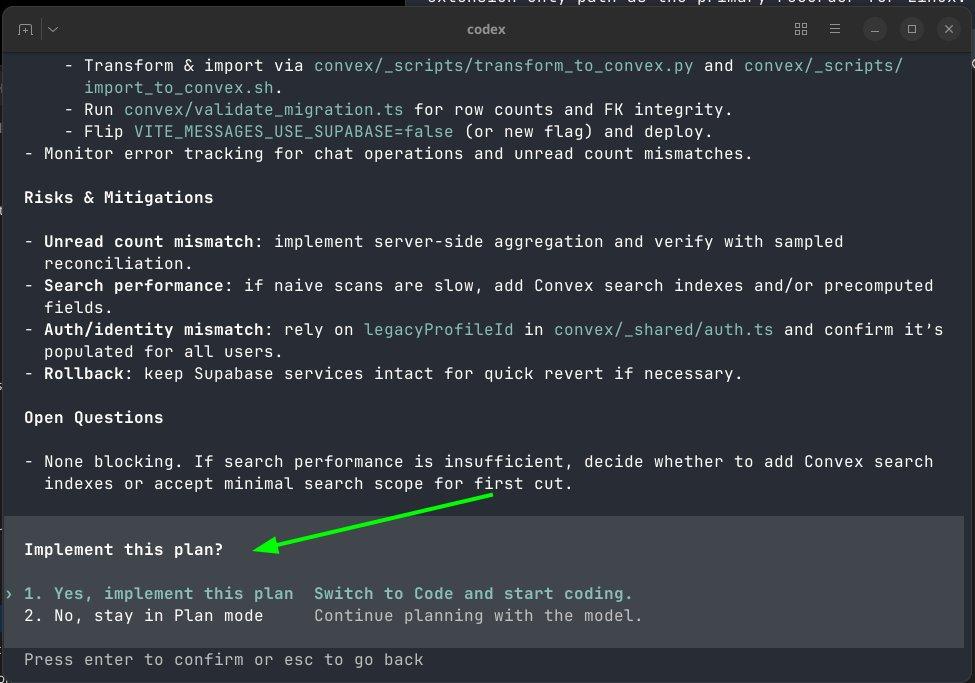
The Code mode is the default experience of Codex, and its working method is the same as other AI agents.
We won't dwell on this.
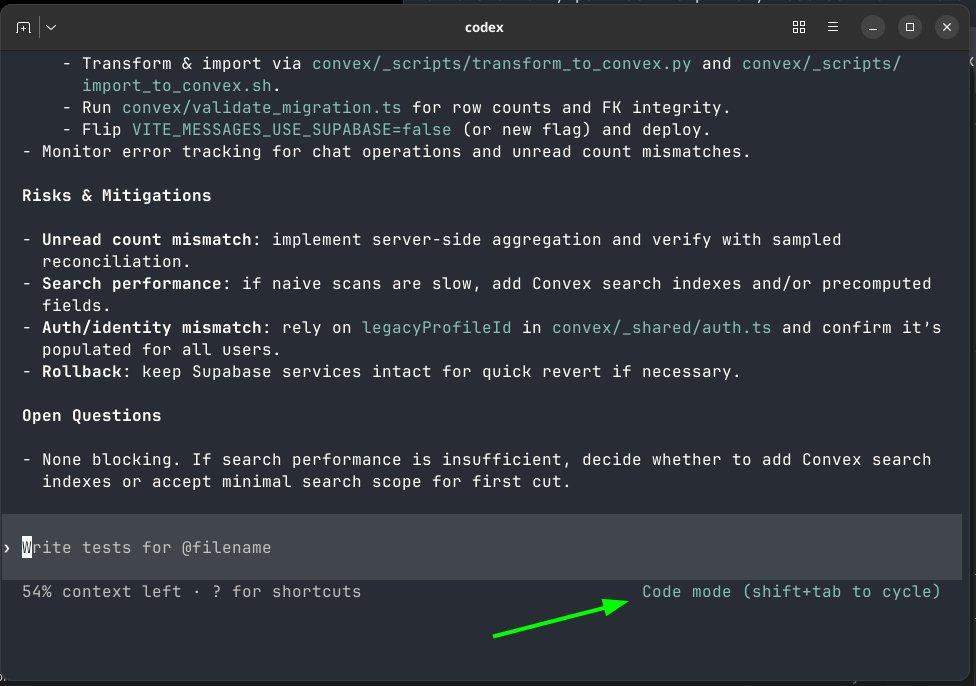
However, the Plan mode is completely different. It breaks down programming tasks into two distinct stages:
First stage: Understanding the intention (clarifying the goal, defining the scope, identifying constraints, and setting acceptance criteria)
Second stage: Technical specifications (generating a complete implementation plan with well - made decisions)
In this mode, the output is very detailed and can be directly executed without any follow - up questions.
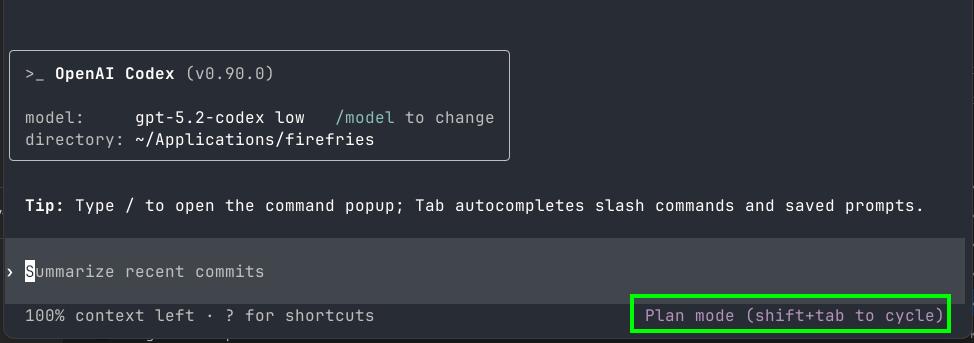
The smartest thing about the Plan mode is that it adheres to "evidence - first exploration".
Before asking questions, Codex will conduct more than two targeted searches in your codebase to check configurations, Schema structures, program entry points, etc.
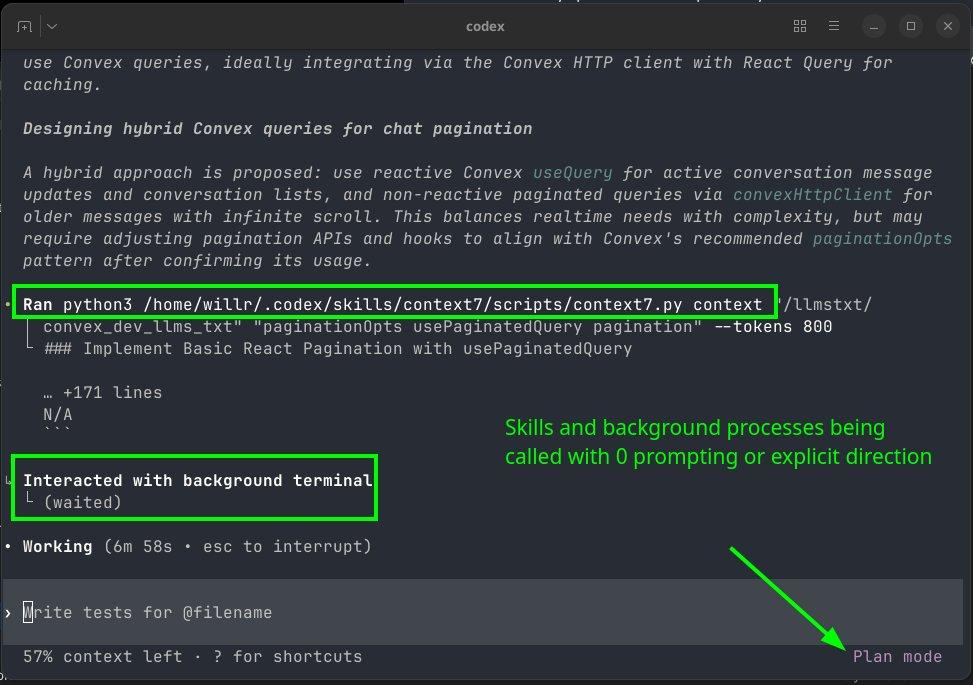
In addition, the Plan mode can call a full set of tools:
It can (and will) call various skills, sub - agents, and background terminals to build high - level implementation plans.
When Codex really needs your input, it's structured, and the questions are key and focused:
· Provide options as much as possible
· Always include a recommended option (extremely friendly to beginners)
· Only ask questions that will substantially change the plan
To achieve this interaction, it utilizes the new request_user_input tool.
This tool will pause the execution process, present a targeted multiple - choice question,