Feng Dagang im Dialog mit Misa, Gründer von Rokid: Warum könnten Mobiltelefone in fünf Jahren zu Zubehör von Brillen werden?
Im vergangenen Jahr sind KI-Hardware wieder in das Zentrum der Tech-Branche gerückt.
Von Handys und Computern bis hin zu Autos, von Kopfhörern und Lautsprechern bis zu verschiedenen Wearables: Da große Modelle inzwischen die Interaktion fast aller elektronischen Geräte unterstützen können, versuchen alle Hardware-Hersteller, die Hardwareform zu werden, die KI-Fähigkeiten trägt.
Ein leistungsstärkeres Handy? Ein intelligenteres Auto? Oder ein völlig neuer, körpernaher Eingangspunkt für die Berechnung?
In diesen Erkundungen werden KI-Brillen auf eine bestimmtere Weise in den Vordergrund gerückt. Sie unterscheiden sich von den XR-Brillen, die im letzten Jahrzehnt wiederholt ausprobiert wurden, aber nie den Massenmarkt erreichten. Die allgemeine Erwartung an KI-Brillen ist, dass sie das nächste Paradigma der Mensch-Computer-Interaktion tragen können: ständig online, jederzeit verfügbar, ohne das Handy herauszunehmen, um Informationsabruf, Aufnahme und Aufzeichnung, Navigation, sofortige Übersetzung, KI-Fragen und -Antworten sowie Umweltverständnis zu realisieren.
Das mobile Internet hat die Beziehung zwischen "Mensch und Information" verändert, während große Modelle die Beziehung zwischen "Mensch und Welt" neu schreiben. Und Brillen befinden sich genau am Eingang dieser Beziehung – sie stehen im Zentrum des menschlichen Sehens und der Aufmerksamkeit.
Seit vielen Jahren denkt und investiert Rokid konsequent in diese Richtung.
Rokid hat die Jahre erlebt, in denen das AR-Konzept am beliebtesten war, und auch die lange Phase der Ruhe erlebt, nachdem Kapital und Markt abgekühlt waren. Es hat die wiederholten Höhen und Tiefen der Erzählung über den "nächsten Eingangspunkt" in der Branche miterlebt und auch die Kosten einer langfristigen Investition eines Unternehmens in einem unsicheren Bereich getragen.
Gegenwärtig zeigt die Branche der intelligenten Brillen einen deutlichen Differenzierungstrend: Einige Produkte folgen weiterhin hauptsächlich dem Designprinzip von Audiobrillen und fügen begrenzte Modellfähigkeiten zur grundlegenden Sprachinteraktion hinzu, was der "leichten KI"-Route entspricht. Rokid hingegen hat eine scheinbar schwerere Route gewählt, um eine vollständige KI-Brille mit echten multimodalen Interaktionsfähigkeiten zu entwickeln. Von Kameras und Mikrofonen auf der Eingabeseite über Anzeige und Sprachfeedback auf der Ausgabeseite bis hin zum KI-Anwendungssystem, das die Anbindung großer Modelle und die ökologische Erweiterung unterstützt, zielt die Produktstrategie von Rokid darauf ab, ein umfassenderes Nutzungserlebnis für KI-Endgeräte aufzubauen, anstatt einzelne Funktionen zu überlagern.
In dieser speziellen Sektion der Alibaba Cloud Tongyi Intelligent Hardware Show führte Feng Dagang, CEO von 36Kr, der seit mehr als zehn Jahren Tech-Startups beobachtet, und Misa, Gründer & CEO von Rokid, der seit einem Jahrzehnt tief in der Branche der intelligenten Brillen verwurzelt ist, einen eingehenden Austausch zum Thema "Wie weit ist der iPhone-Moment von KI-Brillen?".
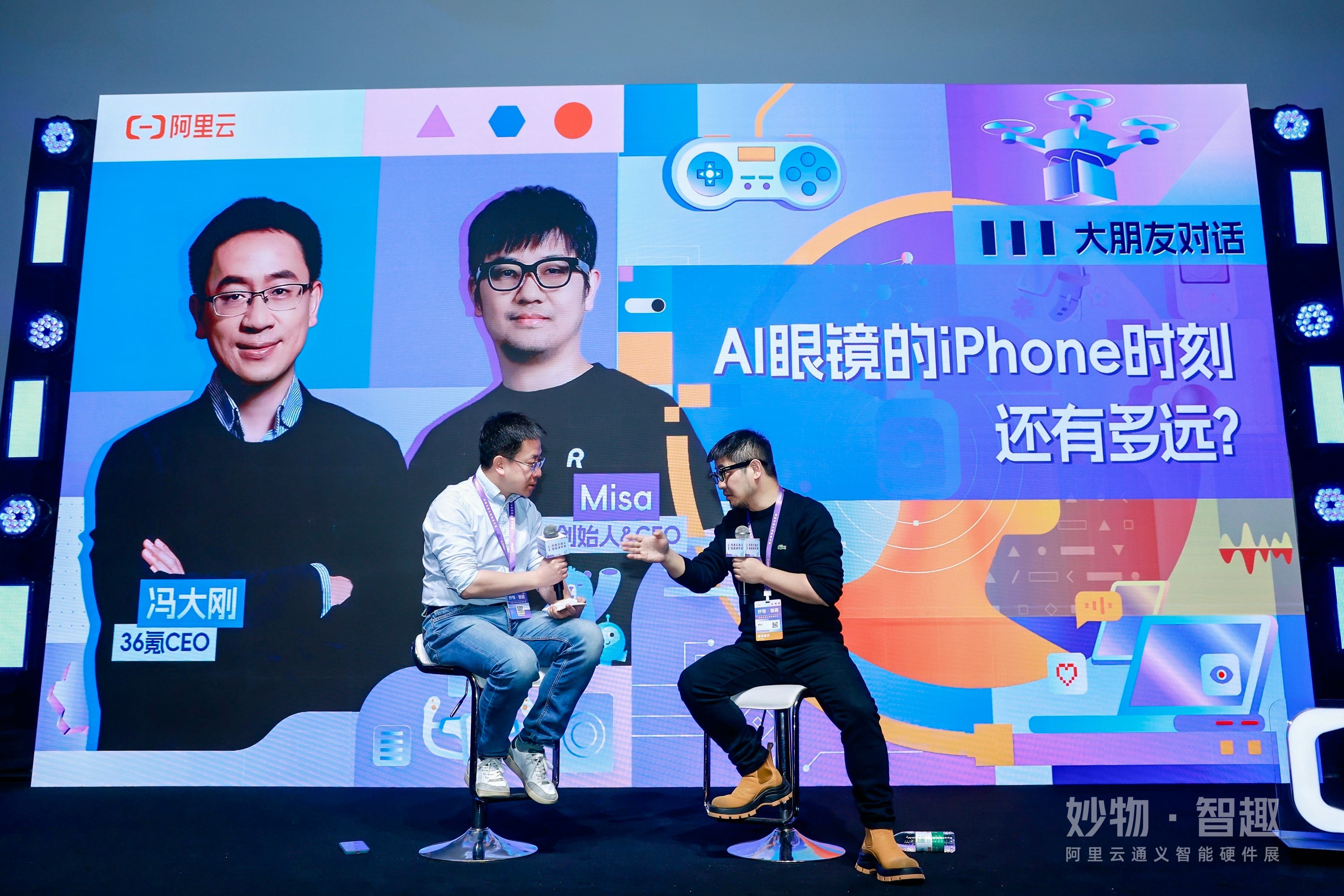
Sie sprachen über:
Wie KI-Brillen zu Hochfrequenzgeräten werden: Unterhaltungsprodukte lösen das "Großbild"-Problem, sind aber normalerweise "schön zu haben". Rokid legt mehr Wert auf das häufige und lange Tragen und Nutzen, um Brillen zu alltäglichen Geräten wie Uhren zu machen. Deshalb betonen sie wiederholt Szenarien wie "tägliche Nutzungsdauer", "direkte Nachrichtenübermittlung", "Navigation beim Gehen und Fahren" und "sofortige Aufnahme" – das sind alles Wege, um Brillen von Spielzeugen zu Gewohnheiten zu machen.
Der Unterschied zwischen Brillenkameras und Handyfotografie ist: Der Vorteil von Brillenkameras besteht nicht darin, die Bildgebung von Handys zu ersetzen, sondern Momente zu ergänzen, die Handys nicht einfangen können: natürlicher, unaufdringlicher und kostengünstiger aufzuzeichnen.
Wie große Modelle zur Infrastruktur von Produkten werden: Große Modelle sind die Basis, aber ob sie zu Produkten werden können, hängt vom Endgeräteerlebnis und der Infrastruktur ab: Stabilität, Latenz, Verbindung, Interaktion, Akkulaufzeit und technische Zuverlässigkeit. Rokid hat sich dafür entschieden, Tongyi Qianwen anzubinden und gleichzeitig offen und austauschbar zu bleiben.
Wie sichergestellt wird, dass KI-Brillen ihr eigenes Ökosystem entwickeln können: Die erwähnten Agent Stores und die Anbindung von Drittanbieterfunktionen (z. B. Fahrzeugsteuerung) weisen auf einen Versuch hin, der einer Plattform näher kommt: Zuerst die wichtigsten Hochfrequenzfunktionen solide aufbauen, dann das Ökosystem auf den Brillen wachsen lassen.
Wird der neue Träger im KI-Zeitalter die Brille sein: Misa's Kernurteil ist sehr direkt: Im KI-Zeitalter braucht es unbedingt einen neuen Träger, und das Handy wird nicht das einzige Hauptgerät im nächsten Zeitalter bleiben. Es besteht noch kein Konsens darüber, ob Brillen das Endziel sind, aber gerade weil der Konsens noch nicht feststeht, haben Startups das Zeitfenster für Investitionen.
Die Diskussion über diese Fragen erklärt auch ein Problem, das die Außenwelt oft verwirrt: Warum wurden intelligente Brillen so viele Jahre lang angepriesen, bis sie heute anscheinend wirklich populär werden?
Die Antwort liegt möglicherweise nicht bei den Brillen selbst, sondern darin, dass große Modelle endlich das fehlende Puzzleteil ergänzt haben – die "Intelligenz" in der Vergangenheit war zu schwach, Brillen konnten nur mit Anzeige und Hardwareform Geschichten erzählen. Erst wenn visuelles Verständnis, Sprachinteraktion, sofortige Fragen und Antworten sowie Umwelterkennung nutzbar werden, haben Brillen einen Grund, auch ohne Handy zu funktionieren.
Daher tritt die Branche in eine neue Differenzierungsphase: Auf der einen Seite steigen große Konzerne ein und steigern das Volumen mit Kanälen, Subventionen und Ökosystem. Auf der anderen Seite versuchen langfristige Spieler wie Rokid zu beweisen, dass der Erfolg von Eingangshardware nicht nur von Werbeausgaben abhängt, sondern vor allem davon, dass das Produkt den Wandel vom Ausprobieren zur Gewohnheit vollzieht.
Das führt das Problem auch zurück zum Ausgangspunkt dieses Gesprächs:
Was bedeutet der iPhone-Moment von KI-Brillen eigentlich?
Ist es der Wendepunkt, bei dem der Umsatz von Hunderttausenden auf Millionen steigt? Wird das unmögliche Dreieck aus "Akkulaufzeit, Anzeige und Tragekomfort" durch technische Fähigkeiten durchbrochen? Oder entsteht eine "Killeranwendung", die häufig genug, notwendig genug ist und das tägliche Verhalten verändert?
An einem Ort voller Slogans und Visionen wie der Intelligent Hardware Show repräsentiert das Gespräch zwischen Feng Dagang und Misa einerseits langfristige Beobachtung und Urteil, andererseits zehn Jahre Investition und Praxis. Sie versuchen, an dem Ort mit dem dichtesten Lärm eine Richtung zu finden, die der Antwort näher kommt.
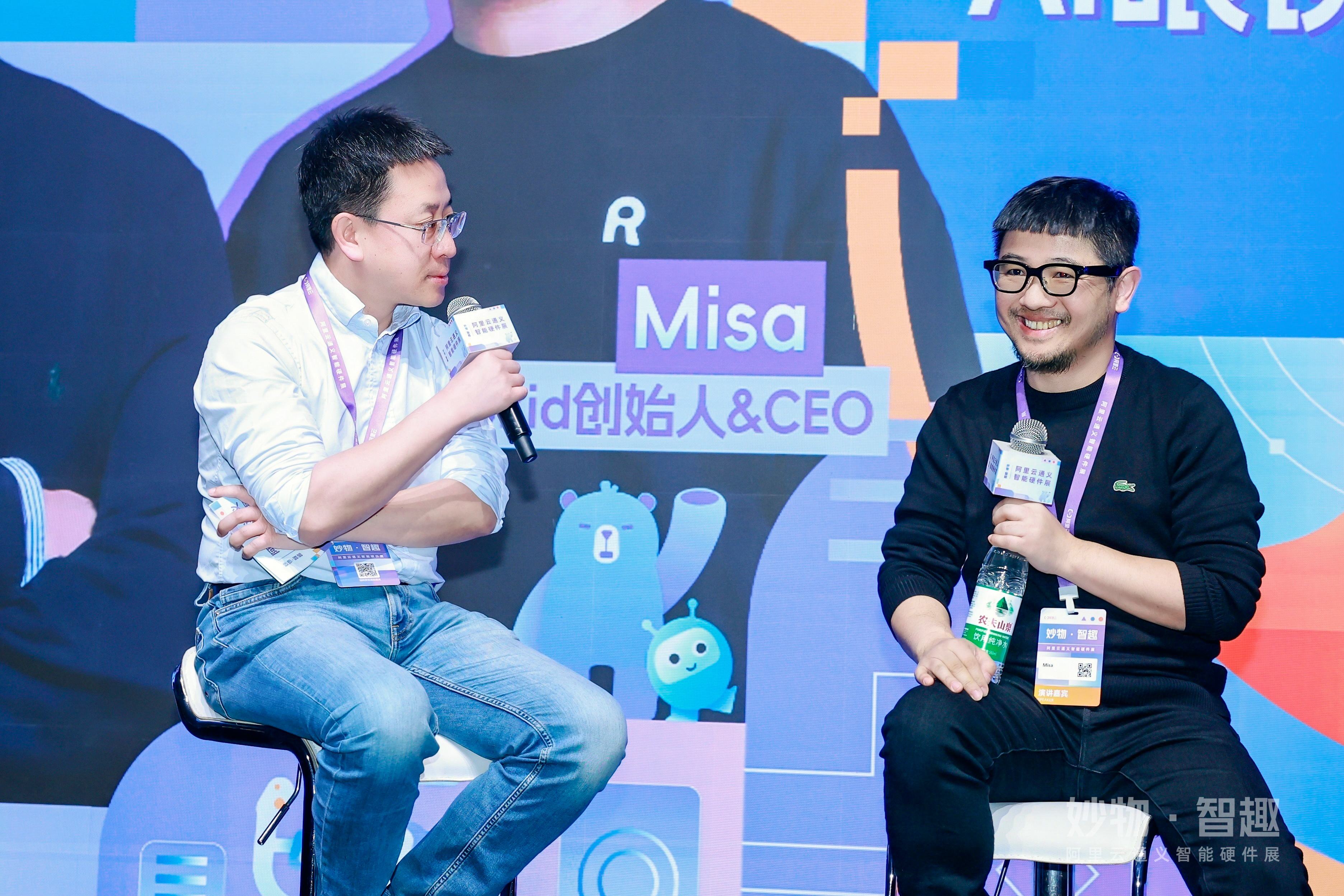
Im Folgenden das Transkript des Gesprächs, redigiert von 36Kr:
Feng Dagang: Die heutige Veranstaltung ähnelt ein wenig dem Markt für intelligente Brillen: laut, aber voller Energie. Nur wer sich laut ausdrückt, kann von anderen gesehen werden.
Misa: Ja.
Feng Dagang: Misa ist der Gründer von Rokid. Im Februar 2025 erregte Rokid große Aufmerksamkeit, als du auf der Bühne sagtest: "Heute befindet sich mein Manuskript direkt auf meiner Brille."
Misa: Richtig, es ist in der Brille integriert.
Feng Dagang: Als Investor und Medienvertreter, der seit vielen Jahren Hardware beobachtet, war ich an diesem Tag sehr glücklich. Ich dachte, ich hätte endlich die Antwort auf die Frage gefunden, was intelligente Hardware eigentlich tun soll. Ist Rokid nach diesem Tag populär geworden, und wie fühlt es sich an, populär zu sein?
Misa: Wir haben erwartet, dass intelligente Brillen 2025 explodieren, aber zwei Dinge haben wir nicht erwartet: Erstens war die Explosion so stark, zweitens haben wir nicht erwartet, dass wir sie ausgelöst haben. Ich dachte ursprünglich, der Markt würde gemeinsam befeuert, aber unerwartet hat diese Rede die gesamte Branche der intelligenten Brillen 2025 plötzlich aufblühen lassen, das war ziemlich überraschend.
Feng Dagang: Deiner Meinung nach, welche Routen verfolgen KI-Brillen?
Misa: Die erste Kategorie ist die Unterhaltungsklasse, z. B. Filme anschauen und Spiele spielen, mit Fokus auf dem Großbild-Erlebnis. Die zweite Kategorie ist die leichte KI-Klasse, die sich aus Audiobrillen mit ein paar KI-Fähigkeiten entwickelt, vertreten durch Meta Ray-Ban, Xiaomi und Li Auto gehören auch zu dieser Kategorie. Die dritte Kategorie sind voll funktionsfähige KI-Brillen mit Anzeige, Mikrofon, Lautsprecher und vollständigen KI-Fähigkeiten, mit vollständiger Ein- und Ausgabe. Es gibt nicht viele Produkte in dieser Kategorie, Rokid ist derzeit das vollständigste und in Massenproduktion hergestellte. Im Grunde gibt es nur diese drei Kategorien: Unterhaltungsklasse, leichte KI-Klasse und voll funktionsfähige KI-Klasse.
Feng Dagang: Zu welcher Kategorie gehört also das Headset, das Apple herstellt?
Misa: Es ähnelt eher einem Head-Mounted Display.
Feng Dagang: Wie viele KI-Brillen wurden weltweit im Jahr 2025 verkauft?
Misa: Einschließlich neuer Produkte wie Meta Ray-Ban wurden insgesamt etwa 5 Millionen Einheiten verkauft, davon etwa 3 Millionen Einheiten Ray-Ban. Bei voll funktionsfähigen Brillen hält Rokid den überwiegenden Teil mit einem Marktanteil von über 70 %. Es wird erwartet, dass Rokid 2026 immer noch mehr als die Hälfte des Marktes einnimmt.
Feng Dagang: Wie viele Einheiten sind etwa die Hälfte des Marktanteils?
Misa: Im letzten Jahr haben wir mehr als 200.000 Einheiten ausgeliefert, aber das waren nur dreieinhalb Monate. Dieses Jahr wird eine vernünftige Prognose von 800.000 bis 1 Million Einheiten erwartet.
Feng Dagang: Welche Anforderungen erfüllen die drei verschiedenen Arten von KI-Brillen jeweils für Nutzer?
Misa: Die Unterhaltungsklasse dient hauptsächlich dem Großbild-Filmschauen, es ist "schön zu haben" und die Nachfrage ist gering. Der Verkauf unserer Unterhaltungsbrille Rokid AR Lite beträgt nur 1/10 des voll funktionsfähigen Modells, die tägliche Nutzungsdauer beträgt etwa 1 Stunde. Während Rokid Glass durchschnittlich etwa 8 Stunden pro Tag getragen wird, ich selbst trage sie fast den ganzen Tag.
Feng Dagang: Warum nicht 16 Stunden?
Misa: 8 Stunden ist der Durchschnitt, manche tragen sie nur, wenn sie es brauchen.
Feng Dagang: Gibt es in der Branche eine anerkannte ultimative Fähigkeit, die wir alle in Zukunft brauchen werden?
Misa: Es gibt eine Nachfrage nach multimedialen Inhalten, aber es steht vor dem "unmöglichen Dreieck": Darstellungsvermögen, Akkulaufzeit und Tragekomfort lassen sich schwer vereinen. Wenn es in den nächsten drei bis fünf Jahren durchbrochen werden kann, ist das Drei-in-Eins-Produkt die Zukunft: Man kann das Großbild nutzen, wenn man will, KI-Unterstützung nutzen, wenn man will, und sie als normale Brille tragen, wenn man will.
Feng Dagang: Warum braucht man eine Drei-in-Eins-Brille? Ist sie die Zukunft? Was genau kann sie für mich tun, was ein Handy nicht kann?
Misa: Aus unseren aktuellen Nutzerdaten gehen mehrere häufige Szenarien klar hervor. Erstens das Fotografieren und Aufzeichnen von Videos. Viele Leute denken, dass Brillenkameras Handys ersetzen sollen, aber das stimmt nicht, sie ergänzen sie. Handys legen Wert darauf, "gut zu fotografieren", während Brillen Wert darauf legen, "einzufangen", Momente jederzeit und überall natürlicher aufzuzeichnen. Wenn man zum Beispiel Kinder oder Interviews aufnimmt, kann die andere Person unnatürlich reagieren, wenn sie ein Handy sieht, aber Brillen sind sehr unauffällig. Zweitens die Informationsbenachrichtigungen. Wenn ich jetzt mit Ihnen spreche, sind bereits Dutzende von WeChat-Benachrichtigungen auf der Brille vorbeigezogen, die meisten müssen nicht sofort bearbeitet werden. Das macht es mir möglich, nicht ständig das Handy herauszunehmen und mich besser zu konzentrieren. Drittens KI-Fragen und -Antworten. Für kurze und schnelle Fragen wie nach dem Wetter oder der Suche nach Informationen kann man die Brille direkt fragen, das ist schneller als eine Suchmaschine zu öffnen. Viertens die Navigation: Beim Gehen oder Fahren folgt man den Anweisungen in der Brille, das ist viel bequemer, als das Handy hochzuhalten. Was sie wirklich von Handys unterscheidet, ist, dass sie einen natürlicheren und sofortigeren "aktiven KI-Dienst" bieten.
Feng Dagang: Langfristig gesehen, sind Brillen Zubehör für Handys oder unabhängige Geräte?
Misa: In drei Jahren sind sie möglicherweise noch Zubehör, nach drei bis fünf Jahren wird es Veränderungen geben, und nach fünf Jahren sind sie höchstwahrscheinlich nicht mehr. Handys können zu Endgeräten für Berechnung, Kommunikation und Speicherung werden, die Interaktion findet hauptsächlich auf Brillen statt. Brillen sind auch der bessere Träger für "aktive KI".
Feng Dagang: Wie lange hält der Akku?
Misa: Bei kontinuierlicher Nutzung etwa 6-8 Stunden, bei intermittierender Nutzung hält er einen ganzen Tag.
Feng Dagang: Die nächste Frage wird etwas schärfer sein. Du sagst, Rokid ist die Nummer eins in China, aber der weltweite Jahresumsatz von intelligenten Brillen beträgt nur Hunderttausende Einheiten, verglichen mit mehreren hundert Millionen Handys pro Jahr ist die Größe sehr klein. Wie siehst du das?
Misa: Zuerst einmal sage ich selten öffentlich, dass Rokid die Nummer eins ist, obwohl das datentechnisch stimmt. Ich möchte keine Diskussion auslösen, dass "die Nummer eins der Branche nur 200.000 bis 300.000 Einheiten verkauft",