Why are there no large real estate developers in Shandong?
Recently, the GDP data for the first three quarters of 2026 was released, and the ranking of each province was unveiled accordingly.
Shandong, the province with the largest economy in northern China, recorded a total GDP of 8.2309 trillion yuan in the first three quarters, with a year-on-year growth rate of 5.6%. This figure is not only 1 percentage point higher than the national average growth rate, but also outperforms that of Guangdong (4.6%) and Jiangsu (5.2%).
This achievement is extremely hard-won.
It should be noted that over the past 10 years, Shandong once saw its GDP growth rate stay below the national average for a period of time, going through the short-term pains of "new and old kinetic energy conversion".
The current stabilizing and upward growth rate proves that Shandong has made important progress in industrial transformation and upgrading.
Where does this achievement come from?
We can observe this from a special perspective: Shandong, a major province with a large economy and huge population, has not had a large-scale real estate enterprise with national influence up to now.
What kind of industrial logic lies behind this phenomenon?
Large and Small
Shandong is never short of large enterprises.
In the 2025 list of China's Top 500 Enterprises, 52 enterprises from Shandong are on the list, ranking 4th nationwide, only after Beijing, Zhejiang and Guangdong.
In the list of Top 500 Private Enterprises, the number of Shandong enterprises ranks 3rd across the country, with 12 enterprises reaching the 100-billion-yuan level.
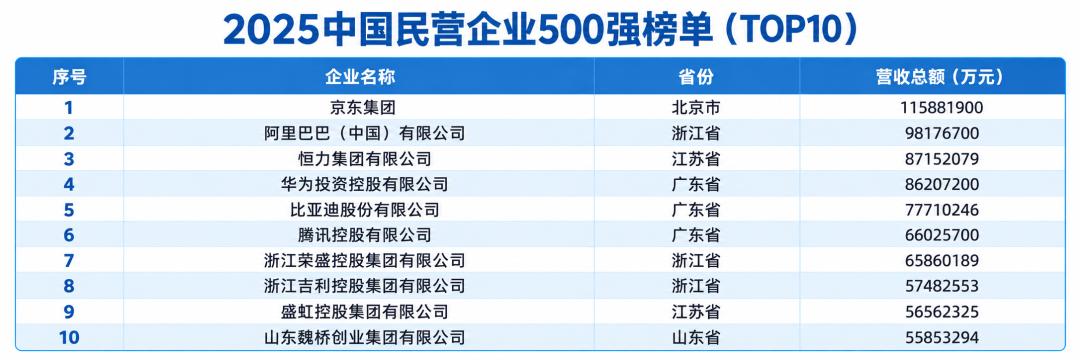
Shandong Weiqiao ranks 10th nationwide
In addition, Shandong's comprehensive strength in the construction industry has steadily ranked top 5 nationwide, with the total output value of the construction industry accounting for about 6% of the national total, and the number of construction enterprises with special-grade qualifications ranks 3rd across the country, making it a veritable pillar industry.
As a major economic province gathering a large number of strong enterprises, logically, real estate enterprises in Shandong should also occupy a place across the country.
The fact is not the case.
Among the top 20 real estate enterprises nationwide by sales volume in 2025, 9 are from Guangdong, 3 from Beijing and 3 from Shanghai respectively, 2 from Zhejiang and 2 from Fujian, and 1 from Hubei.
Although real estate enterprises in Jiangsu are not strong either, at least there is Seazen Holdings which belongs to the second echelon.
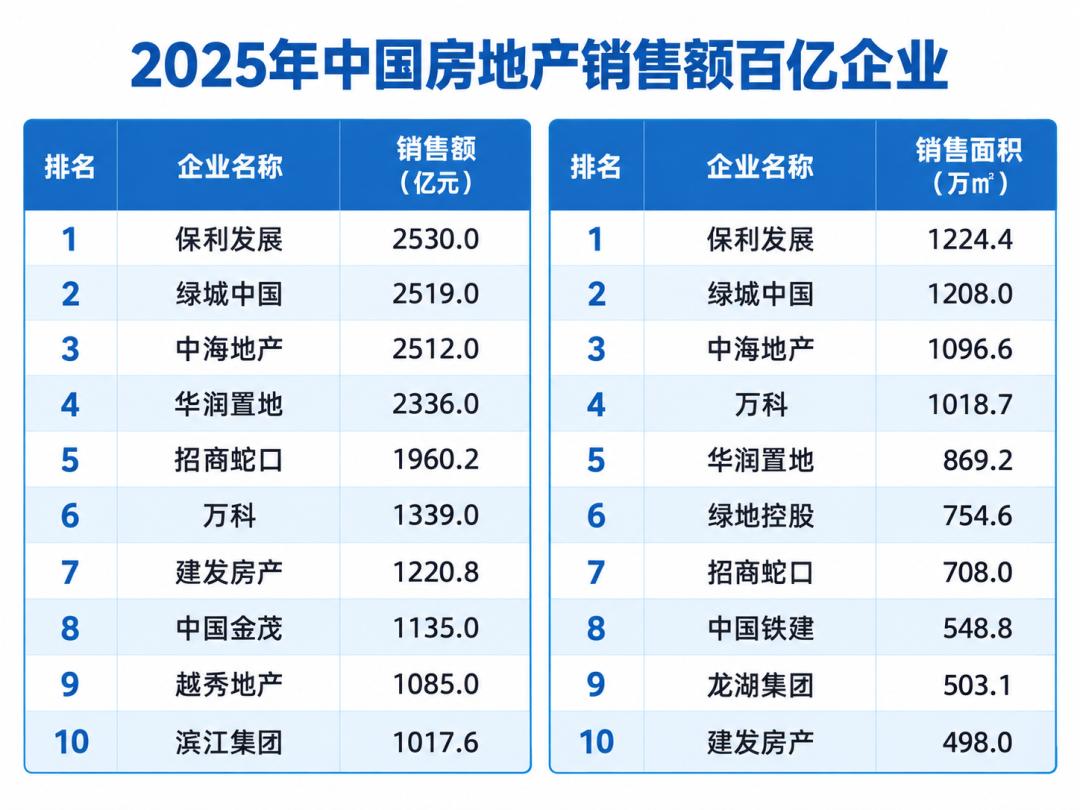
Top 20 real estate enterprises nationwide by sales volume in 2025
Hisense Real Estate, the largest local real estate enterprise in Shandong, recorded annual sales of just over 10 billion yuan, ranking more than 70th nationwide.
Affected by the downward trend of the industry, the current pattern of real estate enterprises has been completely rewritten compared with 10 years ago.
Back in 2016, a Shandong real estate enterprise once entered the national top 20.
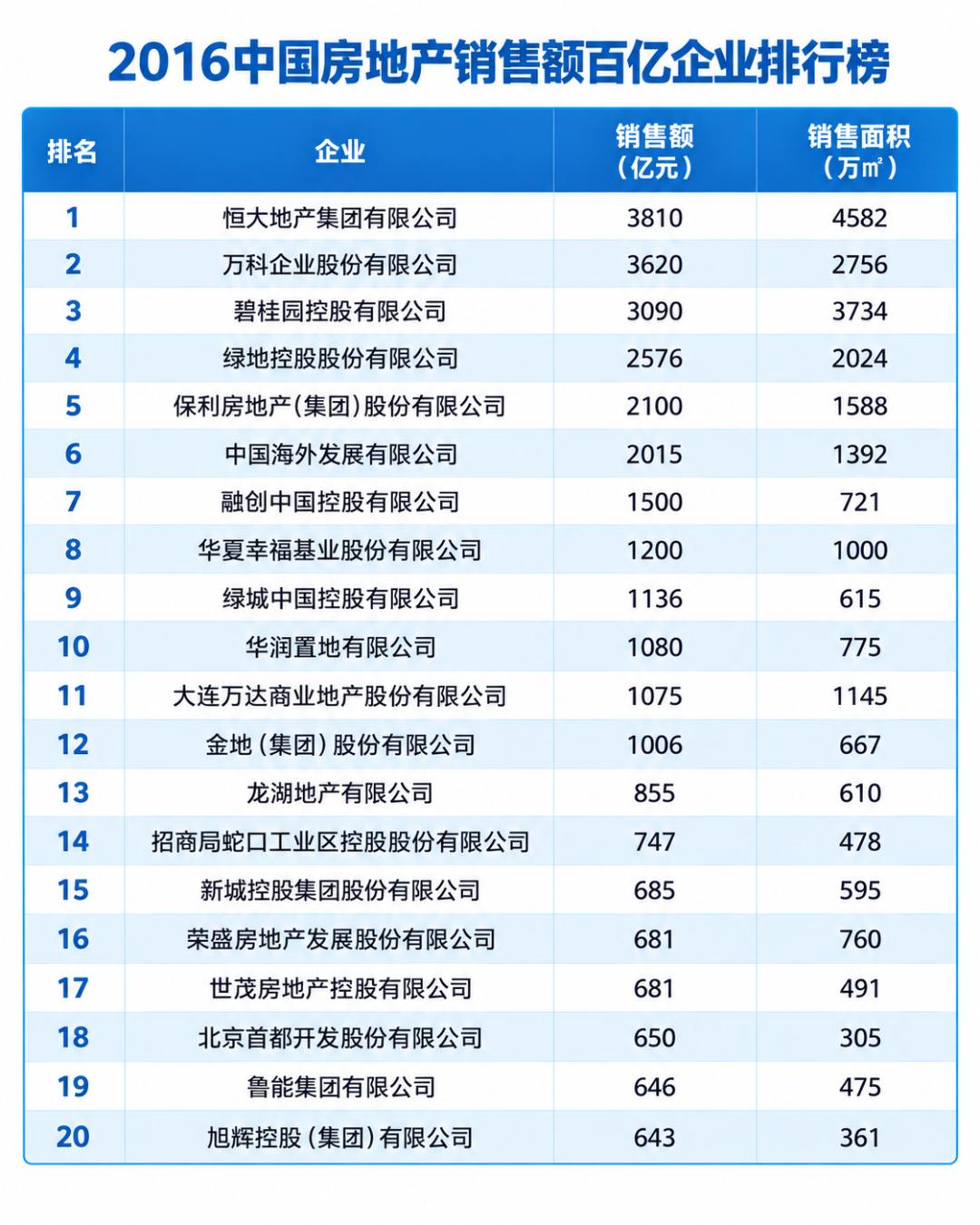
Luneng Group entered the national top 20 in 2016
This is Luneng Group, headquartered in Jinan.
Luneng Group was once the Shandong enterprise with the most potential to grow into a large-scale real estate enterprise.
Before becoming a directly affiliated enterprise of State Grid, Luneng's business had long been involved in real estate development, and was praised as a "dark horse" in the real estate industry.
In 2016, Luneng's real estate sector ranked 19th in the sales performance of Chinese real estate enterprises, with its business layout covering 23 provinces, autonomous regions and municipalities across China.
In 2017, Luneng's sales scale reached its peak of 80 billion yuan.
As State Grid fully withdrew from the real estate business, Luneng gradually scaled down its real estate business, and finally lost the opportunity to become a leading real estate enterprise.
Since then, let alone having national influence, there has been no local real estate enterprise that can dominate the market within Shandong province.
Data for the first half of 2026 shows that among the top 10 real estate enterprises by sales volume in Shandong, 5 are local enterprises, and none of them is a listed company with national business layout.
For Hisense Real Estate, the top-ranked local enterprise, more than 60% of its sales come from its base camp Qingdao, and it does not occupy an absolute advantage in other cities in the province such as Jinan and Yantai.
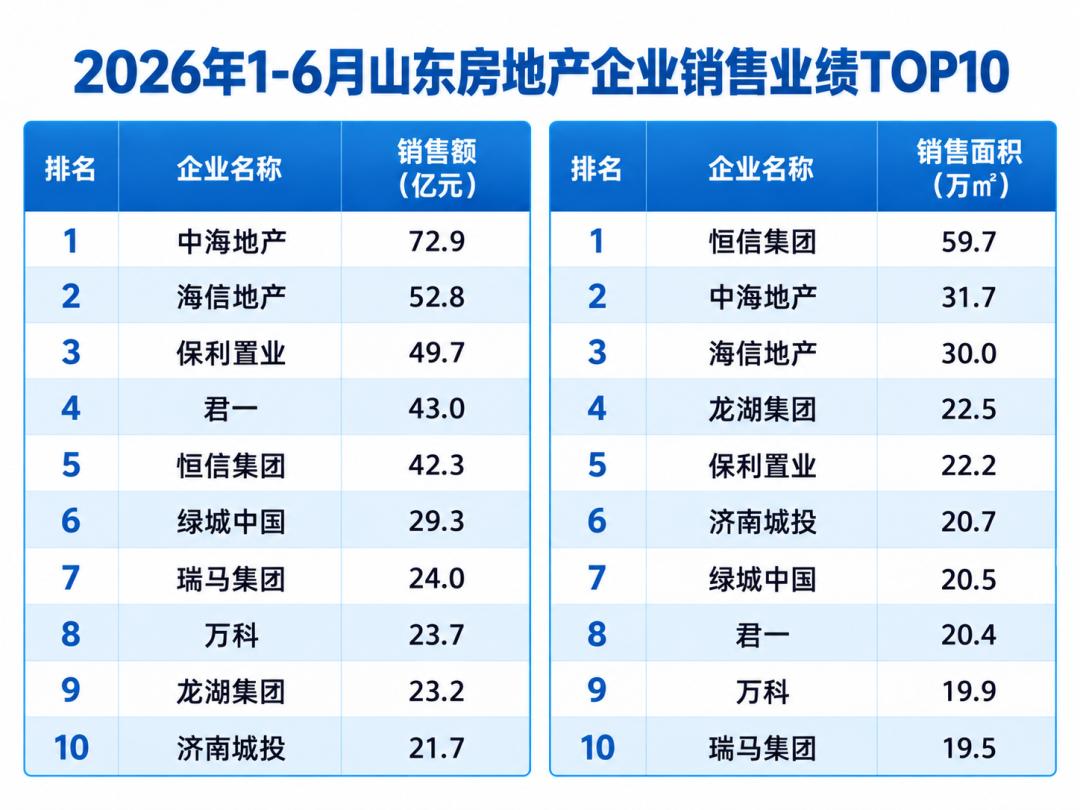
In the first half of this year, Hisense Real Estate, the best-performing local real estate enterprise in Shandong, also mainly focuses its business in Qingdao, and does not have an absolute leading advantage even in the provincial market.
In Jinan, the total sales of all local real estate enterprises combined are even less than that of Poly Real Estate which ranks first.
Small and medium-sized real estate enterprises indeed do not quite match Shandong's status as a major economic province.
Inability or Disinclination
Shandong has both strong economic strength and is a major construction province. Why has there never been a national large-scale real estate enterprise like Vanke or Greentown?
Objectively speaking, this is related to the activity of marketization and capital, as well as the city tier level of various cities in Shandong.
The rise of large real estate enterprises requires strong financing capacity and a mature capital resource market.
The regions with the most active domestic capital are mainly concentrated in the Beijing-Tianjin-Hebei region, the Pearl River Delta and the Yangtze River Delta.
In contrast, Shandong neither has the advantage of being close to a financial center, nor has the same active private capital as Jiangsu and Zhejiang. Neither the marketization atmosphere nor capital resources can support the birth of a giant real estate enterprise.
Large cities breed large markets, and large markets give birth to large real estate enterprises.
Shandong lacks high-tier cities like Shenzhen, Shanghai and Guangzhou, which restricts the large-scale growth of real estate enterprises.
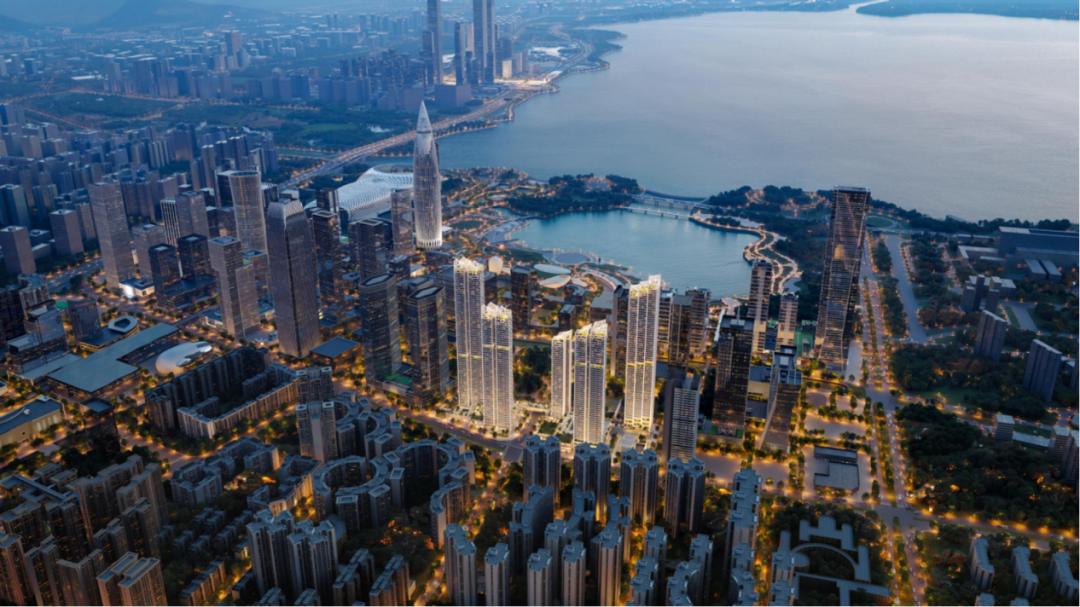
The "Shenzhen Bay Yunxi" project recorded a single-day sales of 13 billion yuan, which is higher than the annual sales of a single real estate enterprise
Projects like the "Shenzhen Bay Yunxi" project in Shenzhen can achieve a single-day sales as high as 13 billion yuan, which is even higher than the annual sales of a real estate enterprise.
This is unimaginable in ordinary second- and third-tier cities.
Most importantly, the subjective reasons of Shandong's local enterprises themselves make them not go all in on real estate.
Shandong enterprises favor the manufacturing industry, and seem to share the common feature of "not doing what you are not familiar with, and sticking to the real economy".
Apart from a few individual enterprises such as Luneng and Lushang Property that once had some pursuit in real estate, large local enterprises in Shandong have far less interest in real estate than in the manufacturing industry.
Tan Xuguang, who became the chairman of Weichai in 2003, once said that many times when local governments invested in Weichai, they wanted to approve land for Weichai to develop real estate, but all were rejected by him. He said he wanted to make more money selling engines than doing real estate.
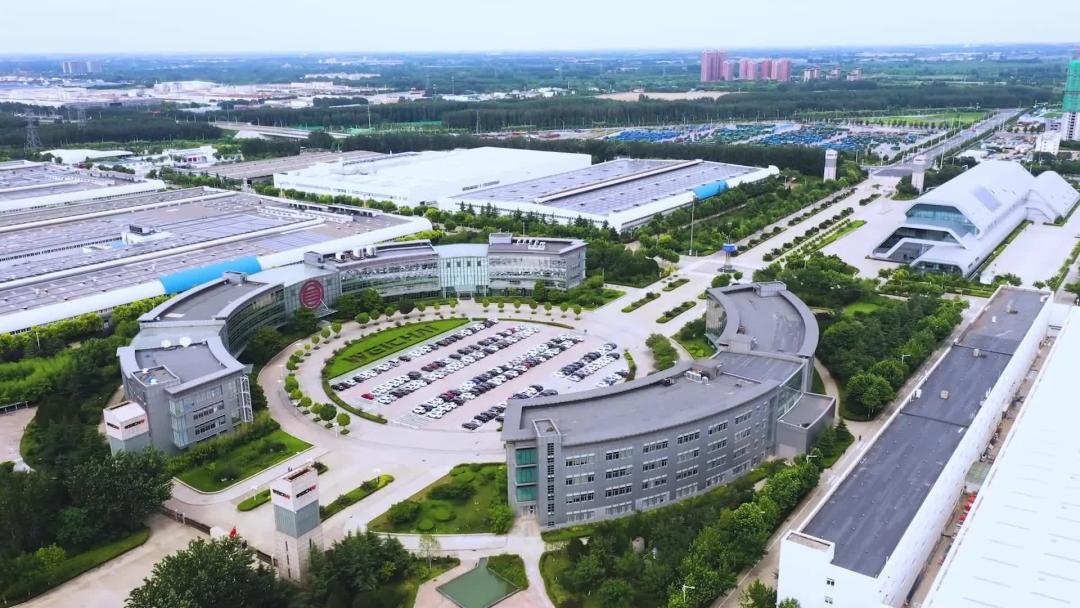
Weifang headquarters park of Weichai
That's why in 2018, when real estate sales repeatedly hit record highs, on the first day of taking charge of Sinotruk Group, Tan Xuguang announced that he would focus on the core business and cut off the real estate business.
After three public listings for transfer, the real estate sector of Sinotruk was finally transferred to Country Garden at a price of 4.8 billion yuan in April 2020, and China National Heavy Duty Truck Group thus completely withdrew from the real estate business.
In addition to being more willing to focus on the manufacturing industry, pragmatic Shandong enterprises treat real estate more as a "tool".
Haier and Hisense both have real estate businesses, but they are more of ecological collaborative industries supporting their own core businesses.
Take Hisense Real Estate as an example, its initial function was to revitalize the idle land of the group and solve the housing problem of employees, serving as the implementation carrier for its own smart building and smart home technologies.
The development path proves that the brand foundation and technical capabilities of Hisense Real Estate (such as smart communities and whole-home intelligence) are essentially an extension of Hisense's manufacturing system.
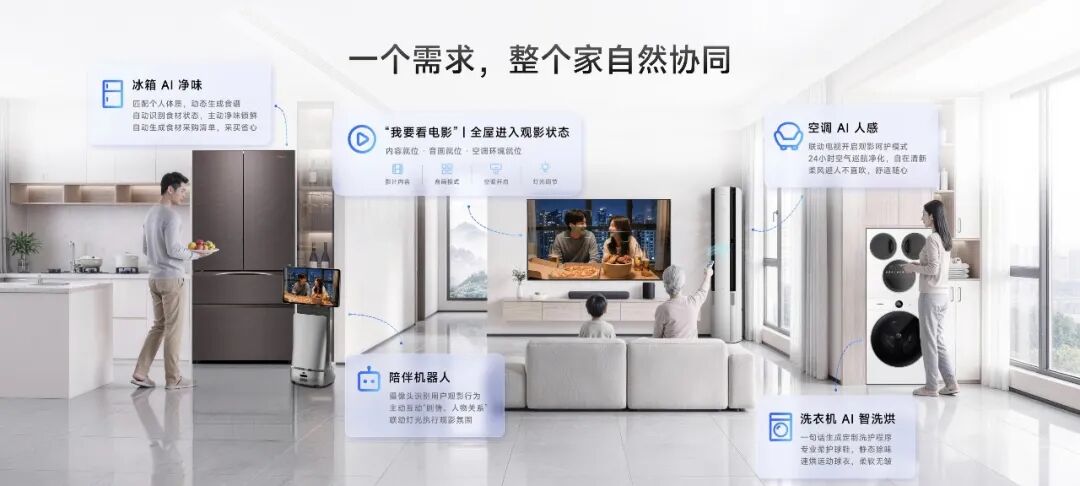
Hisense home smart companion is widely used in Hisense Real Estate projects
The real estate sector under Lushang Group was once a well-known real estate enterprise in the province.
After seeing that the big health industry has better development prospects and is more in line with its core retail business, it decisively transformed its listed real estate platform into a health industry platform in 2019, and completely shifted its focus to the big health industry covering pharmaceuticals and beauty products.
In this light, the absence of large real estate enterprises in Shandong is more like a strategic choice.
It is not "unable to do", but "unwilling to do".
Change and Constancy
The "old-school" Shandong entrepreneurs never seem to follow trends blindly.
Shandong not only has no large-scale real estate enterprises, but also has few internet, artificial intelligence and robotics enterprises that attract high public attention.
This leads to the fact that although Shandong is the third province nationwide to enter the 10-trillion-yuan GDP club, its economy has low discussion volume on the internet and a weak sense of presence.
A weak sense of presence does not mean non-existence.
In fact, in recent years, amid the new and old kinetic energy conversion, Shandong's emerging industries have grown quietly.
In the first three quarters of this year, the added value of industries above designated size in Shandong increased by 7.4% year on year, 2.1 percentage points higher than the national average.
Among them, the equipment manufacturing industry grew by 12%, and the high-tech manufacturing industry grew by 13.1%, which is 1.9 percentage points higher than that of Guangdong.
These figures are supported by various industries.
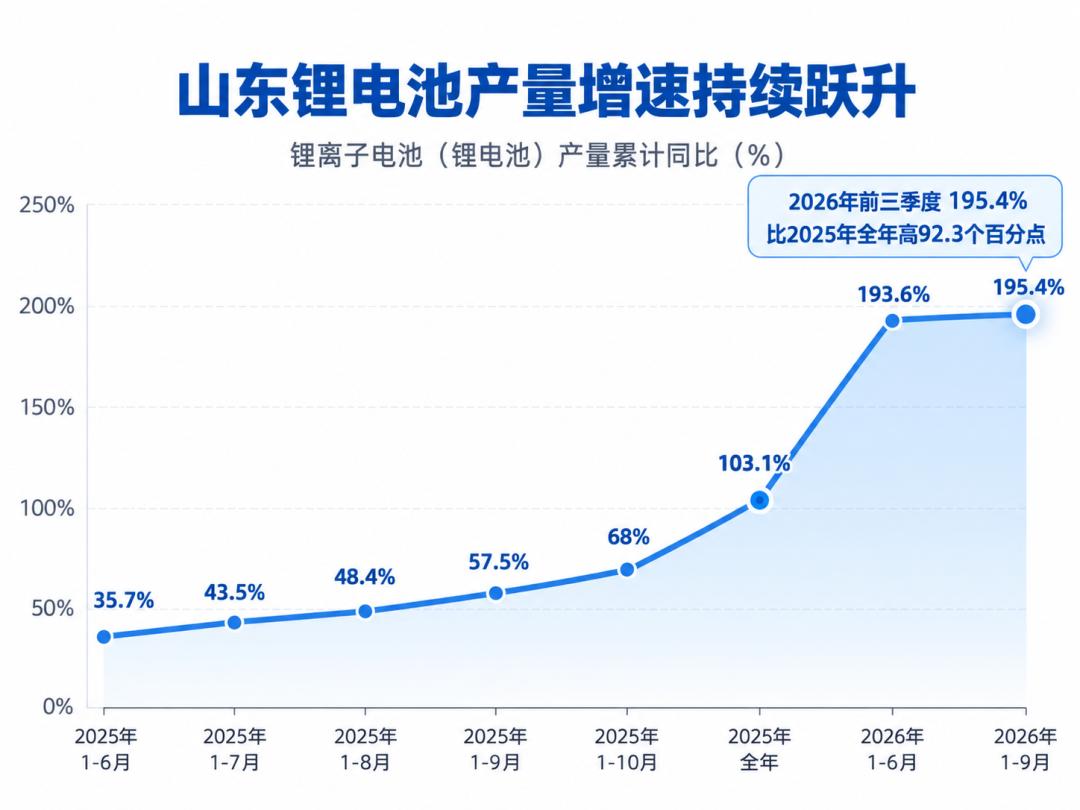
The growth rate of lithium battery output in Shandong continues to rise
The most prominent one is the lithium-ion battery industry. On the basis of the 103.1% output growth rate in 2025, the growth rate in the first three quarters of this year further jumped to 195.4%.
Shandong is the only province in China that can fully supply all four main materials for lithium batteries within its territory. It also ranks first nationwide in installed photovoltaic power generation capacity, covering both the production and demand sides of the industry.
Last year, Li Auto and Sunwoda established a joint venture to produce self-developed power batteries in Shandong.
In September this year, Li Auto established another battery technology company in Zaozhuang, Shandong, focusing on energy recovery system R&D and battery spare parts.
In addition, with CATL continuously laying out its business in 6 cities across Shandong, the total lithium battery production capacity of Shandong exceeded 340GWh in the first half of 2026, accounting for 15.2% of the national total production capacity.
The robotics industry, known as "the pearl on the crown of the manufacturing industry", is also accelerating its development based on Shandong's strong manufacturing foundation.
Last year, the operating revenue of Shandong's robotics industry reached 33 billion yuan, accounting for one-tenth of the national total.
In the first half of this year, the province's robotics industry achieved an operating revenue of 24 billion yuan, a year-on-year increase of 45.5%; the output of industrial robots increased by 72.1%, 44 percentage points higher than the national average.
Little known to the public, 2 out of every 5 collaborative robots in China are "made in Shandong".
Aubo Intelligent, located in Zibo, has ranked first in domestic collaborative robot shipments for 5 consecutive years and second in the world, with a domestic market share of 36.4%.
