The new-style tea drink industry is being forced to "quit sugar" to survive.
New tea beverage brands no longer pursue excessive sweetness, which is driven by four forces: health anxiety, fierce competition in the stock market, mature supply chain and external regulatory norms.
According to survey results, among existing consumers, more than 60% think the current freshly made drinks are too sweet, and nearly half of them have reduced their purchase frequency due to high sugar content.
Meanwhile, the industry growth rate has fallen back to 5%-7%, the dividend of store expansion has peaked, and price wars are intensifying. The ceiling of repurchase for high-sugar products has become very clear.
Fortunately, the supply chain is already very mature: natural sugar substitutes such as erythritol, mogroside, L-arabinose and D-allulose are mass-produced with continuously decreasing costs; technologies of cold brewing and fresh extracted tea soup have been popularized, which can maintain the flavor of tea base even with low sugar content.
Shanghai has launched a pilot program of graded nutrition labeling for beverages, making sugar content an open and transparent indicator.
Under various pressures, after years of exploration, de-sweetening is no longer limited to adding a "sugar-free" option on the menu. Instead, it has evolved into four clear, implementable and progressively deepening transformation paths:
Graded sweetness with calibrated scales, replacement of sweetness sources, reconstruction of flavor structure, and full-link low-sugar transformation.
01
Standardize sugar content parameters,
realize controllable sugar addition
In the past, the sugar content control in tea shops was very arbitrary.
The menu usually only provides five options: full sugar, 70% sugar, 50% sugar, 30% sugar and no sugar. The action of adding sugar depends on the shop assistants' feeling, so the sugar content of the same product varies greatly in different stores and by different service staff.
In addition, the lowest gear usually only reaches 30% sugar, leaving no choice for consumers who want to reduce sugar further.
The first layer of current de-sweetening is to subdivide sugar content grades, quantify the sugar amount per cup, and cancel the default high-sugar option.
The Tea Waterfall brand under Hushang Ayi launched the "10% sugar" option at the beginning of 2026, which means adding an extra 5 grams of sugar per cup. Compared with the original 30% sugar, the sugar content of each cup is reduced by about 60%.
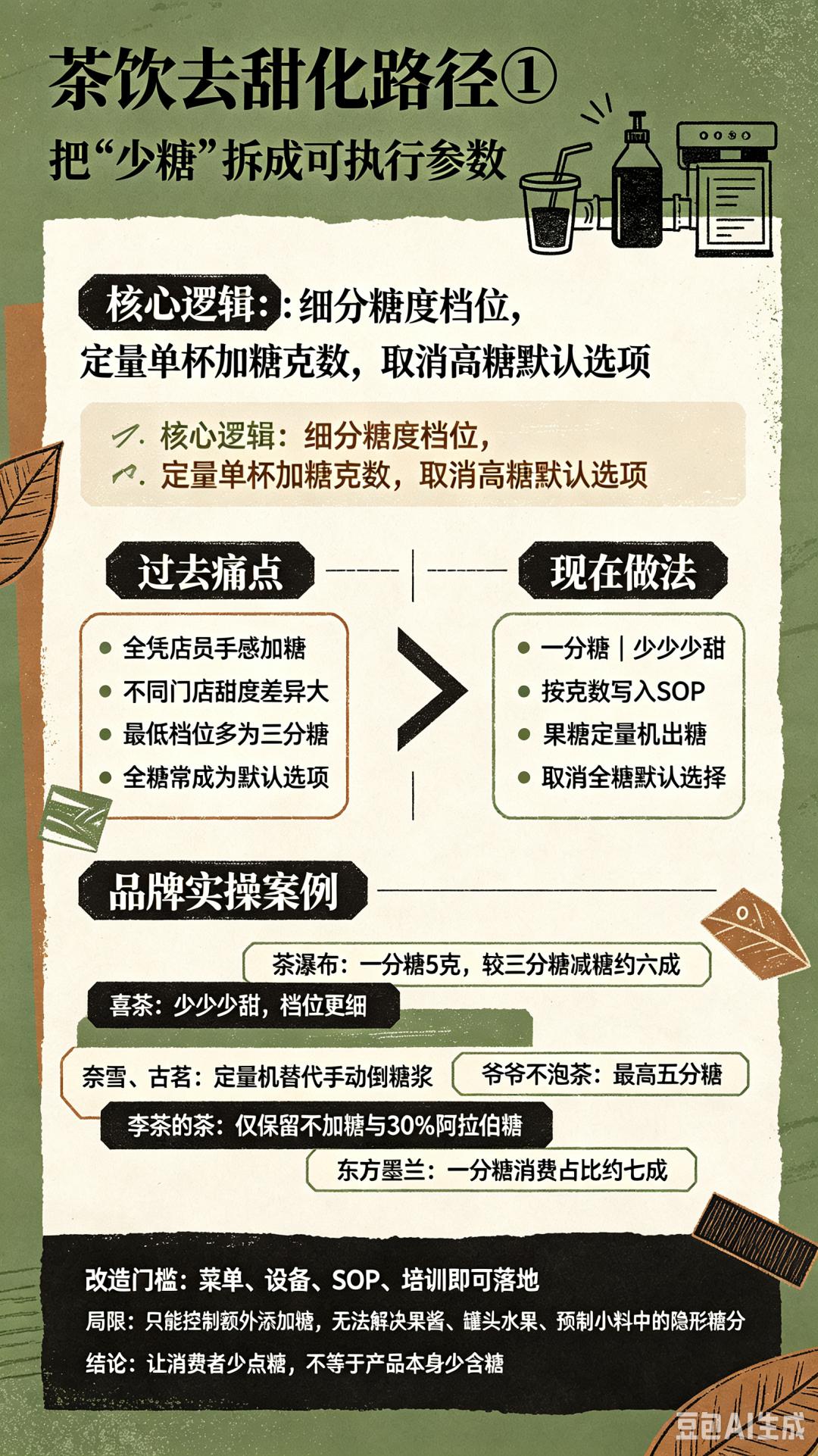
Heytea has always kept the "extra extra low sweetness" option in its ordering system, with more detailed sugar content grades than ordinary menus.
Brands such as Nayuki and Guming have written the sugar amount in grams into the store SOP, and all stores use fructose dosing machines to dispense sugar, and shop assistants are not allowed to pour syrup manually.
The products of Yeye Bu Paocha directly remove the full sugar option, only keeping the maximum 50% sugar;
Li Cha's Tea is more aggressive, most of its products do not have the standard syrup adding path, leaving only two options: "no sugar added" and "30% arabinose".
The modification at this layer is mainly to adjust the menu, equipment and standard operating procedures.
Brands do not need to replace raw materials or re-deploy formulas. By adding an option on the ordering interface, adjusting the syrup equipment in the kitchen, and explaining the sugar content of each grade in the training system, they can provide a reliable choice for consumers who want to control sugar intake.
After implementing the 10% sugar option for a long time, Dongfang Molan saw the consumption proportion of this grade reach 70%, while the proportion of full sugar orders is very small.
One month after Tea Waterfall was launched, about 3% of users would actively choose this grade, but the number of positive reviews on social media far exceeded the proportion of actual orders.
Consumers believe that "being able to choose 10% sugar" is a manifestation of the brand's attention to health demands, so the value of word-of-mouth is higher than the impact brought by short-term sales.
However, there are obvious shortcomings in the calibration of sweetness grades: it can only control "extra added sugar", and cannot control the hidden sugar naturally contained in jams, canned fruits and pre-made ingredients.
A cup of milk tea marked as "sugar-free" may still have excessive total sugar content after adding tapioca pearls soaked in sugar water and pre-modulated jam.
Therefore, the problem to be solved by subdividing grades is to "let consumers order less sugar" rather than "make the product itself contain less sugar". This is one way to reduce sweetness, not the final result.
02
Iteration of sweet raw materials,
reconstruct the sweetness supply system
Going a step further than controlling sugar content is to replace the source of sweetness. Brands no longer struggle with how many grams of sugar to add, but directly change the foundation of sweetness: use freshly squeezed fruit juice, natural sugar substitutes and low-GI syrup to replace high-fructose corn syrup, white granulated sugar and pre-modulated syrup.
The essence of this method is to achieve "reduced sugar without reduced sweetness", that is, to maintain the sweet taste that consumers need while reducing the actual sugar content and calories.
It is carried out in two aspects:
First, replace artificial syrup with the natural sweetness from raw ingredients.
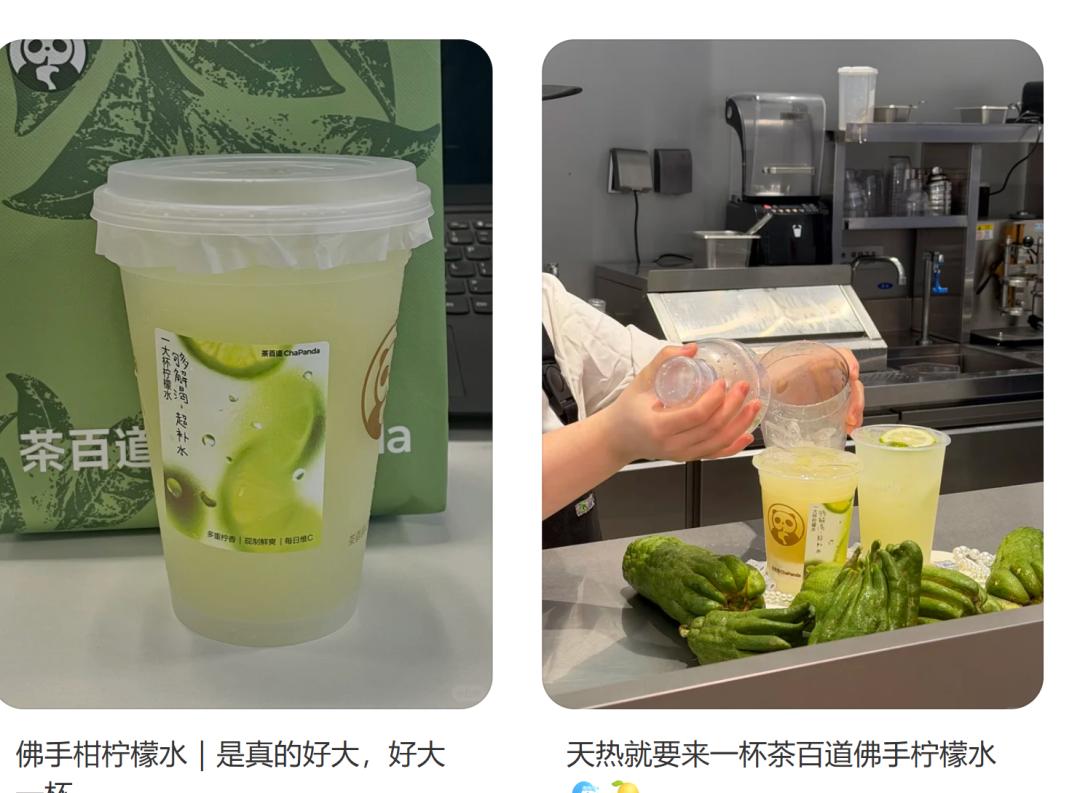
The "No Added Sugar · Nayuki Black Grape" series of Nayuki is a typical example.
The product no longer uses artificial syrup, all sweetness comes from fresh grape pulp and original grape juice, and it is marked as "sugar-free" on the label.
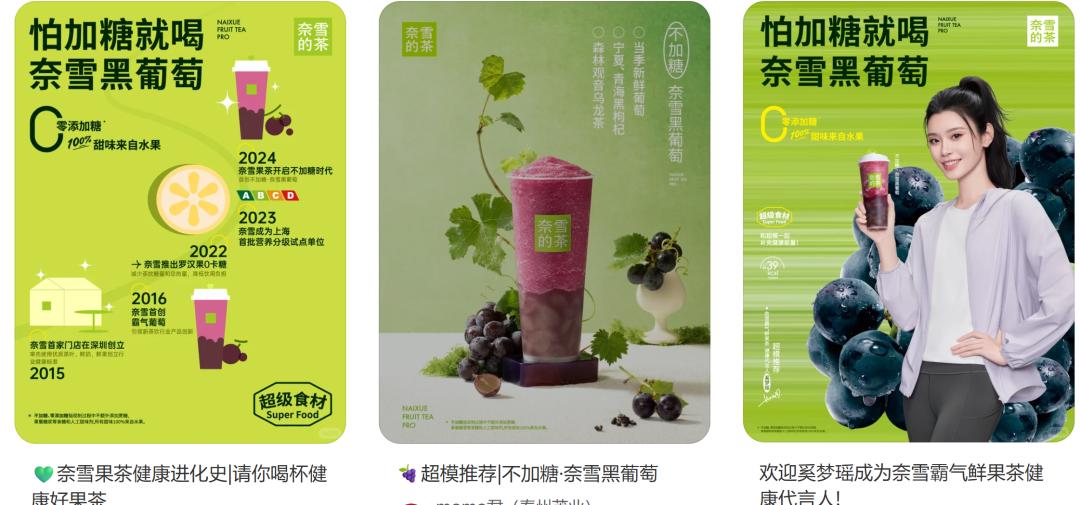
Chabaidao and Hushang Ayi have reduced the use of syrup in lemonade, and use the natural flavor and aftertaste of perfume lemon, bergamot and small green tangerine to maintain the taste.
Mixue Ice City and Yeehoo Tang have also made some improvements in lemonade and fresh fruit tea, replacing part of industrial sweetness with the natural sweetness of fresh fruits.
The advantage is that the ingredient list is very clean, which meets the current consumer demand for "clean eating";
The disadvantage is that the sweetness of natural fruits is very unstable, which puts high requirements on the consistency of supply chain and product output.
Second, replace sucrose with standardized natural compound sugar substitutes.
Heytea launched "Slow Sugar · Grape with Cheese" using low-GI sugar as raw material; Lelé Tea launched the "Slow Release Sugar" series of products, which slow down the rise of blood sugar by compounding natural sugar substitutes;
The "0-calorie sugar" of Guming contains ingredients such as erythritol, L-arabinose and steviol glycosides;
Niuchafang launched the "low-GI rock sugar syrup", which mixes rock sugar, sucrose and arabinose to reduce the GI value
In the early stage, brands only used erythritol alone, which tastes sweet at the entrance but quickly turns bitter, and consumers describe it as "artificial sweetness".
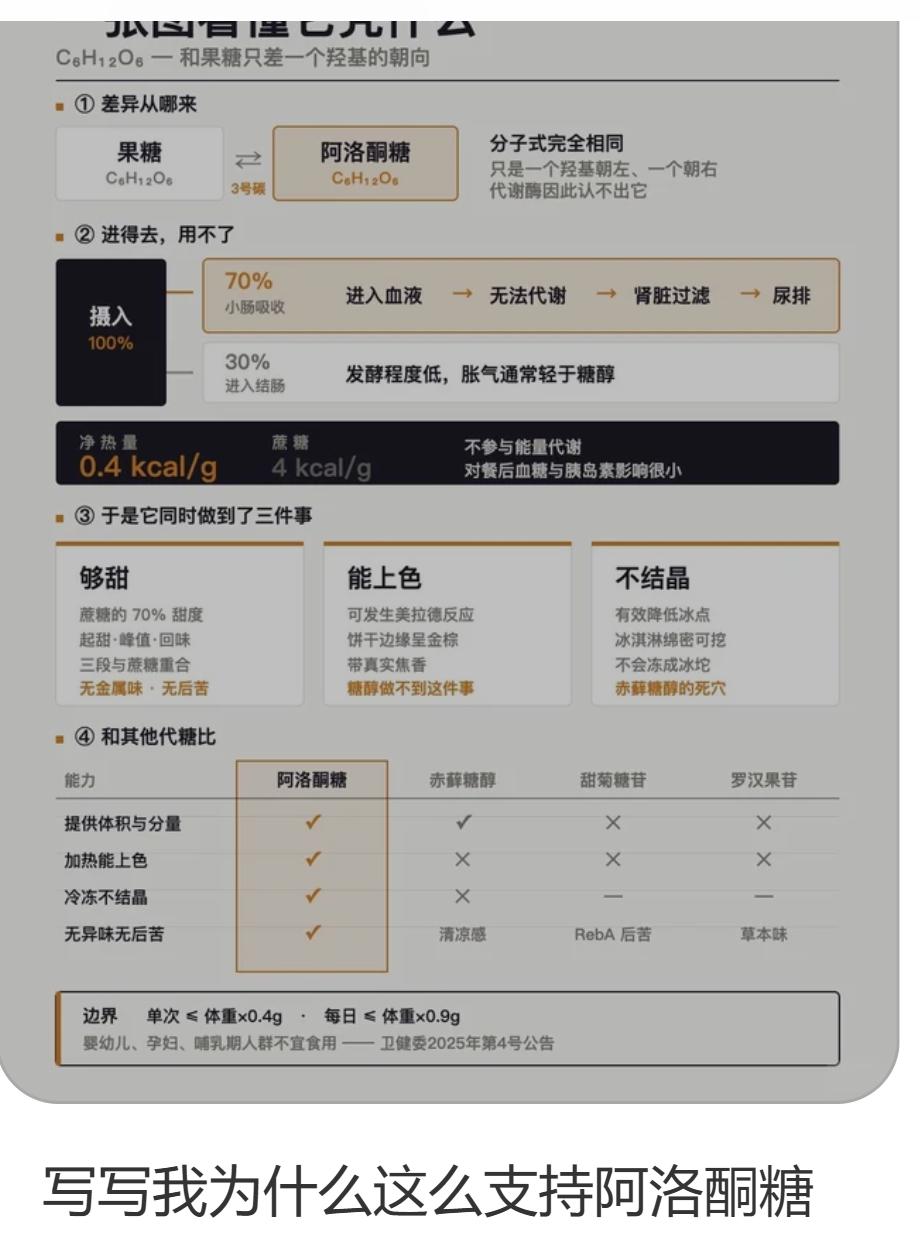
At present, most of the supply chains use compound sugar substitutes, erythritol provides the basic sweetness, mogrosides or steviol glycosides increase the sweetness layers, L-arabinose inhibits sucrose absorption, and D-allulose mimics the taste of sucrose.
After D-allulose was approved for listing in 2025, its sweetness can reach 70% of that of sucrose, avoiding the cooling sensation of erythritol and the bitter taste of steviol glycosides, and it is gradually becoming a new choice for high-end products.
The cost of this approach is higher than that of industrial syrup, but lower than the full-link transformation, and it is also the main way for chain brands to reduce sugar content at present.
It really reduces sugar content and calories in the formula, not just giving consumers a psychological choice.
However, sugar substitutes still have shortcomings in flavor, and some consumers will have subjective rejection of sugar substitutes, thinking that they are "artificially sweet", "bitter aftertaste", "too sweet but not tasty".
Therefore, the replacement of sweetness sources cannot exist alone, and needs to be adjusted together with the proportion of tea base, fruit and milk base. Otherwise, the taste will collapse after sugar reduction, and the product will change from "high sugar and delicious" to "low sugar and unpalatable".
03
Shift the main flavor axis,
weaken the dominant position of sweetness
The first two paths are subtraction within the category of "sweetness", while the third path is to dismantle the "sweetness-dominated" product structure.
The traditional logic of milk tea is "sweet base + tea base + ingredients", tea and ingredients are dependent on sugar. Without enough sugar, the product will taste bitter and bland.
De-sweetening has entered the deep-water zone, and brands have begun to operate in reverse: first select the tea base and flavor axis, then use sweetness for auxiliary purposes. Sweetness no longer serves to cover up shortcomings, but becomes a part of the overall flavor.
1. The dominance of original tea aroma is the first direction that has been successfully implemented.
Ba Wang Cha Ji uses high-aroma original leaf tea as the base, teas such as Longjing, Fenghuang Dancong and Gardenia Maofeng have natural aftertaste and fragrance, the sweetness of the products is generally low, and many consumers will actively choose 30% sugar, micro sugar or no sugar, and will not feel the taste is bland.
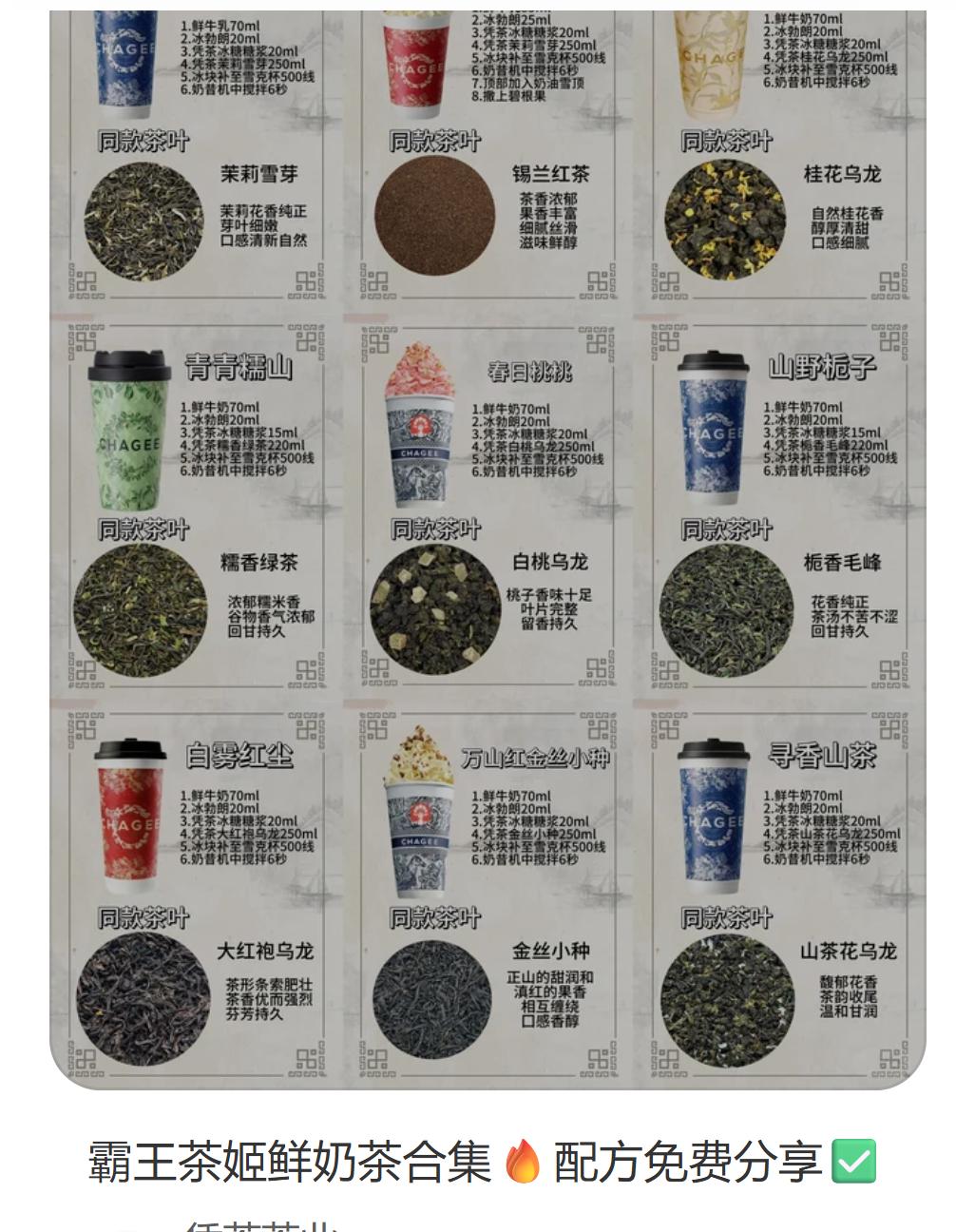
Heytea has launched 11 customized tea bases such as Suiyinzi, Jinyun Oolong and Gardenia Maofeng in the past year, redefining products centered on tea aroma, no longer determining the flavor first and then selecting the tea base, but matching fruits, milk bases or spices according to the tea soup.
The great popularity of the special tea series means that the tea base has changed from a supporting role to the leading role, and sweetness has changed from a necessity to an optional choice.
2. Salty aroma replaces cloying sweetness, which is a more differentiated choice.
Heytea launched "Sauce Aroma Butter Suiyinzi" and "Boletus Suiyinzi", using Yunnan sweet soy sauce, butter milk, and boletus white sauce to create a salty and umami taste, which was once sold out in some stores;
Guming launched "Hongyan Salty Milk Tea", using salty aroma to replace cloying sweetness; Luckin Coffee took Mongolian pot tea as inspiration, used fried rice and milk skin flavored milk base to make salty milk tea, priced at 10.9 yuan; Chabaidao's "Palace Salty Cheese" and "Qianmu Salty Cheese" sold more than 1 million cups within ten days after launch.
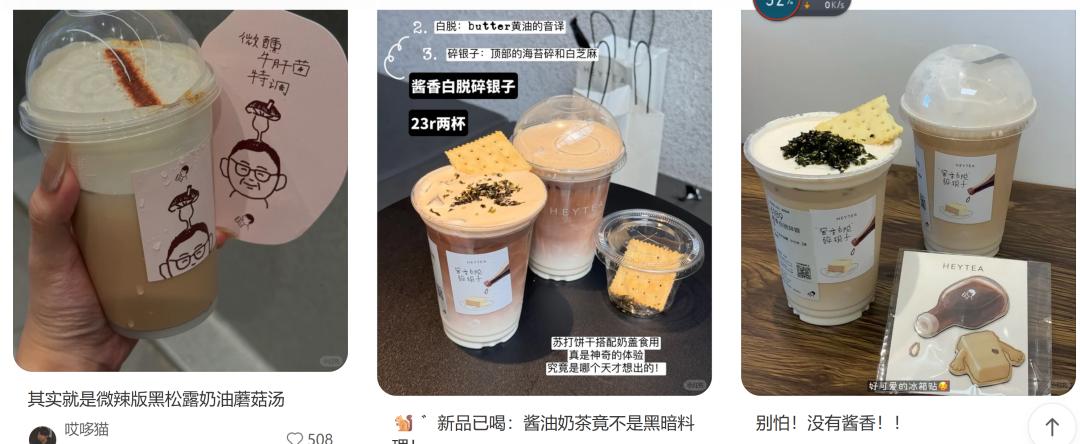
Even in sugar-free or low-sugar state, these products still have strong taste, because saltiness and umami themselves have the effect of covering bitterness, increasing mellow texture, and can reduce the demand for sugar.
3. The premiumization of natural fruit acid and herbal bitter taste expands the boundary of low-sugar categories.
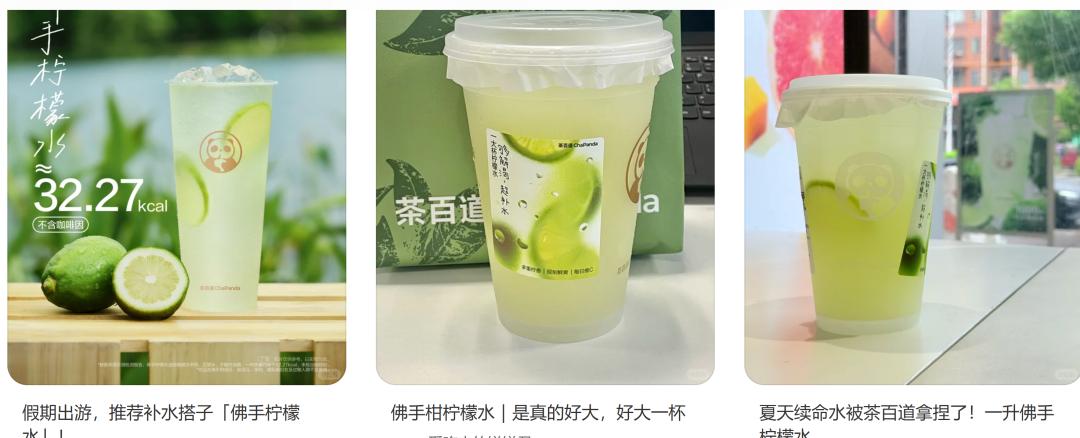
The rework of lemonade category this year is concentrated on the bergamot lemonade of Chabaidao, which sold nearly 200,000 cups on the first day, advertised as "no tea base, no caffeine", with only 32.27 kcal per cup, relying on the natural fruit acid and fresh fragrance of bergamot and perfume lemon to form a memory point;
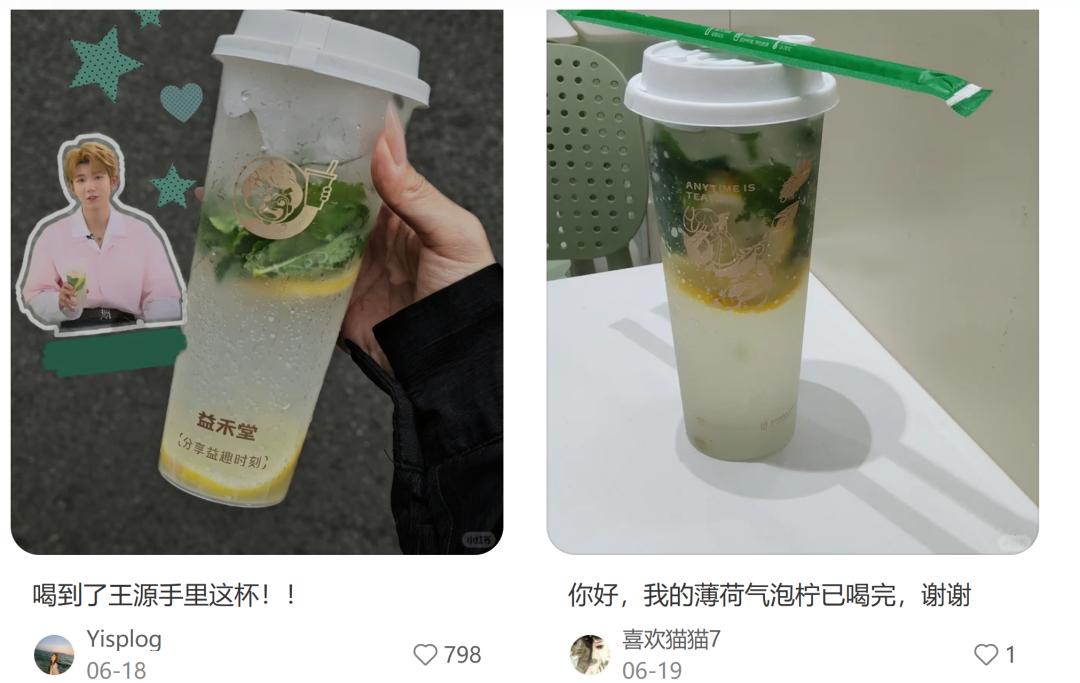
Yeehoo Tang's "Mint Sparkling Lemon" uses sparkling water and spearmint to create an icy and stimulating feeling, known as "0-alcohol version of Mojito";
A Yogurt Cow uses Guizhou white sour soup glutinous rice fermentation liquid to replace the water base, achieving 50% sugar reduction.
The outbreak of matcha products also follows the trend of "premium bitter taste". Products such as Heytea's Triple Thick Matcha and Ba Wang Cha Ji's A Mountain Moon, the slight bitter taste with aftertaste is