Why do some people not take advantage of the "zero-yuan purchase" offer from Ba Wang Cha Ji?
The pace of new product launches is accelerating, but is the direction truly correct?
Mixue's sister brand Bawangchaji suffered a zero-yuan purchase glitch, so why are some netizens not taking advantage of the deal?
The answer seems to lie in this: the glitch-affected Fresh Brewed Mountain Tea series drinks did not suit some people's tastes.
At the same time, beyond the Fresh Brewed Mountain Tea series, other drinks such as Glutinous Rice Green Tea, Cloud Stream Wanderer, Pineapple Shake, and Green Plum Shake have also delivered unexpected unpleasant taste surprises to some consumers due to flavor-related issues.
Bawangchaji's new products are prone to quality missteps, which seems related to its excessively fast launch pace. Yet just over half a year ago, Bawangchaji was still a relatively laid-back player in new product development.
Bawangchaji's sudden acceleration in product innovation appears to stem from the double blow to its performance and market valuation, forcing it to rely on various new products to continue attracting consumers.
However, in today's ready-to-drink tea industry, product innovation has long hit a bottleneck; against this backdrop, some new tea brands are frantically rolling out co-branded drinks, while others are letting consumers step in to DIY their own beverages.
Facing the ever-intensifying industry involution, while Bawangchaji speeds up new product launches, how should it properly steer its development direction?
What Flavors Do the New Products Actually Have?
Not long ago, Bawangchaji's mini-program in the Hubei region incorrectly set the price of the Fresh Brewed Mountain Tea series, originally priced at 9.9 yuan, to 0 yuan.
This sparked wild excitement among bargain hunters: some netizens maxed out their order quantities, placing huge orders for the upper limit of 999 cups; other netizens from out of town even drove all the way to Hubei just to taste free Bawangchaji drinks.
The frantic behavior of some netizens put immense pressure on Bawangchaji's stores, with some outlets receiving over 60,000 orders, which would take 300 hours to fulfill in full.
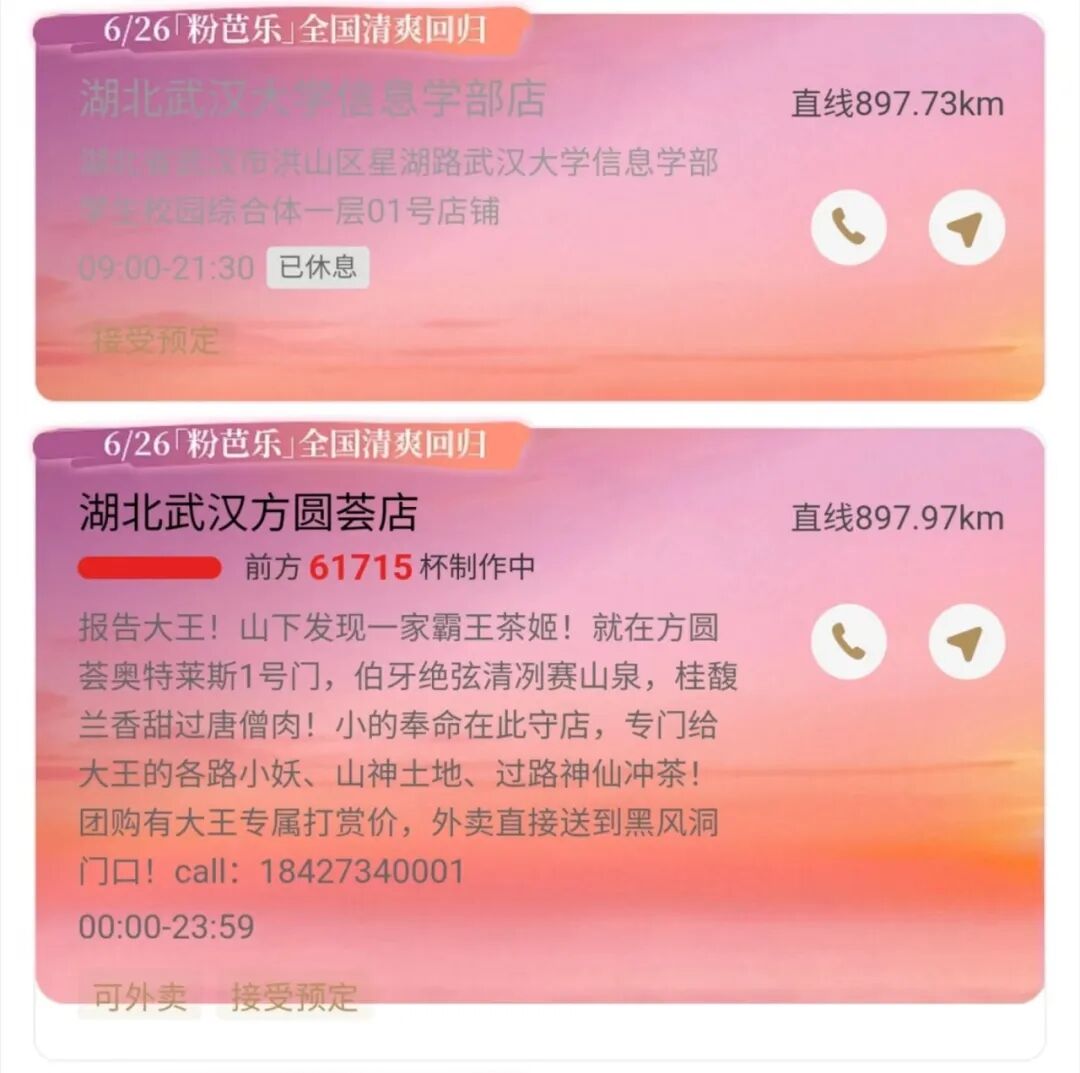
In response to this careless mistake, Bawangchaji issued an urgent public apology: canceling all the erroneous orders placed that day, and distributing three 0.01-yuan redemption coupons for the Fresh Brewed Mountain Tea series to affected consumers.
This pricing error caused massive losses for Bawangchaji, yet some well-informed netizens remained uninterested in the zero-yuan deal — not out of high moral standards, but simply because these drinks did not taste good.
Judging from the drink names, Bawangchaji's Fresh Brewed Mountain Tea series are pure teas with no added milk or toppings. As a result, young people who are used to Bawangchaji's signature teas like Boya Jue Xian and Wanli Mulan will likely find this mature, plain taste very unsatisfying.
Apart from the Fresh Brewed Mountain Tea series, Bawangchaji has launched many other new product categories, but some consumers have also encountered unpleasant surprises after trying them.
After communicating with multiple consumers, I found that the Bawangchaji drinks most likely to disappoint people are mainly the following selections:
As a signature category of Bawangchaji, the Glutinous Rice Green Tea drink in the Fresh Milk Tea with Whole Tea Leaves series delivers a normal milk tea taste at first sip, but the moment your tongue tries to savor the flavor carefully, you are met with a taste reminiscent of puppy paws.
The sour and astringent flavor produced by small animals' unwashed, fermented feet will burst in your throat in an unavoidable way, directly hitting the top of your head.
Meanwhile, the twin stars Pineapple Shake and Green Plum Shake: the former carries a beer-like flavor similar to pineapple beer, with a faint sour taste and a hint of traditional Chinese medicine Banlangen; the latter's beer flavor completely overpowers the green plum taste, making it taste like a sweeter version of the classic kvass drink.
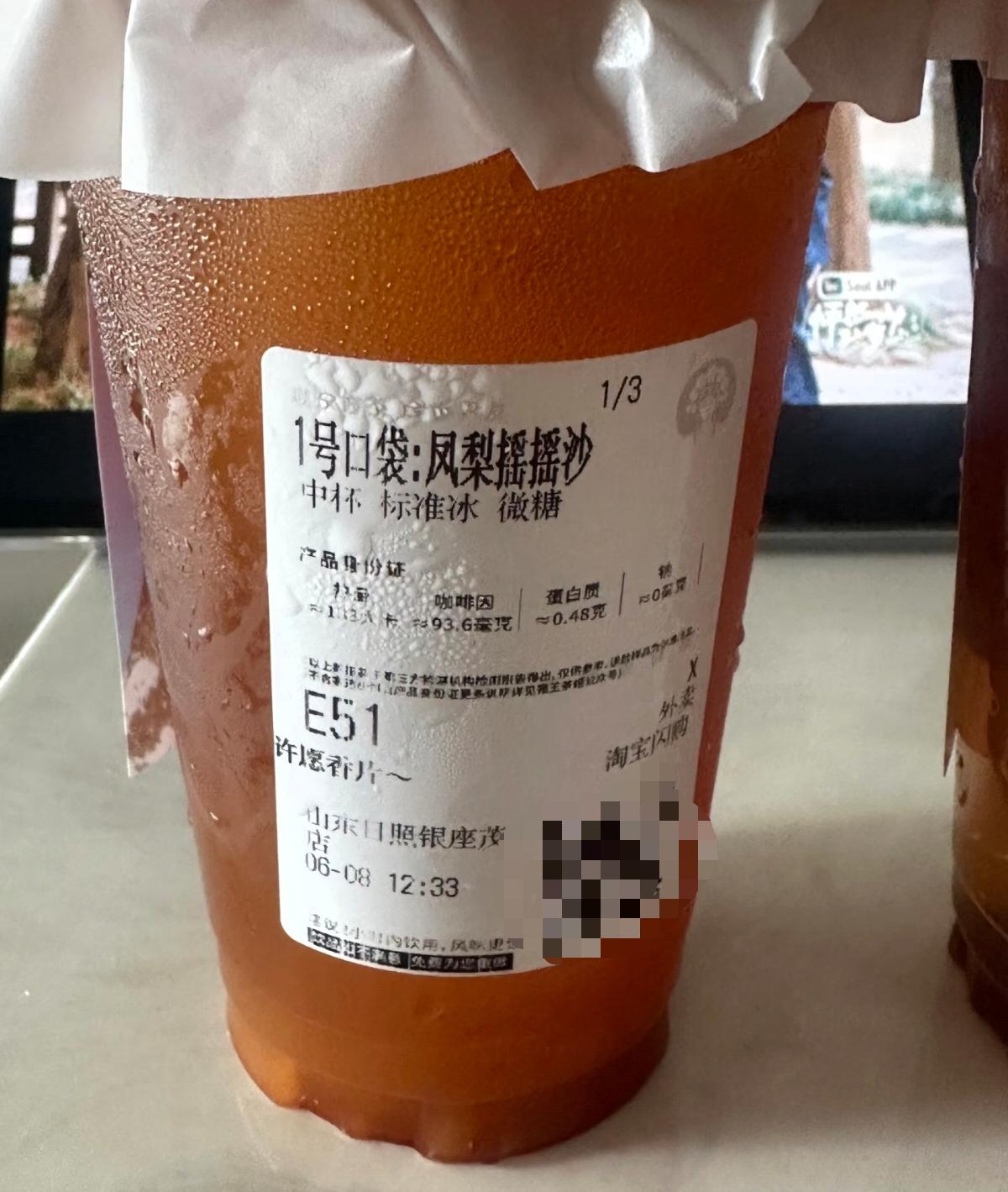
On the other hand, in Bawangchaji's Light Tea series, Cloud Stream Wanderer tastes like corn silk water, and some critical consumers even describe it as dishwashing water.
Furthermore, the discontinued Golden Wu Floating Cloud drink, with its distinct herbal medicine flavor, also triggered strong associations among some consumers: as a slightly bitter milk tea, some office workers who drank it felt that their own lives had become more bitter.
Product Launch Pace Has Been Accelerated
While taste in ready-to-drink tea varies from person to person, the aforementioned Bawangchaji drinks have become major targets of consumer complaints. From the perspective of production processes and ingredients, where exactly did things go wrong?
Regarding this, Xiao Yu, a Bawangchaji store employee, told our reporter: "The tea base for Glutinous Rice Green Tea uses Longzhu green tea, which has a natural glutinous rice aroma. Some people can't accept it on their first try, but they get used to it after drinking it more often."
As for the herbal flavor in Golden Wu Floating Cloud, Xiao Yu explained: "This drink uses green tangerine peel tea as the base, and cassia seeds are added to steep together with the tea."
Meanwhile, addressing the Pineapple Shake and Green Plum Shake, store employee Lily told our reporter: "Both of these drinks contain hops, so they have a beer-like taste, but they do not contain any alcohol."
The fundamental reason why some of Bawangchaji's new products may disappoint consumers seems to be that in product development, it is using the strategy of constant rapid launches and fast iterations to filter out high-quality drinks.
At the end of 2025, Bawangchaji upgraded its floral-scented version of Boya Jue Xian, and launched the new Gui Yunnan series of drinks; in early 2026, it rolled out 10 new products including Da Hong Pao tea and matcha flavored drinks.
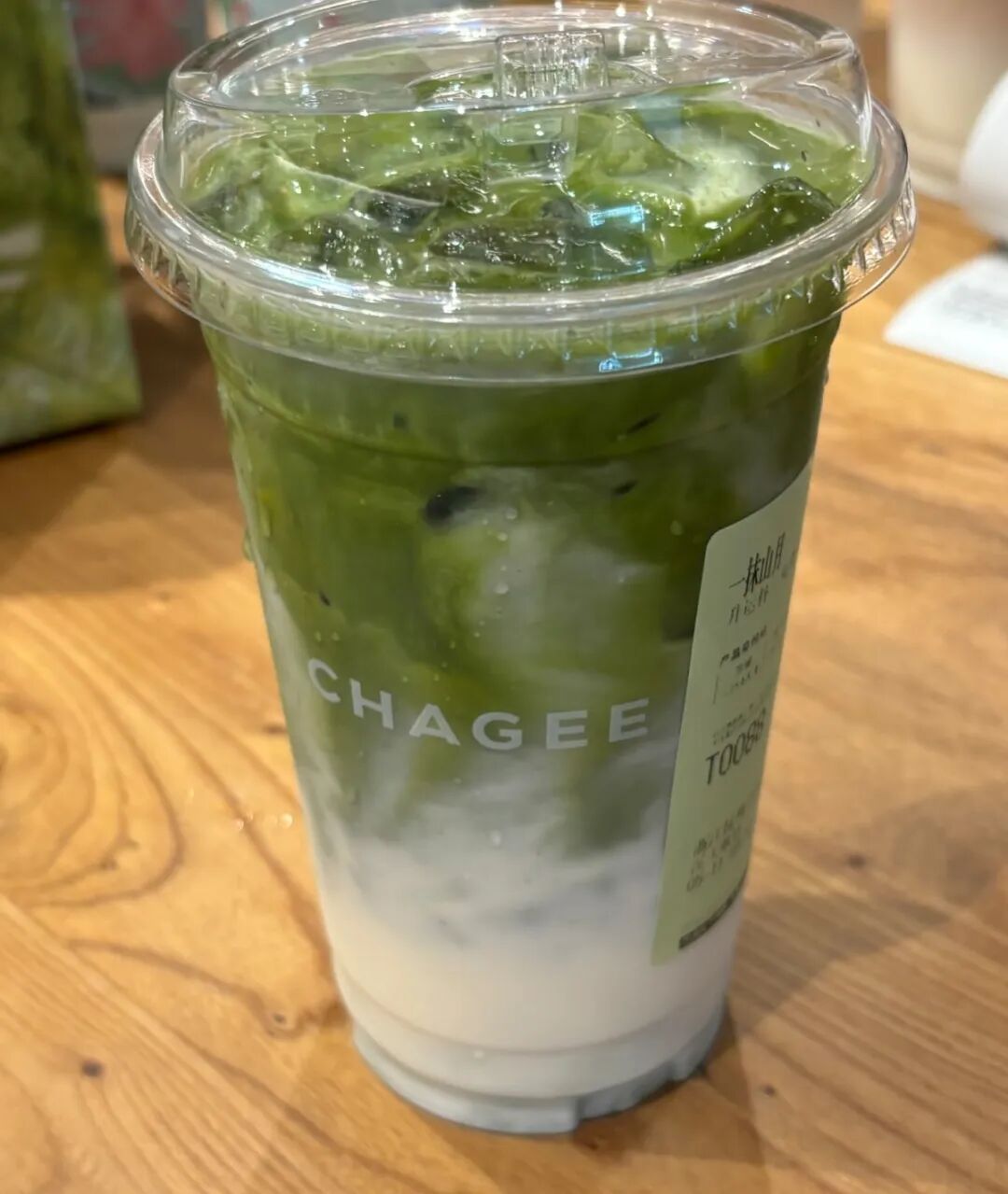
Among them, the Gui Yunnan series achieved a 51% wake-up rate for dormant members, meaning that for every two members who purchased this series, one was an old user who had not made a purchase in the past month.
Recently, Bawangchaji has also launched ice cream products in some of its stores. Classic milk teas such as Boya Jue Xian and Yimashanyue have been made into ice cream form, with a single scoop priced at 18 yuan, matching the price of a regular drink.
The rapid new product launches at the product level seem to have put huge pressure on Bawangchaji's R&D department, which has also led to a continuous stream of oddly flavored drinks.
At the same time, the reason why Bawangchaji is in a hurry to launch new products now seems to be that its launch speed was far too slow for a long period previously.
In the first half of 2025, Bawangchaji only launched 4 new drinks; while competing brands such as Guming, Chabaidao, and Hushang Aunty launched 32, 37, and 45 new products respectively.
For the full year of 2025, Bawangchaji only launched 8 new drinks, two of which were modified versions of its signature bestseller Boya Jue Xian.
Has Drink Innovation Reached Its Limit?
Perhaps it is precisely because of criticism from many consumers that Bawangchaji, which had previously been almost stagnant, started to accelerate its drink R&D pace; but this change seems to have shaken its past business foundation.
Different from many ready-to-drink tea brands, Bawangchaji has always adhered to the single bestseller product strategy, with its core hit product Boya Jue Xian once accounting for 50% of its total sales volume.
For a very long time in the past, although Bawangchaji would launch new products from time to time, it strictly controlled the total number of drinks available in its stores, keeping the menu at around 20 items.
This strategy of Bawangchaji allows it to keep raw material procurement and manual production costs well under control on the production side, while on the consumer side, it ensures that customers can always access carefully selected quality products.
However, as the involution in the ready-to-drink tea industry intensifies, Bawangchaji's past business model seems to have become somewhat outdated.
Financial reports show that in the first quarter of 2026, Bawangchaji recorded revenue of 3.546 billion yuan, a year-on-year increase of 4.52%; its net profit reached 450 million yuan, a year-on-year decline of 33.66%. This marks its fourth consecutive quarter of year-on-year net profit decline.
From the perspective of the capital market, since Bawangchaji went public in April 2025, its stock price has generally been on a downward trend. Its current market value is approximately 2.1 billion US dollars, having dropped by nearly two-thirds from its peak.
The simultaneous decline in net profit and stock price forced Bawangchaji to take countermeasures, but its rapid new product launches so far have yielded very limited results.
The 2026 Q1 financial report shows that Bawangchaji had a total of 6,741 franchised stores, 97 fewer than the previous quarter; its China market GMV in the quarter was 7.491 billion yuan, with same-store GMV dropping 16.1% year-on-year.
The reduction in the number of franchised stores seems related to the high operating costs of Bawangchaji's outlets. Unlike most ready-to-drink tea brands, Bawangchaji's stores are generally characterized by large floor areas and prime locations, serving as traditional Chinese-style "third spaces" in cities.
But recently, Bawangchaji has also started to test open small stores of less than 100 square meters in cities like Hangzhou, using this lower-cost model to expand its brand footprint rapidly.
From Bawangchaji's performance figures, we can clearly see that in today's ready-to-drink tea industry, product innovation has seemingly hit a clear bottleneck.
As a result, many brands have begun to explore new business approaches. The most common form is to launch co-branded products with well-known intellectual properties.
For example, after Jasmine White Milk Tea launched a collaboration with the popular otome game "Love and Deep Space", the co-branded drinks sold 5 million cups in 7 days, and related topics topped trending lists on multiple platforms; meanwhile, Ningji, through its collaborations with Junji Ito and the horror game "Paper Bride", successfully captured the hearts of many horror genre enthusiasts.
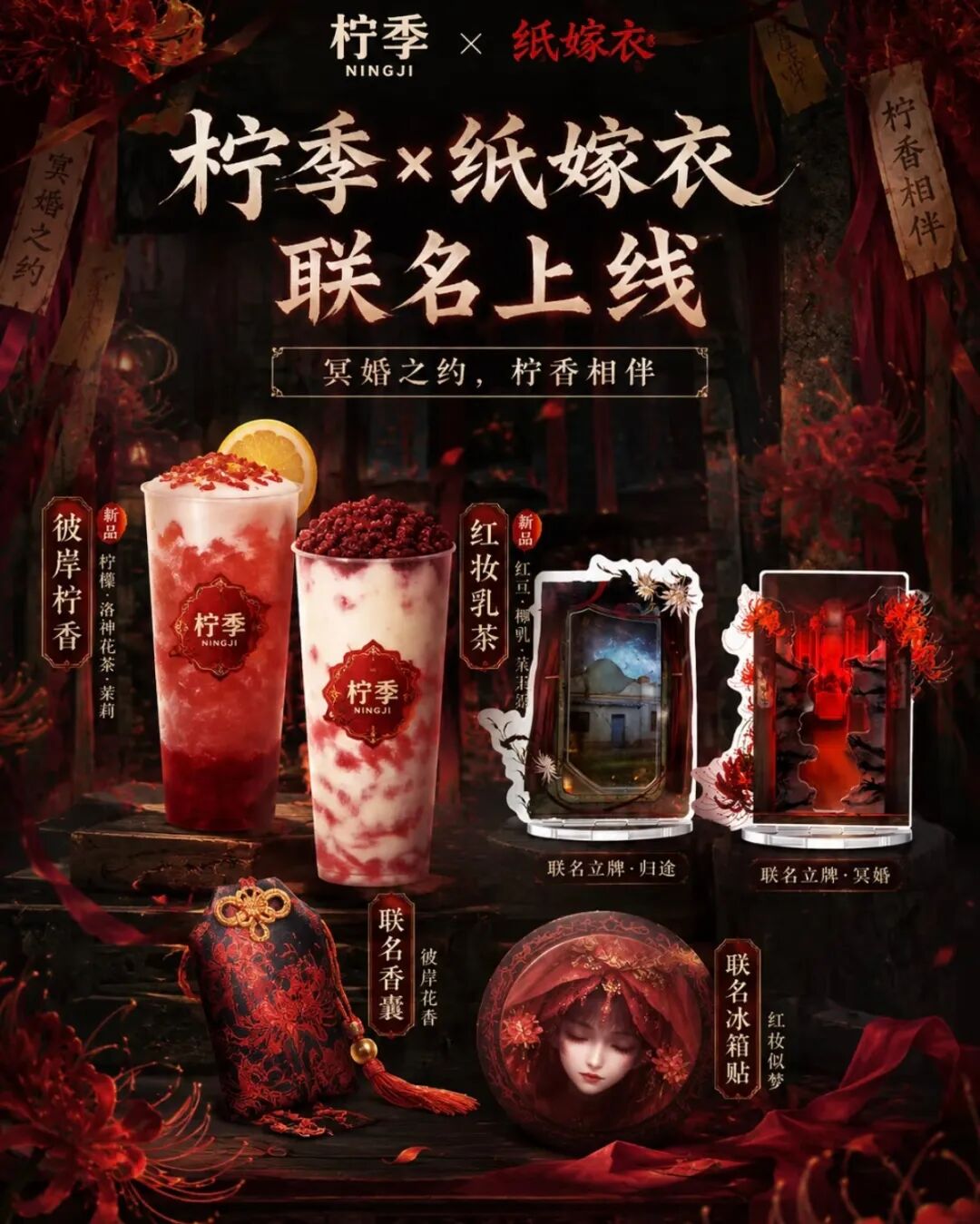
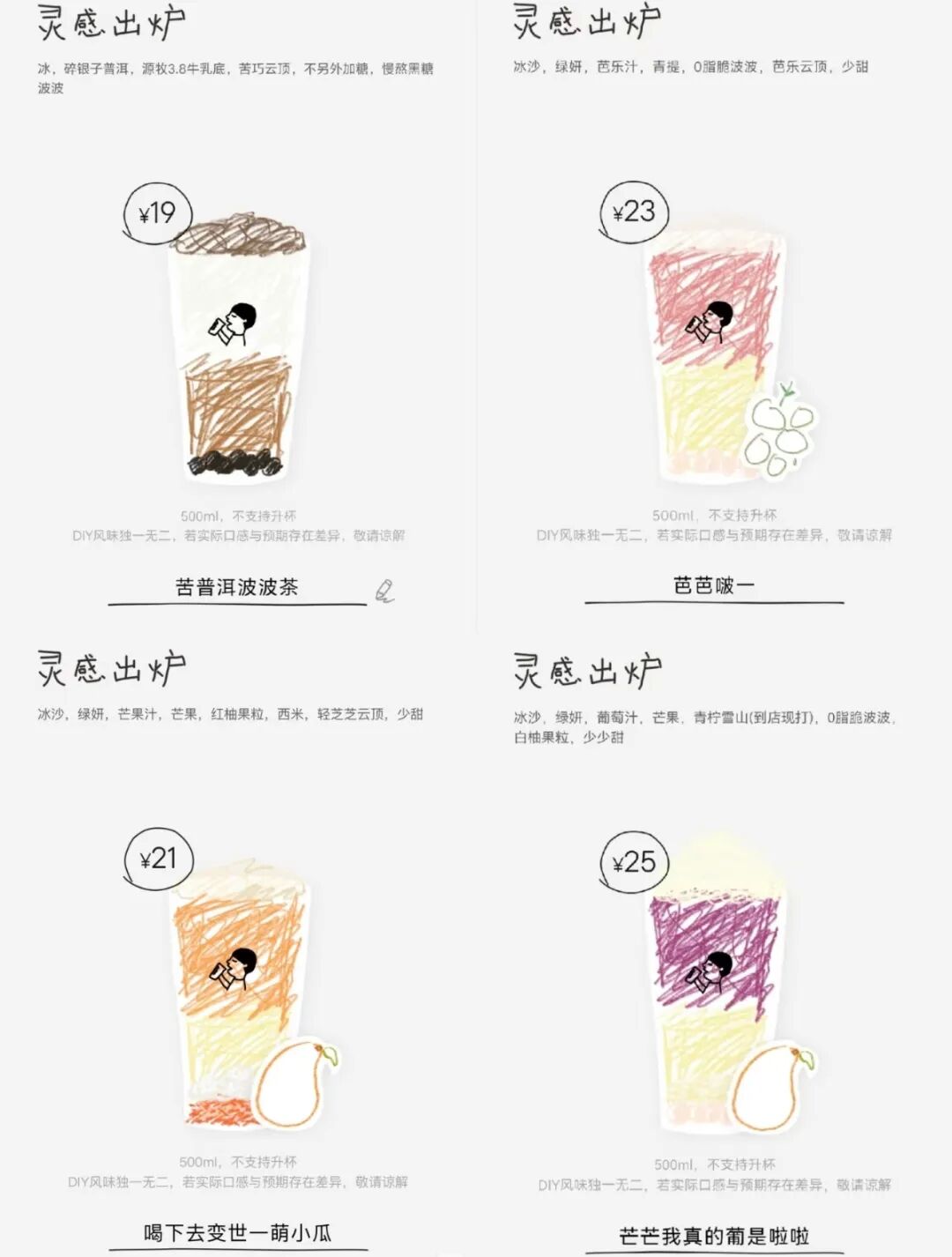
On the other hand, Heytea chose to break new ground in drink preparation by launching a DIY drink program, allowing consumers to select their favorite ingredients online to create their own unique customized beverages.
It is clear that against the backdrop of widespread involution in the ready-to-drink tea industry, simply racking one's brains to develop new products will not necessarily drive brand growth; after restarting its acceleration pace, Bawangchaji still needs to carefully consider the correct direction for its brand development.
This article is from the WeChat public account "Zinc Consumption Research Center", authored by Pan Ge, and published with authorization from 36Kr.