With limited domestic growth, LPL and LCK have started to expand overseas.
Beyond the Asian Games and championships, the keyword for the 2026 League of Legends esports events is probably "going global."
As early as March this year, the LCK CUP finals were held in Hong Kong, China. This was the first time in the history of the LCK league that the finals were held overseas.
Park Won-young, the head of business development and partnerships in the Asia-Pacific region at Riot Games, said in an interview, "Although the LCK is centered in South Korea and has many South Korean corporate sponsors, by analyzing the viewing times in various regions and the cultural acceptance of the content, now is the right time for the LCK to expand into the Asia-Pacific region."
Major teams and star players have responded one after another. In 2025, Team KRX (formerly DRX) promoted the Vietnamese AD player LazyFeel to the starting lineup of the first team and quickly launched his personal merchandise. This year, KRX even held two home games in Hanoi, Vietnam, facing off against star teams HLE and GenG. In early May, Gumayusi, a popular player who had just won three championships, also announced that he would hold a personal fan meeting in Taipei City.
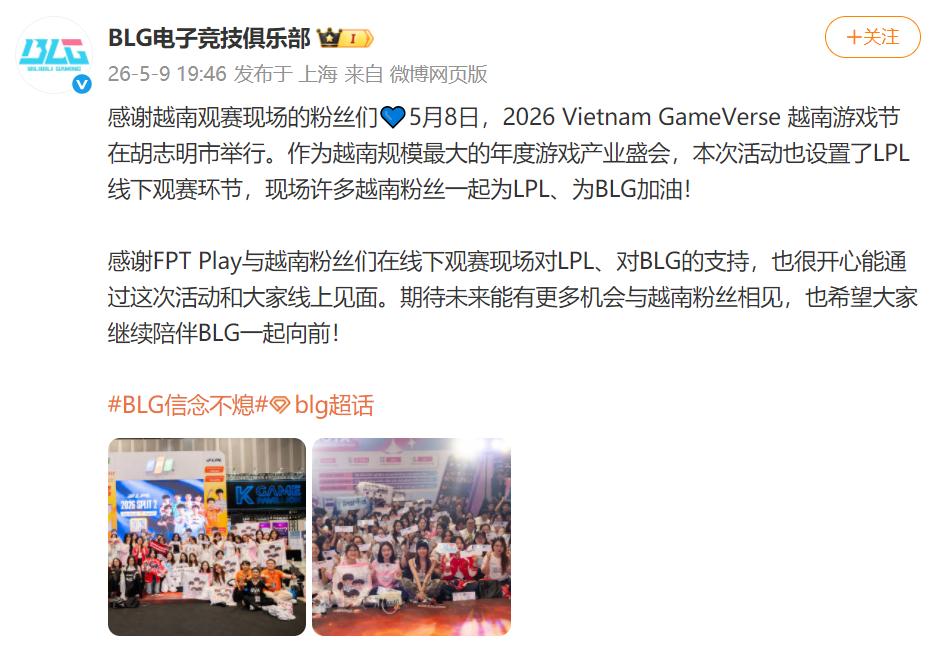
Benefiting from the large domestic market base, the LPL has been relatively more reserved in its actions. However, BLG, which just won the second stage of the regular season, also posted on Weibo in early May, specifically thanking the fans at the viewing sites in Vietnam for their support. The addition of the South Korean AD player Viper and the championship in the 2025 Pioneer Tournament have significantly increased BLG's popularity outside its home region.
Small markets such as Southeast Asia and Taiwan, China, which once had mature local esports scenes and esports stars, have seen their tournaments merged due to the decline in overall competitiveness in recent years and the cost - cutting strategies of game manufacturers. It has become increasingly difficult for them to meet the needs of local audiences.
As the saying goes, "People strive for better, and water flows downhill." Whether it's people or water, large markets hope to absorb everything. HongQ, a rising star from Taiwan, China, has performed outstandingly for JDG this season and is expected to be a key force in the LPL's pursuit of global honors this year. Correspondingly, with their domestic markets reaching saturation, the star teams of the LPL and LCK are also starting to see the esports audiences in Southeast Asia and Taiwan, China, as one of the few sources of incremental growth.
For the esports industry, a lack of sufficient revenue is more fatal than a lack of good results.
The "League of the Disappointed" from the LCP Region
At the 2012 League of Legends World Championship, Team TPA from Taiwan, China, lifted the prestigious World Championship trophy.
TPA's championship was of milestone significance. It triggered a League of Legends craze in Taiwan, China, and inspired a group of teenagers with esports dreams to enter the professional esports scene. SwordArt, the runner - up support at the 2020 World Championship, once said in an interview that it was TPA's success that made him determined to pursue a career in esports.
Since the 1960s, Taiwan, China, with its rapidly developing economy, was once known as one of the "Four Asian Tigers" along with Hong Kong, China, South Korea, and Singapore. The core of their development was labor - intensive processing industries, especially the processing of electronic hardware. After the era of large - scale contract manufacturing, Taiwan, China, gradually began to develop its own electronics industry. Coinciding with the wave of computer hardware development in the 1980s and 1990s, computer hardware brands such as ASUS, Cooler Master, and Acer quickly captured the market.
The prosperity of computer hardware manufacturers gave the fledgling esports industry in Taiwan, China, its initial "confidence." Teams such as Orange eSports, AHQ, and Flash Wolves all had outstanding performances at the World Championships at that time. In 2015, Riot split the Hong Kong, Macau, and Taiwan region from the original GPL (Southeast Asian Professional League) and established the LMS region.
However, in the two years after the establishment of the region, the LMS teams failed to deliver outstanding results at the World Championships. Only in the 2015 World Championship did an LMS team reach the quarter - finals. In the following three World Championships, even the dominant Flash Wolves in the LMS had great difficulty advancing from the group stage.
Meanwhile, with the rapid development of the Internet and computer industries in mainland China, the market share of hardware manufacturers in Taiwan, China, significantly decreased. The reduction in the upstream industry inevitably affected the investment budget for the esports industry. After IG won the 2018 World Championship, the LPL region attracted a large amount of capital, which lured many esports players from Taiwan, China, to seek jobs on the mainland.
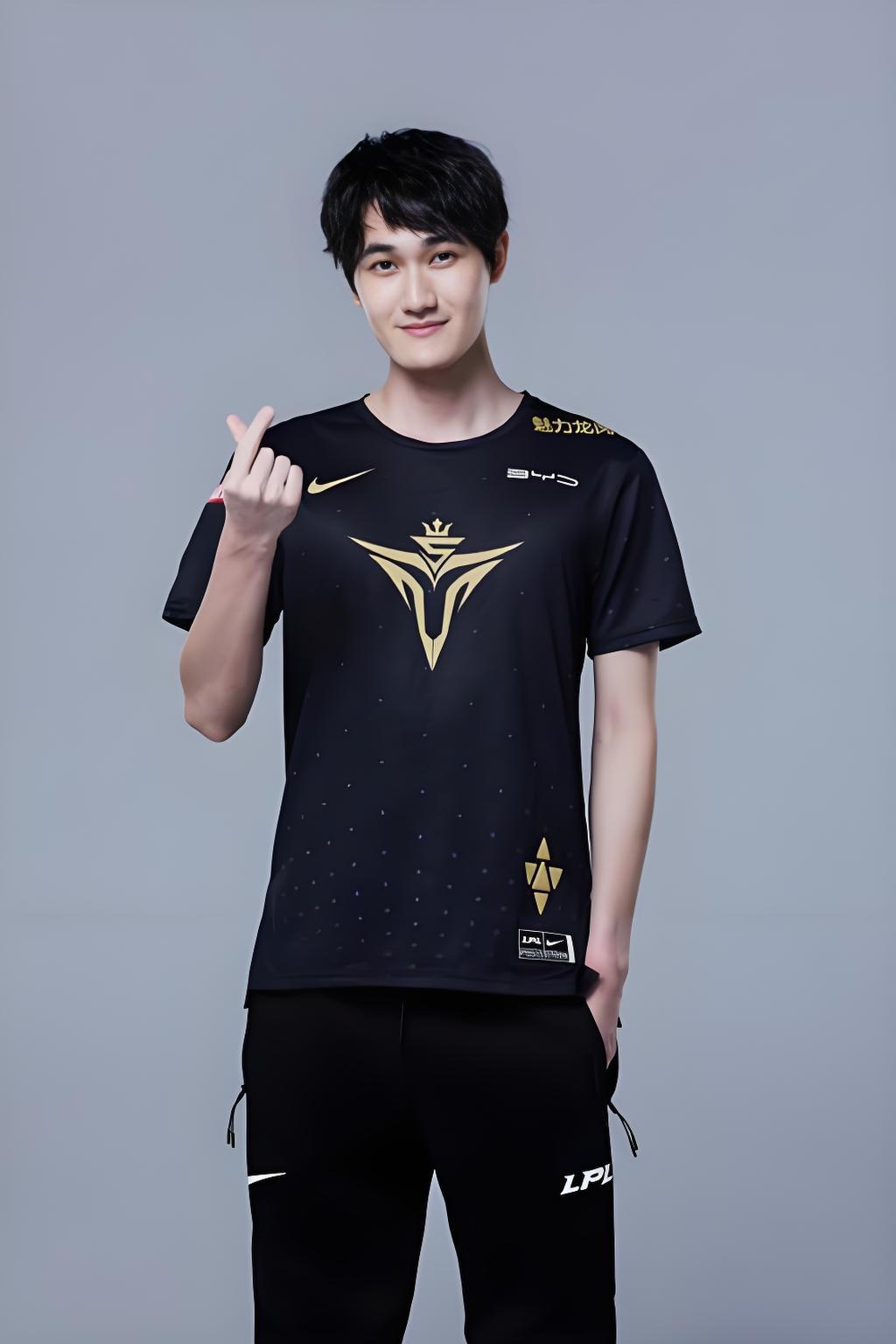
Karsa, a jungler who has played for multiple LPL teams such as RNG, V5, and TES
The vicious cycle of talent outflow, poor long - term results, loss of audience, and shrinking commercial value led to the LMS region being merged into the PCS (Pacific Championship Series) region in 2019, marking the official decline of the esports industry in Taiwan, China.
Going back to 2012 when TPA won the championship, a Vietnamese team called Saigon Jokers also made its debut at the League of Legends World Championship.
However, unlike TPA, which achieved its dream, this Vietnamese team, making its first appearance on the international stage, performed poorly and left the tournament with a record of one win and two losses in the group stage.
At that time, the GPL region was dominated by teams from Hong Kong, Macau, and Taiwan. Many Southeast Asian teams, including those from Vietnam, were significantly out of touch with them. After the 2014 World Championship, Riot set up an additional wildcard region. Even the champion teams of the GPL did not have direct access to the World Championship. They had to compete with the champions of other emerging regions such as Japan and Oceania to obtain a ticket to the World Championship.
This made many audiences in the LPL region hardly aware of the Vietnamese region until 2016 when Team Snake signed the Vietnamese jungler SofM, which piqued people's curiosity about the real situation in this tropical jungle.
The opportunity came in 2017. Riot abolished the original wildcard region and added a play - in stage before the group stage of the official tournament, allowing all regions to compete on the same stage.
A Vietnamese team called GAM seized the opportunity. At the 2017 MSI and World Championship, they held their own against the strong teams from the four major established regions. Their aggressive play style left a deep impression on many audiences. Levi, the jungler of GAM, even created a "famous moment" by pressing five keys in one second to steal the dragon. At the start of the game between GAM and SKT on the third day of the MSI group stage, the Chinese - speaking commentator joked that we could learn SKT's counter - strategies from this game, which shows how unexpectedly difficult this inexperienced Vietnamese team was at that time. In 2018, Riot separated Vietnam from the original GPL region and independently established the VCS league.
However, for the Vietnamese region, which only started to participate in top - level international tournaments in 2017, this time came too late. Moreover, the good times did not last long. The outbreak of the pandemic made it impossible for the VCS league to be held offline, and the entire region fell into silence again.
After the league resumed normal operation, in the spring of 2024, the VCS region was hit by the largest - scale match - fixing scandal in its history. On March 18, the official announced that the original spring season would be postponed indefinitely for a detailed investigation. All eight teams in the region were found to have members involved, and a total of 32 players and coaches were identified as participating in match - fixing. The Rainbow Warriors, a team with all members involved in match - fixing, was directly kicked out of the VCS league and will not be allowed to participate in any Riot events in the future. This match - fixing scandal had a significant negative impact on the reputation of the entire VCS region.
In 2025, the original PCS league and VCS league were merged into the newly established LCP (League of Legends Championship Pacific) region to jointly compete for spots in international tournaments.
The disappointed teams in the LCP region have experienced brief moments of glory, but the limited scale of the local league and the lack of sustainable development have always been unable to meet the enthusiasm of the local audience.
And in the neighboring East Asian region, there are two top - level leagues waving to them.
The Dilemma under the Prestige
Compared with the LCP, the neighboring LPL and LCK undoubtedly have a more comprehensive tournament system, a larger audience, and more "outstanding" tournament results. Since the 2013 World Championship, the League of Legends World Championship has been a competition between the Chinese and South Korean regions.
However, the seemingly outstanding LPL and LCK are actually getting stuck in a downward trend.
DomoreDumou analyzed in a previous article that for esports clubs and sponsors to make large - scale investments, they either need to convert the money into consistent and stable results to build a fan culture and club brand, or the parent companies behind them need to have the ability to commercially convert esports traffic. Otherwise, the investment is just a waste of money. "The God of the Top Lane has fallen. Is it a waste of money to talk about emotions in the LPL?"
However, the contradiction between the high investment in esports tournaments, including player salaries and operating costs, and the single monetization channels of the tournaments themselves still exists.
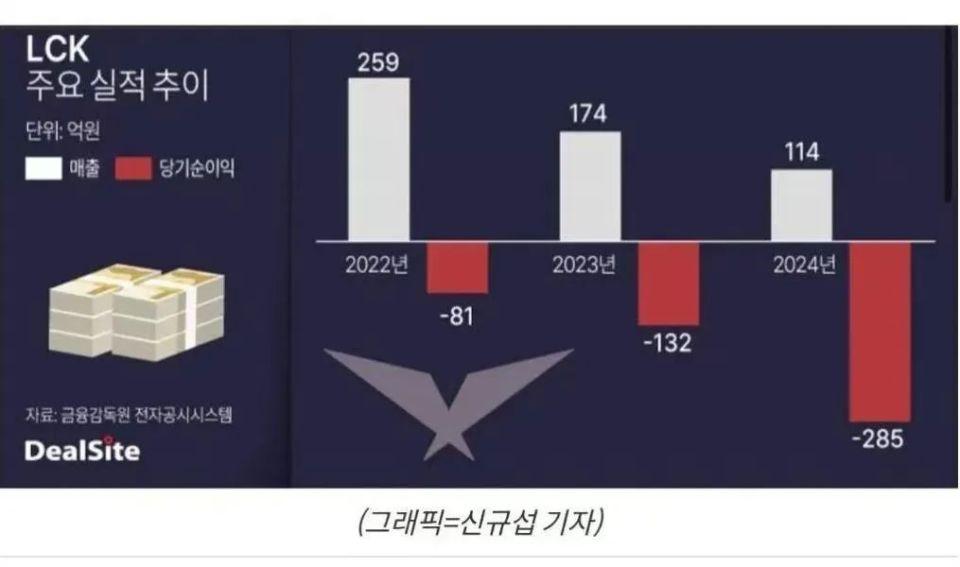
The LCK has won the World Championship for four consecutive years, but its profit situation is still not optimistic. According to data from the electronic disclosure system of the Financial Supervisory Service cited by the South Korean financial media DealSite, the estimated net losses of the LCK in 2022, 2023, and 2024 were 8.1 billion won, 13.2 billion won, and 28.5 billion won respectively, with a cumulative loss of 42.7 billion won (approximately 20.16 million yuan) in three years, and the decline is increasing. In the new season plan released by Riot in early 2026, it was mentioned that starting this year, the regional bonus pool of the Global Revenue Pool (GRP) will be cancelled, including the LCK league bonus.
Although the revenue data of the LPL is not publicly disclosed like that of the LCK, it is an undeniable fact that its popularity is decreasing. Affected by the star players' hiatus, in the first stage of the 2026 LPL season, the highest - viewed game on Bilibili's recorded broadcast was the finals with 1.172 million views, and only two games in the entire stage had over one million views. In the first stage of the 2025 season, the highest - viewed game was the "Esports Spring Festival Gala" between IG and RNG with 2.51 million views, almost half of the previous year, and there were eight games with over one million views. The number of sponsors also decreased from 11 in the third stage of last year to 7.
Finding more revenue channels and attracting more consumers has become an urgent problem for the two regions to solve. Of course, compared with the LPL, which can still rely on the domestic market, the LCK is more eager to expand.
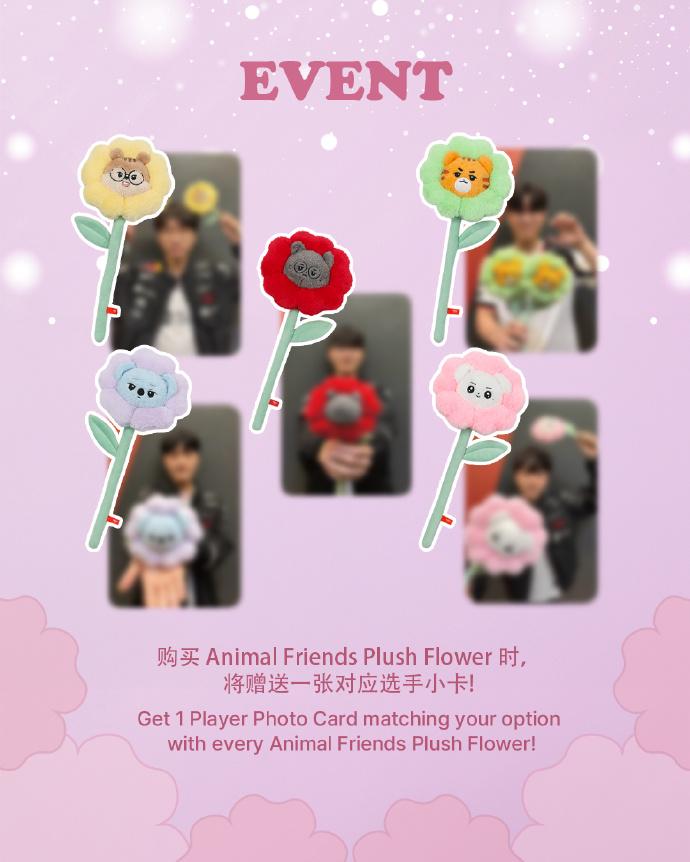
As the biggest esports powerhouse in the LCK, T1 has transformed its competitive results and the star effect of its players into merchandise, relying on the high - profile player IP centered around Faker. In addition to the regular team uniforms and co - branded electronic accessories, T1 has also launched a wide variety of merchandise such as trading cards, keychains, pendants, plush dolls, and cheering sticks for sale.
According to T1's annual audit report released this year, T1's total revenue in 2025 was approximately 88.64 billion won, a year - on - year increase of 80.8%. The operating profit in the same period reached 2.5124 billion won, getting out of the deficit state of the previous year (a loss of 8.85504 billion won) and achieving full - year profitability for the first time. In the revenue structure, merchandise sales, accounting for 83.6%, became the absolute mainstay, and the overseas contribution to the revenue also increased significantly.
Behind this effective revenue strategy is the core strategy of expanding the market and attracting more consumers. The large markets in regions such as Taiwan and Vietnam have further attracted the LPL and LCK, which are in urgent need of "change."
In 2024, the output value of the video game and esports industries in Taiwan, China, reached approximately NT$126 billion (approximately US$4 billion), of which the esports industry accounted for approximately US$33 million (approximately NT$1 billion). In 2025, when Team CFO from Taiwan, China, defeated the Vietnamese team GAM and won the LCP Mid - Season Championship, the peak viewership of the finals reached 483,000, setting a new record in the LCP region. According to the statistics of the Vietnam Esports Entertainment Association (VIRESA), Vietnam has more than 28.2 million esports players, accounting for approximately 28.7% of the country's population. It is one of the most active countries for esports fans in Southeast Asia. Currently, Vietnam has also become the fourth - largest viewing group for the LCK, after the Korean, English, and Chinese language streams.
In fact, some teams have already started to make attempts to attract more consumers.
As early as last June, HLE, which won the LCK Cup and the Global Pioneer Tournament, held the "HLE Global Fan Fest" in Ho Chi Minh City, Vietnam. All 2,500 tickets were sold out within five minutes of going on sale.
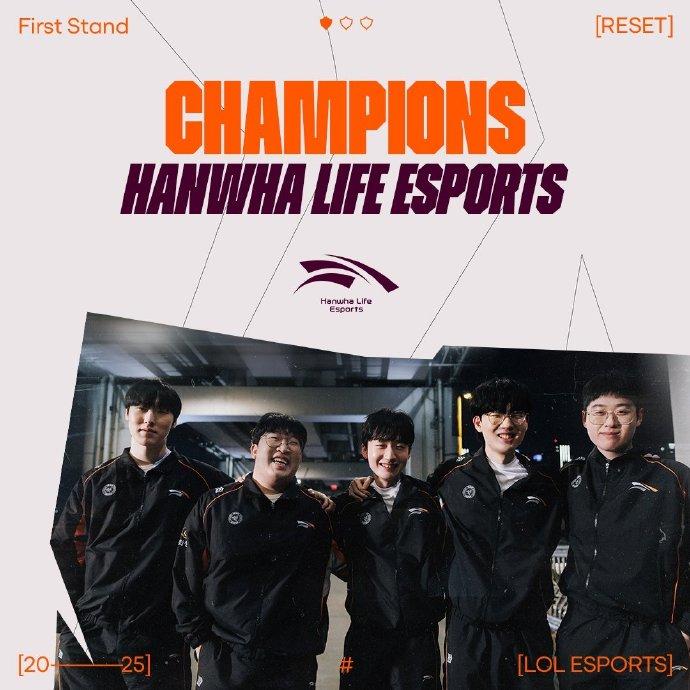
HLE is an esports team established by Hanwha Life after acquiring ROX Tigers. Its esports strategy is deeply integrated with the company's global business promotion, aiming to enhance regional presence and reach young potential customers through esports. After the fan festival in Vietnam in 2025, a Hanwha official representative said in an interview, "Esports helps us connect with young audiences today so that they will remember us in the future." The report at that time also mentioned that 30% of the participants in the Vietnamese fan event first got to know the insurance brand Hanwha Life through the esports team.
For the sponsors behind esports, their investment is mainly focused on the traffic and young user groups of esports tournaments and the potential to empower the industry.
In the competition among esports regions, in addition to the on - field results, there is also the ability of global operation. After reaching the ceiling in the domestic market, the region that captures the overseas incremental growth will be able to gain the leading position in the next stage. This