Looking at Transsion from the Africa Cup: A Sample of Long-Termism of a Chinese Brand
This article is approximately 3,400 words long. It is recommended to read it for 6 minutes.
On December 21st, the 35th Africa Cup of Nations (AFCON) officially kicked off in Rabat, the capital of Morocco.

In this top - tier football event that covers the entire African continent and has an influence comparable to that of the European Cup, it's hard not to notice the iconic blue - and - white logo of Transsion Holdings' TECNO. As the official global partner of the 35th and 36th Africa Cups of Nations, this Chinese brand has once again gained significant visibility.
This is the second time TECNO has joined hands with the Africa Cup of Nations after serving as the exclusive mobile phone partner and the official event mobile phone for the 34th Africa Cup of Nations.
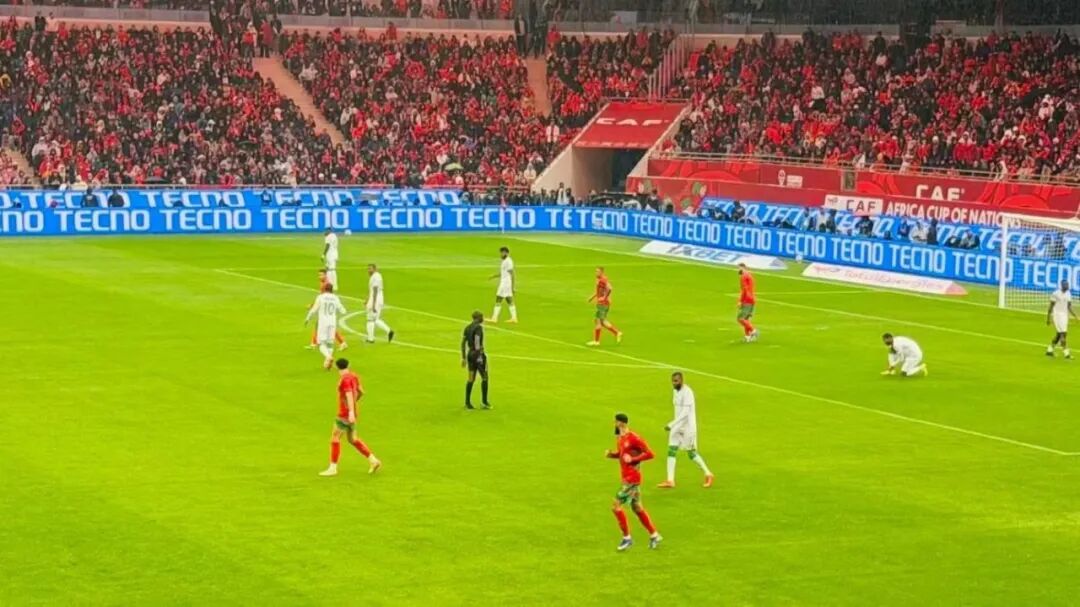
In high - profile top - tier events, the title of official cooperation can never be obtained simply by throwing money around. In a sense, it's more like a two - way choice: the event needs sponsorship and added commercial value from the brand, while the brand also needs to gain an exposure seat through its own influence. It's obviously not an easy task to achieve such a level on the African continent, which is 10,000 kilometers away from China.
Why is it TECNO again this time?
In Africa: From Being Seen to Being Trusted
The outside world is no longer unfamiliar with Transsion's title of "King of Africa". For Transsion, Africa has never been an "overseas market" but rather its home ground.
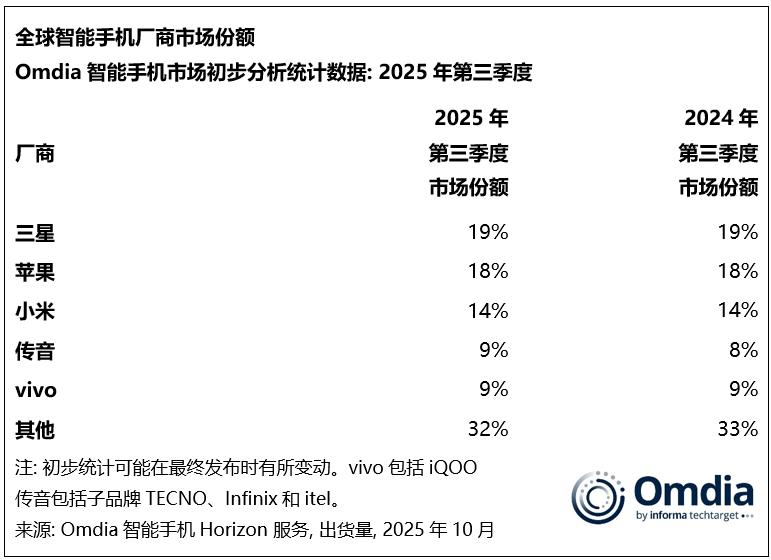
A set of data can illustrate Transsion's dominance in the African market. According to IDC data, in 2024, Transsion's market share in the African smartphone market exceeded 40%, ranking first for many consecutive years. In the third quarter of 2025, the shipment volume of Transsion's smartphones reached 29.2 million units, strongly returning to the fourth place globally with a 9% market share.
As one of the earliest Chinese mobile phone manufacturers to enter Africa, Transsion didn't rush to apply its existing experience to the market but spent time understanding its users. From product definition, channel network to brand expression, every link grew around local needs, ultimately forming the foundation of Transsion in the African market.
Music is a typical example. From the streets to the markets, from festival carnivals to family gatherings, music permeates almost all aspects of Africans' daily lives, and mobile phones are often the only sound source devices. Transsion realized early on that high volume is the basis for all this - larger speakers and higher external playback power. It's this solution based on in - depth local insights that directly determines whether a mobile phone can be popular in Africa.
The unstable power and communication environment have shaped another completely different product logic. In many African countries, frequent power outages are still the norm, so battery life is one of the least - compromising indicators; the co - existence of multiple operators and uneven signal coverage make multi - SIM standby a necessity for survival. Transsion's continuous investment in battery life, power consumption management, and signal enhancement is essentially helping to combat the instability of the environment.
The most representative aspect is imaging. For a long time, mainstream imaging algorithms have almost all been trained around light - skinned people, resulting in easy distortion of dark - skinned people in low - light environments. To make African users "seen" in front of the camera, Transsion built its own 3D imaging database of Africans covering multiple regions and lighting conditions, reconstructing the algorithm logic from the bottom up, making the skin color more realistic, the light - dark transition more natural, and the facial details more real, and also making users feel respected.
These functional innovations, which may not seem very glamorous but are based on users' real - life needs, have enabled Transsion to establish an unshakable trust relationship in Africa. Instead of selling technological leadership to users, Transsion chose to use technology to respond to life itself.
As AI technology enters the application stage, Transsion has also deeply integrated its AI capabilities into daily scenarios, especially focusing on those neglected user needs.
Africa has more than 800 languages, but many mainstream AI assistants do not support languages with over ten million speakers in the local area. Transsion has long invested in small - language voice and natural language processing and launched the world's first mobile phone intelligent assistant customized for the African market, achieving offline dialogue capabilities. It not only supports more than 100 mainstream languages but also includes small languages from the Niger - Congo language family and Afro - Asiatic language family in Africa, and the Austronesian language family and Indo - European language family in Asia.
When an enterprise is willing to make long - term investments in marginal needs, it often gains deeper trust. Transsion has further extended this trust into a long - term commitment to society.
Whether it's the renovation of African community football fields, support for education projects, or community libraries and public welfare activities, Transsion has continuously extended its business activities into social participation, making the relationship between the brand and users go beyond single - transaction and become partners for common growth.

Carry Out Technological Inclusiveness to the End
For a long time in the past, emerging markets were simply equated with low - price markets. In the internal models of many manufacturers, they meant lower configurations, thinner profits, and correspondingly slower technological iteration rhythms.
However, Omdia's data presents a striking contrast. In the third quarter of 2025, the shipment volume of smartphones under $100 in Africa increased by 57% year - on - year, and the growth of models above $500 also reached 52%. The simultaneous rise of entry - level and high - end demands also points to a deeper structural change - emerging markets are experiencing both the popularization of intelligence and the upgrade of quality.
Transsion clearly realized this earlier. Through its differentiated product strategy and technological penetration, Transsion enables cutting - edge technologies that originally only served mature markets to penetrate a wider range of users in emerging markets.
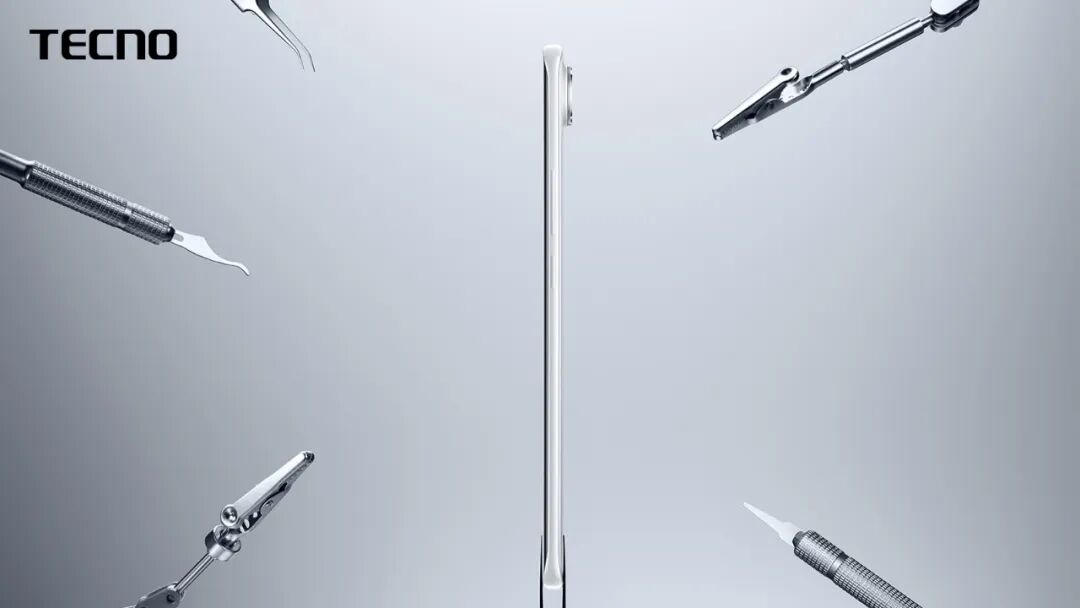
At the product level, this strategy is extremely clear. TECNO's CAMON series continues to focus on imaging capabilities, coordinating and optimizing algorithms, computing power, and sensors to solve complex problems in real shooting scenarios; the PHANTOM folding - screen and Slim ultra - thin series introduce structural innovation, material technology, and industrial design into emerging markets, making high - end forms no longer the exclusive experience of a few people.
Emerging markets are never short of an understanding of advanced experiences, but they have long lacked a seriously - treated supply. And in this path, AI is becoming a decisive variable.
Different from other manufacturers competing in model parameters, the AI in Transsion's mobile phones emphasizes usability in users' real scenarios. For example, image enhancement serves real skin colors and complex lighting, voice interaction is for multi - language and low - literacy scenarios, and translation and content generation solve the problems of cross - language communication and learning thresholds. These functions are frequently used in daily life and gradually become part of the user experience.
Through in - depth cooperation with Google Cloud, AI capabilities have also been systematically embedded in Transsion's multi - terminals. Functions such as one - key screen query, intelligent screen recognition, call summarization, and AI writing have extended from mobile phones to devices such as PCs and smart glasses, gradually forming an intelligent service network for cross - device collaboration and even becoming a social infrastructure.
When technology begins to enter a wider range of people with a lower threshold, emerging markets are no longer just onlookers of the global technology wave but real beneficiaries. Transsion has achieved business success in emerging markets and at the same time, fed back local social development through technology. This is undoubtedly a benchmark example of the localization strategy of global technology enterprises.
Think Globally, Act Locally
Africa is Transsion's starting point, but not its whole story. After being tempered by hundreds of millions of users here, Transsion has formed a set of mature and efficient channel and market strategies, which also enables it to expand more easily into other emerging markets.
Data is confirming this judgment. In 2024, Transsion's market share in the global mobile phone market reached 14%, once ranking among the top three; by the third quarter of 2025, it continued to rise in markets such as Southeast Asia and the Middle East and took the leading position in key countries such as Indonesia and the Philippines.
A sentence often mentioned within Transsion may summarize its methodology for competing in the global market - Think Globally, Act Locally. Although there are huge differences between different markets, Transsion's response methods are highly consistent: first understand the users, then create products that meet users' personalized and differentiated needs, and finally form a brand communication effect.
Take Indonesia as an example. In this market with a very high degree of youthfulness and the world's leading social media penetration rate, Transsion launched mid - end gaming flagship mobile phones in a targeted manner. Instead of trying to quickly gain scale through traditional offline distribution, it used e - commerce platforms as the entry point for new products, social media and fan communities as the main communication channels, and helped the brand complete its identity translation through e - sports events, local KOLs, and online interactions, changing from an unfamiliar manufacturer to part of the youth culture. As a result, it was still able to maintain continuous growth in the price range with the most intense competition and the thinnest profits.
In emerging markets, trust is not established through a single press conference but gradually accumulated through repeated appearances and long - term presence. It's also in this dimension that Transsion's understanding of sports and e - sports differs from the conventional marketing logic.
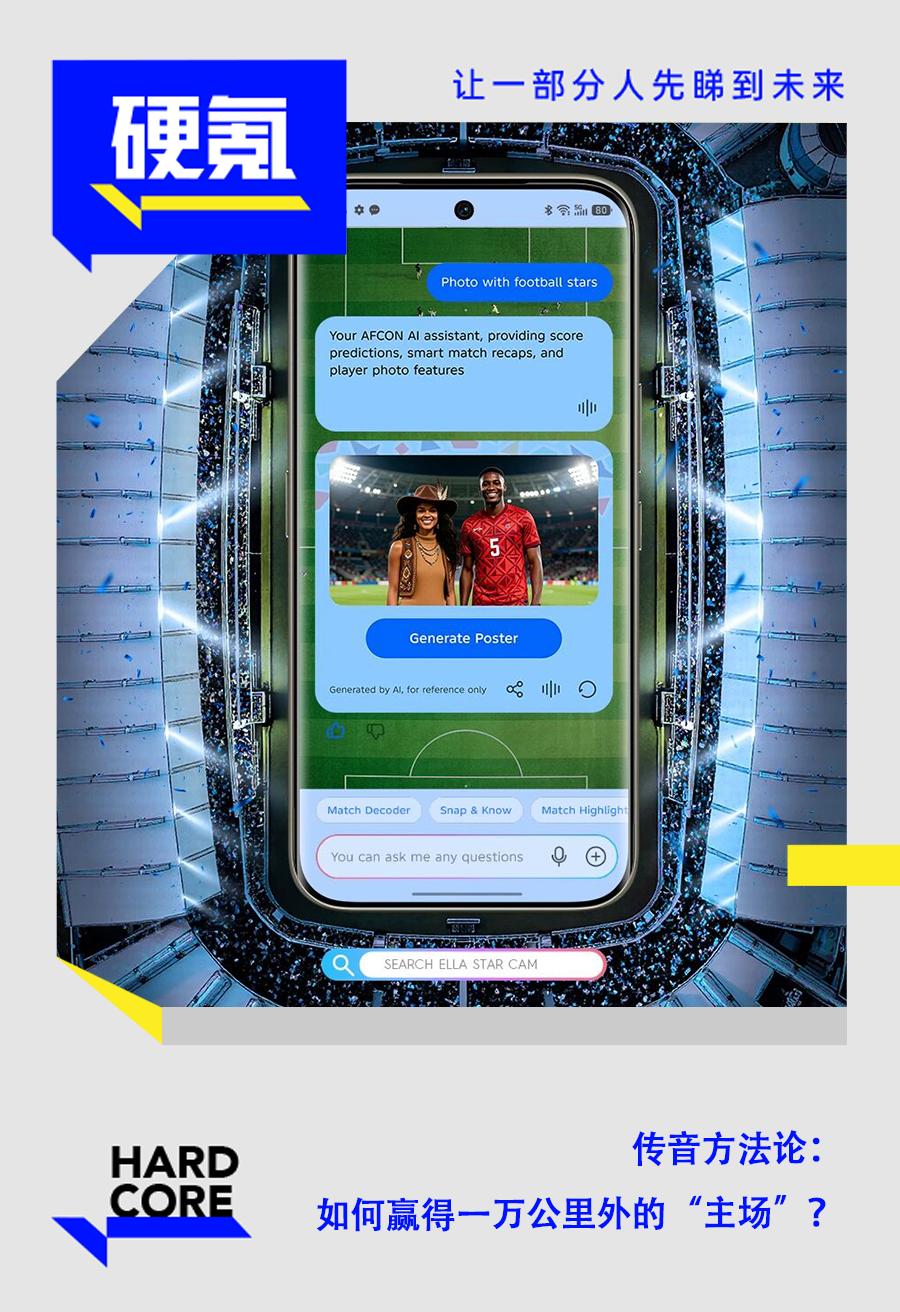
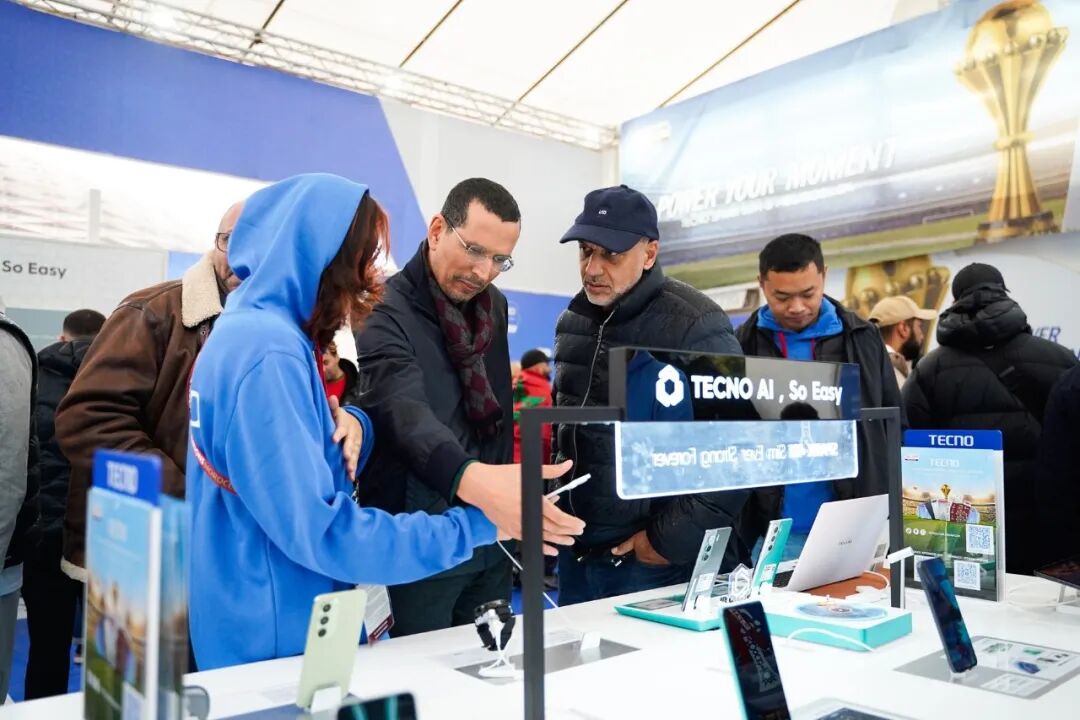
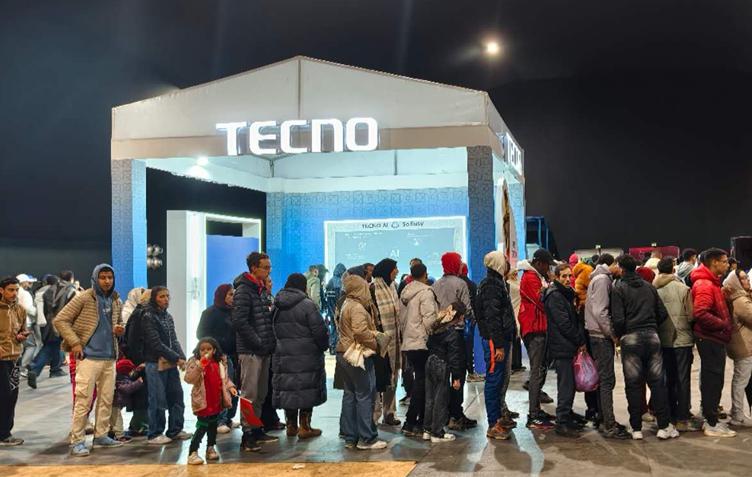
Back to the Africa Cup of Nations. For most international brands, the core goal of top - tier event sponsorship is still exposure efficiency, while Transsion is more concerned with how to create a connection between the brand and users' daily lives and spiritual cultures. TECNO specially created a series of new AI functions for the 2025 Africa Cup of Nations. These functions are deeply integrated into TECNO's AI intelligent assistant, turning the mobile phone into a smart match - watching companion that can help fans understand tactics, identify players and teams with one - key photo recognition, automatically generate wonderful highlights, and even "take a photo" with star players! Transsion and TECNO hope to use the most practical AI to enable every fan to enjoy this football feast more deeply and interestingly.

Football in Africa is not just a form of entertainment consumption but a highly publicized emotional carrier, closely linked to community, identity recognition, and social cohesion. This is not only the deepening of brand value but also the practice of Transsion's concept of "driving innovation with local needs" - making technology serve the real scenarios and emotional experiences of African users.
Therefore, TECNO's choice to establish a long - term cooperation with the Confederation of African Football and participate in stadium renovation and community projects is essentially putting the brand into the long - term narrative of local society. The return of this approach is not immediately reflected in the sales curve but will be transformed into more stable brand recognition and lower trust costs over time.
From a more macro perspective, it's difficult to summarize Transsion's competitiveness with a single indicator. It is neither a chaser breaking through in the short term by relying on price advantages nor a leader building barriers through technological monopoly. Its real advantage lies in directly addressing the pain points of users in emerging markets, a systematic ability composed of deep localization capabilities and a technological inclusiveness orientation. This system allows it to adjust the rhythm in different regions and periods without deviating from the direction.
When the whistle of the 35th Africa Cup of Nations sounded, the significance of TECNO's appearance in the center of the field may not be just a sponsorship exposure. It's more like a clear signal: in the most complex and uncertain area of the global market, a Chinese technology company is proving that long - termism is not just a gesture but an ability that can be repeatedly verified and replicated across regions.
Perhaps this is the real value of a global brand: while creating commercial value, building sustainable social connections and user trust, and enabling the enterprise to move forward steadily with its own methodology regardless of how the environment changes.