Fujifilm freely opens up its LUT solution. After the "Fujifilm flavor" becomes ubiquitous, where will mobile phone imaging go?
Recently, a significant event has taken place in the imaging circle: Fujifilm will compile its classic film simulations into a complete set of LUTs and make them available for free download. Suddenly, a large number of teaching videos and posts have emerged online, instructing netizens on how to import LUTs into cameras and editing software. People are sharing before - and - after comparisons and color - grading processes on various platforms, and titles like "XX camera also has the Fujifilm flavor" have become noticeably more common.

(Image source: Lei Technology's illustration)
To put it simply, Fujifilm is generously offering its biggest selling point - color - to all users for free. From the perspective of traditional cameras, this move is understandable: in the past, only those who bought Fujifilm camera bodies could experience that unique color palette. Now, as long as you're willing to put in the effort, you can use other cameras that support LUTs or even video editing software to bring your footage closer to the "Fujifilm flavor" in post - production. This is equivalent to actively expanding its color influence from a single piece of hardware to a broader imaging ecosystem.
However, for the mobile phone industry, the impact can be either significant or minor. After all, in recent years, many mobile phones have adopted similar tactics in their imaging promotions: features like "film mode", "Japanese - style filters", and "Fujifilm - style" combined with a retro - looking UI can easily create an illusion of "emotion" and "texture".
Now that Fujifilm has stepped in and made the authentic LUTs available for free, one might wonder: will the "Fujifilm - inspired filters" on mobile phones still hold up? And where will mobile phone imaging go without the "benchmark for imitation"?
"Fujifilm - inspired" is no longer important; mobile phones return to the basics of imaging
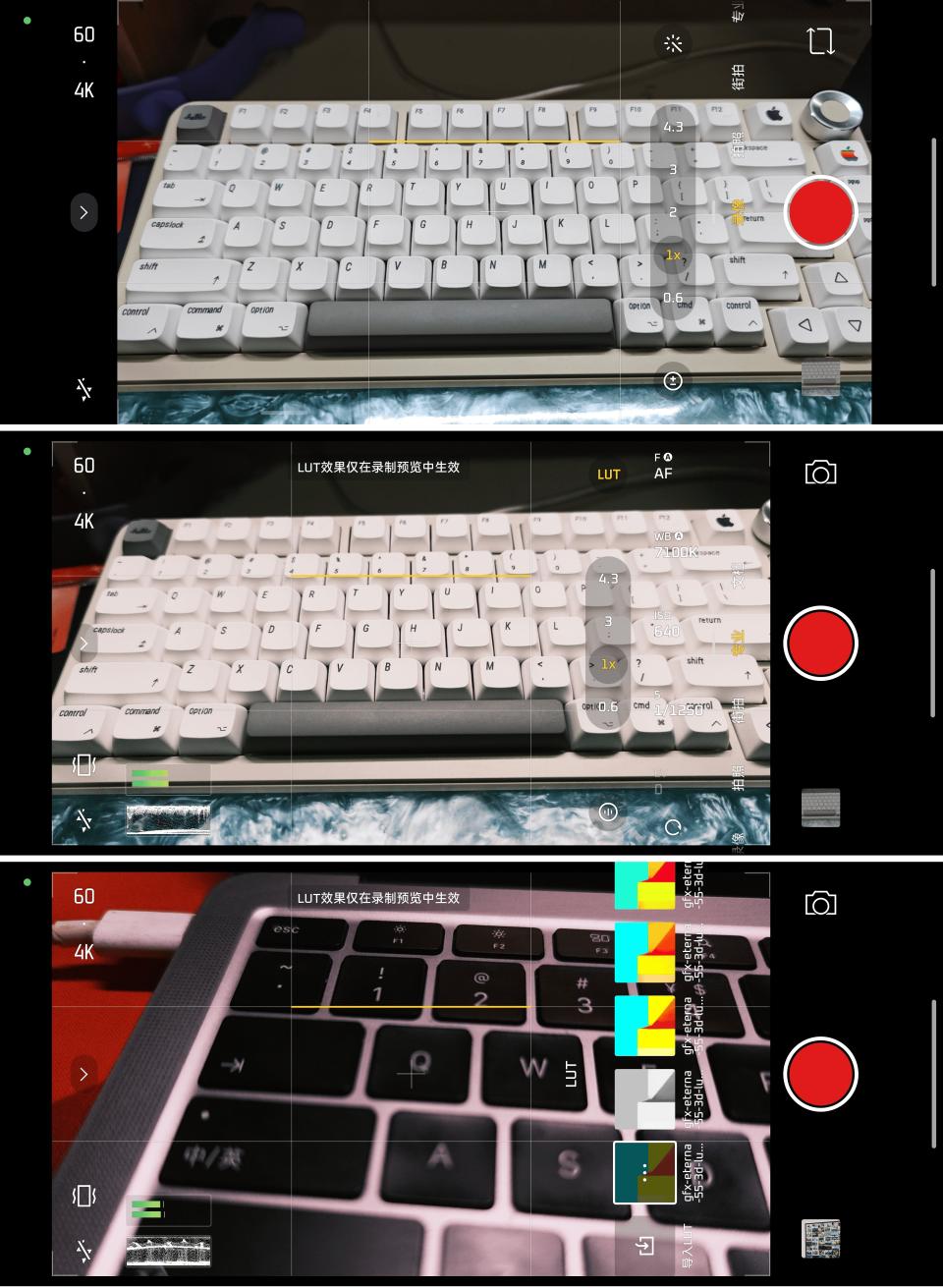
Many readers may not be aware that current mainstream flagship mobile phones already possess the basic capabilities for professional imaging creation. Flagship models from iPhone, Xiaomi, OPPO, vivo, etc., already support 10 - bit Log video shooting, and some models even offer LUT import interfaces. This means that technically, mobile phones can also achieve footage closer to the "authentic Fujifilm" look. However, in reality, no matter how appealing the names of mobile phone filters are, they are essentially just style simulations within the phone's own processing chain, which are simply basic filters.
(Image source: Lei Technology's illustration)
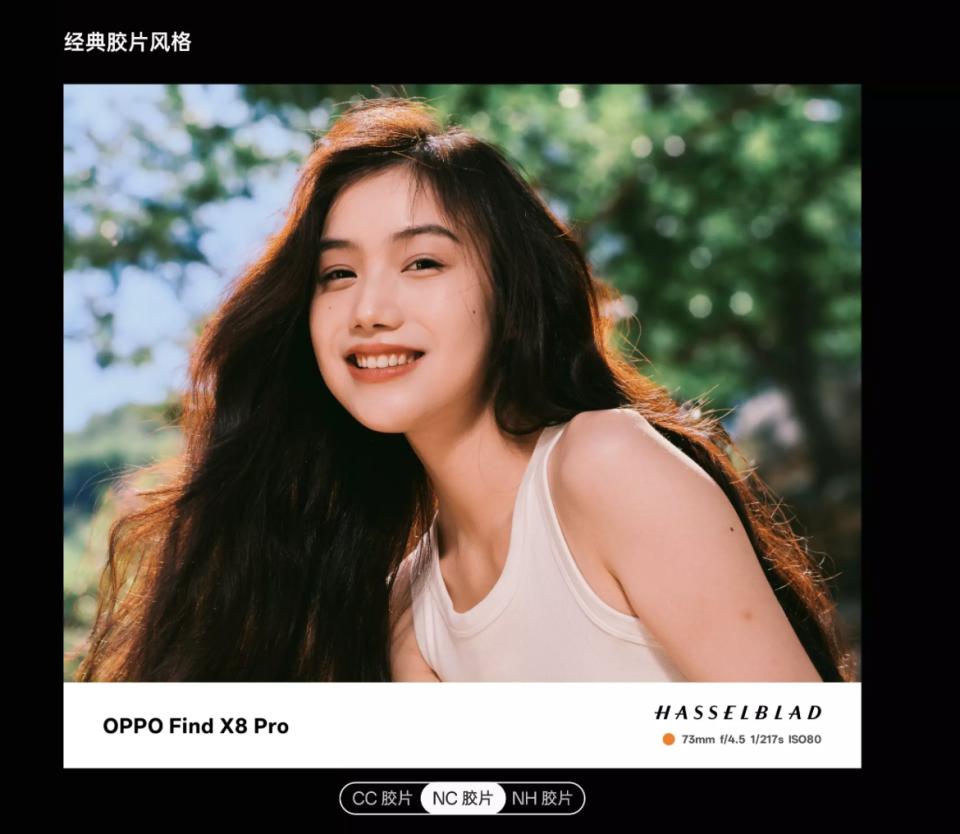
First of all, it must be acknowledged that mobile phones have indeed achieved some success in the "Fujifilm - inspired" and "film - inspired" realm. For example, OPPO's film filter not only reproduces the low - saturation tones of Fujifilm's Classic Chrome but also mimics the dynamic range characteristics of film. In well - lit scenes, the difference between its output and that of a Fujifilm camera is very small.
Many people open their cameras, swipe through the filters, and when they see the image become a bit softer, yellower, and more grainy, they naturally associate it with the term "film feel". Through word - of - mouth, the marketing effect is instantly enhanced.
But this was based on the lack of a direct comparison. The problem now is that there is a real benchmark. After Fujifilm released the LUTs, many people started sharing side - by - side comparisons: on one side is the footage shot in LOG mode on a camera and then processed with LUTs in post - production, and on the other side is the result of a one - click filter on a mobile phone. The difference is obvious: on the camera side, highlights are well - controlled, shadows can be recovered, skin tones transition naturally, and the grain is fine; on the mobile phone side, either the highlights turn gray when adjusted, or the details in the shadows are lost when brightened. Skin tones are either too yellow or too pink, and the grain looks "fake".
(Image source: OPPO official)
This is easy to understand. To achieve one - click results, mobile phone manufacturers often encapsulate color processing as a black box. In essence, it's just a simplified algorithm nested within the phone's ISP processing chain, which is fundamentally different from the working logic of professional LUTs. The so - called Fujifilm filters are just minor stylistic adjustments to color and contrast at the end of this processing chain.
Not to mention that during this process, the original image information is compressed and modified multiple times, resulting in a loss of color accuracy and detail richness.
On the other hand, professional camera LUTs are designed for high - bit - depth, "dull" LOG footage. It's essentially a mapping table that determines how to adjust different brightness levels and colors without destroying the original information, enabling the footage to take on the Fujifilm style. Compared to the "assembly - line" approach of mobile phones, the camera's logic better meets professional needs.
Therefore, once users truly understand the LUT + LOG workflow and then look back at the "Fujifilm - inspired" filters on mobile phones, they will naturally feel a sense of disappointment. In other words, the free availability of Fujifilm LUTs is a wake - up call for mobile phones - manufacturers can no longer rely on filter names and UI packaging. From now on, it's all about the basics.
What are the basics? It's not about the "200 - megapixel" or "10x optical zoom" parameters on the press - release slides. Instead, it's about the user experience hidden in the details: for example, whether the color is consistent across different focal lengths and lenses; whether in night - time shooting, the goal is to achieve a balance between brightness and realism rather than just maximum brightness; whether portrait mode retains skin details and respects the skin - tone differences of different ethnic groups instead of just over - smoothing and whitening the skin.
Once mobile phones have a solid foundation in these areas, even without mentioning "Fujifilm", "retro", or "film", users will still recognize the significant improvement in the imaging performance of the new device when they see the sample photos.
Fujifilm's free LUTs actually give a boost to mobile phone imaging
Many discussions interpret Fujifilm's free LUTs and the "creative designs" and "film dials" on various cameras as an attempt by cameras to steal users from mobile phones.
However, from a different perspective, we can see that it's not that cameras have suddenly become smarter. Instead, after being influenced by mobile phones for a decade, they've finally realized that "users don't need complex professional parameters but simple and user - friendly creative tools".
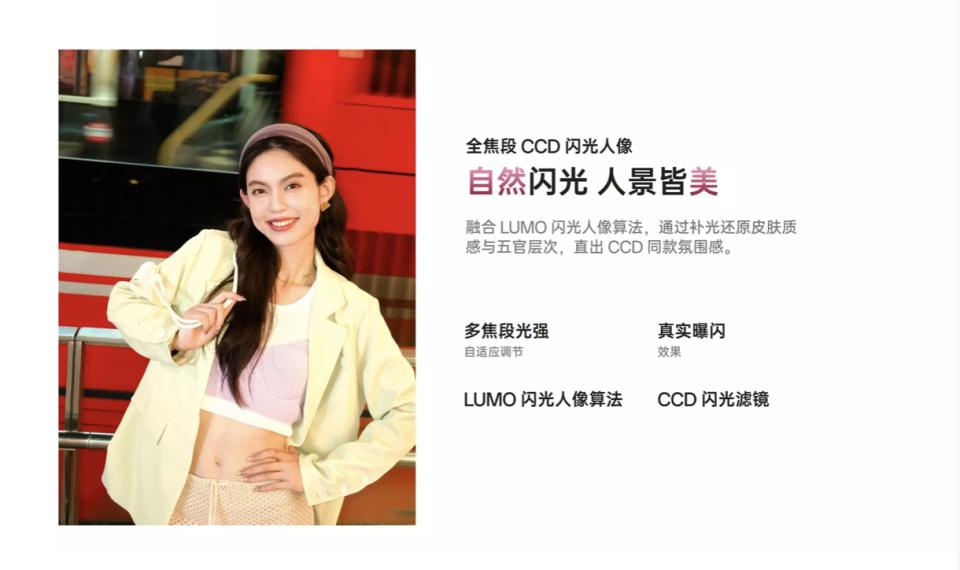
In the view of Xiao Lei, mobile phone imaging has three advantages over traditional cameras: first, "real - time preview", which means users can get what they see in the viewfinder without the need for extensive post - production; second, "user - friendly operation", where users can start shooting without understanding concepts like shutter speed, aperture, and ISO; third, "highly integrated functions", as the built - in editing software on mobile phones allows users to perform operations like beautification, filtering, and cropping in one click and then share the results on social media within a minute, perfectly fitting the fast - paced social life.
(Image source: OPPO official)
It can be said that the progress of mobile phone photography is essentially about removing the barriers of professional imaging and replacing them with a more user - friendly interaction method.
Now, we can see that cameras are also emphasizing "direct - from - camera" results, "one - click styles", and "in - camera filters", which is essentially following the path that mobile phones took years ago, but with a more professional - sounding package - using LUTs and film simulations to tell the same story.
Perhaps people haven't realized that this actually brings three benefits to mobile phones.
First, camera manufacturers are using more professional language to educate users on behalf of mobile phones. In the past, when mobile phones promoted "imaging styles" and "color languages", they were often criticized by users as "pointless marketing".
Now that well - known camera manufacturers like Fujifilm, Nikon, and Panasonic are highlighting LUTs and film simulations as their core selling points, users will no longer see the terms "style" and "workflow" as false advertising. As a result, users will be more receptive to more advanced imaging features on mobile phones.
Second, it proves that mobile phones are on the right track. In fact, both cameras and mobile phones are moving towards a simpler and more accessible direction, with cameras retaining a more professional edge and mobile phones catering more to the general public. From a business perspective, this shows that mobile phones have taken the lead in the "mass imaging" market.

(Image source: Lei Technology's shooting)
Third, it provides mobile phones with a clearer positioning. In the future, imaging will no longer be a direct competition between mobile phones and cameras but more of a collaborative ecosystem, where cameras are responsible for achieving the highest - quality images, and mobile phones are for on - the - go recording.
In Xiao Lei's opinion, mobile phone manufacturers should further improve and optimize their functions. For example, they can provide more reliable LOG previews and LUT simulation tools for professional users or integrate more powerful editing and color - grading tools at the system level. In the end, this "intense competition" among cameras may drive more content creators back to the mobile phone ecosystem: cameras for "better shooting", and mobile phones for "faster usage and wider sharing".
The ultimate goal of mobile phone imaging: being unique is the best
In the long run, the free availability of Fujifilm LUTs serves as a "warning" to the mobile phone industry.
This means that the previous strategy of just imitating Fujifilm in naming and UI may not work in the future. What can truly attract users in mobile phone imaging is not the fancy filter names but the reliability of the image itself. Mobile phones have already made "everyone can take pictures" a reality. Now, it's time to think about "enabling more people to take better pictures".
For mobile phone manufacturers, the most important thing is not to worry about "losing market share to cameras". Instead, they should focus on refining the basics such as color, dynamic range, night - time shooting, portrait, and telephoto capabilities, so that users can trust the phone in all kinds of extreme situations. They should also pave the way for those who are transitioning from ordinary users to content creators, offering a more professional path from one - click results in the default mode to high - controllability in the professional mode, and potentially supporting LUTs, style sharing, and professional color - grading on mobile devices, allowing them to experience more professional and convenient imaging within the mobile phone ecosystem.

(Image source: Lei Technology's shooting)
Once mobile phones can achieve this, they no longer need to be an "imitator" but can naturally become the "definer" of the imaging era: instead of telling users "I'm like Fujifilm", it will let users say "this is the unique flavor of this mobile phone" when they see the stable, natural, and distinctive sample photos.
Fujifilm's free LUTs are a gentle reminder to mobile phone manufacturers: stop obsessing over "resembling someone else". It's time to seriously answer a more important question - what kind of "world" do you want to capture with your mobile phone?
This article is from "Lei Technology" and is published by 36Kr with permission.