The main battlefield of China's consumption has quietly shifted to county-level cities.
Recently, many of my friends whose hometowns are in county towns often sigh about the changes in their hometowns when chatting:
They used to think that high-end gyms, nice restaurants, specialty coffee shops run by independent owners, and popular check-in spots for internet celebrities that only existed in Beijing, Shanghai, Guangzhou and Shenzhen are now all available in their hometowns.
There are also more and more food delivery riders, and life in their hometowns is no different from that in big cities now.
We recently checked the data and found that this is not an illusion.
In 2025, the total retail sales of consumer goods in rural areas reached 6.82 trillion yuan, up 4.1%, 0.5 percentage points faster than that in urban areas; the county and township market covering town districts and rural areas accounted for 38.7% of the total retail sales of consumer goods in the whole society.
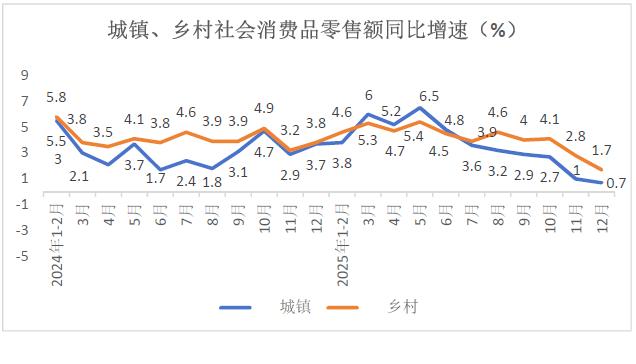
In the first 7 months of 2026, this proportion rose by another 0.4 percentage points to 39.1%.
Simply put, for every 10 yuan Chinese residents spend now, nearly 4 yuan is spent in county towns and areas below the county level.
Consumption in county towns is becoming increasingly close to that in first-tier cities.
01 Consumption Is Supported by Sufficient Capital and Population
The rise of consumption in county towns ultimately comes down to the fact that local residents have more disposable income.
Over the past two decades, the urban-rural income ratio has stayed around 2.7, but in recent years, divergence has emerged, and the proportion of income in towns and townships has been increasing.
Corresponding to the data, in the first half of 2026, the retail sales of urban consumer goods increased by 1.2%, while that in rural areas increased by 2.5%, more than twice the growth rate of urban areas.
In the single month of June, the growth rate was 0.8% in urban areas and 2.1% in rural areas, exceeding twice the urban figure.
In fact, although urban residents earn more, they are often not as generous in consumption as county and township residents, after all, the pressure of urban life is much higher.
Residents in counties and townships have lower leverage and less pressure from housing mortgages, so the proportion of money they dare to spend is naturally higher.
Take Jiangxi Province as an example, from January to May 2026, the retail sales of rural entities above designated size increased by 11.1% year-on-year, 8.4 percentage points faster than that in urban areas, maintaining double-digit growth for 14 consecutive months.
The price of shredded pork noodles in some cities has dropped from 18 yuan to 15 yuan in group buying, while the price in counties and townships is even still rising.
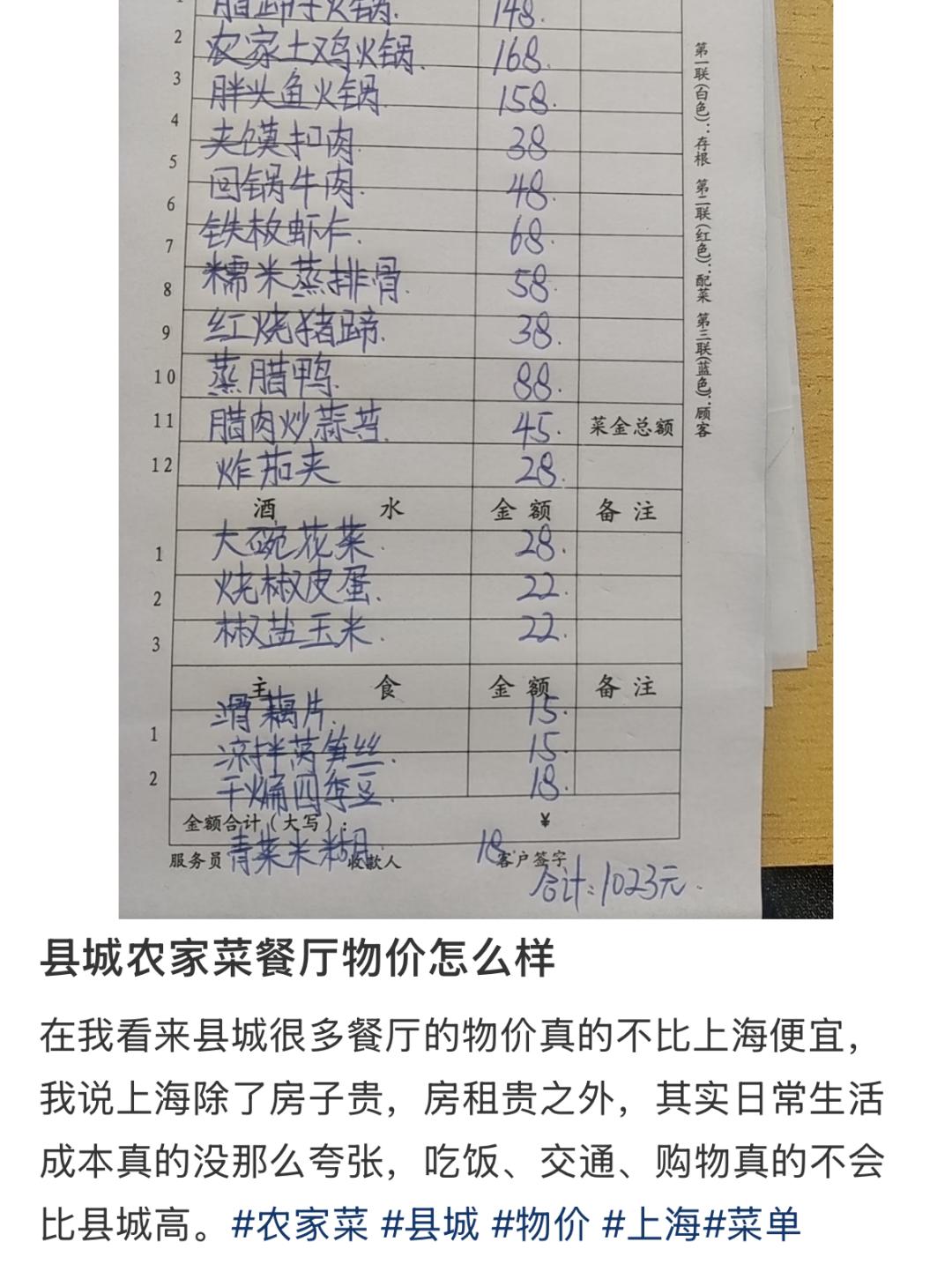
Many netizens online say that "consumption downgrade" is happening now, but from the data point of view, this is because the main body of consumption has moved geographically.
Take Shuyang County in Jiangsu as an example, the total number of people returning to their hometown for employment and entrepreneurship in the county exceeds 350,000, the number of people working outside has dropped from the peak of 450,000 to 180,000, with a net return of 270,000 people.
A county town in northern Jiangsu has successfully attracted two-thirds of its migrant workers back home from the Pearl River Delta and Yangtze River Delta.
How did they achieve this? On the one hand, the hometown has better infrastructure and lower living costs, which attracts the returning wanderers.
On the other hand, the three characteristic industrial chains of board, textile and flowers and trees have been expanded and strengthened. A factory in a single town can accommodate more than 300 people, 90% of whom are nearby residents.
Looking at Hubei Province again, 62,000 new market entities of returning entrepreneurship were added in the first half of 2026, and 559,000 new urban jobs were created; Huanggang City alone released 57,000 jobs, up 12% year-on-year; 353,300 rural laborers in Shiyan were employed within the county, 12.08% higher than that in 2023.
The national scale is even larger: the number of returning entrepreneurs has risen from 10.1 million at the end of 2020 to more than 15.1 million at the end of 2025.
What do these 5 million people do after returning home? Some have found jobs, while others have brought urban consumption formats back to their hometowns: opening coffee shops, pet shops, camping sites, doing factory live streaming, running food delivery services, and operating homestays.
Even Sam's Club has opened a store in Jiangyin, which is its 70th store across the country, and also the 4th store in a county-level city after Kunshan, Jinjiang and Zhangjiagang.
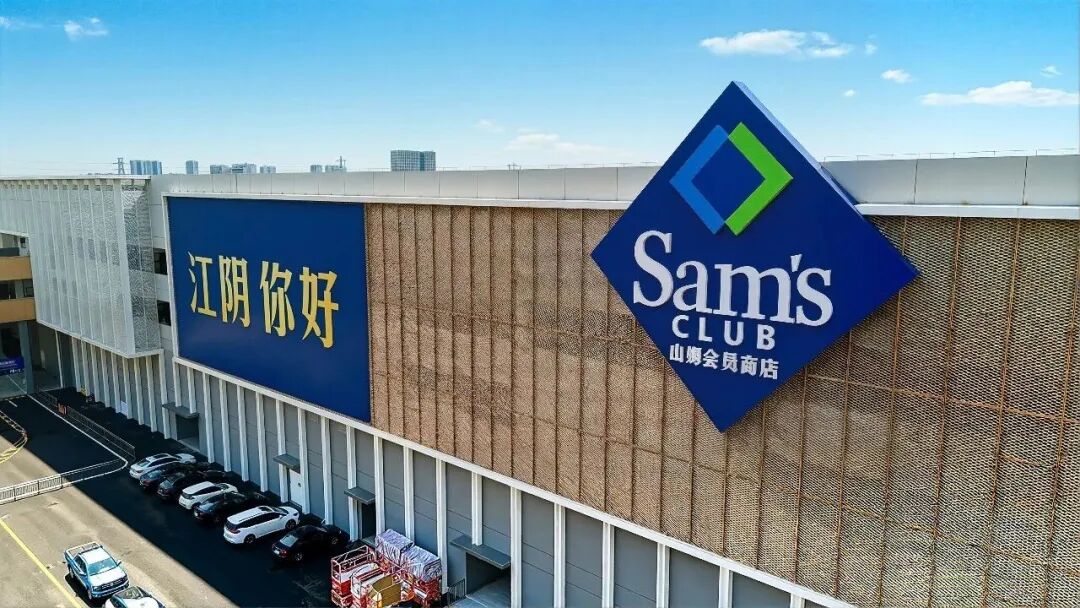
Starbucks and Decathlon have entered Kunshan and Cixi, and about 60% of the more than 30,000 stores of Zhaoyiming Snacks are located in county towns and townships.
These brands only belonged to first-tier and second-tier cities five years ago, but now as people return, a complete set of systematic consumption formats has also landed in county areas.
02 Rural Residents Spend More Generously Than Urban Residents
When people and employment return to counties and townships, the national consumption subsidy policy just hits the incremental consumption part.
In the first half of 2026, the trade-in of consumer goods drove the sales of related goods by 1.1 trillion yuan, benefiting 150 million person-times; 3.707 million vehicles were replaced, 63.266 million home appliances were replaced, and 79.098 million digital smart devices were replaced.
The number of offline participating entities increased by 28.1% year-on-year, and the number of offline home appliance trade-in stores in counties and townships in Fujian and other places increased by 15% compared with the beginning of the year.
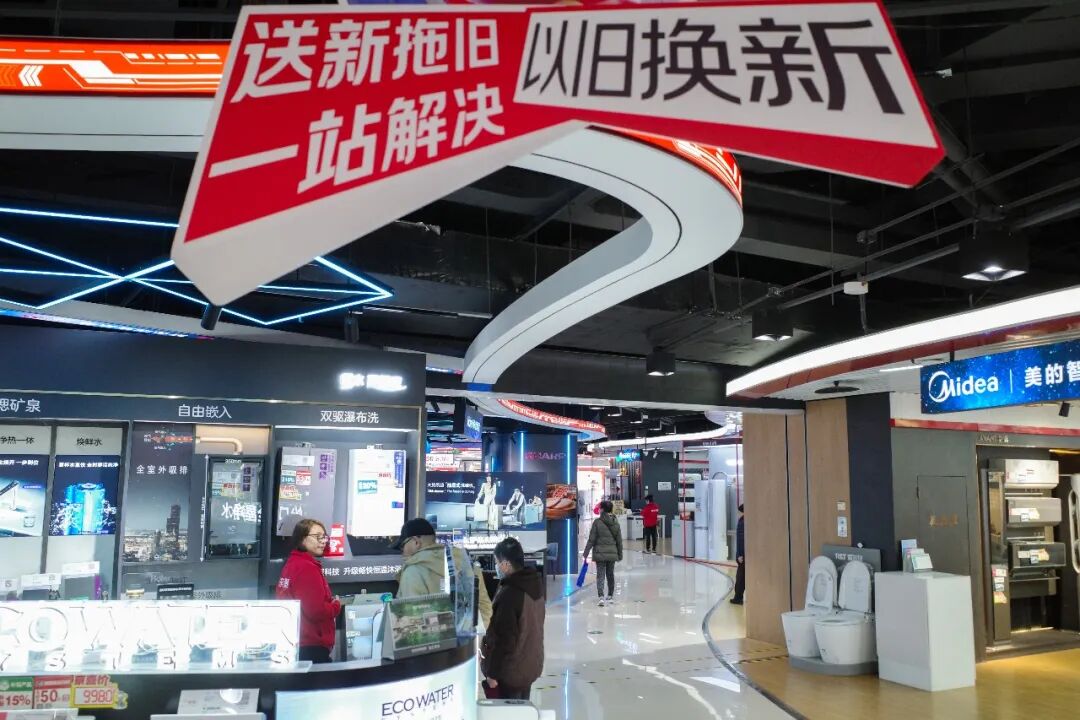
Why is the consumption elasticity of counties and townships greater?
Because people in first-tier cities have already replaced their old products long ago, but the ownership of air conditioners, range hoods, new energy vehicles and smart toilets in the vast counties and townships has not been updated on a large scale.
In August 2026, 74 merchants (49 home appliance stores + 23 digital stores + 2 car stores) in Weishi County, Henan Province, accepted 54,481 orders within 10 days, directly driving consumption of 169 million yuan; 33,000 units of high-energy-efficiency home appliances and more than 20,000 units of smart digital products were delivered to villages and households.
The first national new energy vehicles going to the countryside event in 2026 was launched in Wanzhou, Chongqing. 36 brands including BYD, Tesla and AITO brought exclusive rural financial plans and benefits up to 60,000 yuan to sink into the market, and a considerable part of the orders came from towns and surrounding districts and counties.
The data shows that in 2025, the per capita consumption expenditure on daily necessities and services of Chongqing residents increased by 12.4%, and the per capita consumption expenditure on transportation and communication increased by 12.6%, with growth rates much higher than other categories.
It is not difficult to see that the consumption increment in counties and townships is much stronger than that in cities.
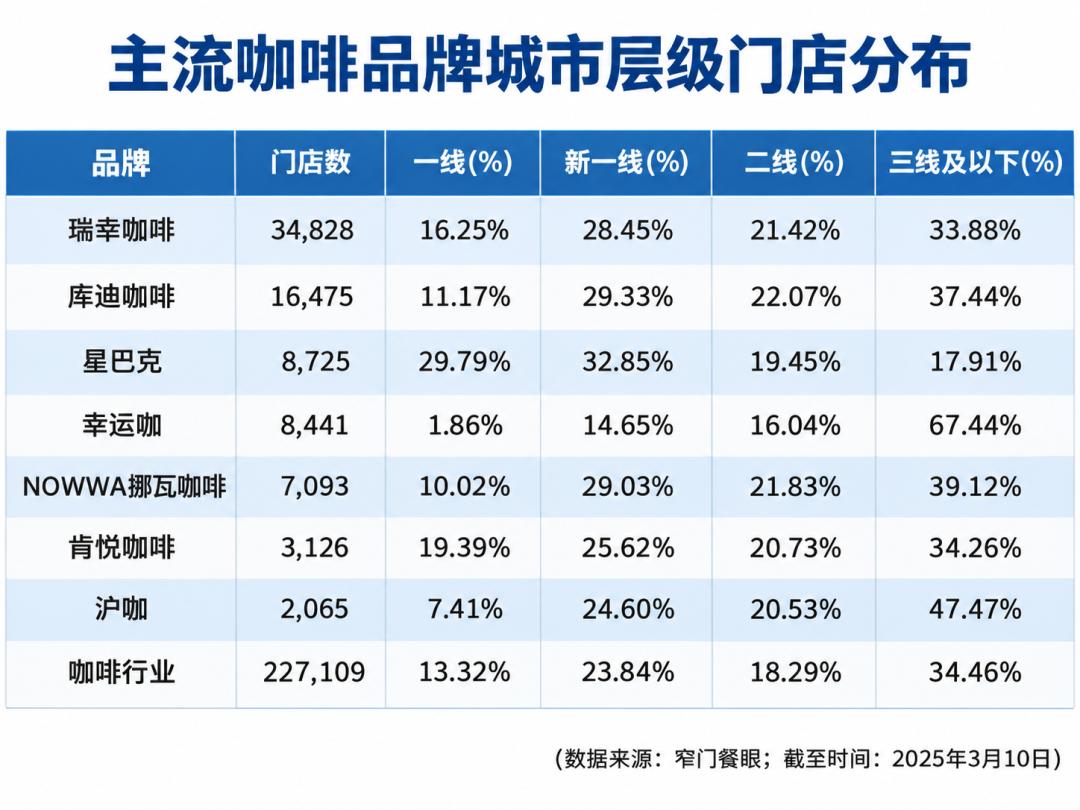
Nowadays, the high store density of Luckin Coffee and Cotti Coffee in county areas is no longer news.
In many county towns in Anhui, the decoration of independent specialty coffee shops is more exquisite than those in Shanghai. The cattle shed in the mountainous area of southern Anhui has been transformed into "Starry Waterfall Coffee", a cup of pour-over coffee sells for 38 yuan, and there are more consumers than Starbucks in the busy downtown areas of Beijing, Shanghai and Guangzhou.
I believe everyone can see from watching short videos in daily life that many lively night markets, night tours and night entertainment projects are also emerging in county and township areas.
For example, in Jiande, Zhejiang, the "909 Night Market" in Shouchang gathers more than 60 characteristic snack stalls. After being rated as the first batch of demonstration night catering blocks in Hangzhou in 2025, the daily average flow of people exceeds 2000.
The "Slightly Drunk Summer Night Market" in the ancient city of Yanzhou, Meicheng, also receives 3800 person-times per day on average, extending the stay time of tourists to 4.5 hours.
In Fenyi, Jiangxi, after the former power plant site was transformed into Luosi Town, it received nearly 2 million tourists in the past year, with a total turnover of over 17 million yuan. The newly opened "Dream Paradise" during the National Day covers an area of 30,000 square meters, with 22 projects, covering all-day consumption scenarios of "parent-child activities in the daytime + night show appreciation".
In Quanjiao County, Anhui Province, the premiere of *Splendid Taiping* was held on the first day of the Lunar New Year in 2026, attracting 12,000 visitors on that day with a 90% attendance rate. It has been performed for more than 260 times in total, with more than 200,000 tickets sold. In the first quarter of this year, the county received 2.0465 million tourists, with consumption reaching 1.949 billion yuan, up 22% and 29% year-on-year respectively.
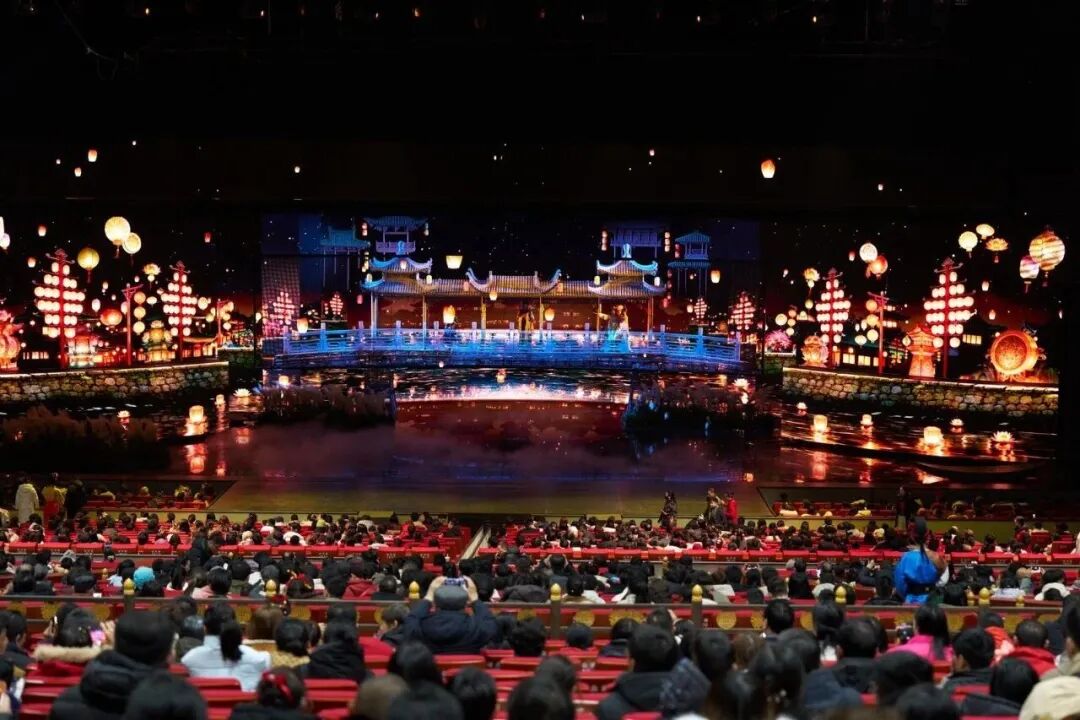
The premiere scene of *Splendid Taiping* at Taiping Theatre in Quanjiao County
The increment of consumption is shifting from Xinjiekou in Nanjing to the crossroads in county towns.
03 County Towns Can Retain Local Residents
Of course, the sustainability of consumption ultimately depends on whether there are enough jobs in the county.
In recent years, we have clearly felt that more and more county towns have their own characteristic industries, even industries that influence the whole country and even the global market.
Take Shuyang in Suqian mentioned earlier as an example, the county has 600,000 mu of flower and wood planting area, with annual sales exceeding 20 billion yuan. There are more than 50,000 flower and wood e-commerce merchants in the county, and the live streaming rooms are set up next to the nurseries. The whole process of pruning, packing and loading is broadcast live, and a pot of 30-yuan Chinese rose can be sold all over the country.
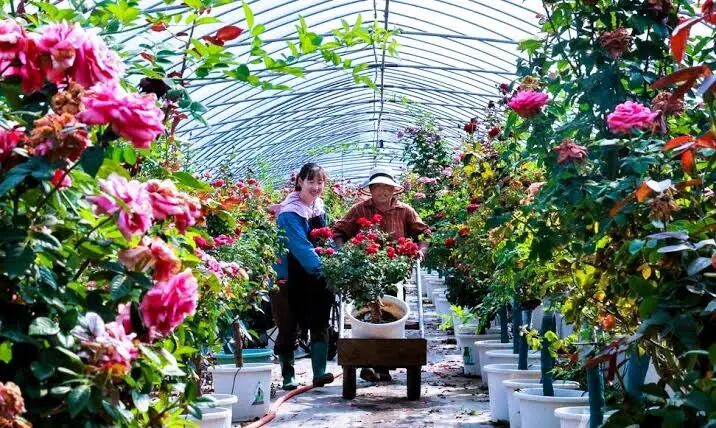
Shuyang flower and wood industry
From "wholesaling to the market" to "selling directly to consumers", the intermediate profit of a single seedling is retained in the county, turned into wages, and then turned into consumption for home decoration and car purchase.
This is why many people now sigh that the number of BBA luxury cars in counties is already more than that in big cities.
Take Maozui Town in Xiantao as another example, this town specializes in women's trousers, with an annual output of 110 million pieces. One out of every three pairs of women's trousers in the country is produced here.
The permanent population of the town is less than 100,000, and there are more than 30,000 garment industry workers, many of whom are people who went to Guangzhou to work in the past and now have returned home.
Then there is Cao County, which started with performance costumes and then turned to Hanfu production. Now there are more than 2000 Hanfu enterprises in the whole county, with annual sales exceeding 7 billion yuan. A set of Hanfu costs only more than 100 yuan, which is affordable for student groups, and young Hanfu lovers all over the country know this county.
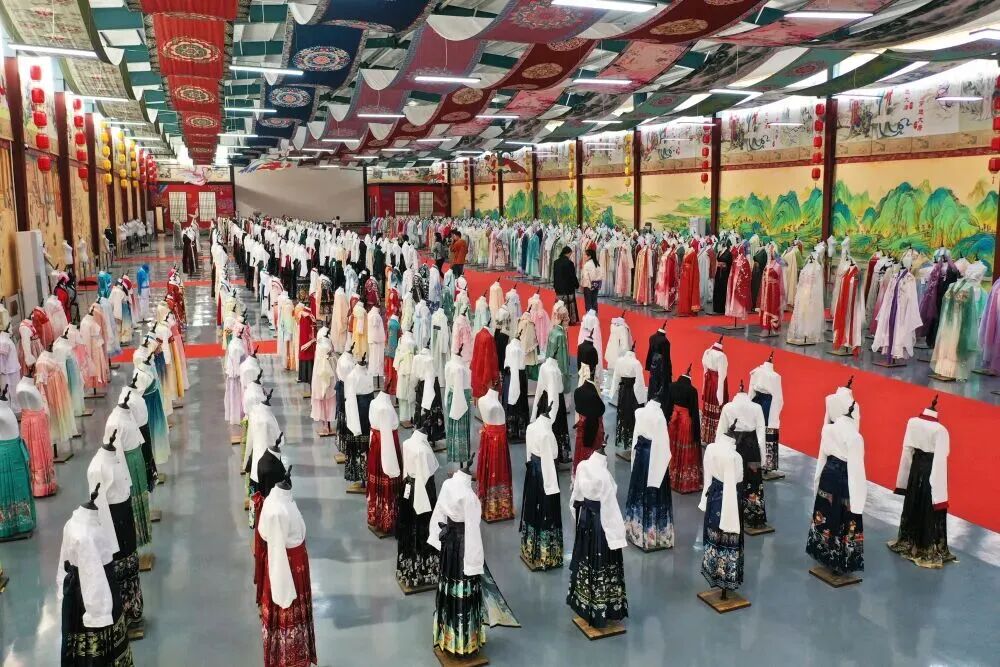
Cao County Hancang Cloud Warehouse Base for "Travel Back to Tang Dynasty" Hanfu in Daji Town
When any industry is developed to the extreme, it will have pricing power. With pricing power, there will be wage premium. With wage premium, young people will be willing to come back.
When young people come back, the lights in county towns will become brighter and brighter.
04 Why It Happens Exactly in Recent Years
Of course, the shift of the main battlefield of domestic demand from cities to counties and townships is often related to the background of the times.