Chinese, Japanese and South Korean game makers have launched a head-to-head showdown on Steam.
Steam's total revenue has been on the rise in recent years.
According to data from Alinea Analytics, Steam's gross revenue in the first half of 2026 has reached 11.1 billion US dollars, a year-on-year increase of 14.5%, with 147 million monthly active users and a peak of 69 million daily active users, marking the strongest half-year in the platform's history.
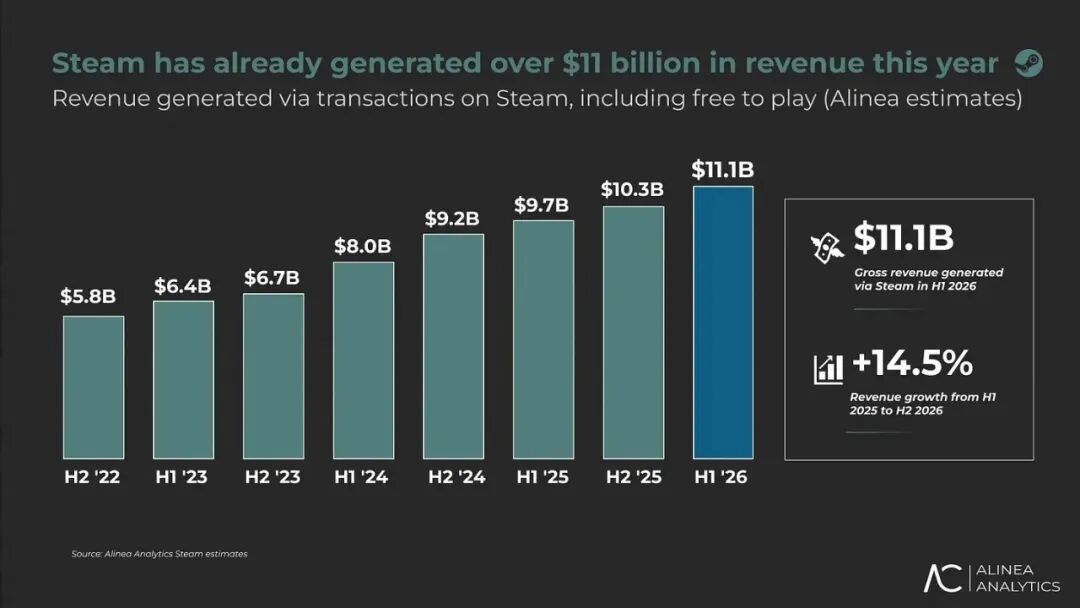
For reference, Steam's total annual revenue in 2017 was only 5.5 billion US dollars, and around 11.4 billion US dollars in 2021 — this year's half-year figure is already close to the full-year number back then, and the total annual revenue is expected to exceed 20 billion US dollars. This sustained growth does not rely on a single hit title, but on the expansion of the entire platform.
The data also shows that 79% of Steam's revenue in the first half of 2026 came from old games released before 2026, while new games only accounted for 21%. When it comes to the peak sales of individual titles, new games still take the majority share, and old games mainly benefit from the long-tail effect and their large quantity.
Therefore, this data does not prove that players are becoming more nostalgic. However, for manufacturers that hold decades-old classic IPs, this trend is good news, indicating that the profit-generating capacity of long-tail IPs on the Steam platform is also guaranteed.
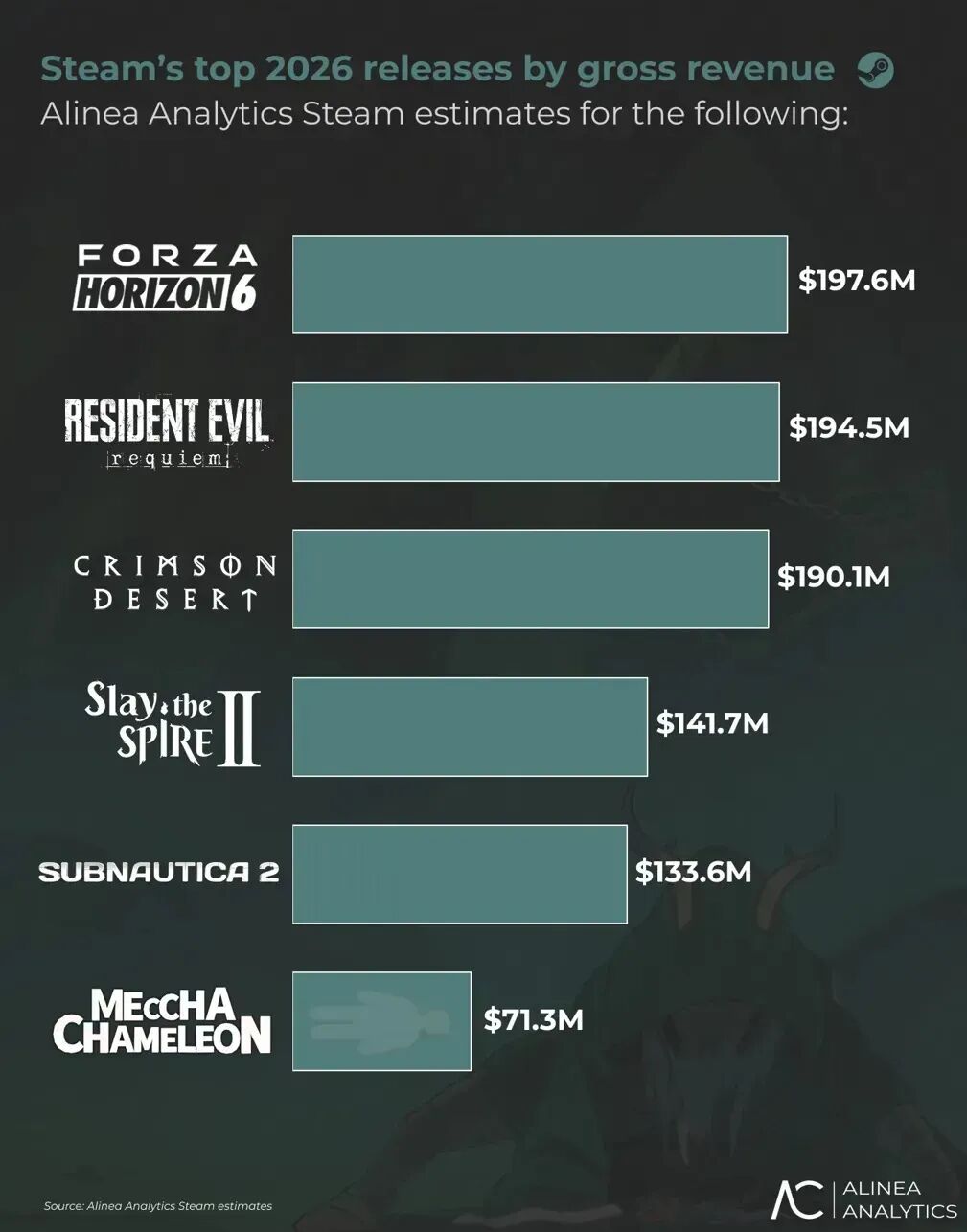
Specific analysis shows that a large part of Steam's increment in recent years comes from the contributions of Chinese, Japanese and Korean manufacturers. In the new game revenue list of the first half of 2026, Capcom's Resident Evil: Requiem ranks second with 194 million US dollars (referring only to Steam platform sales, the same below), South Korea's Pearl Abyss' Red Desert ranks third with 190 million US dollars, and Krafton's Subnautica 2 ranks fifth. The sixth-place Chameleon Rush also comes from Japan.
In the second half of the year, Dragon Sword: Awakening and Onimusha: Way of the Sword are released one after another, followed by domestic titles like Phantom Blade Zero that will be launched later this year. Game developers from East Asia's highly competitive gaming industry have all launched fierce competition on Steam.
South Korea: Facing fierce mobile game competition, opening a second battlefield on PC
The presence of South Korean games on the PC side has been growing higher and higher over the years. Different from the past, the titles that South Korean developers bring to PC now are no longer traditional MMO multiplayer online products, but shift to more single-player standalone blockbusters.
The most representative work that reflects this change is probably Dragon Sword: Awakening launched in this summer. This title is developed by South Korean studio Hound13, led by Park Jung-sik, the father of Dragon Nest, and landed on Steam on July 23.
It was originally a live-service game developed as a large open-world mobile game. After the production team broke up with its publisher Webzen and took back the distribution rights, they cut off all gacha systems in three months and converted it into a buy-to-play standalone game. As a result, it topped the Steam South Korea bestseller list 1 hour after release, rushed to the fifth place globally, sold more than 300,000 copies in less than three weeks, had over 1 million users added to its wishlist, and got "Very Positive" reviews with a price of 98 yuan in the China region. The transformation from a mobile game product to a Steam standalone hit is a very representative case sample.
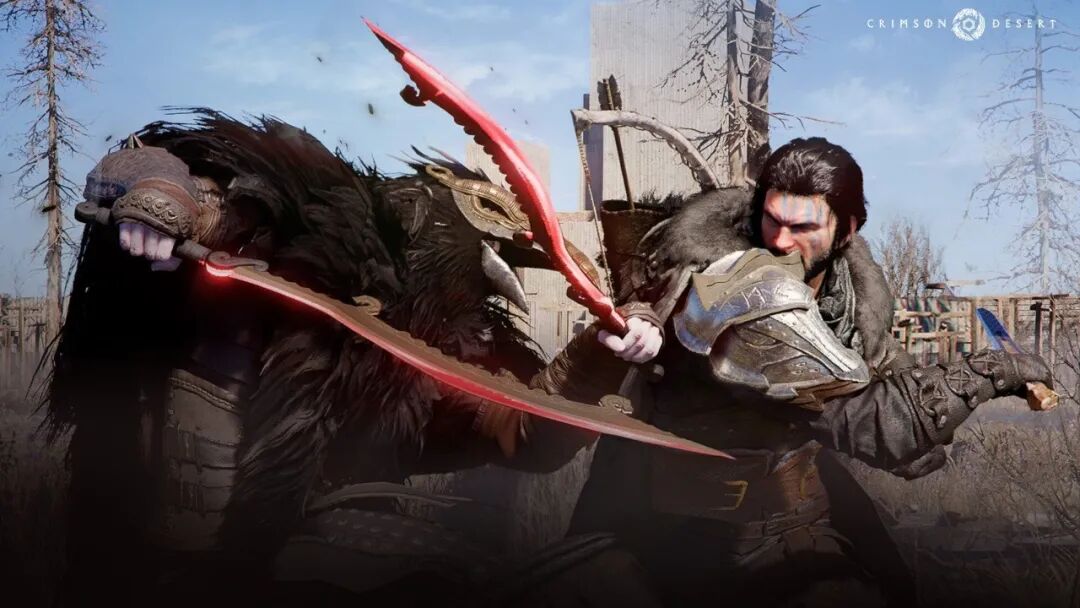
If Dragon Sword: Awakening represents the counterattack of a small and medium-sized team, Pearl Abyss' Red Desert in the first half of the year is a big bet from a large manufacturer. This South Korean company that started with the MMO Black Desert has spent 8 years and poured its self-developed BlackSpace engine into an open-world action RPG.
After the game was launched globally on March 19, it sold 2 million copies on the first day, 3 million copies in 4 days, and 6 million copies in 100 days, finally setting the fastest sales record for South Korean standalone games, 80% of which came from North America and Europe — this is a title that was targeted at the global market from the very beginning of its project, and does not rely on the South Korean local market at all.
In addition, there is Shift Up, which started with the mobile game Goddess of Victory: Nikke. This company is not satisfied with its mobile game that earns hundreds of billions of Korean won a year, and has decided to focus on developing standalone games. Its CEO Kim Hyung-tae once said that during the development of Stellar Blade, the company's account balance was only enough to pay salaries for three months, and investors questioned him "why develop such a high-risk standalone project in South Korea", but he persisted in the end.
After the PC version of Stellar Blade sold 1 million copies in three days, Shift Up immediately announced a new title Stellar Blade: Blood Rain set in the same worldview, and made it clear that it will self-publish the next sequel. Mobile games are the cash cow, and standalone games are the IP incubation ground, Kim Hyung-tae plans to focus on both sides.

As more and more games achieve success on Steam, other South Korean manufacturers are also catching up intensively, striving to gain a foothold on both PC and console platforms to expand their market share.
Neowiz's Lies of P has sold about 4 million copies, and its sequel has been announced to be in full development. Krafton has launched multiple new games in the PUBG universe such as PUBG: Black Budget, targeting the PC shooting game market. Nexon has adapted the Dungeons & Fighter IP into the standalone game The First Berserker: Khazan, and has another project Project V (Traveler Yuchi) in reserve. Wemade's TAL: The Arcane Lands is designed to compete with Monster Hunter. There are also Cinder City under NCSoft, and Chrono Odyssey published by Kakao Games, which were originally online game projects, but have all announced to switch to the buy-to-play model and plan to land on Steam.

At the official level, the South Korean government is also fueling this trend. In 2025, the Korea Creative Content Agency invested 21.9 billion Korean won in game content production, covering 76 projects, and cross-platform console and PC projects can receive subsidies for three consecutive years. In 1999, South Korea nurtured a huge esports and online game industry through policy support. More than 20 years later, the South Korean government still wants to replicate that success.
But the fact is that the rise of South Korean online games back then did not rely on simple government support, but on the huge market gap in China that gave South Korean online games huge development opportunities. Half of this opportunity came from the efforts of South Koreans themselves, and the other half can be said to be given to South Korea for free by Japanese arrogance (not actively exploring the Chinese market). Nowadays, the boom of South Korean games on Steam can also be said to have the "contribution" from Japan.
Japan: Defending its existing market is more important than expansion
Compared with South Korea opening up a second battlefield on PC, Japan has already established a firm foothold on the PC side long ago. According to data from CESA, Japan's PC game market has continued to expand in recent years. In 2025, its PC game revenue exceeded 300 billion yen for the first time, accounting for 12% of the total, and its scale has doubled compared to four years ago. Compared with the console and mobile segments, PC is the only game track in Japan that maintains sustained high growth.
This data can also be confirmed at the company level. Capcom is the most typical example. It holds old IPs on one hand and launches new products on the other, releasing four new titles a year and achieving success for every single one. The cumulative global sales of Resident Evil: Requiem across all platforms have exceeded 8 million copies; Stories of Monster Hunter 3: Twin Fates has an average Metacritic score of over 85; the new IP Qualia released in April sold over 2 million copies 16 days after launch; Onimusha: Way of the Sword released in September sold over 1 million copies on its first day of release.
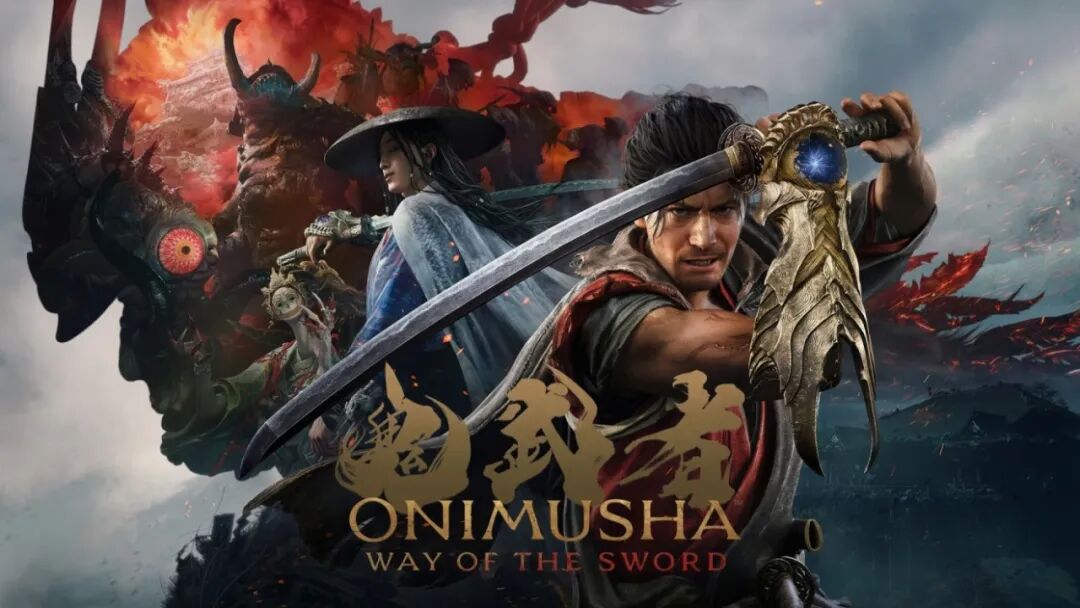
These new titles not only have high sales, but also generally enjoy good reputation, with all their Metacritic average scores exceeding 85. This shows that Japanese game developers have a solid foundation and rich accumulation, and still have the ability to make excellent games no matter how serious the aging problem is.
From Capcom's financial report, we can also see that its PC revenue has accounted for the majority. In the fiscal year ending March 2026, Capcom's total game sales reached about 59 million copies, of which 32.17 million copies came from PC, surpassing console sales for three consecutive years. In the same year, the company's revenue on Steam reached 40.383 billion yen, almost twice the revenue of the PS platform (20.741 billion yen).
It is not only Capcom that is paying more and more attention to PC. Developers that focused on PC much earlier such as Falcom and Koei Tecmo are now reaping the dividends of their IPs. Just recently, Romance of the Three Kingdoms 14 Power-up Kit Heritage Edition was launched on September 10, Trails in the Sky 2nd was launched on September 16, and Dynasty Warriors 2 with Xtreme Legends Remastered was launched on October 1, continuously earning revenue from their long-time middle-aged fans.
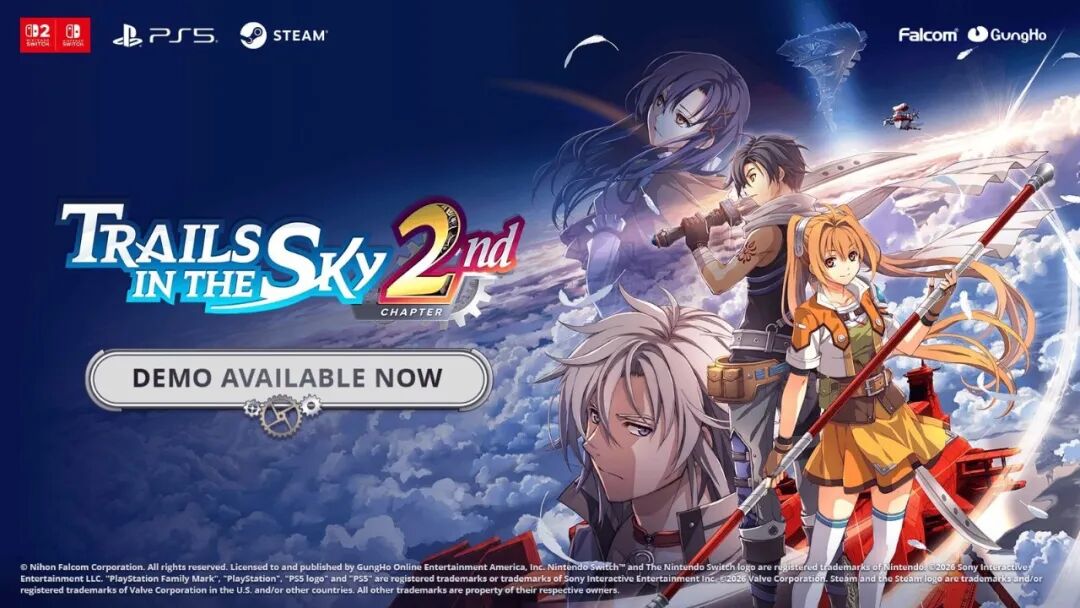
Even ATLUS, which came late to the PC market, by continuously porting the Persona series to PC (the remake of Persona 4 will be launched in 2027), can not only earn extra revenue, but also greatly expand the global IP influence of its "best JRPG in the world" titles, paving the way for its various cross-over collaborations to make more profits.

All the games mentioned above are cases where Japanese developers release their titles on multiple PC and console platforms, making sure that they do not miss out on profits from any side. However, not all Japanese developers choose to fully embrace PC, such as Sony.
According to reports from foreign media including Bloomberg, Sony has suspended or canceled the PC porting plans of multiple first-party games this year. Titles such as Ghost of Yotei, Marvel's Wolverine, Star Wars: Outlaws, and Saros may not have PC versions or porting plans. However, Sony stated that second/third-party published works and long-running live-service games will still be launched on PC.
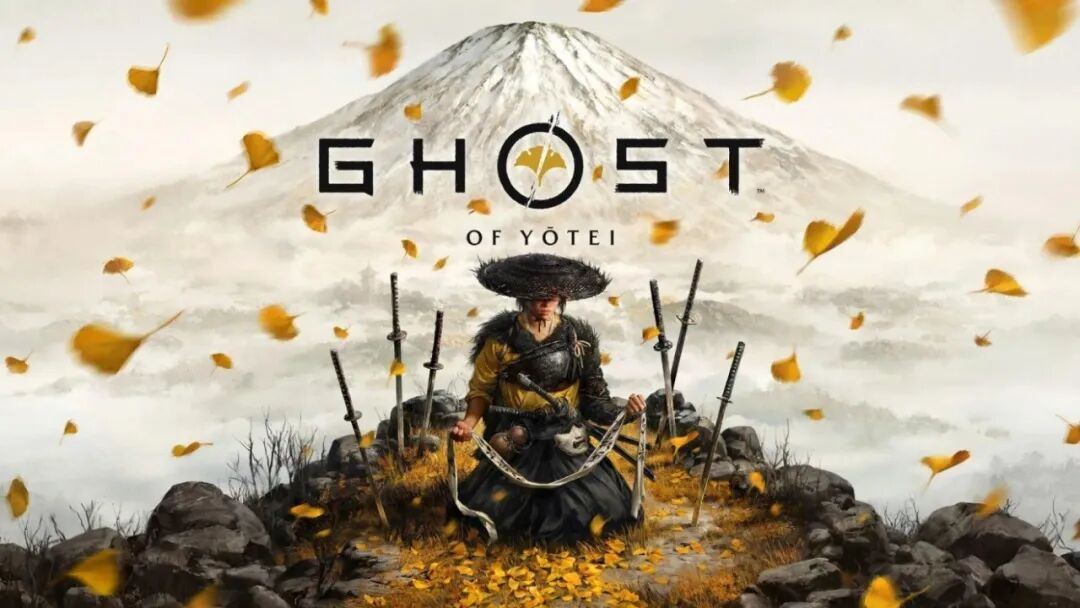
The direct reason for Sony's decision is that the sales of IP ported to PC continue to decline. For example, God of War (2018) sold 4.2 million copies on Steam, but God of War Ragnarök only sold 940,000 copies; Marvel's Spider-Man sold 2.7 million copies, while its sequel only sold 700,000 copies. The porting cost plus Steam's 30% revenue share makes Sony think it is not cost-effective.

But the deep-seated reason is that Sony wants to use games to maintain PS5 sales. To give players enough reasons to buy the increasingly expensive PS5, Sony must add more first-party exclusive titles, even if that will lead to the loss of sales or influence of individual game IPs. This is a typical strategy of sacrificing the pawn to protect the king.
From July to September, XBOX conducted continuous layoffs, with nearly 2000 employees laid off, and even the next Halo title was handed over to the Activision team for development. If the XBOX product line continues to shrink