Banned from sale for 5 years with a maximum fine of 100,000 yuan, AI toys have finally come under regulatory supervision.
From privacy leaks to exposing children to inappropriate content, the safety issues of AI toys are raising concerns among child protection advocates worldwide.
As Christmas approaches, many parents have already started picking out gifts for their children.
But recently, more than 150 child safety organizations and experts from six continents across the world have jointly issued an appeal: Amazon and eBay should immediately stop selling such products until AI toys are confirmed to be sufficiently safe.
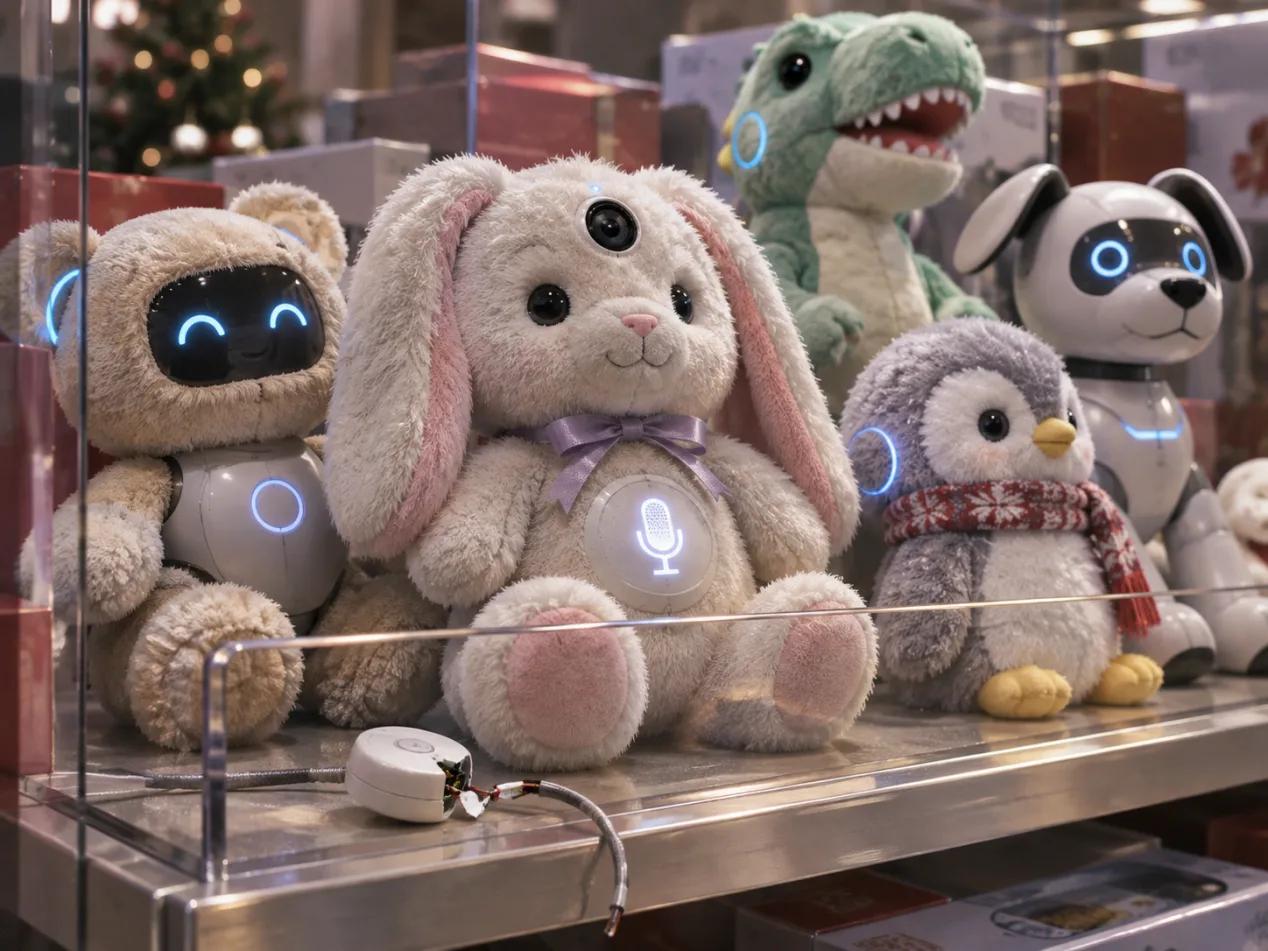
Image source: Generated by ChatGPT
They also specifically wrote an open letter to Andy Jassy, CEO of Amazon, and Jamie Iannone, CEO of eBay, demanding that the two major e-commerce platforms not only stop selling AI toys, but also issue refunds to consumers who have already purchased such products.
In addition to multiple child safety organizations in the UK and the United States, the joint action also includes the "Anxious Generation" campaign initiated by renowned psychologist Jonathan Haidt.
In their view, the potential safety hazards posed by AI toys are no longer mere speculation, but are backed by a large number of real cases.
For example, there is a plush rabbit toy that merchants claim is suitable for children aged 3 and above. But this toy is connected to ChatGPT, and according to ChatGPT's own usage rules, users must be at least 13 years old.
Even more outrageous, the UK child protection organization Alliance 4 Children found during testing of this toy that it even suggested to children that they could consent to other people touching their bodies for pleasure.
After the incident was exposed, Amazon removed this toy from its shelves.
No one could have expected that just 48 hours later, the same toy reappeared on Amazon under a different seller. At present, Amazon has removed it from the shelves again.
"These toys are cheap, easily accessible, and most of them have not undergone sufficient safety testing."
What is worrying is that the target users of these products even include children as young as 3 years old.
Data shows that by the end of October this year, nearly 30 AI-equipped toys were available for sale on Amazon's UK site, while about 50 similar products were recently on sale on its US site.
To attract parents to place orders, many merchants have created a variety of selling points for AI toys. For example, they can clone the voice of family members, let the toy chat with children in the voices of mom and dad, and even track children's emotional changes to understand their emotional growth.
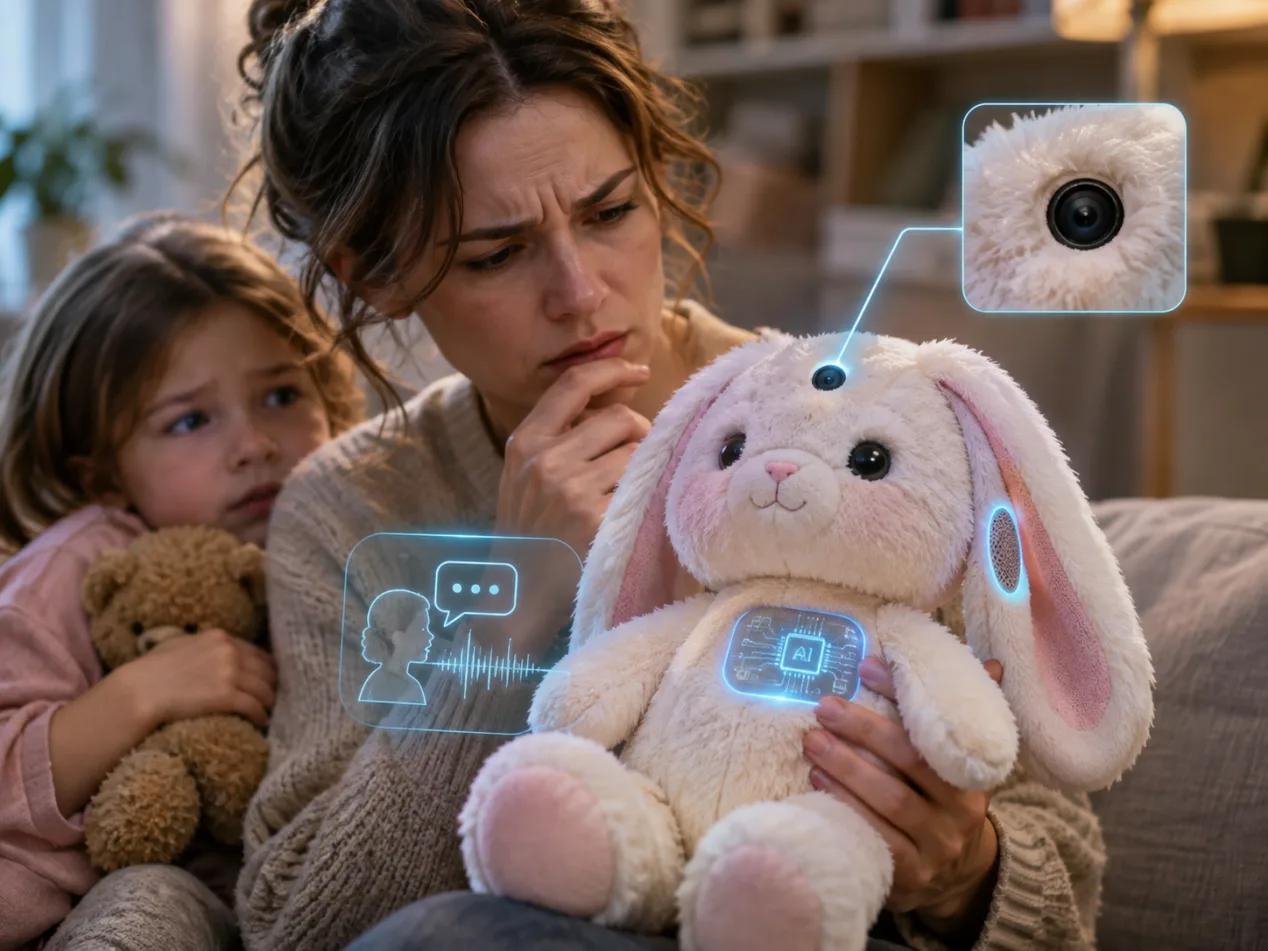
Image source: Generated by ChatGPT
It sounds very smart, but are these functions really good for children?
In March this year, the University of Cambridge conducted a study commissioned by the UK children's charity Childhood Trust.
The results found that young children do develop affection for AI toys, and even form emotional bonds with them.
But the problem is that the researchers found no evidence that these AI toys can bring benefits to children's growth and development.
In response, child safety organizations emphasized in the open letter that the precautionary principle should be followed.
These products should prove themselves to be sufficiently safe before being sold to children. We should not wait for problems to occur before removing them from shelves one by one.
There are quite a lot of cases where AI toys have failed.
Last Tuesday, the U.S. Public Interest Research Group (US PIRG) released a test report on 7 AI toys. The results found that most of the tested products had obvious defects and were far from being safe enough to be put on the market.
Some have serious privacy and security issues, while others output content unsuitable for children when answering children's questions.
There was even an AI toy that suddenly took photos of the testers without their knowledge.
Now, this incident has also attracted the attention of British politicians.
Last Friday, 52 members of the UK House of Commons and House of Lords jointly signed an open letter and submitted it to 10 Downing Street, the official residence of the Prime Minister, demanding that British Business Secretary Jonathan Reynolds restrict the sale of AI toys until the safety of these products is confirmed.
At the same time, they also demanded that the UK Office for Product Safety and Standards (OPSS) issue a risk warning before Christmas to remind parents and retailers of the potential safety hazards of AI toys.
British MP Jess Asato, who participated in signing the open letter, said bluntly: "Toys with AI chatbots are not safe for children, it's as simple as that."
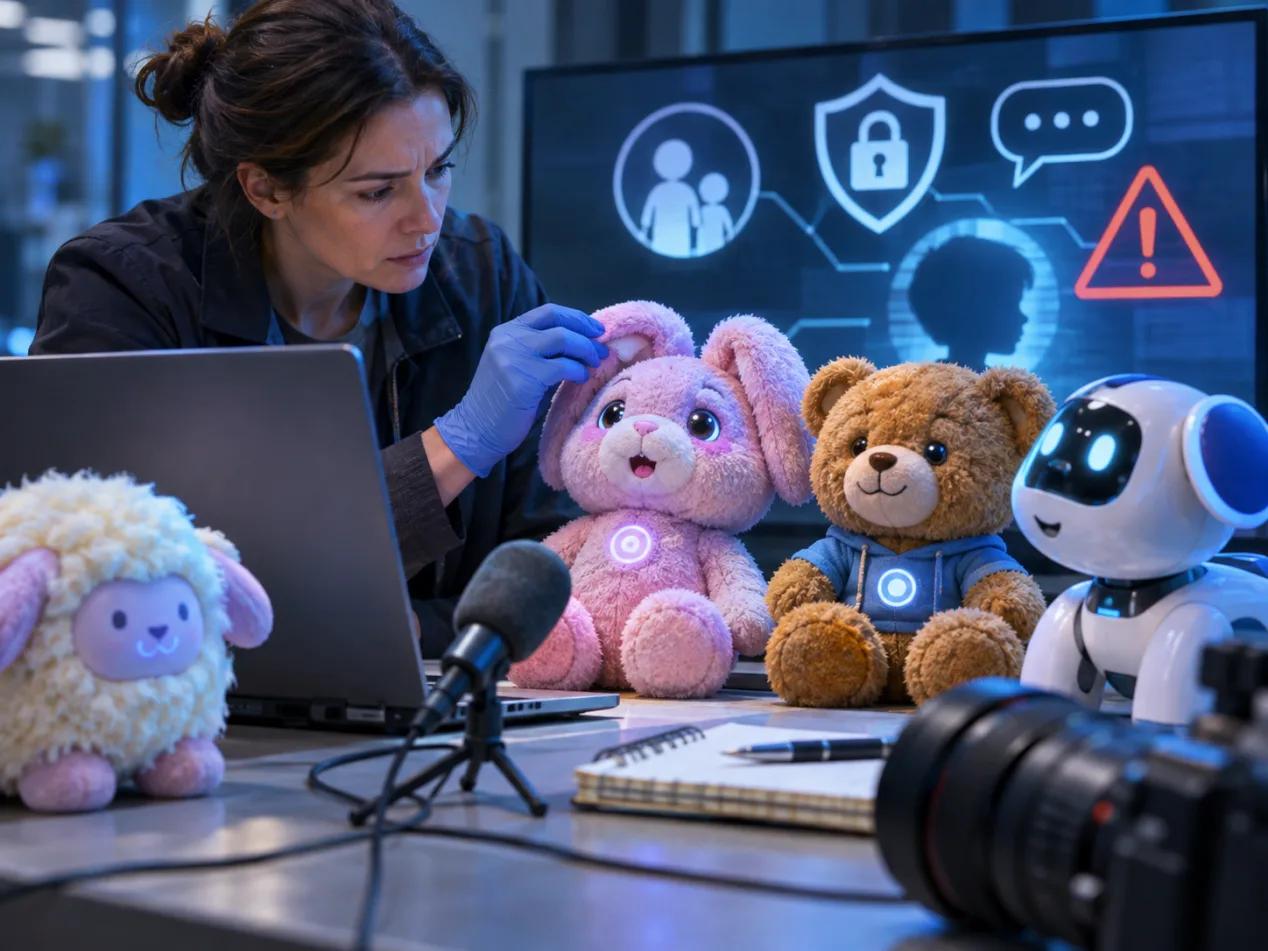
Image source: Generated by ChatGPT
In her view, when parents buy toys for their children, they naturally assume that these toys are safe. Who could have imagined that the toys they paid for would actually talk to children about sexual topics, or even advocate suicide?
With Christmas around the corner, the UK government must take action as soon as possible to make merchants and parents aware of these risks and push for a ban on the sale of such toys.
As early as July this year, the UK government has begun to review the existing toy safety regulatory system, with a key focus on the new risks that toys equipped with AI functions may bring.
The collection of relevant opinions and evidence ended on October 6.
So, what is the attitude of the two major e-commerce platforms that were named?
Amazon responded that the platform requires all products sold by third-party merchants to comply with relevant laws and regulations, and attaches great importance to the safety of children and their families.
With the development of AI technology, Amazon supports the entire industry to establish corresponding safety protection mechanisms. At present, the platform has removed the named related products from shelves and is investigating the relevant allegations.
eBay said that the platform has been committed to protecting the rights and interests of buyers and sellers, will continue to adjust platform policies, maintain communication with regulatory authorities, and comply with relevant laws and regulations to ensure that the platform can adapt to evolving safety standards.
The UK government is deeply concerned about these reports and has already started investigating the relevant products, as well as the potential risks brought by the application of AI technology in toys.
No one has any reason to sell products that may endanger children's safety, and relevant enterprises must take action as soon as possible to resolve these issues.
This article is from the WeChat official account "Lei Technology", written by Lei Technology, and is published with authorization from 36Kr.