After the toughest quarter, Xiaomi is poised to shift its operational strategy.
Operating revenue and profit both declined in Q3, while AI and chip businesses are facing external regulatory tests.
On the evening of November 24, Xiaomi Group released its financial report for the third quarter of 2026. The total revenue reached 107.2 billion yuan, down 5.2% year-on-year; gross profit stood at 21.615 billion yuan, down 16.7% year-on-year; operating profit was 6.572 billion yuan, down 56.5% year-on-year; adjusted net profit was 4.88 billion yuan, down 56.8% year-on-year.
This marks the third consecutive quarter of year-on-year decline in Xiaomi's net profit, with the net profit margin shrinking from 10% in the same period last year to 4.6%.
The sharp contraction in the financial report is largely due to the fact that Xiaomi delivered its most impressive quarterly report in the same period last year. Its adjusted net profit hit a record high of 11.3 billion yuan, and new car deliveries reached 108,800 units, both hitting new highs, while the automotive business also achieved single-quarter profitability for the first time.
Breaking down the sub-segments this quarter, the external situation is not optimistic, but several business lines in the financial report are still moving upward.
The automotive business delivered 100,975 vehicles in the third quarter, of which the Pengcheng Series, which was launched on September 7, delivered more than 10,000 units in 23 days. Mobile phone shipments reached 30.7 million units. Against the backdrop of a roughly 20% year-on-year decline in the global overall market, its market share has increased quarter-on-quarter for the third consecutive quarter, with the average selling price rising to 1,486 yuan, a record high. The overseas revenue of the Mobile Phone × AIoT business accounted for 49.1%, achieving growth both year-on-year and quarter-on-quarter.
"This third quarter is the most difficult quarter for the smartphone industry, at least since I started my career," Lu Weibing, Partner and President of Xiaomi Group, told China Entrepreneur at the financial report conference call that night.
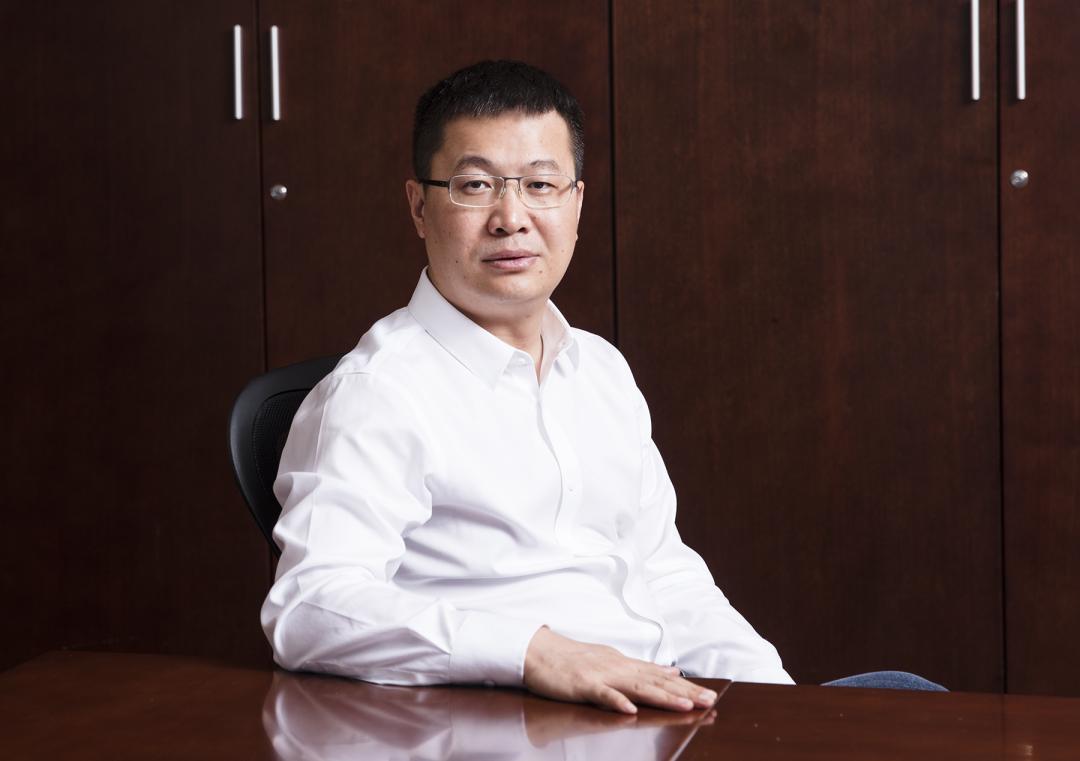
Lu Weibing, Partner and President of Xiaomi Group Photo by Li Yingwu
About a week before the financial report was released, new variables emerged in the external environment. On November 16, the U.S. Department of Commerce issued the interim final rule "Controlling Remote Access to Advanced Semiconductors", further tightening the compliance exemptions and verification paths for overseas manufacturing, packaging and testing links. The market immediately spread the news that foundries such as TSMC will suspend some 16nm and below orders for Chinese customers.
For Xiaomi, the already launched Xuanjie O1 and O3 chips rely on TSMC's 3nm production capacity, while the subsequent tape-out, packaging and delivery rhythm of the Xuanjie O100 and D100, which have been developed and planned for commercial use next year, may also be involved in stricter reviews.
On November 25, Xiaomi's stock price rose at the opening of the Hong Kong stock market, up 6.79% as of press time.
The Gold Content of 100,000 Deliveries
Starting from this quarter, the "Smart Electric Vehicles and AI and Other Innovative Businesses" segment in Xiaomi's financial report has been renamed "New Energy Vehicles and AI and Other Innovative Businesses". The direct reason for the name change is the enriched product matrix. On September 7, four models of Xiaomi Pengcheng Series, N90 Max Exploration Edition, N90 Max, N70 Max and N70 Pro, were officially launched. More than 70,000 units were locked in the first month of launch, completing the dual-line layout of pure electric and extended-range vehicles.
On the other side of the name change, AI is playing an increasingly important role in this segment. Among the 23.9 billion yuan of segment revenue, automotive revenue was 22.7 billion yuan, and there was another 1.2 billion yuan of other revenue, including the revenue contribution from large AI models.
In the third quarter, Xiaomi's automotive revenue reached 22.7 billion yuan, down 19.9% year-on-year. Lu Weibing told China Entrepreneur at the conference call: "The pressure in the third quarter of this year is extremely high. According to the data we see, the retail volume of domestic passenger vehicles in China fell by 24% year-on-year." Data from the China Passenger Car Association also reflects the chill in the overall domestic automotive market. The retail sales of passenger vehicles in September alone fell by 28% year-on-year, and the cumulative decline in the first three quarters exceeded 20%.
Against this background, Xiaomi's performance has both gains and losses. It delivered 100,975 units in the third quarter, basically flat quarter-on-quarter. But for Xiaomi's annual sales target, only 52% of the 550,000 unit sales target set at the beginning of the year was completed in the first three quarters.
In terms of automotive sales among all new power carmakers, Xiaomi ranks third, only behind Leapmotor and XPeng, but Xiaomi's price band is higher among them.
Taking Leapmotor as an example, among its domestic sales in the third quarter, four models A10, A05, B01 and B10 with a starting price below 100,000 yuan sold a total of 148,100 units, accounting for 60% of the total.
XPeng delivered 118,400 units in the third quarter, hitting a new single-quarter all-time high, but the MONA series supported the scale. The two models M03 and L03 with a starting price of around 120,000 yuan cumulatively accounted for 46.3% of XPeng's domestic sales.
More than half of Xiaomi's 100,000 delivered units are priced above 200,000 yuan. "In the price range above 200,000 yuan, N70, SU7 and N90 have taken the top three spots in sales of models priced above 200,000 yuan, which I think is very remarkable," Lu Weibing told China Entrepreneur. Converted by automotive revenue and delivery volume, the average selling price of Xiaomi cars in the third quarter was about 225,000 yuan, a slight decrease quarter-on-quarter, but the entire product matrix is still priced above 200,000 yuan.
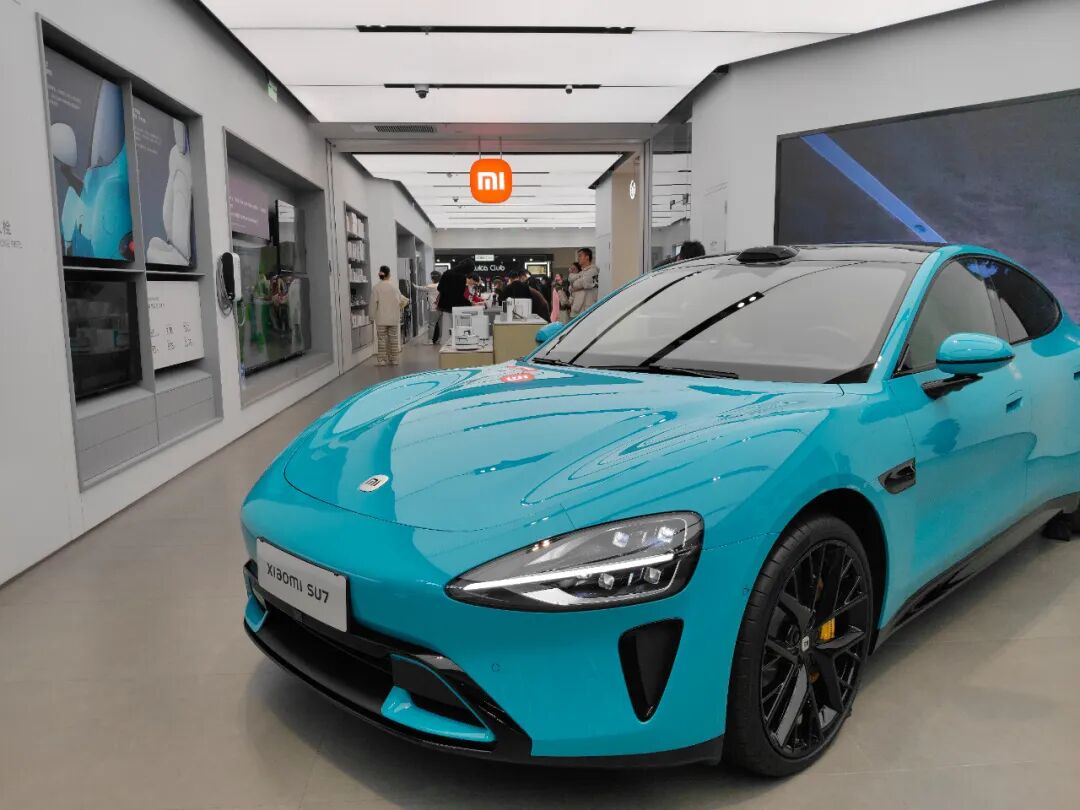
Photo by Wu Ying
However, behind the decline in the average price of Xiaomi cars, the pressure cannot be ignored.
Sales of the SU7 Ultra, priced at 529,900 yuan, collapsed starting from September 2025, leaving only 45 units sold in December 2025, and monthly average sales of less than 70 units from February to April this year. After the controversy over the carbon fiber hood promotion and the horsepower-locking OTA incident, the sales of this car that drove up the average price almost dropped to zero.
The official selling price of the Pengcheng Series was reduced by 30,000 yuan compared with the pre-sale price. Under the double pressure, the gross profit margin of Xiaomi's innovative business segment dropped from 25.4% in the same period last year to 19.2%.
More importantly, after Xiaomi's automotive business achieved single-quarter profitability in Q3 and Q4 last year, the loss expanded further this quarter. The segment recorded an operating loss of 3.4 billion yuan in the third quarter, compared with 3.1 billion yuan and 2.6 billion yuan in the previous two quarters respectively.
When asked whether it can return to break-even after the Pengcheng Series reaches high sales volume, Lu Weibing said: "Our innovative business integrates multiple modules, including automotive, AI and chips. So the core reason for the expanded loss this quarter is that we have significantly increased our investment in AI."
He shared a set of user data. Among Pengcheng car owners, users over 35 years old account for more than 50%, family users account for more than 87.8%, and users who replace or add new cars from fuel vehicles account for 50.3%. In the past two months, the pure electric driving mileage accounts for 90% of the total, 75% of the car owners have used the living room mode, and 80% have used the private first-class cabin mode.
When asked if Pengcheng users will overlap with SU7 and YU7 users, Lu Weibing replied: "Users of extended-range models are more mature and more family-oriented. The sales of SU7 and YU7 have instead achieved growth, and there is no internal cannibalization among our products."
Xiaomi's automotive overseas expansion also has a clear schedule. Lu Weibing said that Xiaomi cars will go overseas in the second half of 2027 as planned, and first land in Germany in the third quarter.
Balancing Volume and Price to Secure the Core Mobile Phone Business
The "most difficult quarter since I started my career" mentioned by Lu Weibing, the source of profit erosion lies in storage. Omdia data shows that global smartphone shipments in the third quarter fell by 20% year-on-year, storage costs are still at a high level and continue to rise.
In the third quarter, Xiaomi's mobile phone business fell into a difficult situation of balancing volume and price. Its revenue reached 45.6 billion yuan, a slight decrease of 0.9% year-on-year. The most difficult part is the shipment volume: 30.7 million units, down 29.1% year-on-year, a decline higher than the roughly 22% drop of the global overall market.
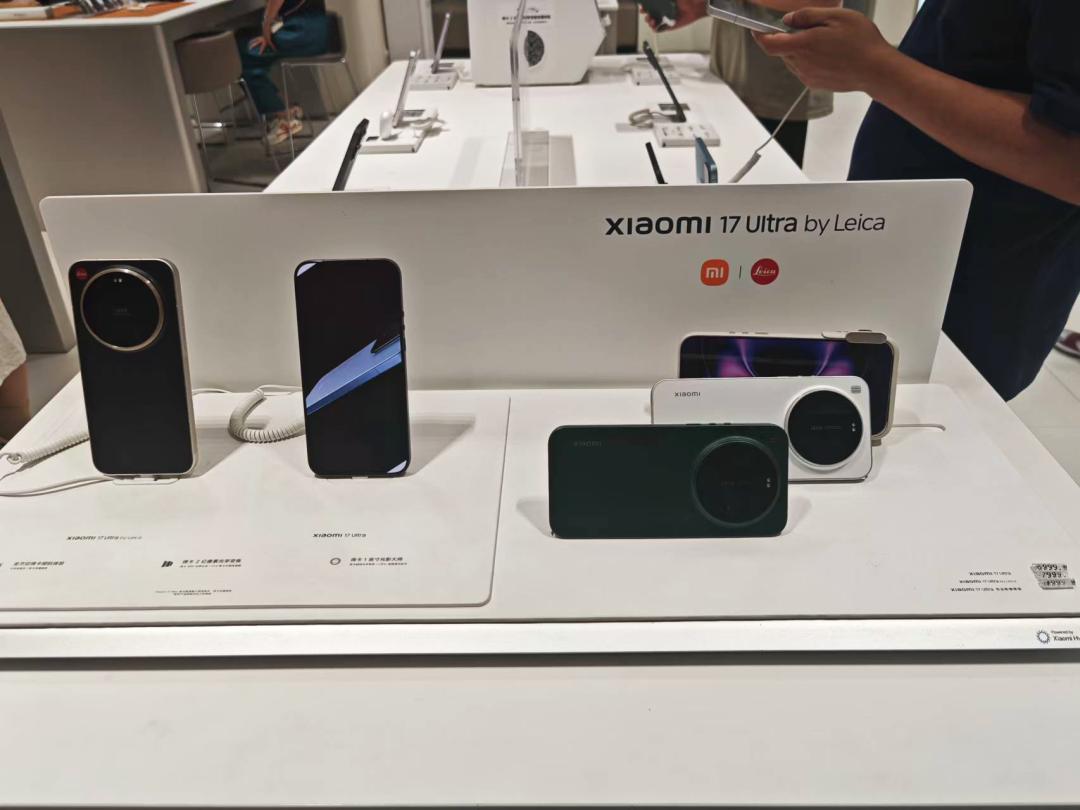
Photo by Yuan Maoli
In comparison, Apple's shipments only fell by 4% in the same period, showing stronger resilience. In the domestic market, Huawei became the only top brand manufacturer that achieved positive growth, with shipments rising 17.3% year-on-year, squeezing Xiaomi's high-end market. Xiaomi's domestic shipments fell by 20.4% year-on-year.
The core source of pressure is the continuous rise in storage chip prices. Lin Shiwei, Vice President and CFO of Xiaomi Group, said at the conference call that the company copes with the situation through product innovation, structure optimization and price adjustment, and the mobile phone ASP reached 1,486 yuan, up 39.8% year-on-year.
However, the gross profit margin of mobile phones fell back to 9.2%, lower than the level in the same period last year, which means that Xiaomi has absorbed more rising costs.
"We must use product innovation to counter rising costs. We cannot simply raise the price of products," Lu Weibing told China Entrepreneur. His strategies include actively reducing low-end mobile phone shipments, dynamically adjusting the pricing of new products, and holding a batch of memory inventory, "which provides a good buffer for us to cope with the rising cost of memory."
The Xiaomi 18 Fold released in September has a starting price of 10,999 yuan, and the 18 Pro series has just been released and put on sale in Paris. Its market share in the price range above 6,000 yuan in Chinese mainland increased by 1.2 percentage points year-on-year to 4.4%. However, in the high-end battlefield, Xiaomi's absolute market share is still not high, especially overseas, where its user base is still dominated by mid-to-low-end products.
The IoT business is in a similar recovery channel. Its revenue in the third quarter reached 27.2 billion yuan, down 1.4% year-on-year.
Lin Shiwei told China Entrepreneur that the IoT business fell 24 percentage points year-on-year in the first quarter, 19 percentage points in the second quarter, and only 1.4% in the third quarter. "The year-on-year decline has narrowed for two consecutive quarters, and the business is generally picking up every quarter." The gross profit margin reached 21.7%, up 1.6% quarter-on-quarter. In terms of product categories, the revenue of large smart home appliances returned to positive year-on-year growth, air conditioning revenue achieved double-digit year-on-year growth, and both overseas TV shipments and revenue hit record highs. The quarter-on-quarter decline was affected by seasonal factors such as big promotion events and the peak season of air conditioners.
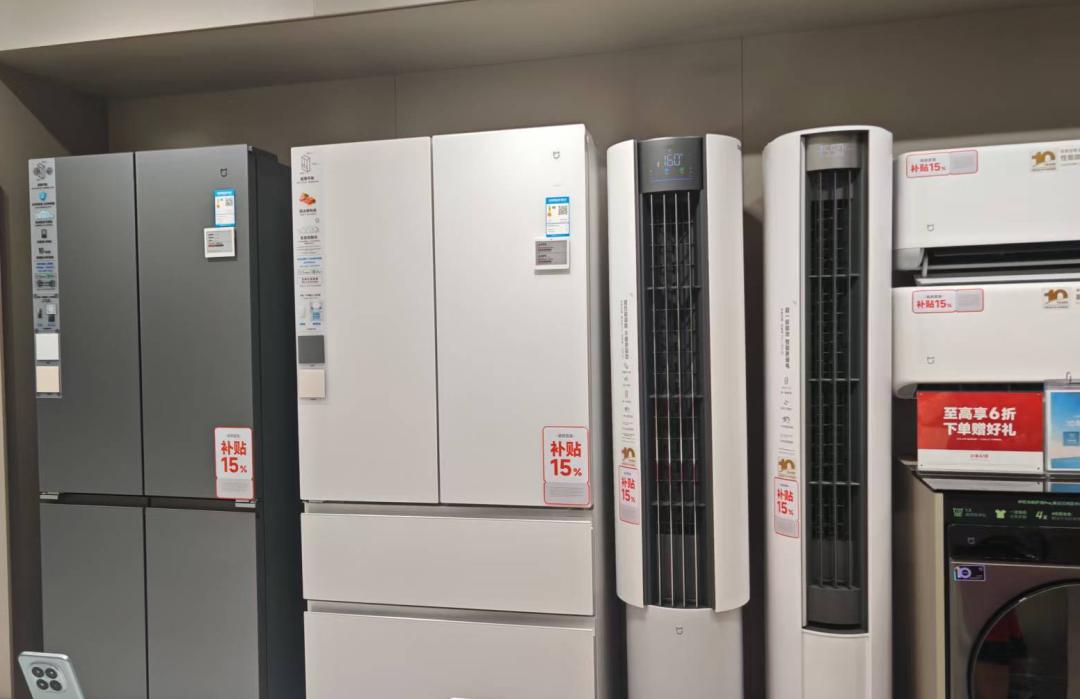
Photo by Yuan Maoli
Internet services continue to act as the ballast stone. Its revenue in the third quarter reached 9.5 billion yuan, a slight increase of 0.7% year-on-year, of which advertising revenue was 7.4 billion yuan, up 2.6% year-on-year. At present, the single-quarter gross profit of this segment of Xiaomi is about 7 billion yuan, exceeding the 4.2 billion yuan of the mobile phone segment. Mobile phones contribute scale, and the internet business contributes profits, a structure that will not change in the short term.
Robots are the new business that has been mentioned most frequently by Xiaomi this quarter. On October 27, Xiaomi unveiled its bionic dexterous hand for industrial scenarios, with 21 degrees of freedom, 26 motors, and 1500-point high-density full-palm tactile sensing.
"We have mobile phone factories, home appliance factories, and automotive factories. These different factories have different operation scenarios, which provide very good application scenarios for our robots to adapt to multiple production lines," Lu Weibing told China Entrepreneur. He also admitted at the same time that embodied robots still have a long way to go before commercialization.
Conservative R&D Expenditure and Unresolved Computing Power Challenges
With a huge hardware foundation, how Xiaomi's AI will be implemented has always been the most concerned topic for the outside world.
On September 22, Xiaomi released and open-sourced the MiMo-V2.6 series, which is a key step in its exploration of recursive self-improvement paths. V2.6-Pro scored 46 points in the AA comprehensive intelligence index, becoming the highest-scoring open-source model in the world at that time.
At present, MiMo Desktop has opened for invitation testing, and V2.6-Pro has also been launched on Tencent WorkBuddy. The Super Xiaoai 2.0 in HyperOS 4 is also deeply integrated with the MiMo large model.
"At the beginning of the year, we proposed that the investment in AI this year would be about 16 billion