Top-tier catering brands are flocking to experiment with new store formats.
Over the past month, more than 10 leading catering brands have opened non-standard new stores
This year, a notable change has emerged in the catering industry: leading brands are accelerating the innovation of store formats. The number of brand cases in just the past month is too many to count, covering multiple tracks including full-service dining, fast food, tea drinks, hot pot and more.
More and more brands are no longer accustomed to replicating the original standardized stores, but have begun to try different spatial forms, consumption scenarios and operation models. Some are testing the "store-in-store" model, some are focusing on specific scenarios, and others are seeking breakthroughs from the operation model.
Xibei is a typical case.
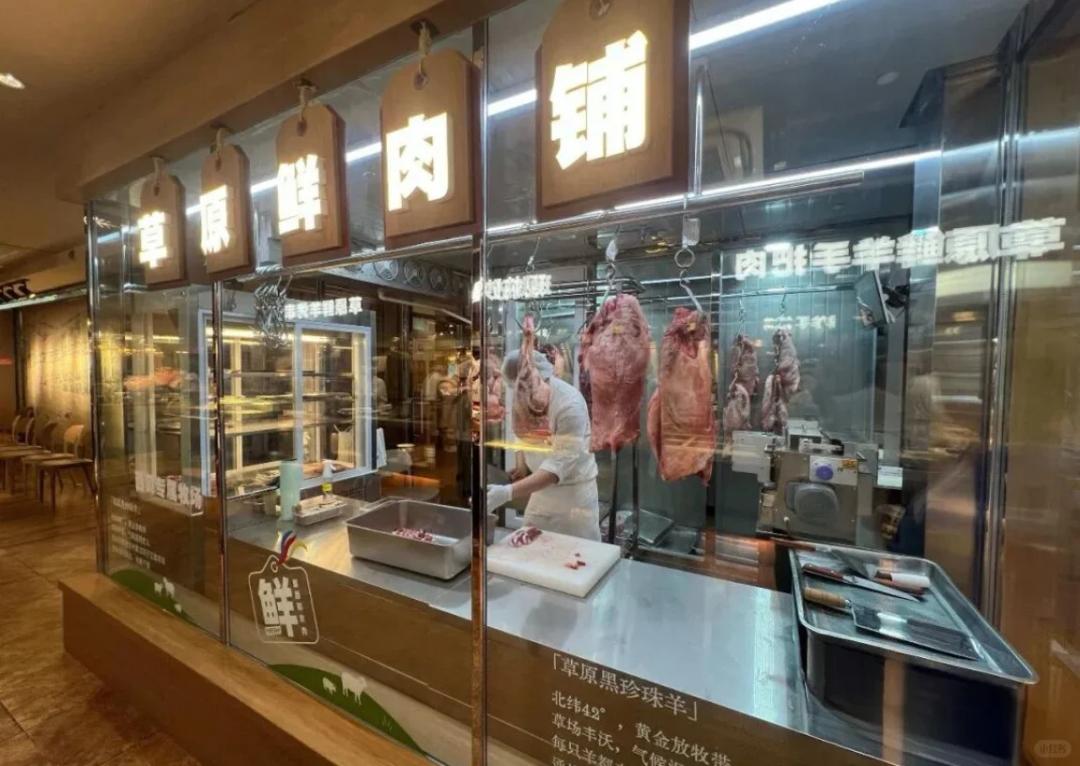
At the end of October, Xibei embedded a 50 ㎡ hot pot zone in its Beijing flagship store to create a brand new "Tengger Grassland Fresh Meat Hot Pot" model. It features one-person-one-pot and grassland fresh mutton rinsing dishes, with a hot pot base price as low as 13 yuan per person and an overall per capita consumption of 110 yuan. The store is divided into two major dining areas, one is the traditional Xibei full-service dining area, and the other is the brand new hot pot zone. After arriving at the store, customers can be seated separately as needed without interfering with each other.
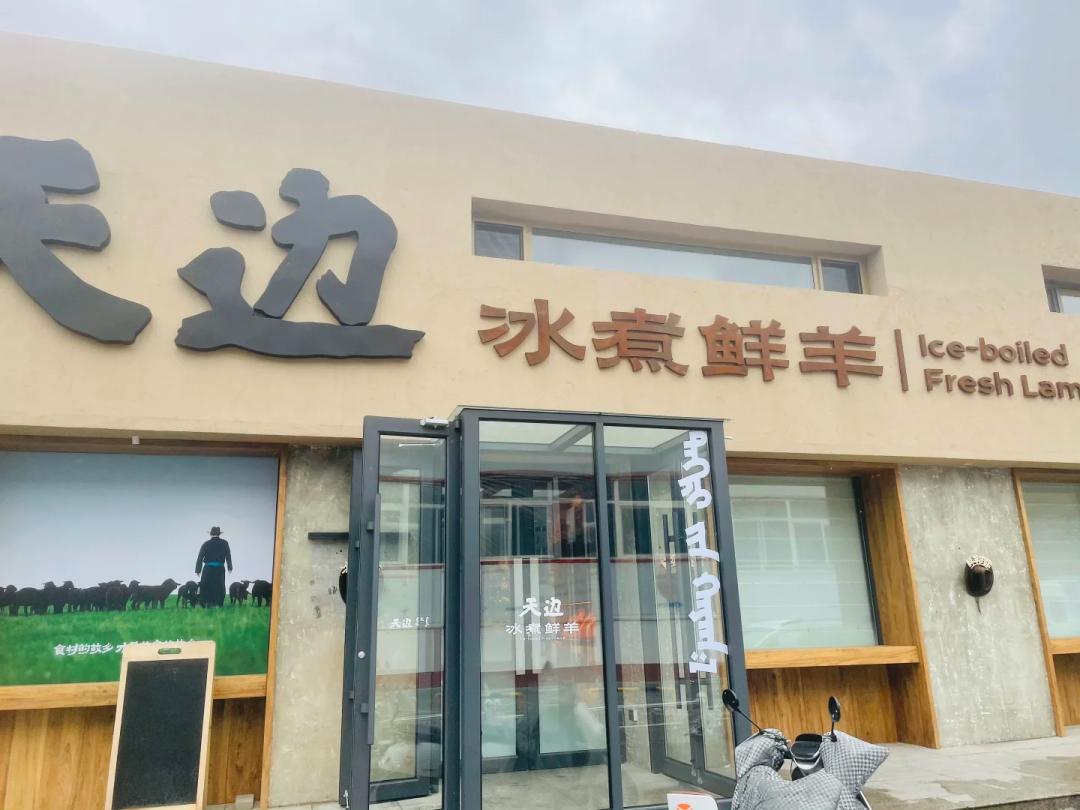
This is an addition to the original store. Recently, the first store of "Tianbian Ice-boiled Fresh Mutton" launched by Xibei in Hohhot has fully stepped into the hot pot track. "Tianbian" is a new series of brands launched by Xibei this year. Following "Casserole Braised Noodles" and "Tianbian Duoyang", the new store features ice-boiled fresh mutton, emphasizes fresh ingredients and on-site production, with a per capita consumption of 102 yuan.
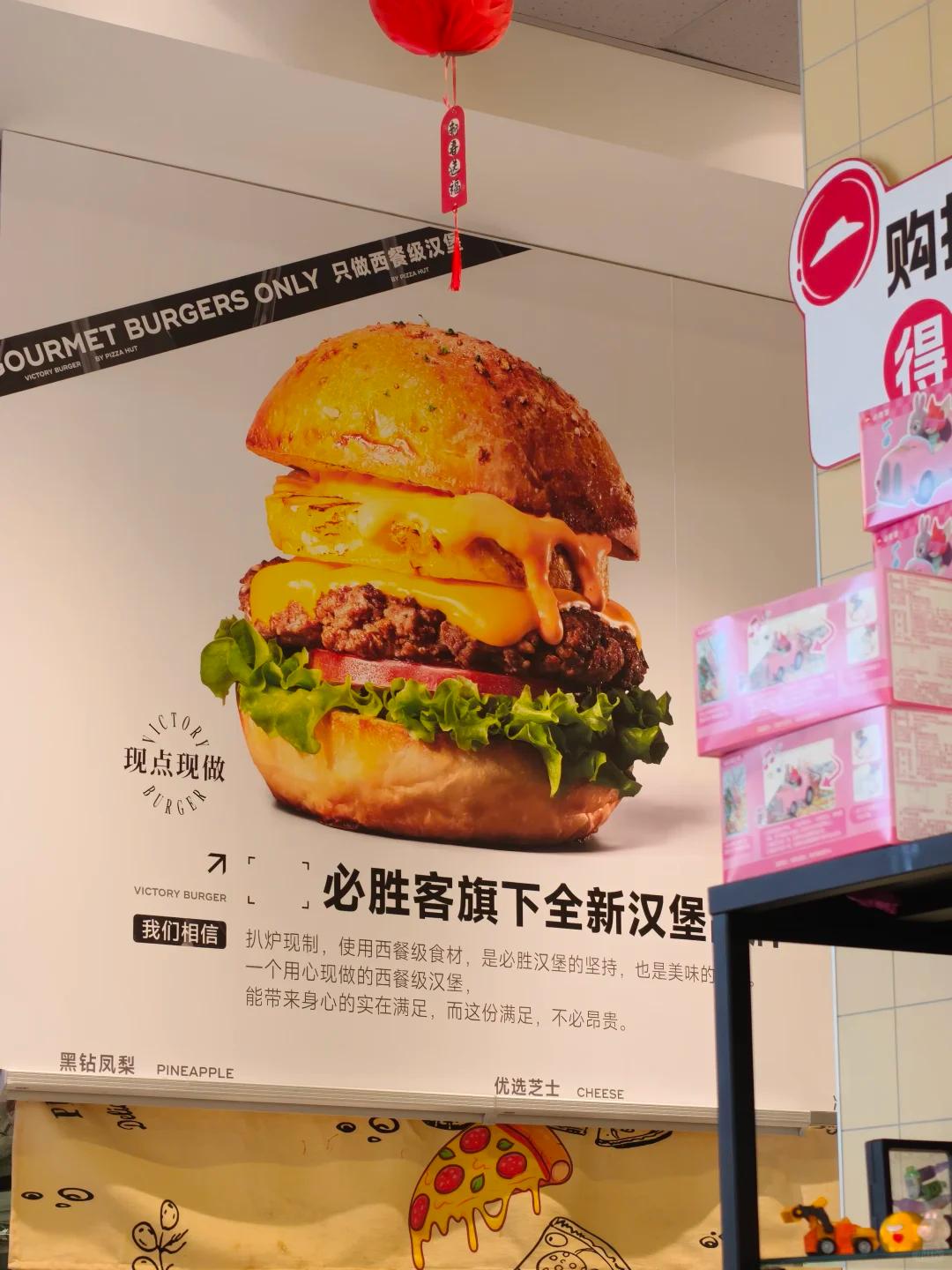
The hamburger brand Pizza Burger under Pizza Hut also adopts the "store-in-store" model. At the end of October, Pizza Burger opened in Nanning, sharing the operation space and customer flow with existing Pizza Hut stores. The store is positioned for the single-person dining track, with bread baked fresh daily, beef patties fried on the spot, and vegetables freshly cut in cold chain. All ingredients and processes follow the production standards of western restaurants, and the open kitchen is fully visible throughout the process.
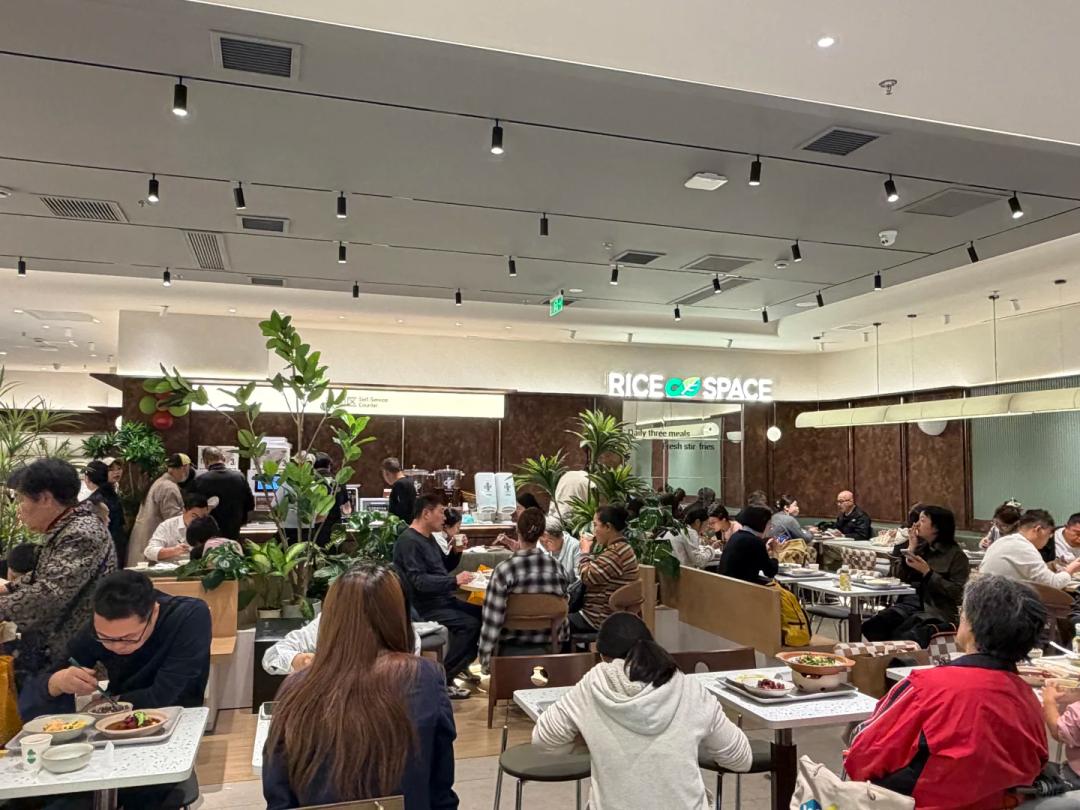
Mr. Rice has also taken new actions. In October, it launched a brand new store format "Mr. Rice Healthy Restaurant". The restaurant focuses on healthy and delicious meals, introduces a large number of green plants, adds leather seats and sofas, and focuses on fresh vegetables and fresh meat. According to Dianping, the per capita consumption of this store is 30 yuan.
The actions of tea drink brands are more diverse.
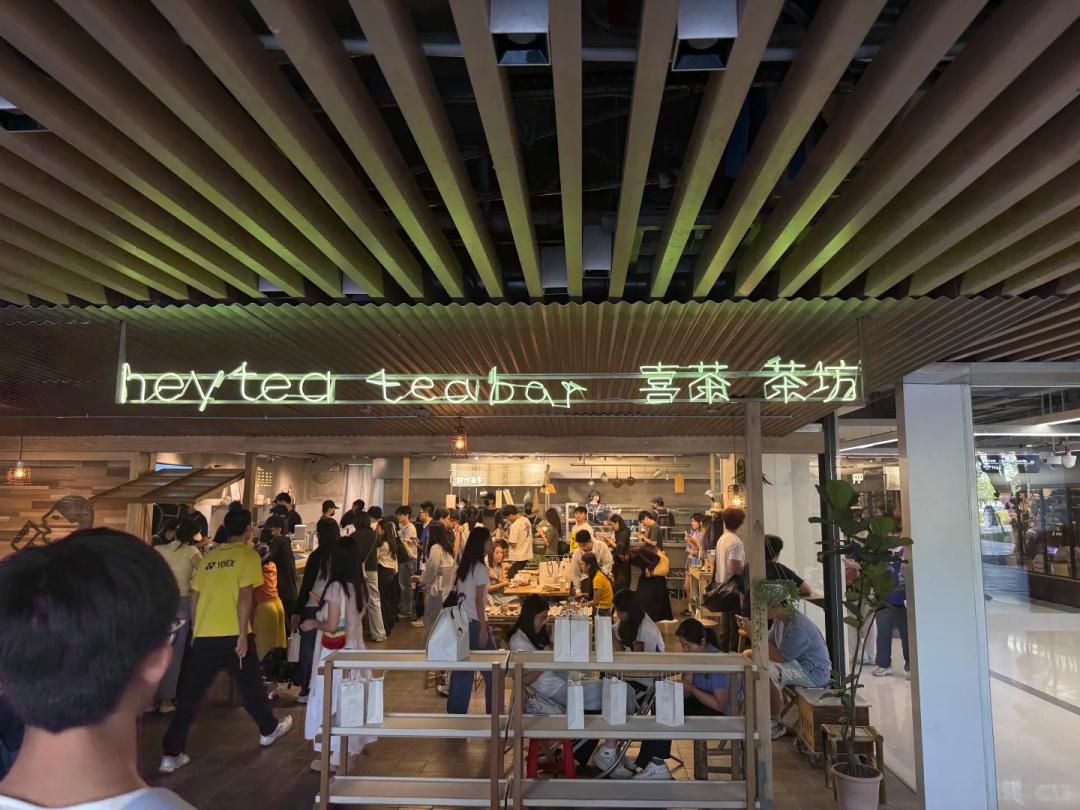
On October 19, the country's first Heytea Tea Workshop 2.0 store opened in Shenzhen, and "Heytea sells french fries and fried chicken" went viral on social platforms. Since the beginning of this year, Heytea has tested a variety of characteristic stores, from Heytea Lab 2.0 to Heytea Craft Store, and then successively launched bakery laboratories, cake laboratories, and gelato laboratories, continuously exploring the boundaries of tea drink stores.
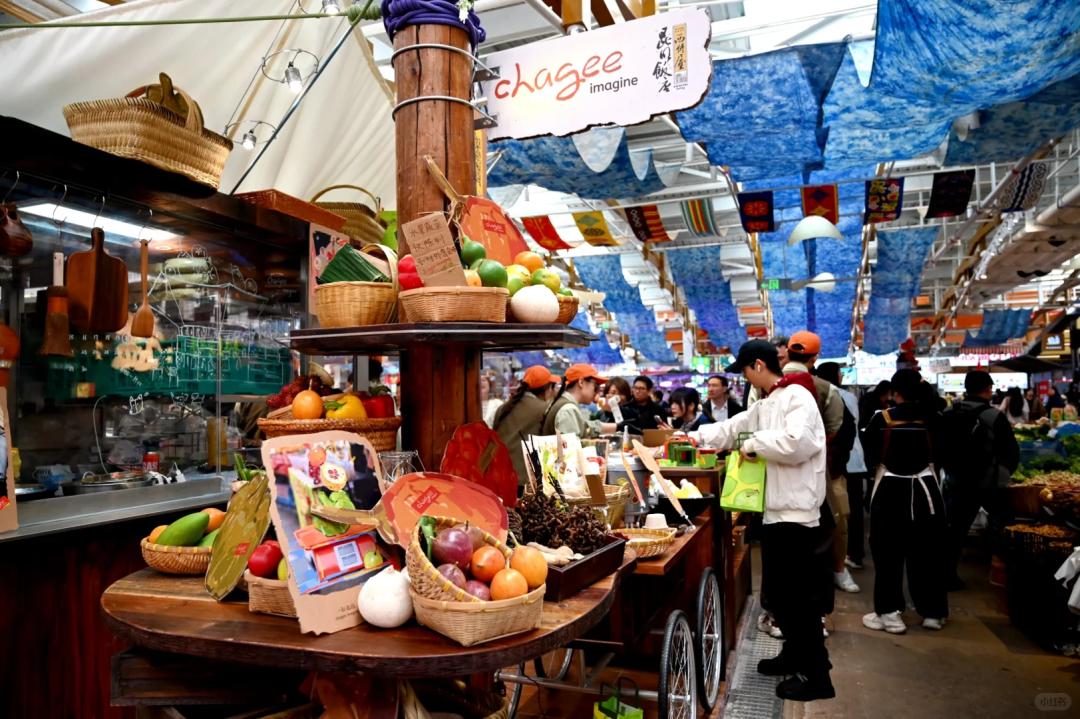
Bawangchaji has opened its non-standard stores in more down-to-earth places. The brand has successively opened Imagine stores in Aranya and Kunming. These stores no longer emphasize a unified brand image: the seaside store integrates the resort atmosphere, while the wet market store tries to integrate with the local life. For the brand, Imagine is more like an innovation test field outside the standard stores.
In addition, the old-fashioned traditional dessert brand Xianyuxian is also trying new store positioning. On November 3, the first Select Store of Xianyuxian opened, entering Shanghai's high-end core business district for the first time in the form of a select store. The new store not only launches exclusive handmade products, but also upgrades the spatial design and consumption experience, undertaking the brand's test task of exploring high-end positioning.
In addition to the above brands, there are also Haidilao's incubated sub-brand Laopai · Fresh Blanching Bistro, McDonald's launched its first ocean-themed restaurant, Hefu Noodle is preparing the first Beijing store of the brand new high-end store model "He · Soup Noodle" and so on.
Previous catering innovation was mainly "product innovation", and now "store format innovation" has become a new path for leading brands to find incremental growth.
In the past, catering brands usually ran through a mature store model first, and then achieved scale expansion through standardized replication. But now, brands are actively breaking the original store framework, trying to cover more consumption scenarios with different store formats to find new growth opportunities.
Why are chain brands flocking to open non-standard stores?
When the catering market enters stock competition, it is already difficult for chain brands to continue growing only by replicating the original store format.
Therefore, non-standard stores have become a new attempt for many chain brands to seek incremental growth. Looking deeper, there are three main reasons.
First, under stock competition, the growth space of standard store formats is narrowing.
From the operating environment of shopping mall catering, this pressure is already quite obvious. According to statistics from Winshang, the annual store closure rate of shopping mall catering exceeds 30%, and the average survival period of stores is shortened to 15 months; the proportion of catering in shopping malls has risen to 30%-35%, and the competition in the catering track is becoming increasingly fierce.
On the one hand, core business districts and mature business districts are gradually saturated, and operating costs such as rent and labor are constantly squeezing the profit of a single store; on the other hand, the consumer groups and scenarios that a single store format can cover are limited after all. After the density of stores under the same brand increases, homogeneity and internal consumption of customer flow may even occur. In this case, non-standard stores are a great way for brand experimentation and location penetration.
Second, incubate the second growth curve at low cost, use stores to verify categories and expand brand boundaries.
Product innovation has low thresholds, is easy to be copied, can only drive short-term traffic, and can only generate incremental growth in the original stores, which is difficult to break through the ceiling of the original model. At the same time, large standard stores with the same layout for thousands of stores have high decoration investment and fixed drawings. Once the customer flow in the business district declines, the sunk cost will be extremely high.
The founder of Zhuguangyu once mentioned: "Today all catering practitioners see the advantages of non-standard formats, which means refusing to copy categories directly and reconstructing the model." This sentence points out that the core of non-standard innovation is not simply changing a set of decoration or a storefront sign, but rethinking the relationship between products and store models according to different business districts, consumer groups and operation needs.
Non-standard stores can not only control investment by operating small-sized community stores, but also build single-family theme stores to boost brand momentum, with customization in space, menu and business hours. Brands no longer pursue aggressive expansion all at once, but test different business districts and different customer groups in small steps. The single-store investment model is more flexible, which can hedge the profit fluctuation risk of standard stores.
Third, consumer demands are becoming more and more diversified, and brands need to reach consumers in more diverse ways.
Mr. Rice launched the healthy restaurant, trying to further segment the healthy eating demand from daily fast food; Bawangchaji opened stores in wet markets and resort spaces, integrating tea drinks into more specific life scenarios; Heytea explored the boundaries of products and experiences beyond tea drinks through different forms such as tea workshops and bakery laboratories.
These attempts seem different, but behind them, brands no longer just wait for consumers to walk into their original stores, but actively move into different life scenarios, attracting new customer groups with different products, spaces and services.
In the final analysis, the popularity of non-standard stores does not mean that chain brands will abandon standardization, but that standardization is no longer sufficient to meet all market demands. In the past, one brand and one set of store formats could dominate the market; now, one brand operates multiple store formats in parallel.
Standard stores are responsible for large-scale replication, while non-standard stores are responsible for exploring new scenarios and verifying new demands.
The boom of non-standard stores re-tests the chain operation capability of brands
Non-standard stores seem to open up new imagination space for chain brands, but this does not mean that standard stores are outdated.
On the contrary, for most mature chain brands, standard stores are still the most important business foundation. They undertake multiple tasks such as large-scale brand expansion, stable revenue, supply chain operation and brand image output. Mature product structure, personnel training system, procurement standards and operation processes are also the foundation for brands to continuously replicate stores.
But in reality, non-standard stores can easily fall into possible misunderstandings.
1. Scenario innovation is easy, but sustainable profitability is difficult
Non-standard stores often come with a sense of novelty. Whether they are opened in wet markets, scenic spots, or added with characteristic zones such as bakery and hot pot, they are easy to attract consumers to check in in the early stage of opening. But check-in traffic does not equal stable business.
Especially for some theme stores and experimental stores, the investment in decoration design and space transformation may be higher. If there is no matching customer flow, per capita consumption and repurchase rate, the so-called differentiation may instead become an additional cost burden.
2. Higher requirements for supply chain and operation management
Standard stores can rely on relatively mature processes to achieve large-scale management, but non-standard stores often mean different areas, product portfolios, equipment configurations and consumption scenarios, which put higher requirements on supply chain flexibility, personnel scheduling, store management and data analysis. Especially for small and medium-sized brands, if their own supply chain and management capabilities are not yet mature, blindly following the trend to deploy non-standard stores will likely take on additional operational burdens before achieving new growth.
3. Non-standard stores tend to fall into "innovation for the sake of innovation"
Will non-standard formats become a new trend to follow? In the past, when something was popular in the catering industry, brands would follow suit. From theme restaurants, immersive experiences to camping style and national trend style, many innovations finally only stayed at the decoration and space level. Now non-standard stores may face similar problems.
However, different brands have different customer groups, product genes, supply chain foundations and operation capabilities. A store format suitable for one brand may not be suitable for another. If the brand fails to find consumption demands that match its own positioning, non-standard stores can easily become a one-time brand topic, or dilute the original brand perception.
Therefore, store format innovation is not a universal formula for new growth. Truly valuable non-standard stores should not only stay at the level of a single store becoming popular, but find verifiable and replicable effective experience through real operation data.
For example, can a certain small-area model reduce rent pressure? Can a certain product portfolio increase repurchase rate? Can a certain scenario design bring new customer groups? If these experiences can be precipitated and further transformed into new standard modules for the brand, non-standard stores will truly give full play to their experimental value.
Summary
Returning to the main competition line of the catering industry, what excellent chain brands will compete for in the future is that standard stores secure the basic business base, while non-standard stores explore new opportunities; the former guarantees operational efficiency, and the latter expands the growth space. In the final analysis, what chain brands need is not more and more characteristic stores, but the underlying capabilities that can support the long-term operation of different store formats.
The purpose of non-standard innovation is to endow brands with more capabilities to adapt to market changes.
This article is from the WeChat official account "Catering Enterprise Boss Internal Reference", author: Neicanjun, published with authorization from 36Kr.