Ranking second nationwide, Nanjing has opened another 263 new first stores!
In the third quarter of 2026, the commercial sector of Nanjing witnessed a wave of intensive new openings.
According to the monitoring data of Winshang Big Data, from July to September, Nanjing saw a total of 263 high-quality first stores (at city level and above, the same below) officially open, ranking second among key national cities, leading cities including Shanghai and Shenzhen.
Among them, there are 173 Nanjing first stores, 62 Jiangsu first stores, 12 East China first stores, and 16 national first stores; 197 city-level and above debut events were recorded in the same period.
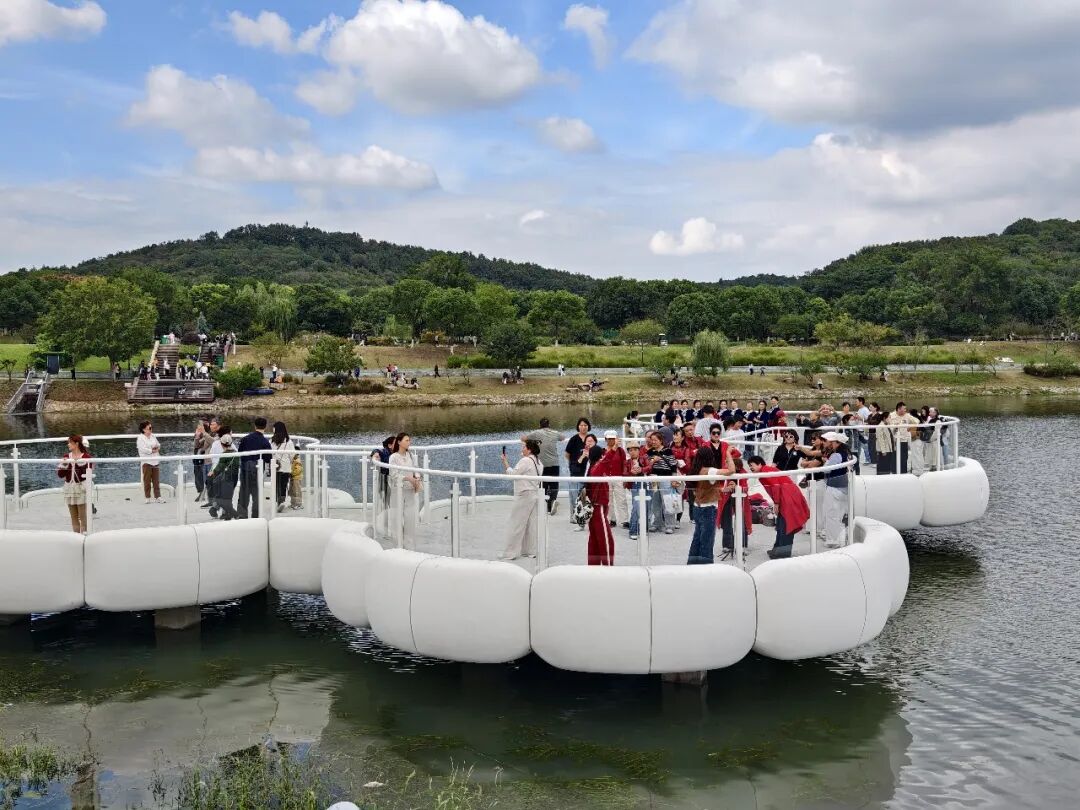
From the concentrated launch of new projects such as Deji Art Outlet, The Ring Garden City, Youhuwan Shopping Park, to the continuous renewal of existing projects including Deji Plaza, Jingfeng Center, Yuhua MixC, the appeal of Nanjing's commercial sector is unfolding in more diversified spaces and content.
High-end commercial venues support brand upgrading, outlets expand channel layout, and lifestyle destinations integrate catering, sports and social interaction... Different carriers give full play to their respective advantages to jointly broaden the hierarchy of urban consumer supply.
Source: Official release of the project
Through this round of new openings, the upgrading direction of Nanjing's debut economy has become increasingly clear. In addition to brand introduction, new store format exploration, themed pop-ups and cultural performances are continuously enriching the debut content, and commercial spaces are forming more connections with urban life. From accommodating brands to fostering new commercial expressions, Nanjing is accumulating richer practices for debut creation.
01.
Entry of new malls and revitalization of stock assets
Driving the explosive growth in the number of first stores
The concentrated launch of new projects is an important driving force for the supply of first stores in Nanjing this quarter.
In July and August, 49 and 37 high-quality first stores opened in Nanjing respectively, and the number reached 177 in September, accounting for 67.3% of the total quarterly volume. Nearly 70% of the first stores were opened intensively, making September a key node for new commercial openings in Nanjing. In particular, on September 26, the three major projects of Deji Art Outlet, The Ring Garden City and Youhuwan Shopping Park were unveiled on the same day, and a total of 109 first stores opened across the city that day.
In terms of location carriers, except for a small number of stores not associated with shopping malls, the vast majority of the remaining first stores are distributed in 41 commercial projects across the city. Deji Art Outlet and The Ring Garden City recorded 64 and 36 first stores respectively. Together with the 5 first stores of Youhuwan Shopping Park, the three new projects contributed a total of 105 first stores, accounting for 39.9% of the total number of first stores in the city. Nearly 40% of the first stores are accommodated by the three new projects, which shows the concentrated driving effect of new commercial supply on brand location selection.
Mature commercial venues maintain market appeal through continuous new openings. Deji Plaza ranks third in the number of first stores in this period with 33, Jingfeng Center and Yuhua MixC opened 11 and 10 first stores respectively, and Nanjing MixC recorded 9 first stores. These projects do not rely on drastic "blood-replacing" renovations, but embed brand adjustment into the daily operation rhythm, and create new reasons for visits based on the existing customer base.
The top five projects in terms of quantity accommodated a total of 154 first stores, accounting for 58.6% of the city's total, and the first store resources show obvious characteristics of head agglomeration. However, this concentration is not a zero-sum game: the first store portfolios of different projects have their own priorities, and they carry out layouts around channel expansion, lifestyle aggregation and brand upgrading respectively.
For brand site selection, the two types of carriers also correspond to different layout logics. Entering new projects allows brands to participate in the early cultivation of consumption scenarios and customer relationships, and establish their own advantages at the beginning of the formation of project positioning; entering mature commercial venues allows brands to rely on existing customer groups and operation feedback to configure commodities and choose store formats in a more targeted manner.
02.
Competition among first stores moves towards segmentation
Deji Art Outlet takes the lead
This quarter, a total of 263 high-quality first stores opened in Nanjing. Among them, 173 are Nanjing first stores, accounting for 65.8%; 62 are Jiangsu first stores, accounting for 23.6%; the total number of East China and national first stores is 28, accounting for 10.6%. First stores at Jiangsu level and above reflect Nanjing's attractiveness to cross-city and cross-regional brand resources, and also bring more scarce consumption choices to the market.
According to brand sources, there are 222 Chinese brand stores (including Hong Kong, Macao and Taiwan brands) and 41 international brand stores. Domestic emerging brands, mature chain brands and international brands have entered Nanjing together, forming a brand supply that combines down-to-earth vibes, fashion sense and internationalization.
The multi-level accommodation ability is particularly distinct in the performance of projects this quarter. Deji Art Outlet, The Ring Garden City and Deji Plaza rank top three in the number of first stores, but the first store structure and operation orientation of the three have their own priorities. Behind the quantity list is the segmented competition of channels, customer groups and commercial positioning.
Deji Art Outlet takes the lead with 64 first stores, opening up new space for brand channel expansion. Among them, there are 50 Nanjing first stores, 7 Jiangsu first stores and 7 national first stores. The national outlet first stores of brands such as COLOMBO, Kent&Curwen and CAROLINE combine brand resources with outlet channels, entering the selection range of Nanjing consumers.
For brands, outlets increase consumer touchpoints and provide location space for multi-channel layout; for the city, brand appeal and price appeal are superimposed in the same scenario, broadening the coverage of quality consumption. The same brand can participate in urban commerce through different store formats and product portfolios to respond to multi-level demands.
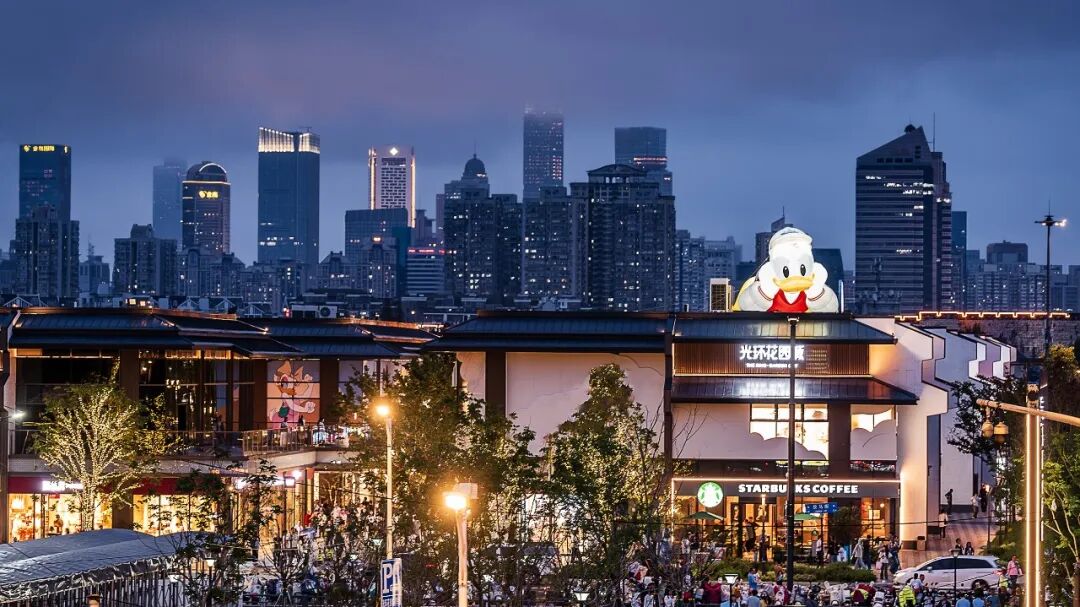
What The Ring Garden City presents is more the aggregation of lifestyle content. Among the 36 first stores, 18 are catering stores, 12 are retail stores, 5 are cultural, sports and entertainment stores, and 1 is life service store; in terms of hierarchy, it covers 23 Nanjing first stores, 12 Jiangsu first stores and 1 East China first store. Sports content such as LOOPER CLIMBING, An Da Baseball Batting Hall and Yuan Ye Oasis Golf adds opportunities for stay and cross-consumption to the project.
The value of first stores needs to be understood in the overall portfolio. A single brand provides a reason for trying new things, related business forms form scenario connections, and the project organizes them through space and operation, so that the freshness of brands can be precipitated into the recognition of the destination. The first store structure of The Ring Garden City fully reflects the investment attraction idea of responding to diverse life needs with composite content.
Source: Official release of the project
Deji Plaza continues to demonstrate the attractiveness of high-end commerce to high-level first stores. Among the 33 first stores, there are 15 Jiangsu first stores, 4 East China first stores and 5 national first stores, and the proportion of first stores at Jiangsu level and above reaches 72.7%. Brands such as Fenty Beauty and Hervé Chapelier, together with Bosideng AREAL concept store and Hourglass "Quiet Luxury Art Realm" concept store, are located here, with brand introduction and store format innovation advancing in parallel. The cooperation between the project and brands goes deep into store content and consumption experience.
The distribution of national first stores further highlights this resource accommodation capability. Deji Art Outlet and Deji Plaza have opened a total of 12 national first stores, accounting for 75% of the city's total. Both under the Deji Group, the two projects are laid out around the outlet channel and high-end commerce respectively, providing brands with different market entry paths.
03.
Catering contributes the main increment
Non-standard formats open up space for brand innovation
In terms of business structure, the supply of first stores in Nanjing in the third quarter presents the feature of simultaneous development of daily consumption and differentiated experience. 124 are catering stores, accounting for 47.1%; 106 are retail stores, accounting for 40.3%; children and parent-child, culture, sports and entertainment, life services and other types total 33. Catering maintains a quantitative advantage, while retail has formed a large-scale supply driven by outlets and new store formats.
There are 32 beverage stores and 16 bakery and dessert stores, accounting for 38.7% of the total catering first stores; 12 Chinese fast food stores and 11 Japanese cuisine stores also form an important part. These business forms are close to daily life and can be embedded in various consumption scenarios such as commuting, dinner parties, leisure and socializing.
Retail occupies a more prominent position in higher-level first stores. Among the 173 Nanjing first stores, 91 are catering stores, accounting for 52.6%; among the 28 East China and national first stores, 19 are retail stores, accounting for 67.9%. Further, among the 16 national first stores, 13 are retail stores and 3 are catering stores.
The expansion of retail first stores this quarter is closely related to the supply of new carriers. Deji Art Outlet contributed 40 retail first stores, accounting for 37.7% of the city's total retail first stores. This concentrated location also makes outlets the key to understanding the non-standard first store structure in this period.
Nanjing opened a total of 87 non-standard first stores in the third quarter, accounting for 33.1% of all first stores. 64 of them come from Deji Art Outlet, and the remaining projects total 23, accounting for 8.7% of the city's total first stores.
The North Face opened the BAGS STORE CONCEPT store in Nanjing MixC, taking the bag category as the core of store expression, providing consumers with a more focused brand cognition; Guming opened the Fresh Enjoy Store in Yuhua MixC to explore new forms of product supply; TOP TOY presented a three-story independent concept theme store in The Ring Garden City, combining brand content with spatial experience.
The "new content ratio" of national first stores is the same. Among the 16 national first stores, 13 are non-standard store formats, accounting for 81.3%. This clearly shows that the supply of national first stores in Nanjing in this period largely comes from brands' exploration of new store formats.
04.
197 debut events
Form more connections with urban culture
According to the monitoring data of Winshang Big Data, Nanjing recorded 197 debut events in the third quarter, including 149 Nanjing debuts, 15 Jiangsu debuts, 7 East China debuts and 26 national debuts. Among them, there are 108 exhibition and sales events and 71 performance events, accounting for 90.9% in total. New product experiences, trendy IPs, culture and art, and performance content together constitute the content foundation of the debut economy.
Shopping malls accommodated 89 events, accounting for 45.2% of all debut events. According to the statistics of associated projects, Deji Plaza recorded 22 events, Nanjing MixC recorded 10 events, Jingfeng Center and North MixC recorded 7 events each, and The Ring Garden City recorded 6 events. Commercial projects are not only windows for brands to release new products and contact consumers, but also transform different contents into participatory and experiential consumption activities through curation, scene design and product organization.
Deji Plaza carried out intensive cooperation around fashion and beauty brands. National debuts such as Givenchy "Satin Glow Gravity Space" and MAC "24H Long-Lasting Glow Express" echo the permanent stores. Stores undertake daily operations, while time-limited spaces undertake theme expression and experience interaction, so the communication between brands and consumers gains more touchpoints. From the perspective of operation, this kind of pop-up connects product introduction, trial service and interactive communication, allowing consumers to understand commodities in the process of participation.
Taking MAC "24H Long-Lasting Glow Express" as an example, the brand designed an urban train journey around the new foundation makeup product. Consumers receive limited tickets and enter the pop-up space, sequentially complete air cushion trial, exclusive color number matching, makeup effect shooting and photo printing, and then participate in the lottery through check-in. The new product experience is connected into a complete moving line, and the commuting scene also echoes the daily use demand of foundation makeup.
The launch of trendy IPs further tests the ability of projects to transform interest content into diverse consumption scenarios. Among the 10 debut events of Nanjing MixC this quarter, 9 are debuts at Jiangsu level and above. The official authorized limited-time store of Stranger Things, POP MART Starman themed content and joint pop-ups of trendy brands extend the commercial space into a destination for interest experience.
Taking the Starman Farm themed content as an example, the project set up 8 installations in the L1 block to form a theme space of more than 1000 ㎡; a themed pop-up store was set up in Yunzhang Guild Hall to sell trendy toy blind boxes and peripheral products; a POP BAKERY joint dessert cart was set up in Wutong Square to extend the IP to catering experience.
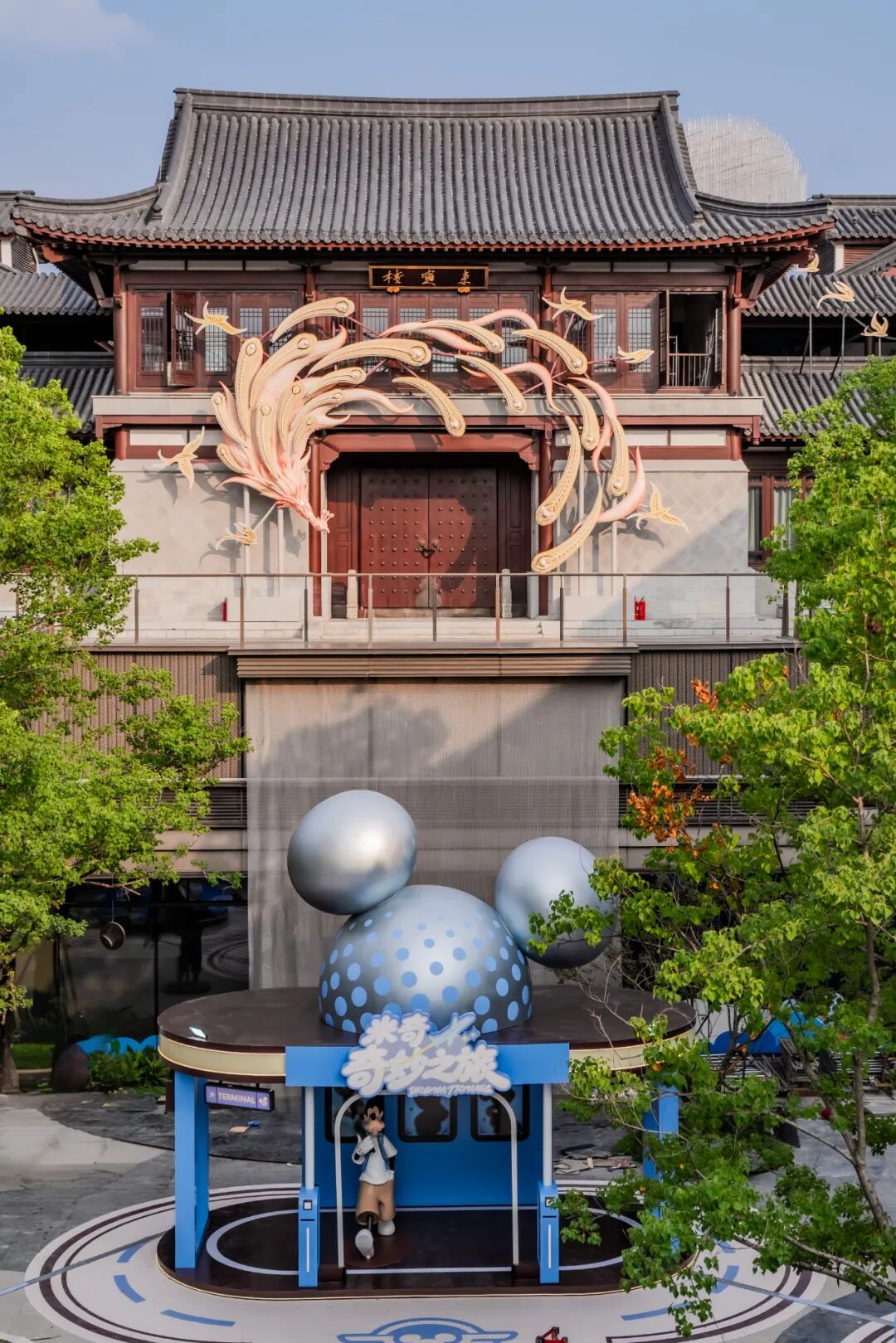
Local culture and themed curation provide new projects with more distinctive content expression. The Ring Garden City organized brands and debut content simultaneously during the opening stage, so that the commercial positioning was presented through a variety of contents at the same time. In the Guest Reception Building, the nearly 200 ㎡ mural created by Liang Yi's team presents historical scenes such as Zheng He's voyages to the Western Seas and envoys from many countries coming to the court with the craft of powder-lifting and gold-piling; artist Luo Ming further extracts the peacock elements from the mural, combines the intangible cultural heritage lantern craft, and creates the "Return" installation exhibition. Historical images extend from the wall to the three-dimensional space, forming a cultural expression that echoes each other. Local resources are transformed through creation and become the content assets of the commercial space itself.
Source: Official release of the project
During the opening period of the project, Disney's "Dream Travel Mickey Wonderful Journey" also made its grand debut as the first stop in Jiangsu. "Mickey and his friends" came to Nanjing for the first time and launched a wonderful Mickey journey by the Qinhuai River. On September 26, "Mickey" and "Minnie" held a meet-and-greet at The Ring Garden City Nanjing, with more than 100 groups of guests participating in the interaction, bringing an