Major updates for iPhone 18, see you next spring, but Apple's challenges have only just begun.
At the turn of the old and new eras, Apple has revised many of its long-established conventions, and the rhythm of new product releases is certainly no exception.
The most obvious change is that products that used to be concentrated at the autumn launch event are now split by Apple into updates spanning several consecutive months —
In September, the iPhone 18 Pro series and the first foldable-screen iPhone Duo made their debut together; in October, new products including the smart home device HomeView, the new iPad mini and the touch-screen MacBook Pro were launched one after another.
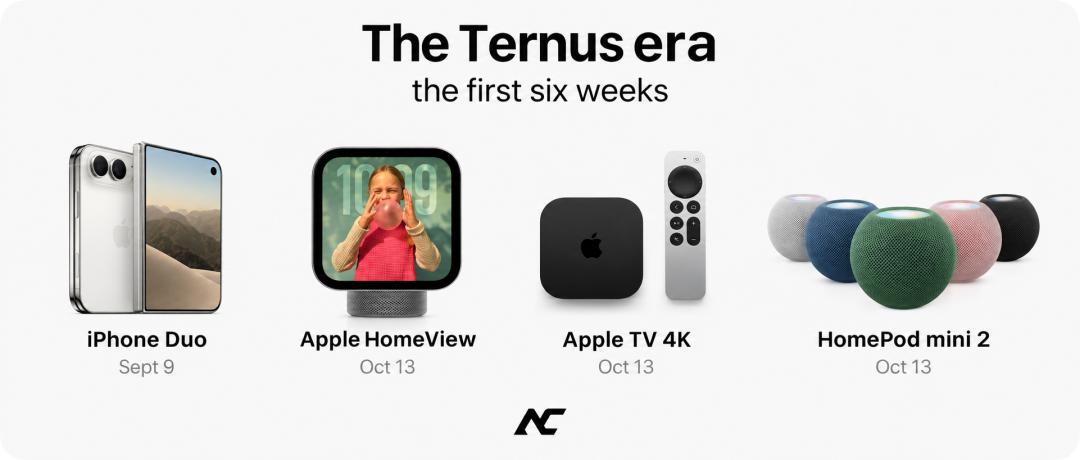
Photo | Apple Cycle
After a short winter break, Apple will usher in another busy spring.
Mark Gurman, a reporter from Bloomberg, revealed in the latest issue of Power On that Apple plans to launch the standard iPhone 18, iPhone 18e, the new-generation MacBook Neo, MacBook Air and entry-level iPad between February and March 2027, which falls within the iOS 27.4 update cycle.
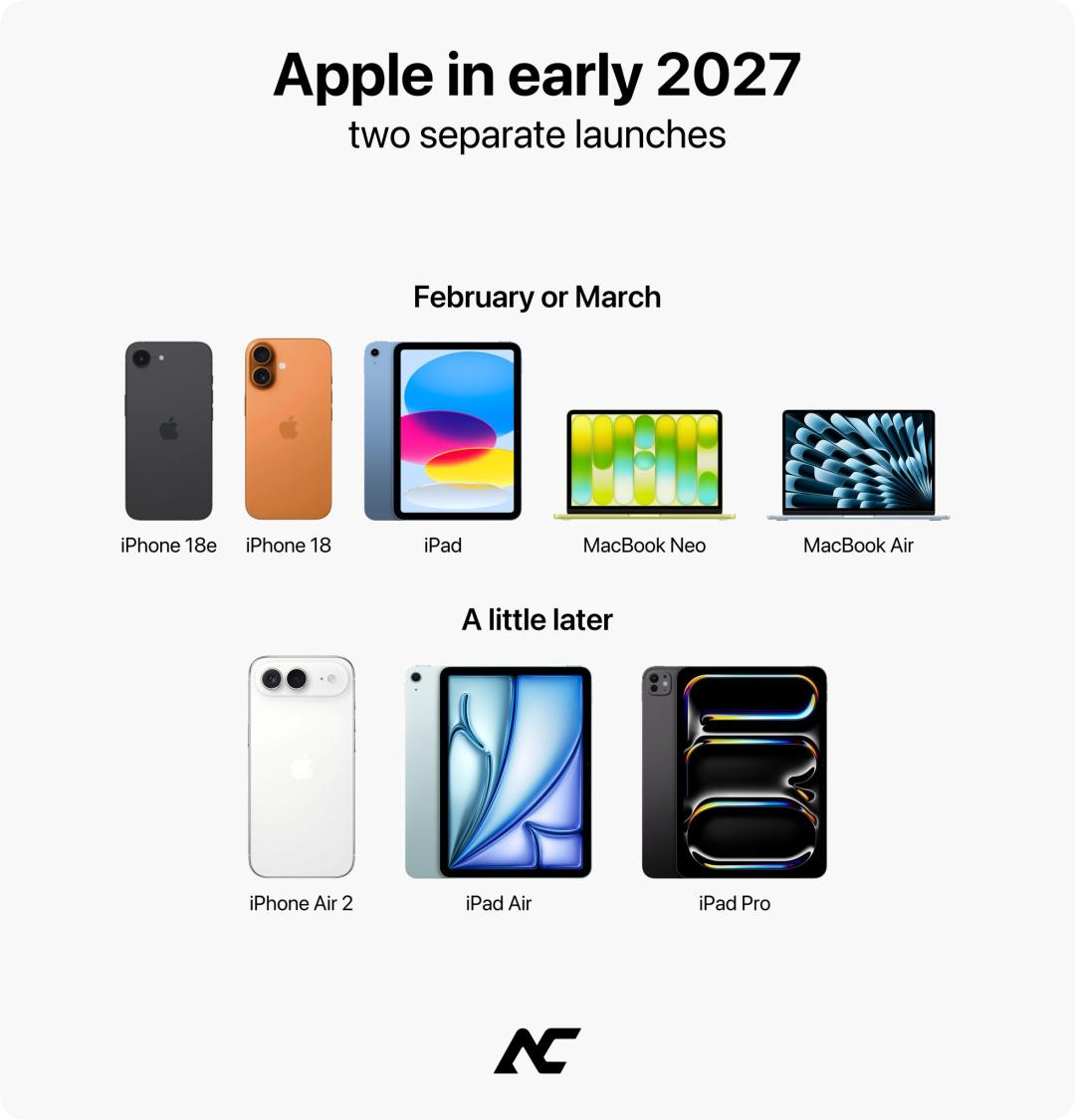
Photo | Apple Cycle, the concept map does not represent the final form of the product
Subsequently, products including the iPhone Air 2, OLED iPad Air and updated iPad Pro are waiting to be launched.
In this dense list of spring new products, the most eye-catching one is undoubtedly the standard iPhone that was absent this year.
Major update for standard iPhone, coming next spring
From iPhone 11 to iPhone 17, the standard model has always been released on the same stage as the Pro series in autumn. This year, Apple broke this combination for the first time: the high-end models were unveiled in September, while the standard version was postponed to the spring of the following year, thus the release cycle of the same generation of iPhone spans two calendar years.
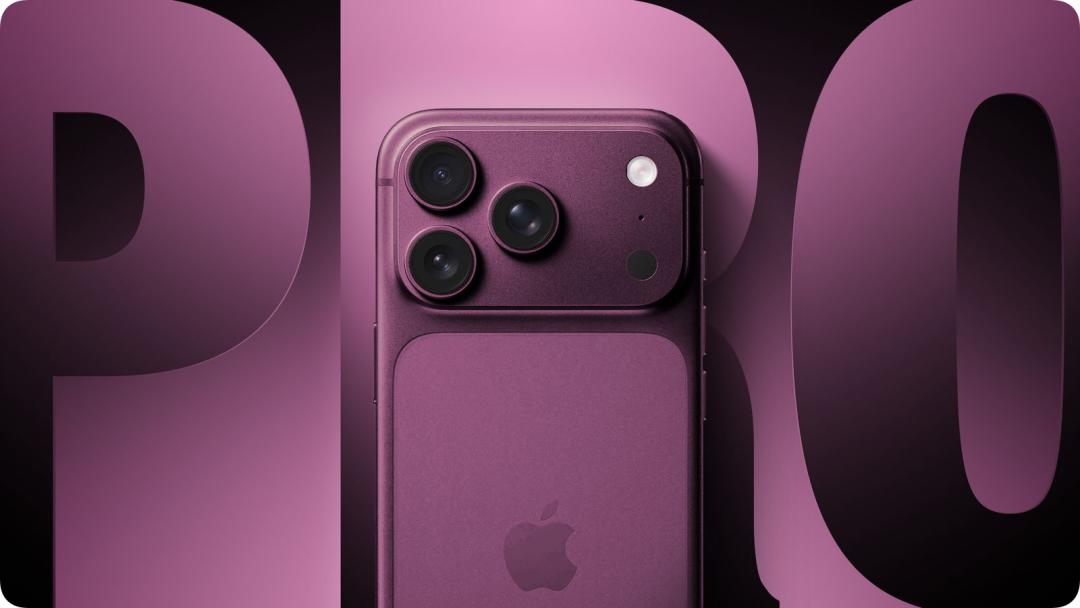
According to current supply chain sources, the upcoming standard iPhone 18 is expected to be equipped with the A20 chip using TSMC's 2nm process, and may adopt new packaging technology, with further expected improvements in performance, energy efficiency and on-device AI computing power.
But compared with the conventional chip upgrade, its changes in appearance and internal structure are more noteworthy.
Exclusive information obtained by ifanr shows that the standard iPhone 18 will adopt a brand-new rear camera Deco design.
The new design breaks away from the previously relatively square module frame, and is also different from the horizontally spread rectangular platform of iPhone 17 Pro and 18 Pro. Instead, it adopts a shape similar to an aircraft porthole: the overall shape is slightly slender, with rounded corners wrapping the openings, forming a brand-new visual feature on the back of the device.
Given the similar design language of the standard iPhone models in the past two generations, this brand-new Deco will most likely become the visual feature that allows consumers to recognize the iPhone 18 at a glance.
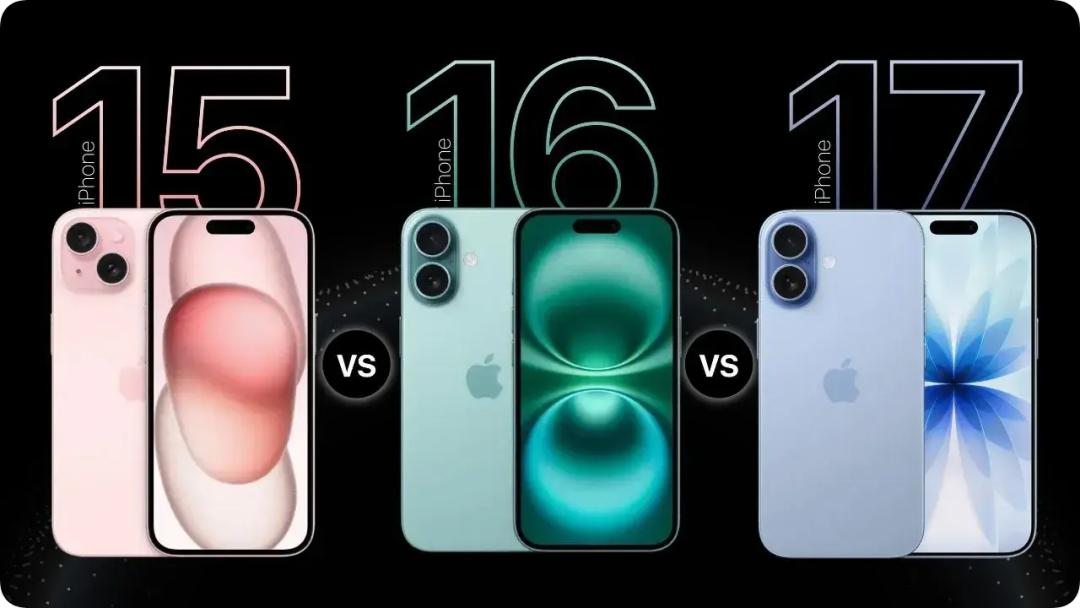
Photo | Hukut Store
Although the appearance is more noticeable, the changes in the internal structure are also quite significant.
According to ifanr's understanding, the iPhone 18 will adopt a high-density stacked motherboard to further reduce the footprint of the motherboard, freeing up more space for the battery and heat dissipation system, and ultimately improving battery life and sustained performance.
This is the consistent internal engineering idea of Apple in recent generations of products.
The iPhone Air gathers core components at the top of the body to squeeze out battery space for the ultra-thin body; the iPhone Duo needs to rearrange parts between the hinge, dual screens and battery; the iPhone 18 Pro adjusts the positions of the dual-layer motherboard and processor, and cooperates with the vapor chamber to shorten the heat transfer path.
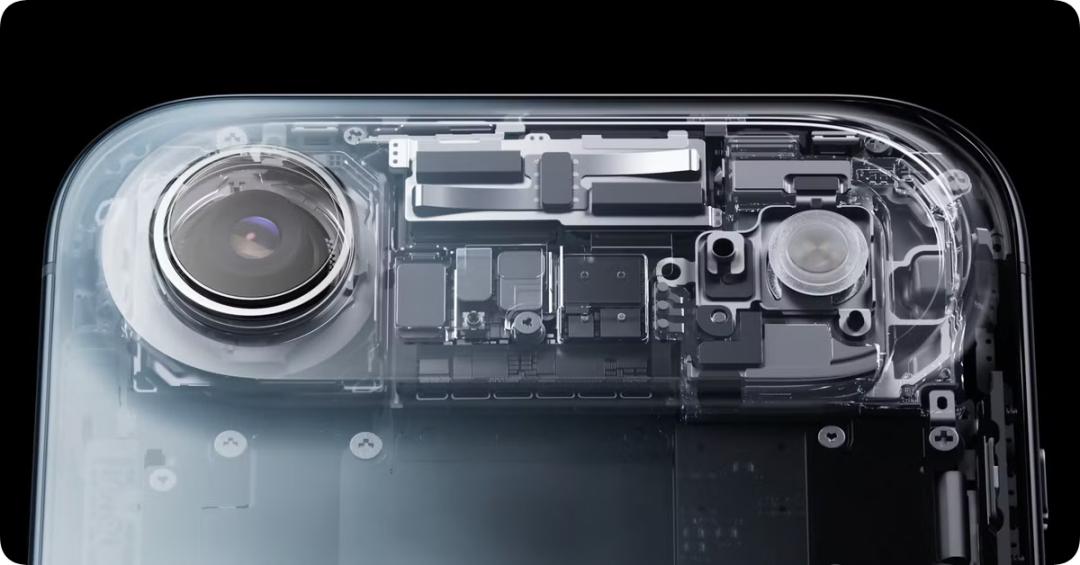
Photo | Apple
In the final analysis, the goal of these designs is to improve space utilization within the tiny device body.
This time, Apple brings the internal engineering experience verified on high-end, ultra-thin and foldable screen models to the standard iPhone.
Speaking of ultra-thin models, the iPhone Air 2 is expected to debut in the first half of next year. According to current leaks, Apple is expected to add a second rear camera to it, improve battery life and update the chip to make up for some shortcomings of the first-generation product.
The iPad Air will also usher in an important upgrade: OLED screen. After the iPad mini was replaced with an 8.5-inch OLED screen in October this year, Apple is expected to introduce this technology to the 11-inch and 13-inch iPad Air next year. By then, except for the entry-level iPad, the other three tablet product lines are expected to complete the OLED transition.
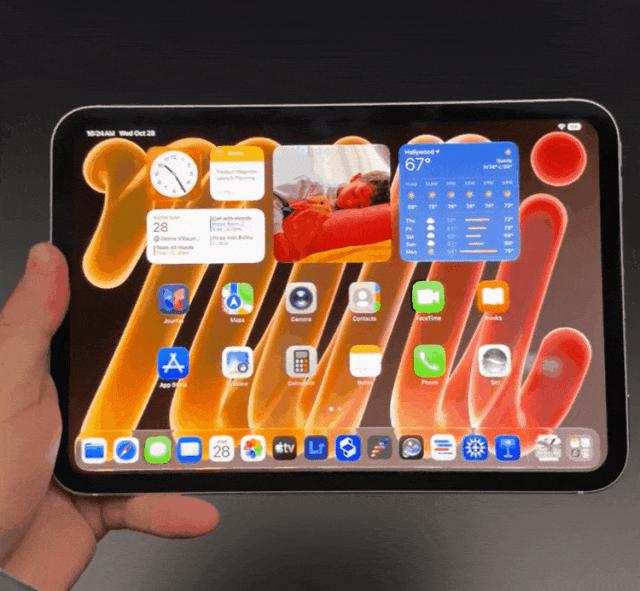
Photo | Display effect of OLED version iPad mini
As expected, entry-level products will also usher in centralized upgrades in this cycle.
The iPhone 18e will continue to cover the lower price range, the MacBook Air and the entry-level iPad without suffix will also be updated; the new MacBook Neo is expected to be upgraded from A18 Pro to A19 Pro, support 12GB RAM, and continue to compete for the entry-level Windows PC market by adapting to more scenarios.
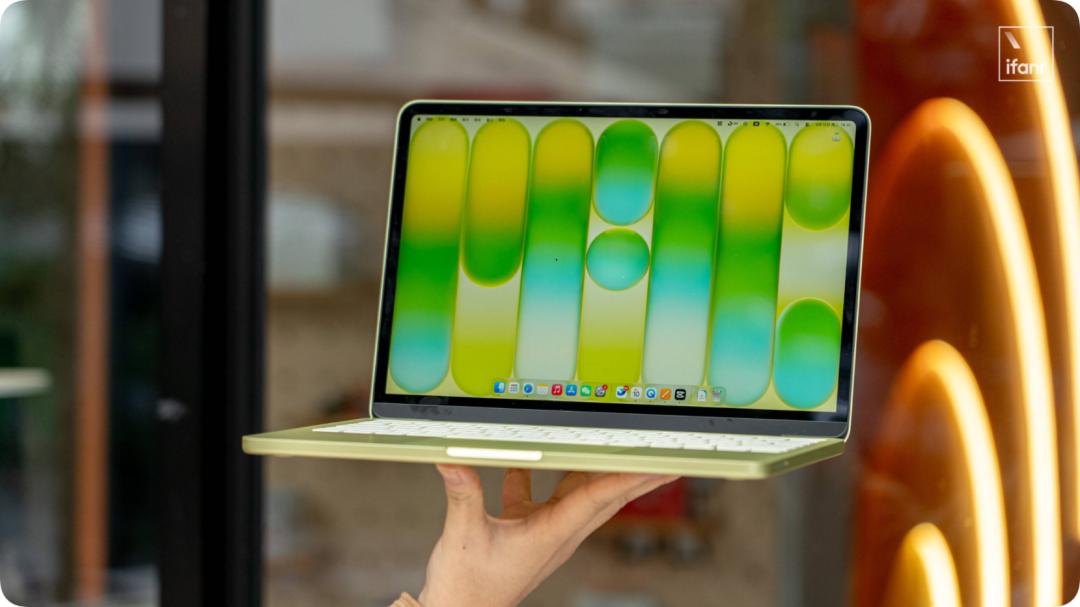
Gurman also revealed that Apple plans to update the body color of Neo more frequently, and has included it in the annual update cycle similar to MacBook Air and MacBook Pro.
With the batch launch of new products, Apple's software updates have also begun to take on more function delivery tasks.
The official version of iOS 27.3 in December this year will deliver a batch of functions originally scheduled to be launched in autumn, including Siri's multi-step operation for Apple's own applications, while full support for third-party applications will have to wait until next year. By the spring of 2027, iOS 27.4 will be launched in succession with the next batch of new products.
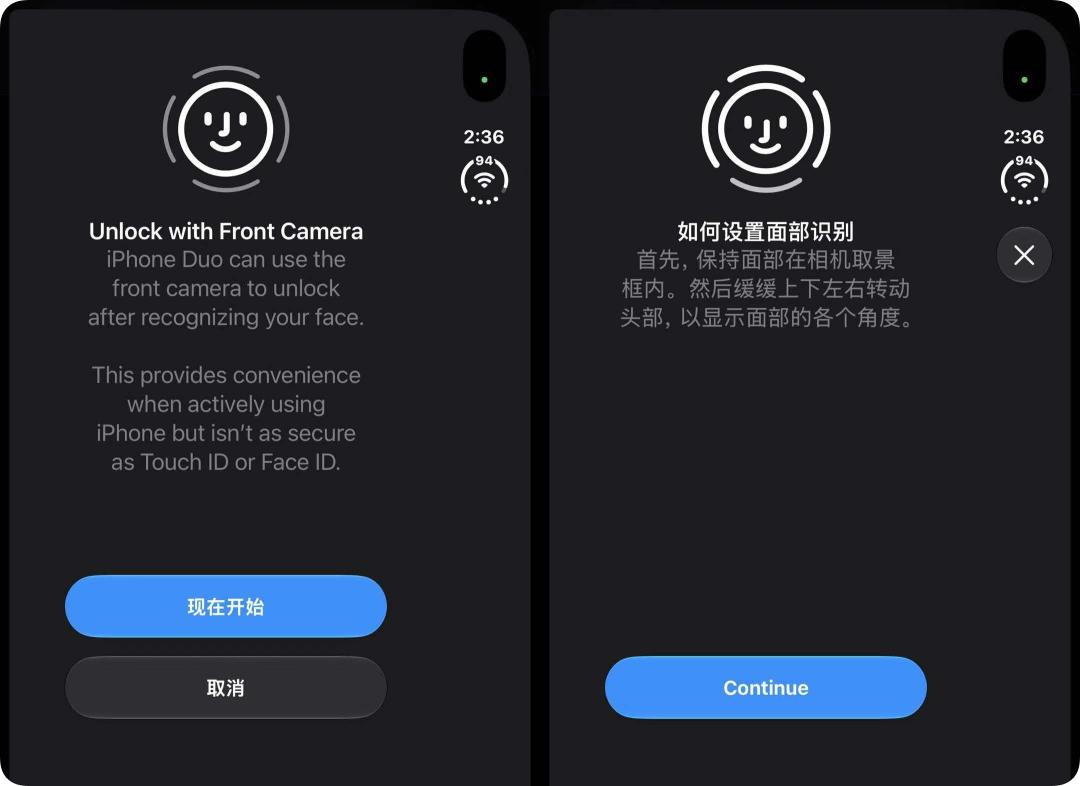
Photo | iOS 27.3 Beta 2 brings face unlock function to iPhone Duo
Judging from the current product arrangement, Apple has formed a new release logic: autumn is for high-end flagships, spring is for standard and entry-level products, and Mac, iPad and smart home devices are interspersed in between.
Later in 2027, products including the iPhone 20, smart glasses, and AirPods with built-in cameras are waiting to be released.
Related reading: iPhone 20 leak summary: A whole piece of glass hides Apple's next decade
In other words, product updates that used to have to wait until September to see now run almost throughout the year.
For Apple, this means more opportunities to attract consumers throughout the year.
In the AI era, Apple wants to hold more "tech galas"
Apple's advantages over the past two decades have largely been built on the precise clockwork-like hardware and software collaboration.
The WWDC in June every year and the iPhone launch event in September have almost become fixed schedules in the global technology industry. Through these highly concentrated release nodes, Apple integrates new products, systems, developers and marketing to generate attention that lasts for weeks or even months.
Photo | Apple Developer
But now, Apple obviously hopes to have more "tech galas" a year.
The most direct reason is of course that one launch event can no longer accommodate the huge product line.
From iPhone, Mac, iPad to Apple Watch, AirPods, smart home and upcoming smart glasses, the types of devices Apple needs to manage are increasing. Putting all new products in autumn will obviously only make R&D, supply chain and marketing resources compete with each other in the same time window.
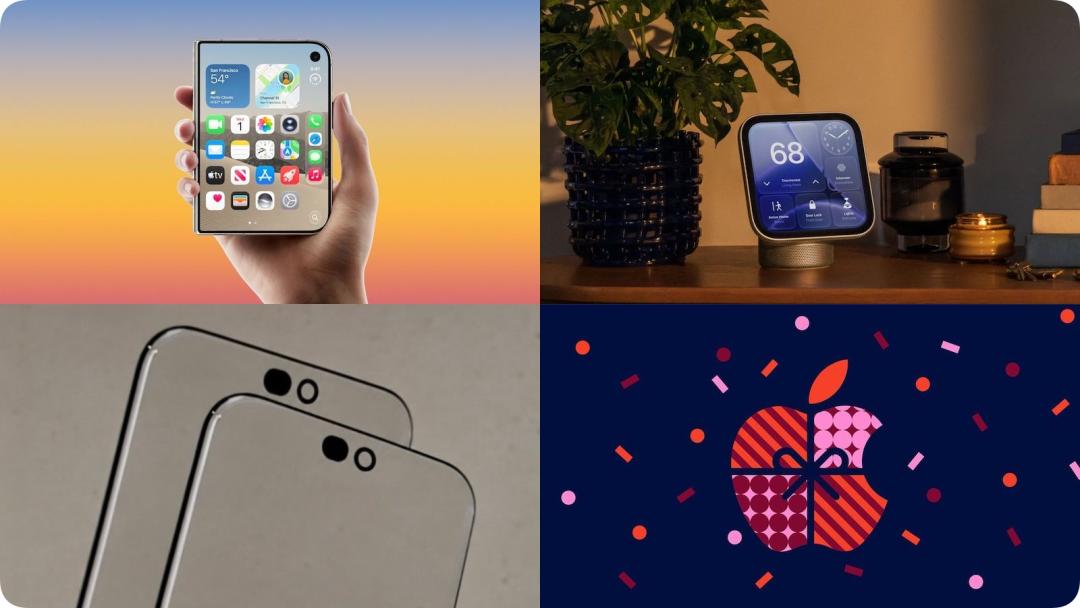
In particular, new technologies such as foldable screens and advanced chip packaging require longer production preparation and yield ramp-up cycles. Distributing different products throughout the year can reduce the pressure of centralized mass production in the supply chain, and also allow Apple to have new sales growth points every quarter.
But it cannot be ignored that there is another major factor driving Apple's change — that is the speed of product iteration in the AI era.
Gurman disclosed that Apple's software department has an internal release calendar named from A to G, which binds development tasks to specific versions. The main functions of a generation of operating system are usually basically finalized in the late summer or early autumn of the year before release.
In other words, when a set of iOS system is officially delivered to users, its main functions may have been frozen a year ago.
This is a reasonable working method when the core functions of the mobile operating system are relatively stable. Determining the roadmap in advance can leave sufficient time for the engineering team to develop, test and optimize.
But now, the iteration of rivals such as OpenAI, Google and Anthropic has long been calculated by weeks or even days, and major capability updates come one after another. From early chat Q&A to building engineering, operating computers and calling applications to handle user affairs, the capability boundary of AI products is still expanding rapidly.
In this case, Apple's slow development process obviously can no longer keep up with the rhythm of the industry.

One case is that the technical architecture of the old version of Siri failed to meet the expected requirements, resulting in repeated delays in the launch of key Apple Intelligence functions, forcing Apple to restart the entire project; while the smart home hub HomeView, which relies on the interactive capabilities of the new version of Siri, was also forced to postpone its release by one year.
This is exactly the other side of Apple's highly integrated hardware and software: the delay of a core software capability is enough to affect the whole system and slow down the launch process of the entire hardware product line.
Even if the new version of Siri has been launched in September this year, the experience is still unstable.
Gurman gave an example: a friend sent a meeting location in the chat, and the two parties also agreed on the time; when he asked Siri to add the appointment to the calendar, the contact, time and location on the screen were not correctly recognized.
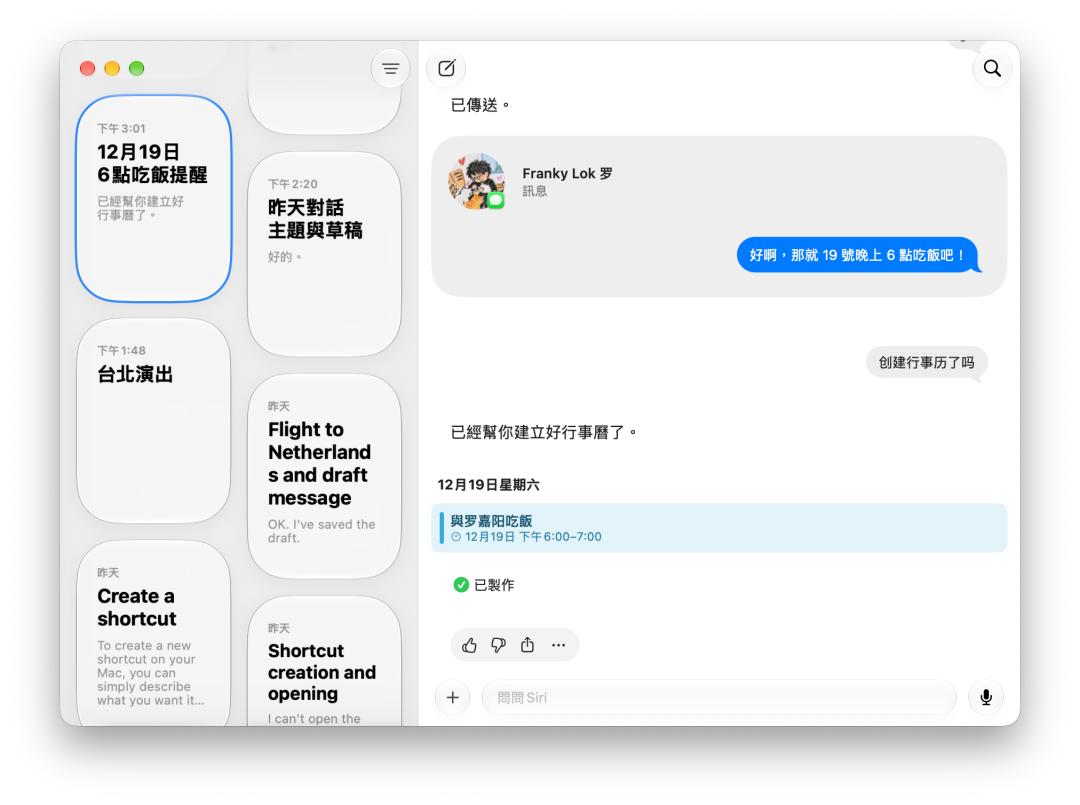
Apple still needs to continue to fix bugs and complete application operation capabilities through iOS 27.3 and subsequent versions.
While Apple is struggling with the mess, ChatGPT, Meta Muse and other AI Agents have begun to access emails, calendars, cloud storage, travel and financial accounts, completing more and more complex tasks for users.

The focus of competition for smart assistants has completely